
Towns known for one product
Inside the production zone of a protected cheese, cured meat, fruit, vegetable or truffle.
39 lists
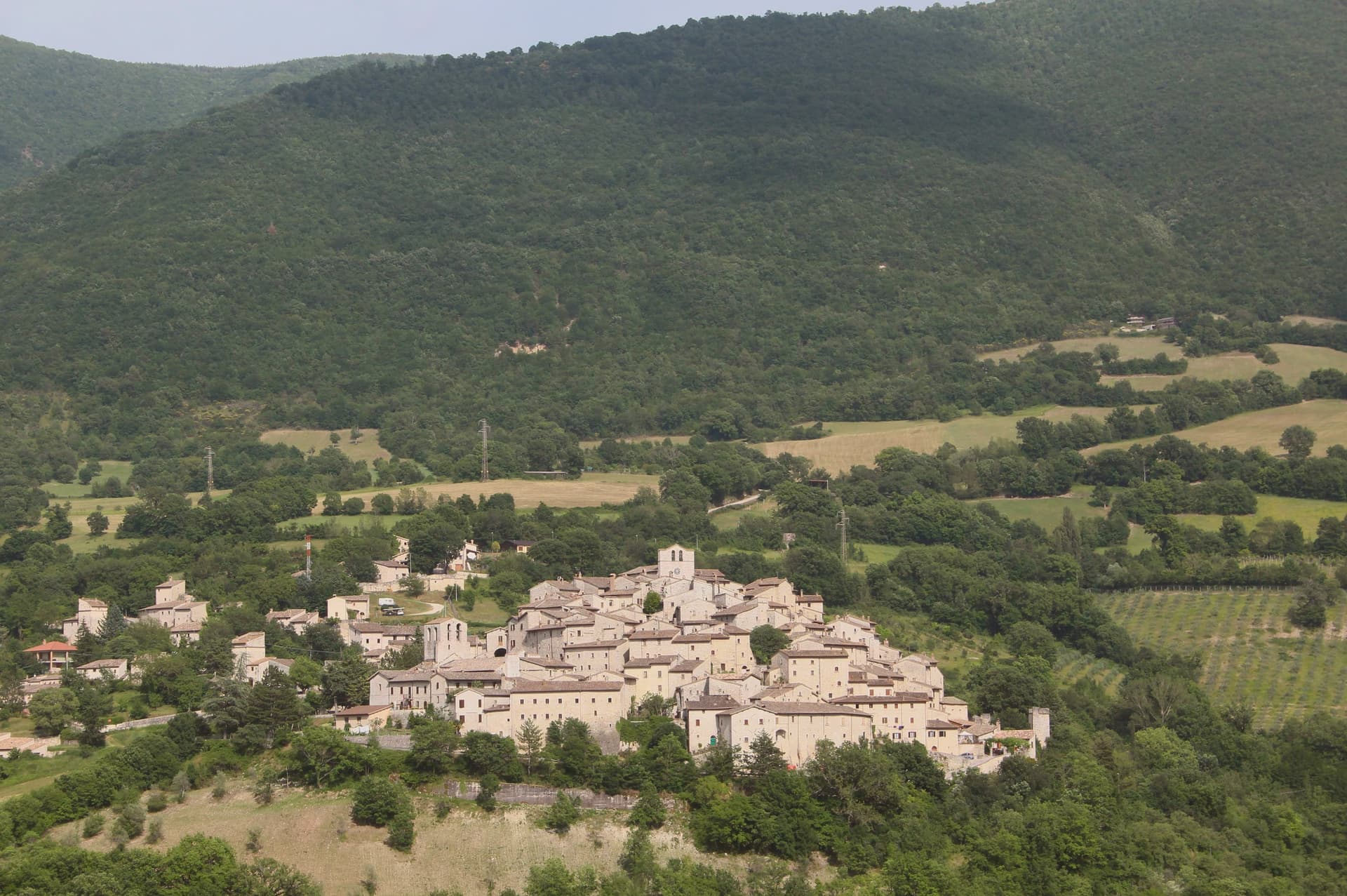
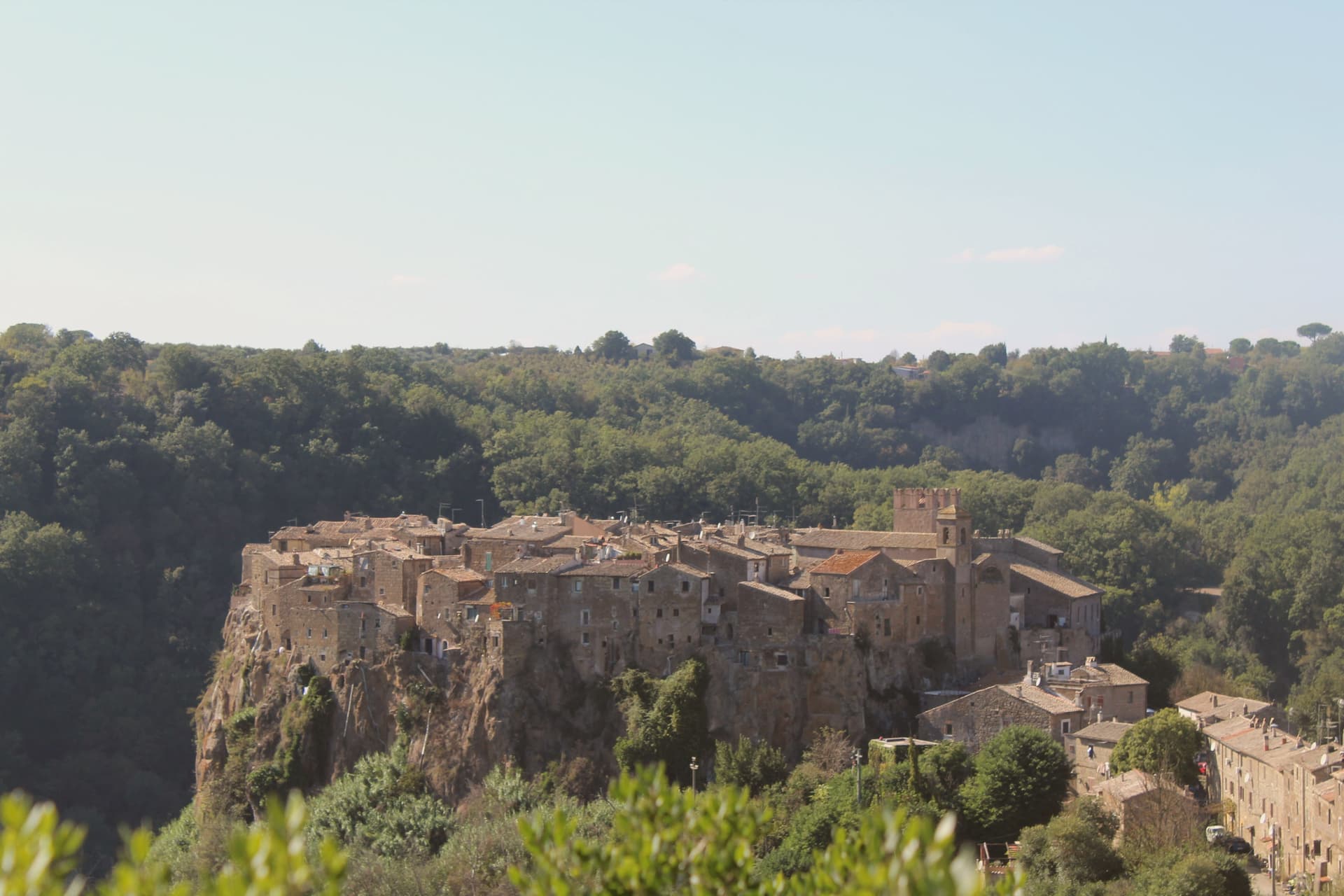 The best towns known for what they grow within 75 minutes of RomeNorth of Rome the volcanic soil of the Cimini hills grows hazelnuts, chestnuts and the pale Viterbese bean, and the towns that hold the protected growing zones sit within a short drive of the city. Tuff-built villages, autumn markets and lakes ringed by orchards.
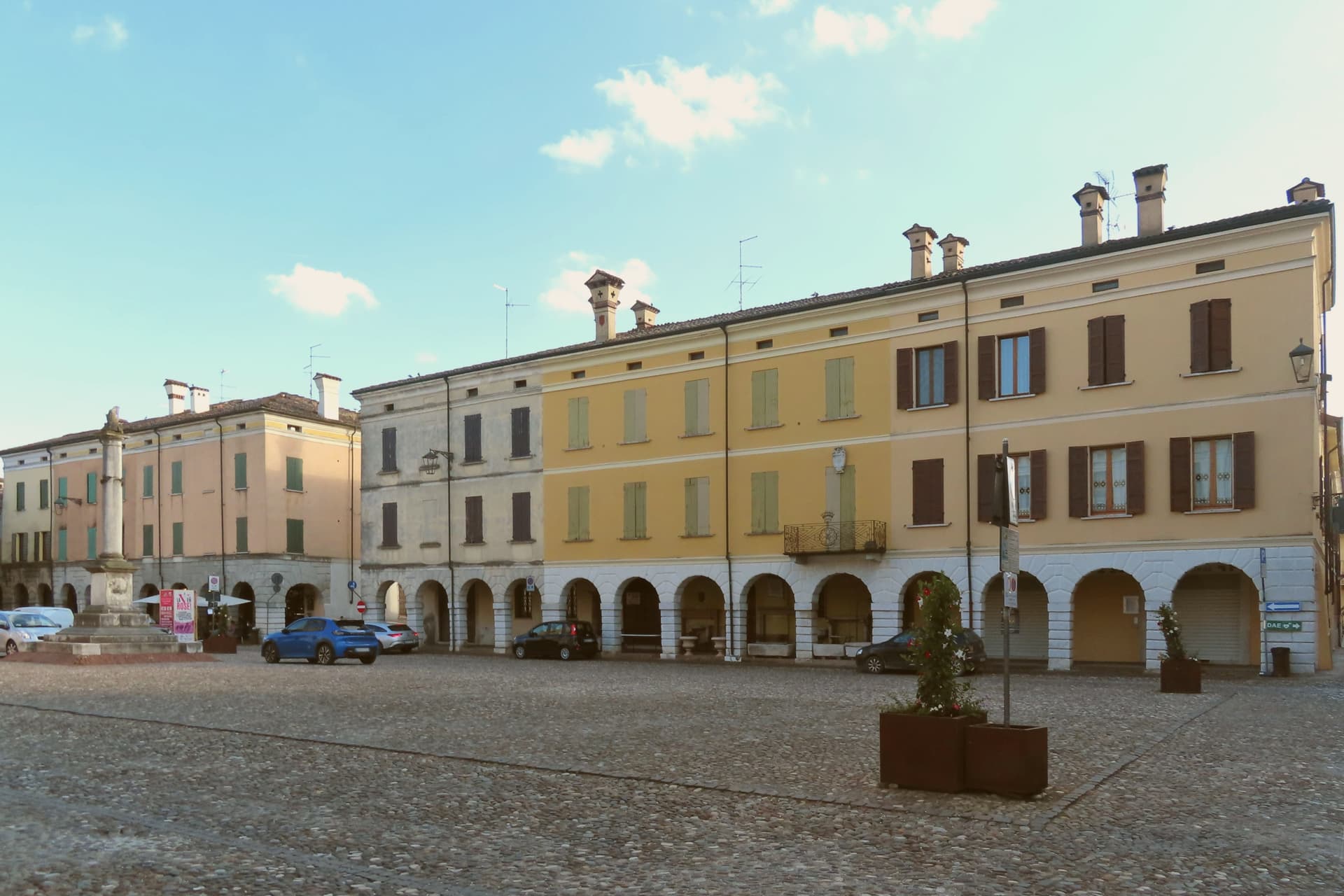 The best towns known for what they grow within two hours of MilanBetween the Po plain and the first Alpine valleys, the country within reach of Milan grows melons, Val di Susa apples, Garda olives, Nebbiolo grapes and rice, and these towns sit inside the protected zones that produce them.
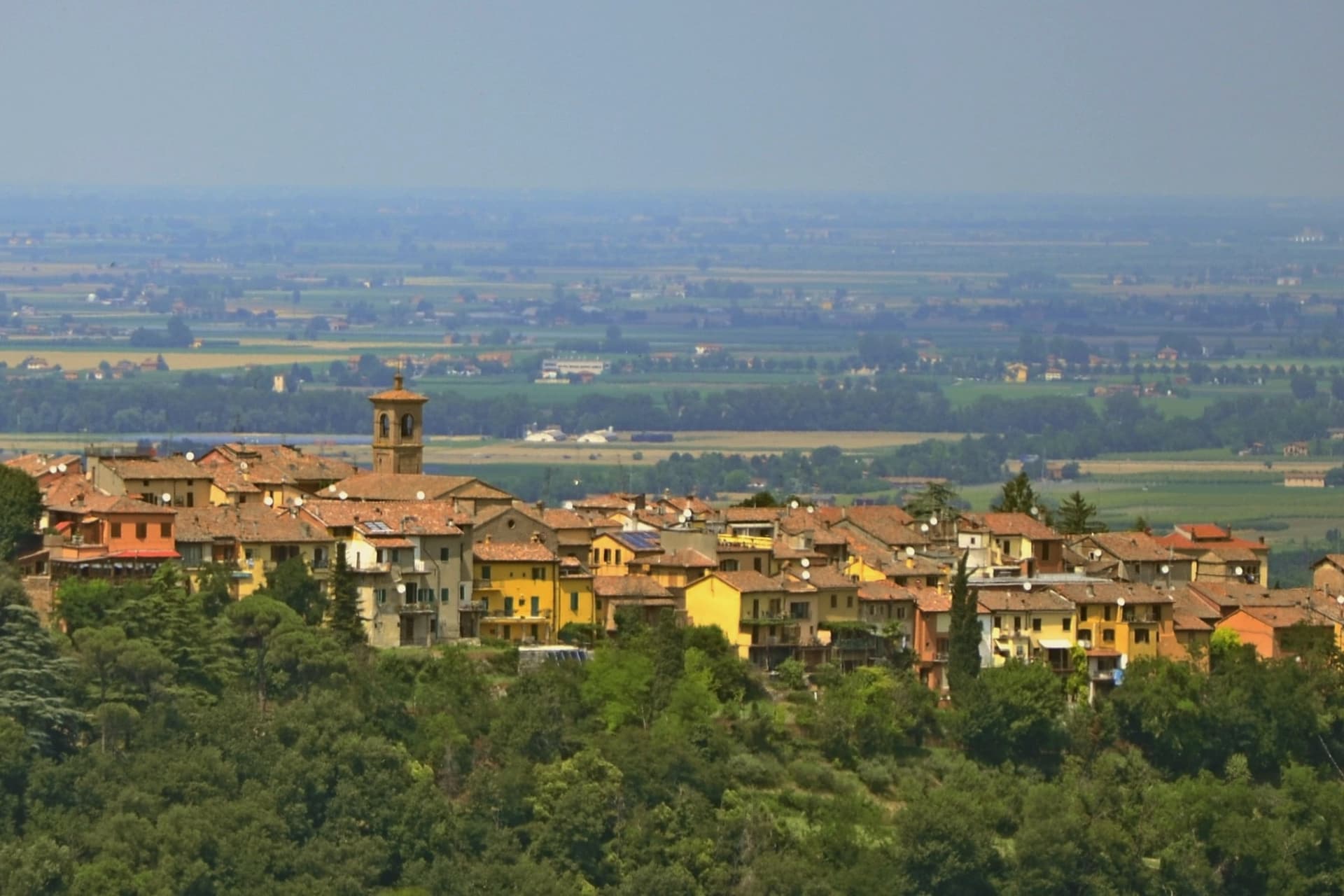 The best towns known for what they grow within 45 minutes of BolognaThe plain between Bologna and Modena grows cherries, pears and the grapes that go into balsamic vinegar, and the towns along the via Emilia and the first hills behind it are where the crops are named, protected and eaten in season. Fruit, acetaie and Lambrusco within a short drive of the city.
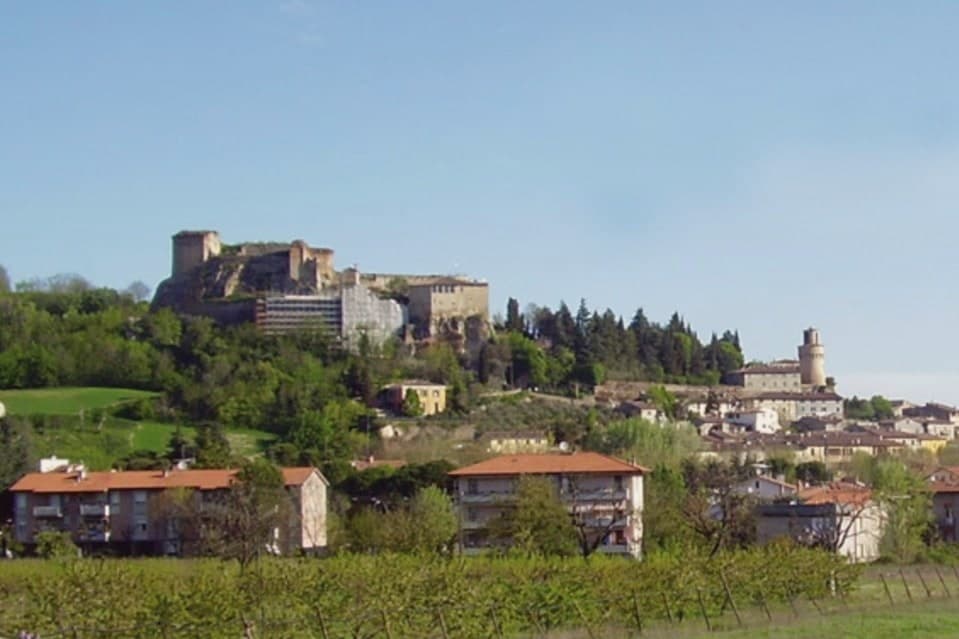 The best towns known for what they grow within two hours of FlorenceCherries from Vignola, Garfagnana chestnut flour, moretto artichokes, traditional balsamic aged in Spilamberto attics: within a couple of hours of Florence sit towns whose names belong to a crop before they belong to a monument. Each one falls inside the production zone of a protected fruit or vegetable.
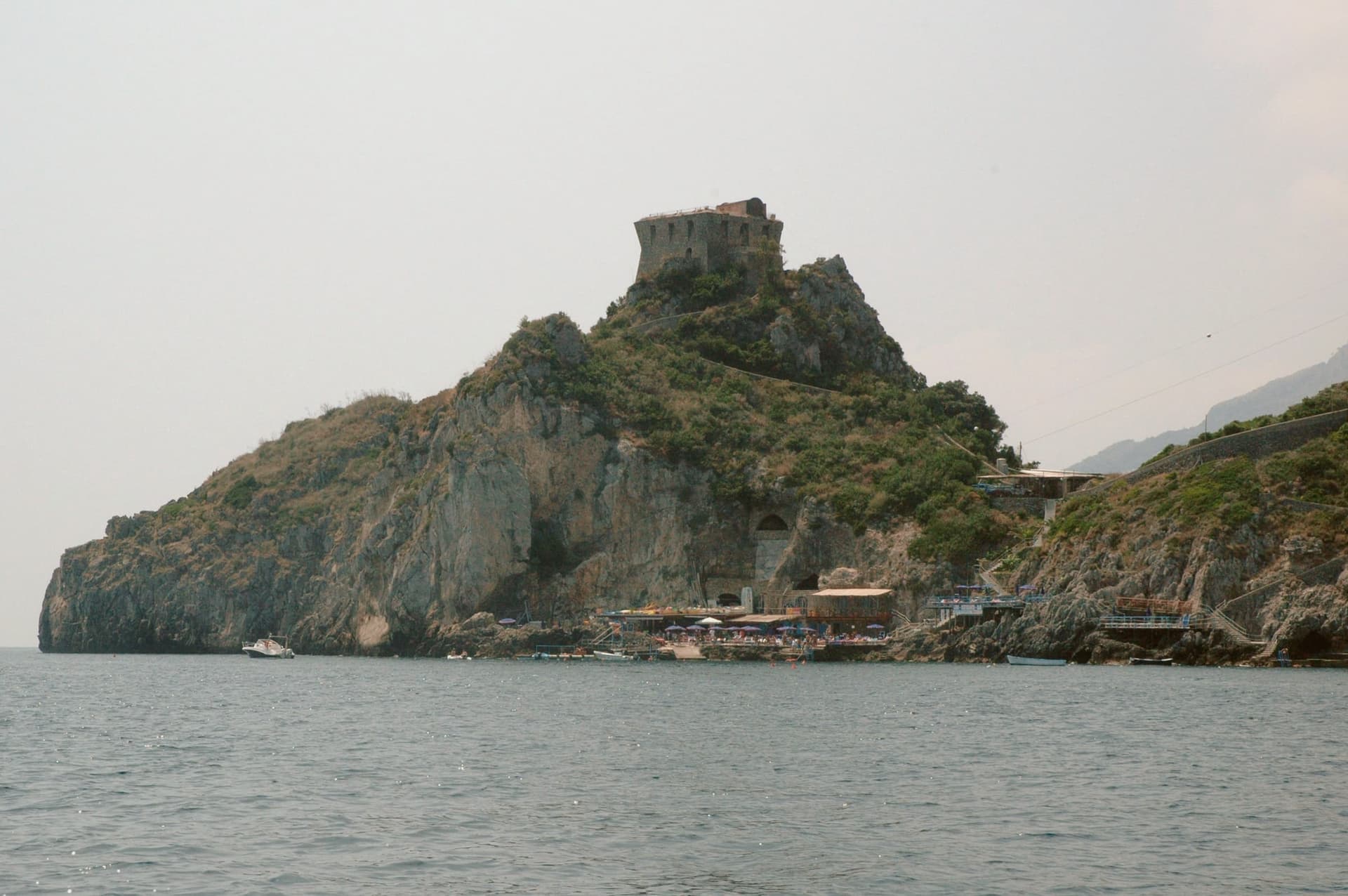 The best towns known for what they grow within an hour of NaplesLemon terraces above the Amalfi water, tomatoes grown on volcanic ash below Vesuvius, hazelnuts and walnuts on the Nolano plain: the countryside within an hour of Naples is a production zone with legal boundaries, and the towns inside those boundaries eat accordingly.
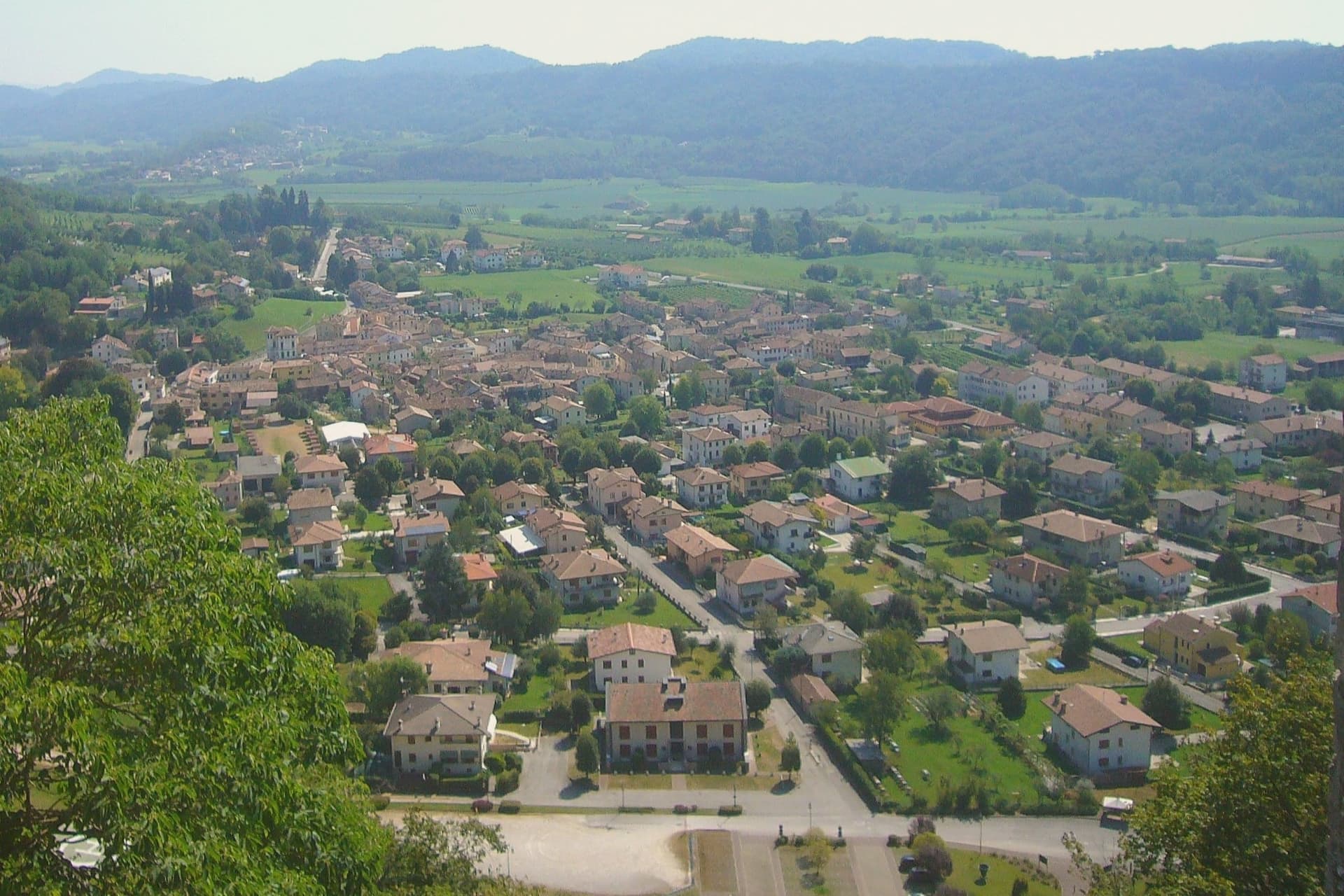 The best towns known for what they grow within 90 minutes of VeniceThe plains and hills behind Venice grow food with a name and a boundary: red radicchio, white asparagus, cherries from the Marostica slopes, garlic from the Po delta sands. These towns sit inside those protected production zones, most of them reachable from the lagoon in an easy morning.
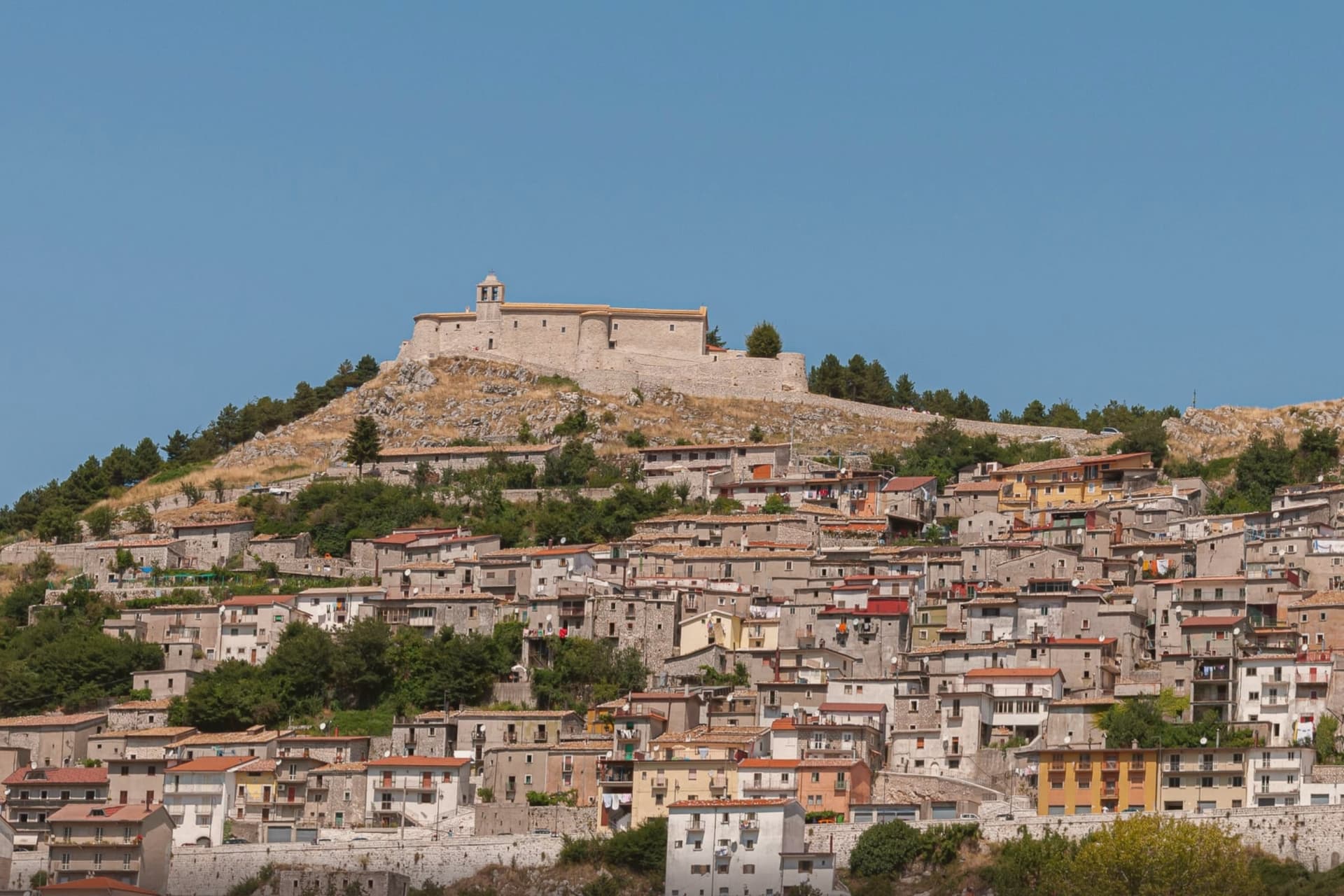 The best towns known for their meat within two hours of NaplesInland from Naples, past the buffalo plains and up into the Matese, the cooking turns to meat: podolica beef, mountain lamb, pork cured in cold stone cellars. These towns sit inside the production zones of protected meats, and eat accordingly.
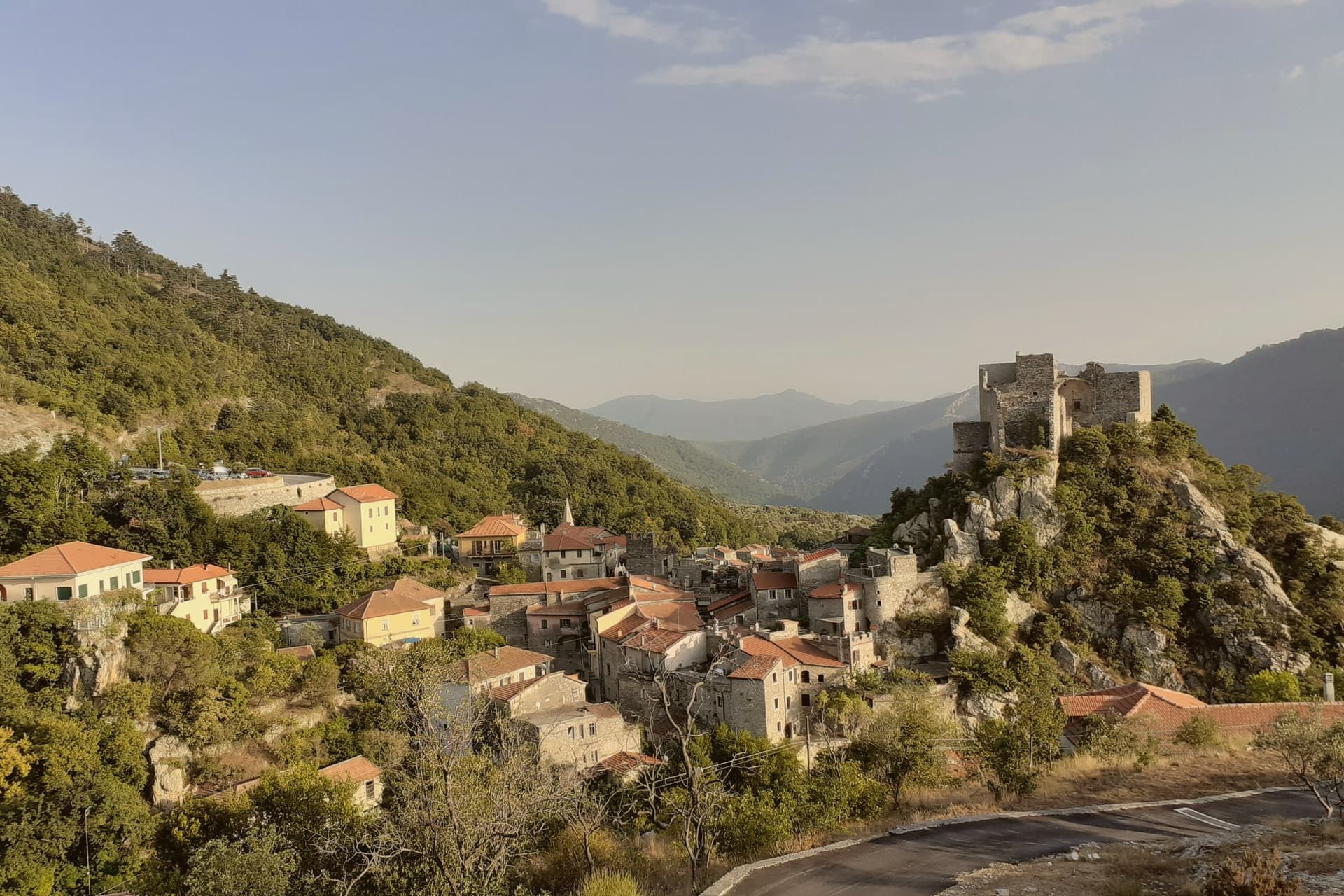 The best towns known for their meat within two hours of GenoaInland from the Ligurian coast, the valleys behind Savona and Imperia raise cattle and cure pork inside protected production zones, and their butchers, mountain trattorie and stone villages sit within a couple of hours of Genoa. Slow-cooked beef, salame, chestnut woods and autumn markets.
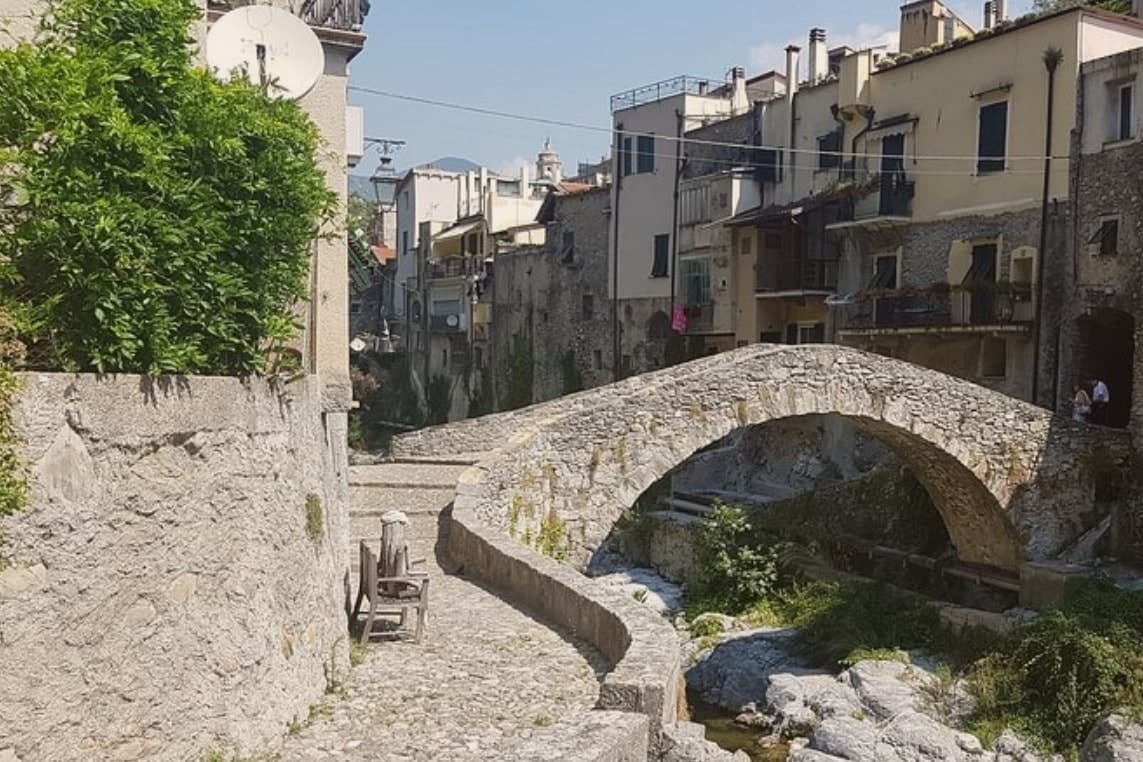 The best towns known for their meat within two hours of TurinInland from Turin, the meat is the point: braised beef, raw sausage eaten with a fork, salami hung in cellars cut into hillside rock. These towns sit inside the production zones of protected Italian meats, in the Ligurian back valleys and the hills below the Biellese Alps.
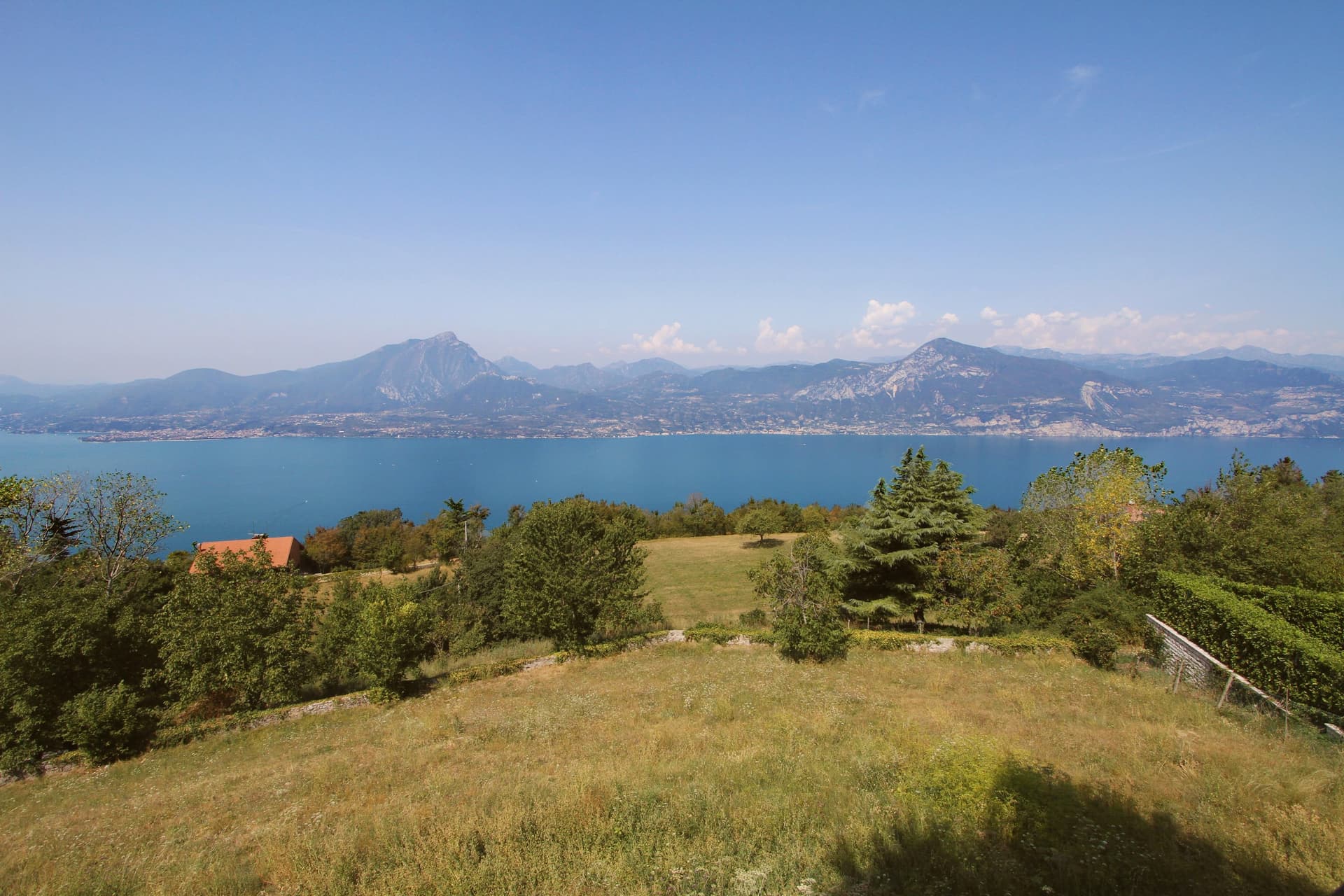 The best towns known for what they grow within an hour of VeronaChestnut woods above Lake Garda, white asparagus in the Po lowlands, prosciutto cured in the Montagnana air and cherries from the Valpolicella hills: the land within an hour of Verona is organised around what it grows, and each of these towns sits inside the production zone of a protected fruit or vegetable.
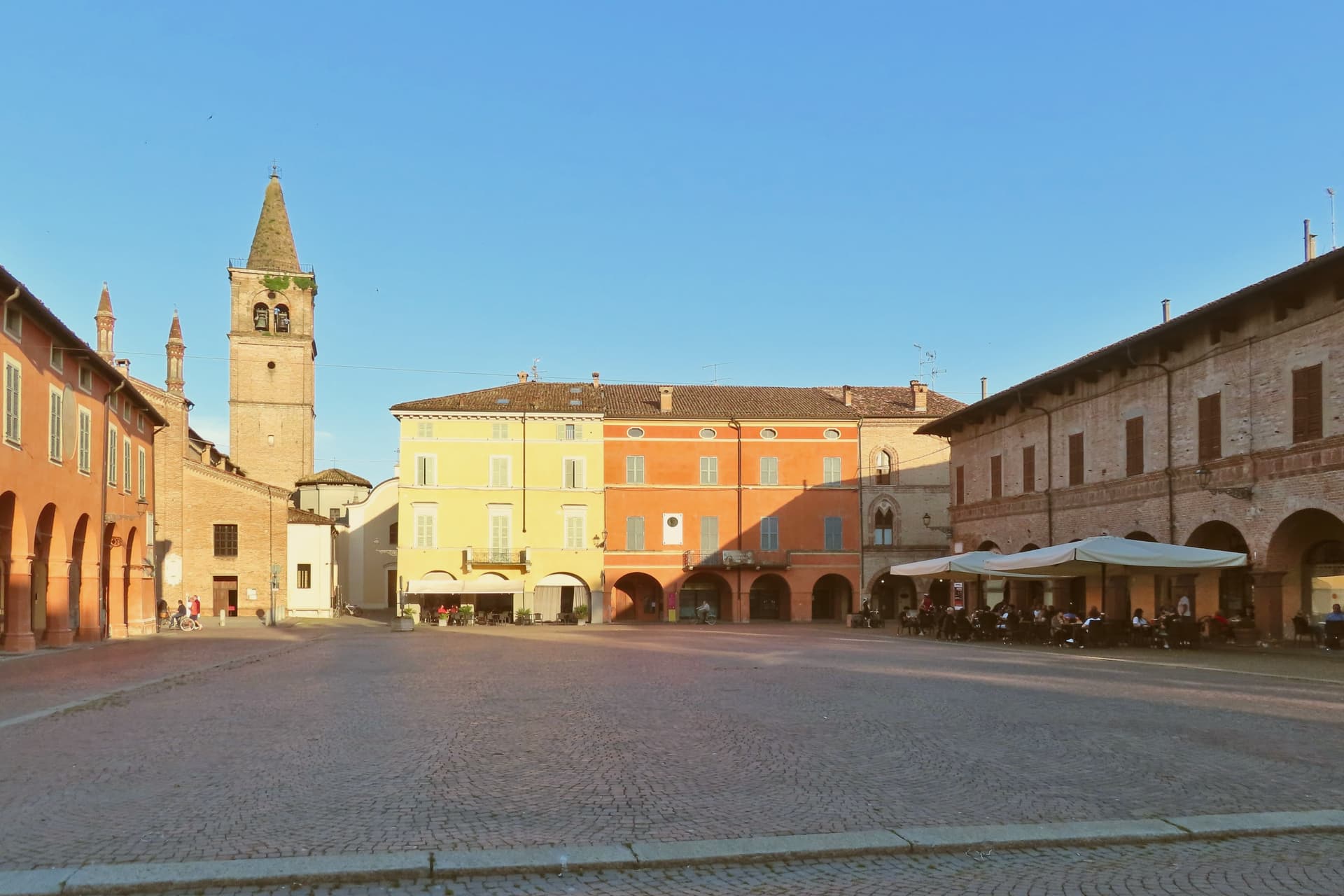 The best towns that cure their own meat within two hours of VeronaWest and south of Verona, the Po plain and the first Apennine slopes cure ham, salami and culatello in cellars where fog does half the work. These are the towns inside the protected production zones, where the meat is made rather than merely served.
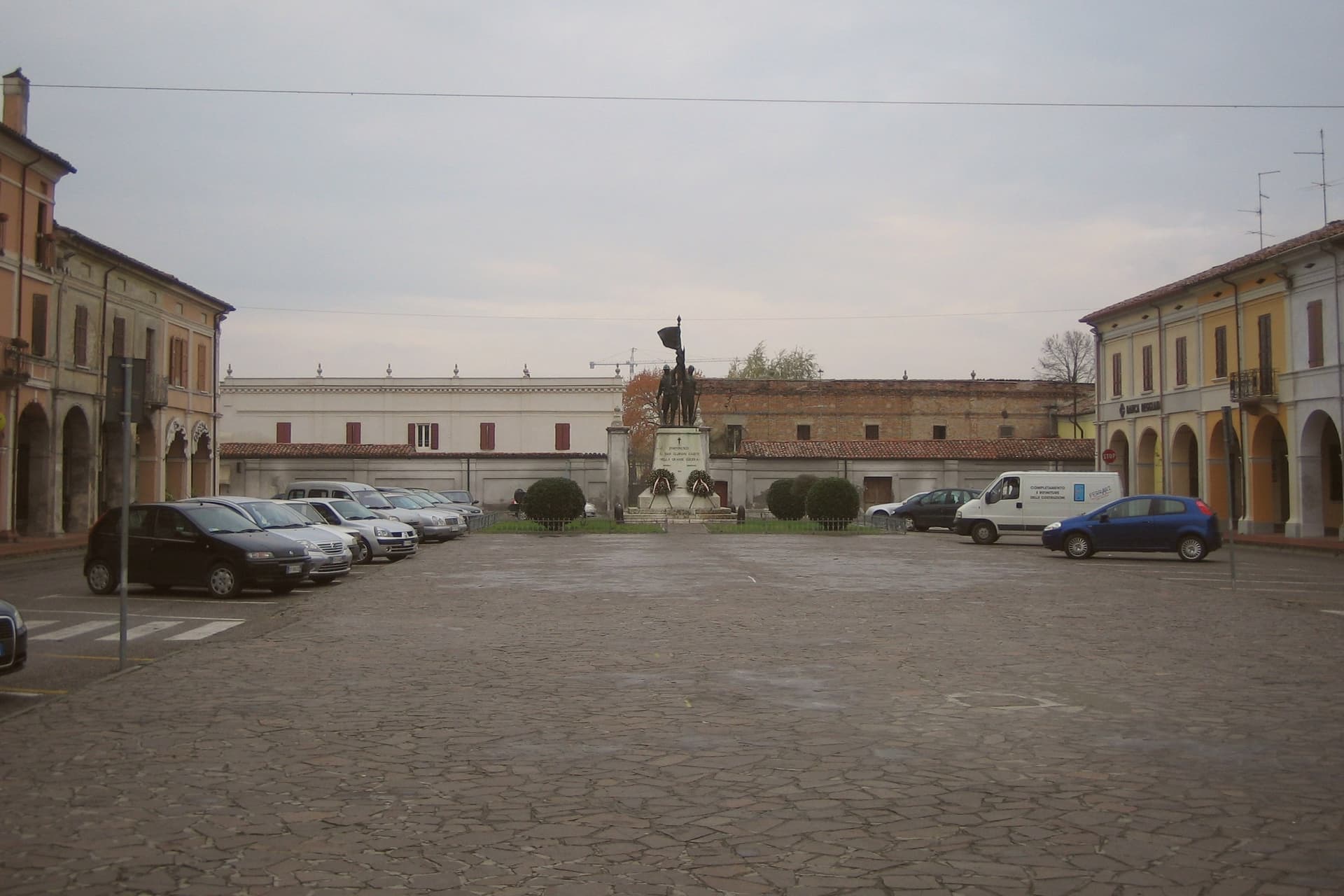 The best towns known for what they grow within two hours of TrentoChestnuts on Monte Baldo, white asparagus on the Veneto plain, cherries above Verona and Prosecco on the hills behind Treviso: towns within reach of Trento where a protected crop still sets the calendar, the menus and the spring festivals.
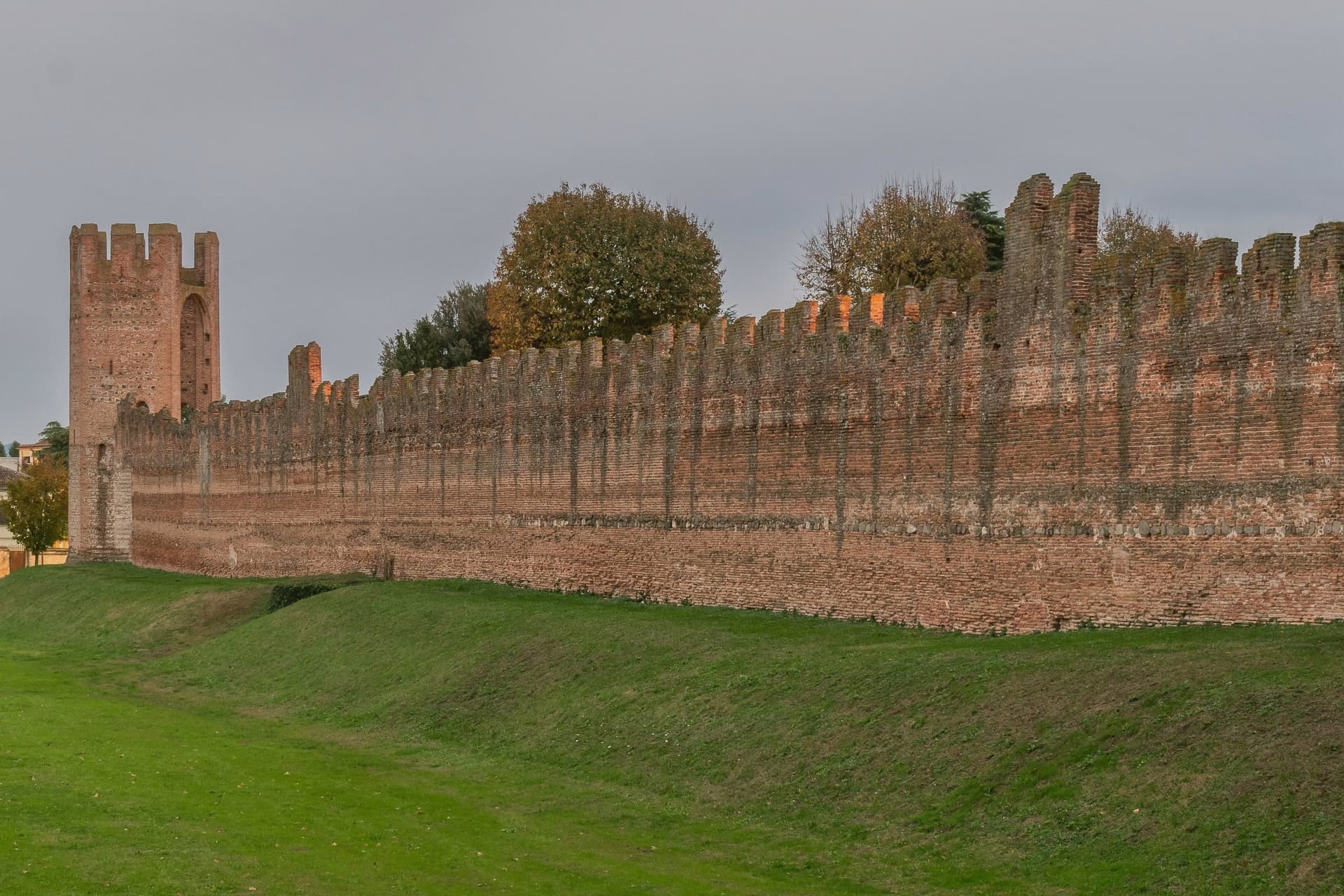 The best towns that cure their own meat within two hours of PaduaProsciutto salted and hung in the plain around Montagnana, salami and mortadella in the Emilian foothills, eel cured over the lagoon at Comacchio: a run of towns in easy reach of Padua where a protected cured meat is still made inside the town's own production zone.
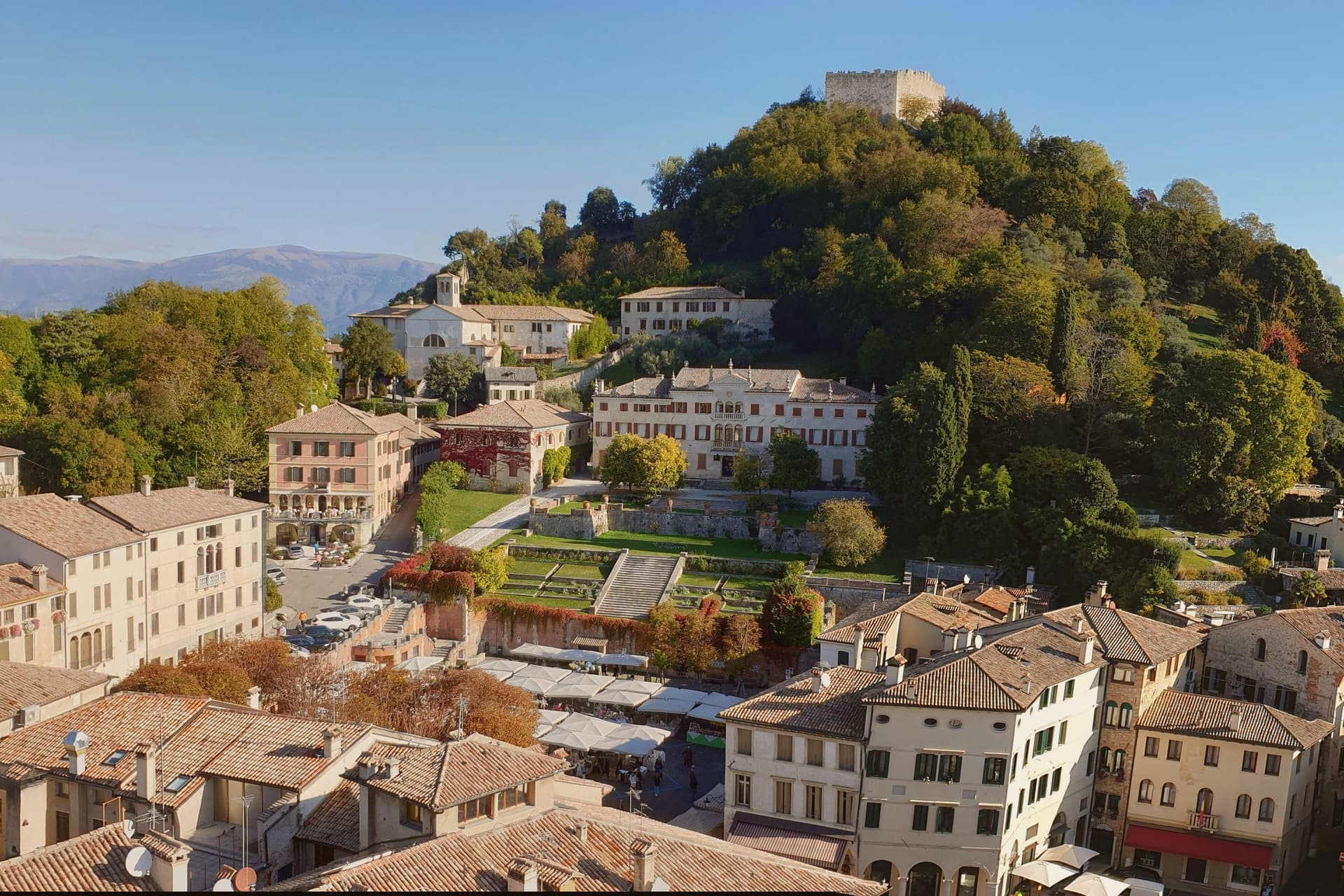 The best towns known for what they grow within 75 minutes of PaduaThe plain between Padua and the Venetian foothills grows food with a postcode: red radicchio, white asparagus, cherries from the volcanic hills and Marostica's protected cherry orchards. These are the towns where the crop is the reason to come, and where the harvest sets the calendar.
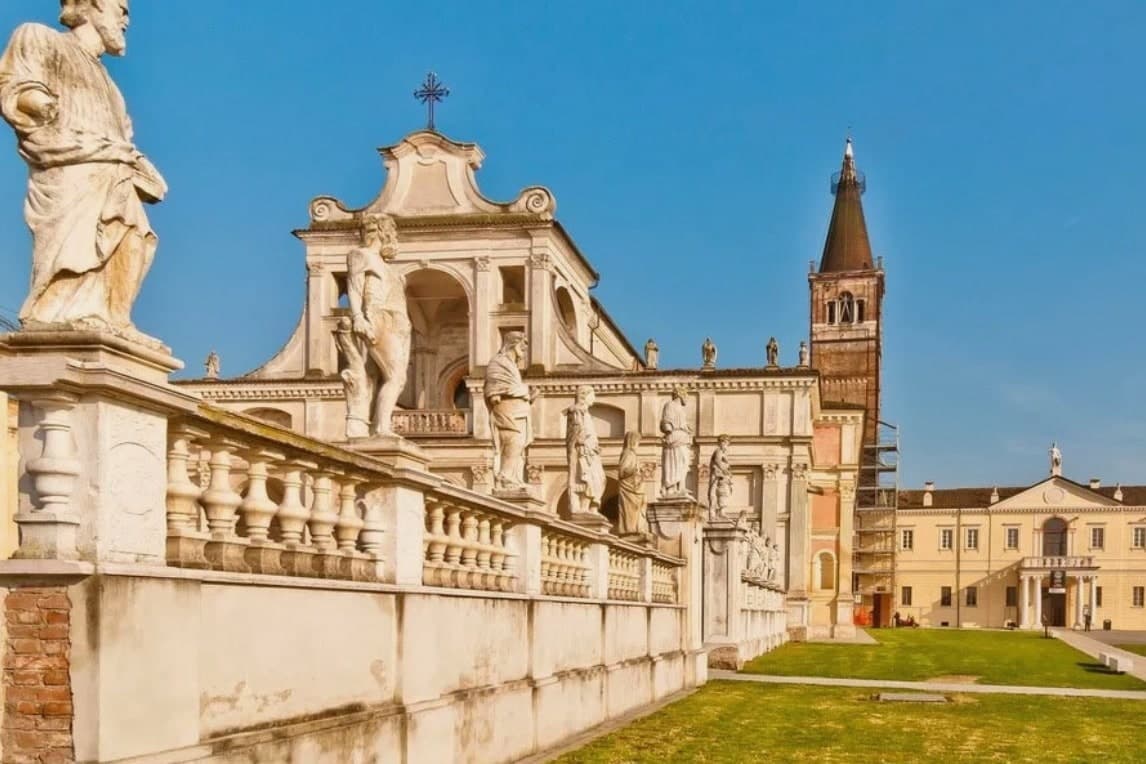 The best towns known for what they grow within 90 minutes of BresciaBetween the moraine hills of Lake Garda and the flat Po plain, the countryside east of Brescia is organised around single crops: chestnuts on the mountain terraces, pumpkin in the Mantuan fields, cherries and olives on the Valpolicella slopes, and tortellini rolled thin enough to read through. These are towns where the harvest sets the calendar.
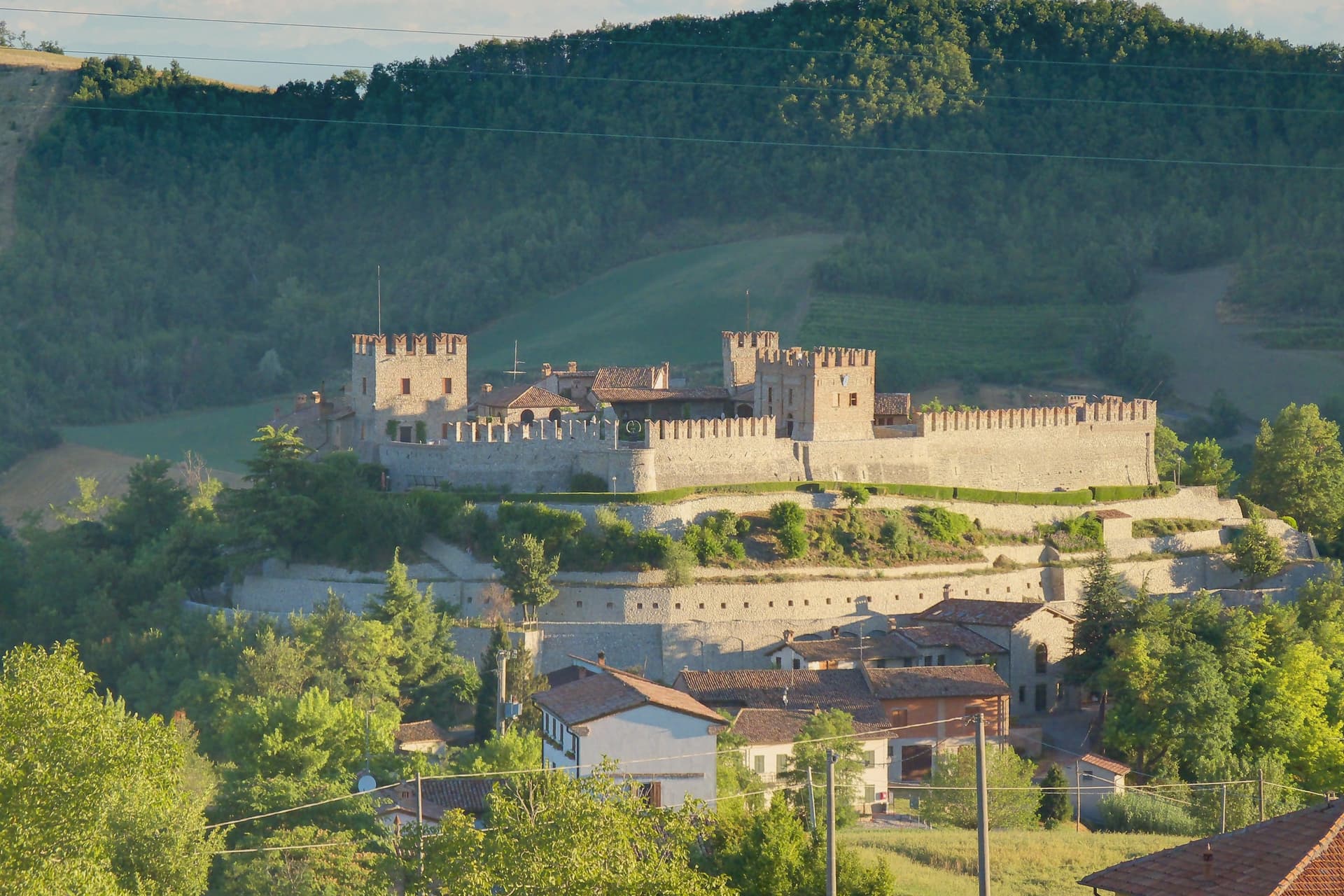 The best towns that cure their own meat within two hours of BresciaSalame di Varzi in the Oltrepò hills, culatello aged in Po valley fog, prosciutto cured on the Berici slopes: the plain between Brescia and the Apennine foothills has been salting pork for centuries, and these towns sit inside the protected zones where it still happens.
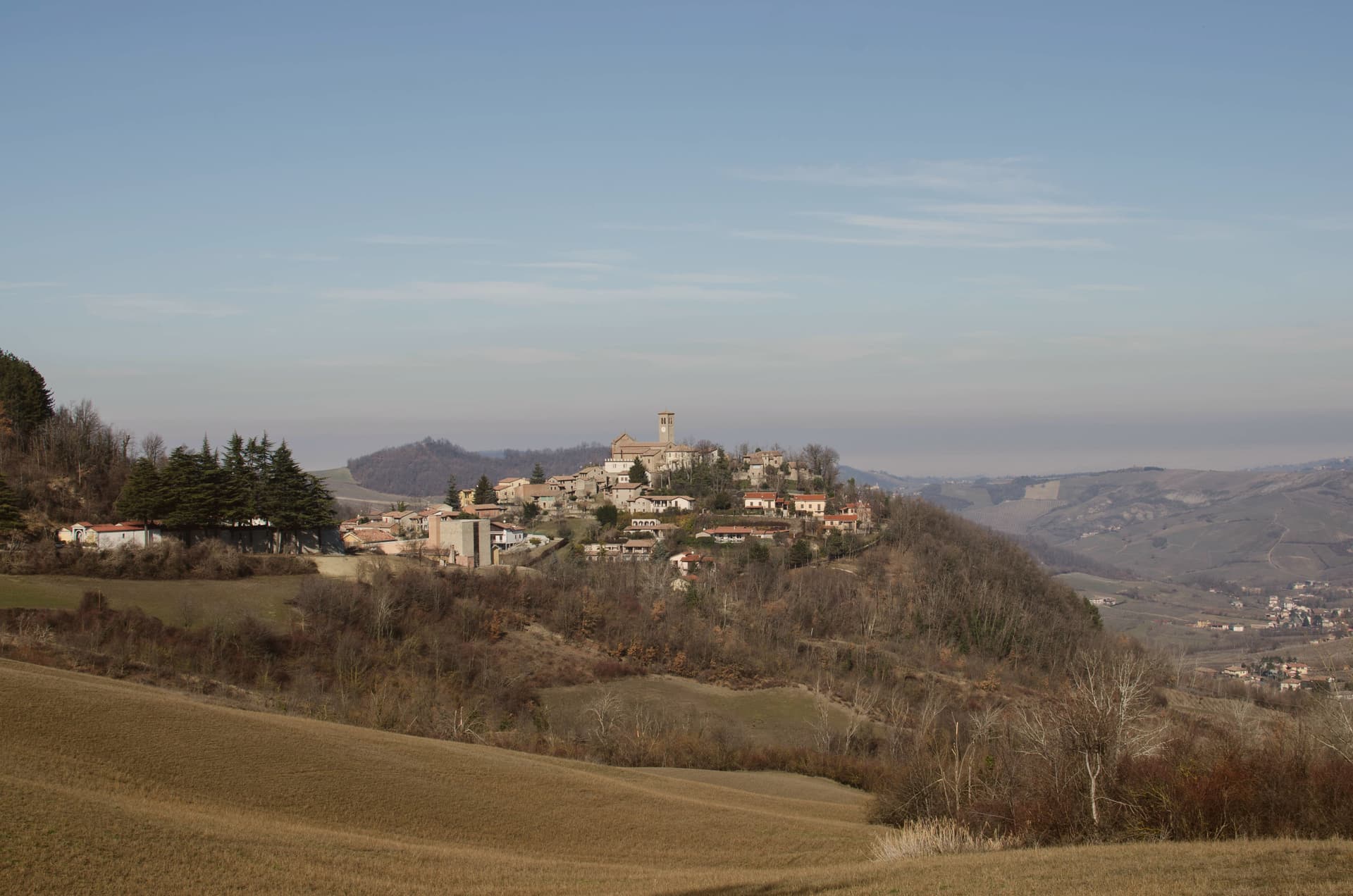 The best towns that cure their own meat within two hours of ParmaSalami cellars in the Apennine foothills, culatello ageing in the fog of the Po plain, lardo cut cold in the marble hills above the Tyrrhenian: the towns within reach of Parma where the cured meat is made where you eat it. Each one sits inside the production zone of a protected salume.
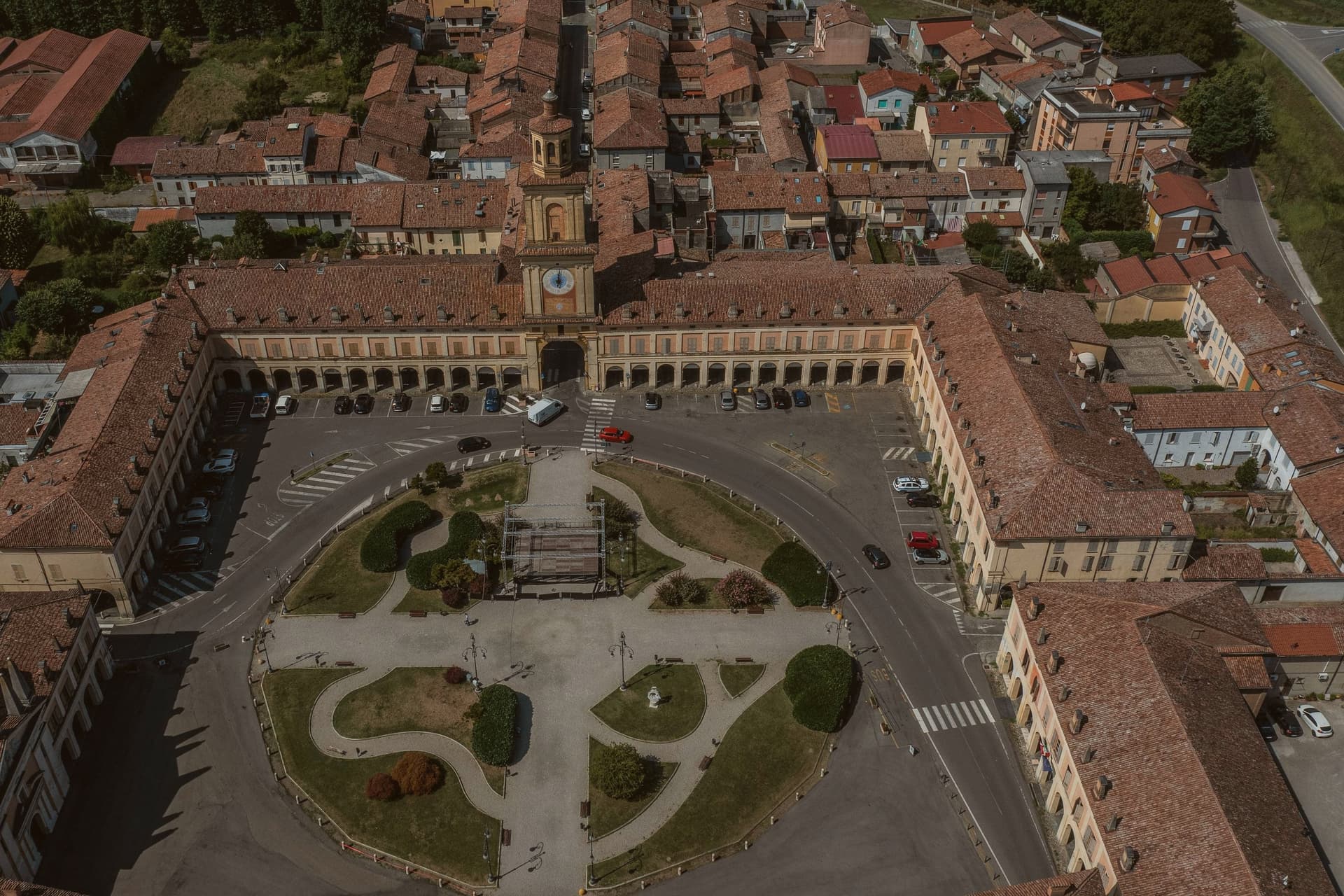 The best towns known for what they grow within 75 minutes of ParmaCherries, pumpkins, black-skinned Trebbiano vines and the slow barrels of traditional balsamic vinegar: the Po plain and the first Modenese hills around Parma grow food with legal borders drawn round it, and these towns sit inside those borders.
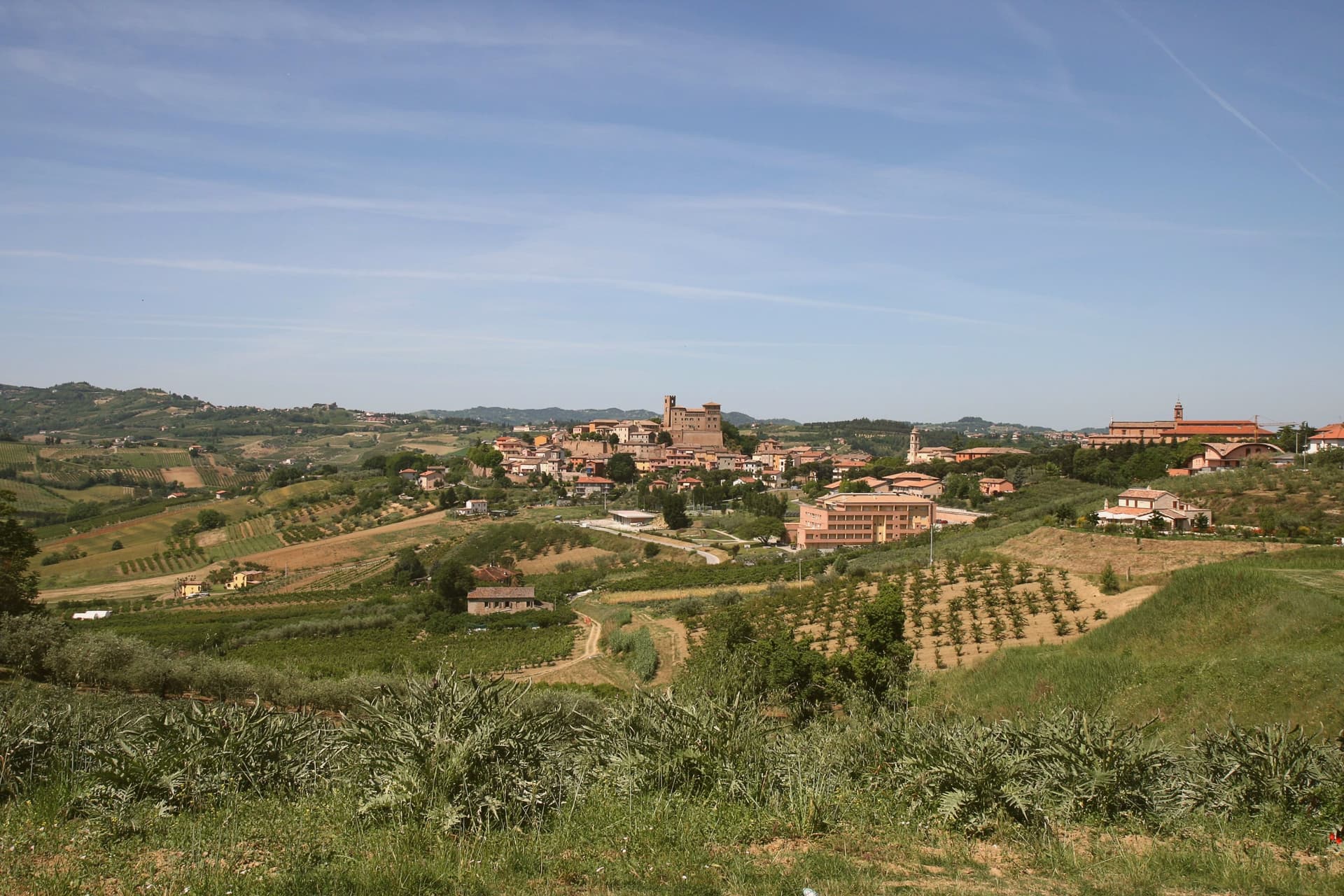 The best towns known for what they grow within an hour of RiminiInland from Rimini the Romagna plain runs into low hills planted with peaches, apricots, nectarines, shallots and vines, and the towns along that line all sit inside the production zone of a protected fruit or vegetable. Brick campanili, piadina stands, roadside fruit crates in July.
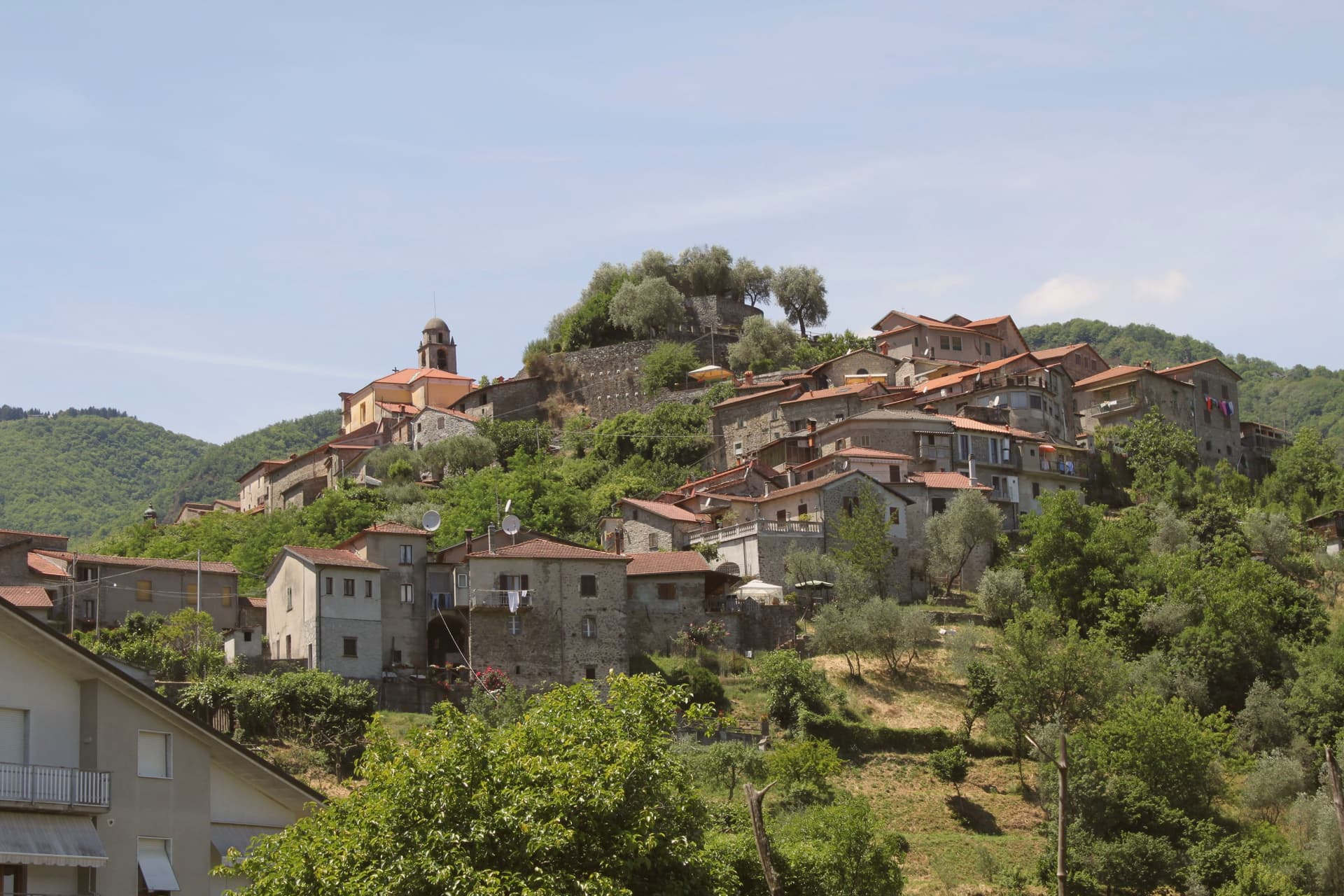 The best towns known for what they grow within two hours of PisaNorth of Pisa, in the Lunigiana and the Garfagnana, whole towns are still known for one crop: sweetcorn ground into pale flour, chestnuts dried in stone huts, spelt sown on terraces above the Serchio. These are the hill towns inside those protected growing zones, reachable in a morning's drive.
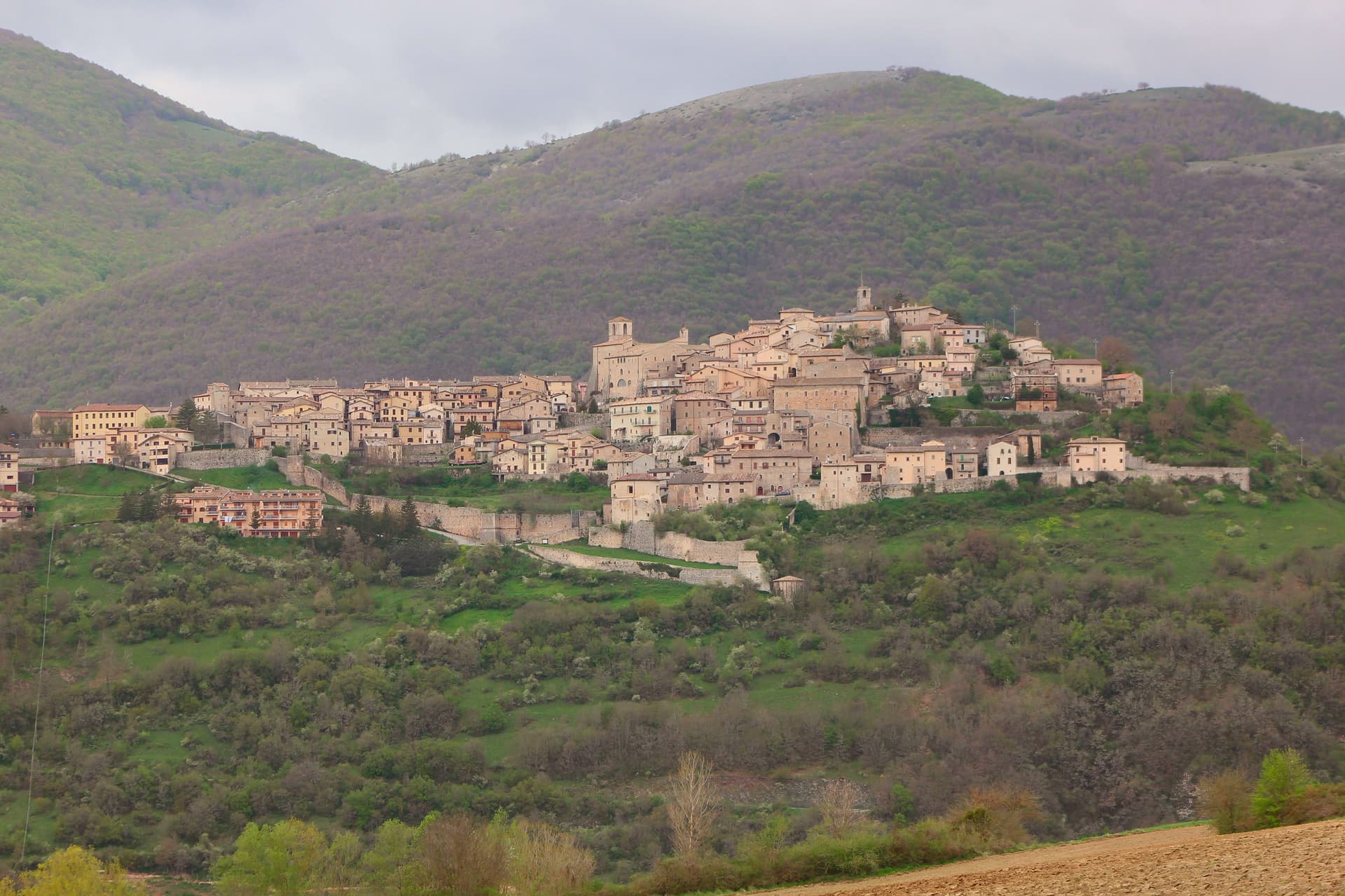 The best cheese towns within two hours of PerugiaPecorino aged in tufa cellars, ricotta salata from mountain flocks, caciotta sold from the back of a van on market morning: the uplands and lake country around Perugia sit inside the production zones of Italy's protected sheep's cheeses. These are the towns where the dairies still work.
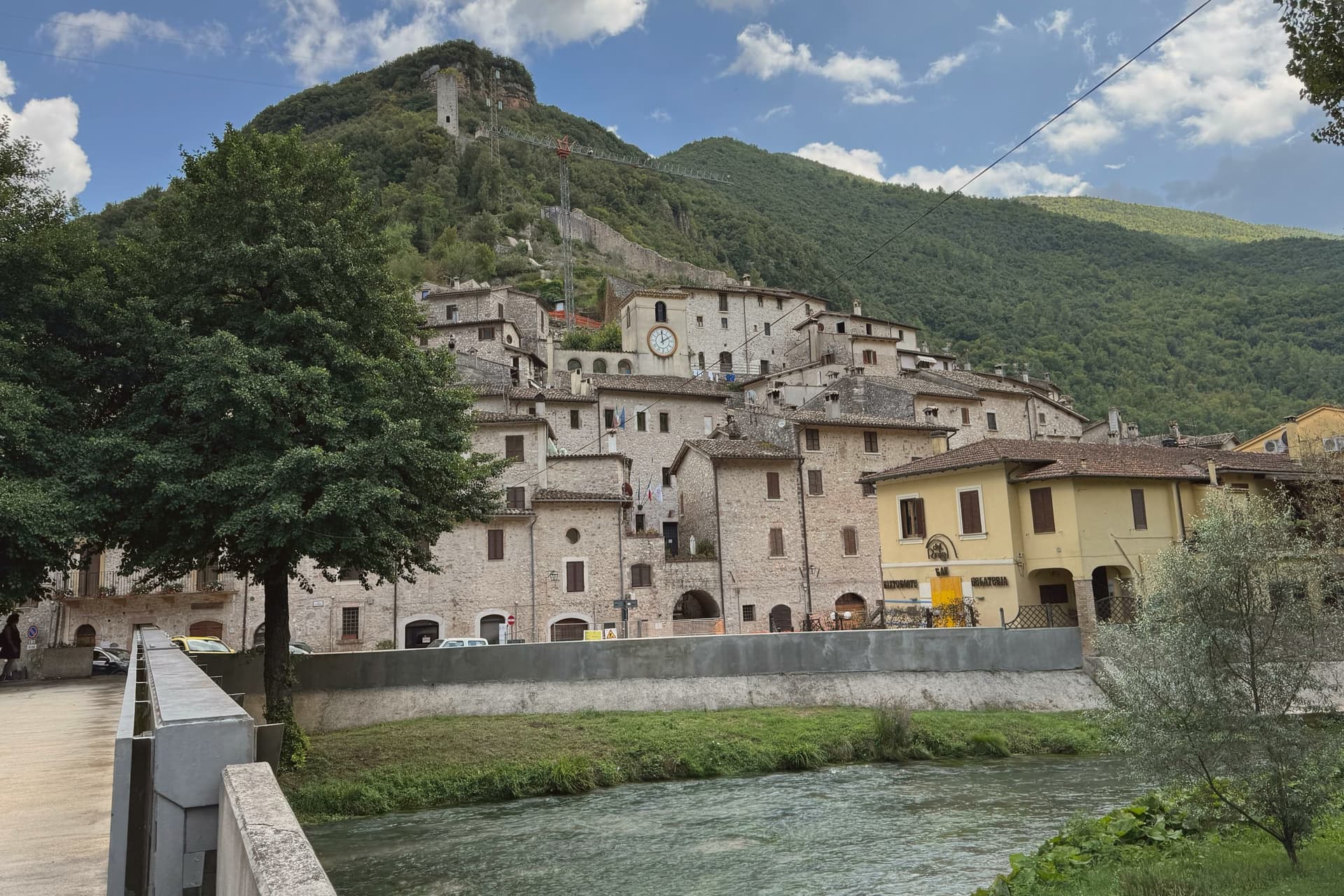 The best towns known for what they grow within 90 minutes of PerugiaUmbrian hill towns where the surrounding land is the point: black celery, lentils grown on high plateaux, farro, black truffles from the Nera valley, and olive groves running to the ridge lines. Stone villages within easy driving distance of Perugia, each inside the production zone of a protected crop.
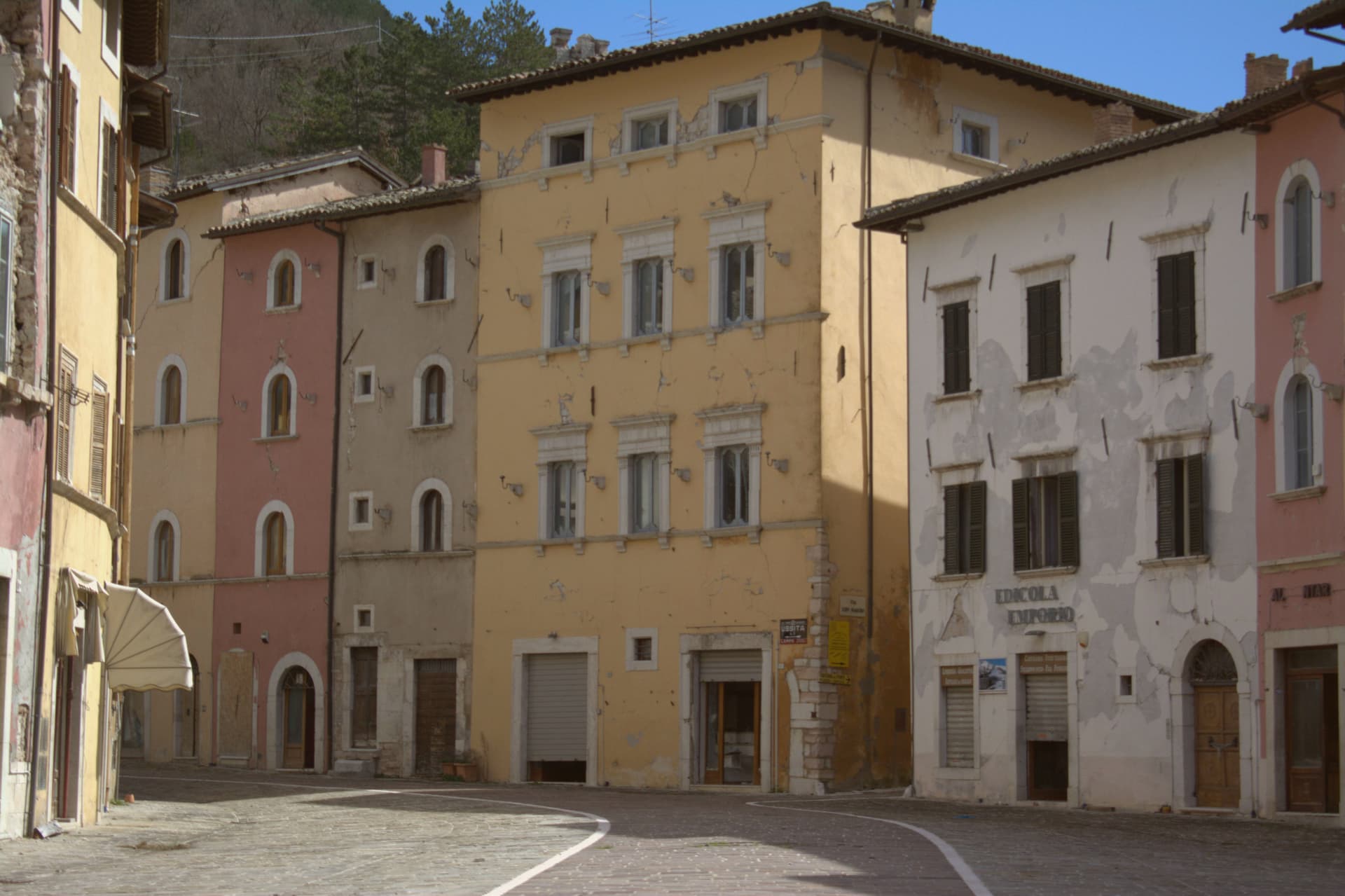 The best towns known for what they grow within two hours of AnconaInland from the Adriatic, within a couple of hours of Ancona, lie towns whose names sit on protected labels: lentils grown in high mountain basins, onions from river gravel, shallots, potatoes, table fruit from the Romagna plain. Brick, tufa and river stone, and markets that still follow the harvest.
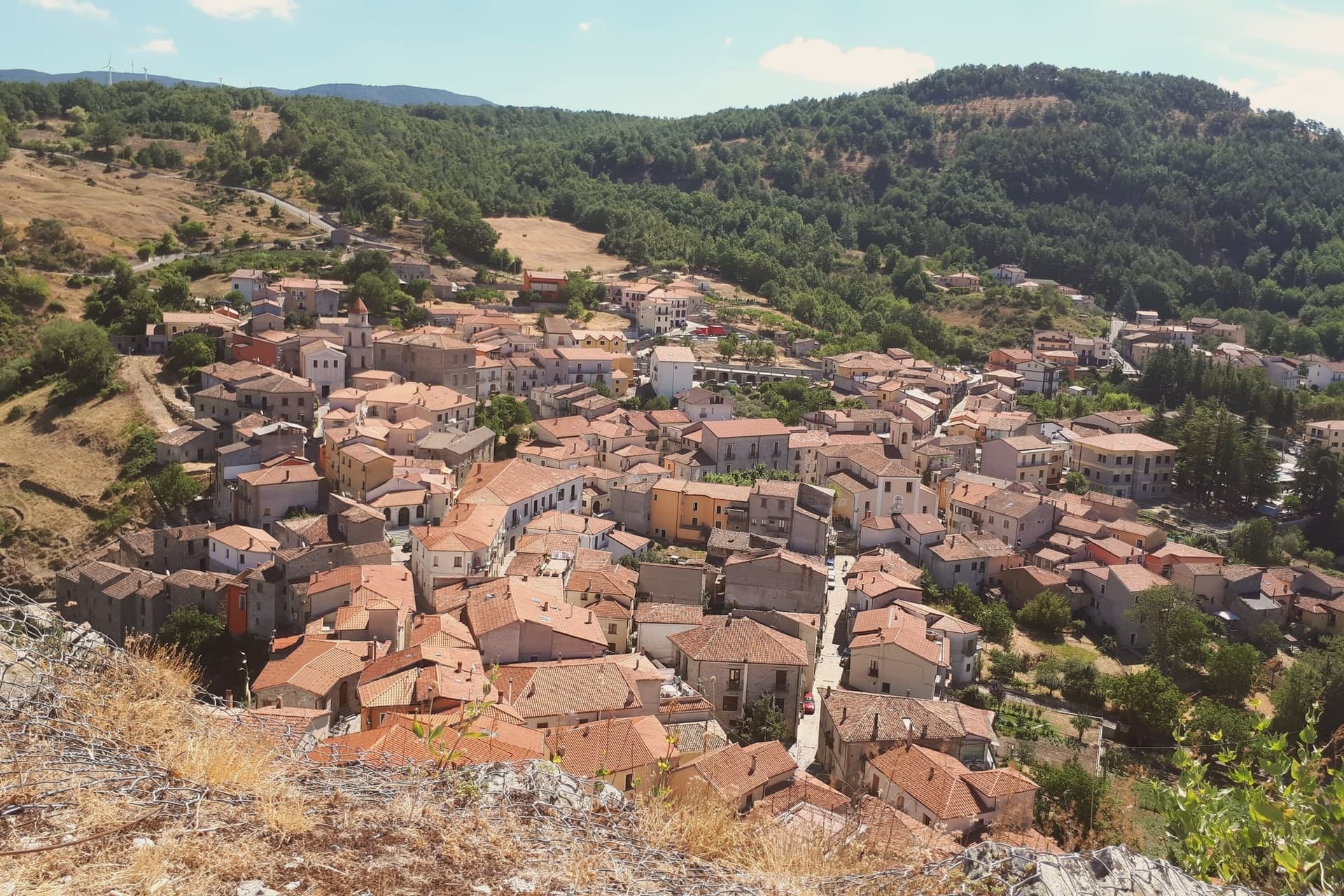 The best cheese towns within 90 minutes of SalernoProvolone del Monaco ageing in tufa cellars above the Sorrentine peninsula, caciocavallo hung in the beech woods of the Lucanian Apennines, buffalo mozzarella eaten the morning it is made. These are the towns inside the production zones, within an easy drive of Salerno.
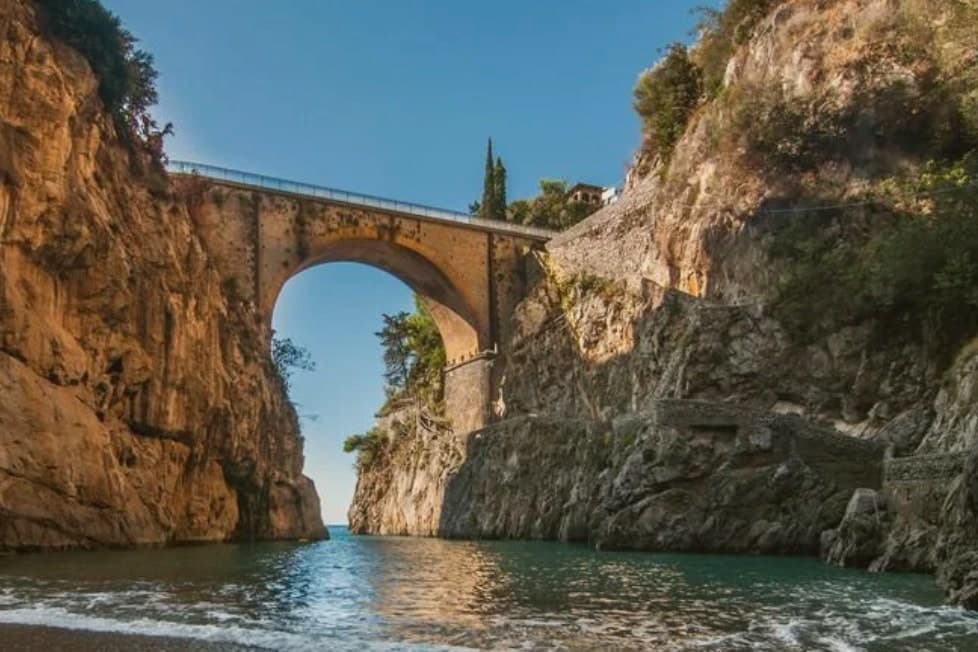 The best towns known for what they grow within 45 minutes of SalernoLemon terraces above the Amalfi coast, San Marzano tomato fields on the volcanic plain, anchovies cured in Cetara and hazelnut groves around Nola: the country close to Salerno is defined by what it grows, and much of it carries protected status.
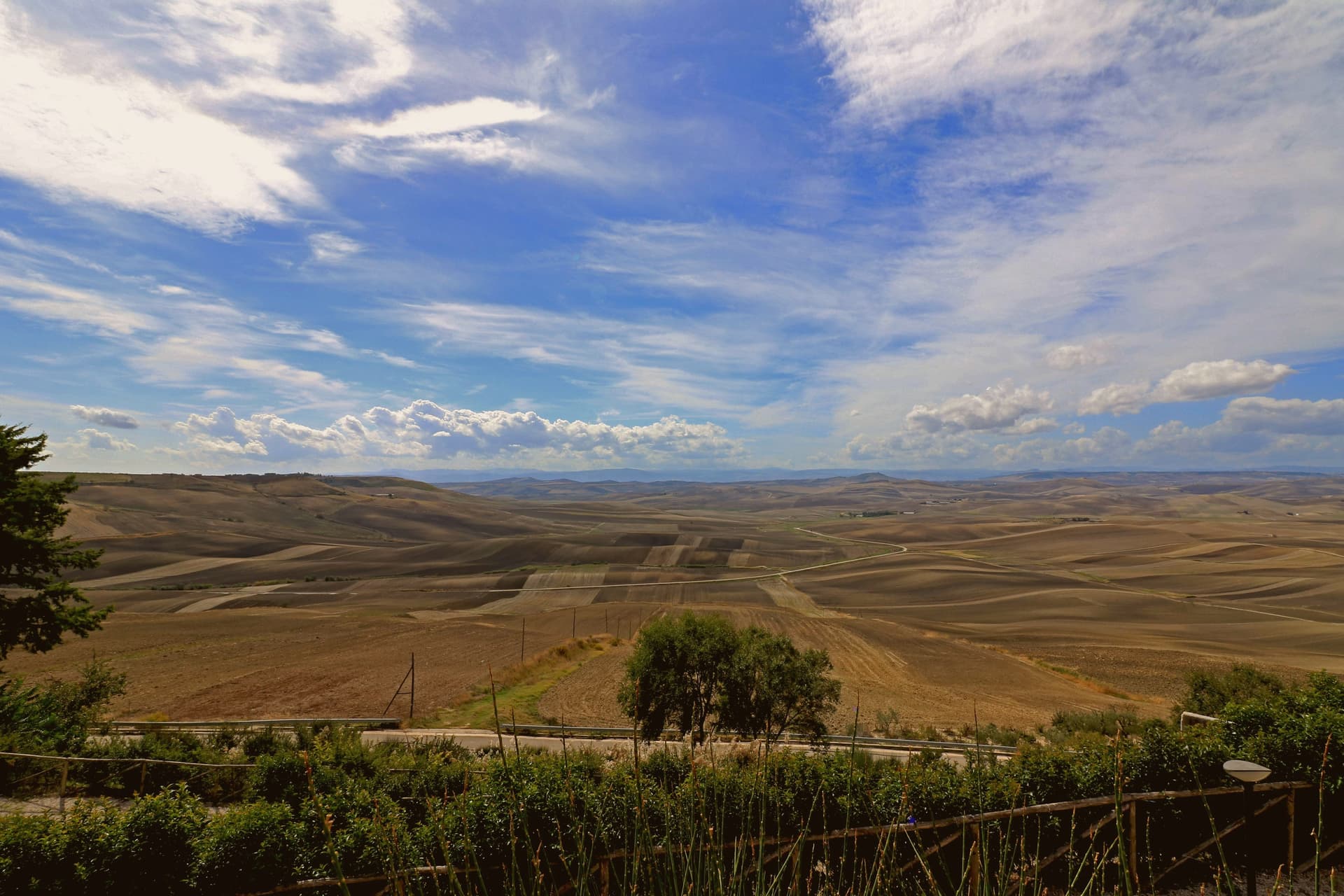 The best towns known for what they grow within 75 minutes of BariInland from Bari, the Murgia plateau grows what southern Italian cooking runs on: table grapes, clementines, artichokes, lentils, durum wheat and the almonds that go into the region's baking. These are the towns of tufa walls and protected produce, best in the vegetable months between autumn and late spring.
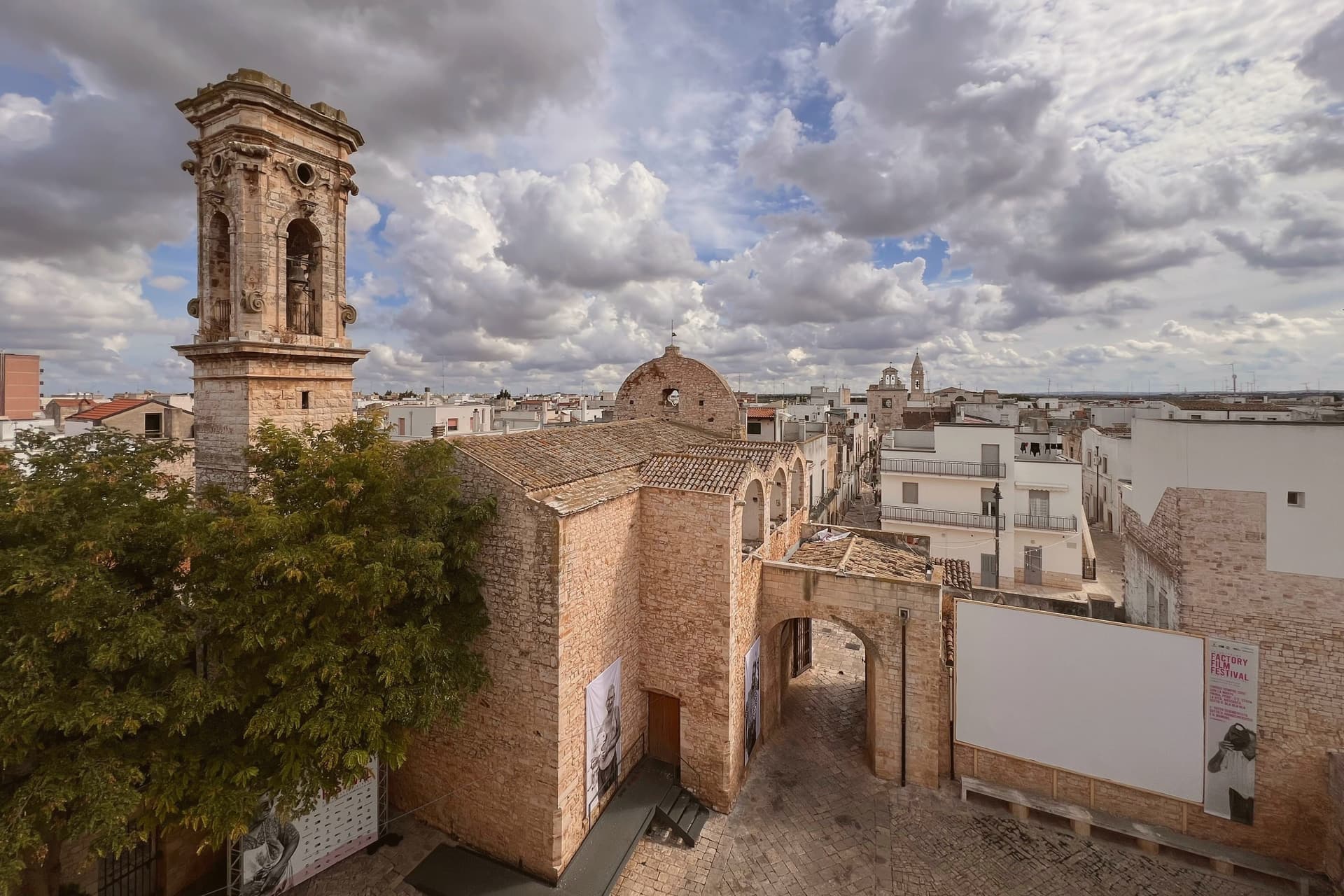 The best cheese towns within 45 minutes of BariInland from Bari the limestone plateau of the Murgia turns milk into burrata, mozzarella, ricotta forte and hard caciocavallo, and the towns in its production zones still sell it warm from the morning batch. Cheese counters, olive oil, tufa-built centres and the Adriatic within easy reach.
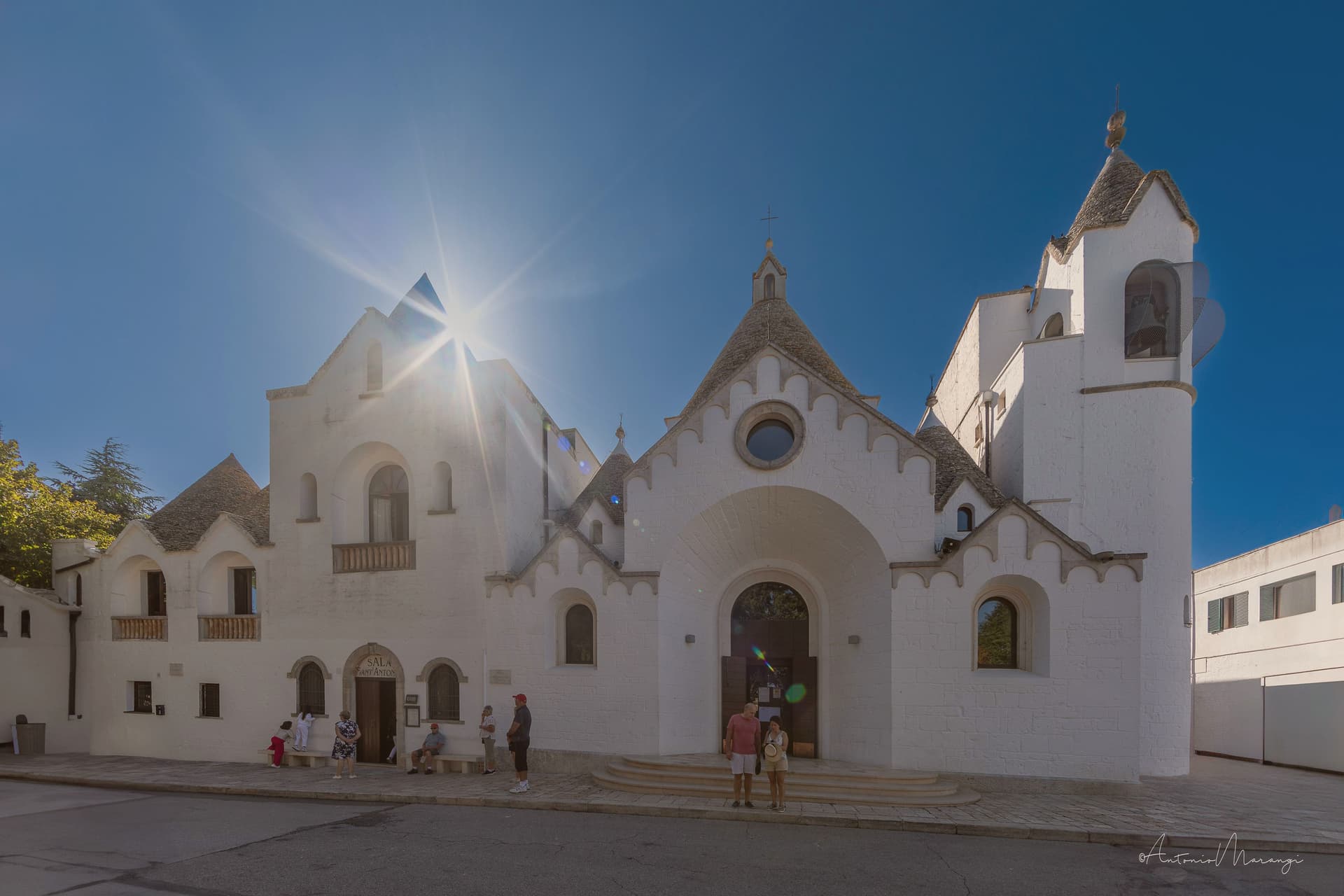 The best cheese towns within two hours of LecceThe Murgia and the Valle d'Itria between Lecce and Bari make burrata, mozzarella, ricotta forte and hard sheep's cheeses inside protected production zones, sold from dairies that open early and sell out. These towns, all within a couple of hours' drive of Lecce, sit inside those zones.
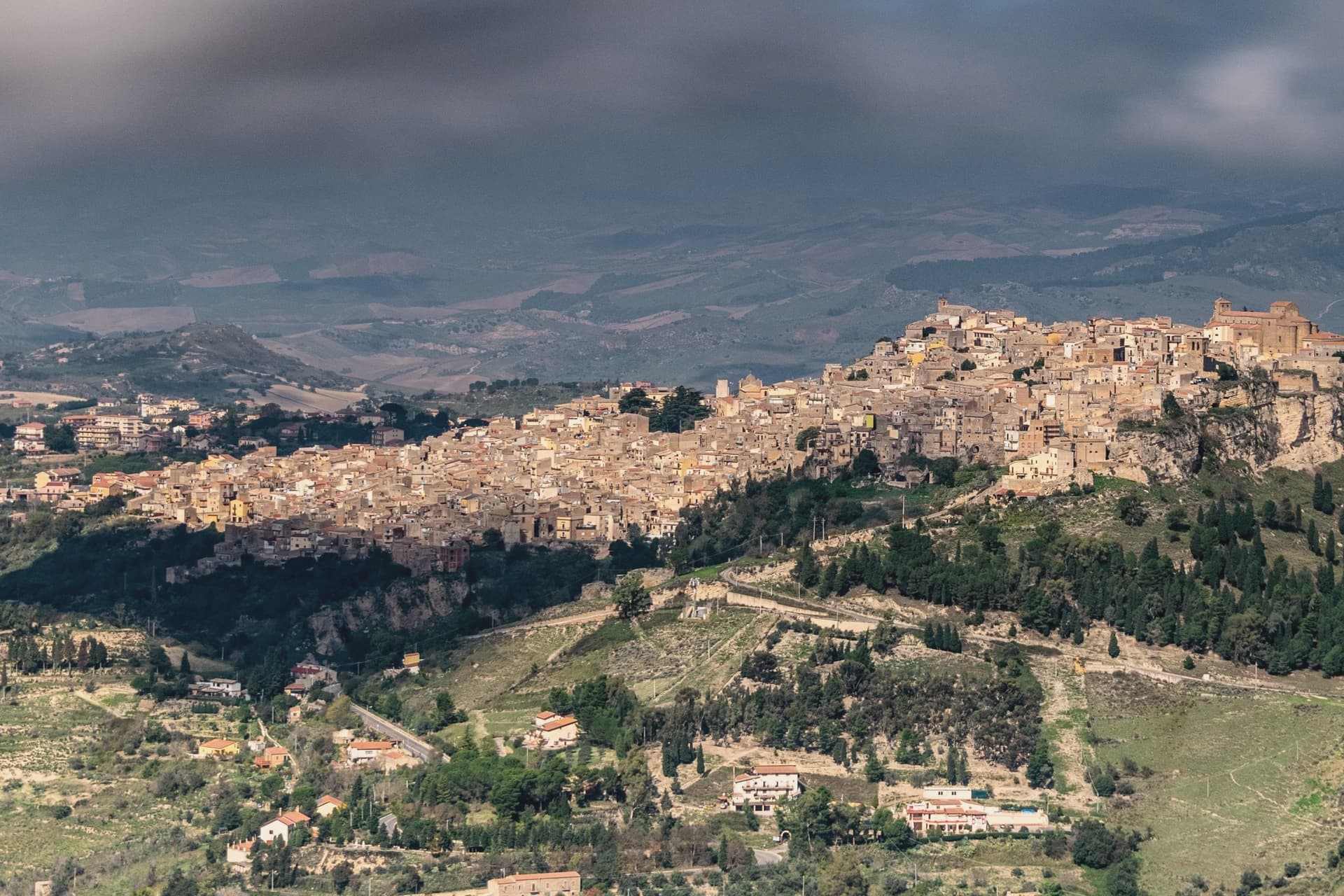 The best cheese towns within two hours of CataniaInland from Catania, the pastures of the Iblei plateau and the hills around Enna produce Ragusano, Piacentinu Ennese and Vastedda-style sheep's cheeses, sold in dairies and market stalls in towns built from honey-coloured limestone. A slow drive through the cheese country of south-eastern Sicily, where lunch runs long and the baroque comes free with it.
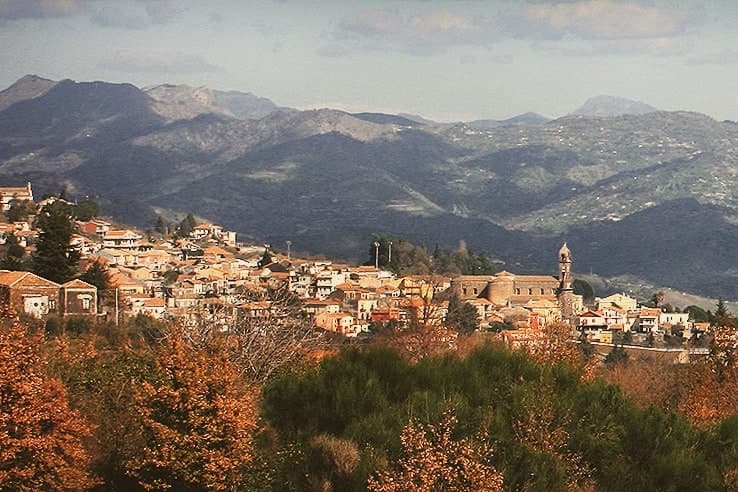 The best towns known for what they grow within 45 minutes of CataniaOn Etna's eastern flank the volcanic soil grows blood oranges, prickly pears, cherries and pistachios, all of them protected by name, and the towns inside those production zones sit within easy reach of Catania.
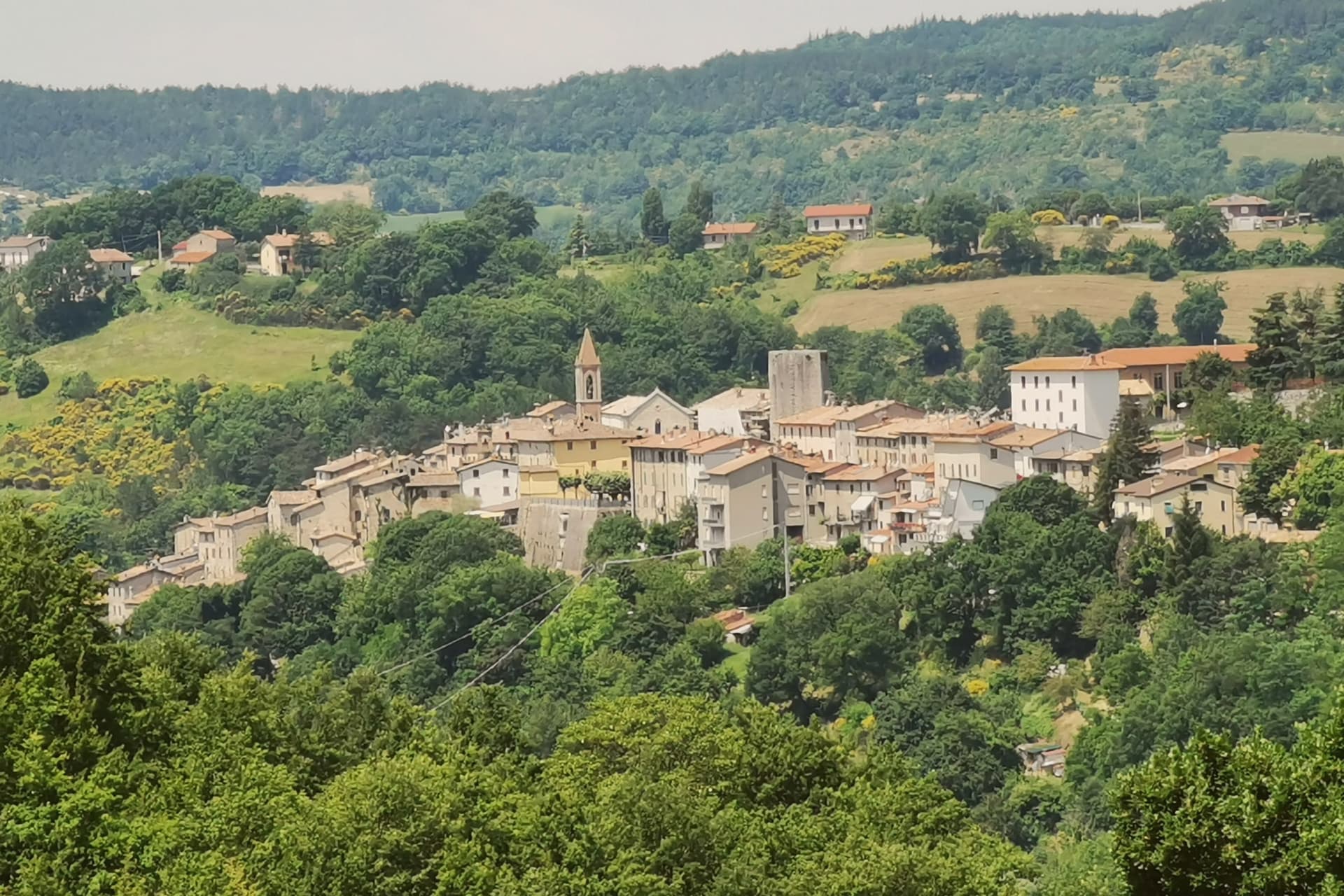 The 6 best hidden truffle towns in the province of PerugiaSix smaller comuni in the province of Perugia that belong to Italy's national association of truffle towns, from the Valnerina river villages to the oak woods of the northern Umbrian hills. Where to eat black truffle in season, and how the country roads connect them.
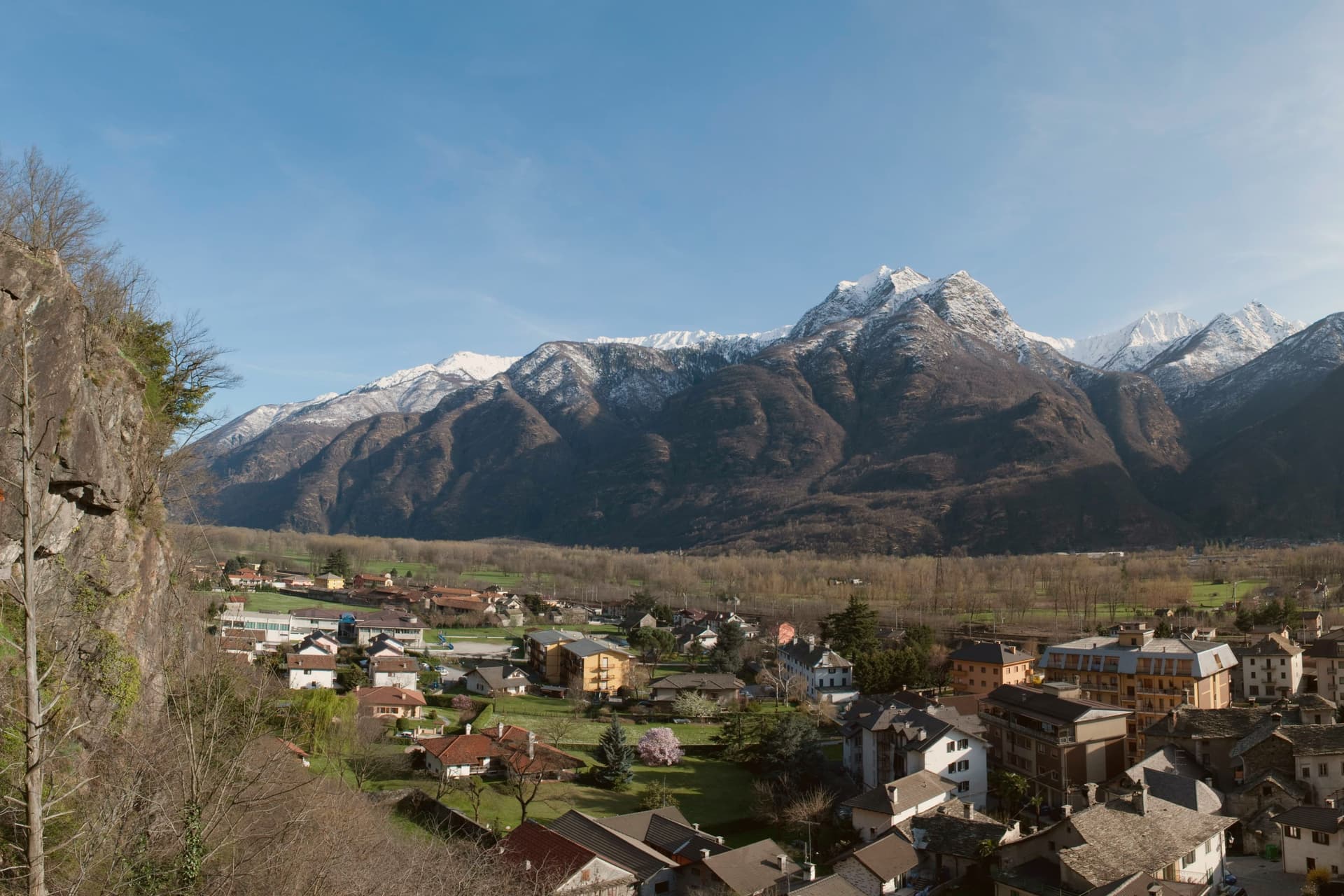 The best cheese towns within 90 minutes of MilanNorth and west of Milan, the map turns into cheese country: Ossola valley bettelmatt from summer alpine pasture, gorgonzola from the Po plain, the goat robiole of the pre-Alpine lakes. These are the towns inside the production zones, close enough for a slow Sunday and a boot full of shopping.
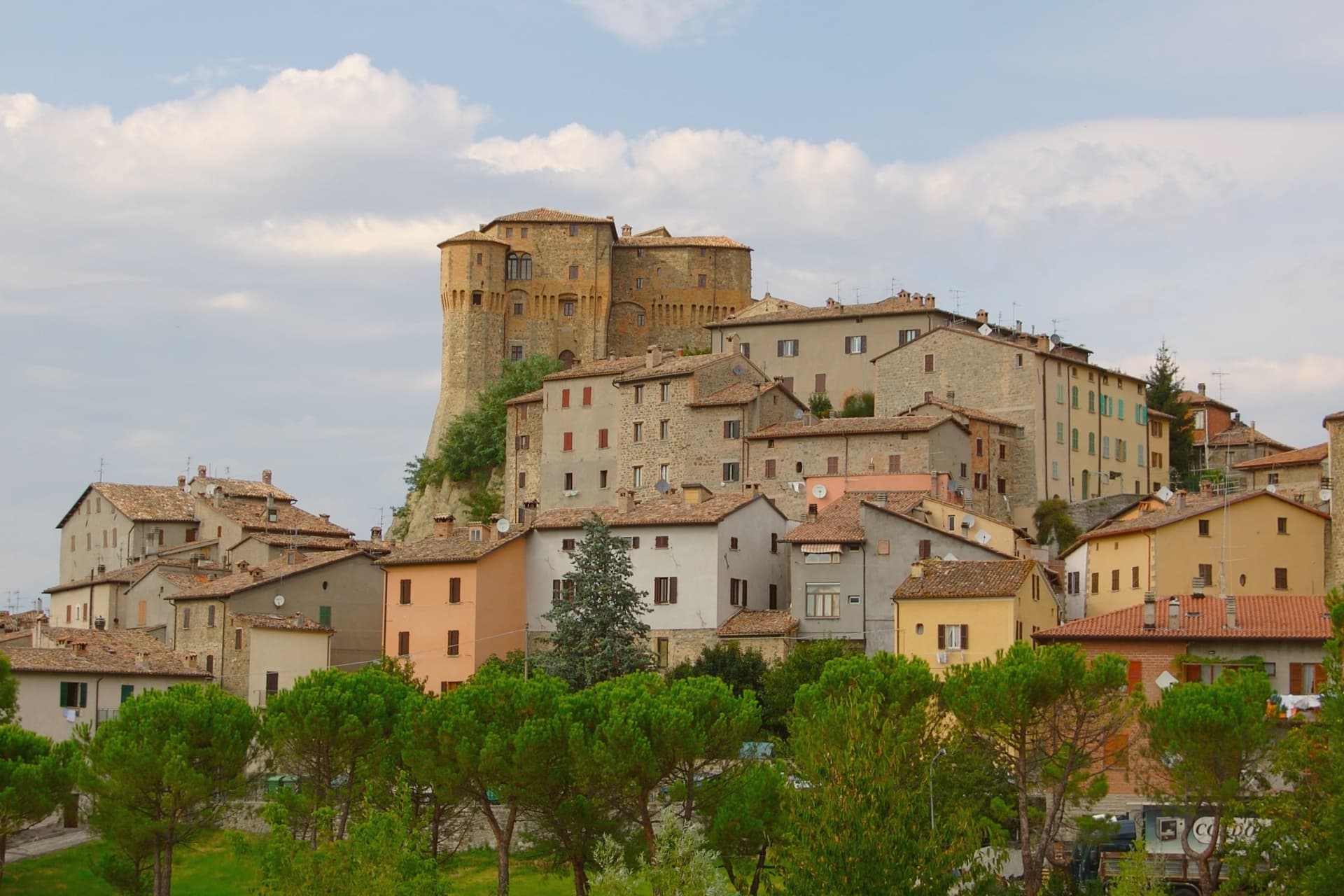 The best cheese towns within two hours of BolognaWithin a couple of hours of Bologna the land runs from Po valley dairies to the sandstone ridges of Montefeltro, and every stretch of it sits inside the production zone of a protected cheese: Parmigiano Reggiano, Squacquerone, Grana Padano, Formaggio di Fossa. These are towns where the cheese is made nearby rather than shipped in.
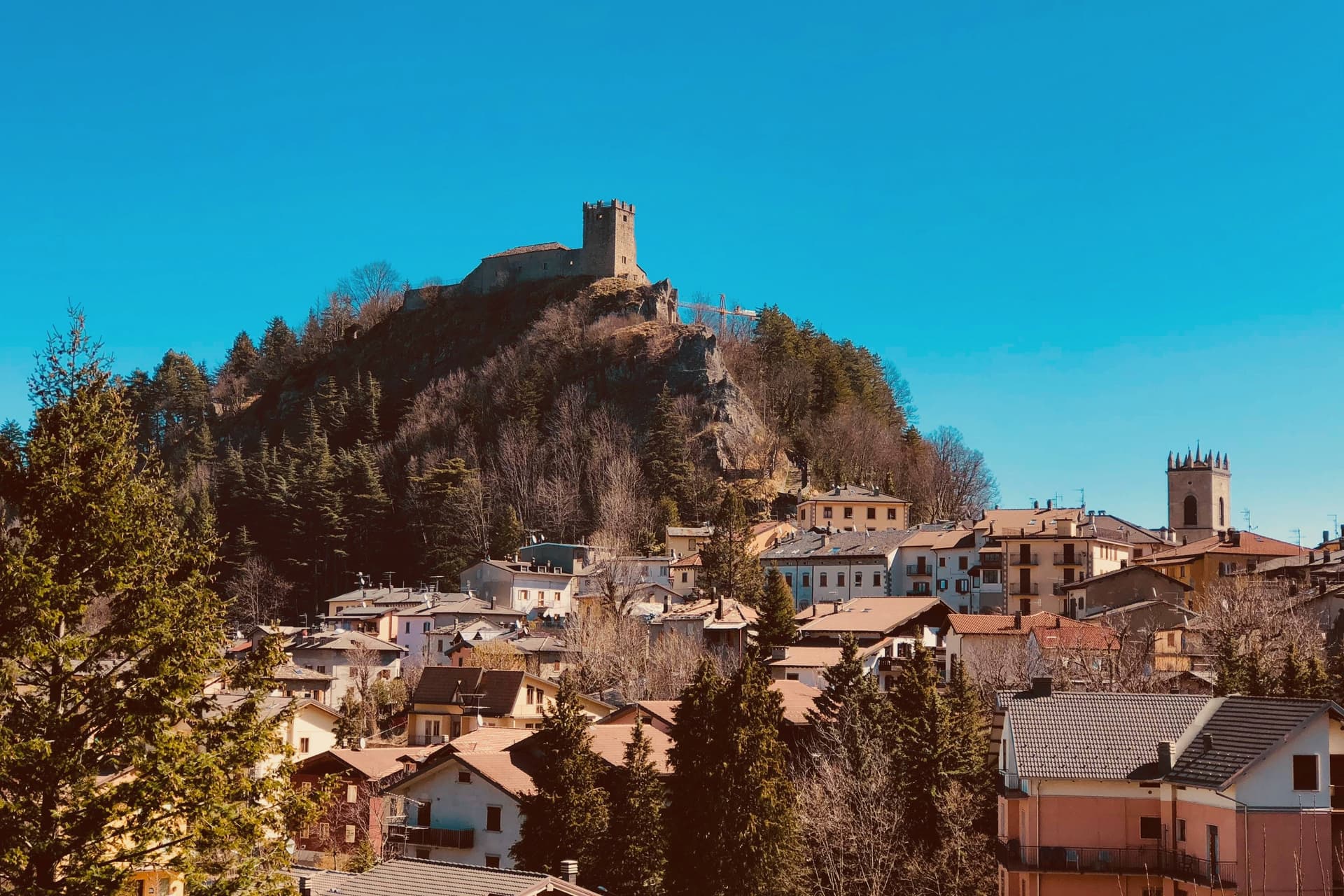 The best towns that cure their own meat within two hours of BolognaSalumi country spreads out from Bologna in every direction: culatello in the Po lowlands, prosciutto on the Apennine slopes, mortadella and salama da sugo in the plain between. These are towns inside the protected production zones, where the curing cellar is part of the working geography rather than a shop display.
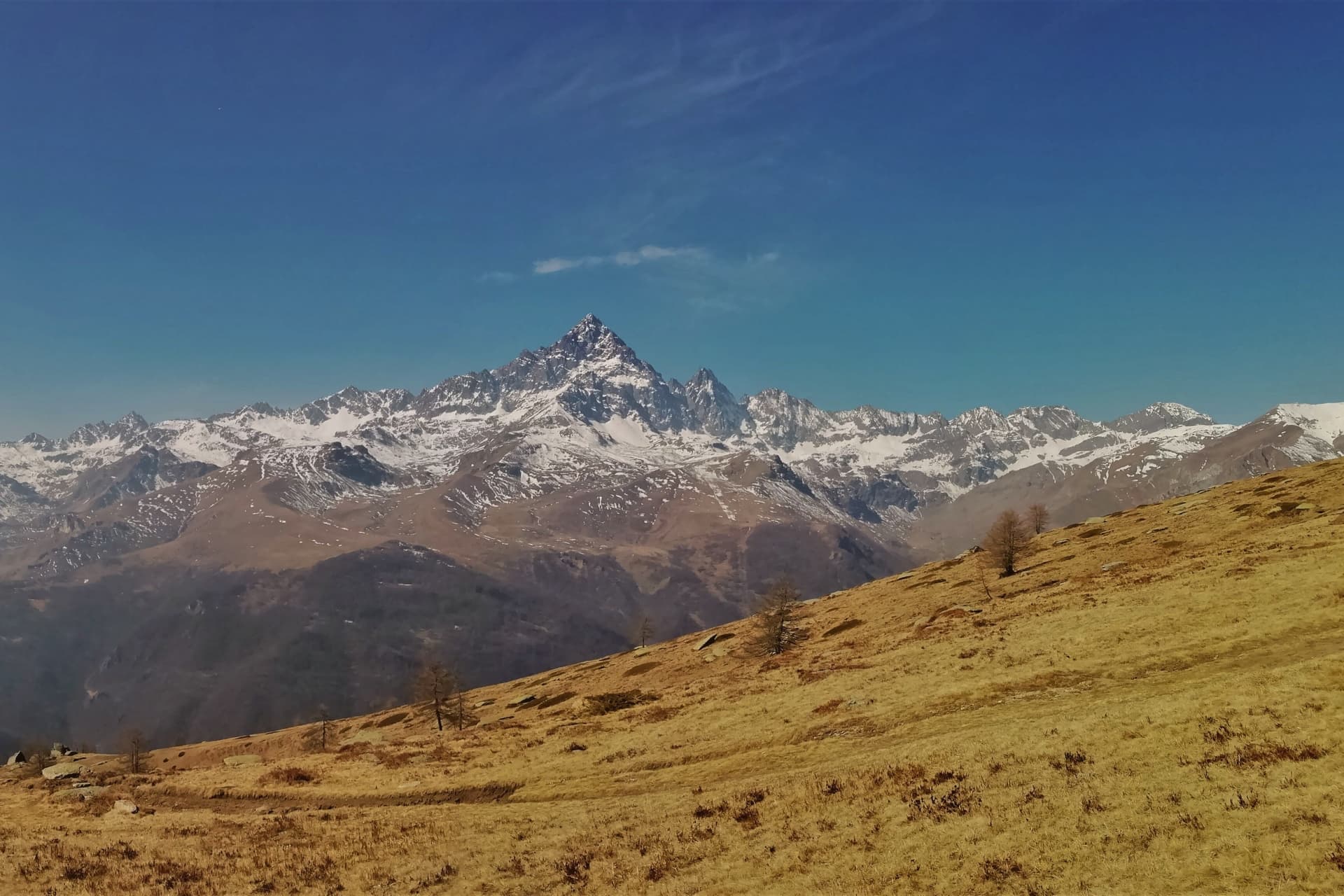 The best cheese towns within two hours of TurinPiedmont's protected cheeses come from working valleys and hill villages rather than shops: toma from stone-built Alpine communes, robiola from the Langhe, gorgonzola from the plains north of Novara. These towns all sit inside a protected cheese's production zone, and all are within easy driving distance of Turin.
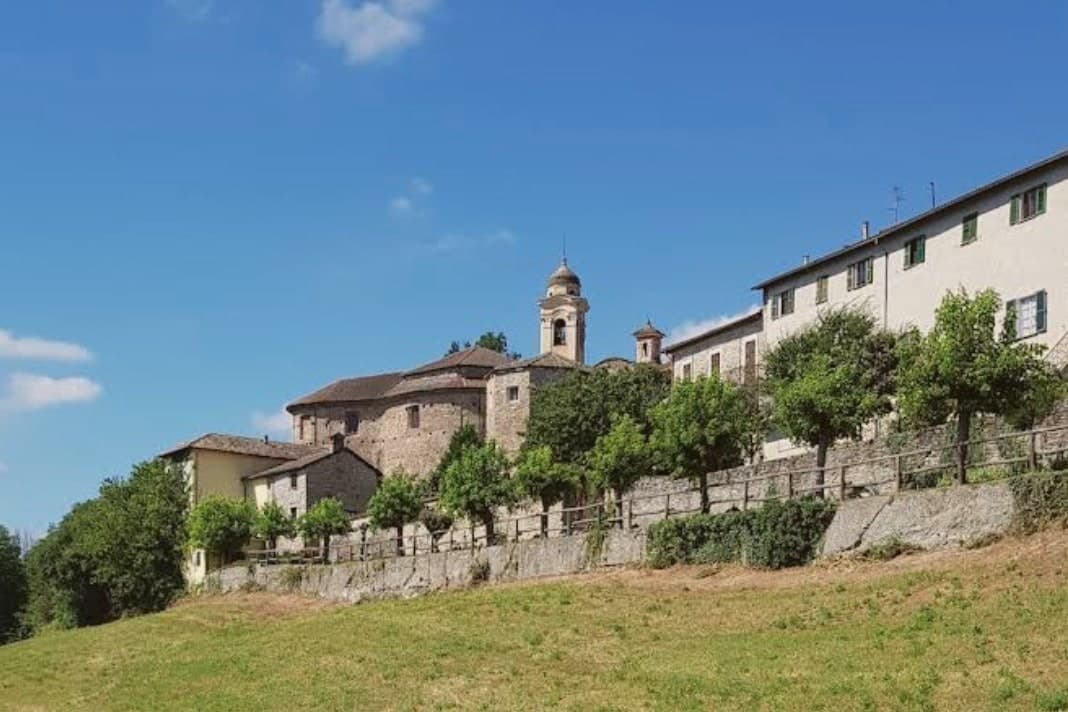 The best cheese towns within two hours of GenoaInland from Genoa, the hills of the Monferrato, the Langhe and the upper Tanaro valley make robiola, murazzano and bra, and the towns inside those production zones sit within a short drive of the coast. Stone villages, hazelnut groves, thermal water and cheese counters that still sell by the piece.
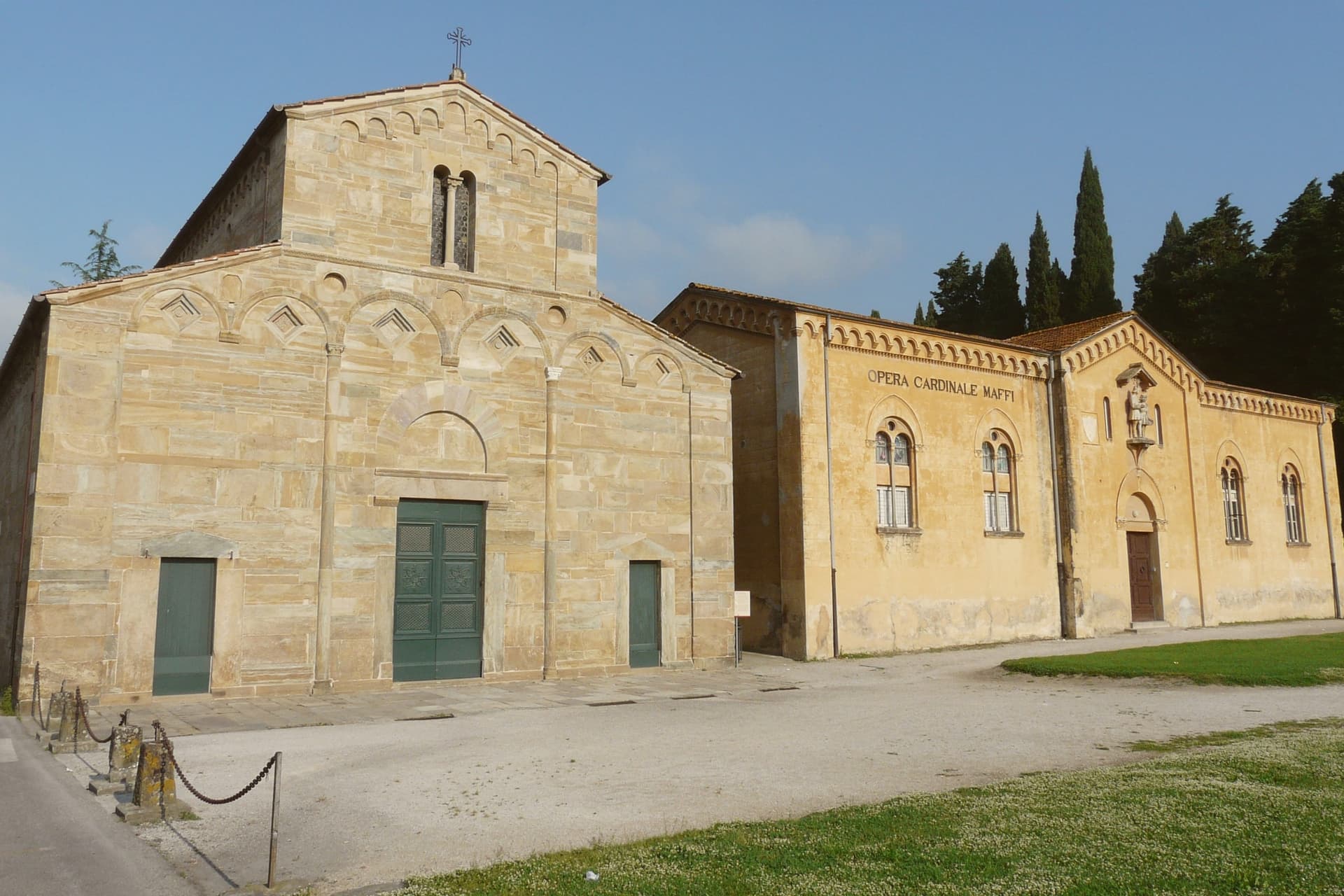 10 olive oil towns within two hours of FlorenceCittà dell'Olio comuni within two hours of the Florence and Pisa hub. 10 towns shown, nearest first.
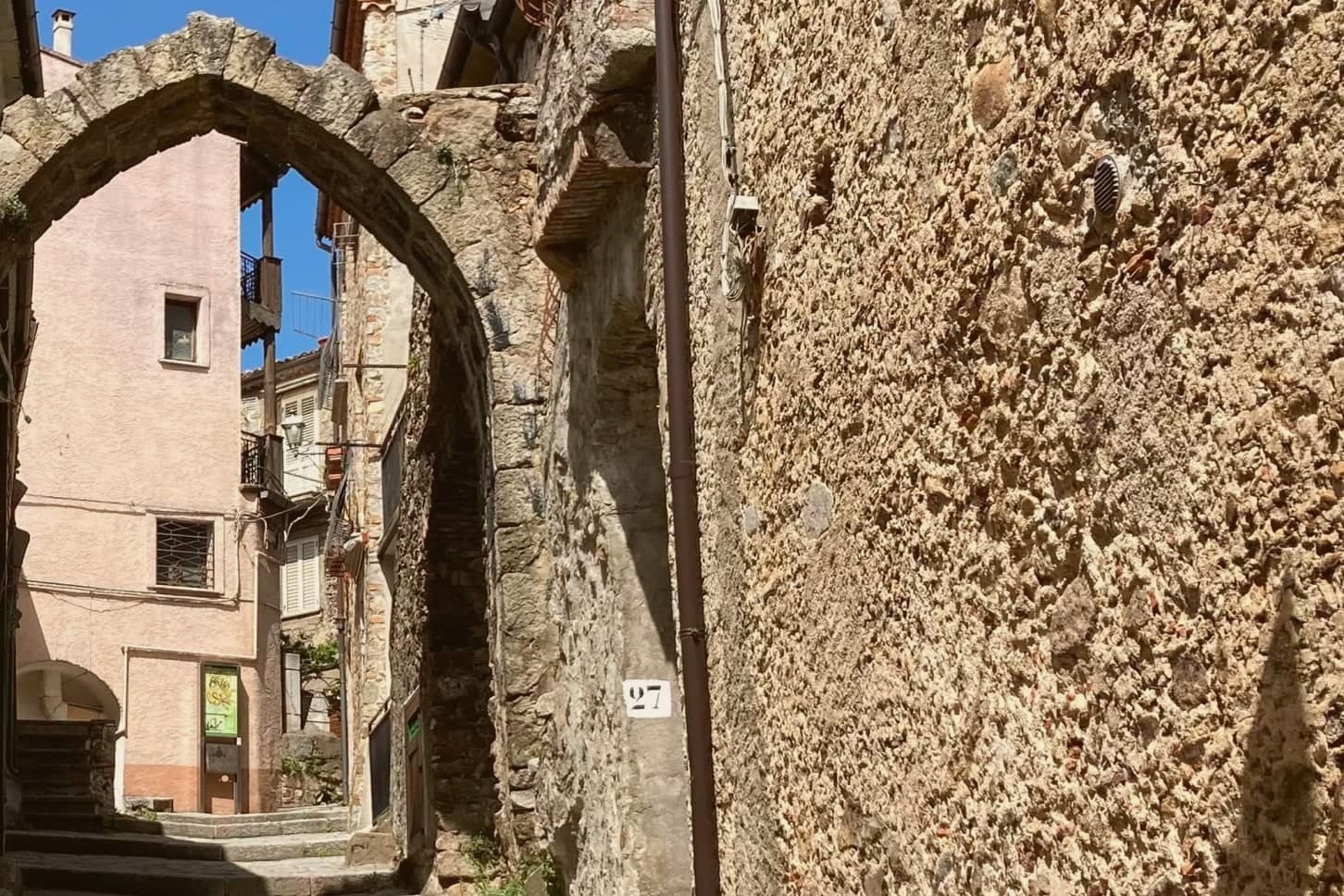 The 10 highest wine towns in ItalyCittà del Vino comuni ranked by elevation. Mountain viticulture, by the numbers. 10 towns shown, highest first.
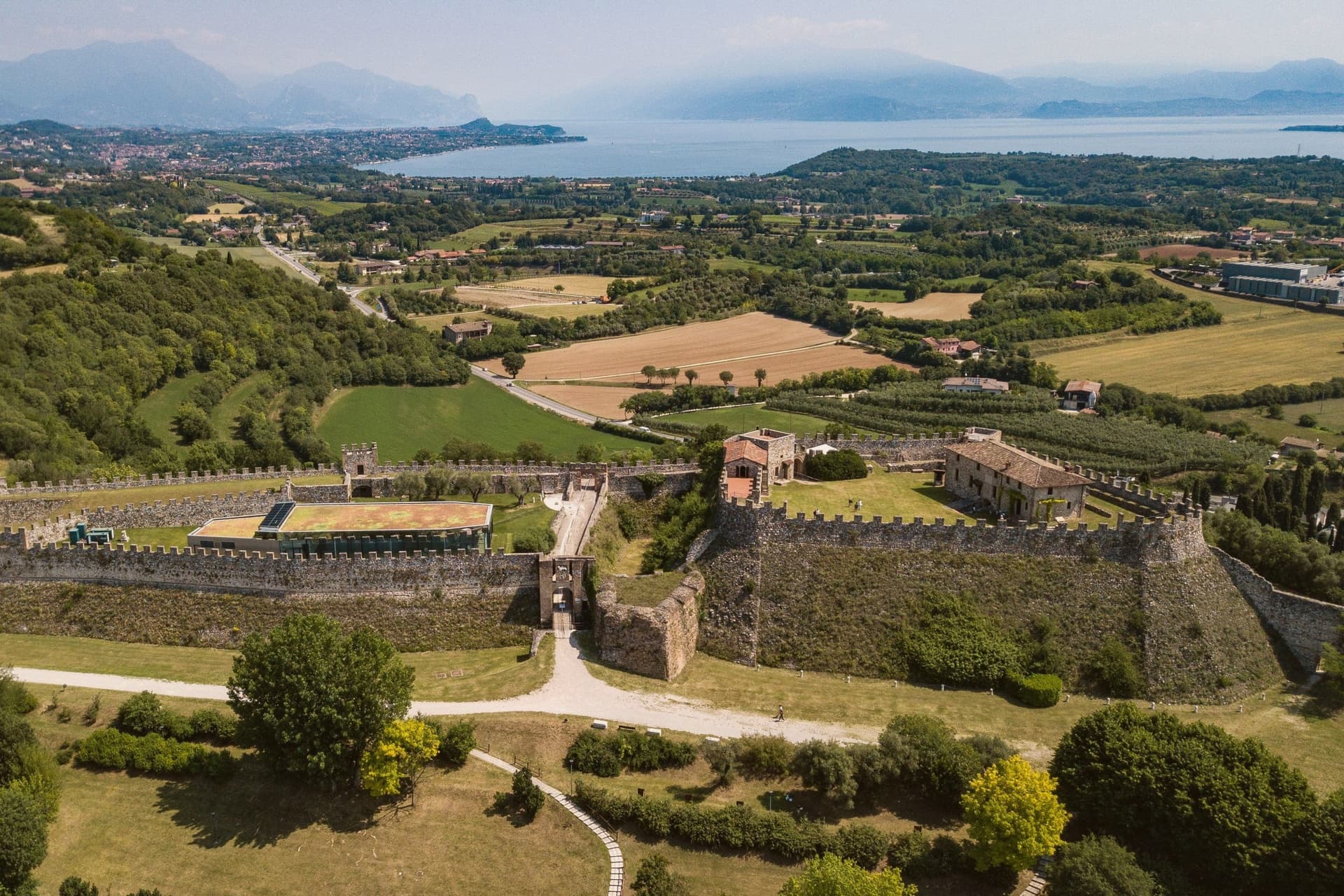 10 food designation towns with a station, an easy reach from MilanComuni holding a wine, oil or truffle designation, with an active railway station, within two and a half hours of Milan by road. 10 towns shown, nearest first.