
The safest places to live in Italy: 10 small towns in the lowest-crime provinces
91 towns visited, 909 to go. Follow along, free: Subscribe on Substack
Ask where crime is lowest in Italy and the answer is rarely a city. In 2024 ISTAT counted the crimes reported to the police for every 100,000 residents in each of the country's provinces. The highest three were Milano, Firenze and Roma. The lowest three were Oristano, Potenza and Benevento.
These are figures for whole provinces. ISTAT does not publish crime for each comune, so no number on this page describes a single town, and a reported crime is one that reached the police, which is not quite every crime committed. As a first filter for a calm place to live, it is the official one.
From the 10 provinces with the fewest reported crimes per resident, these are towns of 5,000 to 20,000 people, the size our rules for living call the sweet spot. They come from 7 of those provinces: Pordenone, Cosenza, Nuoro, Sondrio, Treviso, Enna and Potenza.
Reported crimes per 100,000 residents, 2024
If you are still choosing, we have also written The prettiest villages in the province of Pordenone and The best hill towns within 90 minutes of Padua.
Why visit Sesto al Reghena
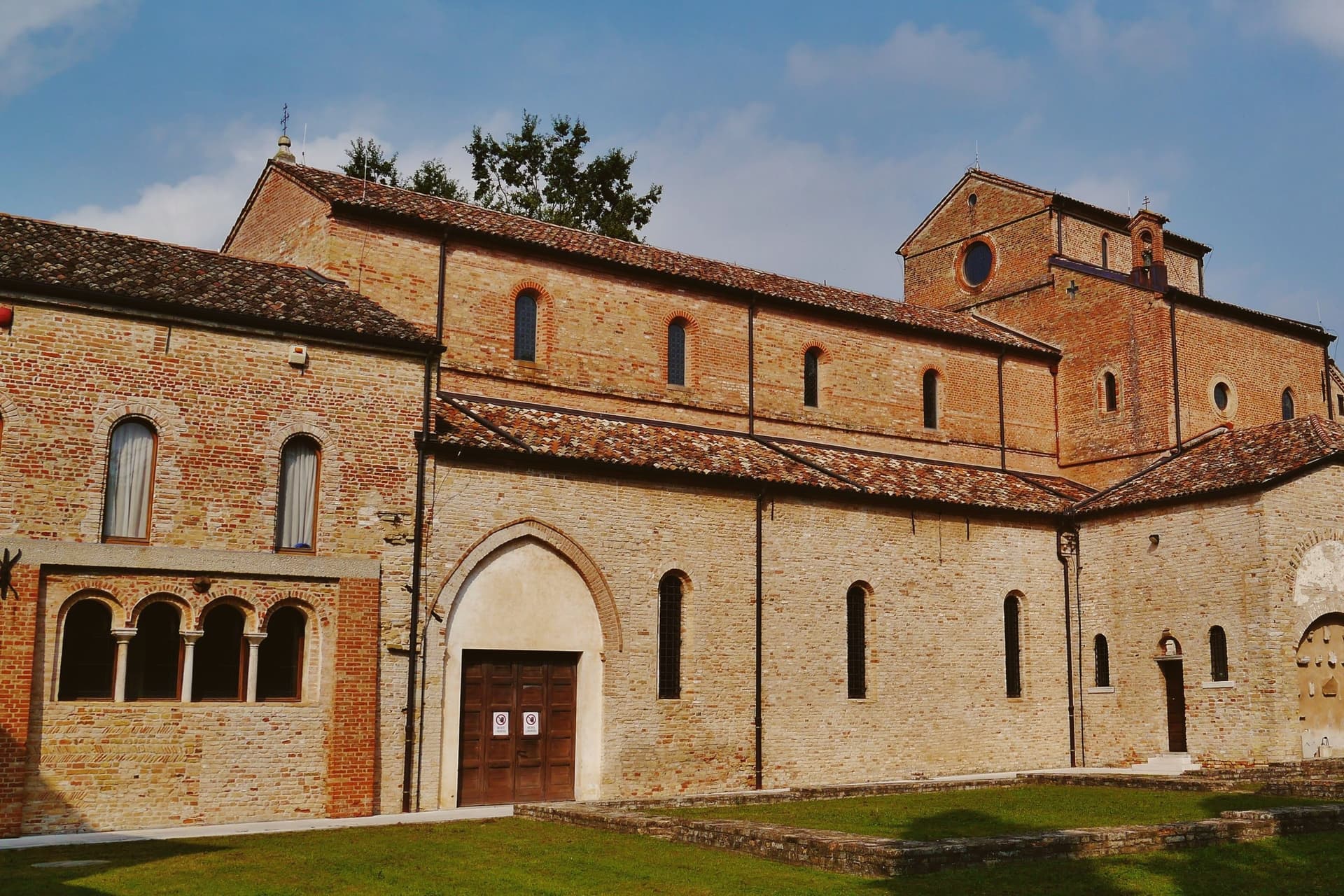
Sesto al Reghena sits at 13 meters on the Friuli-Venetian plain, between the Tagliamento and the Reghena, a small river bordered by linden trees that runs through the centro. The name records the sixth Roman mile out of Concordia Sagittaria on the road to Iulia Augusta.
The town is one place: the Abbazia di Santa Maria in Sylvis, founded by the Lombard nobles Erfo, Marco, and Anto between 730 and 735, occupied by Benedictines until 762, sacked by a Magyar raid in 899, and refortified with walls and a moat in the tenth century. The abbey crypt is supported by twenty columns, several of them Roman spolia.
At the center stands the Urn of St. Anastasia, a single block of Greek marble carved by Cividale masters in the eighth century, with rose, cross, and arched motifs. The abbey complex is the current town hall, the only commune in Italy headquartered inside a fortified Benedictine monastery.
In Friulian, the village is called Siest.
The province of Pordenone recorded 2,406 reported crimes per 100,000 residents in 2024, the 7th lowest of Italy's 106 provinces (ISTAT). The figure is for the whole province: ISTAT does not publish one for each town.
What to see in Sesto al Reghena
- Abbazia di Santa Maria in Sylvis. Eighth-century Benedictine abbey, refortified after the 899 Magyar sack, with a crypt of twenty columns and Carolingian-era frescoes; now the town hall.
- Urna di Sant'Anastasia. Single block of Greek marble in the abbey crypt, carved by Cividale masters in the eighth century with roses, crosses, arches, and rosettes.
- Torre Grimani. Surviving gate-tower of the medieval abbey defenses, named for the Venetian commendatory abbots who held the monastery in the sixteenth century.
How to get to Sesto al Reghena
It has its own railway station. Udine is about 53 min away by road. The full route from Venice.
Our tip
April through June and September into October are the months Sesto reads best. The Reghena banks are walkable, the abbey courtyard catches afternoon sun, and the Lison-Pramaggiore vineyards south of town are in their working seasons. July and August push past thirty-three degrees with the heavy humidity of the lower Friulian plain, and the abbey's crypt becomes the coolest room in the comune.
Why visit Praia a Mare
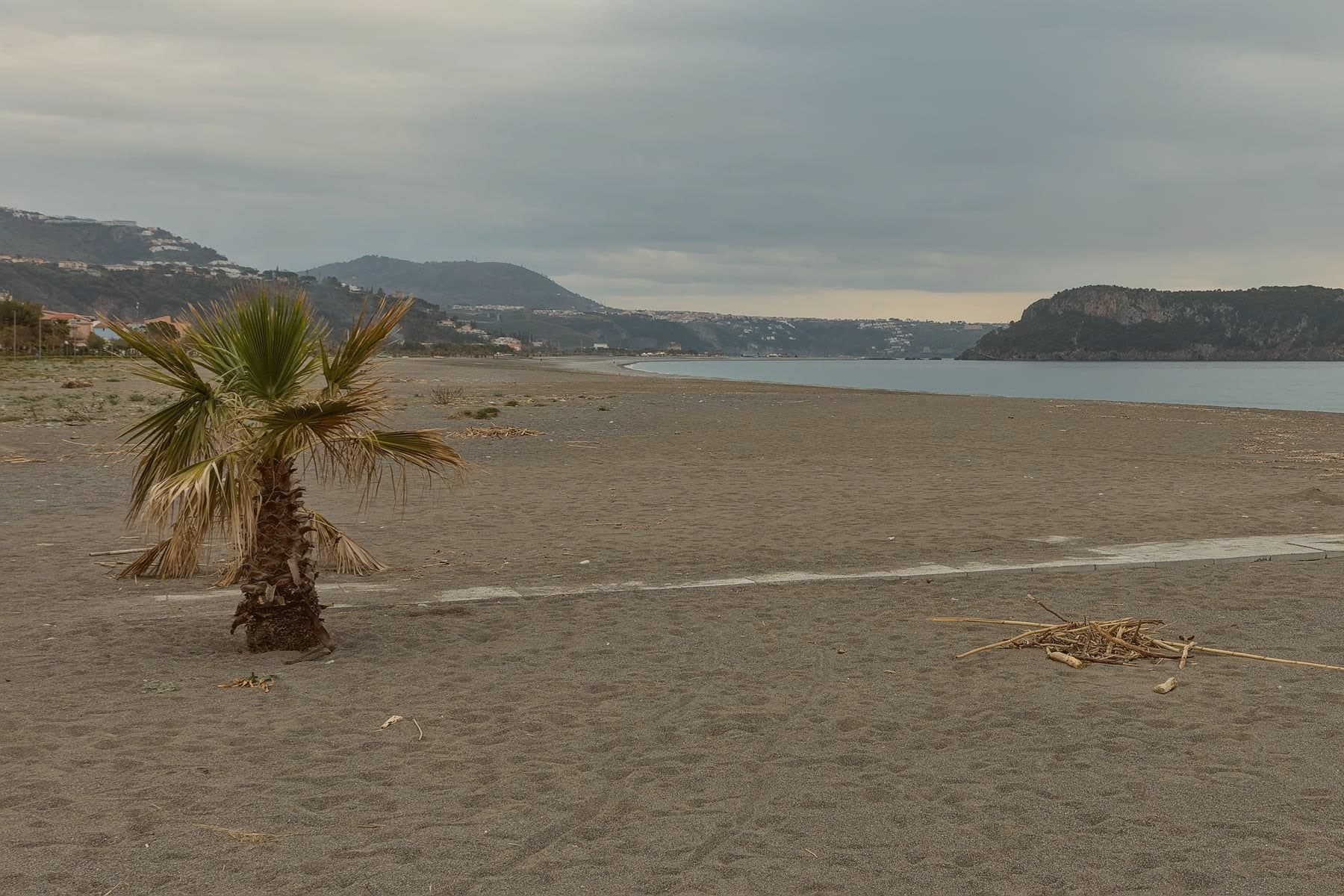
The town sits in the Gulf of Policastro at the northern end of Calabria, where the Pollino mountains drop nearly straight into the Tyrrhenian. It extends for about seven kilometers along the coast, mountain on one side, sea on the other, with Isola di Dino lying half a kilometer offshore as the point the whole shoreline is oriented toward.
Praia became an autonomous commune in 1928 and took the island with it; in 1962 Gianni Agnelli bought Dino, and a 2014 court ruling annulled the contract. The coast carries Bandiera Blu status and the inland slopes carry Pollino National Park status, so the same short stretch of ground answers to two different designations depending on which way it faces.
The bathing season runs from May into September. What holds the town together is that split: a strip of beach and pebble shore turned toward an island it once owned outright, backed by mountains that never really let go of it.
The province of Cosenza recorded 2,458 reported crimes per 100,000 residents in 2024, the 9th lowest of Italy's 106 provinces (ISTAT). The figure is for the whole province: ISTAT does not publish one for each town.
What to see in Praia a Mare
- Isola di Dino. 101 meters at its peak, with four marine caves reached by boat and colonies of dwarf palm and primula covering ground that once passed through private ownership before a 2014 court ruling returned the question of the contract to dispute.
- Spiaggia di Praia a Mare. Long dark-pebble beach facing the island, the working center of the town through the bathing season.
- Santuario della Madonna della Grotta. Cave sanctuary cut into the cliff under Monte Crucitti, dedicated to the patron of the town, with a venerated Byzantine icon.
How to get to Praia a Mare
It has its own railway station. Salerno is about 2 h away by road.
Our tip
May through September is the bathing season. Water warms by late May, the boats to Isola di Dino's caves start running, and the beach fills by mid-July. August is the busiest month, with temperatures pushing past thirty-three and the town's six thousand residents joined by several times that number of visitors.
Why visit Orosei
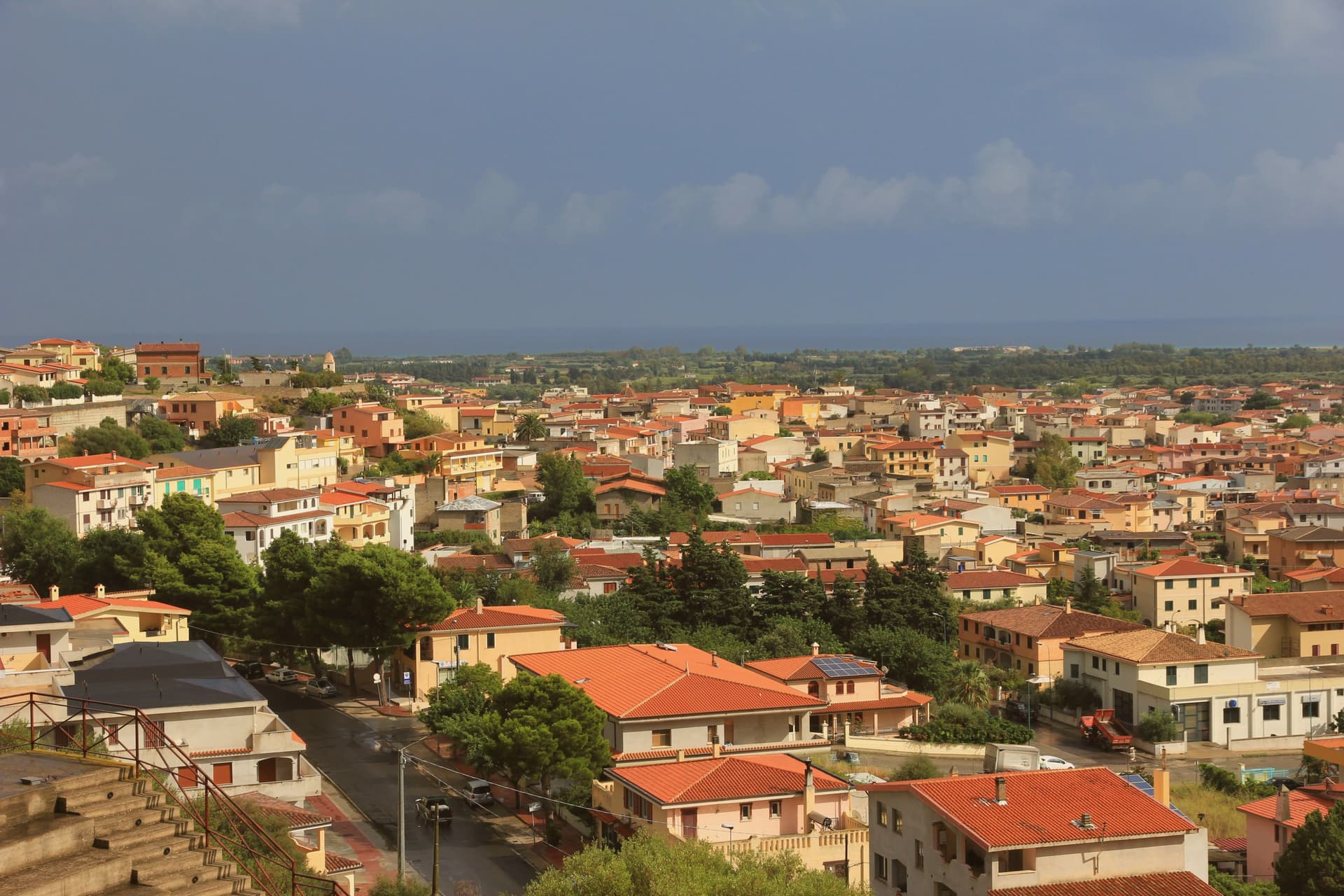
Orosei sits at 19 meters, two kilometers inland from the coast, in the valley the Cedrino has built over an eighty-kilometer run from its source to the river mouth just below the town. The gulf beyond takes its name from the village, not the reverse, and the town's old center and its churches sit apart from the coastline they are named after: the historic core inland, the cliffs and coves to the south, connected only by the river's short final stretch to the sea.
The old town itself holds more churches than most: twenty-seven recorded across its history, thirteen still standing, clustered in and around a center that also carries the remains of a walled castle and a fortified religious complex nearby. Baroque, Romanesque and volcanic stone construction sit close together here, the layers of the town's church-building visible within a small radius rather than spread across the wider district.
The valley that separates the old town from the cliffs is the same alluvial ground that produces its olive oil, so the same river shapes both the town's inland economy and the outlet where it reaches the sea. Orosei reads, in the end, as an inland settlement whose name attached itself to a coastline it does not touch.
The province of Nuoro recorded 2,438 reported crimes per 100,000 residents in 2024, the 8th lowest of Italy's 106 provinces (ISTAT). The figure is for the whole province: ISTAT does not publish one for each town.
What to see in Orosei
- Chiesa di San Giacomo Apostolo. Reached by a wide staircase above Piazza del Popolo, the white façade dates to the eighteenth century though the dedication is older.
- Chiesa di Sant'Antonio Abate. Volcanic stone raised over a Romanesque base, its interior frescoes among the oldest surviving decoration in the old town.
- Sa Prejonevetza. A single tower is what remains of the walls that once closed the castle. Locals still use the old name, a memory of its time as a prison.
How to get to Orosei
Sassari is about 2 h 23 min away by road.
Our tip
May through October is the operating season on this stretch of coast. Boats from Cala Gonone to Cala Luna and Cala Mariolu run from May through September; the cliffs and the coves of the southern gulf are unreachable any other way. July and August fill the village and the river-mouth beach at Osalla.
Why visit Chiavenna
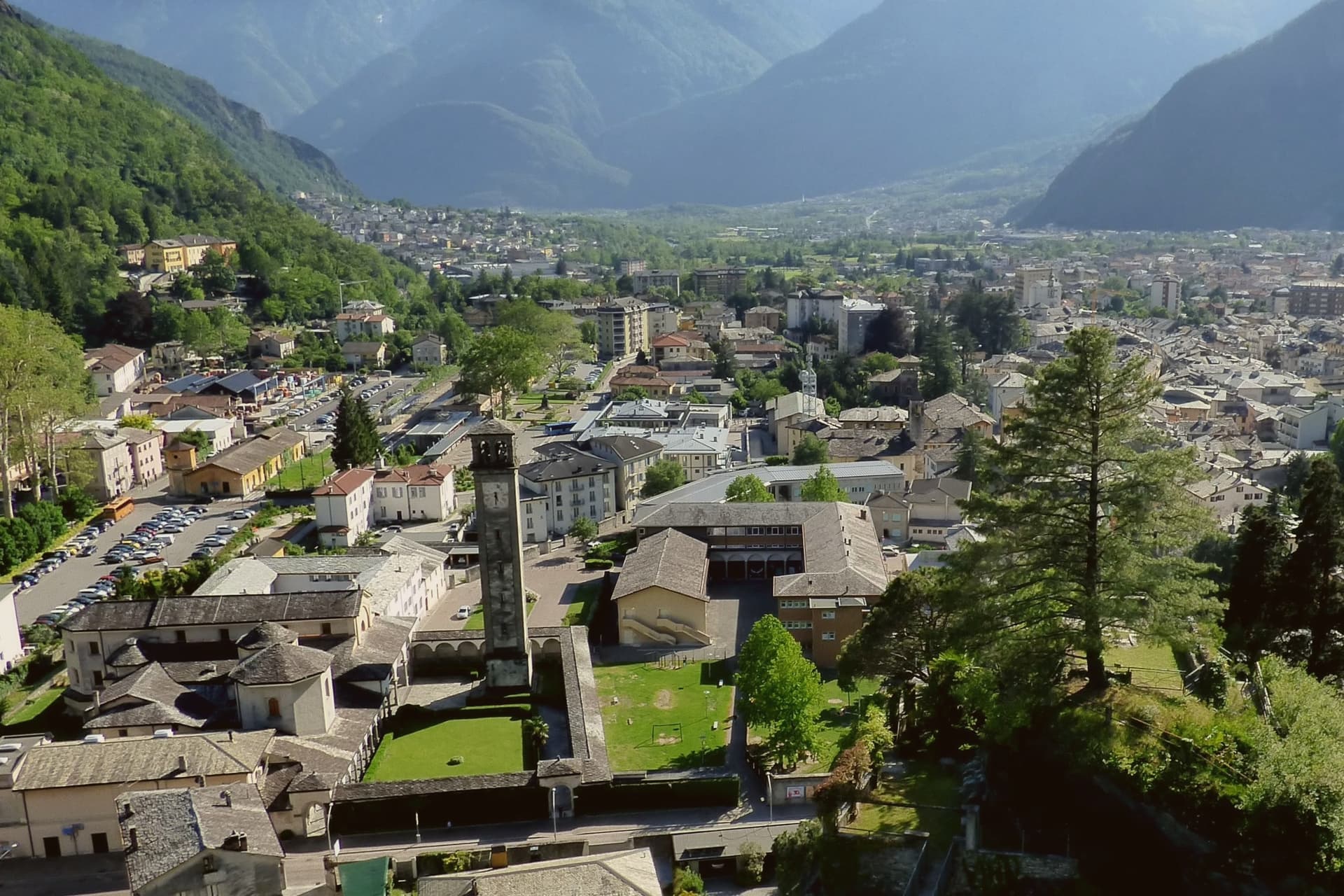
Chiavenna is the administrative and cultural center of the Valchiavenna, at the foot of the Splügen Pass. The town arose on a large ancient landslide, and the boulders that fell across the slope left behind the air pockets and rock crevices that became its defining feature: a crotto is a domed cellar built over one of these cracks, called a sorèl, and Valchiavenna counts about eighty of them, mostly in private hands.
The old town sits along the Mera, its stone streets carrying palazzi from the era when the town lived off the trade crossing the Alps, with stretches of foundation going back to Roman work below them. The church and its font and treasury stand within this same fabric, one more layer laid over the Roman crossroads the town took its name from.
The result is a town built twice over by the same geology and the same geography: the rock that cracked open to store food and wine is the same rock the streets and trade route were cut through, so the town's food culture and its position on the pass turn out to be two expressions of one fact of the ground it sits on.
The province of Sondrio recorded 2,341 reported crimes per 100,000 residents in 2024, the 5th lowest of Italy's 106 provinces (ISTAT). The figure is for the whole province: ISTAT does not publish one for each town.
What to see in Chiavenna
- Collegiata di San Lorenzo. Church on the Mera with preserved Romanesque walls and fragments of eleventh-century frescoes still visible on the interior surfaces.
- Fonte battesimale. Monolithic block carved with the rite of blessing the water on Holy Saturday, cut from a single piece of stone.
- Museo del Tesoro. Annexed to the Collegiata, holding the Pace di Chiavenna, a cover inlaid with enamels and pearls, kept apart from the church proper.
How to get to Chiavenna
It has its own railway station. Monza is about 1 h 45 min away by road. The full route from Milan.
Our tip
May through October is the Alpine season. The Mera trails are open, the Collegiata holds full hours, and the crotti host their summer service of salami, cheese, and Valchiavenna wine. June, July, August and September are the busiest months, with hikers heading up to the Splügen and the Bregaglia valleys.
Why visit Asolo
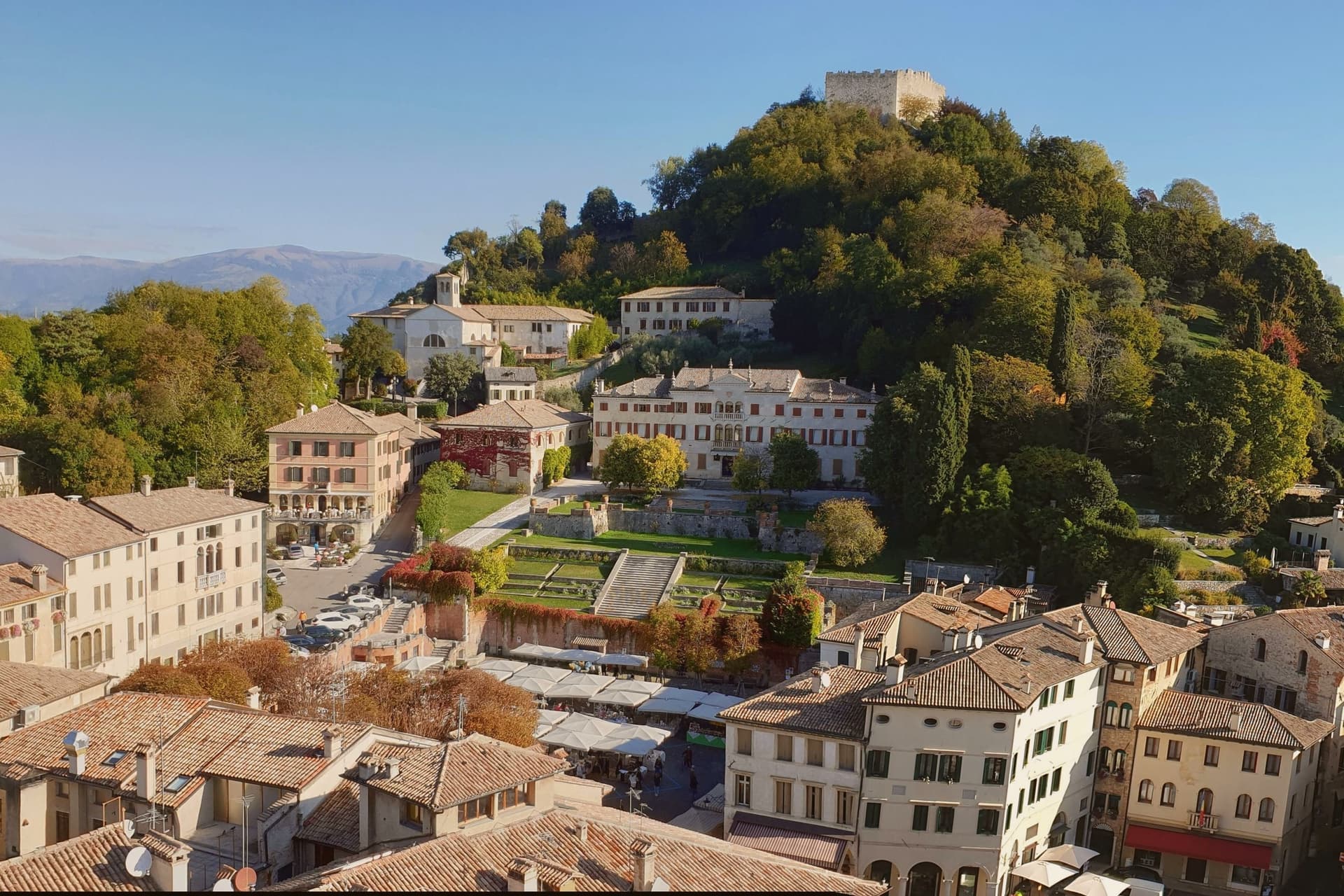
Asolo perches at 205 meters on a ridge between the Asolan hills and the Veneto plain, forty kilometers north of Padova. Pliny knew it as Acelum.
The Ezzelini family held it in the early Middle Ages; the Rocca on the hill above town dates from the late twelfth and early thirteenth centuries and was restored in 2020 after a 2016 storm damaged the walls. The defining episode came in 1489, when the Republic of Venice gave Asolo as a fiefdom to Caterina Cornaro, the deposed Queen of Cyprus, in exchange for her island.
She kept a court here for twenty years until the League of Cambrai sacked the town in 1509. Her circle included Gentile Bellini, the humanist Pietro Bembo and the poet Andrea Navagero.
Robert Browning wintered in a villa here from 1838 onward, and the actress Eleonora Duse retired to Asolo and is buried in the local cemetery. The town holds six designations at once: Borghi più belli, Bandiera Arancione, Cittaslow, Città del Vino, Città dell'Olio and Città del Miele.
The province of Treviso recorded 2,352 reported crimes per 100,000 residents in 2024, the 6th lowest of Italy's 106 provinces (ISTAT). The figure is for the whole province: ISTAT does not publish one for each town.
What to see in Asolo
- Rocca di Asolo. Late twelfth and early thirteenth-century fortress on the hill above the town, restored in 2020 with €300,000 in ministry funding.
- Castello di Caterina Cornaro. Medieval castle in the town, court of the Queen of Cyprus from 1489 to 1509, now home to the Eleonora Duse theater.
- Duomo di Asolo. Cathedral rebuilt in 1747 with an Assunta altarpiece by Lorenzo Lotto, standing on the foundations of a Roman bath complex.
How to get to Asolo
Vicenza is about 57 min away by road.
Our tip
April through June and September through October are the right months. The ridge stays a few degrees cooler than the plain, and the views north to Monte Grappa are clearest in spring and autumn. July and August are warm and busy; weekend traffic from Venice and Padova fills the Piazza Garibaldi car park by ten.
Why visit Tortolì
Tortolì sits on the central-east coast of Sardinia, the larger of the two co-capitals of Ogliastra alongside Lanusei. The town proper is two kilometers inland on a plain that runs out to the sea at Arbatax, the historic port and now Tortolì's seaward frazione.
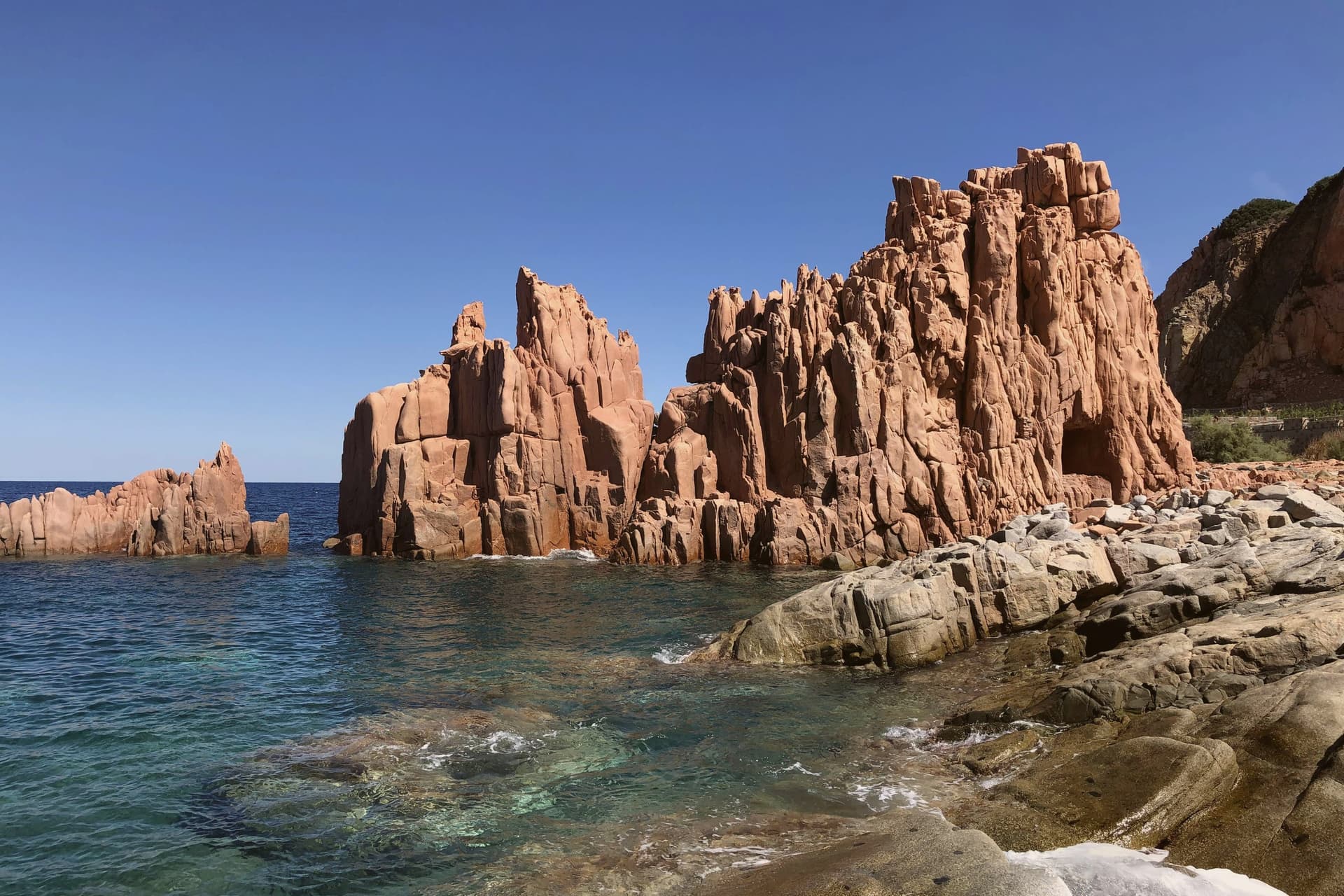
Arbatax is named for the Arabic 'arba'a tashar' (fourteen), the medieval number assigned to the watchtower on the headland. Its defining feature is the Rocce Rosse, a wall of red porphyry that rises fifteen meters out of the water next to the harbor, geologically distinct from the granite that defines most of the Sardinian east coast.
The Tortolì coast carries the Bandiera Blu for both Lido di Orrì and Spiaggia di Cea, the latter known for the two pale-red Scoglius Arrubius sea stacks that rise twenty meters offshore. In May the town stages an Infiorata, carpeting the streets in flower petals for Corpus Domini.
The province of Nuoro recorded 2,438 reported crimes per 100,000 residents in 2024, the 8th lowest of Italy's 106 provinces (ISTAT). The figure is for the whole province: ISTAT does not publish one for each town.
What to see in Tortolì
- Rocce Rosse di Arbatax. Red porphyry cliffs rising 15 meters from the sea next to the Arbatax port, the geological landmark of the east Sardinian coast.
- Spiaggia di Cea. Long pale-sand beach with the two Scoglius Arrubius red sea stacks 20 meters offshore, Bandiera Blu holder.
- Lido di Orrì. Series of small coves and pine-backed beaches south of Arbatax, Bandiera Blu site since the early 2000s.
How to get to Tortolì
Cagliari is about 2 h 7 min away by road.
Our tip
May through October is the swimming season. May and June stay warm without summer crowds, and the Infiorata fills the centro for one weekend around Corpus Domini. July and August bring full ferries from the mainland to Arbatax and packed beaches at Cea and Orrì.
Why visit Spilimbergo
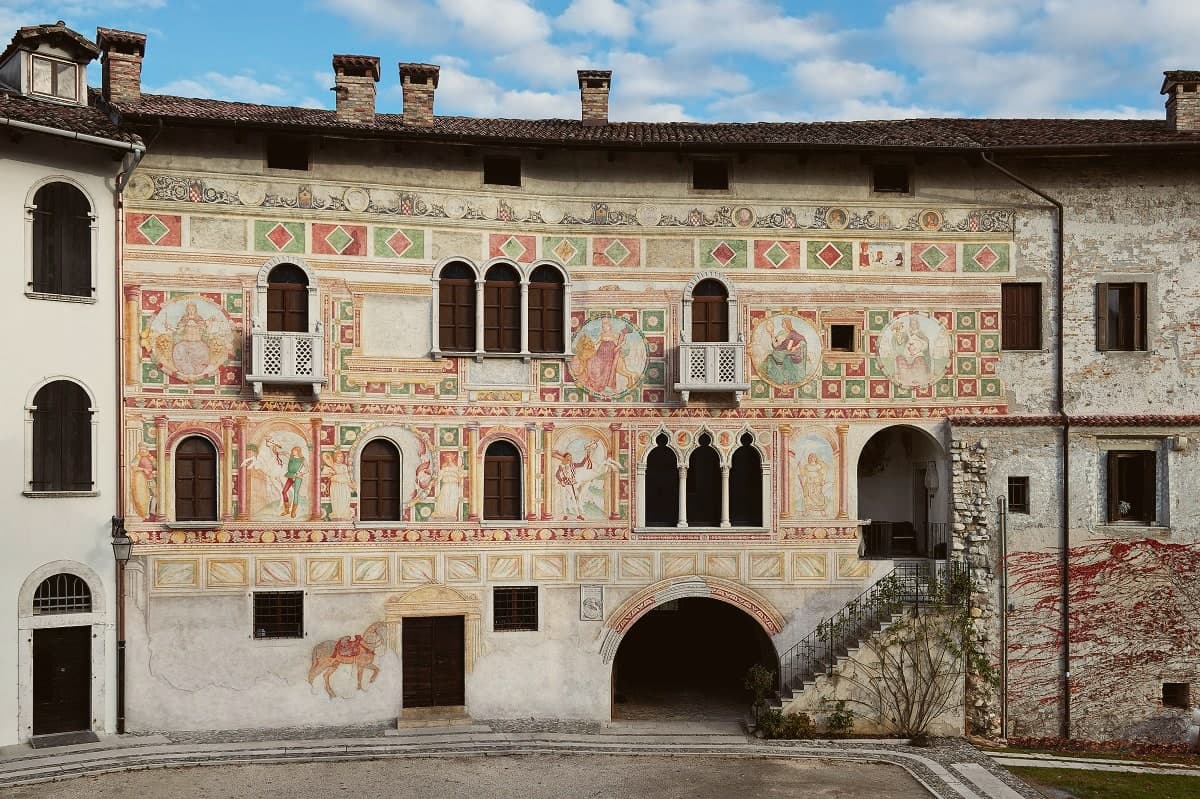
Spilimbergo takes its name from the castrum de Spengenberg, built by Carinthian counts who came south as vassals of the Patriarch of Aquileia. Their fortress anchors one end of a centro storico that reads as a sequence of additions: the Romanesque-Gothic cathedral raised through the fourteenth century, the painted palace that later hosted Charles V, Bona Sforza, and Henry III of France, and Corso Roma running between frescoed palazzi to the old market stone still used to measure trade.
The Scuola Mosaicisti, founded in 1922, is the newest of these layers but the one that has carried the town's name furthest, its alumni's work turning up in the Library of Congress, the Holy Sepulchre, the Foro Italico, and the World Trade Center transit hub. The Folkest folk-music festival runs every July, and the town carries Borghi più belli and Borgo dei Borghi finalist recognition.
Outside it, the Tagliamento broadens into the braided, three-kilometer bed that gives the town its setting on the right bank. A place, in sum, where a medieval frontier post and a twentieth-century craft school have ended up equally responsible for putting Spilimbergo on a map.
The province of Pordenone recorded 2,406 reported crimes per 100,000 residents in 2024, the 7th lowest of Italy's 106 provinces (ISTAT). The figure is for the whole province: ISTAT does not publish one for each town.
What to see in Spilimbergo
- Castello di Spilimbergo. Eleventh-century fortress of the Spengenberg counts, burned in the 1511 popular revolt and partially rebuilt; the palace with the painted façade survived.
- Palazzo Dipinto. The frescoes cover prancing horses, ladies, pages, and figures of the Theological and Cardinal virtues across the fifteenth-century façade.
- Duomo di Santa Maria Maggiore. Romanesque-Gothic cathedral begun in 1284 by count Walterpertoldo II, with apse frescoes executed between 1350 and 1359.
How to get to Spilimbergo
Udine is about 39 min away by road.
Our tip
April through June is the season for the Tagliamento gravel beds and the Bellunello frescoes; the light catches the Palazzo Dipinto best in the late afternoon. Folkest fills the piazzas with folk musicians from across Europe through early July. August is hot and the centro storico empties between two and five.
Why visit Nicosia
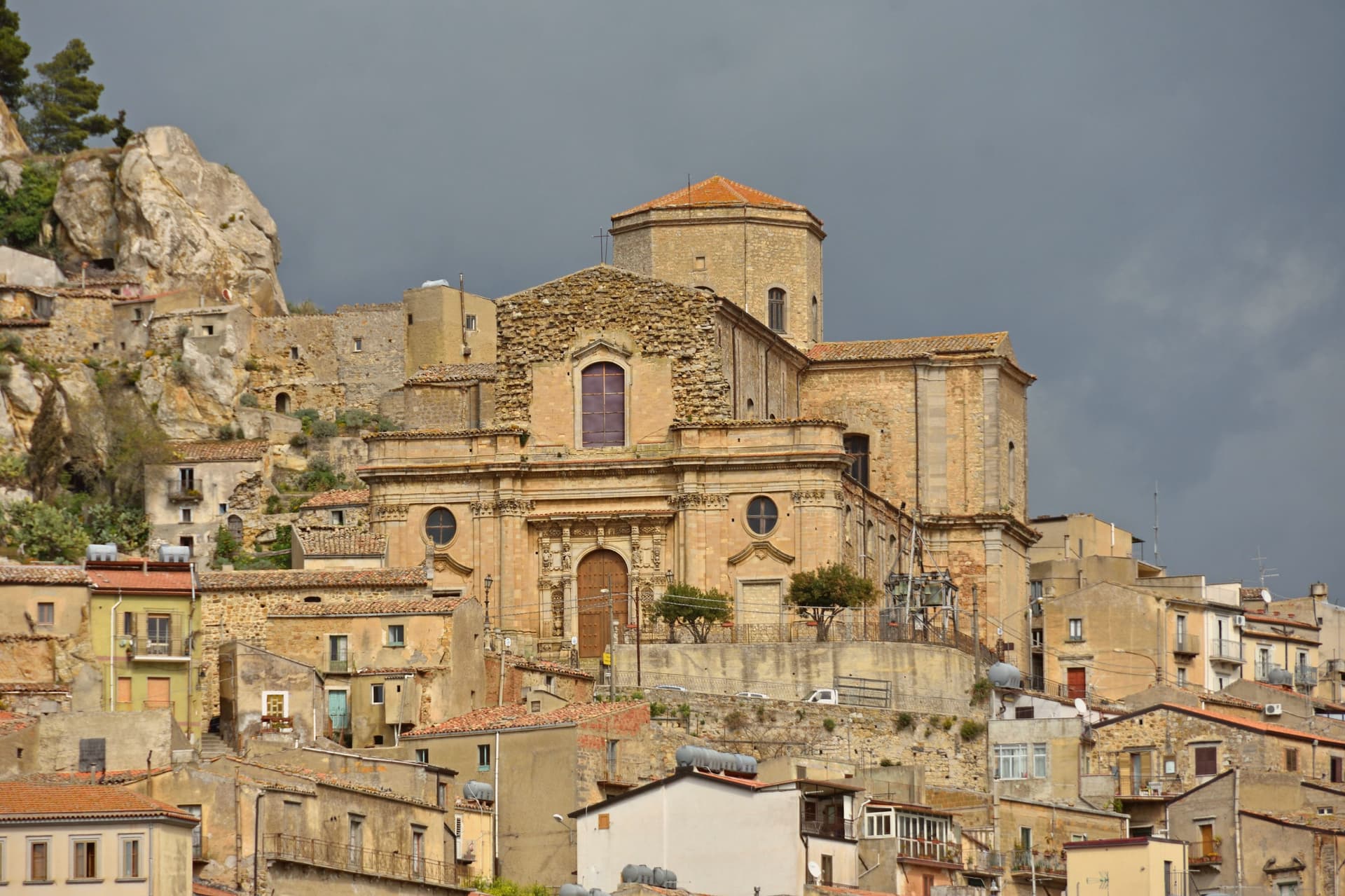
Nicosia sits at 720 meters in the Erei mountains of inland Sicily, on four rocky hills crowned by a Norman castle. The modern town was founded by Byzantine colonists in the sixth century and expanded under Arab and then Norman rule.
When the Normans took the city in 1064, Roger I repopulated it with settlers from Piedmont and Liguria, the Lombardi, whose Gallo-Italic dialect still lives in town as nkoukkà. King William II made Nicosia a royal city.
The Cattedrale di San Nicolò, dedicated to Nicholas of Bari, was begun in the early 1300s under Frederick II of Aragon and completed by 1340, in Gothic style with a fourteenth-century wooden ceiling and a bell tower listed as a national monument since 1940. Pope Leo X raised the church to collegiate status in 1521.
The Castello Normanno still stands in ruins above the town, anchoring the highest of the four hills.
The province of Enna recorded 2,332 reported crimes per 100,000 residents in 2024, the 4th lowest of Italy's 106 provinces (ISTAT). The figure is for the whole province: ISTAT does not publish one for each town.
What to see in Nicosia
- Cattedrale di San Nicolò. Gothic cathedral begun under Frederick II of Aragon and completed by 1340, with a fourteenth-century wooden ceiling and a national-monument bell tower.
- Chiesa di Santa Maria Maggiore. Second great church of the town, on one of the four hills, with a marble polyptych by Antonello Gagini.
- Castello Normanno. Ruined Norman fortress on the highest of the four hills, built during the eleventh-century conquest of the city.
How to get to Nicosia
Catania is about 1 h 48 min away by road. The full route from Palermo.
Our tip
May through October is the open season. At 720 meters Nicosia stays cooler than the lowlands, and July and August are bearable even when the Catanese plain crosses thirty-five degrees. September and October are the dry, gold months, the Erei hills turning.
Why visit San Giovanni in Fiore
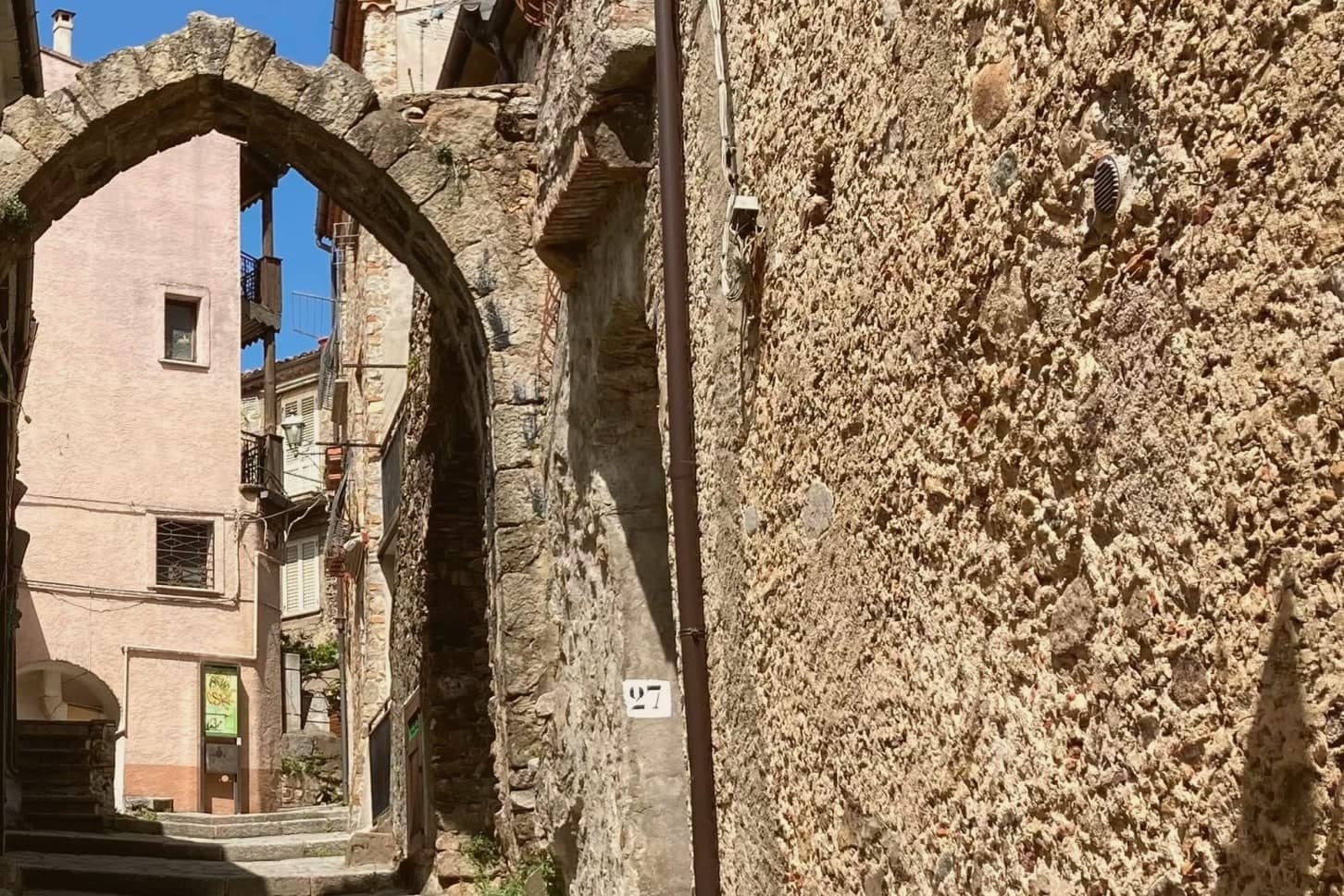
San Giovanni in Fiore sits at 1,049 meters at the center of Sila Grande, inside Sila National Park, the largest mountain commune in Italy by population above 1,000 meters altitude. The town grew from the abbey founded here in 1188 by the Calabrian monk and medieval theologian whom many historians consider the most influential apocalyptic thinker of the Middle Ages.
The abbey gave the settlement its shape: the old town climbs Monte Difesa around the complex, and the built-up core still reads as a place that grew outward from a religious house rather than a market or a port. The municipal territory reaches well beyond that core, stretching across the Sila plateau to take in Lorica, the lake village at 1,314 meters, so that a single commune holds both a mountain town built around a medieval abbey and a lake station given over to hiking and skiing.
The town is in the Città del Vino network. Calabrian emigration history has its capital here, the population of half a century ago halved by departures to Argentina, North America and northern Italy.
A place, then, that reached its greatest size as a religious and demographic center and has spent the decades since sending its people elsewhere while its territory grew to include a second, quite different kind of settlement at altitude.
The province of Cosenza recorded 2,458 reported crimes per 100,000 residents in 2024, the 9th lowest of Italy's 106 provinces (ISTAT). The figure is for the whole province: ISTAT does not publish one for each town.
What to see in San Giovanni in Fiore
- Abbazia Florense. Founded by Gioacchino da Fiore in 1188, the abbey burned in 1214 and was rebuilt by 1230. The Latin-plan complex survives with a large central cloister ringed by ogival arches.
- Centro Internazionale di Studi Gioachimiti. Housed in the abbey complex, the center for Joachimist Studies holds a medieval library and the working archive on Gioacchino's writings.
- Lorica. Sila lake village at 1,314 meters within the municipality, a year-round mountain station on Lago Arvo with summer hiking and winter skiing.
How to get to San Giovanni in Fiore
Reggio Calabria is about 2 h 56 min away by road.
Our tip
June through September is the green season in Sila Grande. The lakes around Lorica fill with Calabrian families escaping the coastal heat, the high pastures bloom, and the abbey is at its quietest in the early mornings. December through March is the second season: snow on the plateau, skiing at Lorica and Camigliatello, the town transformed from a mountain capital into a winter destination.
Why visit Melfi
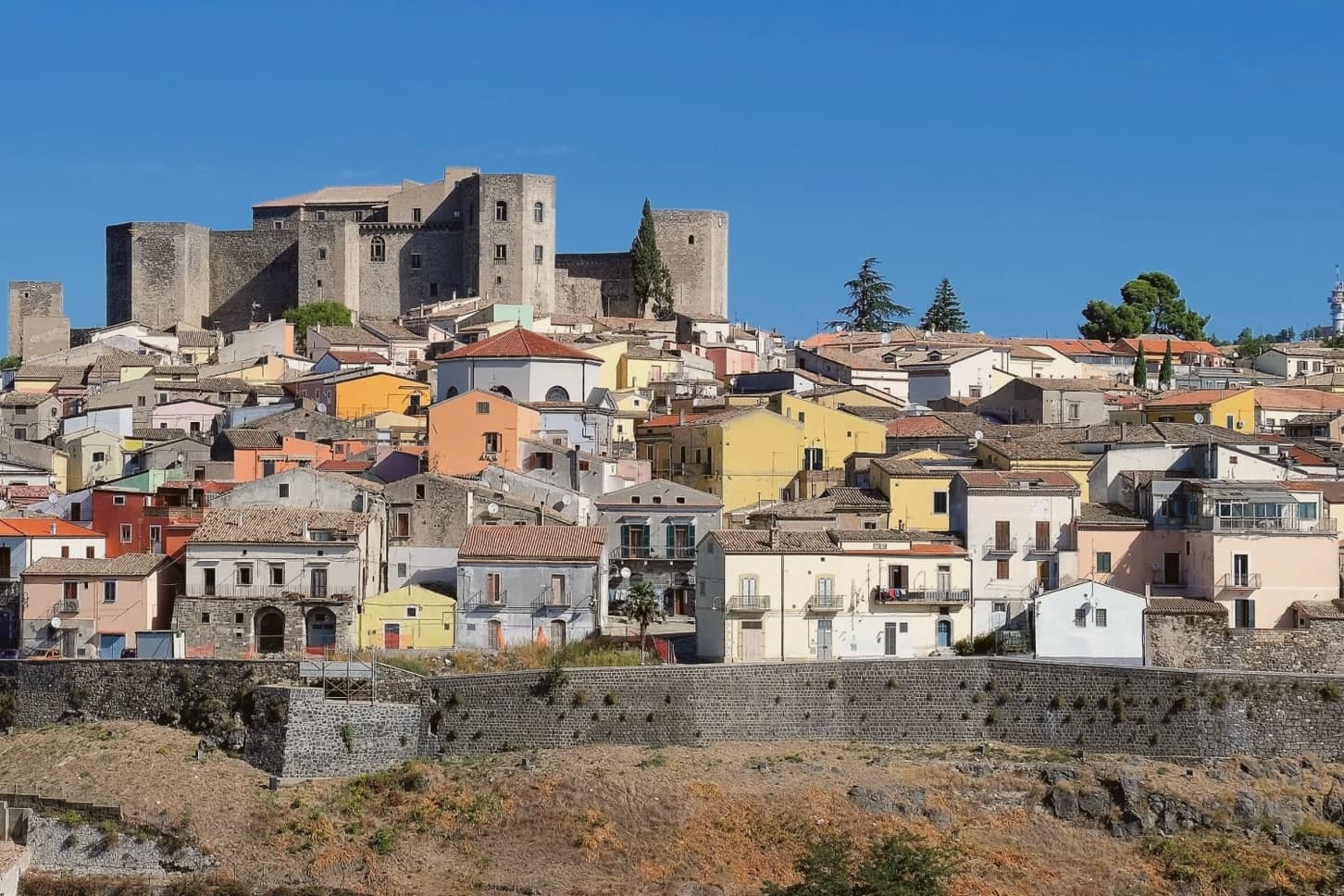
Melfi sits on the slopes of an extinct volcano east of the Apennine spine, the same mass whose crater holds the Laghi di Monticchio and whose soils now define a wine zone. The Hauteville Normans took the town in 1041 and made it the first capital of their southern Italian duchy, a status that explains the density of what followed: a cathedral built within a generation, a castle raised soon after and expanded by an emperor, a legal code drafted within those walls that shaped a kingdom's law.
The walled centro storico spreads below the castle, its gate and noble palazzi still arranged along the lines the Norman-Swabian town laid down. Upper fortress and lower town, volcanic mountain and walled center: Melfi reads as a place where secular power, church authority and the raw geology of Monte Vulture sat close enough together to shape one small hill town into a seat of empire-level decisions.
The province of Potenza recorded 1,995 reported crimes per 100,000 residents in 2024, the 2nd lowest of Italy's 106 provinces (ISTAT). The figure is for the whole province: ISTAT does not publish one for each town.
What to see in Melfi
- Castello di Melfi. Late-eleventh-century Norman fortress with ten towers, seven rectangular and three pentagonal. Frederick II expanded it after 1194, and the Constitutions of Melfi were promulgated within its walls.
- Cattedrale di Santa Maria Assunta. Dating from 1056, host of five ecumenical councils between 1059 and 1137. Stands at the heart of the walled center below the castle.
- Museo Archeologico Nazionale del Vulture-Melfese. Inside the castle, with the second-century Roman sarcophagus of Rapolla and finds from the Daunian, Lucanian and Roman periods.
How to get to Melfi
It has its own railway station. Foggia is about 55 min away by road. The full route from Bari.
Our tip
April through June and September through October are the best windows in Melfi, with cool evenings and the Aglianico vineyards at their most photogenic. July and August reach the mid-thirties; the castle interiors and the cathedral hold the heat at bay. The Aglianico harvest runs into November and the Cantine and museums stay open.
If you only pick one
Which town is yours
One town for each kind of trip, and the reason in a line.
Without a car
Melfi
The train stops in the commune, so you can arrive and leave without a car.
For everyday life on foot
Spilimbergo
Eight of the ten everyday services we look for, from a grocer to a pharmacy, are on the map within 500 meters of the center.
For a short trip
Sesto al Reghena
53 min by car from Udine, the shortest drive from a city on this list.
For a small town
Praia a Mare
6,364 people, the smallest town on this list.
Read a sample letter
A detour with a fixed race
Letters from the towns we visit. Free.
The button takes you to the letter's own page on Substack, where you leave your email. About the letter
More from Anywhere Italy
- The prettiest villages in the province of PordenonePordenone provinceprettiest villages6 towns · smallest 572 residents
- The best hill towns within 90 minutes of PaduaNear Padovahill townwithin 90 min10 towns · smallest 250 residents · closest 28 min away
- The best towns you can reach by train within an hour of VeniceNear Veniceby trainwithin 60 min10 towns · smallest 3,766 residents · closest 34 min away
- 10 small towns in Italy where everyday life is a walkLiguriaeveryday life on foot5,000 to 20,000 people10 towns · smallest 5,127 residents
- The best beach towns in SardiniaSardiniaclean beach7 towns · smallest 1,821 residents
- The 10 best coastal towns in the province of CosenzaCosenza provincecoastal10 towns · smallest 1,887 residents