
The mission
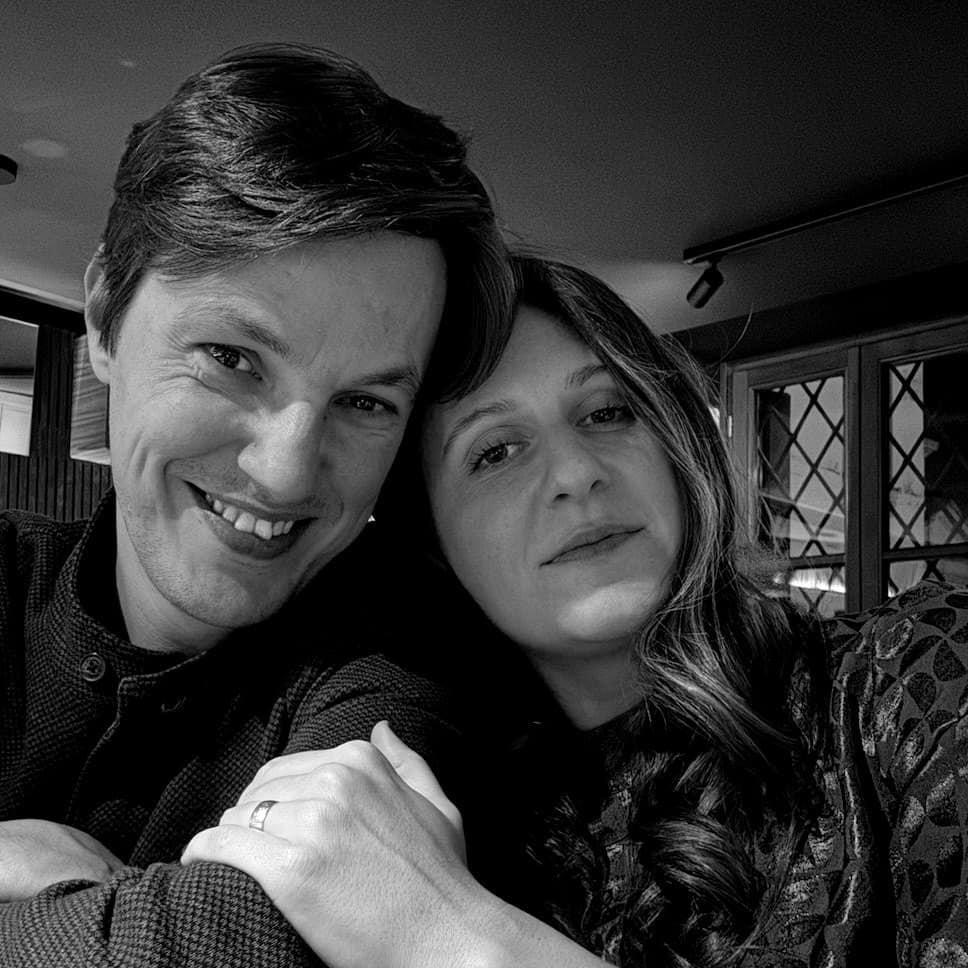
We are Peter and Sophia. We moved to Italy from Hungary in 2022 and we live in Pietrasanta, on the coast of Tuscany. Peter writes the words, Sophia takes the photographs. Anywhere Italy is our love project, and this page is what it is for.
Two Italies
Italy has nearly eight thousand comuni. Foreign travelers hear about fifty of them, visit six, and queue there. Meanwhile, a few valleys away from every famous piazza, there is a town where the school closed a generation ago, the young left for the city, and the bar decides each spring whether it is worth turning the lights back on.
These two problems are the same problem. The famous places are drowning in more visitors than they can carry, and the small ones are dying for lack of anyone at all. Nearly all of the money lands on one side of that line.
What we are doing about it
Our goal is to cover 1,000 of the towns that get skipped, and to write about a place, a festival, or a plate of food only once one of us has stood in front of it. One town every Sunday, in our own voice, with Sophia’s photographs, until the count runs out. Being immigrants ourselves, we end up writing about the local life and the customs as much as the views, because that is what we had to learn.
Why it matters where you spend
The case is economic before it is romantic. A hundred euros spent in Florence disappears into Florence. The same hundred euros in a town of four hundred people is visible in the till: a room taken in the off season, a table of four at dinner, a case of the local wine carried home. Twenty travelers a summer is a reason to keep the bar open. Forty is a reason for the trattoria to hire the owner’s nephew instead of losing him to Milan.
People call this sustainable tourism. We think of it as pointing money at the places that notice it. Every town we write about is a small argument that the trip is better there anyway: shorter queues, better tables, and people who still register that you came.
The line we keep
We have stood in 65 of these towns and written 37 pieces out of those visits, all listed on towns we visited with the photographs from the day. The rest of the catalogue is compiled from public sources, checked, and attributed, and we say so rather than implying we have been everywhere. How that is sourced and verified is written up in full on About the data.
The same rule governs everything else here. We never invent a rating, we never copy a guide’s words, and where our data says nothing about a town it means we have not mapped it, never that the thing is not there. Empty is acceptable. Wrong is not.
How the work is organized
The newsletter is where the writing lives. This site is the reference underneath it: a page for every town, and every way into the catalogue sorted by what you actually want rather than by name. If you would rather we did the work, the planner takes a few answers and gives you a route.
The count
The number at the top of this site is real and it moves. 65 towns down, 935 to go. Some weeks it advances by one, some weeks it stands still while we drive, eat, walk, and take notes. The map fills in one dot at a time.
The newsletter is free and goes out once a week. If you have a question, a correction, or a town you think we are wrong to have missed, write to us. We read everything.
From across Italy
Five towns to begin with
Biccari
Province: Foggia
A Subappennino Dauno borgo at 450 meters under Monte Cornacchia, the highest peak in Puglia at 1,151 meters, with a Byzantine tower at its core.
Sirolo
Province: Ancona
A clifftop borgo at 125 meters, above the Due Sorelle sea stacks of the Adriatic.
Penne
Province: Pescara
The brick city at 438 meters between the Tavo and Fino, ancient capital of the Vestini, rebuilt after Allied bombing and awarded the Silver Medal of Civic Merit.
Palazzolo Acreide
Province: Siracusa
An 8,000-resident hilltop town on the Iblei plateau at 670m, rebuilt entirely in late Baroque after the 1693 earthquake and founded over the Greek Akrai colony in 664 BC, with a Greek theatre and a cluster of rock carvings unlike anything else nearby.
Verucchio
Province: Rimini
A spur over the lower Marecchia valley, cradle of the Villanovan civilization and birthplace of the Malatesta lordship of Romagna.