
Veneto · Treviso
Follina
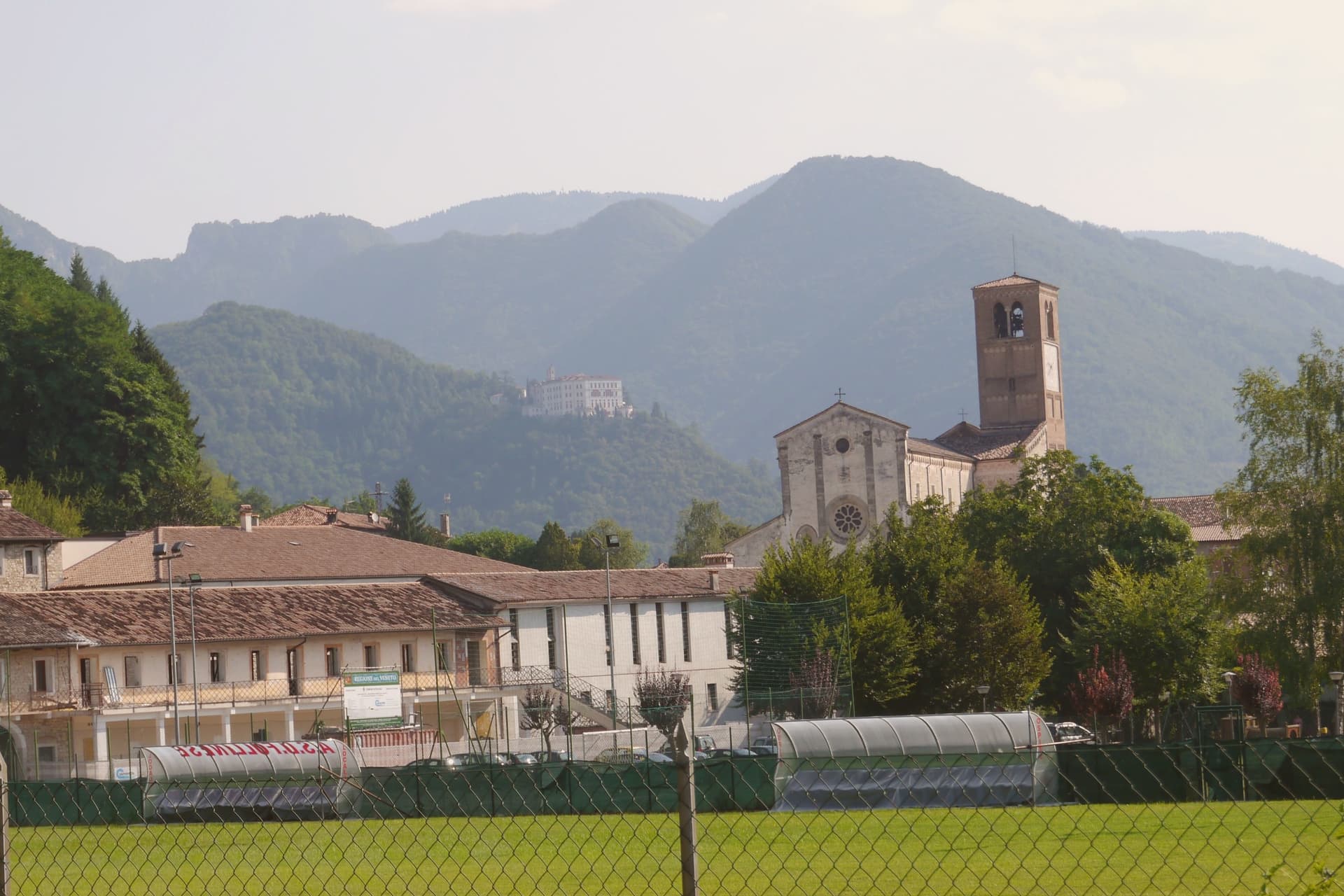
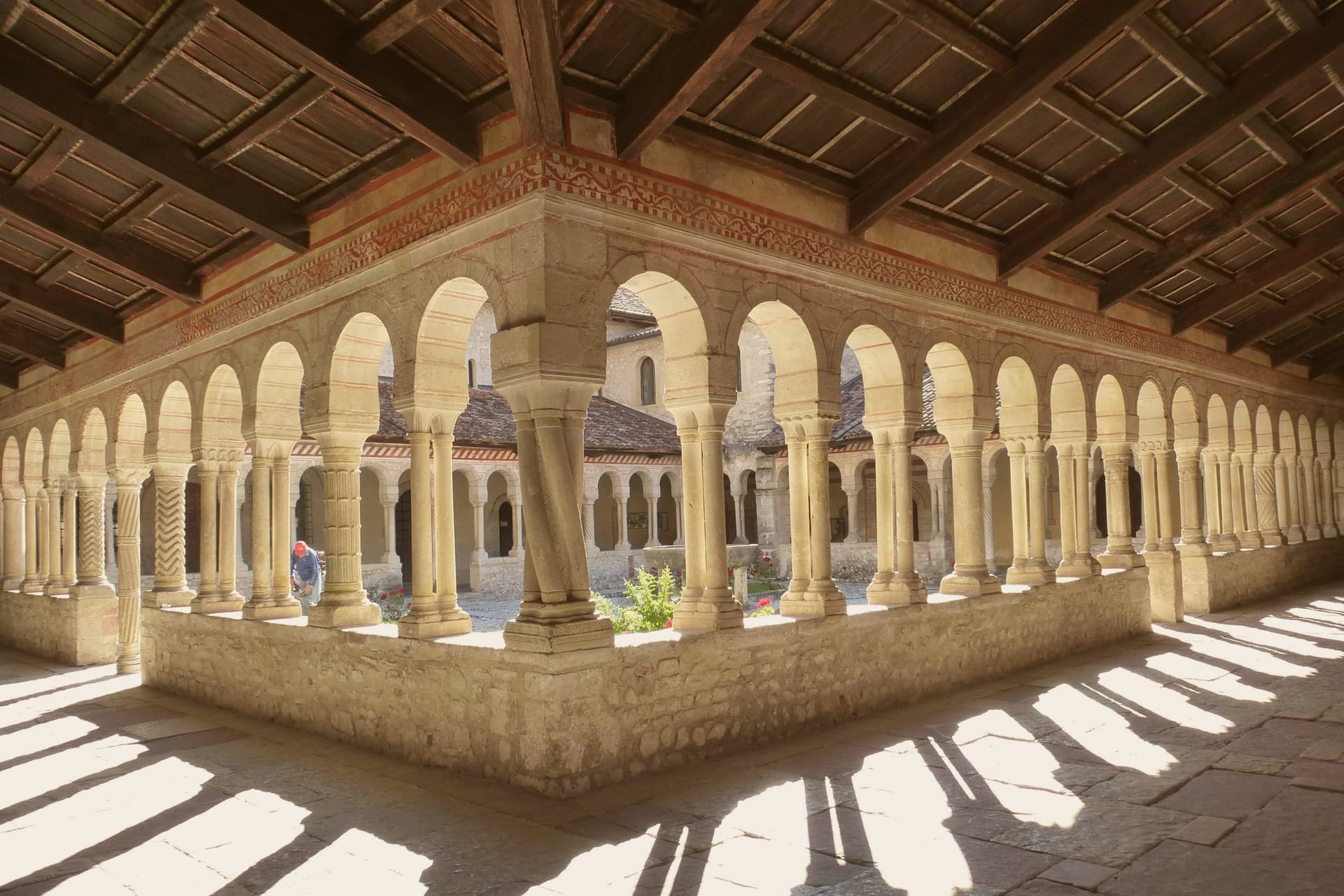
A Prosecco-hills borgo around the Cistercian Abbey of Santa Maria, with a cloister finished in 1268.
- Best time
- Apr–Oct
- By car
- 1 h 13 min from Venice
- Population
- 3,535
Known for
CISTERCIAN ABBEY
Santa Maria built from 1170, cloister finished 1268, minor basilica and national monument since 1921.
WOOL FULLING
The Sanavalle stream powered fulling mills from antiquity to the nineteenth century, the trade that gave the town its name.
PROSECCO SUPERIORE
Vineyards in the Conegliano-Valdobbiadene UNESCO zone inscribed in 2019, on the slopes around Pedeguarda and Farrò.
MARRONE DI COMBAI
The commune also lies inside the Marrone di Combai IGP production zone.
When to visit
Best · Apr–Oct
- J8°
- F11°
- M13°
- A16°
- M20°
- J25°
- J28°
- A28°
- S23°
- O19°
- N13°
- D9°
- Best
- Hot or crowded
- Quiet
- Mostly closed
Daytime averages, 2020–2024. Weather data by Open-Meteo.com.
Why come
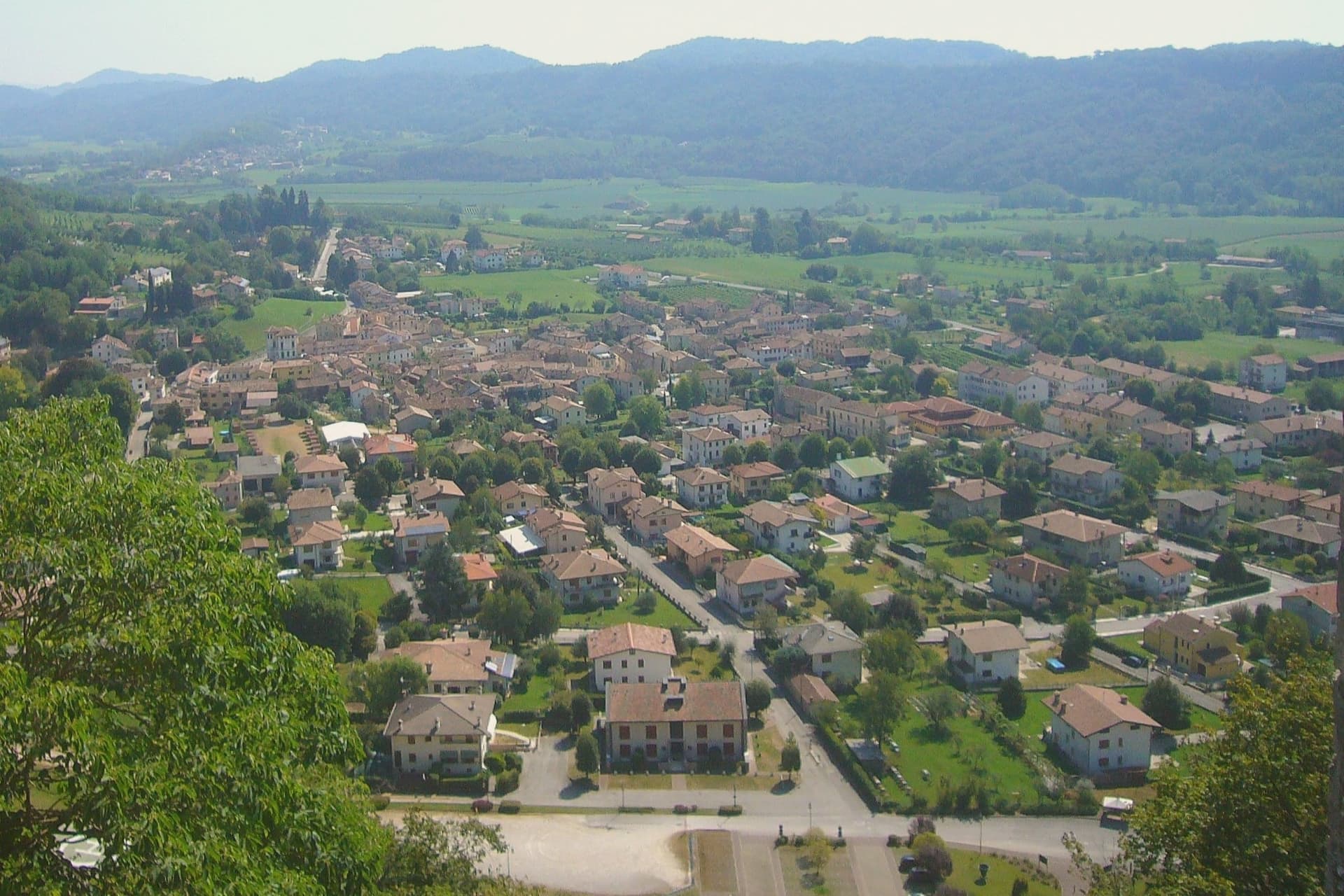
Follina sits where a stream cuts out of the Treviso Prealps into the upper Prosecco hills, sixty-five kilometers northwest of Padova. The name comes from follare, to full wool, and the Sanavalle stream powered fulling mills here from antiquity through the nineteenth century. A monastic complex existed before the Cistercians arrived in the mid-twelfth century, likely a Benedictine house dependent on San Fermo di Verona.
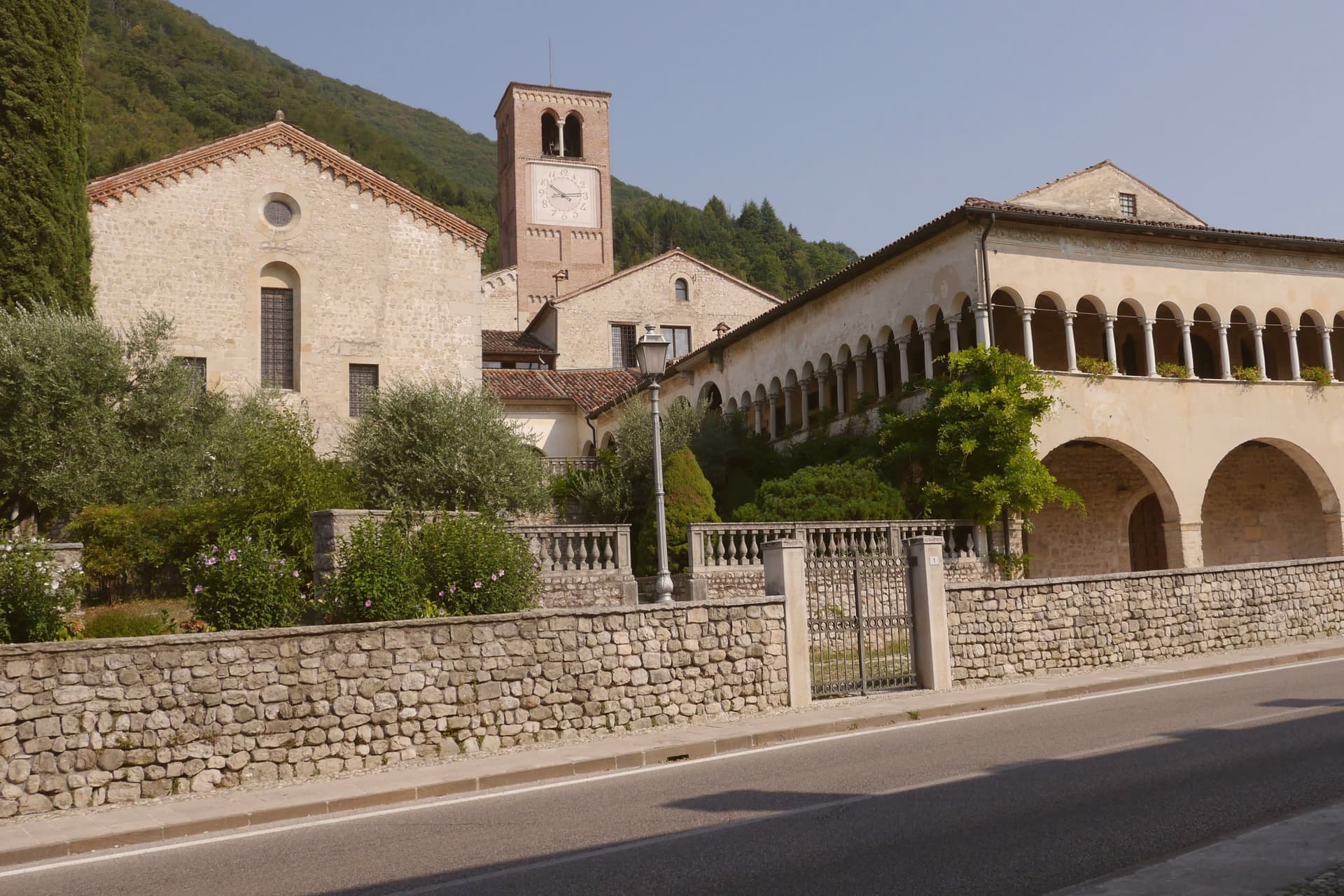
The Cistercians built the Abbey of Santa Maria from 1170; the cloister was completed in 1268. The abbey is now a minor basilica and parish seat, a national monument since 1921, with frescoes of the Veneto-Byzantine school in the chapter house and a thirteenth-century stone Madonna inside the church. The Brandolini family, lords of nearby Cison di Valmarino, used Follina as a textile center through the Venetian period.
The borgo carries five institutional signals at once. The frazione of Pedeguarda holds the older parish church; the centro of Follina runs along the abbey wall and the stream that powered the mills.
The Sunday letter
Follina is on our list. Its letter is still to come.
We are writing about all 1,000 of these towns, one at a time, in a free letter every Sunday: the photo, the food, the festa. That is our mission. Sign up and you will be there when Follina comes up. By Peter & Sophia, from Pietrasanta.
Read on
Follina in our articles
 The best hidden hill towns within 90 minutes of Venezia6 towns, Follina among them.
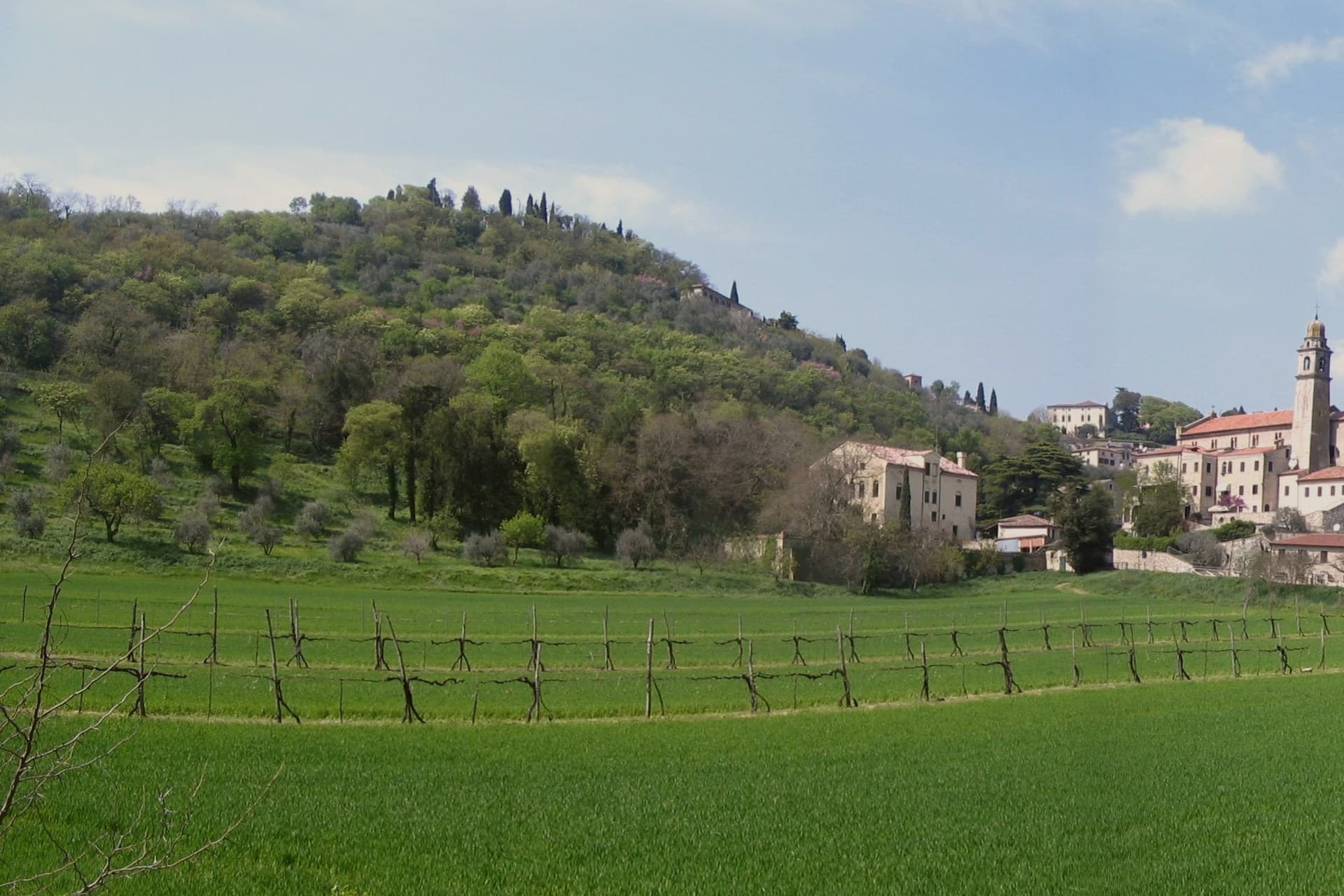 The best hill towns within 75 minutes of Venice6 towns, Follina among them.
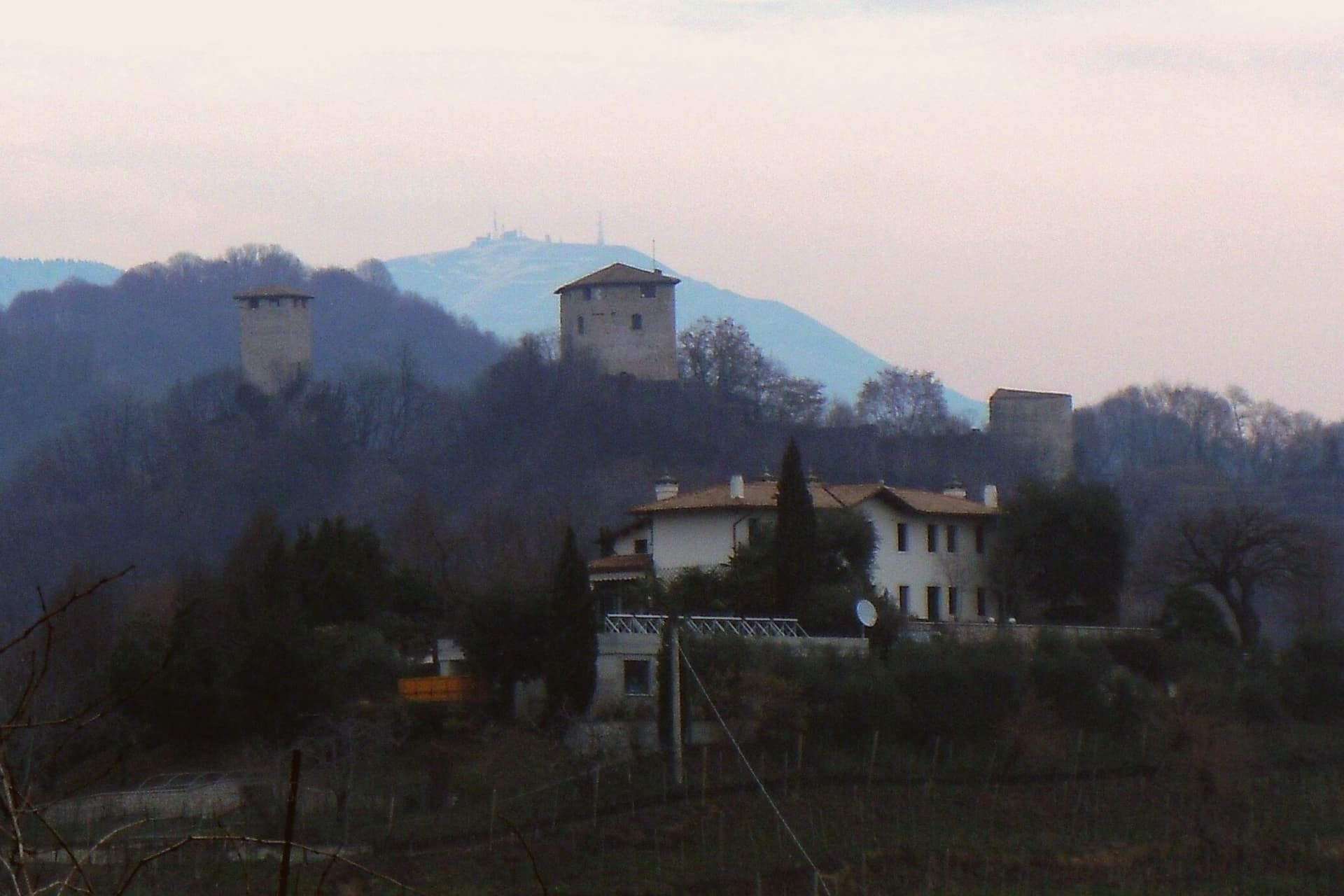 The best towns with a serious restaurant in the province of Treviso6 towns, Follina among them.
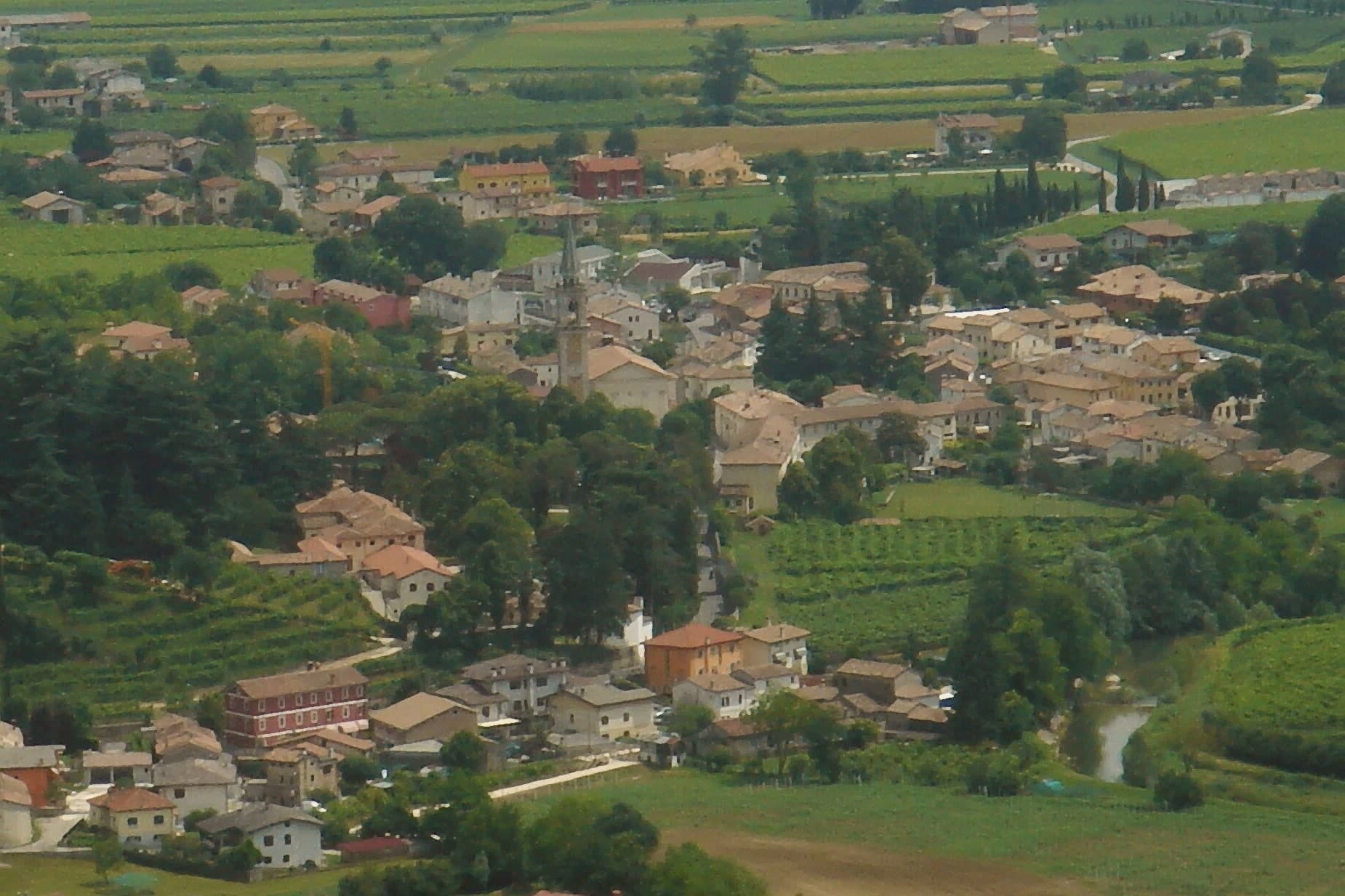 The best wine towns within 75 minutes of Venice6 towns, Follina among them.
How to get there
From Venice (TSF), about 57 minutes by car.
Verona (VRN) is about 2h 22m away.
By car from the centre of Padua 1h 28m or Udine 1h 45m.
Coming by train into Venezia Santa Lucia? Follina is about 1h 13m away by road.
What to see
Abbazia di Santa Maria
Cistercian abbey built from 1170, with the cloister completed in 1268, raised to minor basilica and a national monument since 1921.
Chiostro dell'Abbazia
Cistercian cloister of 1268, with twin colonnettes, sculpted capitals and a central well, intact in its medieval form.
Sala del Capitolo
Abbey chapter house with frescoes of the Veneto-Byzantine school from the late thirteenth and early fourteenth centuries.
Centro storico
Stone village around the abbey wall, on the line of the Sanavalle stream that powered the wool-fulling mills the town is named for.
Chiesa di San Pietro Apostolo
Parish church in the frazione of Pedeguarda, older than the abbey, with a medieval campanile rebuilt in the eighteenth century.
The slow-trip planner
Building a trip? Find where Follina fits in a slow Italy circuit.
Answer five questions. We will shape a geographically coherent slow trip from the 1,000 Italian towns most travelers skip. Yours to save and share.
We recommend
Where to eat
Not our picks, but places the guides put their name to: a Michelin star, a Gambero Rosso fork, a Slow Food snail, a Michelin Key for the hotels. Worth a table, a counter, or a night when you pass through.
La CorteRistorante
La Corte has two Gambero Rosso forks (82/100) and a spot in the Michelin Guide.
Osteria dai MazzeriTrattoria
Two Gambero Rosso prawns for Osteria dai Mazzeri, and a spot in the Michelin Guide.
Al CastellettoTrattoria
Al Castelletto holds two Gambero Rosso prawns.
Living here
- Population 3,535
- Commuter belti
- Pharmacy in town
- High school within a 30-minute drive
- Nearest airport Venice, 57 min drive
- Regional capital Venezia, 1 h 13 min drive
Common questions
- What is Follina known for?
- Follina is a Prosecco-hills borgo at 191 meters around the Cistercian Abbey of Santa Maria, with a cloister finished in 1268.
- Where is Follina?
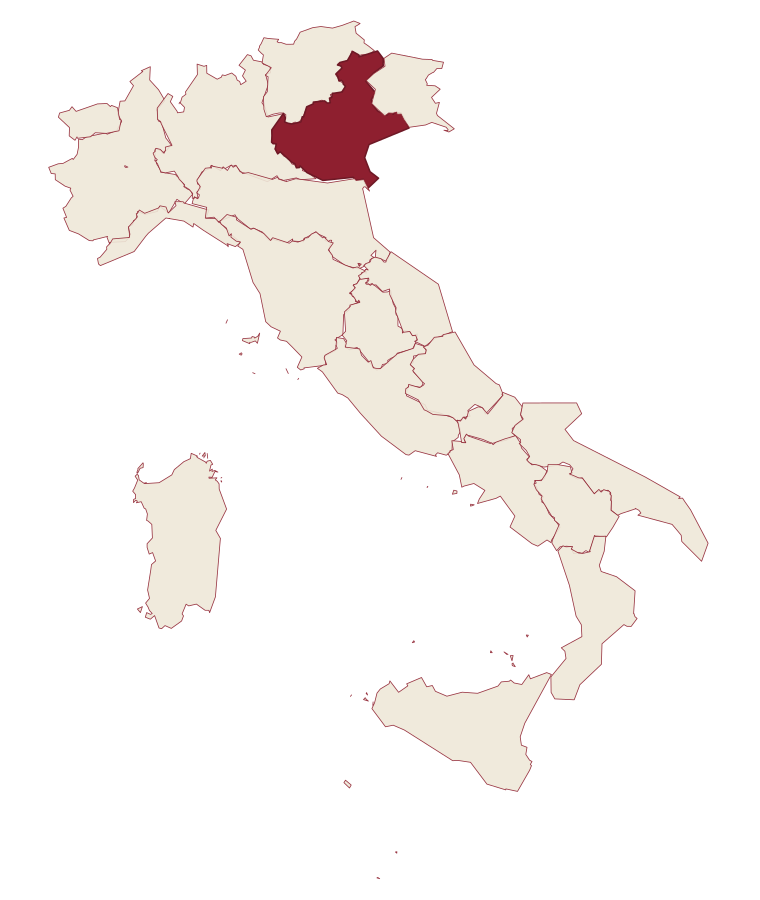
- Follina is a comune in the province of Treviso, in Veneto.
- What is the nearest airport to Follina?
- Venice (TSF), about 57 minutes by car.
- How long is the drive from Padua to Follina?
- About 1h 28m by car.
- When is the best time to visit Follina?
- Best in Apr–Oct. July is the warmest month, averaging 28 degrees, and May the wettest, with about 18 rain days.
- Which other towns are like Follina?
- Polcenigo, Fagagna and San Dorligo della Valle-Dolina.
- How many people live in Follina?
- 3,535 at the 2023 count.
Tags & datadesignations · numbers · sources
The numbers
- Elevation: 191 m
- Population: 3,535
- Surface area: 24.08 km²
These figures were compiled from public directories: ISTAT, OpenStreetMap and Wikidata, and from the official listings of the guides named on this page. Town details change; verify with official sources before you travel.
Similar
Towns like Follina
Polcenigo
Province: Pordenone
both inland, away from the coast · both between 3,000 and 10,000 people
Fagagna
Province: Udine
both inland, away from the coast · both between 3,000 and 10,000 people
San Dorligo della Valle-Dolina
Province: Trieste
both inland, away from the coast · both between 3,000 and 10,000 people
Cormons
Province: Gorizia
both inland, away from the coast · both between 3,000 and 10,000 people
Montecarlo
Province: Lucca
both inland, away from the coast · both between 3,000 and 10,000 people
Peccioli
Province: Pisa
both inland, away from the coast · both between 3,000 and 10,000 people
🎨 Borghi più belli d'Italia
More Borghi più belli d'Italia towns in Veneto
Arquà Petrarca
Province: Padova
The Euganean Hills village where Francesco Petrarca spent his last four years and died in 1374, renamed in his honor in 1868.
Asolo
Province: Treviso
A walled hill town at 205 meters that Caterina Cornaro ran as her court after trading Cyprus to Venice in 1489.
Borgo Valbelluna
Province: Belluno
Veneto's youngest comune, a 13,410-resident fusion of three lower-Belluno towns formed in 2019, wrapped around an old borgo in the pre-Dolomite Piave valley.
Cison di Valmarino
Province: Treviso
A Prosecco hills borgo at 261 meters under the dolomite rock of CastelBrando, the largest inhabited castle complex in Europe.
Malcesine
Province: Verona
The northernmost Veneto town on Lake Garda, where Goethe was nearly arrested for sketching the Castello Scaligero in September 1786.