
Piedmont · Verbano-Cusio-Ossola
Mergozzo
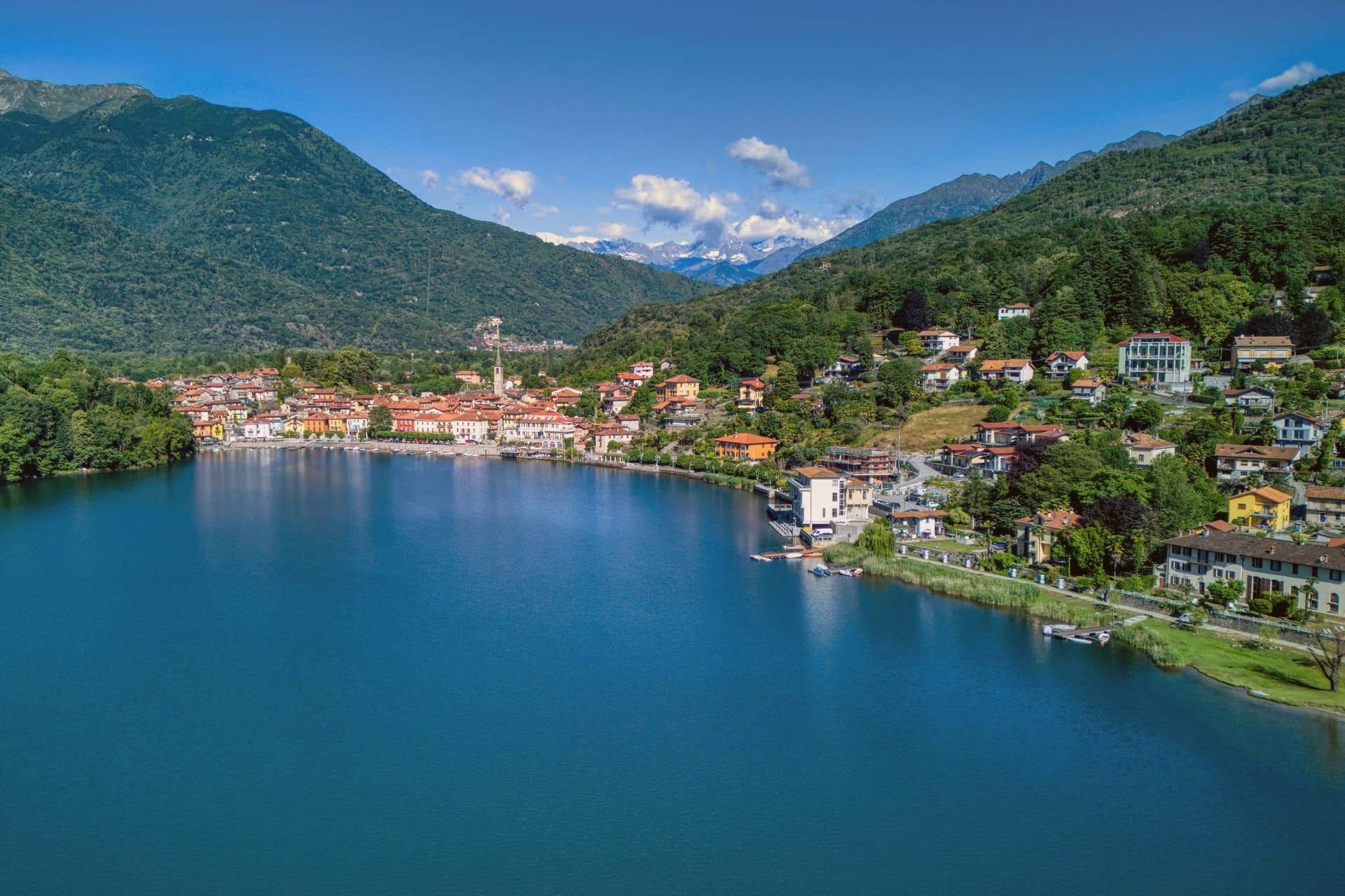
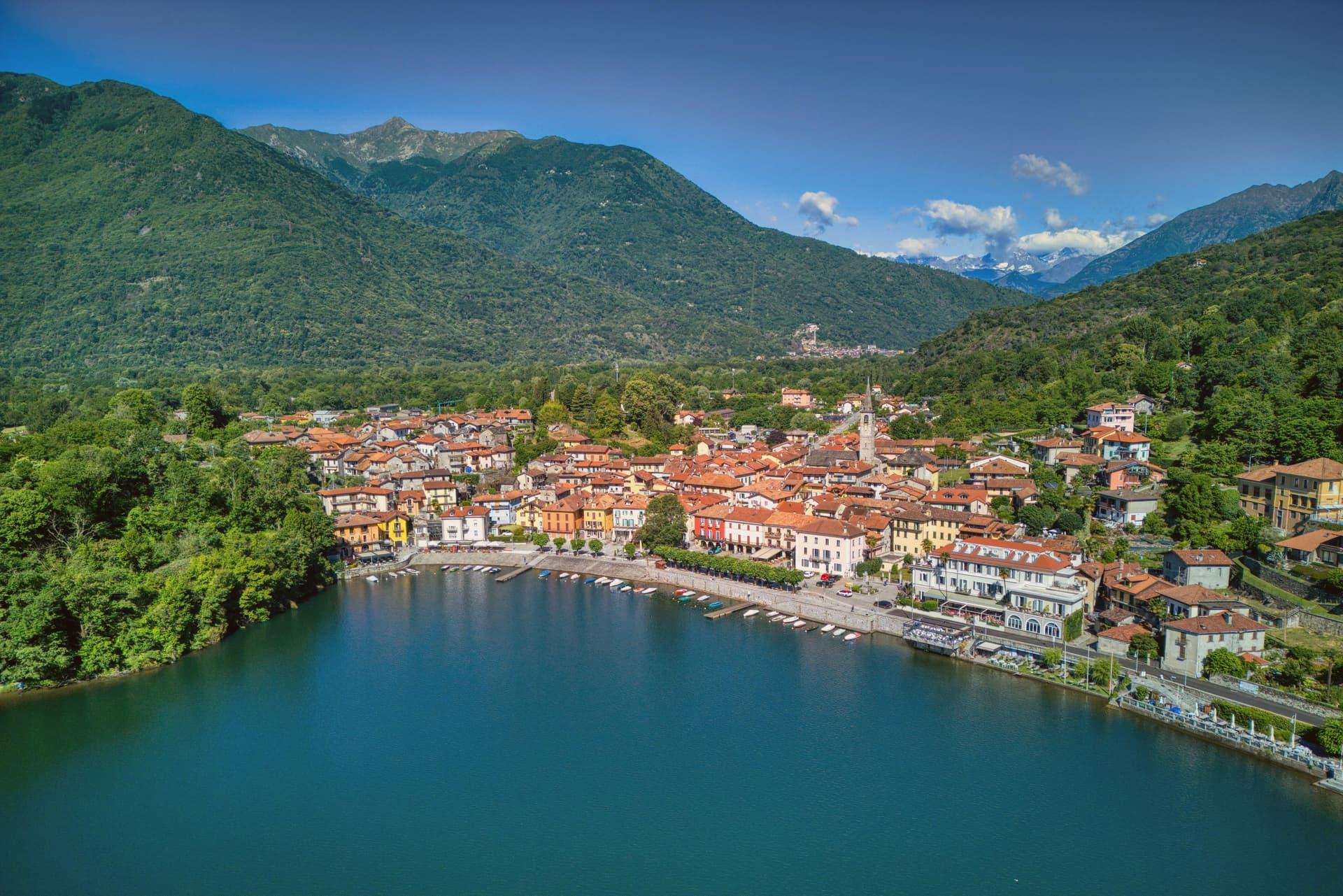
A village on the western shore of a small lake cut off from its larger neighbor by river sediment, with a centuries-old elm on its lakefront piazza.
- Best time
- Apr–Oct
- By car
- 1 h 20 min from Milan
- By train
- Station in the comune
- Population
- 2,148
Known for
THE SMALL LAKE
Closed off from Lago Maggiore by river sediment, motor-free and clean enough for swimming straight off the piazza.
L'OLMO
The four-century elm on the lakefront piazza, recognized as a monumental tree of Piemonte and the symbol of the village.
GRANITE
Mergozzo and Montorfano supplied the white granite for the Vittoriano in Rome and the green serizzo used across the north.
OSSOLANO
The commune lies inside the Ossolano DOP production zone.
When to visit
Best · Apr–Oct
- J10°
- F12°
- M14°
- A17°
- M21°
- J26°
- J28°
- A28°
- S23°
- O19°
- N13°
- D10°
- Best
- Hot or crowded
- Quiet
- Mostly closed
Daytime averages, 2020–2024. Weather data by Open-Meteo.com.
The festa: Assunzione di Maria, 15 August
Why come
The lake is 74 meters deep and sits, separated in antiquity from its larger neighbor when sediment from the Toce river closed the channel between them. The village faces the water from the western shore, folded behind a lakefront piazza where the parish church holds a painting from 1623 already showing the elm that gives the square its character. Behind the piazza, narrow stone-paved lanes called strece climb toward terraced gardens, the houses built of the same granite quarried on neighboring Montorfano hill.
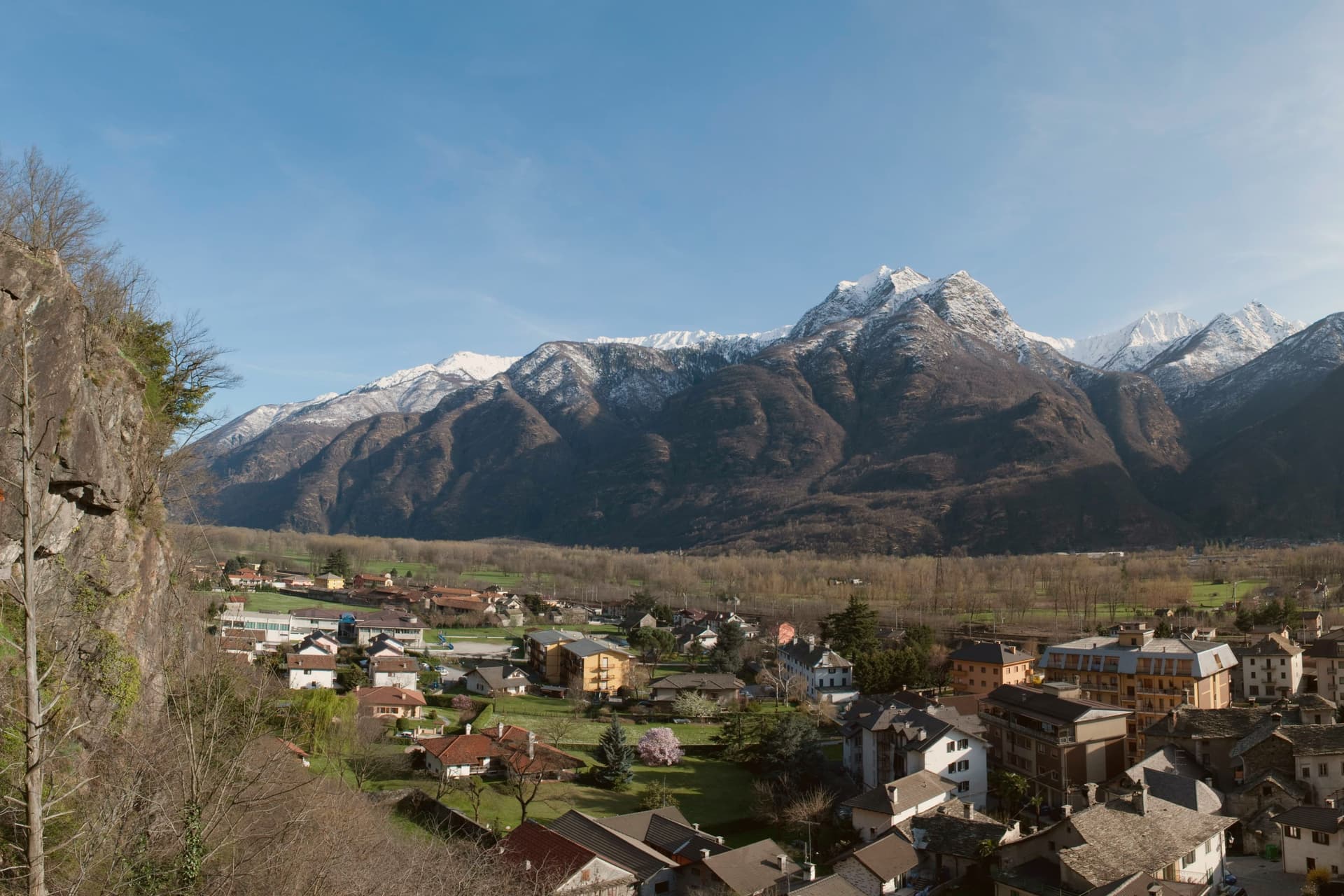
Stone has long been the local economy, tying Mergozzo to the wider region: the same quarries that cut the lanes' paving supplied material used in Rome and across northern Italy. Trailheads above the village lead into Val Grande, so the same slopes that shelter the piazza from behind also open, higher up, onto one of the wildest valley systems in the Alps. What holds the place together is this stacking of scales: a small, closed-off lake at the bottom, a worked hillside of stone above it, and beyond that, wilderness.
The Sunday letter
Mergozzo is on our list. Its letter is still to come.
We are writing about all 1,000 of these towns, one at a time, in a free letter every Sunday: the photo, the food, the festa. That is our mission. Sign up and you will be there when Mergozzo comes up. By Peter & Sophia, from Pietrasanta.
Read on
Mergozzo in our articles
 The best cheese towns within 90 minutes of Milan6 towns, Mergozzo among them.
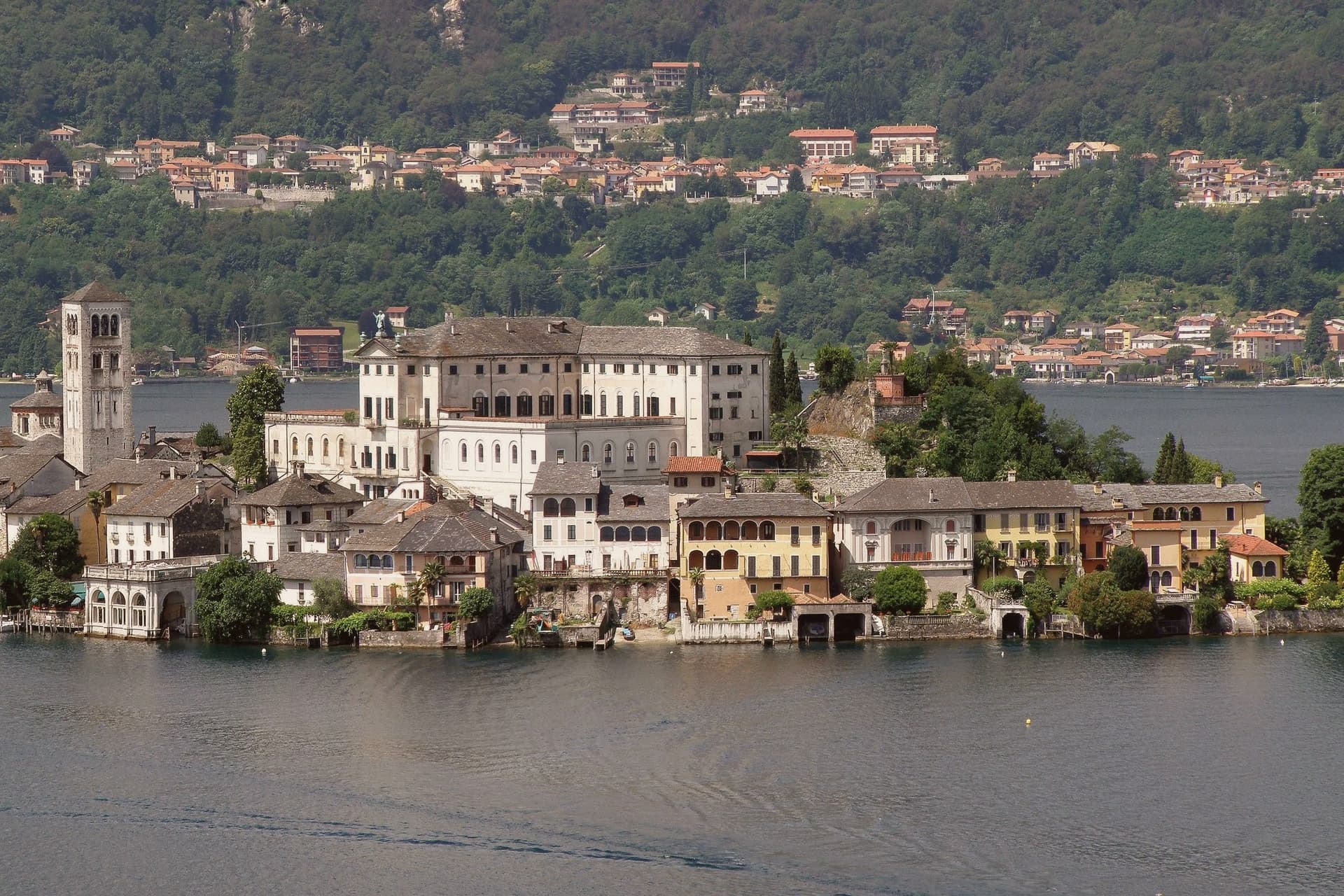 The best lake towns that eat well within 90 minutes of Novara6 towns, Mergozzo among them.
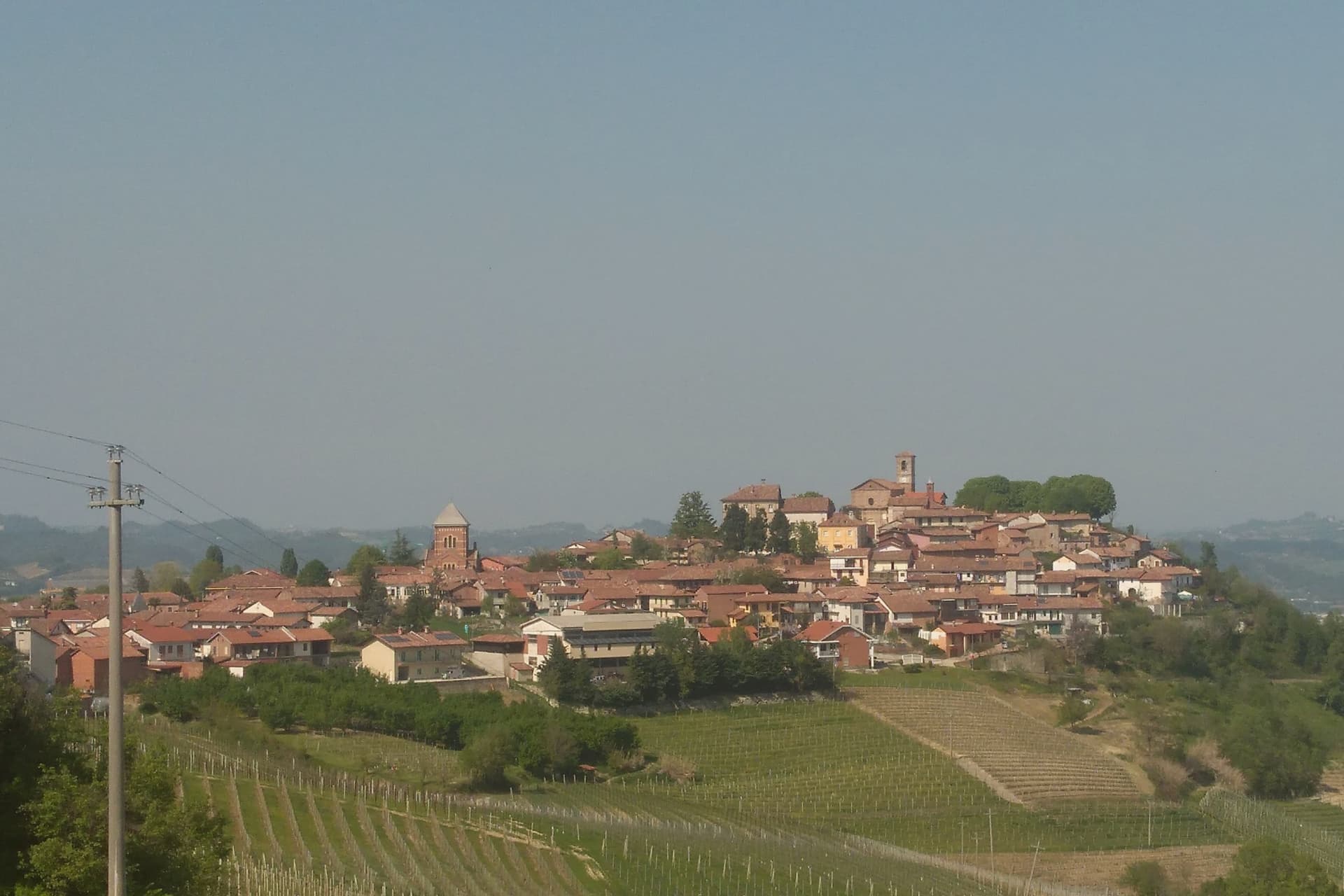 The best small towns you can reach by train that have a serious restaurant in Piemonte6 towns, Mergozzo among them.
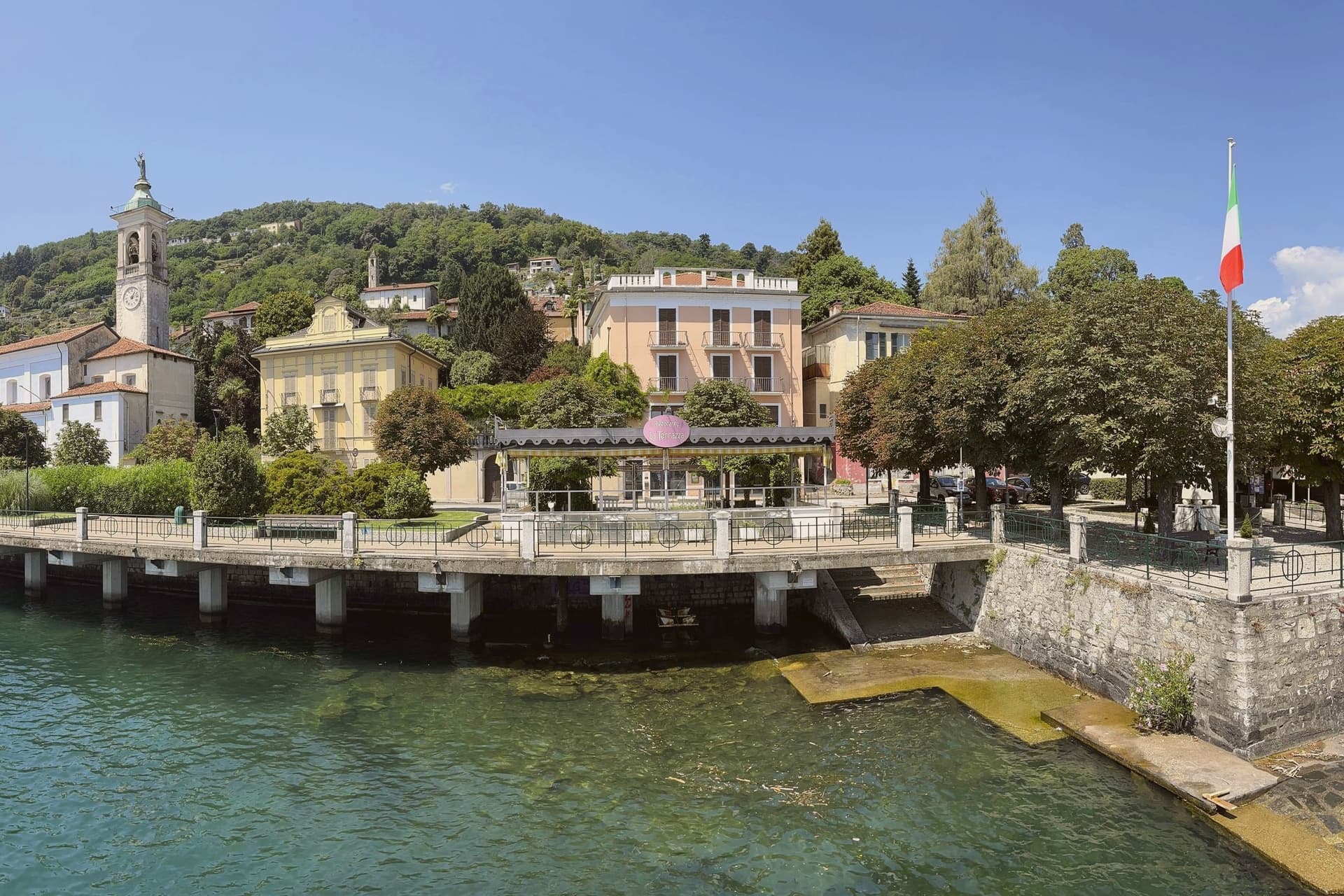 The best small lake towns in Piemonte7 towns, Mergozzo among them.
How to get there
From Milan (BGY), about 1h 48m by car.
Turin (TRN) is about 1h 49m away.
By car from the centre of Brescia 2h 10m.
There is a railway station in the comune, so you can arrive without a car.
Coming from Milan, Turin or Genoa?
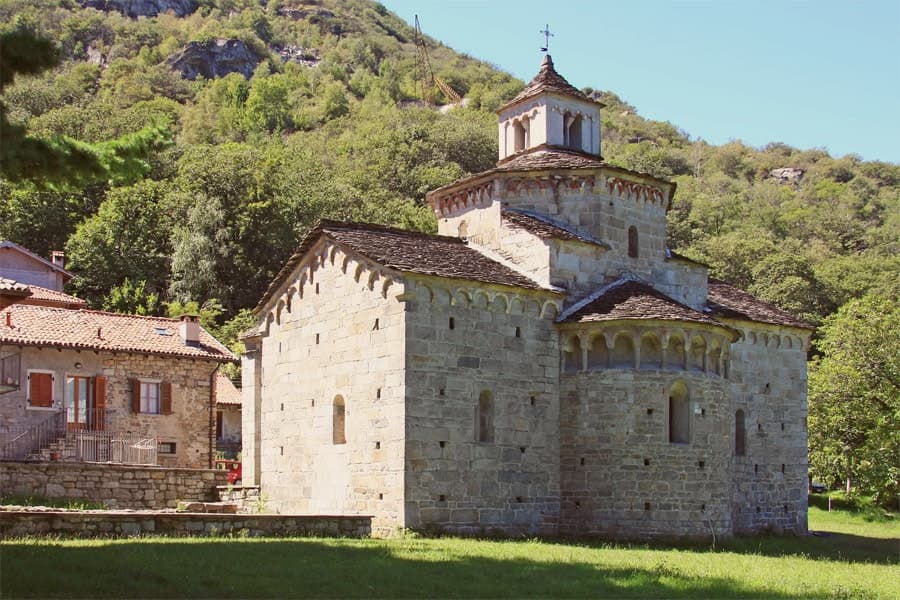
Coming by train into Milano Centrale? Mergozzo is about 1h 20m away by road.
What to see
L'Olmo di Mergozzo
Hollow-trunked field elm on the lakefront piazza, still standing and shading the square it has watched over for generations.
Lago di Mergozzo
2.5 km lake separated from Lago Maggiore by Toce sediment, motorboat-free and ranked among Europe's cleanest waters.
Centro storico
Stone-paved lanes (strece) and granite houses climbing the slope behind the lakefront piazza.
Cave di Montorfano
White granite quarries on the adjacent Montorfano hill, source of the stone used for the Vittoriano in Rome.
Parco Nazionale Val Grande
Italy's largest wilderness area, with trailheads above the village into one of the wildest valley systems in the Alps.
The slow-trip planner
Building a trip? Find where Mergozzo fits in a slow Italy circuit.
Answer five questions. We will shape a geographically coherent slow trip from the 1,000 Italian towns most travelers skip. Yours to save and share.
We recommend
Where to eat
Not our picks, but places the guides put their name to: a Michelin star, a Gambero Rosso fork, a Slow Food snail, a Michelin Key for the hotels. Worth a table, a counter, or a night when you pass through.
La Fugascina RistoranteRistorante
La Fugascina Ristorante has a spot in the Michelin Guide to its name.
La QuartinaRistorante
La Quartina carries a spot in the Michelin Guide.
Living here
- Population 2,148
- Commuter belti
- Pharmacy in town
- High school within a 30-minute drive
- Train station in the comune
- Nearest airport Milan, 1 h 48 min drive
- Regional capital Torino, 1 h 49 min drive
Common questions
- What is Mergozzo known for?
- Mergozzo is a village on the western shore of a small lake cut off from its larger neighbor by river sediment, with a centuries-old elm on its lakefront piazza.
- Where is Mergozzo?
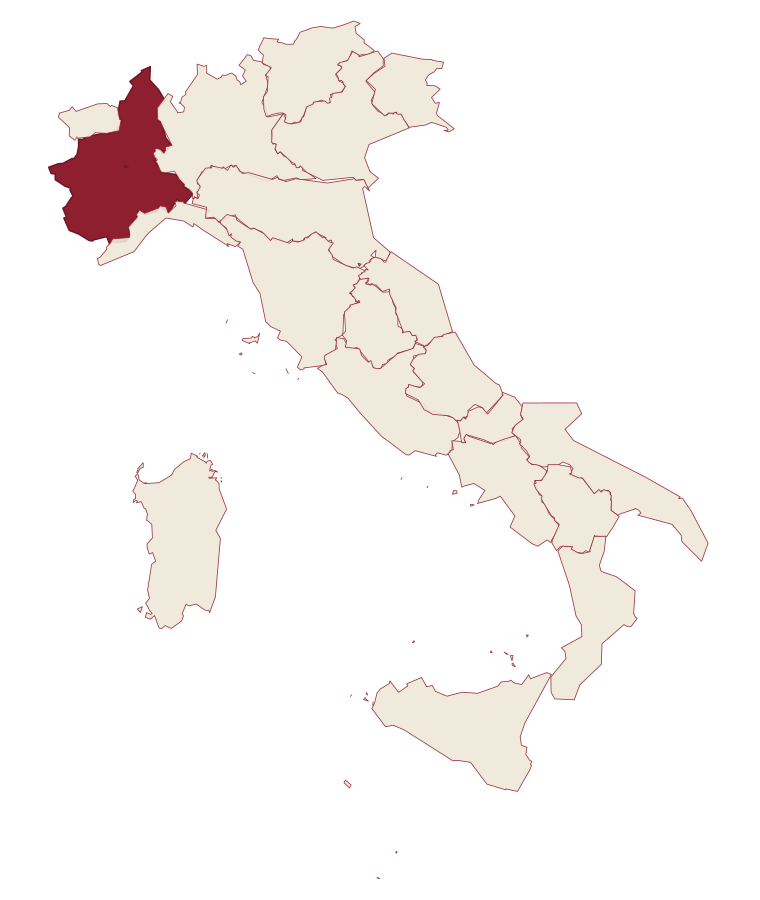
- Mergozzo is a comune in the province of Verbano-Cusio-Ossola, in Piedmont, at 204 meters above sea level.
- What is the nearest airport to Mergozzo?
- Milan (BGY), about 1h 48m by car.
- Can you get to Mergozzo without a car?
- Yes. There is a railway station in the comune, so you can arrive by train.
- How long is the drive from Brescia to Mergozzo?
- About 2h 10m by car.
- When is the best time to visit Mergozzo?
- Best in Apr–Oct. August is the warmest month, averaging 28 degrees, and May the wettest, with about 20 rain days.
- Is there a sagra or a festival in Mergozzo?
- The town keeps its patron saint's day: Assunzione di Maria, 15 August.
- Which other towns are like Mergozzo?
- Ghiffa, Dervio and Porto Ceresio.
- How many people live in Mergozzo?
- 2,148 at the 2023 count.
Tags & datadesignations · numbers · sources
Recognised as
The numbers
- Elevation: 204 m
- Population: 2,148
- Surface area: 27 km²
These figures were compiled from public directories: ISTAT, OpenStreetMap and Wikidata, and from the official listings of the guides named on this page. Town details change; verify with official sources before you travel.
Similar
Towns like Mergozzo
Ghiffa
Province: Verbano-Cusio-Ossola
both lake towns · both under 3,000 people
Dervio
Province: Lecco
both lake towns · both under 3,000 people
Porto Ceresio
Province: Varese
both lake towns · both under 3,000 people
Torno
Province: Como
both lake towns · both under 3,000 people
Orta San Giulio
Province: Novara
both lake towns · both under 3,000 people
Stresa
Province: Verbano-Cusio-Ossola
both lake towns · both hill towns
🟠 Bandiera Arancione
More Bandiera Arancione towns in Piedmont
Agliè
Province: Torino
A Canavese borgo at 330 meters whose Castello Ducale, a UNESCO Savoy residence since 1997, has been held by the d'Agliè since 1259.
Alagna Valsesia
Province: Vercelli
A Walser village at 1,191 meters, at the head of the Valsesia, known to off-piste skiers worldwide.
Arona
Province: Novara
A town at the southern tip of a lake, watched over by a colossus finished in 1698.
Avigliana
Province: Torino
A medieval Savoy town at 383 meters at the mouth of the Susa Valley, between two glacial lakes and the abbey on the mountain above.
Barolo
Province: Cuneo
A Langhe borgo at 301 meters whose Castello Falletti gave its name to the wine the Marchesi turned dry in the 1830s with Cavour's help.