
The 8 best towns you can reach by train in the province of Verbano-Cusio-Ossola
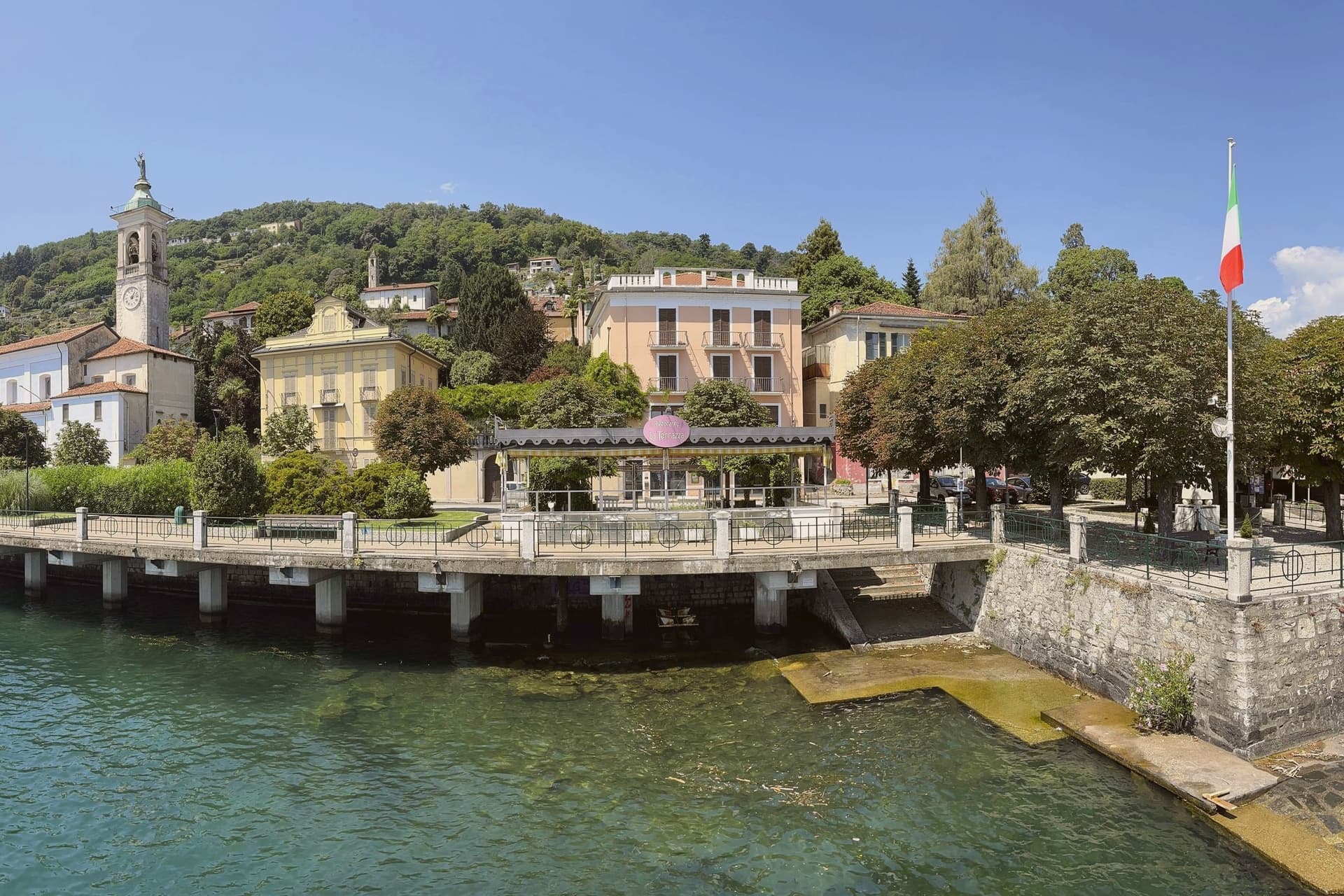
Verbano-Cusio-Ossola is the corner of Piedmont where the lake ends and the Alps begin, and the railway threads through both. The Simplon line runs north from Milan along the western shore of Lake Maggiore, past terraced gardens, camellias, granite quays and villas with iron gates, then turns inland through the Ossola valleys where the stone changes to the pale marble of Candoglia, quarried for the Duomo of Milan. Kitchens here cook lake fish, coregone and perch fried in butter, alongside mountain food from the valleys: gnocchi all'ossolana, violino di capra, Bettelmatt cheese made on high summer pasture. Spring brings azaleas and low water; October brings chestnuts, mist on the shore and the last boats crossing to the islands.
Most visitors take the lake as a day trip and stop at the obvious stretch, or skip Maggiore altogether for Lake Como, where Bellagio and Varenna absorb the coaches, the ferry queues and the wedding parties from Easter until late autumn. Como is beautiful and well served, and it is also where every guidebook sends everyone at once. Landing there, you queue for the boat, eat lunch at a table facing another queue, and see a lake through other people's phones.
The same water, the same granite, the same butter-fried lake fish continue north and west, and the train keeps stopping. Small shore towns sit between the famous piers, and behind them the line climbs into the Ossola, past a walled medieval borgo and on towards the Swiss border and the Centovalli. Every town in this list is one we have confirmed you can reach and use without a car, on foot from the station.
Of the 12 communes we have mapped in the province of Verbano-Cusio-Ossola, 8 qualify as towns you can reach by train: we have confirmed each is reachable without a car. The smallest, Belgirate, has 473 residents.
Elsewhere in the catalogue: The best lake towns in the province of Verbano-Cusio-Ossola and The best lake towns you can reach by train in Piemonte.
Belgirate
Why visit Belgirate
Belgirate sits at 199 meters on the west shore of Lake Maggiore, eleven kilometers south of Verbania and ten north of Arona. The village climbs the lower slopes of the Motta Rossa hill, where the medieval core takes its name from the curve, the bel girare, that the shore makes here.
The Chiesa Vecchia di Santa Maria sits above the town on a terrace looking over the lake. The Romanesque bell tower dates to the eleventh century, the body of the church to the twelfth; the small churchyard gives the panorama that has kept the village on Grand Tour itineraries for two hundred years.
The Società delle Regate, founded in Belgirate in 1858, is recognised as the first yacht club in Italy and still races each year. The nineteenth-century villas along the shore hosted Alessandro Manzoni, Antonio Rosmini and the poet Guido Gozzano; Villa Carlotta, now a hotel, was where several Risorgimento figures met.
The commune has no institutional signals firing, which suits a place that has stayed small on purpose.
We confirmed you can reach this one by train.
What to see in Belgirate
- Chiesa Vecchia di Santa Maria. Romanesque church on a terrace above the lake, with an 11th-century bell tower and a 12th-century body, holding the original parish until the 19th century.
- Ville ottocentesche. Line of 19th-century villas along the shore, including Villa Carlotta and Villa Cairoli, hosts to Manzoni, Rosmini and Gozzano in the same period.
- Lungolago di Belgirate. Long lakefront promenade between Arona and Stresa, with views across the lake to the Lombard shore at Angera and Ranco.
How to get to Belgirate
There is a railway station in the town, so you can arrive without a car and never need one while you are here. Novara is roughly 59 minutes away by road.
Our tip
April through June and September into October are the best months on the west shore of Lake Maggiore. The lake holds steady at high teens, the lungolago is open without traffic, and the climb up to the Chiesa Vecchia gives the longest light of the day. July and August are warm but rarely crowded in Belgirate; the village is small enough that the Maggiore day-trip flows pass it for the bigger lakefronts of Stresa and Arona.
Vogogna
Why visit Vogogna
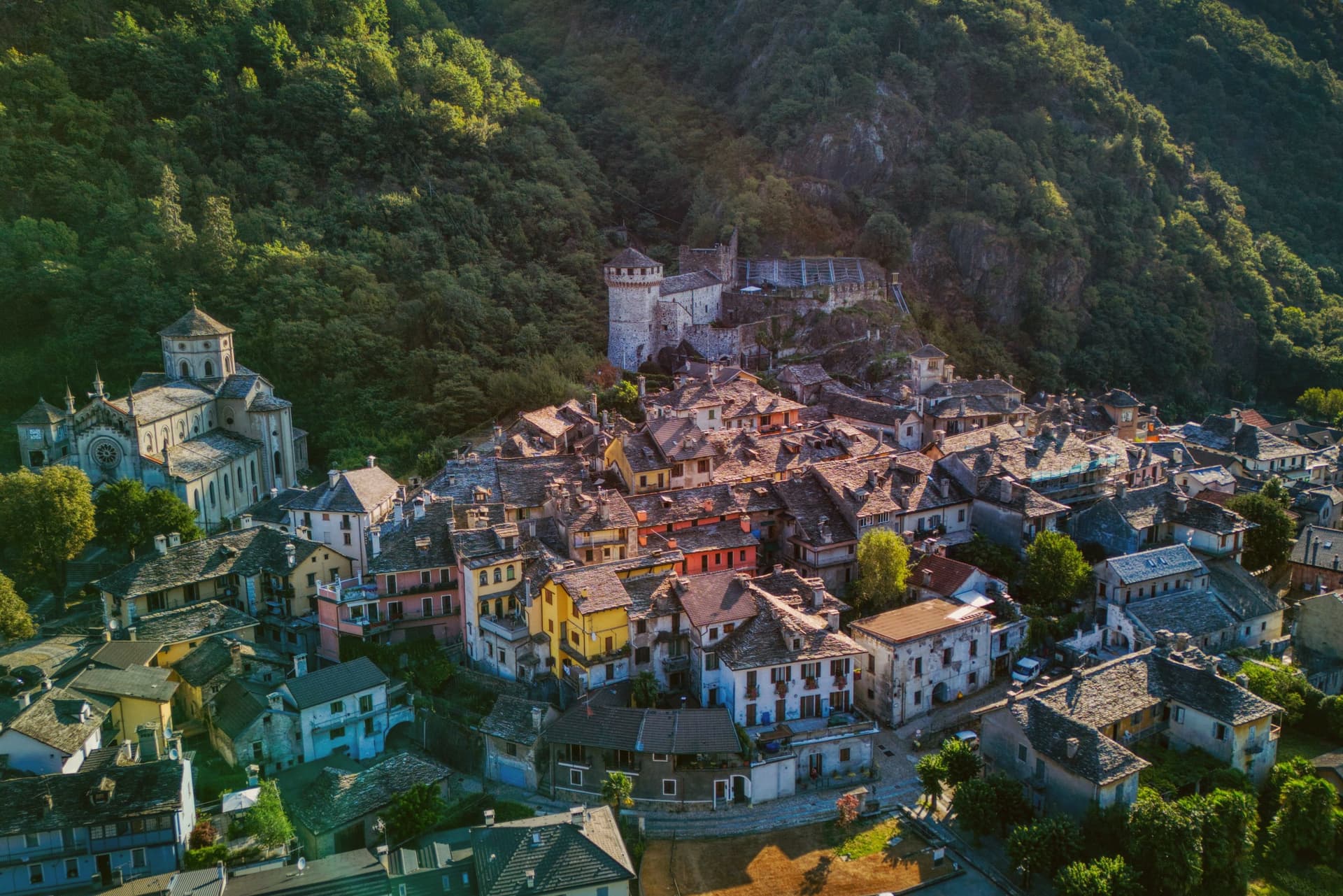
Vogogna sits at 226 meters on the floor of Val d'Ossola, at the narrow point of the valley where the Toce bends south toward Lago Maggiore. The castle went up on the spur above the village as part of a broader reinforcement of the Duchy of Milan against Swiss incursions over the Sempione, built alongside an older fortified rock that had already held the same defensive line.
Together they anchored the town's promotion to administrative seat for the lower half of the valley, in balance with Domodossola further up, which held the upper half. Spanish rule from the sixteenth century onward reduced the castle's strategic weight, and in 1798 it passed into municipal hands, used at one stage as a prison, before the long restoration that closed in 2005.
The borgo carries Borghi più belli d'Italia and the Bandiera Arancione, and Val Grande National Park borders the commune on the west. What the town amounts to is a lower valley's seat of government grown around a fortress that outlived its military purpose by centuries, wedged between wilderness on one side and the river's bend on the other.
We confirmed you can reach this one by train.
What to see in Vogogna
- Castello Visconteo. Restored from 1990 to 2005, the castle is now open to visitors with a multimedia conference room installed inside its walls.
- Rocca di Vogogna. Earlier fortified rock above the Visconti castle, the original medieval defensive post over the narrow point of the Toce valley.
- Centro storico. Medieval core below the castle with stone houses, narrow streets and the Palazzo Pretorio, the historic administrative seat of Ossola Inferiore.
How to get to Vogogna
There is a railway station in the town, so you can arrive without a car and never need one while you are here. Novara is roughly 75 minutes away by road.
Our tip
April through June brings clear walking weather to the Toce valley, with the upper Val Grande slopes drying out and the Visconti castle terraces open for full hours. September and October are the harvest months in Ossola, when chestnut woods turn on the lower slopes and the cooler air carries the view from the Rocca down the valley toward Lago Maggiore. July and August warm the valley floor, but the stone houses of the centro storico keep the streets shaded.
Mergozzo
Why visit Mergozzo
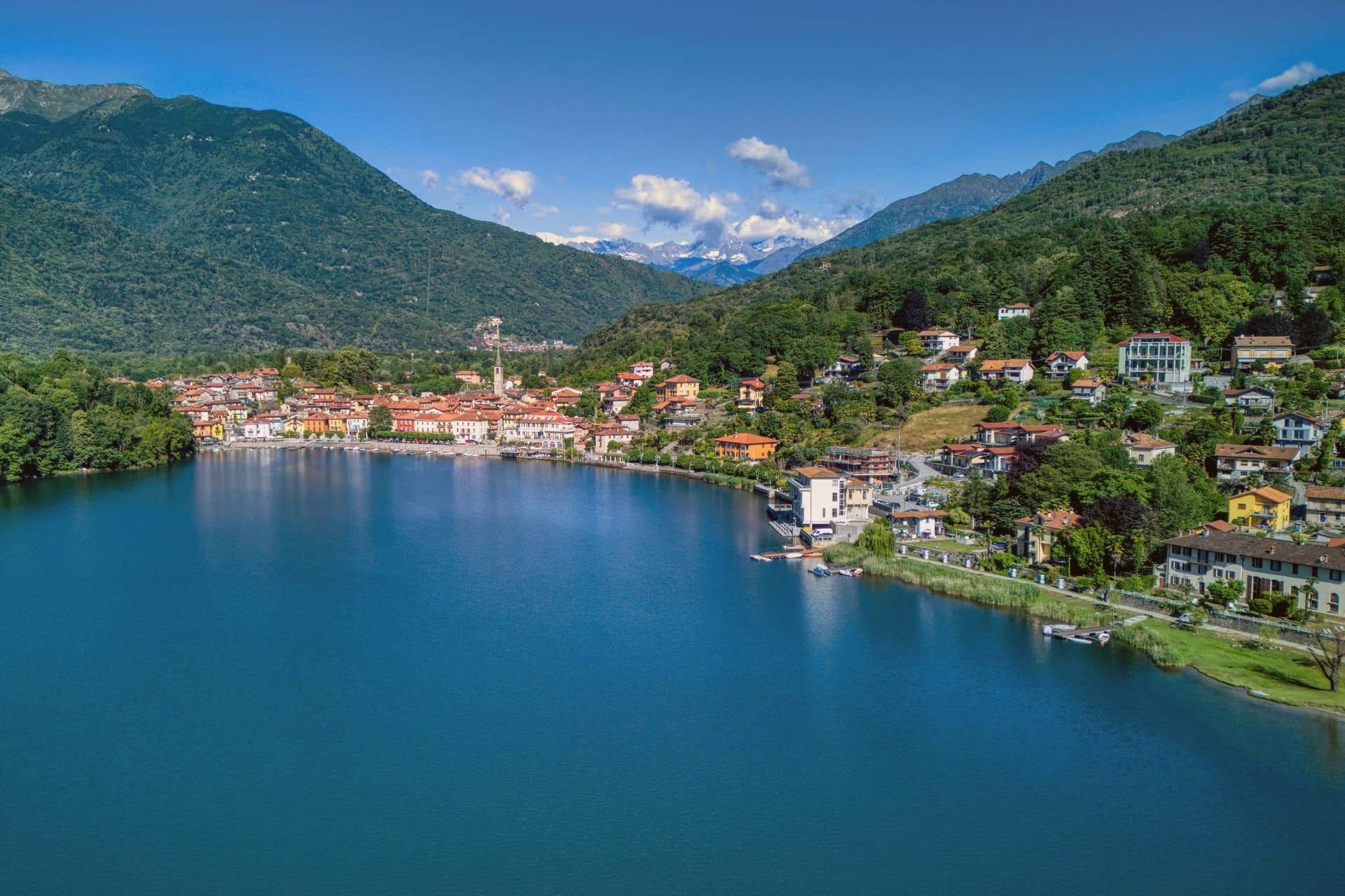
The lake is 74 meters deep and sits at 204 meters, separated in antiquity from its larger neighbor when sediment from the Toce river closed the channel between them. The village faces the water from the western shore, folded behind a lakefront piazza where the parish church holds a painting from 1623 already showing the elm that gives the square its character.
Behind the piazza, narrow stone-paved lanes called strece climb toward terraced gardens, the houses built of the same granite quarried on neighboring Montorfano hill. Stone has long been the local economy, tying Mergozzo to the wider region: the same quarries that cut the lanes' paving supplied material used in Rome and across northern Italy.
Trailheads above the village lead into Val Grande, so the same slopes that shelter the piazza from behind also open, higher up, onto one of the wildest valley systems in the Alps. What holds the place together is this stacking of scales: a small, closed-off lake at the bottom, a worked hillside of stone above it, and beyond that, wilderness.
We confirmed you can reach this one by train.
What to see in Mergozzo
- L'Olmo di Mergozzo. Hollow-trunked field elm on the lakefront piazza, still standing and shading the square it has watched over for generations.
- Lago di Mergozzo. 2.5 km lake separated from Lago Maggiore by Toce sediment, motorboat-free and ranked among Europe's cleanest waters.
- Centro storico. Stone-paved lanes (strece) and granite houses climbing the slope behind the lakefront piazza.
How to get to Mergozzo
There is a railway station in the town, so you can arrive without a car and never need one while you are here. Novara is roughly 67 minutes away by road.
Our tip
April through June and September into October are the months the lakefront works best: mild water, open trattorie and Val Grande trails clear of snow but cool enough to walk. July and August fill the small beach and the parking lots, though Mergozzo never reaches the volume of nearby Stresa on Maggiore. November through March is quiet.
Ghiffa
Why visit Ghiffa
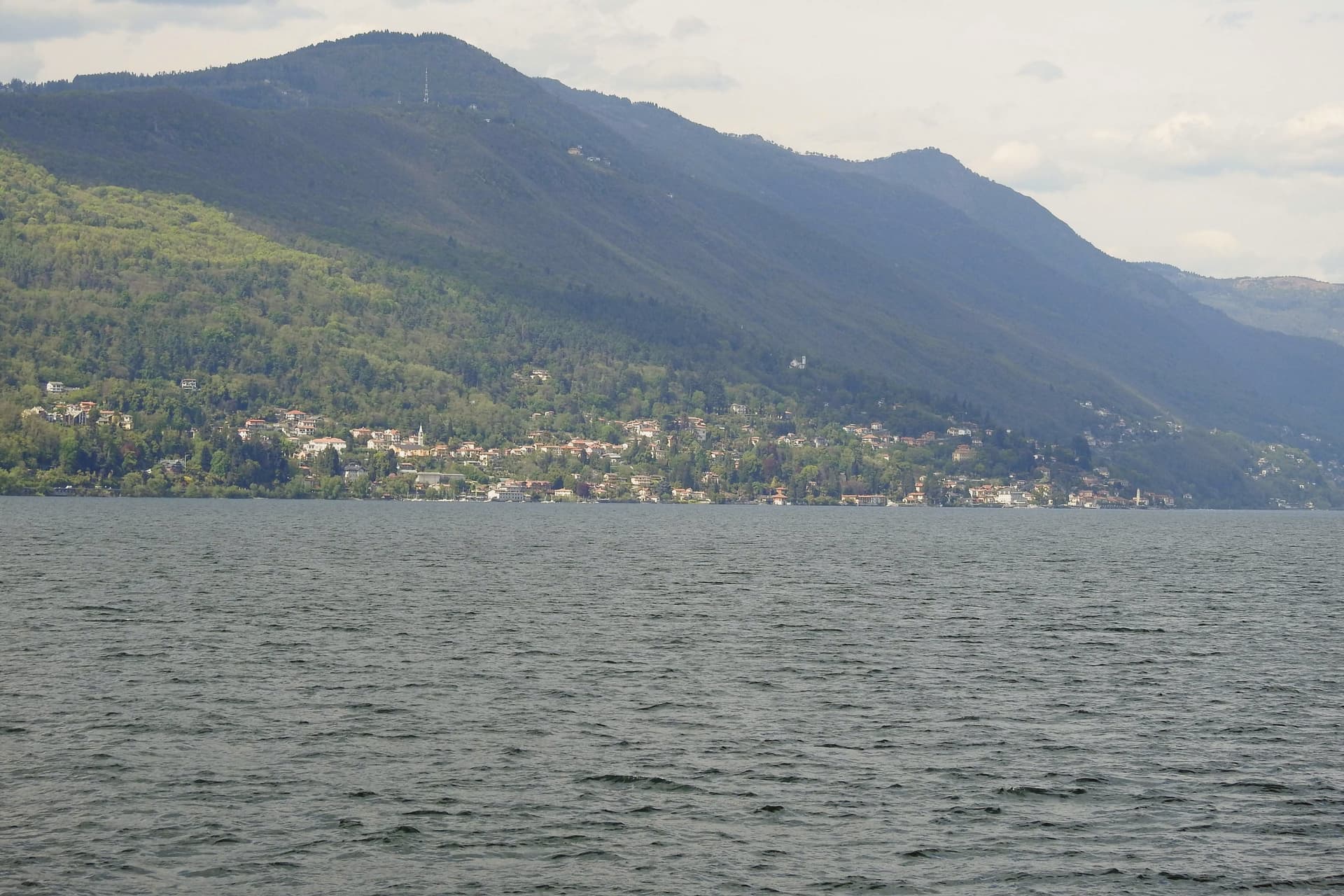
Ghiffa runs along the west shore of Lake Maggiore between Verbania and Cannobio, a strip of lakefront at 201 meters facing the Lombard side of the lake. Above the village, at 360 meters on the slope of Monte Carciago, the ground rises to the Sacro Monte della SS.
Trinità, inscribed by UNESCO in 2003 among the nine Sacri Monti of Piemonte and Lombardia. The village below and the sanctuary above form the two halves of Ghiffa: one built on the lake trade and the ferry crossings to the Lombard shore, the other set apart in woodland on the mountain.
From 1879 the Panizza hat factory turned Ghiffa into one of Europe's hat-making centers, and the trade employed most of the village for a century before the factory closed. What is left of that trade sits in the same lakefront ground the sanctuary looks down on: a village shaped as much by an industry that has ended as by the devotional complex that has outlasted it.
We confirmed you can reach this one by train.
What to see in Ghiffa
- Sacro Monte della SS. Trinità. Sanctuary plus three chapels and porticoed Stations of the Cross set in a 200-hectare reserve, built around an older medieval chapel.
- Museo dell'Arte del Cappello. Lakefront museum in the former factory building, holding molds, stamps, and records from a century of Ghiffa hat-making, including the Borsalino style made and exported here.
- Riserva Naturale del Sacro Monte. Two hundred hectares of beech and chestnut woods around the sanctuary, with marked trails to Cappella del Porale at 470 meters.
How to get to Ghiffa
There is a railway station in the town, so you can arrive without a car and never need one while you are here. Novara is roughly 75 minutes away by road.
Our tip
April through October is the lake season. May and June bring the wisteria along the lakefront and clear days on the Sacro Monte. September and October are dry, with the sanctuary's chestnut woods turning and the ferry schedule still running.
Stresa
Why visit Stresa
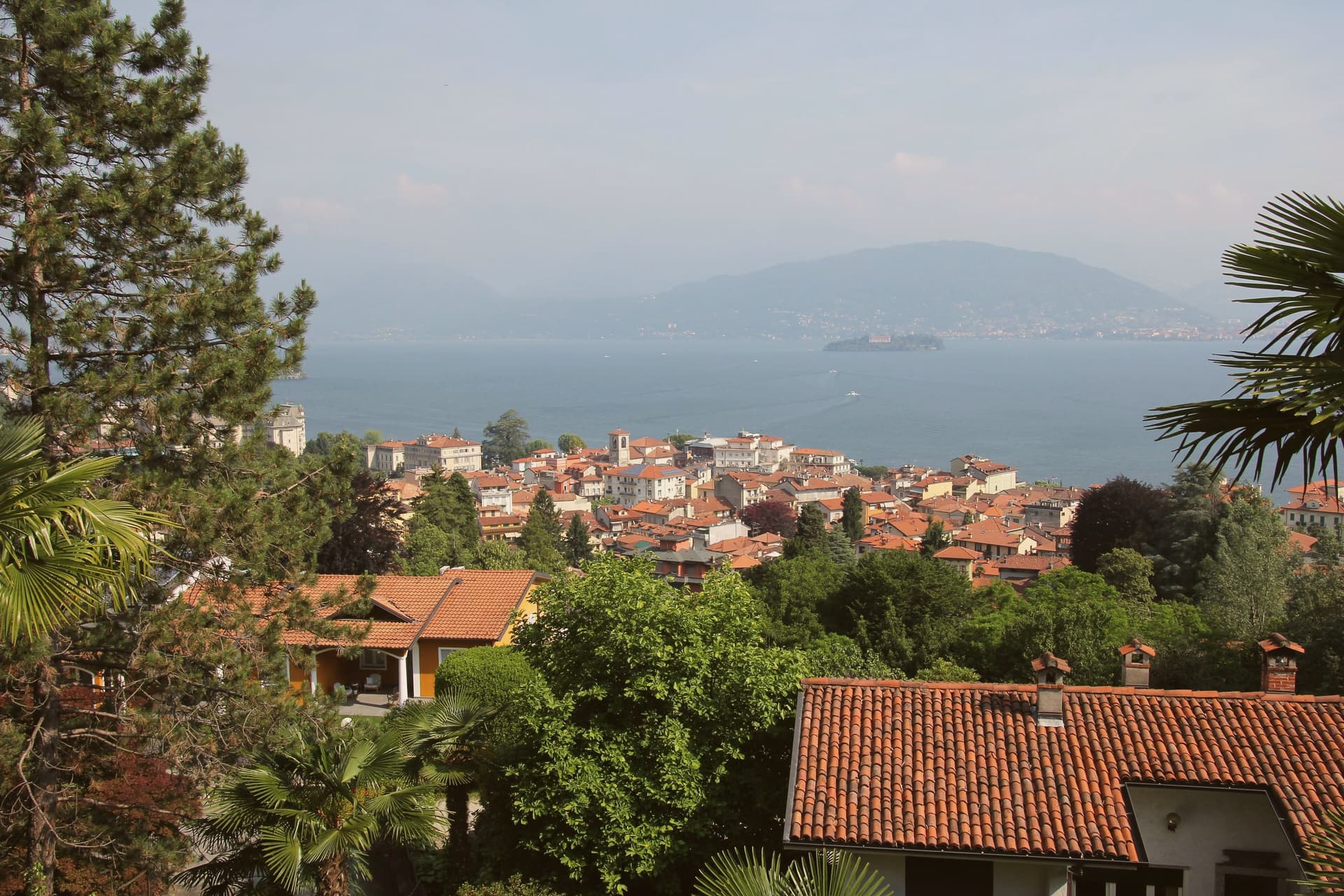
Stresa sits at 200 meters on the western shore of Lake Maggiore, ninety kilometers north of Milano on the line of the Simplon railway. The town first appears in documents in 998, as Strixsya.
From the seventeenth century the lake stage here belonged to the Borromeo family: the palazzo on what had been called l'isola inferiore was begun in 1632, the island renamed after its patron's wife. The other two islands of the group lie 400 meters offshore alongside it, reached by regular ferry from the two town piers, one still inhabited, one given to its park.
Villa Pallavicino, established 1855, sits apart from this cluster on the southern edge of town, its own botanical and wildlife ground answering the islands' gardens without belonging to the same estate. The town's other identity, as a resort, dates to 1863 and the lakefront hotel building that opened international tourism here, later drawing the festival that has filled the town each late summer since 1962.
What Stresa amounts to is a small lake shore town organized almost entirely around water it faces rather than land it occupies: the islands offshore, the piers that reach them, and a lakefront built for arrival rather than settlement.
We confirmed you can reach this one by train.
What to see in Stresa
- Isola Bella. The island sits close to the town piers, its terraced Baroque gardens rising in tiers above the water and the palazzo facing the lakefront directly.
- Isola Madre. The largest of the group, given over almost entirely to its park: paths through subtropical planting and glimpses of the villa between the trees.
- Isola dei Pescatori. The one island still lived in year-round, its lanes narrow between the houses and the trattorie facing the water where the fishing boats once worked.
How to get to Stresa
There is a railway station in the town, so you can arrive without a car and never need one while you are here. Novara is roughly 57 minutes away by road.
Our tip
April through June is the green window on Lake Maggiore: Isola Bella's terraced gardens in flower, the ferries running full timetable, and the lakefront promenade open without the August press. July and August are warm and crowded; the centro empties between two and four in the afternoon heat, and the islands fill on day trips from Milano. The Settimane Musicali run from late August into September, the busiest cultural weeks of the year.
Baveno
Why visit Baveno
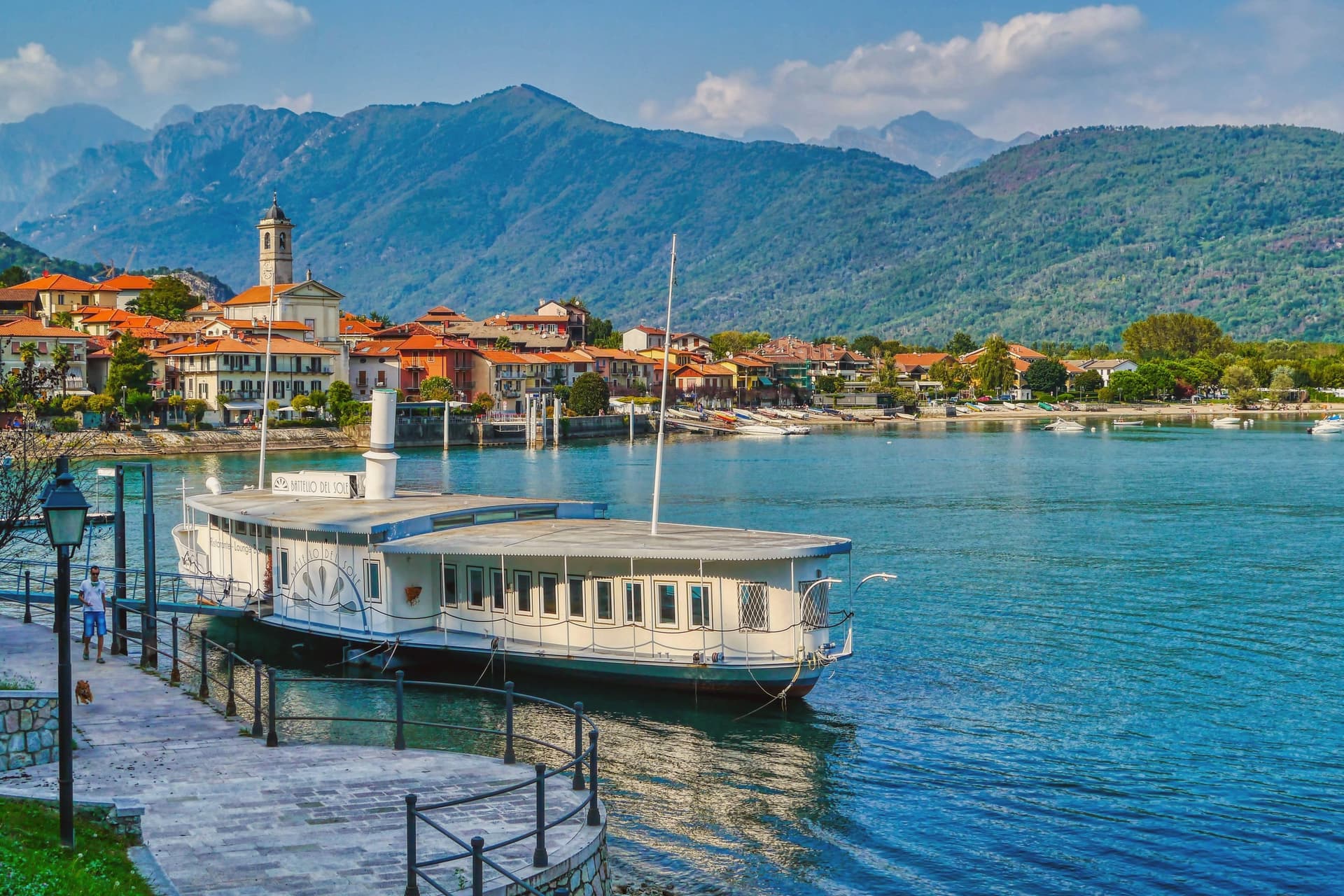
Baveno sits at 205 meters on the west shore of the lake, twenty-one kilometers north-west of Arona. The town was occupied in the Iron Age by the Lepontii, a tribe of the Ligures, before the Romans reached the lake, and its historic core still gathers around the raised church and its baptistery above the shore road.
To the north-west, the granite quarries have cut into the hillside since the early sixteenth century, and the stone they produced left Baveno for Milan and Rome, built into a cathedral, a basilica, and a shopping gallery. Along the water, a line of nineteenth-century villas marks the period when Lake Maggiore became a fixed point on the European Grand Tour, and from that same shore the Isole Borromee sit a ten-minute ferry away, close enough that the gulf reads as one continuous view rather than a lake and its islands.
The town's quarries built landmarks elsewhere while its own shore stayed a place people came to look at the water.
We confirmed you can reach this one by train.
What to see in Baveno
- Chiesa dei Santi Gervasio e Protasio. The two Romanesque buildings, church and baptistery, form the religious centre of the historic core, raised above the road that runs along the water.
- Cave di Granito Rosa. The quarries lie north-west of town, cut into the hillside, the source of stone that traveled to two large churches and a shopping gallery.
- Golfo Borromeo. The gulf opens out between Baveno and Stresa, the water broken by three islands, Isola Bella, Isola dei Pescatori and Isola Madre, each reachable within minutes.
How to get to Baveno
There is a railway station in the town, so you can arrive without a car and never need one while you are here. Novara is roughly 55 minutes away by road.
Our tip
April through June and September into October are the best months on the Borromean Gulf. The lake stays cool, the ferries to Isola Bella run a full timetable, and the lakeside promenade carries traffic without congestion. July and August are warm and crowded: full hotels, restaurant queues, and ferry decks pressed shoulder to shoulder on the short hop from Stresa.
Omegna
Why visit Omegna
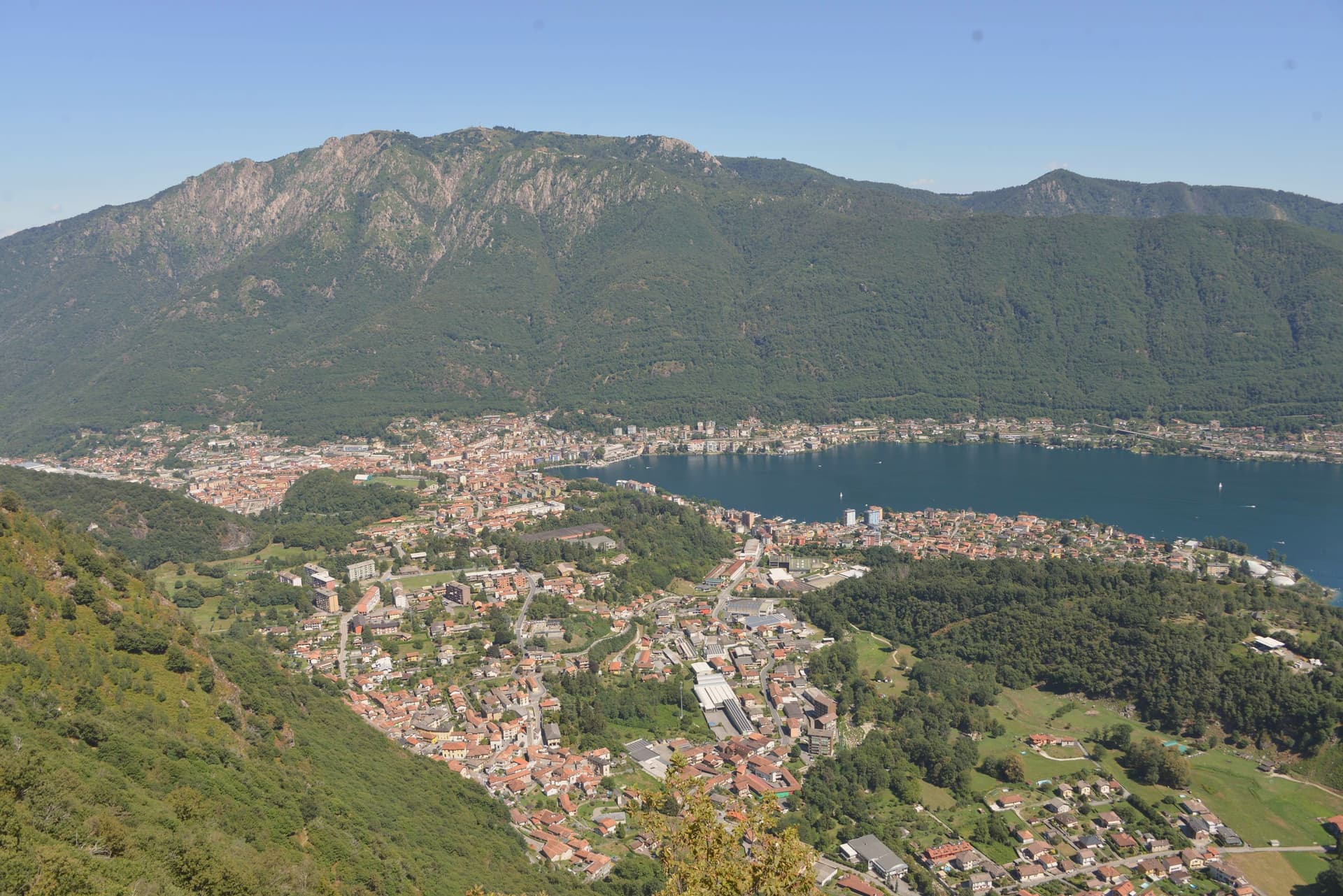
Omegna sits at 295 meters at the northern tip of Lake Orta, in the Verbano-Cusio-Ossola, where the Nigoglia leaves the lake and runs north toward the Toce, one of the few Italian rivers that flows uphill on a map. The town first appears in records in 1221, when it swore allegiance to the commune of Novara.
The Sant'Ambrogio collegiate church goes back to the tenth century, with a Romanesque nave and a Porta Romana that survives from the medieval walls. The real shift came after 1900, when Alessi (founded 1921), Bialetti, Lagostina and Girmi turned the Strona valley into the production hub for Italian pots, moka pots and pressure cookers.
Gianni Rodari was born here in 1920; the lakefront still carries the Parco della Fantasia named after him. The Forum, a steel works converted into a museum, holds the permanent collection of the local household-goods district.
The lake stays close on three sides.
We confirmed you can reach this one by train.
What to see in Omegna
- Collegiata di Sant'Ambrogio. Tenth-century Romanesque collegiate church with three naves, side chapels and an ossuary, the oldest building in the centro storico.
- Porta Romana. Eleventh-century medieval gate, the last surviving of the five gates of the original city walls, standing above the Nigoglia.
- Ponte Antico. Late fifteenth-century Sforza-Visconti bridge over the Nigoglia, built after 1490 on Duke Ludovico Sforza's prompting.
How to get to Omegna
There is a railway station in the town, so you can arrive without a car and never need one while you are here. Novara is roughly 60 minutes away by road.
Our tip
April through June brings green Strona slopes and a quiet lake before the day-trippers from Milano arrive. July and August fill the Lungolago and the ferry to Orta San Giulio runs at capacity; afternoons in the centro storico thin under direct sun. September and October are the best months: clear light on the lake, the cantine of the Strona open, and the household-goods outlet shops (Alessi, Bialetti, Lagostina) operate without the summer queues.
Domodossola
Why visit Domodossola
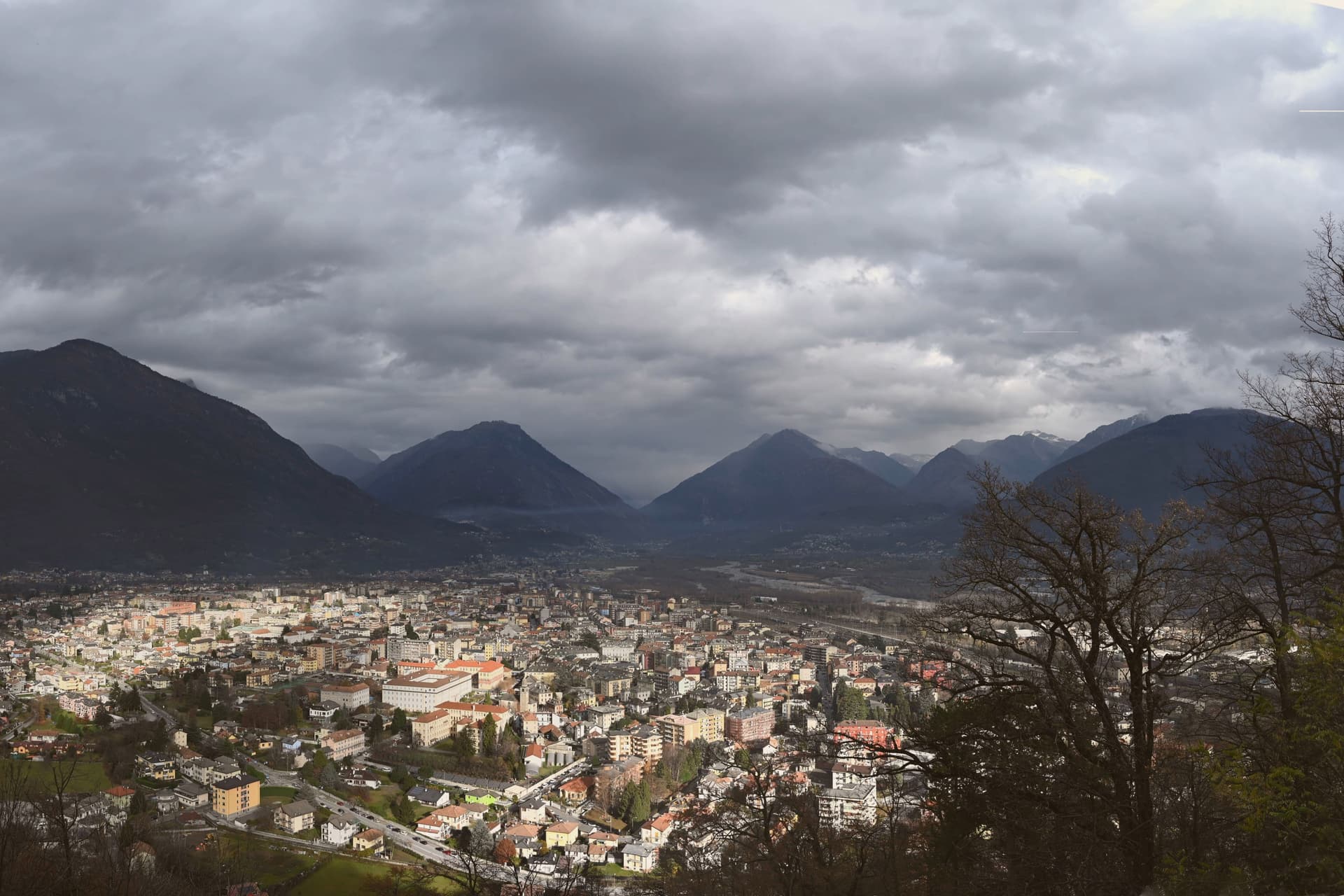
Domodossola sits at 272 meters at the confluence of the Bogna and Toce rivers, the historic capital of the Ossola valleys and the Italian end of the Simplon Pass. Two Capuchin friars chose the hill above the town in 1656, and the sanctuary that follows still marks the skyline.
The medieval core is built around the market square, its porticoes and merchant houses forming the center of the borgo, with the rest of the centro storico spreading out behind it in arcaded streets. The Castle of Charlemagne once stood at Piazza Tibaldi, until 1804, when Napoleon ordered it demolished to open the Sempione road.
The longer story of the pass arrived in 1906, when a rail tunnel under the Alps connected Domodossola to Brig in Switzerland over 19,803 meters, the longest railway tunnel in the world for most of the twentieth century. Between the hill, the square and the tunnel, the town reads as a hinge point: a valley capital shaped as much by what passes through it toward Switzerland as by what was built to stay.
We confirmed you can reach this one by train.
What to see in Domodossola
- Sacro Monte Calvario. A Special Nature Reserve on the hill above town. The twelve Via Crucis chapels lead up to the sanctuary in sequence, started in 1657.
- Piazza Mercato. The porticoes still shelter the square's merchant houses, their balconies and carved loggettes intact above the arcades.
- Centro storico medievale. The walled core beyond the square, arcaded streets between fifteenth-century palazzi, named Borgo della Cultura after recent restoration.
How to get to Domodossola
There is a railway station in the town, so you can arrive without a car and never need one while you are here. Novara is roughly 93 minutes away by road.
Our tip
April through June and September through October are the working months for Domodossola: alpine light, full ferry-and-train connections through the Simplon, and walkable temperatures in the centro storico. July and August warm into the high twenties on the valley floor but stay cool on the Mattarella hill, where the Sacro Monte chapels sit in beech shade. November through March is quiet but never closed.
More from Anywhere Italy
- The best lake towns in the province of Verbano-Cusio-Ossola
- The best lake towns you can reach by train in Piemonte
 The best lake towns within two hours of Turin
- The best small lake towns in Piemonte
 The best small towns you can reach by train that have a serious restaurant in Piemonte
- The best lake towns that eat well within 90 minutes of Novara