
Veneto · Belluno
Feltre
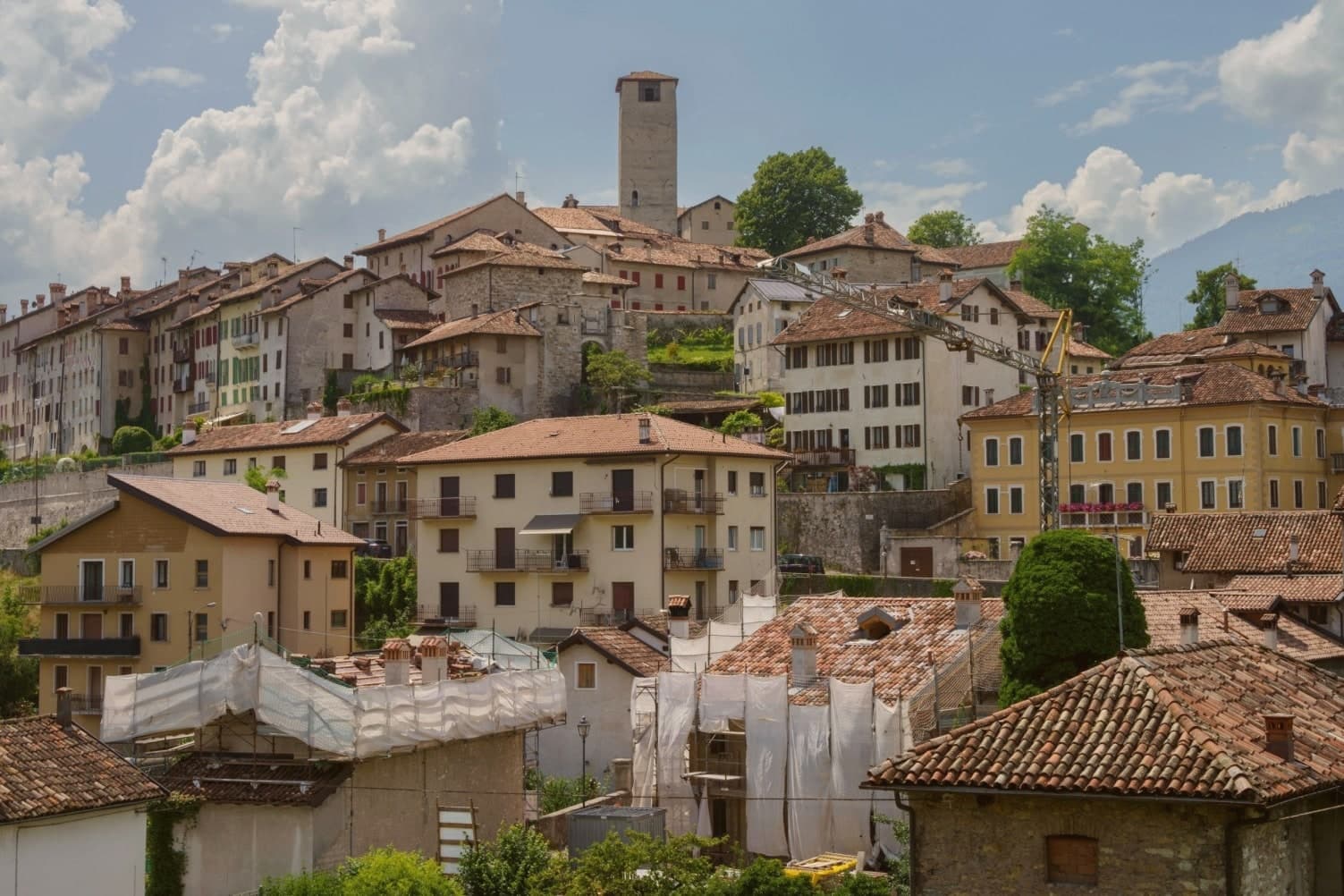
A Renaissance city in the Belluno Prealps, rebuilt after 1510 as the vertical village it remains.
- Best time
- Apr–Oct
- By car
- 1 h 21 min from Trento
- By train
- Station in the comune
- Population
- 20,369
Known for
RENAISSANCE CITY
Sacked in 1510 during the War of the League of Cambrai and rebuilt over sixty years in coherent sixteenth-century style.
PALIO DI FELTRE
First weekend of August, with five rioni in Renaissance costume, archery and a horse race around Piazza Maggiore.
DOLOMITI BELLUNESI
National park covering 32,000 hectares of the Vette Feltrine and Monti del Sole, headquartered in the city.
When to visit
Best · Apr–Oct
- J8°
- F11°
- M12°
- A15°
- M19°
- J24°
- J27°
- A27°
- S22°
- O18°
- N13°
- D8°
- Best
- Hot or crowded
- Quiet
- Mostly closed
Daytime averages, 2020–2024. Weather data by Open-Meteo.com.
The festa: Vittore e Corona, 14 May
Why come
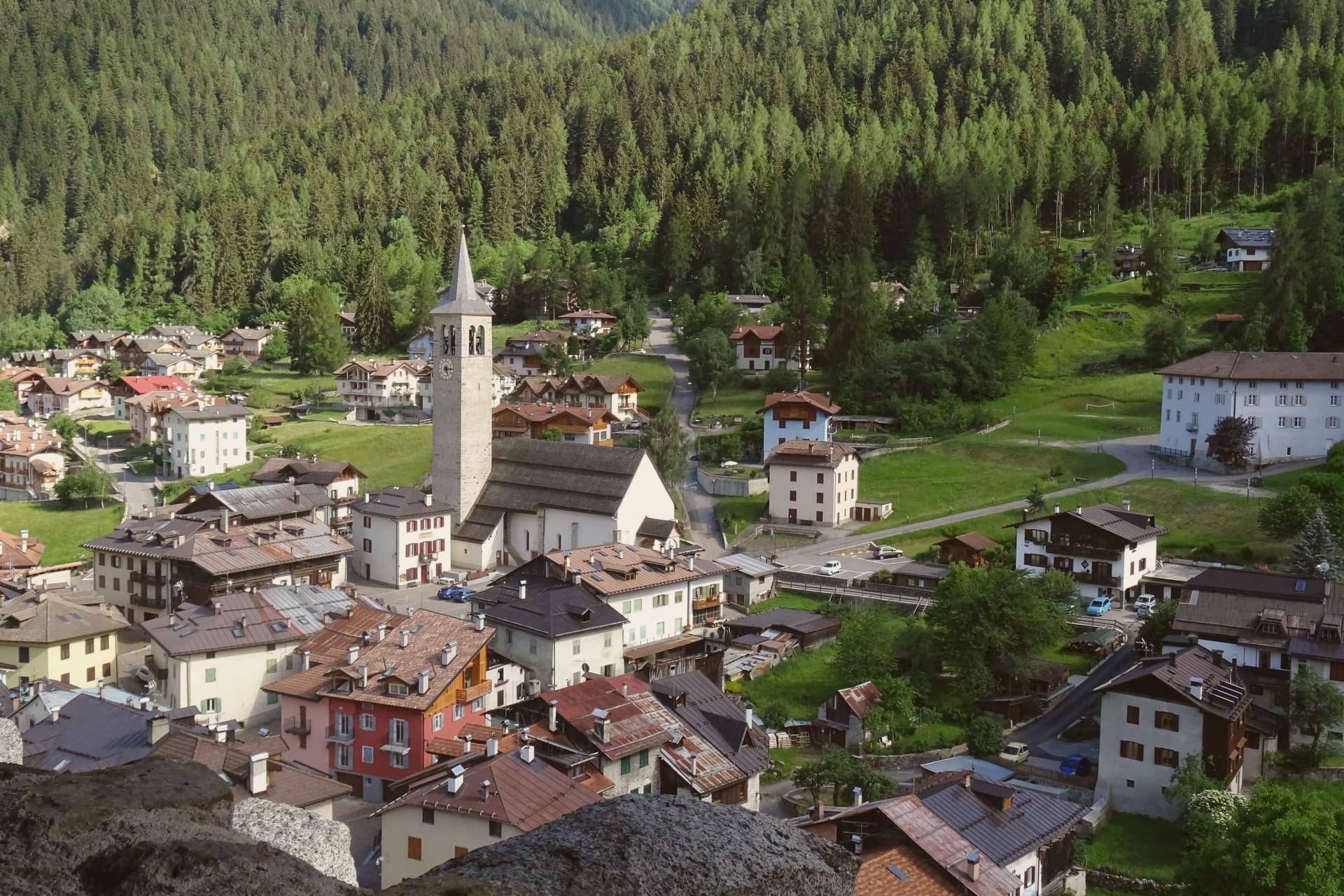
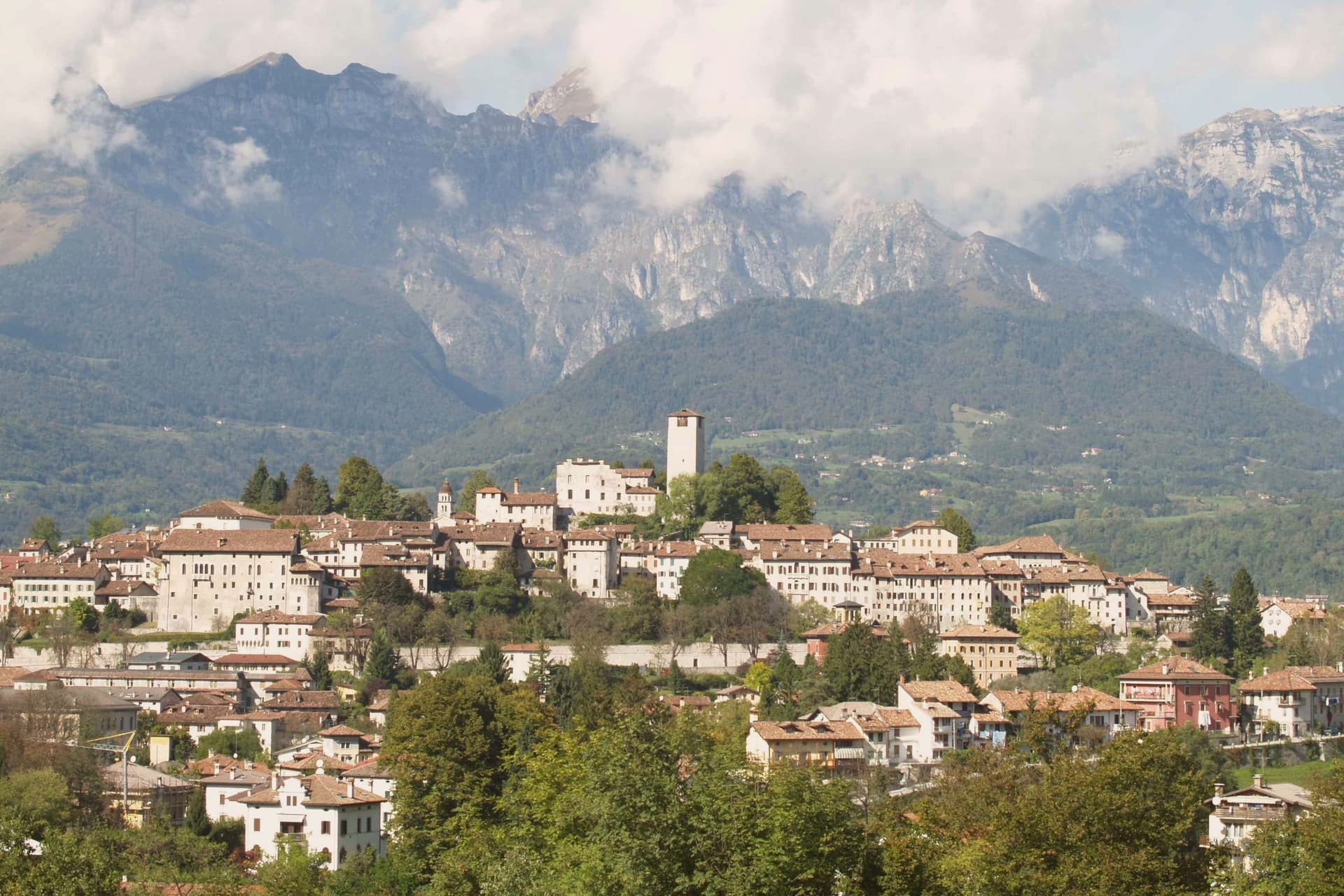
Feltre sits on a hill above the Stizzon, near its confluence with the Piave, seventy kilometers north of Padova. Roman Feltria was a municipium on the Via Claudia Augusta. The defining episode in the city's appearance came in 1510, during the War of the League of Cambrai, when troops under Maximilian I of Habsburg sacked the town after the Venetian defeat at Agnadello, burning most of it.
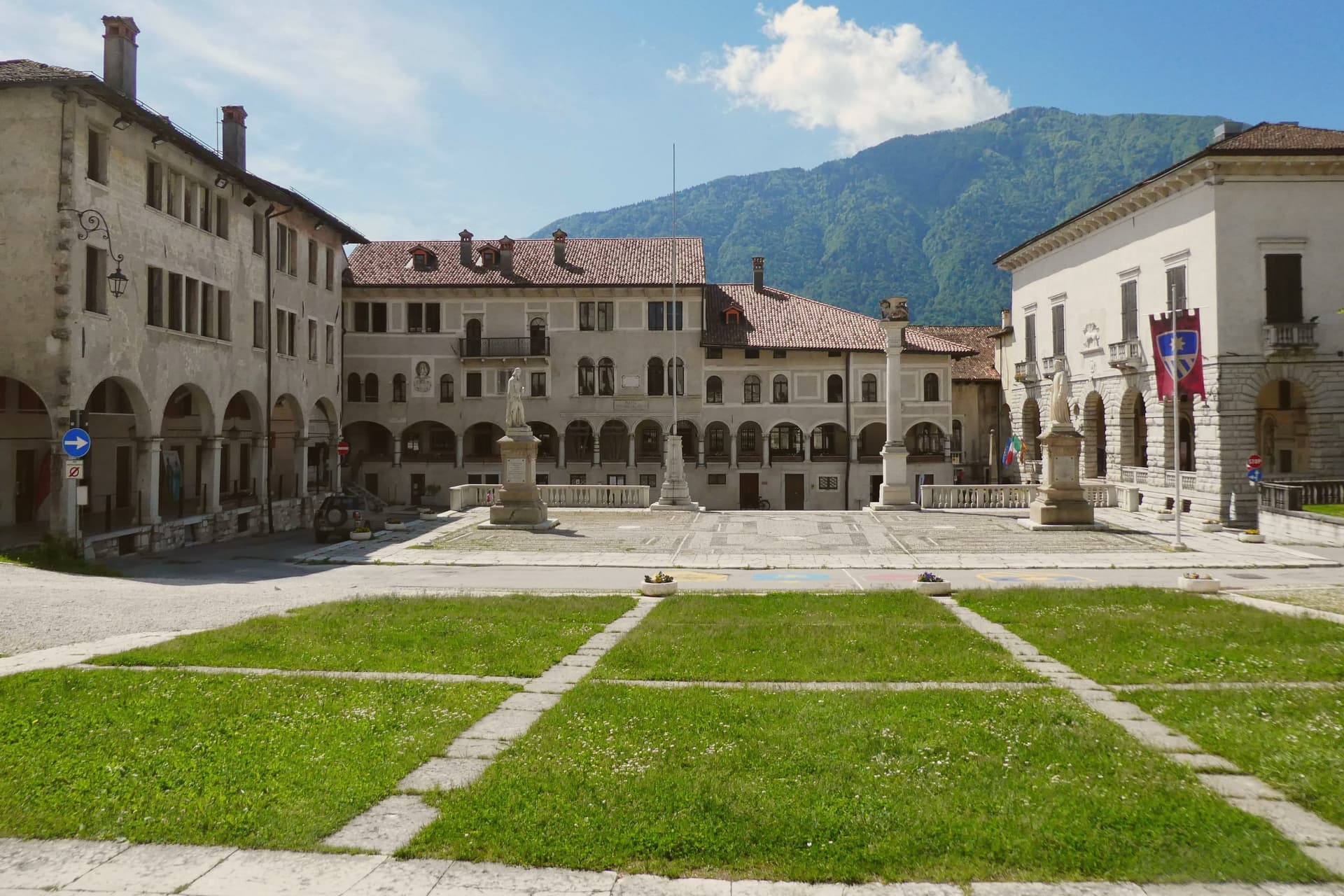
The city rebuilt over the next sixty years, and that reconstruction shapes how its parts relate to each other still. The upper city, the citadel built around the main square, holds the seat of civic government, the medieval keep with its views to the peaks and forests north of the city, and the church of San Rocco. Below it, the long arcaded street through the lower city carries the same sixteenth-century idiom down the hill, so the whole centro storico reads as one build rather than a patchwork of eras. What Feltre offers, in the end, is a rare case where destruction produced coherence: a single burning followed by a single, unhurried rebuilding, and the town has looked essentially like itself ever since.
The Sunday letter
Feltre is on our list. Its letter is still to come.
We are writing about all 1,000 of these towns, one at a time, in a free letter every Sunday: the photo, the food, the festa. That is our mission. Sign up and you will be there when Feltre comes up. By Peter & Sophia, from Pietrasanta.
Read on
Feltre in our articles
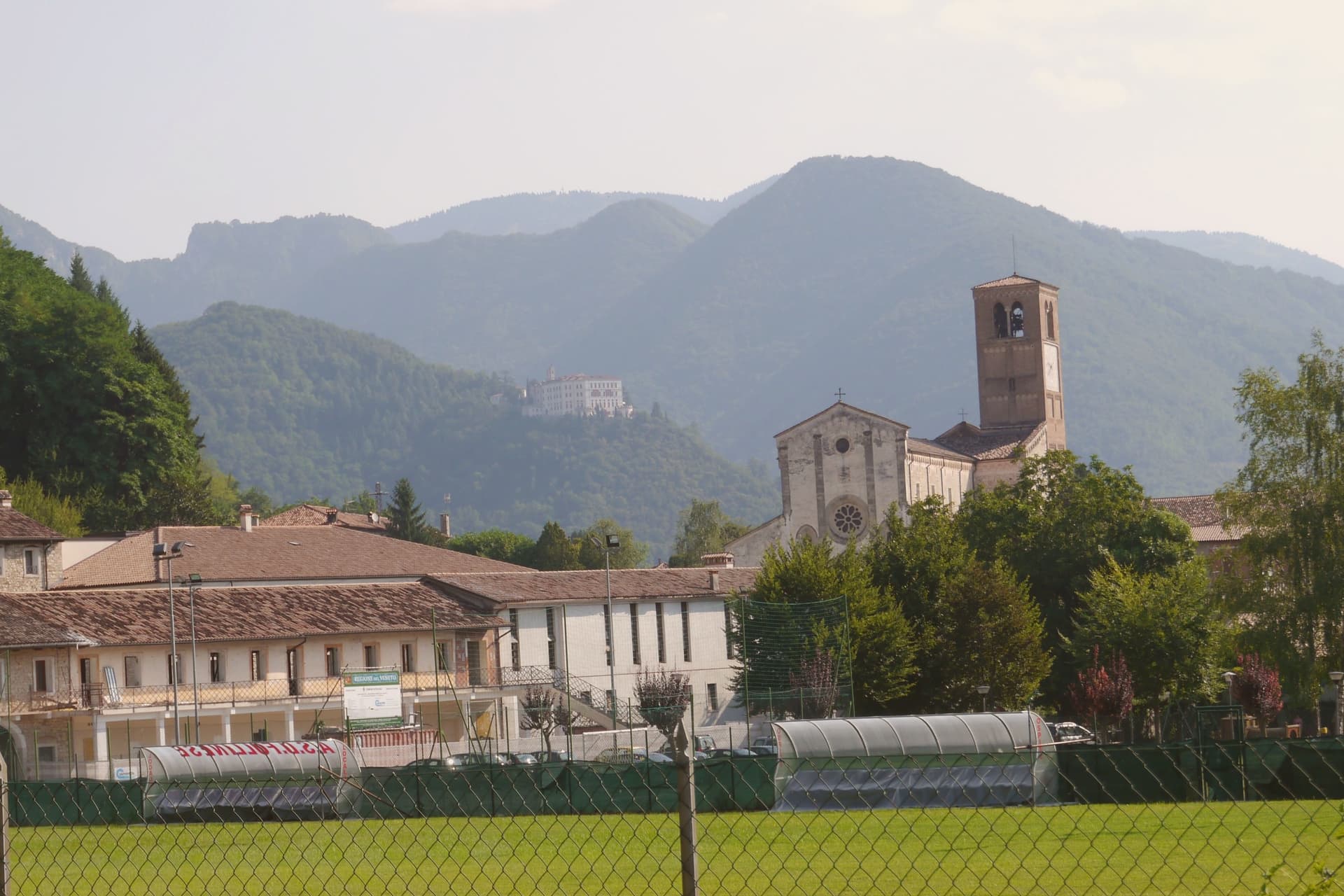
 The 7 best towns with a serious restaurant that eat well within 90 minutes of Trento7 towns, Feltre among them.
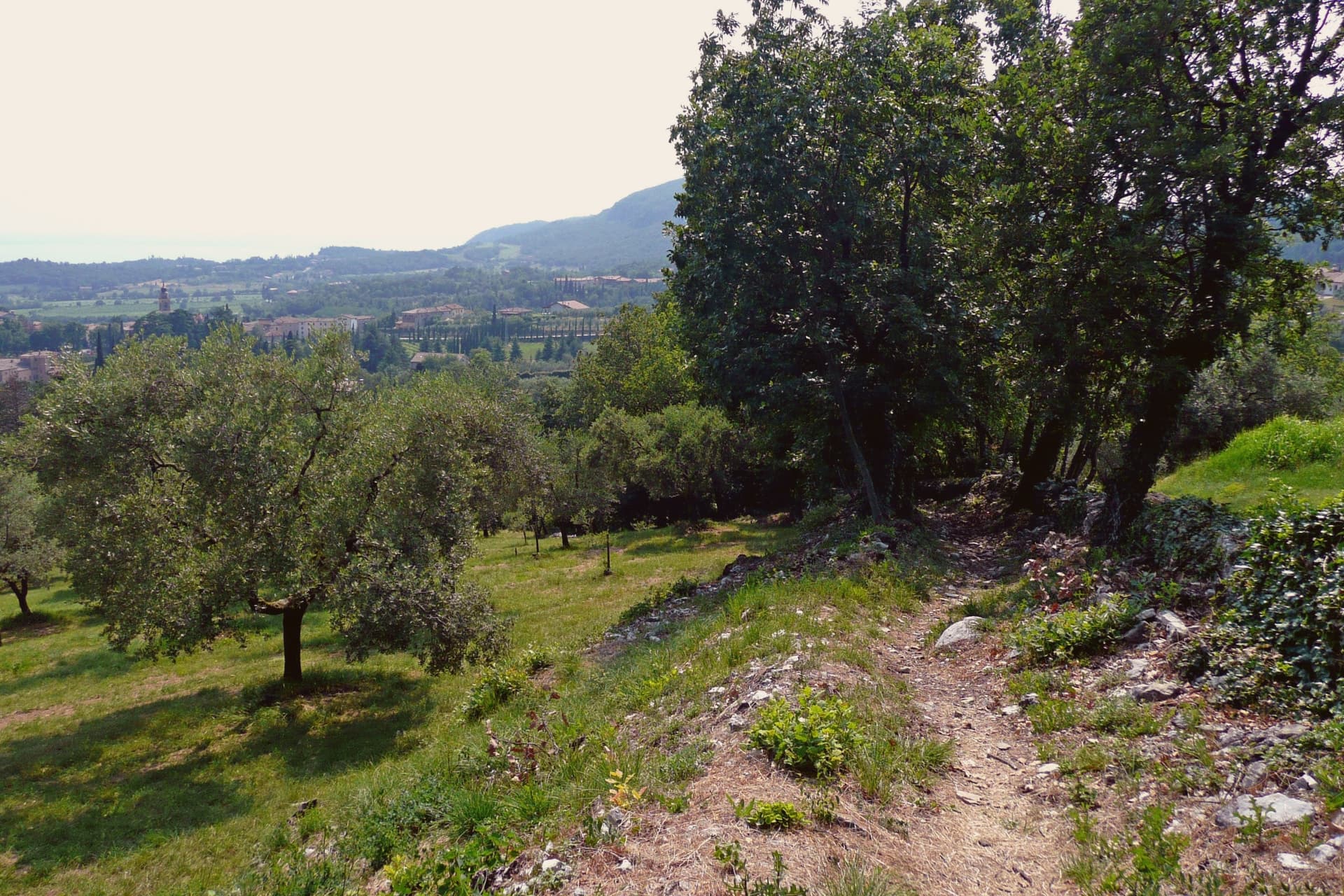
 The best hill towns with a serious restaurant in Veneto8 towns, Feltre among them.
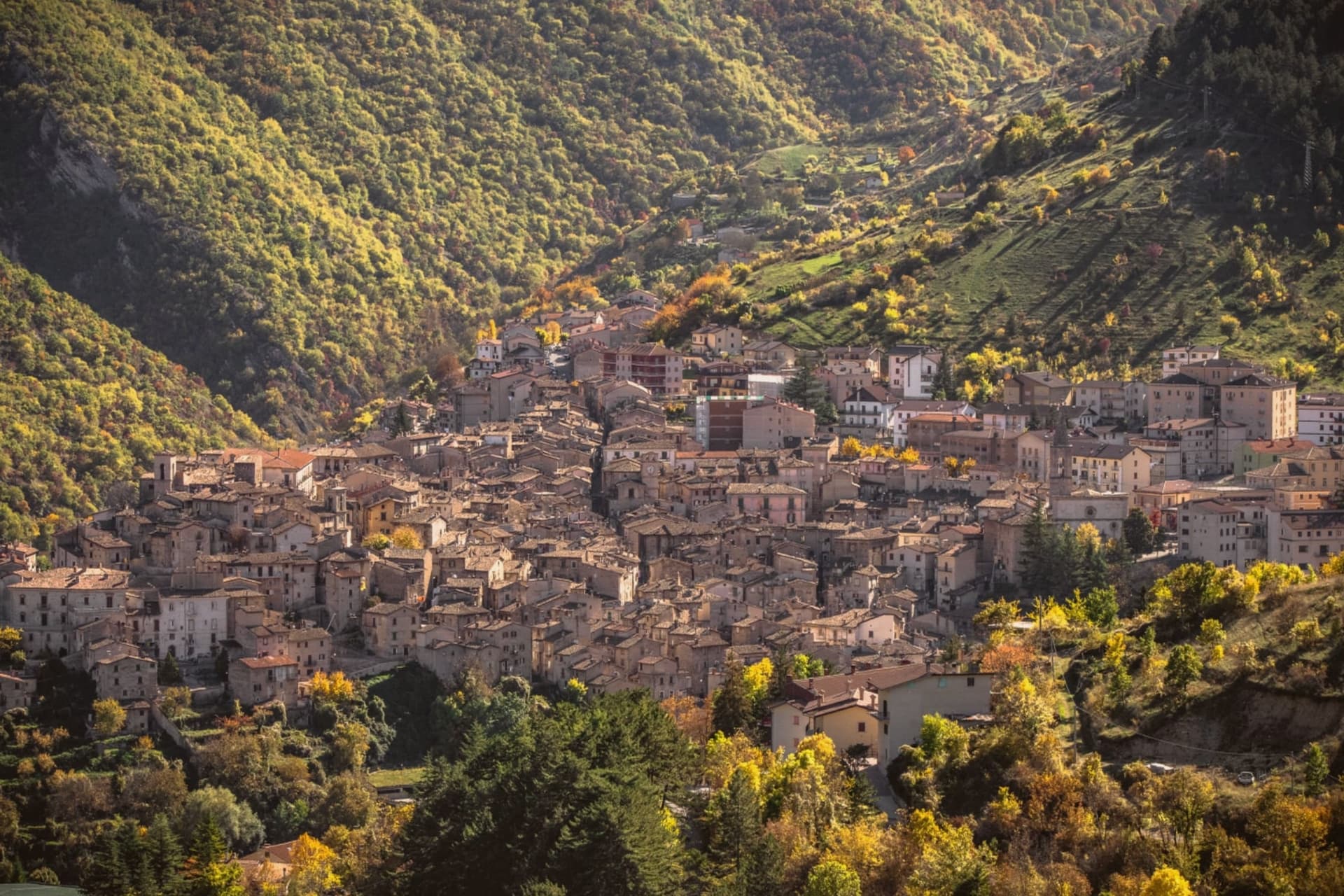
 The best towns you can reach by train that have a serious restaurant in Veneto10 towns, Feltre among them.
 Every town in our catalogue inside a national park151 towns, Feltre among them.
How to get there
From Venice (TSF), about 1h 15m by car.
Verona (VRN) is about 2h 21m away.
By car from the centre of Trento 1h 21m or Padua 1h 37m.
There is a railway station in the comune, so you can arrive without a car.
Coming by train into Trento? Feltre is about 1h 20m away by road.
What to see
Piazza Maggiore
Main square of the upper city, at the highest point of the centro storico, surrounded by Renaissance palaces and the citadel walls.
Palazzo della Ragione
Sixteenth-century town hall on the square with a loggia traditionally attributed to Andrea Palladio.
Castello di Alboino
Medieval keep above the centro storico, named for the Lombard king Alboin, with views across the Piave valley to the peaks north of the city.
Pinacoteca di Palazzo Villabruna
Civic gallery with works by Morto da Feltre, Cima da Conegliano, Gentile Bellini and Pietro Marescalchi.
Via Mezzaterra
Arcaded street through the lower city, the spine of the sixteenth-century Renaissance reconstruction after the 1510 sack.
Parco Nazionale Dolomiti Bellunesi
National park headquartered in Feltre, covering 32,000 hectares of the Vette Feltrine and Monti del Sole north of the city.
The slow-trip planner
Building a trip? Find where Feltre fits in a slow Italy circuit.
Answer five questions. We will shape a geographically coherent slow trip from the 1,000 Italian towns most travelers skip. Yours to save and share.
We recommend
Where to eat
Not our picks, but places the guides put their name to: a Michelin star, a Gambero Rosso fork, a Slow Food snail, a Michelin Key for the hotels. Worth a table, a counter, or a night when you pass through.
AuroraRistorante
Aurora has a spot in the Michelin Guide to its name.
Enoteca ContemporaneaWine Bar
Enoteca Contemporanea carries one Gambero Rosso bottle.
Living here
- Population 20,369
- A local hubi
- Pharmacy in town
- High school within a 30-minute drive
- Train station in the comune
- Nearest airport Venice, 1 h 15 min drive
- Regional capital Venezia, 1 h 34 min drive
Common questions
- What is Feltre known for?
- Feltre is a Renaissance city at 325 meters in the Belluno Prealps, rebuilt after 1510 as the vertical village it remains.
- Where is Feltre?
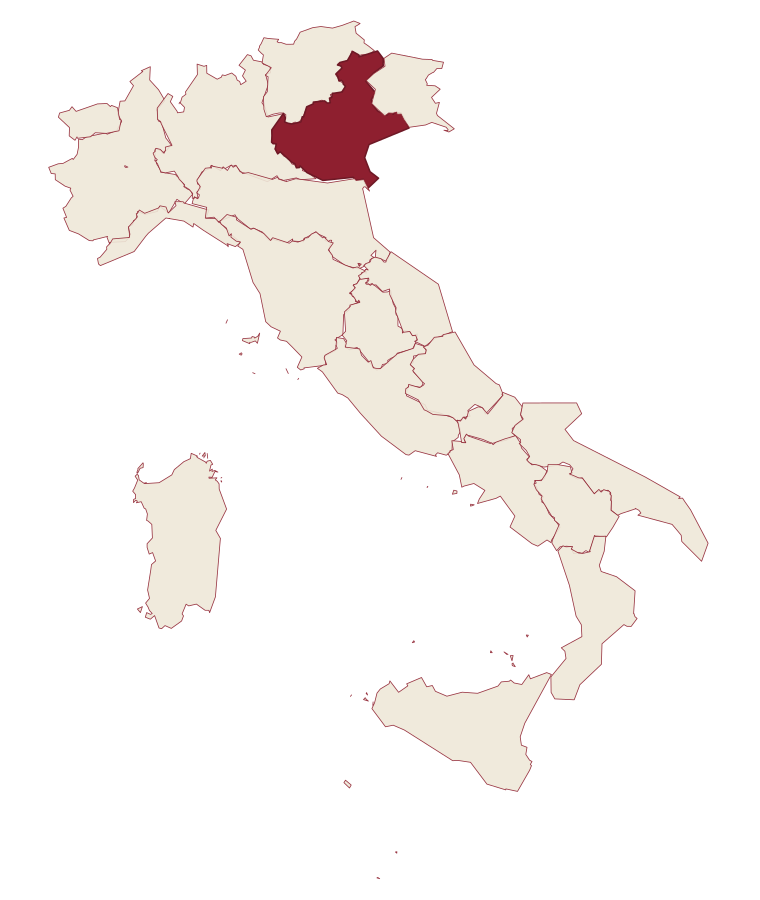
- Feltre is a comune in the province of Belluno, in Veneto.
- What is the nearest airport to Feltre?
- Venice (TSF), about 1h 15m by car.
- Can you get to Feltre without a car?
- Yes. There is a railway station in the comune, so you can arrive by train.
- How long is the drive from Trento to Feltre?
- About 1h 21m by car.
- When is the best time to visit Feltre?
- Best in Apr–Oct. July is the warmest month, averaging 27 degrees, and May the wettest, with about 23 rain days.
- Is there a sagra or a festival in Feltre?
- The town keeps its patron saint's day: Vittore e Corona, 14 May.
- Which other towns are like Feltre?
- Orvieto, Sondrio and Ivrea.
- How many people live in Feltre?
- 20,369 at the 2023 count.
Tags & datadesignations · numbers · sources
Recognised as
The numbers
- Elevation: 325 m
- Population: 20,369
- Surface area: 99.79 km²
These figures were compiled from public directories: ISTAT, OpenStreetMap and Wikidata, and from the official listings of the guides named on this page. Town details change; verify with official sources before you travel.
Similar
Towns like Feltre
Orvieto
Province: Terni
both inland, away from the coast · both over 10,000 people
Sondrio
Province: Sondrio
both inland, away from the coast · both over 10,000 people
Ivrea
Province: Torino
both inland, away from the coast · both over 10,000 people
Domodossola
Province: Verbano-Cusio-Ossola
both inland, away from the coast · both over 10,000 people
Macerata
Province: Macerata
both inland, away from the coast · both over 10,000 people
Spoleto
Province: Perugia
both inland, away from the coast · both over 10,000 people
🌲 Parco Nazionale
More Parco Nazionale towns
Alfedena
Province: L'Aquila
At 914 meters at the head of the upper Sangro valley, the Samnite Aufidena, with a 15,000-tomb necropolis and a Roman conquest in 298 BC.
Barrea
Province: L'Aquila
A 1,066-meter spur above an artificial lake at the heart of the Abruzzo National Park, with a Samnite necropolis and an 11th-century di Sangro castle.
Calascio
Province: L'Aquila
A village of 125 people under the highest castle in the Apennines, cast as the monk's refuge in Ladyhawke.
Campli
Province: Teramo
A 393-meter town under the Monti della Laga, held by the Farnese for two centuries, with a Scala Santa carrying papal indulgence.
Campo di Giove
Province: L'Aquila
At 1,064 meters under the southwestern Maiella, the highest village in the park, named for a Roman temple to Jupiter.