
With events
Sagre and feste in Friuli-Venezia Giulia
16 towns
Each town page lists what happens there and the month it happens in, with the source. Always check with the town before you travel.
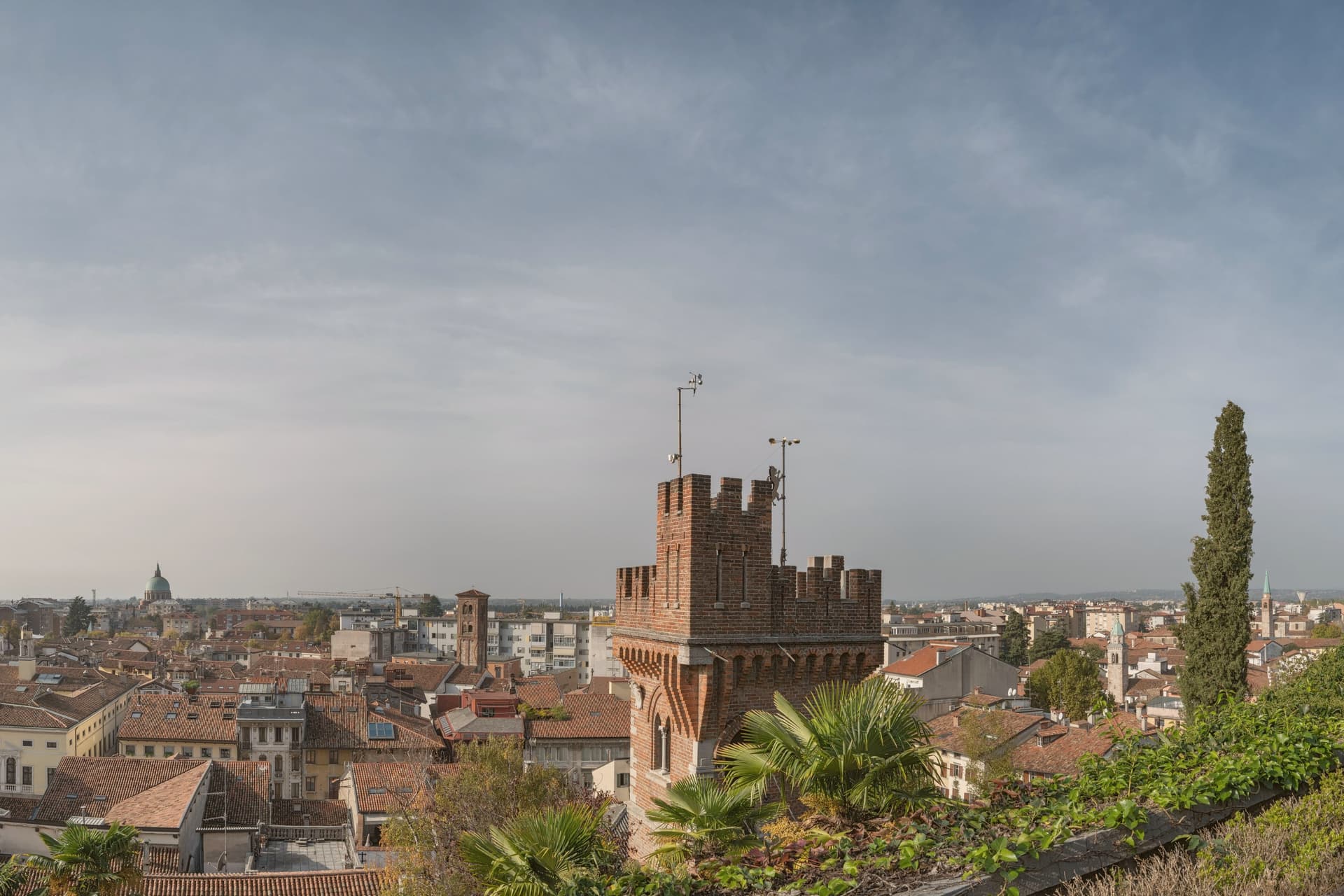
Udine
Province: Udine · 113 m
The historic capital of Friuli, built around a man-made castle hill.
Cormons
Province: Gorizia · 51 m
The capital of the Collio wine zone at the foot of the Friulian-Slovenian hills.
Trieste
Province: Trieste · 2 m
The Adriatic port the Habsburgs built as their window on the sea, an Italian regional capital still arguing in four languages on the Slovenian border.
Fagagna
Province: Udine · 177 m
A 177-meter Friulian hill town northwest of Udine, fortified by Otto II in 983 and racing donkeys in the piazza since 1891.
Polcenigo
Province: Pordenone · 40 m
A 40-meter village at the foot of the Carnic Prealps where the Livenza rises, neighbour to the UNESCO Palù pile-dwelling site occupied since 4900 BC.
San Vito al Tagliamento
Province: Pordenone · 30 m
A medieval Tagliamento-plain town inside three rings of moats and three towers.
Spilimbergo
Province: Pordenone · 132 m
A 132-meter Friulian town on the Tagliamento, home since 1922 to the Scuola Mosaicisti.
Aquileia
Province: Udine · 5 m
A village of 3,128 on a Roman capital of 100,000, where the largest paleochristian mosaic floor in the West runs under a Romanesque basilica.
Cividale del Friuli
Province: Udine · 138 m
The Lombard capital on the Natisone, founded as Forum Iulii by Julius Caesar, where an eighth-century chapel still holds six stucco saints.
Cordovado
Province: Pordenone · 15 m
A 15-meter Friulian village in the Pordenone plain, fortified by the bishops of Concordia as their summer seat and described in Ippolito Nievo's Confessions.
Gorizia
Province: Gorizia · 84 m
Border city below the Julian Alps, split from its neighbor by a 1947 wall and rejoined only after decades of division.
Marano Lagunare
Province: Udine · 2 m
A fishing town on its own pastel-coloured harbour, with a working fleet, an Aquileian Venetian past, and a still-strict dialect of its own.
Muggia
Province: Trieste · 13 m
The only town on the Istrian peninsula still inside Italy, a small Venetian port on the Gulf of Trieste five kilometers from the Slovenian border.
Palmanova
Province: Udine · 26 m
A nine-pointed Venetian star fortress on the Friuli plain, its geometry closed three centuries after it began.
San Daniele del Friuli
Province: Udine · 252 m
Italy's prosciutto capital, a 7,900-resident hill town in the Friuli morainic amphitheatre where the Tagliamento valley's south winds meet the alpine downdraughts, producing the San Daniele DOP raw-cured ham (31 producers, 14-month minimum cure) and where Pellegrino da San Daniele's 1497–1522 frescoes inside Sant'Antonio Abate are the regional Renaissance set-piece.
Sauris
Province: Udine · 1,212 m
A 1,212-meter German-speaking island in the Carnic Alps, second-highest commune in Friuli, where Tyrolean settlers founded the village around the thirteenth century.
The slow-trip planner
Plan a slow trip across the towns travelers skip.
Answer five questions. We will shape a geographically coherent slow trip from the 1,000 Italian towns most travelers skip. Yours to save and share.
From elsewhere in Italy
Five more towns to discover
Biccari
Province: Foggia
A Subappennino Dauno borgo at 450 meters under Monte Cornacchia, the highest peak in Puglia at 1,151 meters, with a Byzantine tower at its core.
Sirolo
Province: Ancona
A clifftop borgo at 125 meters, above the Due Sorelle sea stacks of the Adriatic.
Penne
Province: Pescara
The brick city at 438 meters between the Tavo and Fino, ancient capital of the Vestini, rebuilt after Allied bombing and awarded the Silver Medal of Civic Merit.
Palazzolo Acreide
Province: Siracusa
An 8,000-resident hilltop town on the Iblei plateau at 670m, rebuilt entirely in late Baroque after the 1693 earthquake and founded over the Greek Akrai colony in 664 BC, with a Greek theatre and a cluster of rock carvings unlike anything else nearby.
Verucchio
Province: Rimini
A spur over the lower Marecchia valley, cradle of the Villanovan civilization and birthplace of the Malatesta lordship of Romagna.