
Friuli-Venezia Giulia · Udine
Udine
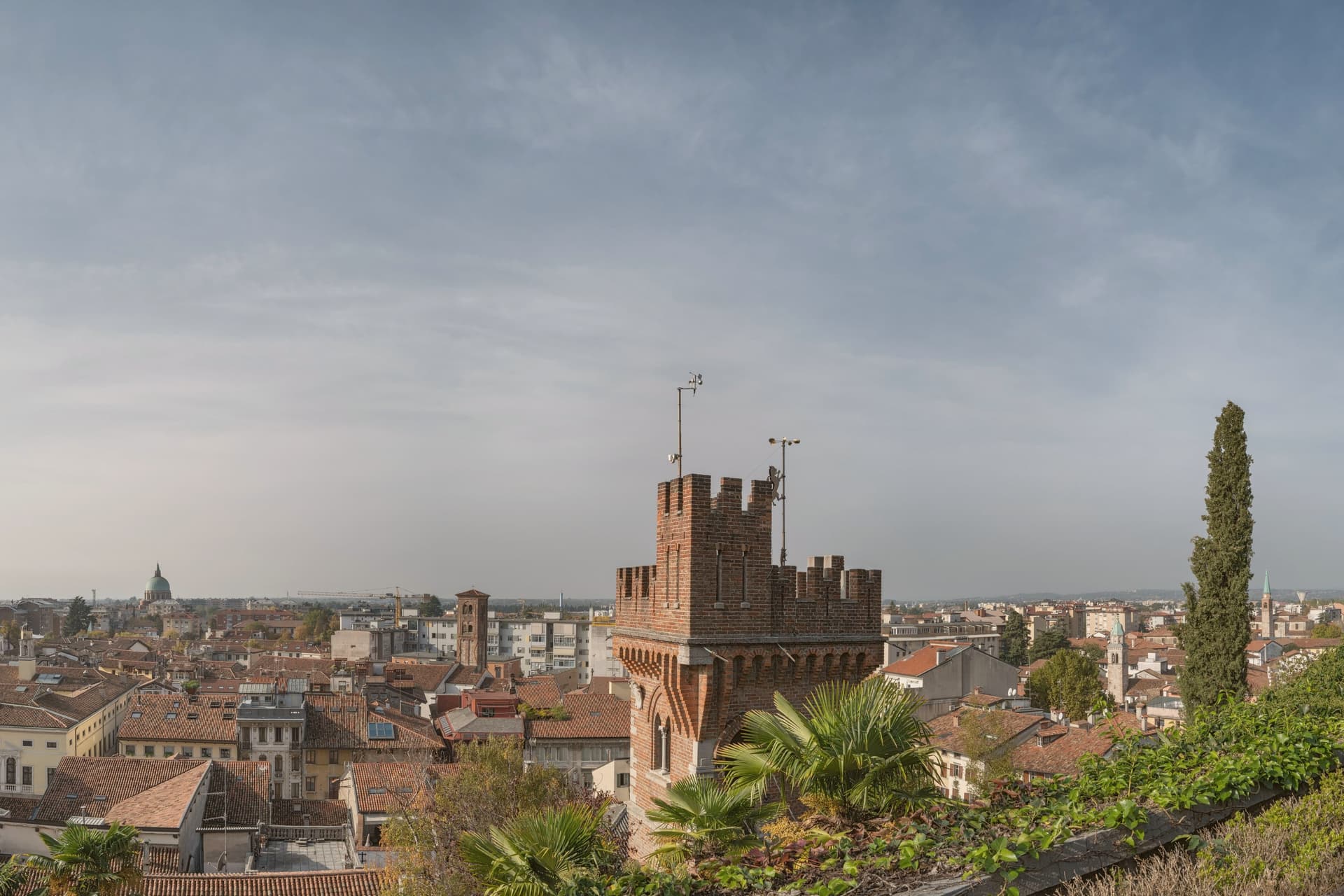
The historic capital of Friuli, built around a man-made castle hill.
- Best time
- Apr–Jun, Sep–Oct
- By car
- 1 h from Trieste
- By train
- Station in the comune
- Population
- 97,808
Known for
TIEPOLO
Udine treated as his second home; the frescoes in the Palazzo Patriarcale mark his transition into mature Rococo.
PATRIARCATO
Capital of the Patria del Friuli from the twelfth century until Venice took the city in 1420, the political center of medieval Friuli.
FRICO
The Friulian potato and Montasio cheese tortino, the cooked-cheese dish that anchors Udine restaurant menus from the bakeries to the historic trattorie.
When to visit
Best · Apr–Jun, Sep–Oct
- J9°
- F11°
- M14°
- A17°
- M21°
- J27°
- J29°
- A29°
- S24°
- O19°
- N14°
- D9°
- Best
- Hot or crowded
- Quiet
- Mostly closed
Daytime averages, 2020–2024. Weather data by Open-Meteo.com.
The festa: Ermagora e Fortunato, 12 July
Why come
Udine sits in the center of the Friulian plain, raised on a single man-made hill that legend assigns to Attila's army. The city is documented from 983, when Emperor Otto II donated the castle to the Patriarchs of Aquileia. By the twelfth century the patriarchs had moved their residence here, and for four hundred years Udine served as capital of the Patria del Friuli before Venice took the city in 1420 and governed it until 1797.
The hill and the square below it still read as two distinct centers: the castle above, rebuilt after the 1511 earthquake, looking down on the civic and religious cluster of the Piazza della Libertà, the Duomo, and the patriarchs' palace. From May 1915 to October 1917 the city was the seat of the Italian military command and was nicknamed Capitale della Guerra. A town built twice over as a seat of power, first ecclesiastical, then military, with its hill as the constant.
The Sunday letter
Udine is on our list. Its letter is still to come.
We are writing about all 1,000 of these towns, one at a time, in a free letter every Sunday: the photo, the food, the festa. That is our mission. Sign up and you will be there when Udine comes up. By Peter & Sophia, from Pietrasanta.
Read on
Udine in our articles
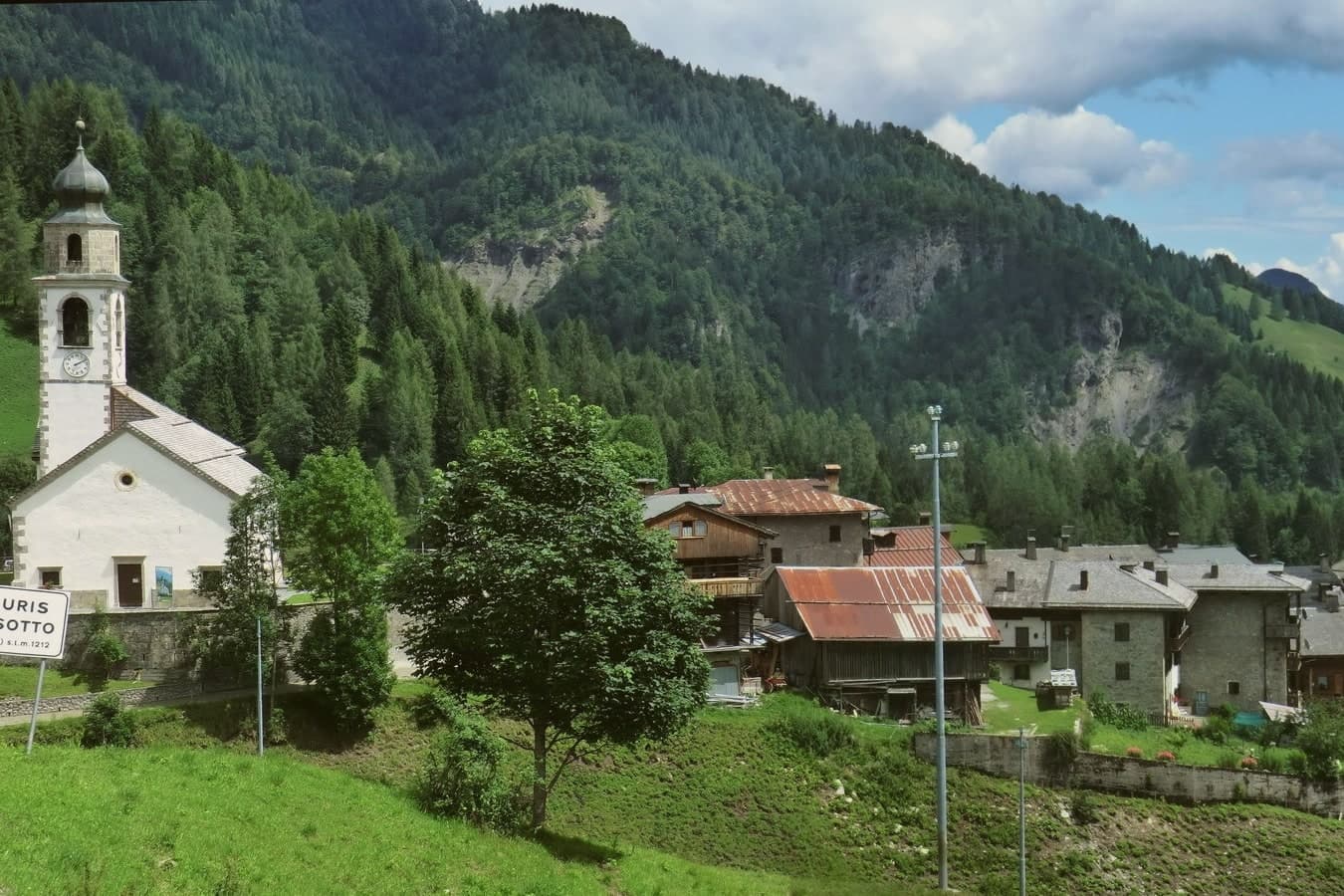
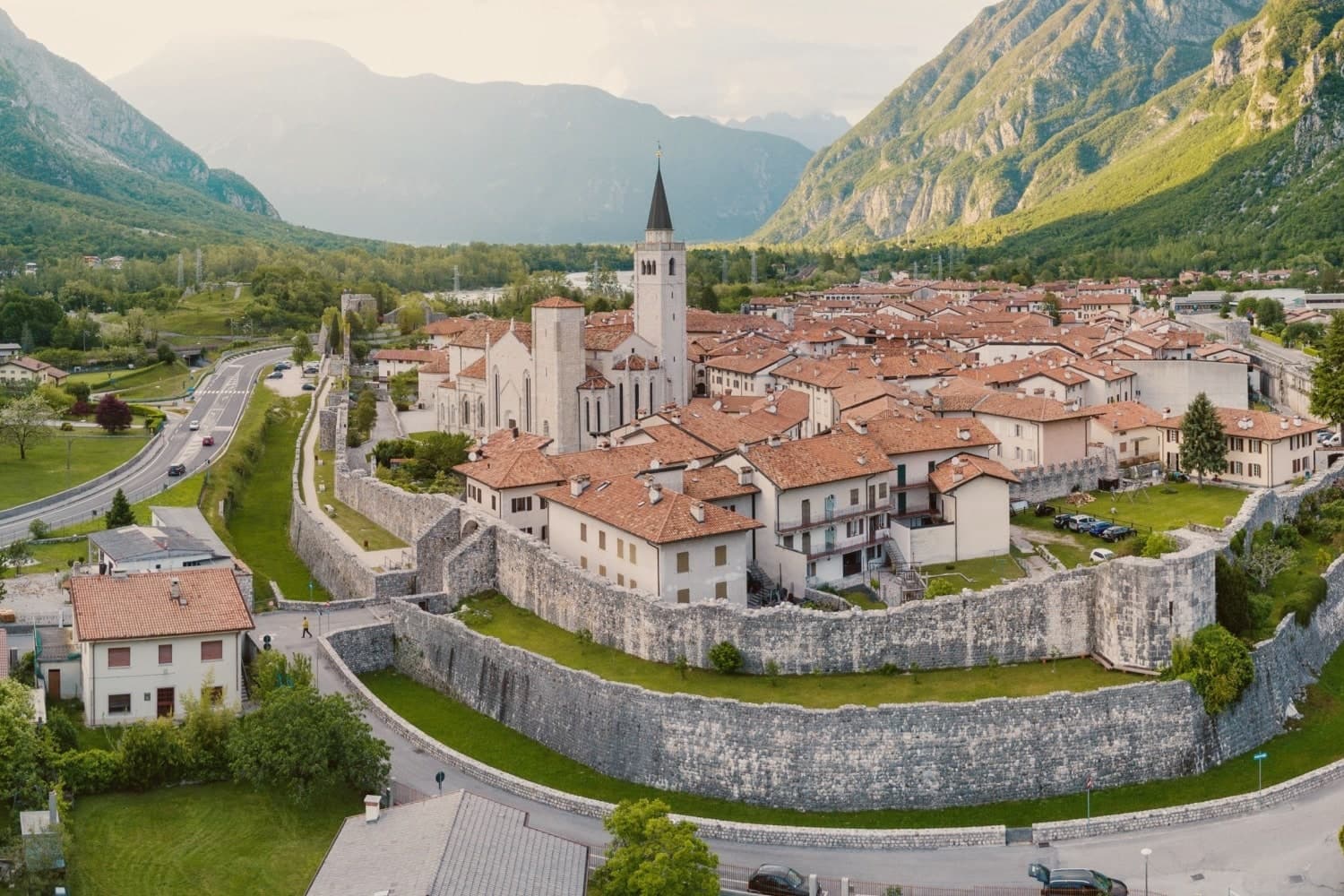 The 6 best towns you can reach by train in the province of Udine6 towns, Udine among them.
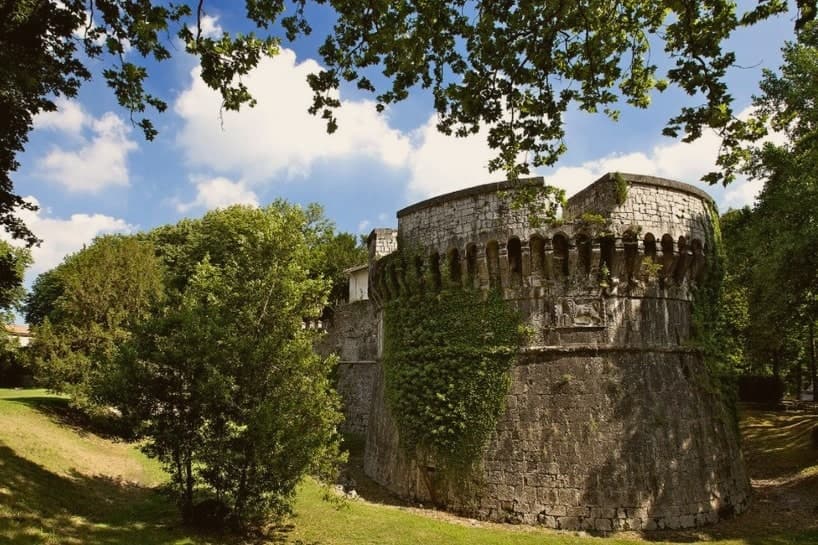
 The best towns that eat well in the province of Udine6 towns, Udine among them.
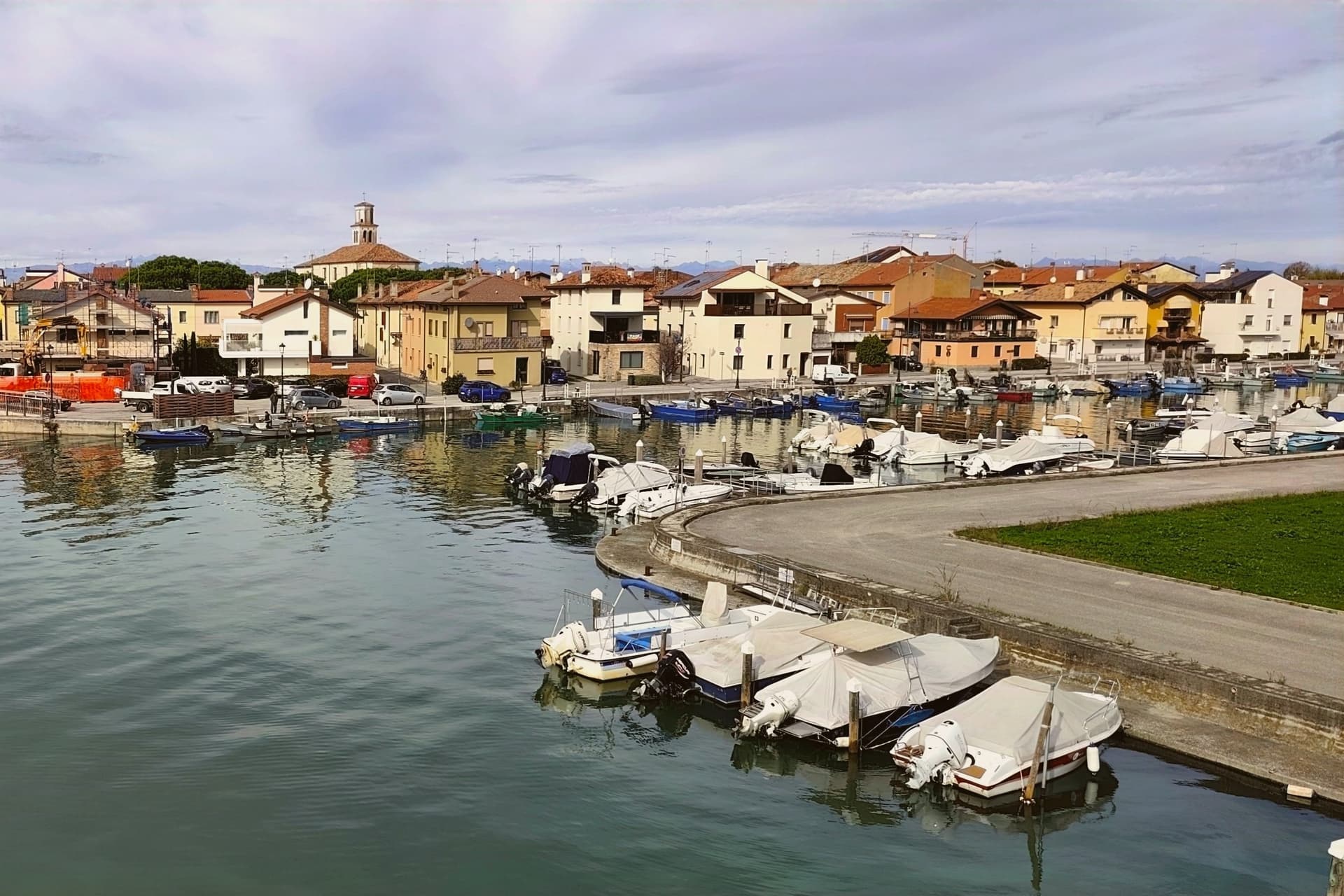
 The best towns you can reach by train that eat well in Friuli-Venezia Giulia6 towns, Udine among them.
 The best towns that eat well within 75 minutes of Trieste8 towns, Udine among them.
How to get there
From Venice (TSF), about 1h 33m by car.
Verona (VRN) is about 2h 46m away.
By car from the centre of Trieste 1 hour.
Driving in is restricted: there is a limited traffic zone here (ZTL Centro). Check the signs and the times before you drive into the centre.
There is a railway station in the comune, so you can arrive without a car.
Coming from Venice?
Coming by train into Trieste Centrale? Udine is about 1 hour away by road.
What to see
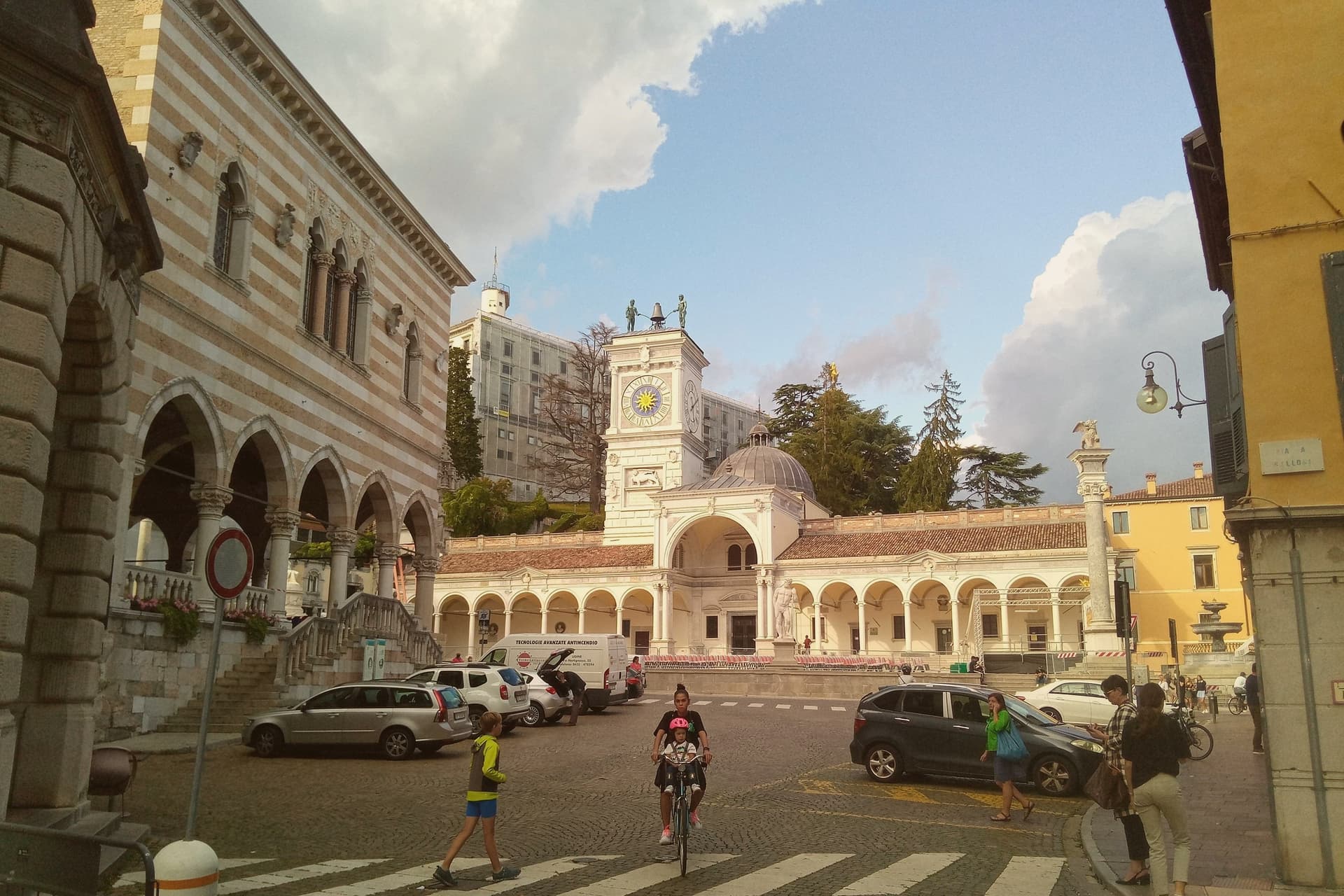
Piazza della Libertà
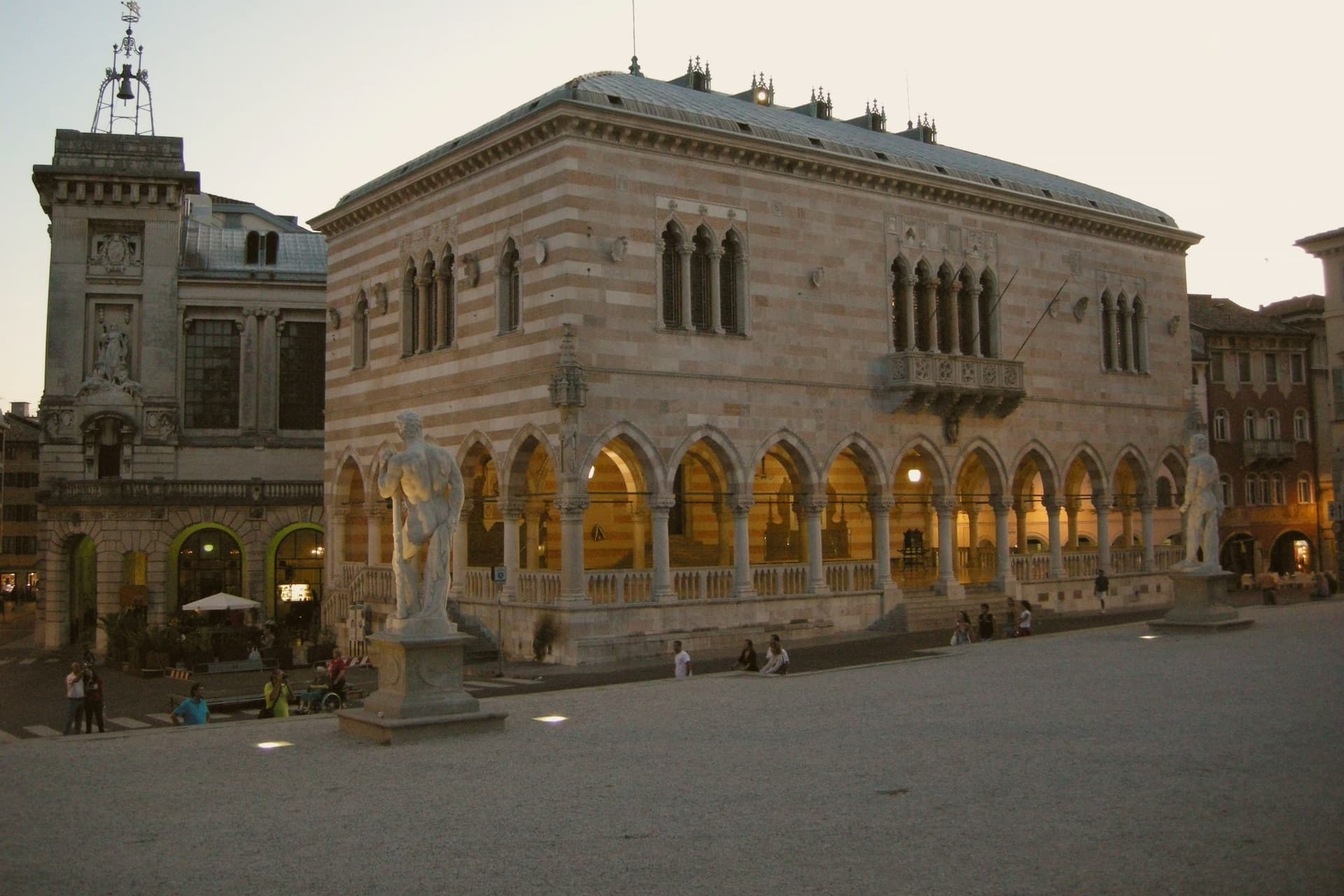
Framed by the Loggia del Lionello of 1448, the Porticato di San Giovanni, and a clock tower with bronze Mori that strike the hour above the square.
Castello di Udine
Rebuilt in the sixteenth century after the 1511 earthquake, former seat of the Patriarchs of Aquileia and then of the Venetian governors, now housing civic museums on the hill above the city.
Galleria del Tiepolo (Palazzo Patriarcale)
The frescoes here were painted for the Patriarch Dionisio Dolfin; Giambattista Tiepolo's rooms are reached through the palace's staircase and galleries, the setting as much a part of the work as the ceilings themselves.
Duomo di Santa Maria Annunziata
The principal religious building of the patriarchal seat, holding further Tiepolo frescoes and altarpieces inside a fourteenth-century structure.
Oratorio della Purità
A small oratory beside the Duomo, its every surface, including the ceiling Assumption, decorated by Tiepolo father and son together.
Piazza Matteotti
Known locally as Piazza San Giacomo, the old market square, with the Chiesa di San Giacomo at its head and a Renaissance well at its center.
The slow-trip planner
Building a trip? Find where Udine fits in a slow Italy circuit.
Answer five questions. We will shape a geographically coherent slow trip from the 1,000 Italian towns most travelers skip. Yours to save and share.
We recommend
Where to eat
Not our picks, but places the guides put their name to: a Michelin star, a Gambero Rosso fork, a Slow Food snail, a Michelin Key for the hotels. Worth a table, a counter, or a night when you pass through.
Agli AmiciRistorante
Agli Amici has two Michelin stars, three Gambero Rosso forks (93/100) and a place in L'Espresso's Top 300, among other nods.
Vitello d'OroRistorante
Vitello d'Oro carries one Gambero Rosso fork (78/100), plus a spot in the Michelin Guide.
1905 dell'Hotel Là di MoretRistorante
1905 dell'Hotel Là di Moret holds two Gambero Rosso forks (82/100).
FredWine Bar
Fred has two Gambero Rosso bottles to its name.
Hostaria alla TavernettaRistorante
Hostaria alla Tavernetta holds a spot in the Michelin Guide.
Osteria Aquila NeraTrattoria
A Gambero Rosso listing, at Osteria Aquila Nera.
Trattoria Alla VedovaRistorante
Trattoria Alla Vedova has a place on Italy's historic-locali register to its name.
Through the year
What happens here
Feasts and festivals that come back year after year. We give the month rather than the date, because the date moves and the month rarely does. Check with the source before you plan a journey around one.
Friuli Doc a Udinefood festival
Mercatino del Riusomarket
usually held in August. PromoTurismoFVG - Tutti gli eventi (official)
Friuli Docfood festival
usually held in September. itinerarinelgusto.it
Muris in Festapatron saint's feast
usually held in September. TrovaSagre
Ein Prosit Udinefood festival
usually held in October. sagritaly.com
Living here
- Population 97,808
- A local hubi
- Pharmacy in town
- High school within a 30-minute drive
- Train station in the comune
- Nearest airport Venice, 1 h 33 min drive
- Regional capital Trieste, 1 h 4 min drive
Common questions
- What is Udine known for?
- Udine is the historic capital of Friuli, built around a man-made castle hill.
- Where is Udine?
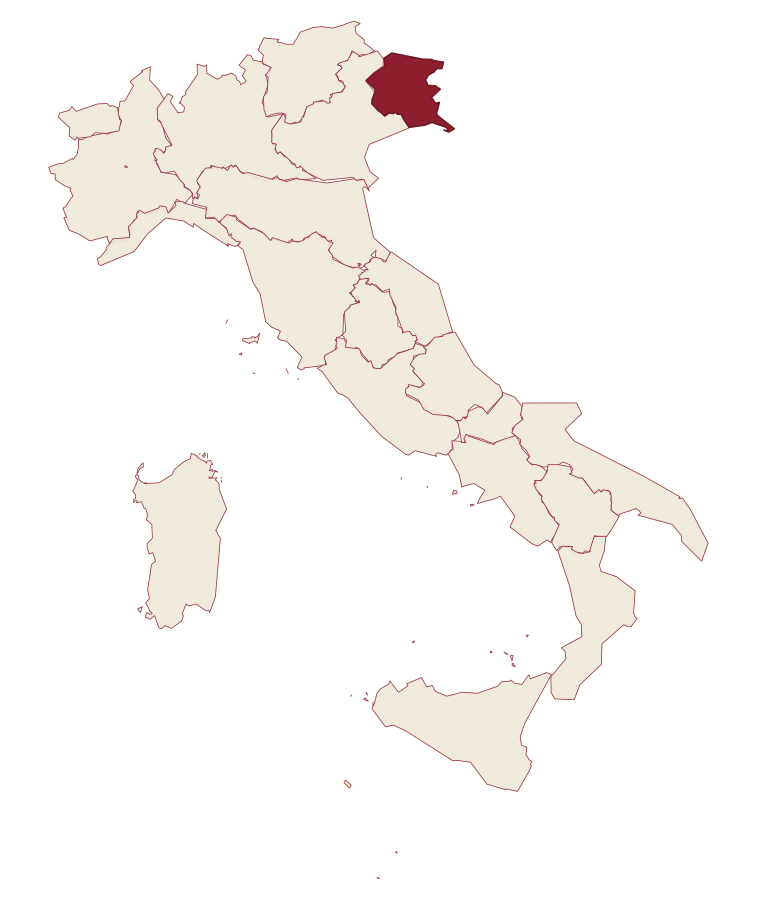
- Udine is a comune in the province of Udine, in Friuli-Venezia Giulia, at 113 meters above sea level.
- What is the nearest airport to Udine?
- Venice (TSF), about 1h 33m by car.
- Can you get to Udine without a car?
- Yes. There is a railway station in the comune, so you can arrive by train.
- How long is the drive from Trieste to Udine?
- About 1 hour by car.
- When is the best time to visit Udine?
- Best in Apr–Jun, Sep–Oct. July is the warmest month, averaging 29 degrees, and May the wettest, with about 16 rain days.
- Is there a sagra or a festival in Udine?
- Yes. Friuli Doc a Udine, Mercatino del Riuso and Friuli Doc, and 2 more we hold a source for.
- Which other towns are like Udine?
- San Vito al Tagliamento, Cervignano del Friuli and Trieste.
- How many people live in Udine?
- 97,808 at the 2023 count.
Tags & datadesignations · numbers · sources
The numbers
- Elevation: 113 m
- Population: 97,808
- Surface area: 57.17 km²
These figures were compiled from public directories: ISTAT, OpenStreetMap and Wikidata, and from the official listings of the guides named on this page. Town details change; verify with official sources before you travel.
Similar
Towns like Udine
San Vito al Tagliamento
Province: Pordenone
both on the Friulian plain · both over 10,000 people
Cervignano del Friuli
Province: Udine
both on the Friulian plain · both over 10,000 people
Trieste
Province: Trieste
both over 10,000 people · both near sea level
Gorizia
Province: Gorizia
both over 10,000 people · both near sea level
Treviso
Province: Treviso
both over 10,000 people · both near sea level
Bassano del Grappa
Province: Vicenza
both over 10,000 people · both near sea level