
By geography
What kind of place is it
850 of the 1,000 towns in the catalogue sit in one of these; most of the rest are towns of the plains. The line between a hill town and a mountain town is a real one: hill towns run around 400 meters, mountain towns around 800 and inside a named range. A cliff town above the sea counts as coastal, because the sea is why you would go.
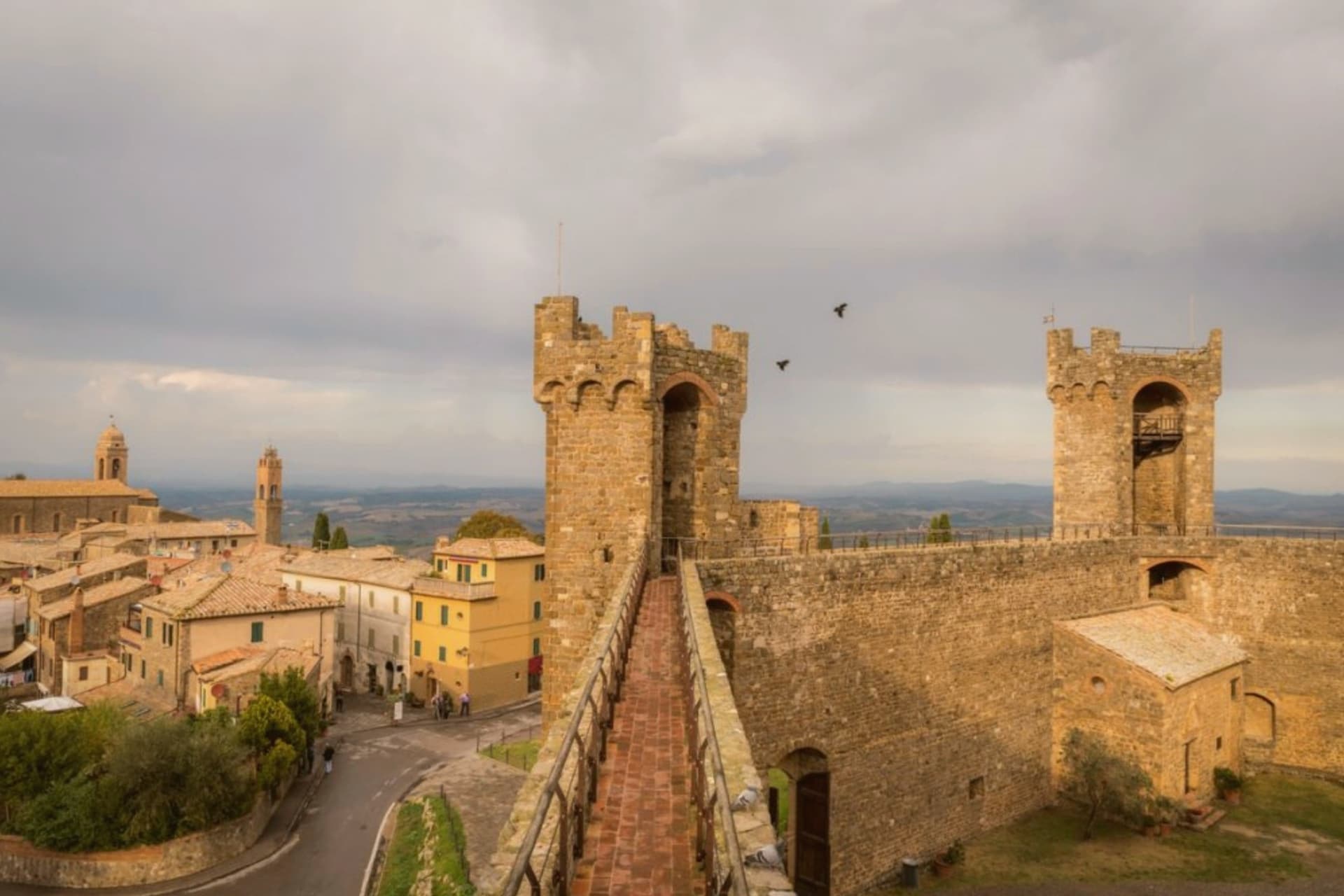
389 towns
Hill towns
The ridge and hilltop borghi, sitting around 400 meters. Vineyards below, one road up, walkable once you are there. Good in almost any season.
Pictured: Montalcino
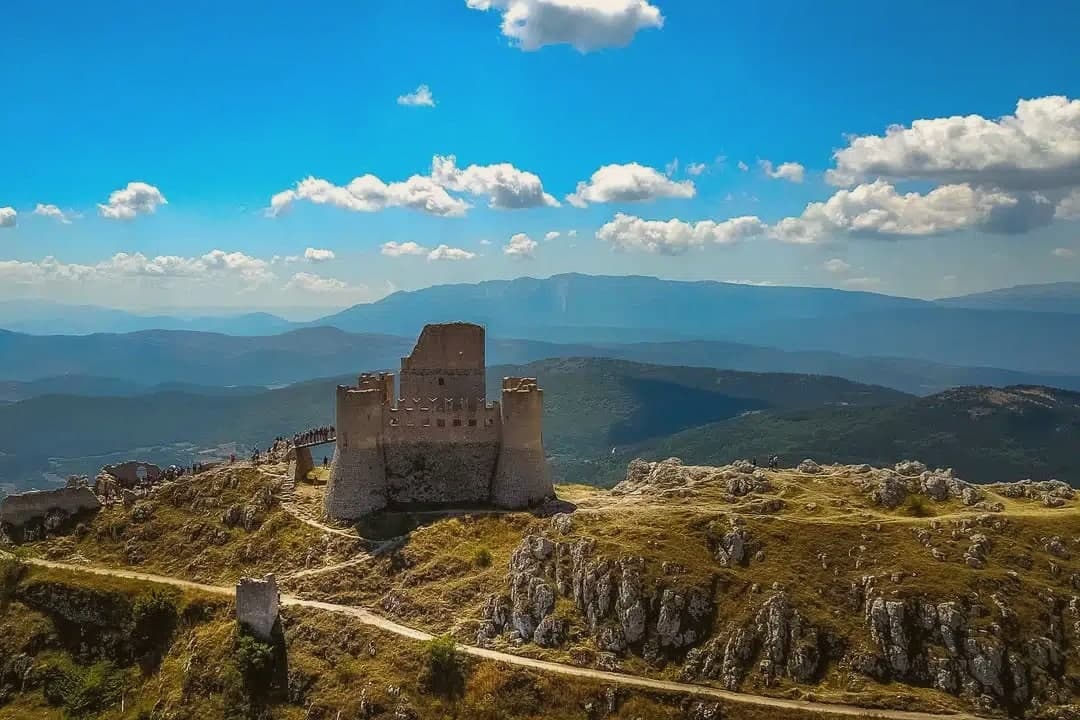
211 towns
Mountain towns
Towns inside a named range: the Alps, the Dolomites, the Apennines, the Pollino, the Aspromonte. All above 500 meters and half above 800, where the season decides the trip.
Pictured: Calascio
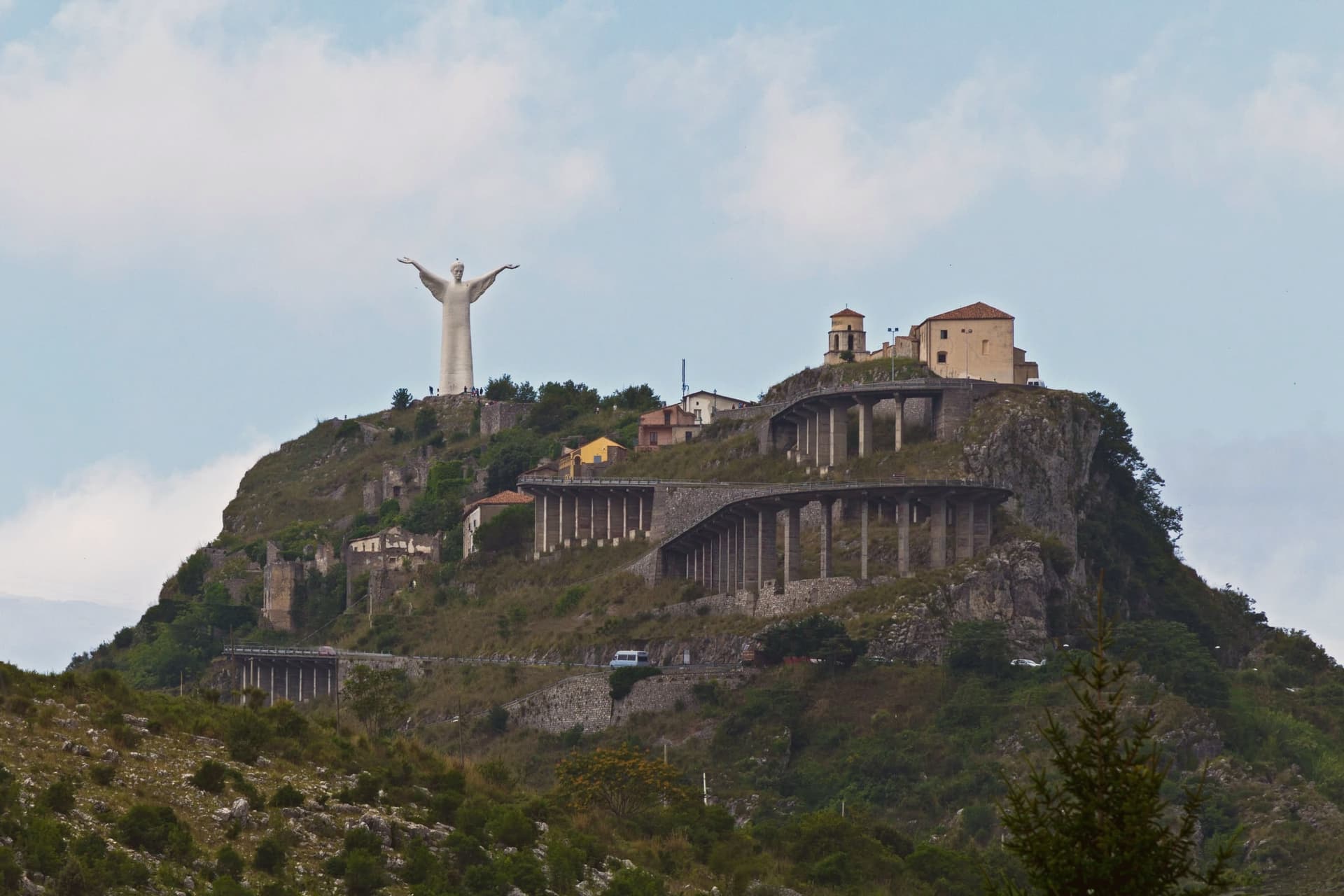
179 towns
Coastal towns
Towns on the sea. A cliff town high above the water counts here rather than under mountains, because the sea is why you would go.
Pictured: Maratea
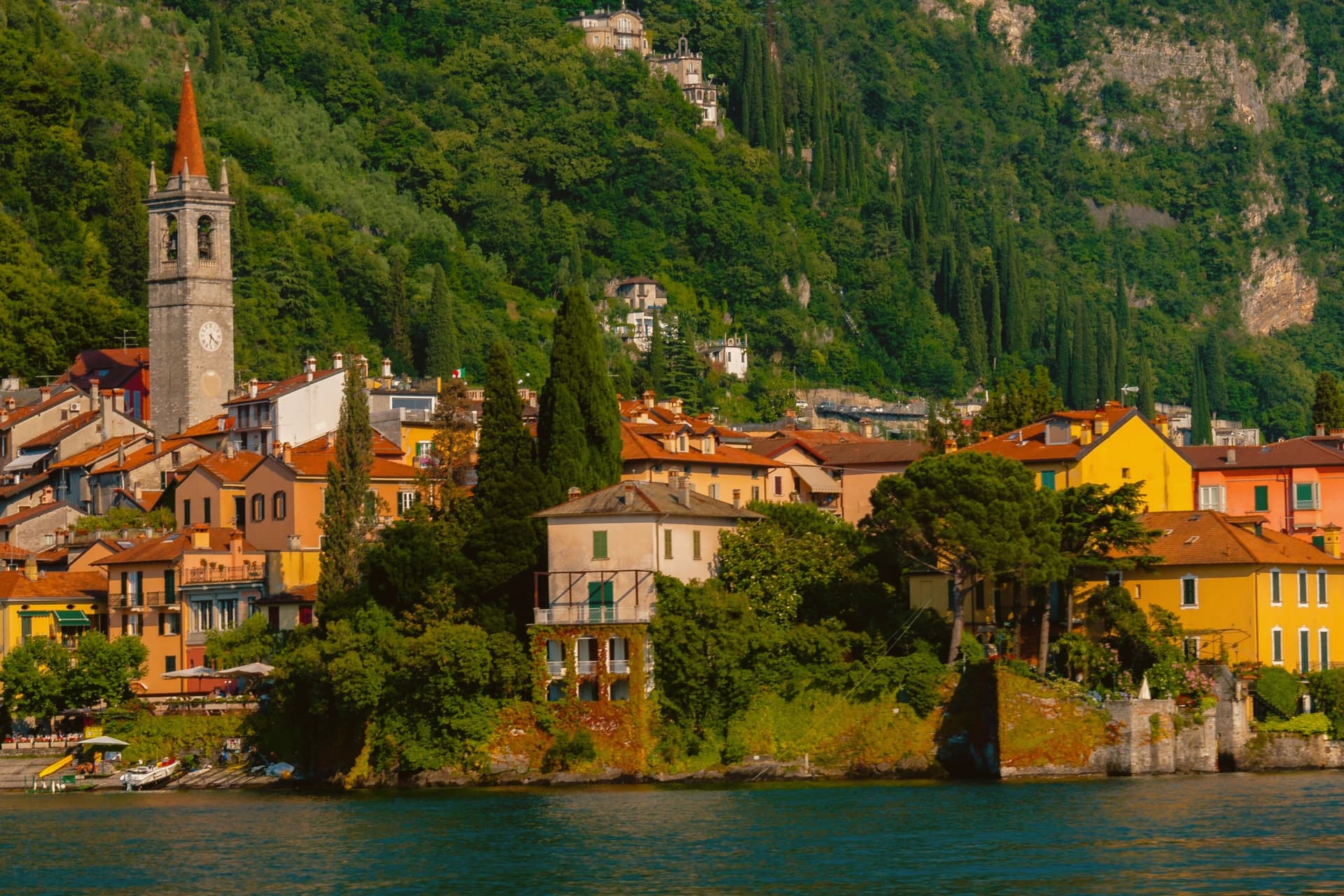
53 towns
Lake towns
Towns on the northern lakes and the quieter volcanic ones further south. Water without the coast road.
Pictured: Varenna
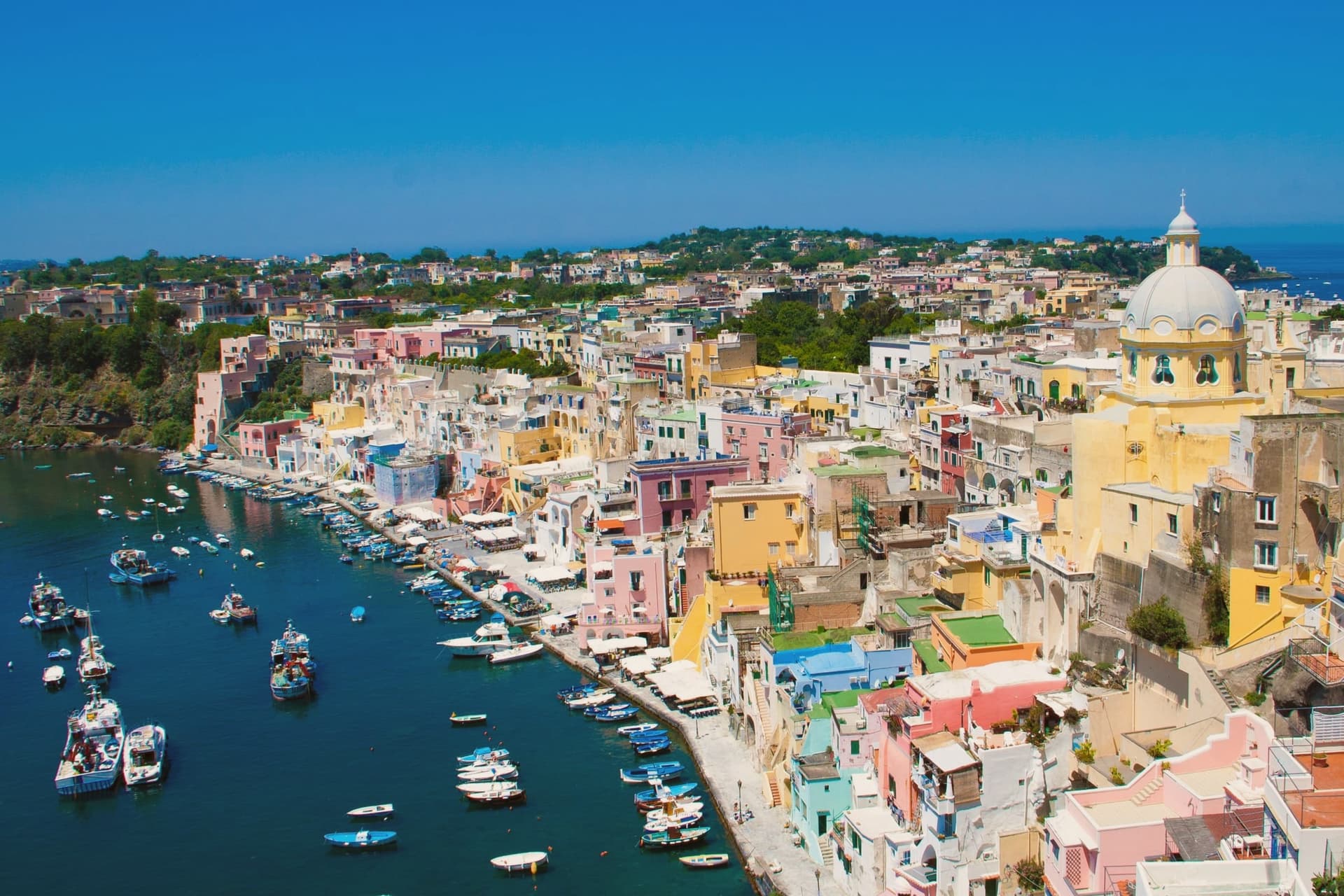
18 towns
Islands
Towns you reach by ferry. Small catalogue, and the getting there is most of the point.
Pictured: Procida
From across Italy
Five towns to begin with
Verduno
Province: Cuneo
A Langhe hilltop at 381 meters, the home village of the Pelaverga grape.
Bomarzo
Province: Viterbo
The Tuscia village below a garden built by a condottiero and later dedicated to his dead wife, all stone monsters and no apology for it.
Castelvetrano
Province: Trapani
The Belice valley town that owns Selinunte, the largest archaeological park in Europe, and bakes black bread from grain found in its tombs.
Morro d'Alba
Province: Ancona
A walled Castello di Jesi at 199 meters above the Esino valley, ringed by a covered walkway found nowhere else in Italy.
Amandola
Province: Fermo
A Sibillini gateway at 550 meters on three hills above the Tenna valley, founded 1248 and damaged but not levelled in 2016.