
Piedmont · Alessandria
Acqui Terme
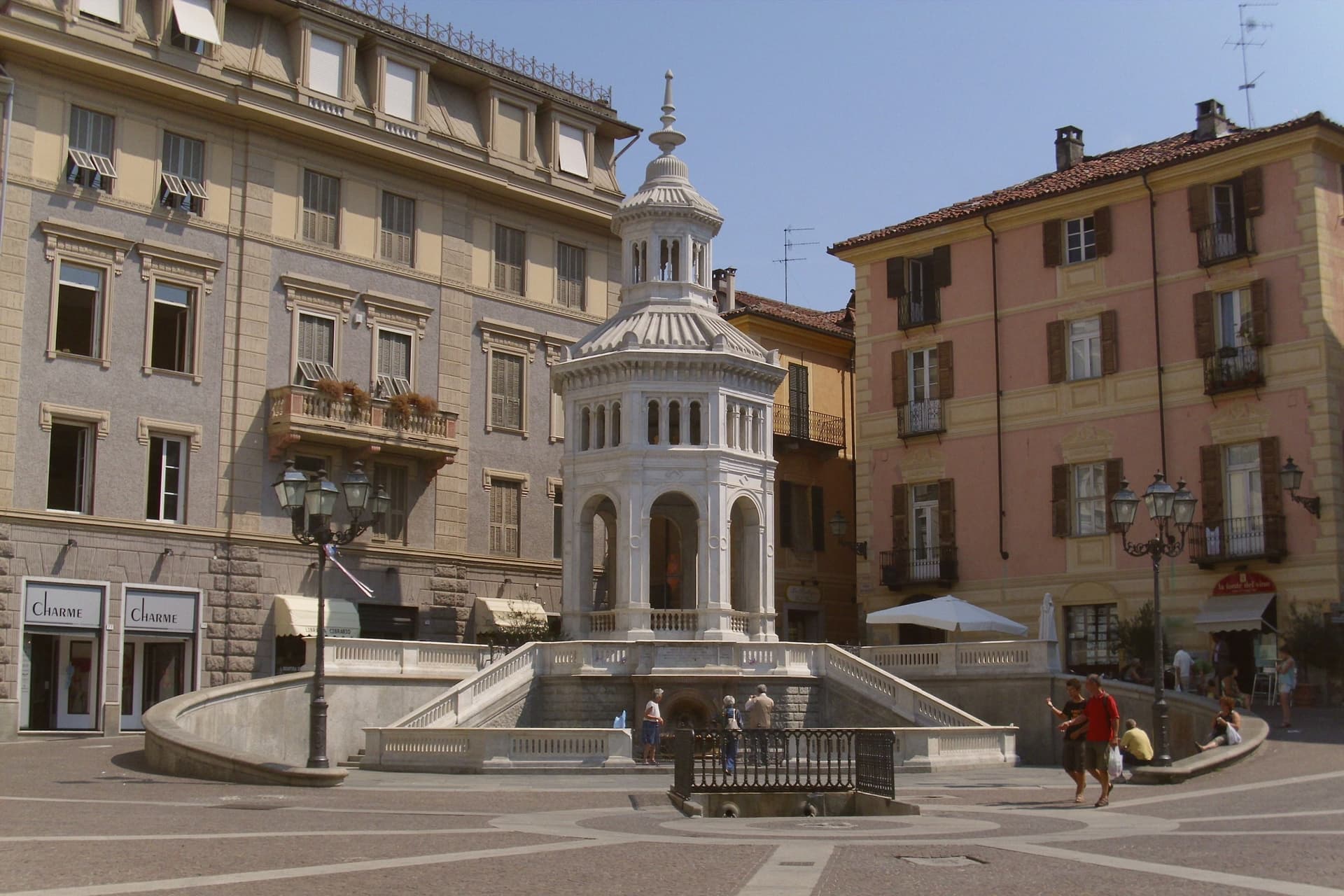
A Roman spa town on the Bormida, where a sulphurous spring still surfaces at 74.5 degrees under an 1870 pavilion.
- Best time
- All year
- By car
- 1 h 8 min from Genoa
- By train
- Station in the comune
- Population
- 18,967
Known for
LA BOLLENTE
Sulphurous spring rising at 74.5 degrees in the central piazza, the same waters that drew the Romans to Aquae Statiellae.
ROMAN AQUEDUCT
Fifteen pillars and four arches across the Bormida, one of the best preserved imperial aqueducts in northern Italy.
BRACHETTO
Brachetto d'Acqui DOCG, a sparkling red dessert wine produced from at least 97% Brachetto grapes on the surrounding Monferrato hills.
PROTECTED PRODUCTS
The commune also lies inside the Alta Langa DOCG, Asti DOCG, Barbera d'Asti DOCG and Toma Piemontese DOP production zones.
When to visit
Best · All year
- J8°
- F12°
- M14°
- A17°
- M21°
- J27°
- J30°
- A30°
- S25°
- O19°
- N12°
- D8°
- Best
- Hot or crowded
- Quiet
- Mostly closed
Daytime averages, 2020–2024. Weather data by Open-Meteo.com.
The festa: Guido d'Acqui, seconda domenica di luglio
Why come
Acqui Terme sits fifty kilometers north of Genova, in the southern Monferrato hills, on the Bormida river. The Romans built their settlement here around hot sulphur springs that Pliny the Elder rated among the best in the empire, and the town's shape still follows that founding logic: baths and spring at the center, the aqueduct running out to the valley, the castle set above on higher ground where the Marquises of Monferrato later took the high point for defense. The old town gathers close around the piazza where the water surfaces; the castle and its museum sit apart and above, holding what was dug up from the baths, theatre and amphitheatre below.
The surrounding hills, meanwhile, grow the grapes for Brachetto d'Acqui DOCG, a low-alcohol sparkling red, and the town holds three separate designations at once: Spighe Verdi, Comuni Termali, Città del Vino. The thermal trade runs year-round while the wine and the hills set the pace for everything else, so the town reads as two economies sharing one square: water pulled from the ground below, and wine brought down from the slopes above.
The Sunday letter
Acqui Terme is on our list. Its letter is still to come.
We are writing about all 1,000 of these towns, one at a time, in a free letter every Sunday: the photo, the food, the festa. That is our mission. Sign up and you will be there when Acqui Terme comes up. By Peter & Sophia, from Pietrasanta.
Read on
Acqui Terme in our articles
 The best cheese towns within two hours of Genoa6 towns, Acqui Terme among them.
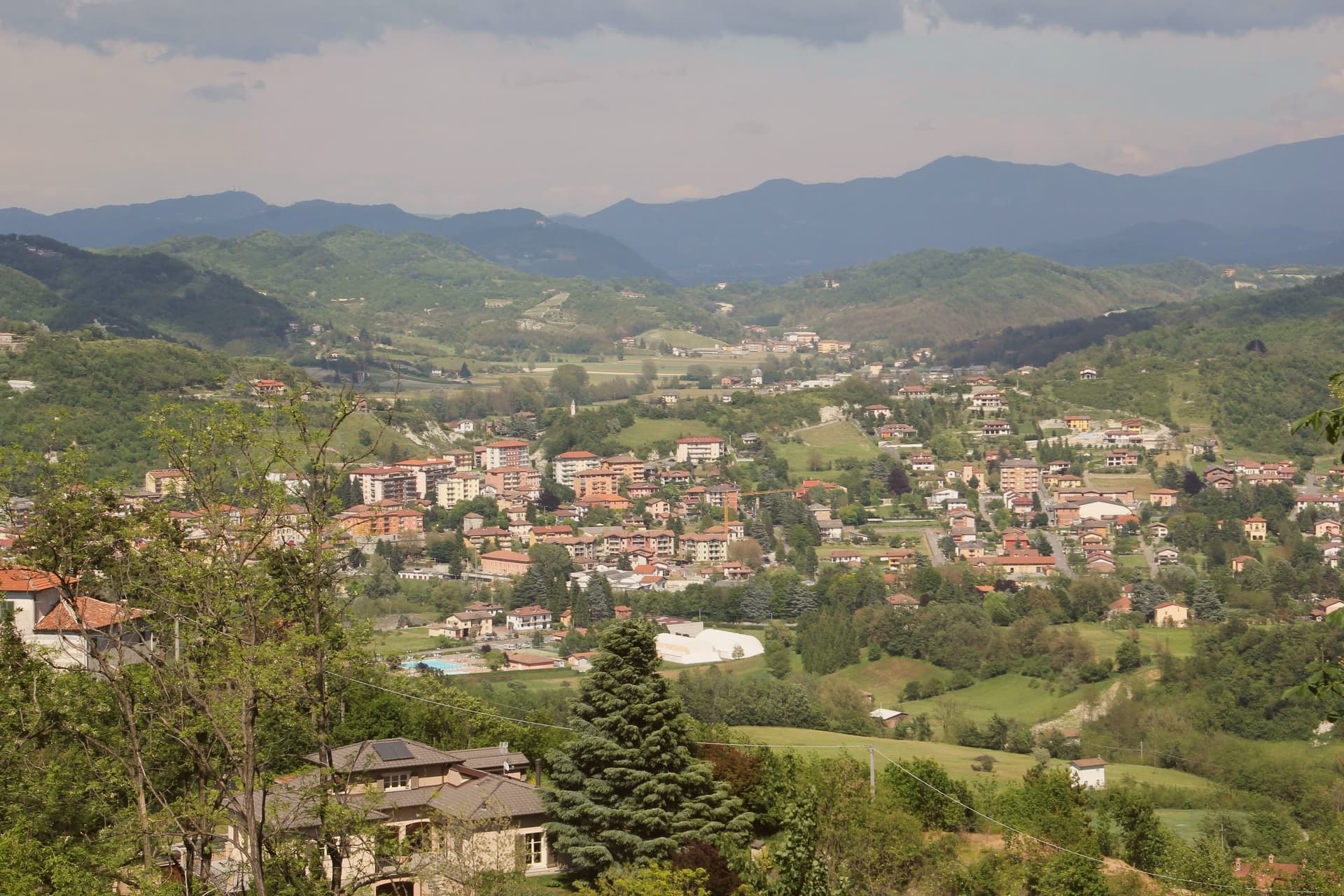 The best wine towns within 90 minutes of Genoa6 towns, Acqui Terme among them.
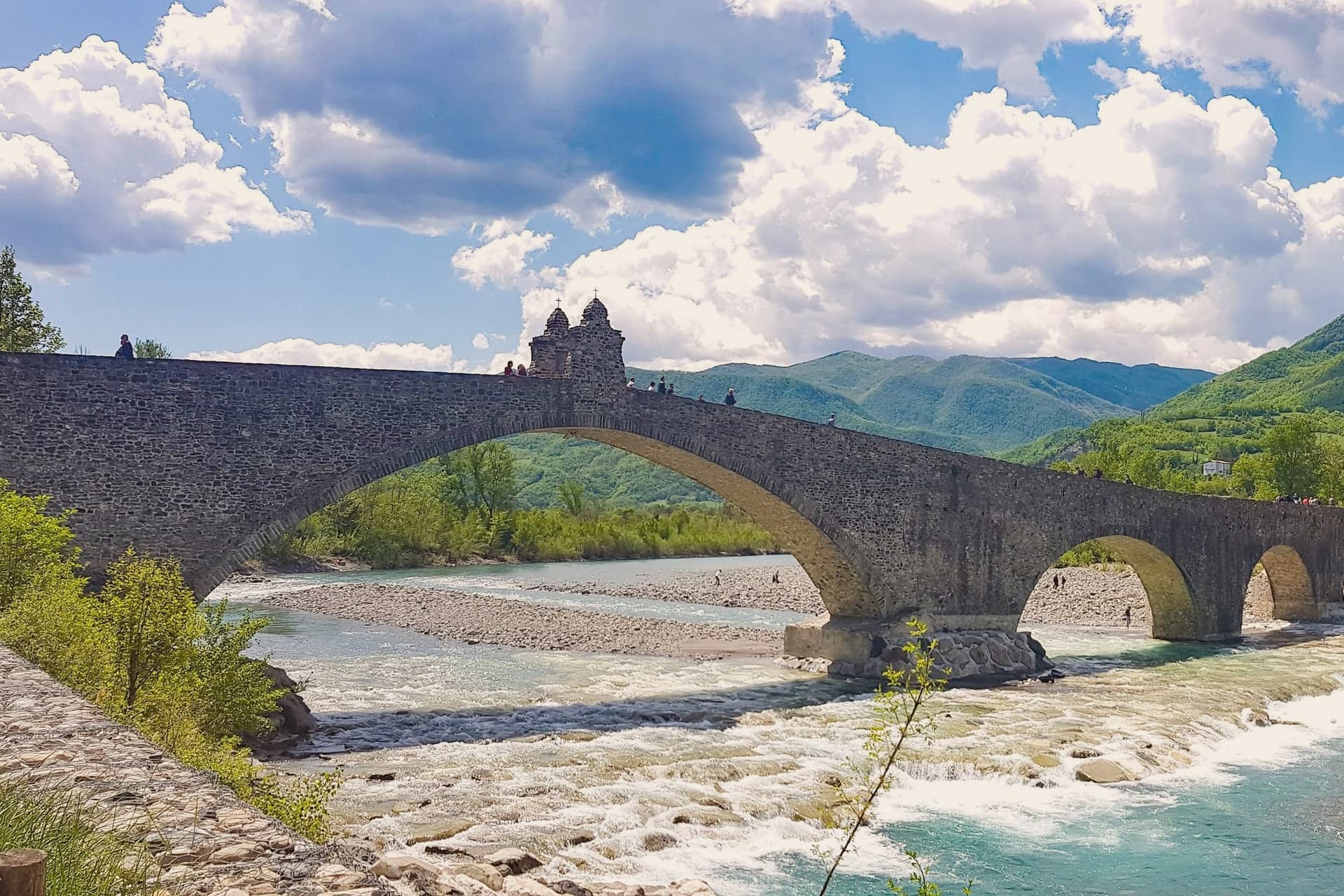 The best hot-spring towns within two hours of Milan7 towns, Acqui Terme among them.
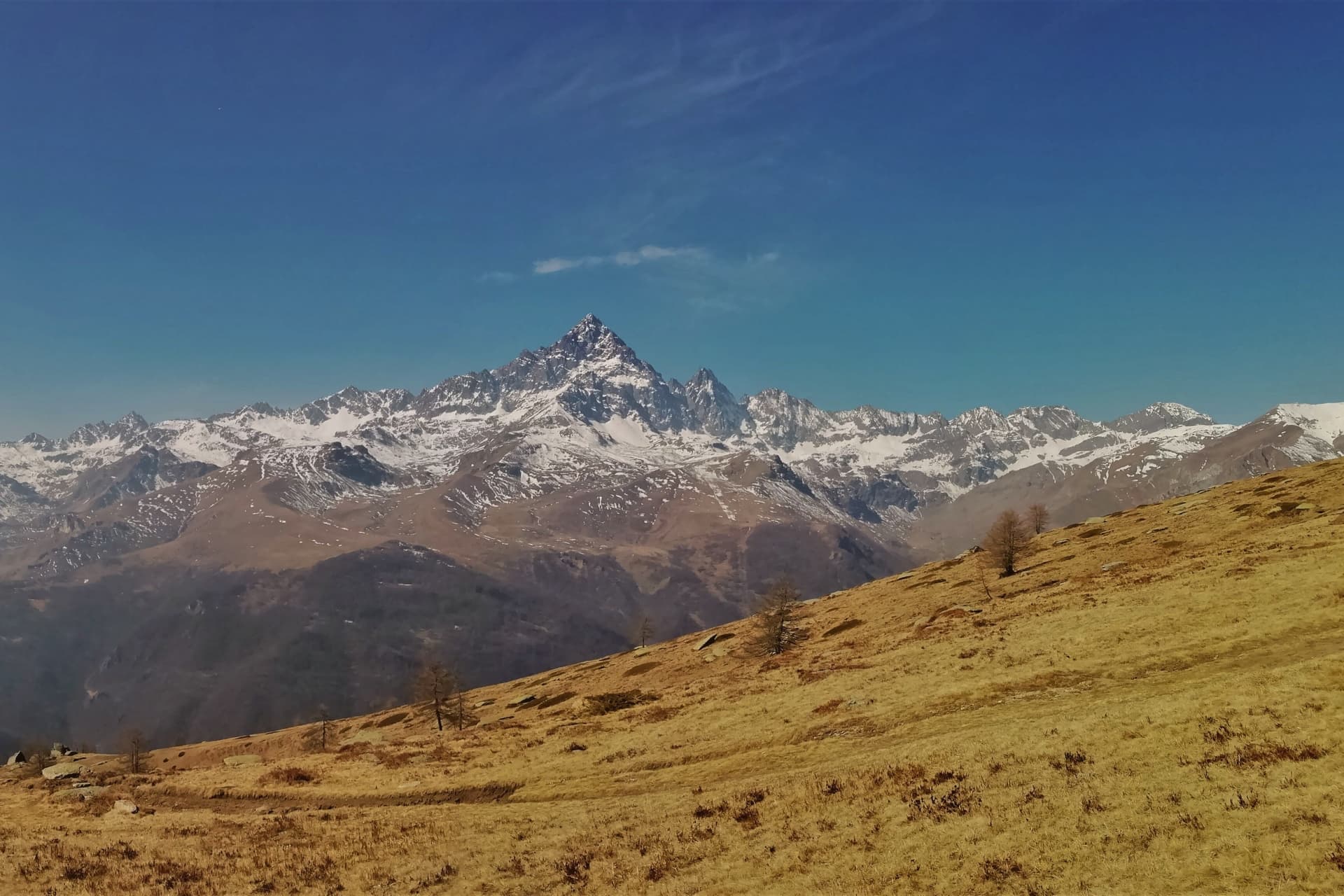 The best cheese towns within two hours of Turin10 towns, Acqui Terme among them.
How to get there
From Genoa (GOA), about 1 hour by car.
Turin (TRN) is about 2 hours away.
By car from the centre of Milan 1h 45m.
There is a railway station in the comune, so you can arrive without a car.
Coming from Genoa, Turin or Milan?
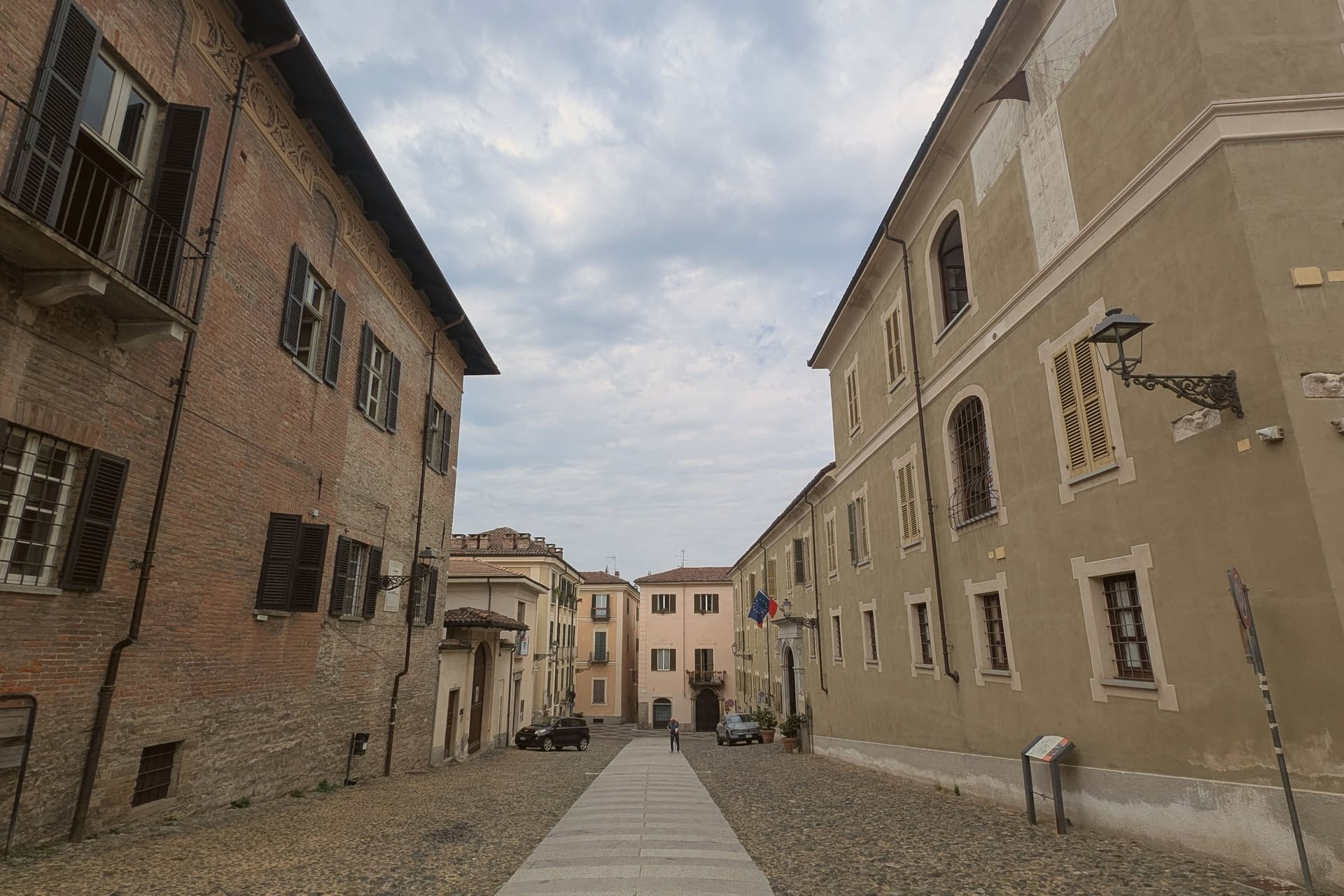
Coming by train into Genova Piazza Principe? Acqui Terme is about 1 hour away by road.
What to see
Acquedotto Romano
The structure originally carried water 13 km from the Erro stream to feed the baths of Aquae Statiellae, and still spans the valley floor intact.
La Bollente
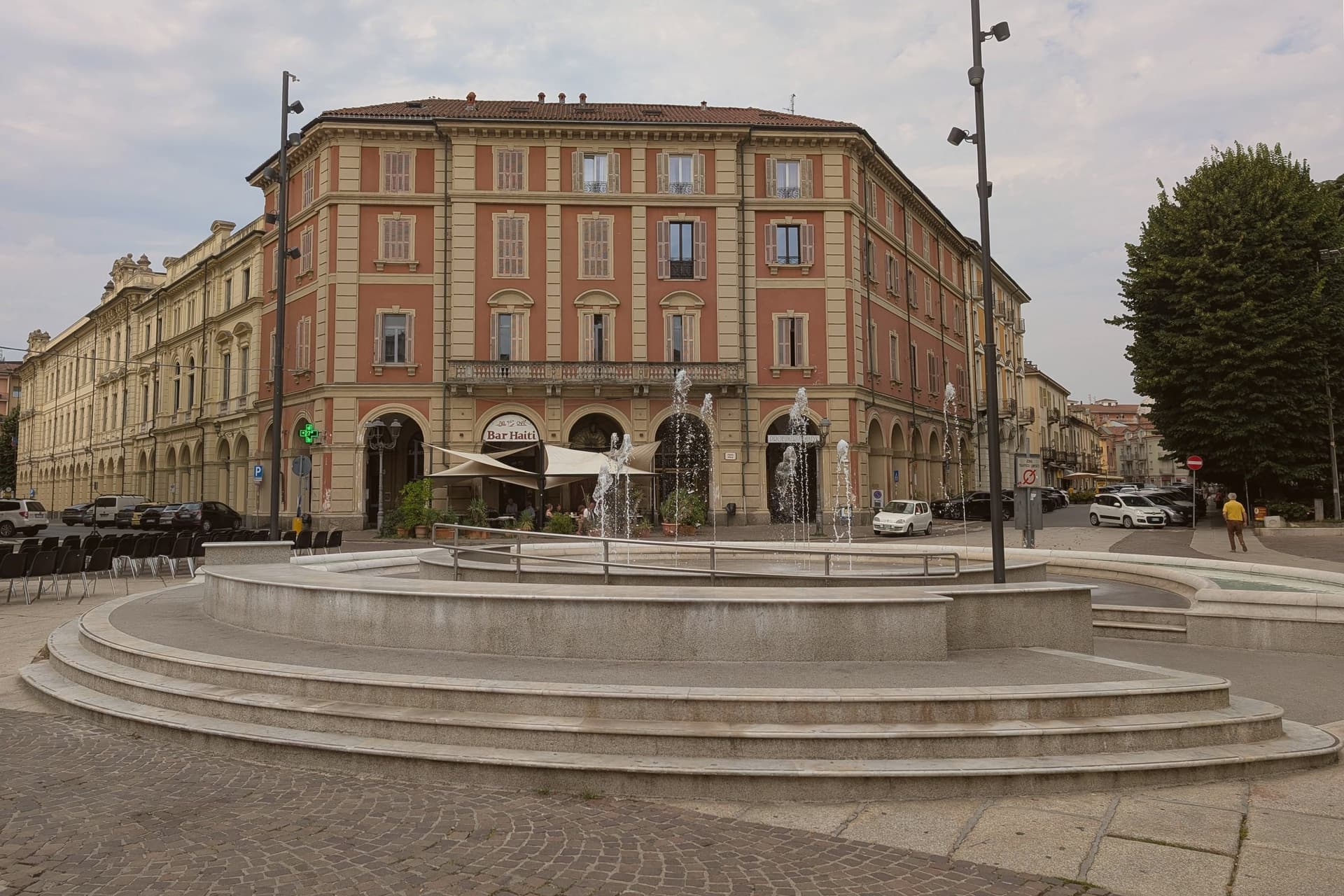
Octagonal marble pavilion designed by Giovanni Ceruti, its columns framing the steam that rises off the water even in the middle of the piazza.
Duomo di Santa Maria Assunta
Romanesque cathedral built on the Latin cross plan over an earlier 10th-century church, consecrated by Bishop Guido.
Castello dei Paleologi
Late medieval castle of the Marquises of Monferrato, set above the centro storico with the old town's roofs and the river valley visible below.
Museo Archeologico
Civic collection housed inside the castle, holding finds recovered from the Roman baths, theatre and amphitheatre that once served the spring.
The slow-trip planner
Building a trip? Find where Acqui Terme fits in a slow Italy circuit.
Answer five questions. We will shape a geographically coherent slow trip from the 1,000 Italian towns most travelers skip. Yours to save and share.
We recommend
Where to eat
Not our picks, but places the guides put their name to: a Michelin star, a Gambero Rosso fork, a Slow Food snail, a Michelin Key for the hotels. Worth a table, a counter, or a night when you pass through.
Il MoncalvoRistorante
Il Moncalvo holds one Gambero Rosso fork (79/100).
Through the year
What happens here
Feasts and festivals that come back year after year. We give the month rather than the date, because the date moves and the month rarely does. Check with the source before you plan a journey around one.
Mercatino degli Sgaientòmarket
usually held in August. Langhe.net - Sagre & Fiere in Langa e Roero
Living here
- Population 18,967
- In-betweeni
- Pharmacy in town
- High school within a 30-minute drive
- Train station in the comune
- Nearest airport Genoa, 1 h 3 min drive
- Regional capital Torino, 1 h 39 min drive
Thermal baths in town: Stabilimento Curativo Nuove Terme.
Common questions
- What is Acqui Terme known for?
- Acqui Terme is a Roman spa town at 156 meters on the Bormida, where a sulphurous spring still surfaces at 74.5 degrees under an 1870 pavilion.
- Where is Acqui Terme?
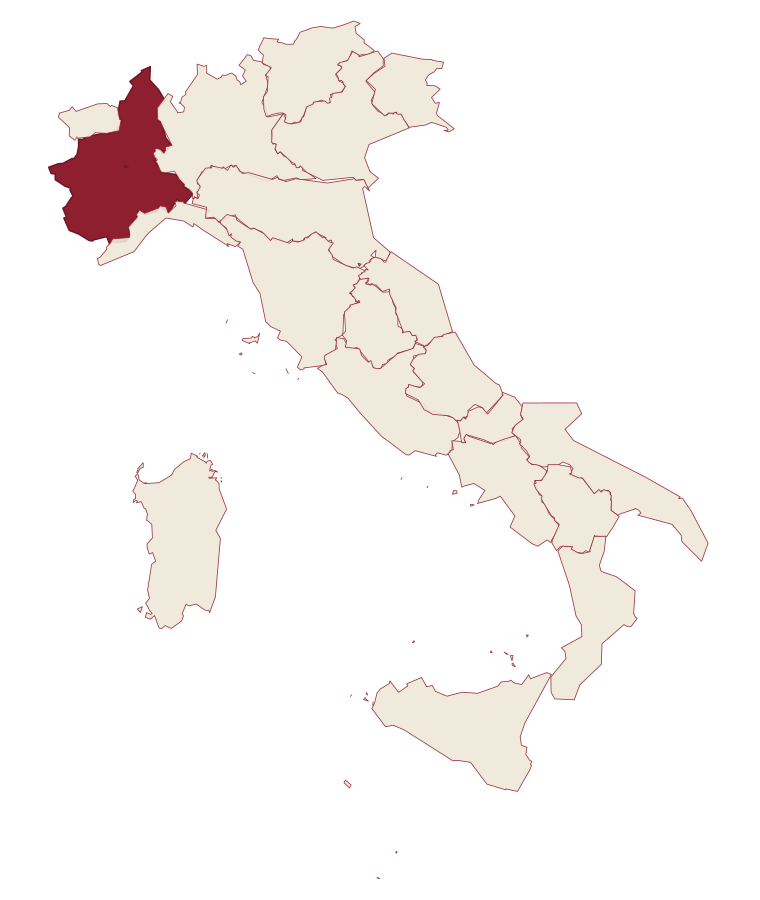
- Acqui Terme is a comune in the province of Alessandria, in Piedmont.
- What is the nearest airport to Acqui Terme?
- Genoa (GOA), about 1 hour by car.
- Can you get to Acqui Terme without a car?
- Yes. There is a railway station in the comune, so you can arrive by train.
- How long is the drive from Milan to Acqui Terme?
- About 1h 45m by car.
- When is the best time to visit Acqui Terme?
- Best All year. July is the warmest month, averaging 30 degrees, and May the wettest, with about 12 rain days.
- Is there a sagra or a festival in Acqui Terme?
- Yes. Mercatino degli Sgaientò. August is when the first of them falls.
- Which other towns are like Acqui Terme?
- Castel San Pietro Terme, Montecatini-Terme and Abano Terme.
- How many people live in Acqui Terme?
- 18,967 at the 2023 count.
Tags & datadesignations · numbers · sources
Recognised as
The numbers
- Elevation: 156 m
- Population: 18,967
- Surface area: 33.3 km²
These figures were compiled from public directories: ISTAT, OpenStreetMap and Wikidata, and from the official listings of the guides named on this page. Town details change; verify with official sources before you travel.
Similar
Towns like Acqui Terme
Castel San Pietro Terme
Province: Bologna
both spa towns · both over 10,000 people
Montecatini-Terme
Province: Pistoia
both spa towns · both over 10,000 people
Abano Terme
Province: Padova
both spa towns · both over 10,000 people
San Giuliano Terme
Province: Pisa
both spa towns · both over 10,000 people
Canelli
Province: Asti
both over 10,000 people · both near sea level
Anguillara Sabazia
Province: Roma
both over 10,000 people · both near sea level
🌻 Spighe Verdi
More Spighe Verdi towns in Piedmont
Alba
Province: Cuneo
The Langhe capital at 172 meters on the Tanaro, world reference for white truffle and Nebbiolo, headquarters of Ferrero.
Bra
Province: Cuneo
A Roero town at 290 meters where the world's first gastronomic university now teaches food systems.
Canelli
Province: Asti
The Asti Spumante town at 157 meters in the Belbo valley, where 20 kilometers of underground tuff cellars hold millions of bottles at constant temperature.
Castiglione Falletto
Province: Cuneo
A Barolo hilltop commune in the Langhe, ringed by vineyards on both sides of its ridge.
Cherasco
Province: Cuneo
A walled grid-plan town on the river terrace where the Stura di Demonte meets the Tanaro, on the western edge of the Langhe.