
The best towns you can reach by train that eat well within 90 minutes of Foggia
The plain around Foggia is flat, hot in summer and given over to wheat, but it does not stay flat for long. Push west and the land climbs into the Daunian mountains and the volcanic slopes of Monte Vulture, where the houses are built from grey tuff and the cellars are cut into it. Autumn is the season that rewards the trip: Aglianico coming in, porcini and cardoncelli mushrooms on every menu, lamb and kid roasted slowly, orecchiette and troccoli made by hand in the morning for lunch the same day. On the Molise coast the register changes entirely to Adriatic fish, brodetto in a terracotta pot, raw prawns and squid off the boats.
The reason most travellers pass through this part of Italy is that they are heading somewhere else. Trains south from Foggia carry people towards Bari and the trulli of Alberobello, or east towards Vieste and the Gargano beaches, and both fill hard from June onwards. Alberobello in particular takes coach parties by the hour, which does not leave much room for lunch that is not aimed squarely at visitors.
The same wheat, wine, lamb and Adriatic fish continue all the way along the lines out of Foggia, and the smaller stations are where the good tables are. Some sit in old Norman and Swabian hill towns west of the plain, others in Molise ports and inland Campanian market towns where the guides have quietly named a kitchen worth stopping for. Each town here can be reached without a car, which makes a lunch worth a detour a matter of a timetable rather than a hire agreement.
Of the 23 communes we have mapped within 90 minutes of Foggia, 8 qualify as towns you can reach by train that eat well: we have confirmed each is reachable without a car, and a dining guide has named a table in each. The smallest, Bovino, has 2,973 residents.
Elsewhere in the catalogue: The best olive oil towns that eat well within 90 minutes of Foggia and The 8 best olive oil towns you can reach by train within 90 minutes of Foggia.
Bovino
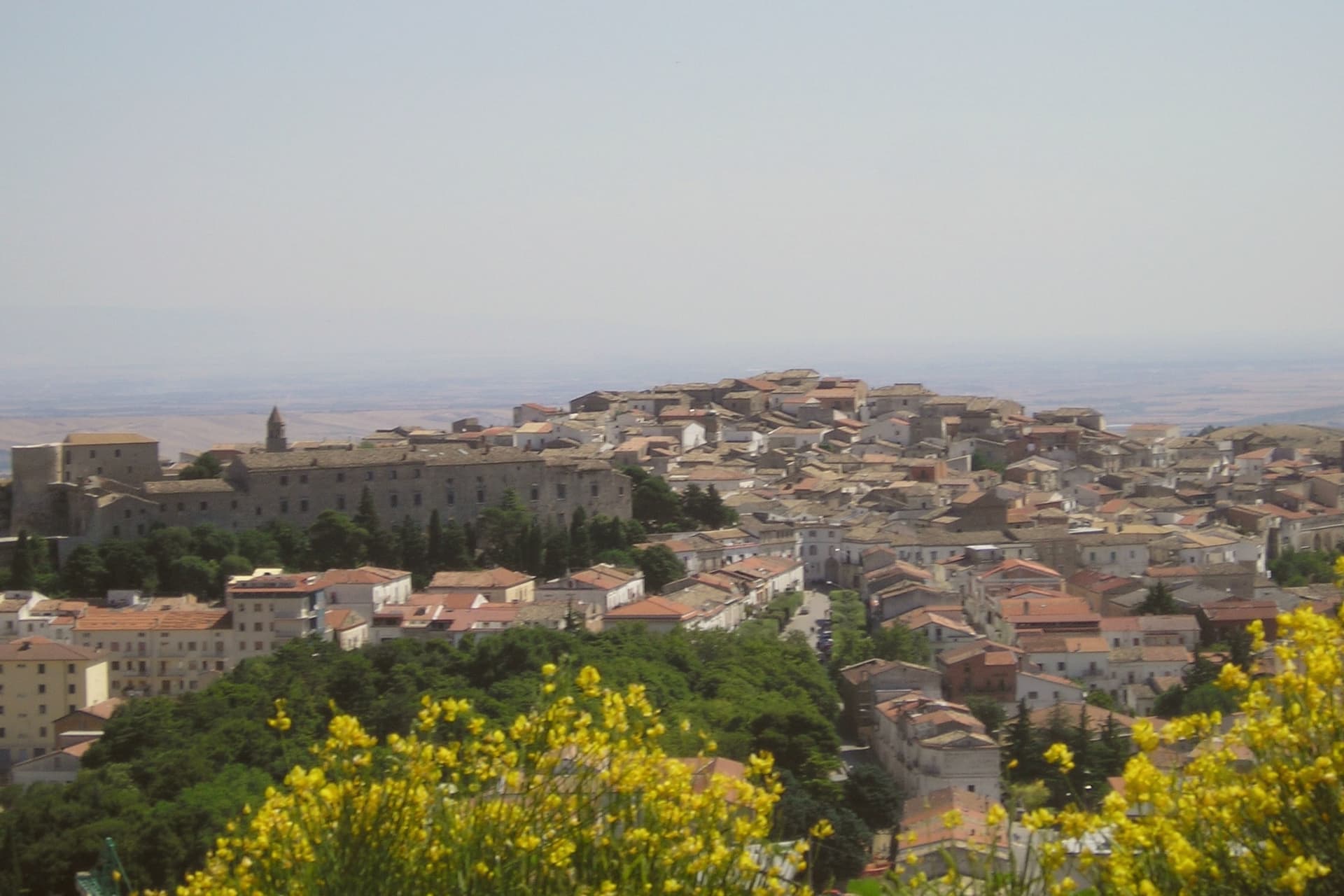
Why visit Bovino
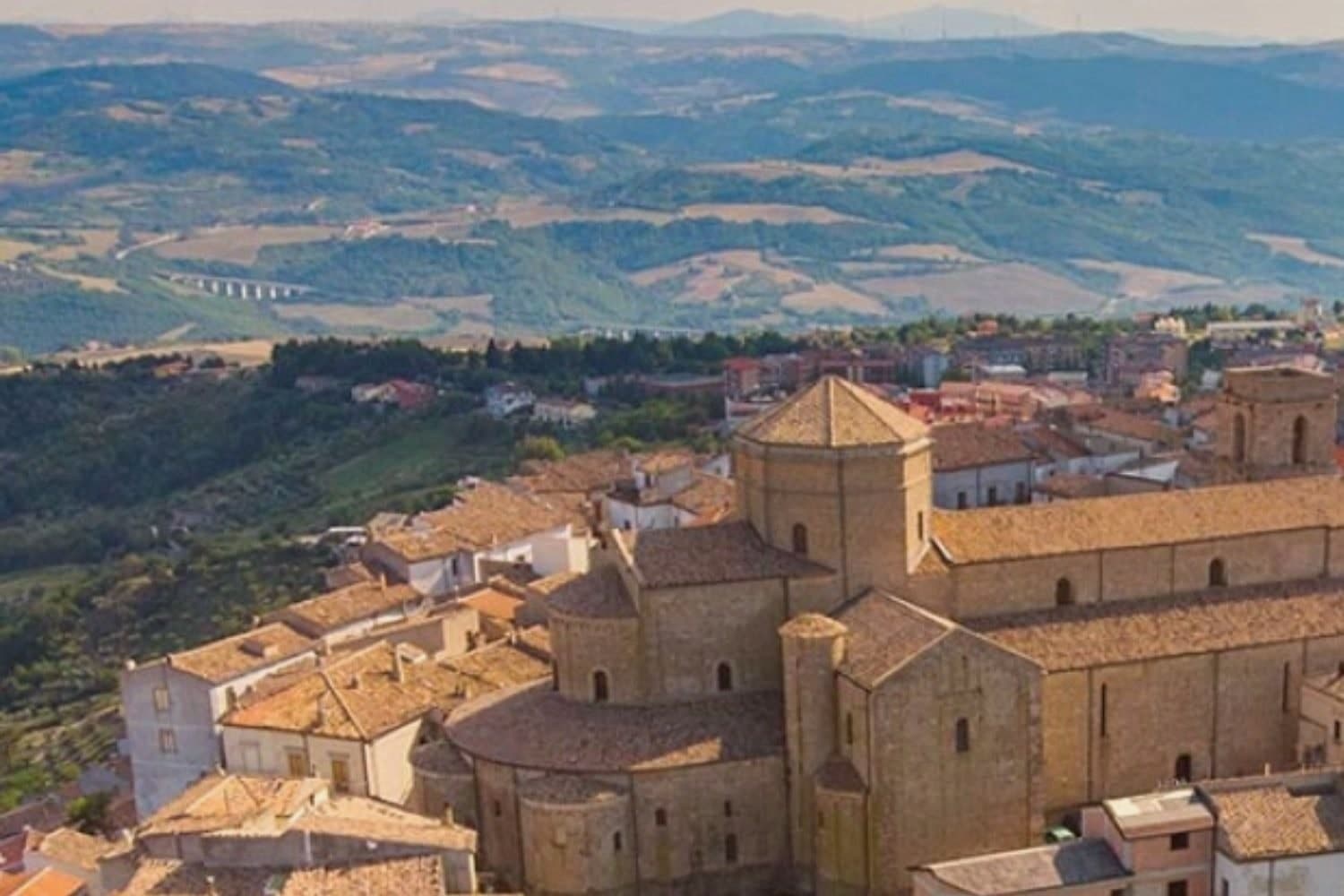
Bovino sits at 646 meters on a terrace of the Monti Dauni above the Cervaro valley, thirty-five kilometers southwest of Foggia. The Roman name Vibinum is recorded by Pliny and Polybius; in 323 BC the town fought the Samnite Wars on the Roman side.
The Norman count Drogo built the castle in the eleventh century, Frederick II expanded it in the thirteenth, and the Guevara dukes turned it into a residential palace in the seventeenth century, inhabited by the family until 1961. The coffered ceilings and the hanging garden hosted Torquato Tasso, Giovan Battista Marino, Maria Theresa of Austria, and Pope Benedict XIII.
The concattedrale of Santa Maria Assunta, originally built in 1231 in Apulian Romanesque style, was destroyed by the 1930 Irpinia earthquake and reconsecrated in 1936. Eight hundred sculpted stone portals across the centro storico are the work of local masters; the town carries both Borghi più belli and Bandiera Arancione signals.
Agriturismo Piana della Mandrie have been named by a guide.
What to see in Bovino
- Castello Ducale (Palazzo dei Guevara). Norman castle built by Count Drogo, expanded by Frederick II, turned into a Guevara ducal palace in the seventeenth century and inhabited until 1961.
- Concattedrale di Santa Maria Assunta. Romanesque cathedral of 1231, destroyed by the 1930 Irpinia earthquake and reconsecrated in 1936, co-cathedral of the Archdiocese of Foggia-Bovino.
- Centro storico. Medieval hilltop village with eight hundred sculpted stone portals carved by local masters, ringed by the surviving walls of the castrum.
How to get to Bovino
There is a railway station in the town, so you can arrive without a car and never need one while you are here. Foggia is roughly 34 minutes away by road.
Our tip
May through October is the workable season at 646 meters. June through August stay around twenty-six to twenty-eight degrees on the ridge while Foggia bakes thirty kilometers below. September is the start of the chestnut and olive work.
Larino
Why visit Larino
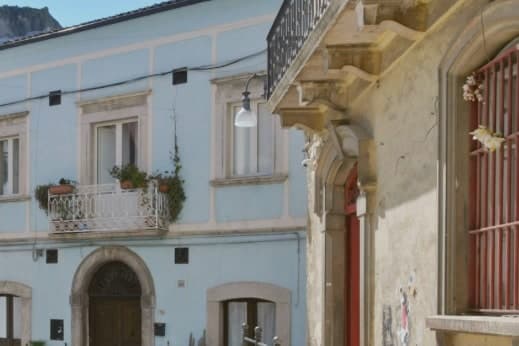
Larino sits at 341 meters in the lower Biferno valley, twenty kilometers inland from Termoli. The Frentani held the place before Rome and minted bronze coins here in the third century BC; the wool trade made it a regional centre.
The orator Cicero defended a Larino-born equestrian, Aulus Cluentius Habitus, in his Pro Cluentio of 66 BC, a case that ties the town to the wider world of the capital beyond its own remains. The old town runs along the ridge above the ancient city, so the medieval borgo and the old street plan sit in view of each other rather than layered one on top of the other.
The cathedral stands at one end of this arrangement, the arena and forum fragments at the level below. Every 25 to 27 May the streets carry the Carrese di San Pardo, a three-day procession of oxen and flower-decked carts that retraces the eleventh-century translation of the patron's relics from Daunia, linking the medieval town's religious life to the same ground the Frentani and the arena's builders had already used.
The surrounding hills carry the Città dell'Olio mark. What holds the town together, across the Frentani coinage, the law case, the arena, and the May procession, is that each layer used the same ridge and valley without erasing what came before it.
Osteria del Borgo, Ciafi dal 1976 have been named by a guide.
What to see in Larino
- Anfiteatro Romano. Elliptical arena, 100 by 80 meters, built by a Larinum citizen who made his fortune in Rome. It stands within walking distance of the old town, its outline still legible against the surrounding streets.
- Cattedrale di San Pardo. The portal is the work to look at closely, carved by Francesco Petrini of Lanciano, its stone figures still sharp against the facade's plainer masonry.
- Centro storico (borgo). Medieval old town stretched along the ridge above the Roman remains, with Renaissance palazzi and narrow stone streets.
How to get to Larino
There is a railway station in the town, so you can arrive without a car and never need one while you are here. Foggia is roughly 82 minutes away by road.
Our tip
April through October is the working season. May is the month most travellers come for: the three-day Carrese di San Pardo runs 25 to 27 May, with around 130 flower-decked ox carts moving through the town. June and September keep the Roman amphitheatre and cathedral comfortable to walk.
Minervino Murge
Why visit Minervino Murge
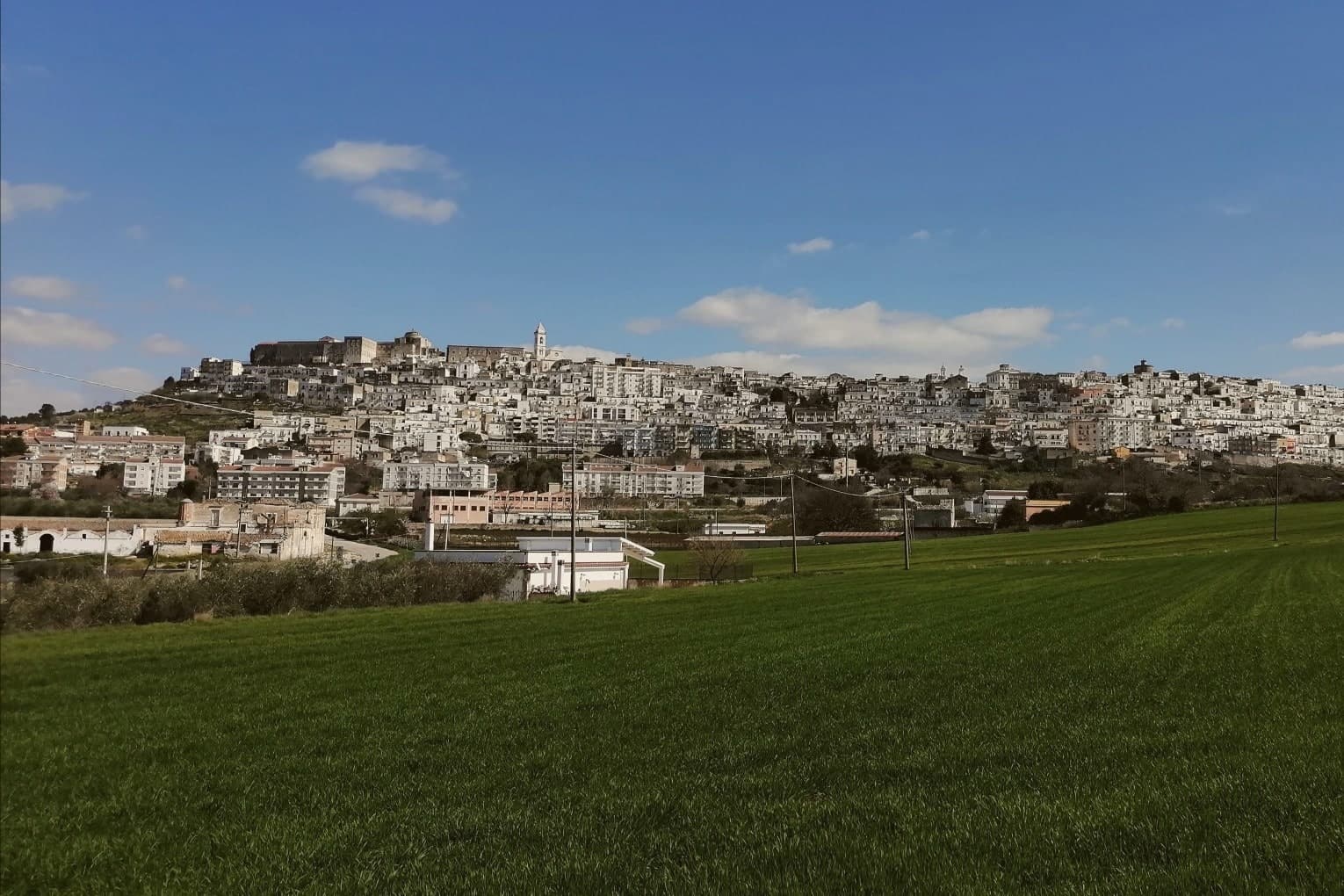
The town is built on two hills at the western edge of the Murgia plateau, where the limestone tableland gives out and the ground drops toward lower country on three sides. That break is what gives the ridge its long view and its nickname: to the east the eye crosses Murgia limestone toward the Gargano and the Adriatic, to the west it crosses cultivated fields into Basilicata, and to the north it runs the length of the Ofanto valley.
The old town sits above this drop, castle and tower on the high ground, cathedral below, the settlement organized around the same ridge that draws the view. Olive oil, almonds and grain define the rural economy beyond the walls, the plateau put to farming where it is not left to steppe grass and karst.
A ridge town, in other words, whose whole character, defensive site, pilgrimage cave, farmed hinterland, follows from the one geological fact of where the plateau ends.
La Tradizione - Cucina Casalinga, Masseria Barbera, A Sud dell'Anima have been named by a guide.
What to see in Minervino Murge
- Castello Normanno-Svevo. Norman fortress remodeled in the baronial period, with surviving towers and bastions on the high ridge above the old town.
- Torre di Pirro del Balzo. Fifteenth-century tower built between 1460 and 1490 when Minervino came to Pirro del Balzo as part of Maria Donata's dowry.
- Grotta di San Michele. Cave formed roughly two million years ago, reached through the karst rather than built, and still kept as a place of pilgrimage rather than display.
How to get to Minervino Murge
There is a railway station in the town, so you can arrive without a car and never need one while you are here. Foggia is roughly 62 minutes away by road.
Our tip
April through June and September through October are the months the Alta Murgia plateau runs best. The wildflower steppe peaks in May, almond blossom comes earlier in February, and the Ofanto valley below stays mild through autumn. July and August push past thirty-five degrees on the limestone with little shade; the centro storico empties between two and five and the panoramic belvedere is best at dawn or dusk.
Venosa
Why visit Venosa
Venosa sits at 415 meters in the Vulture hills, ninety kilometers east of Salerno. The Romans founded Venusia here in 291 BC as a colony on the Appian Way, and it became the birthplace of Quintus Horatius Flaccus, the poet Horace, in 65 BC.
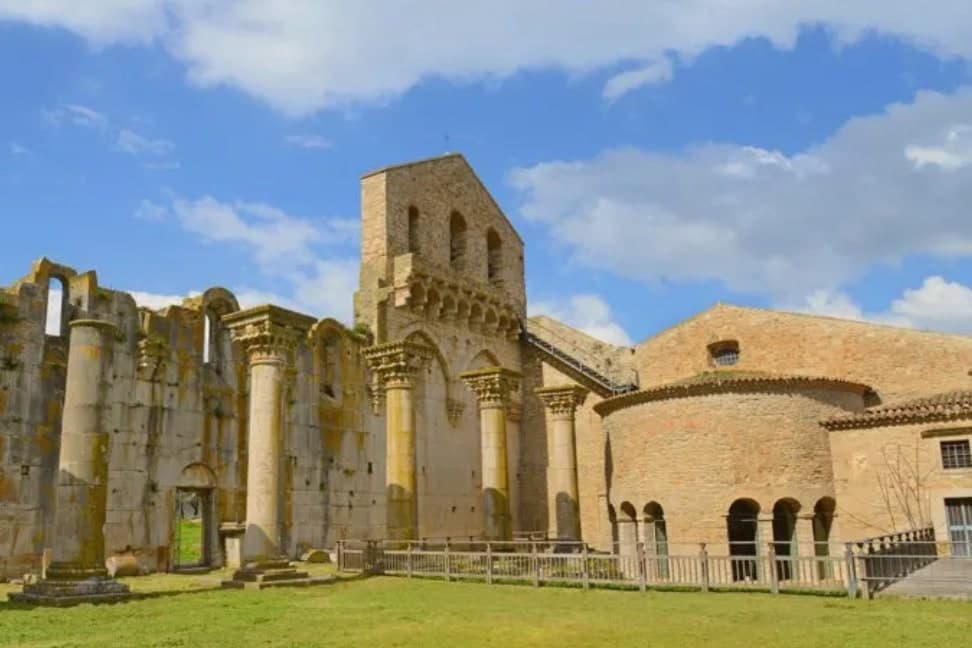
The Parco Archeologico preserves a Roman amphitheater, the baths, and mosaic floors, alongside the so-called Casa di Orazio. Above the ruins stands the Abbazia della Santissima Trinità, an eleventh-century Benedictine complex begun in 1059, with its walls built from blocks salvaged out of the Roman amphitheater next door.
The Incompiuta, the unfinished thirteenth-century cathedral expansion immediately behind the abbey, is roofless and visibly stitched together from Roman fragments. The town centre is dominated by the Castello di Pirro del Balzo, built in 1470 on the foundations of an earlier cathedral and modelled on the Maschio Angioino in Naples.
Venosa is at the heart of the Aglianico del Vulture DOC and DOCG zone, the great red of southern Italy, grown on the volcanic slopes of nearby Monte Vulture.
Al Baliaggio have been named by a guide.
What to see in Venosa
- Abbazia della Santissima Trinità. Benedictine abbey of 1059 with walls built from blocks of the adjacent Roman amphitheater, the spiritual centre of Norman Venosa.
- Incompiuta. Roofless thirteenth-century cathedral expansion behind the abbey of Santissima Trinità, abandoned mid-build, visibly assembled from Roman spolia.
- Castello di Pirro del Balzo. Quadrangular Aragonese castle of 1470 with corner towers, built on the foundations of the earlier cathedral, modelled on Castel Nuovo in Naples.
How to get to Venosa
There is a railway station in the town, so you can arrive without a car and never need one while you are here. Foggia is roughly 70 minutes away by road.
Our tip
April through June is the green window in the Vulture, with cool evenings and the archaeological park empty in the mornings. September and October are dry and gold, the Aglianico harvest runs into November, and the Cantina di Venosa cellars are open for tastings. July and August reach the mid-thirties; visitors retreat to the abbey shade and the wine cellars. Fiera sapori del Sud falls in May.
Melfi
Why visit Melfi
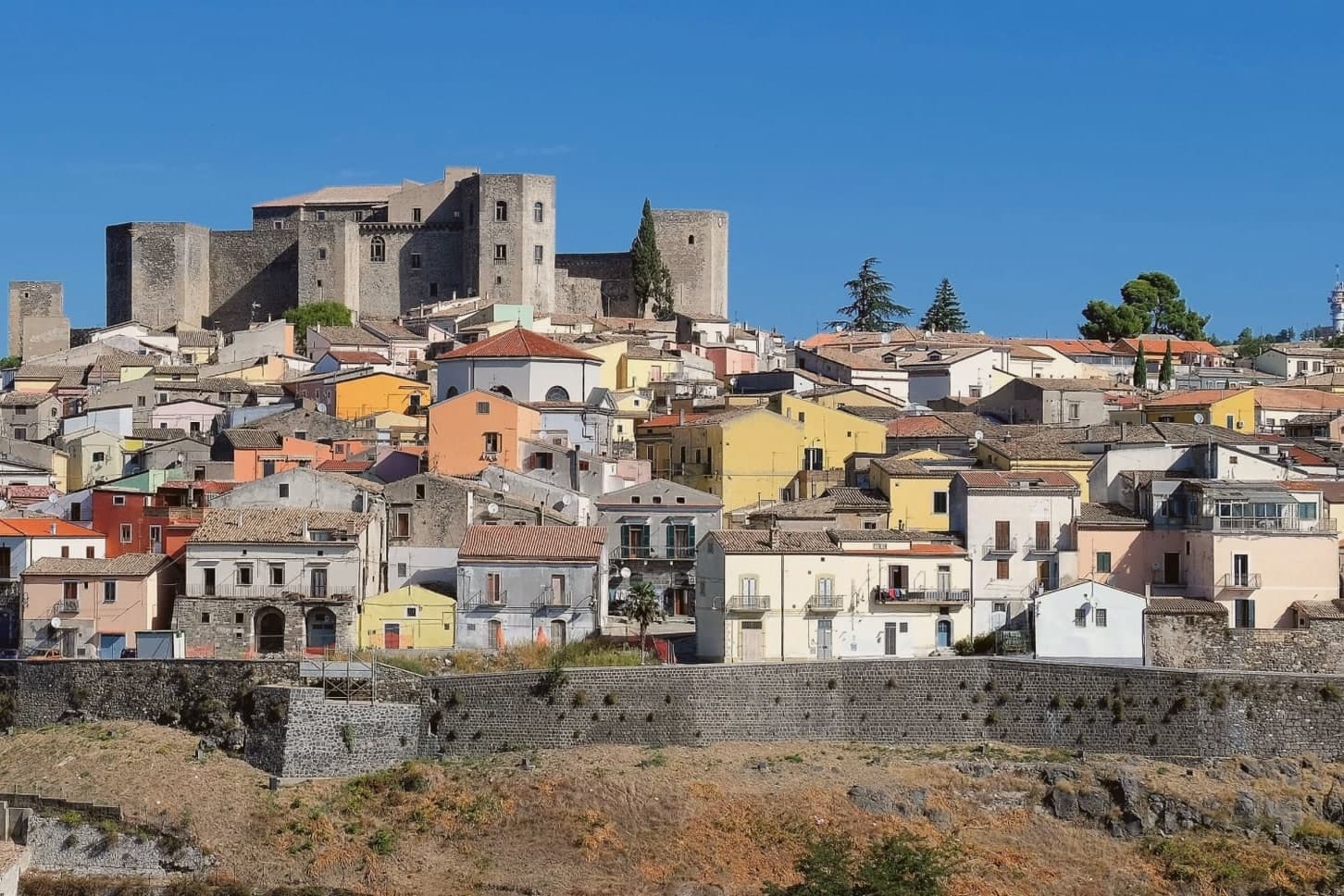
Melfi sits on the slopes of an extinct volcano east of the Apennine spine, the same mass whose crater holds the Laghi di Monticchio and whose soils now define a wine zone. The Hauteville Normans took the town in 1041 and made it the first capital of their southern Italian duchy, a status that explains the density of what followed: a cathedral built within a generation, a castle raised soon after and expanded by an emperor, a legal code drafted within those walls that shaped a kingdom's law.
The walled centro storico spreads below the castle, its gate and noble palazzi still arranged along the lines the Norman-Swabian town laid down. Upper fortress and lower town, volcanic mountain and walled centre: Melfi reads as a place where secular power, church authority and the raw geology of Monte Vulture sat close enough together to shape one small hill town into a seat of empire-level decisions.
La Villa have been named by a guide.
What to see in Melfi
- Castello di Melfi. Late-eleventh-century Norman fortress with ten towers, seven rectangular and three pentagonal. Frederick II expanded it after 1194, and the Constitutions of Melfi were promulgated within its walls.
- Cattedrale di Santa Maria Assunta. Dating from 1056, host of five ecumenical councils between 1059 and 1137. Stands at the heart of the walled centre below the castle.
- Museo Archeologico Nazionale del Vulture-Melfese. Inside the castle, with the second-century Roman sarcophagus of Rapolla and finds from the Daunian, Lucanian and Roman periods.
How to get to Melfi
There is a railway station in the town, so you can arrive without a car and never need one while you are here. Foggia is roughly 55 minutes away by road.
Our tip
April through June and September through October are the best windows in Melfi, with cool evenings and the Aglianico vineyards at their most photogenic. July and August reach the mid-thirties; the castle interiors and the cathedral hold the heat at bay. The Aglianico harvest runs into November and the Cantine and museums stay open. Sagra della castagna Varola falls in October.
Ariano Irpino
Why visit Ariano Irpino
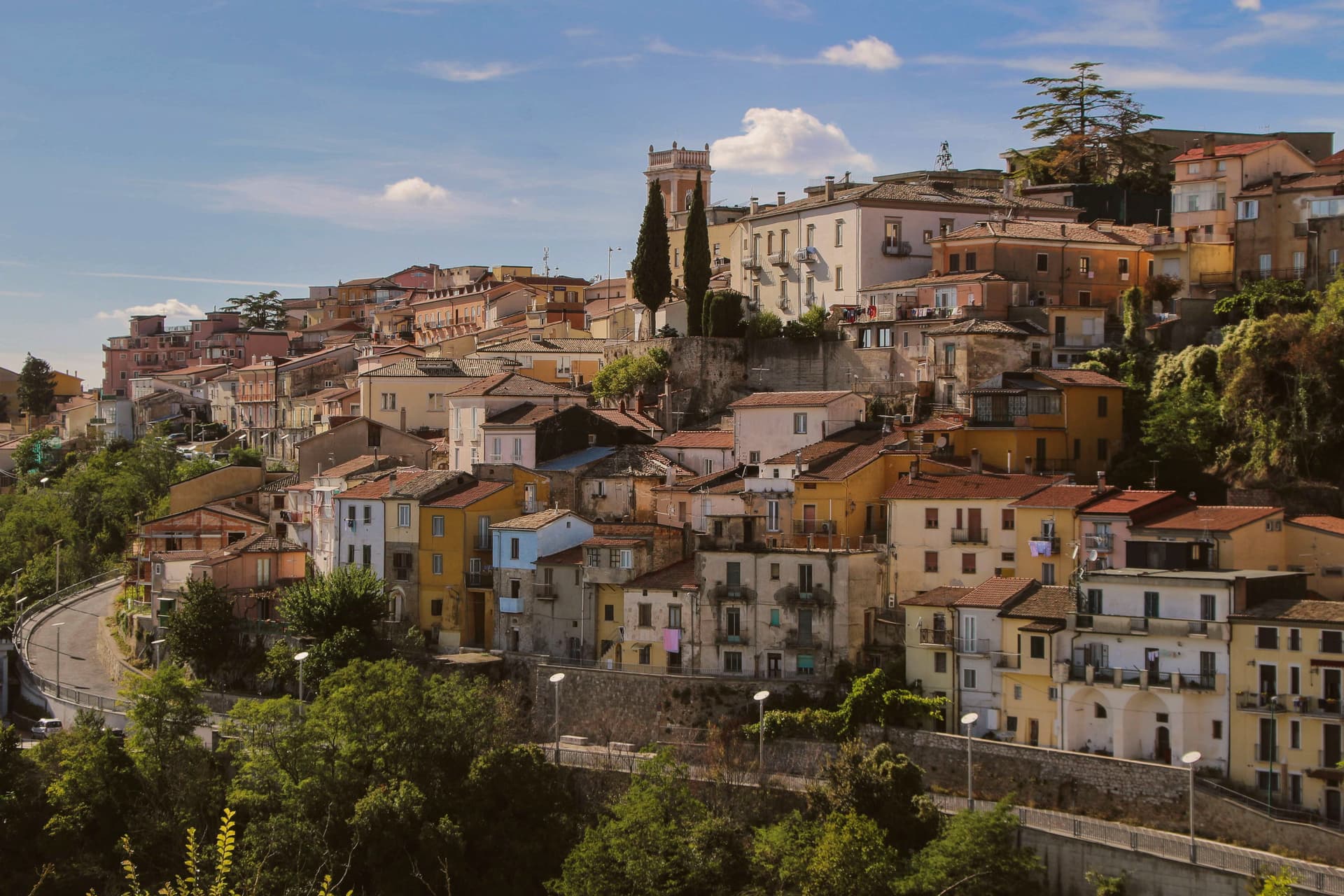
Ariano Irpino rises on three hills, Castello, Calvario and San Bartolomeo, at 788 meters above sea level, where the Apennines narrow into the pass between Campania and Apulia. The Lombards held it, the Normans rebuilt the castle, and in the summer of 1140 Roger II convened the Assizes of Ariano, the forty-clause legal code that unified Norman, Lombard, Byzantine, Latin canon, Muslim and Jewish law for the Kingdom of Sicily.
The cathedral, dedicated to the Assumption, was completed in its current form in 1736. Ariano's majolica, glazed ceramic made here in waves of style since the medieval period, hit its peak in the eighteenth century with eleven kilns and twenty-nine craftsmen; the Museo Civico e della Ceramica in Palazzo Forte holds more than 250 pieces from the fourteenth century forward.
Known as Ariano di Puglia until 1930, the town carries both the Città dell'Olio and Città della Ceramica designations.
Maeba Restaurant, La Pignata have been named by a guide.
What to see in Ariano Irpino
- Castello Normanno. Norman fortress on the highest of the three hills, anchor of the Assizes of Ariano in 1140 and the strategic pass between Campania and Apulia.
- Cattedrale di Santa Maria Assunta. Cathedral of the Ariano-Lacedonia diocese, completed in its current form in 1736 by bishop Filippo Tipaldi.
- Museo Civico e della Ceramica. Civic and Ceramics Museum in Palazzo Forte, over 250 majolica pieces from the fourteenth century onward, the record of Ariano's kiln tradition.
How to get to Ariano Irpino
There is a railway station in the town, so you can arrive without a car and never need one while you are here. Foggia is roughly 64 minutes away by road.
Our tip
May through October is the open season at 788 meters: warm days, cool nights, and clear air across the Ufita valley. July and August are tolerable up here while the Foggia plain bakes; the August Festa della Madonna fills the Tricolle. April and November are shoulder months with shifting weather.
Termoli
Why visit Termoli
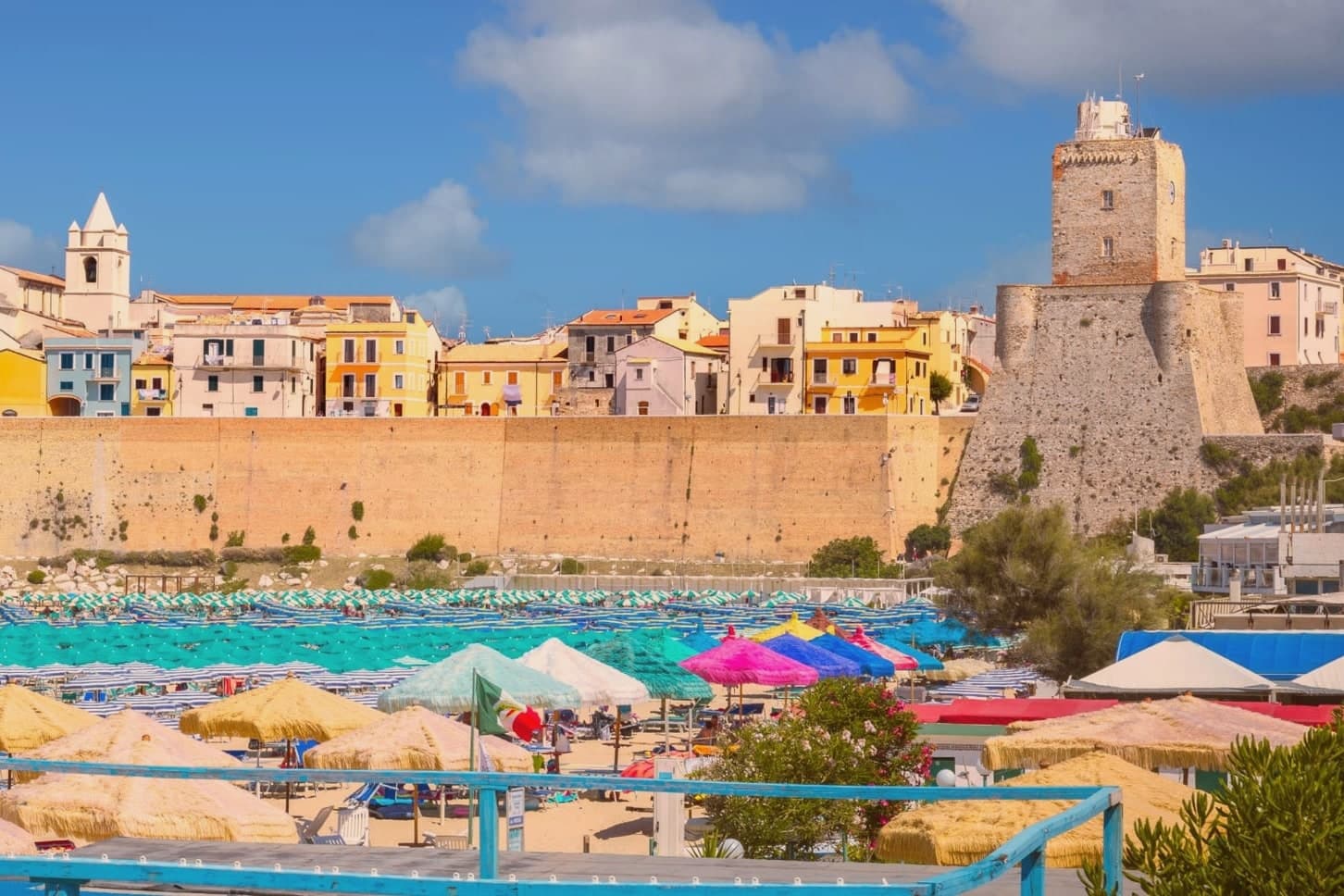
Termoli sits on a promontory pushing into the Adriatic between two beaches, the only seaside town and the only port in Molise. The walled quarter occupies the tip of the promontory itself: a maze of narrow lanes lined with low white and ochre houses, built for fishermen and still laid out as they left it, with the castle anchoring one end and the cathedral square at the center.
Outside the walls, the coast runs east and west with the wooden trabucchi platforms still worked from the rocks on calm days, while the newer town extends inland from the old core. One of the largest tank battles of the 1943 Italian campaign was fought through these streets between 2 and 6 October.
What holds the town together is the promontory itself: a small fortified point that has had to serve as harbor, defense, parish and battlefield in turn, with the rest of Termoli built up around it rather than the other way round.
Federico II, Svevia, Don Giovanni Steak House and 2 more have been named by a guide.
What to see in Termoli
- Castello Svevo. The fortress Frederick II rebuilt stands as the visual anchor of the borgo antico, its walls facing the sea rather than the town it once defended.
- Cattedrale di Santa Maria della Purificazione. Apulian Romanesque cathedral from the twelfth and thirteenth centuries, holding the relics of San Basso and San Timoteo, patrons of the city.
- Borgo antico. Walled fishermen's quarter on the promontory, a maze of low white and colored houses, narrow lanes and small piazzas above the sea.
How to get to Termoli
There is a railway station in the town, so you can arrive without a car and never need one while you are here. Foggia is roughly 69 minutes away by road.
Our tip
May through September is the season Termoli was built for: hot dry days, Adriatic light, the beaches working at full capacity, and the ferry to the Tremiti islands running daily. July and August fill with Italian families on holiday and the lungomare becomes hard to walk in the evening. April and October are the shoulder months; the borgo antico opens again to people who actually want to walk it, and the cathedral piazza is quiet. Sagra del pesce falls in the season.
San Severo
Why visit San Severo
San Severo sits at 86 meters on the Tavoliere delle Puglie, north of Foggia and inland from the Gargano. The town was founded in the eleventh century around a small church built by Benedictine monks from Montecassino, and grew through the medieval period into the capital of the upper Daunia.
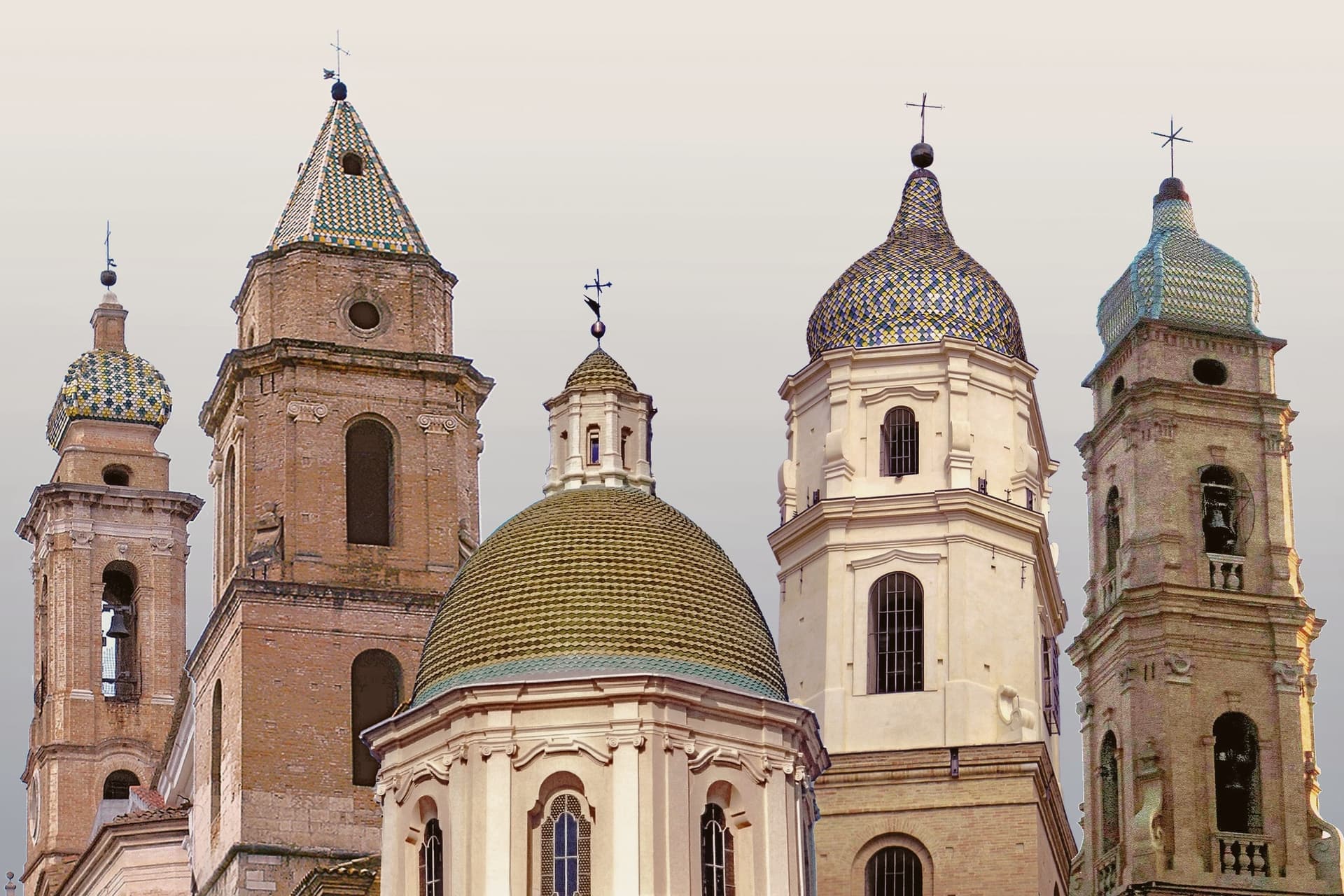
The 1627 earthquake almost levelled it, killing eight hundred inhabitants and pulling reconstruction into the late seventeenth century after a plague epidemic in 1656 added three thousand more deaths. The Cattedrale di Santa Maria Assunta, originally late-medieval, was rebuilt in Baroque after the quake.
San Severo is best known nationally for its wine: the San Severo DOC, approved on 19 April 1968 by presidential decree, was the first protected designation in Puglia, with 2,000 hectares of red, white, rosé and the occasional spumante across San Severo, Torremaggiore, San Paolo di Civitate, Apricena, Lucera and Lesina. The annual Carnevale, with its rolling fanoia firework blasts, is one of the loudest in southern Italy.
La Fossa del Grano have been named by a guide.
What to see in San Severo
- Cattedrale di Santa Maria Assunta. Late-medieval cathedral rebuilt in Baroque style after the 1627 earthquake, the principal religious monument of the Daunia.
- Chiesa di San Severino Abate. Baroque basilica dedicated to the patron saint, built over the eleventh-century Benedictine foundation that gave the town its name.
- Palazzi Baroque. Eighteenth-century noble palazzi built in the post-earthquake reconstruction, lining the streets of the centro storico.
How to get to San Severo
There is a railway station in the town, so you can arrive without a car and never need one while you are here. Foggia is roughly 31 minutes away by road.
Our tip
April through June and September through October are the workable months on the Tavoliere. The vineyards of the San Severo DOC are in leaf by April and in harvest from late August through September. July and August push past thirty-eight degrees on the open plain and the centro storico empties between two and five; the Tavoliere is one of the hottest places in Puglia. Festa di San Rocco falls in August.
More from Anywhere Italy
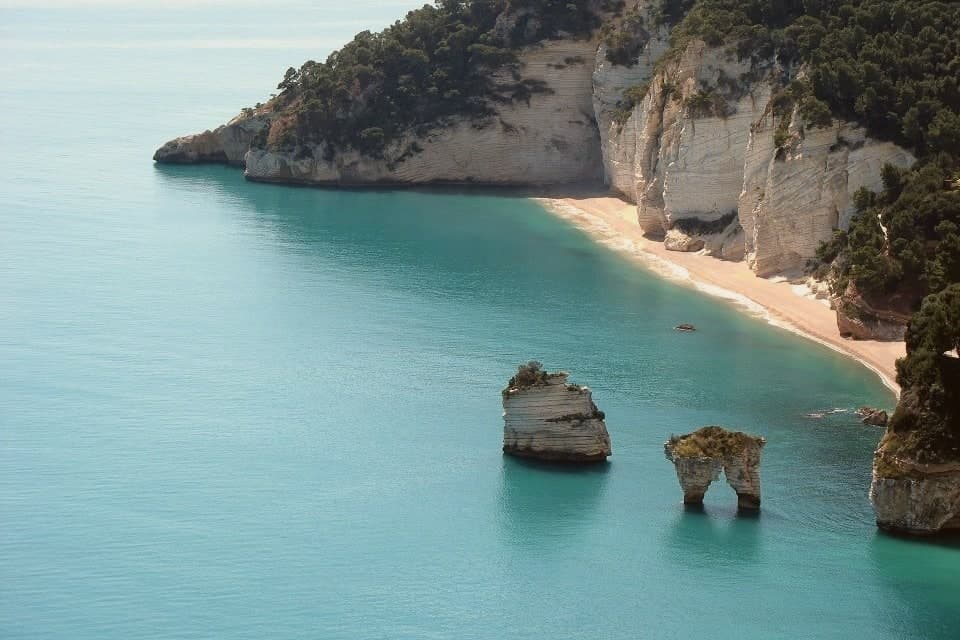 The best olive oil towns that eat well within 90 minutes of Foggia
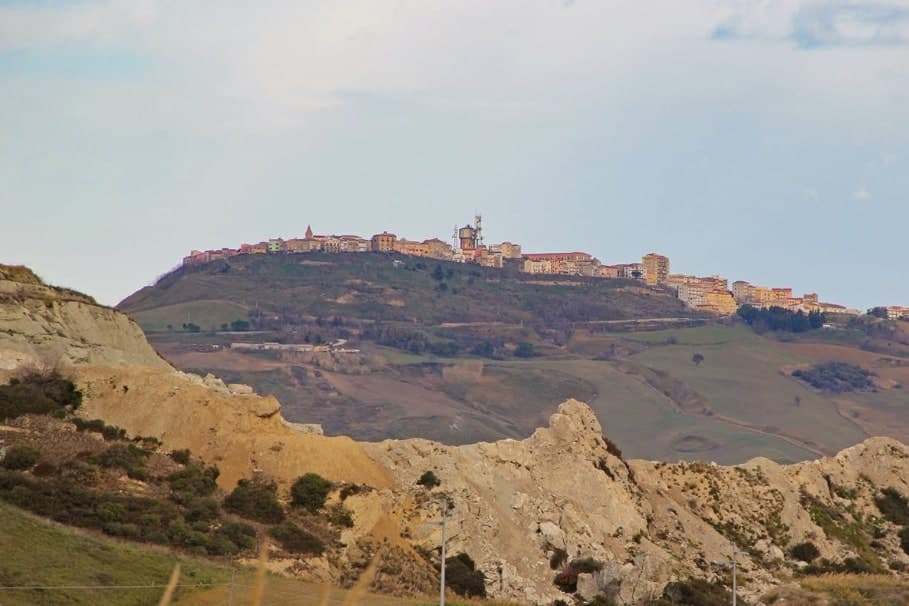 The 8 best olive oil towns you can reach by train within 90 minutes of Foggia
- The best towns with a serious restaurant that eat well within 90 minutes of Foggia
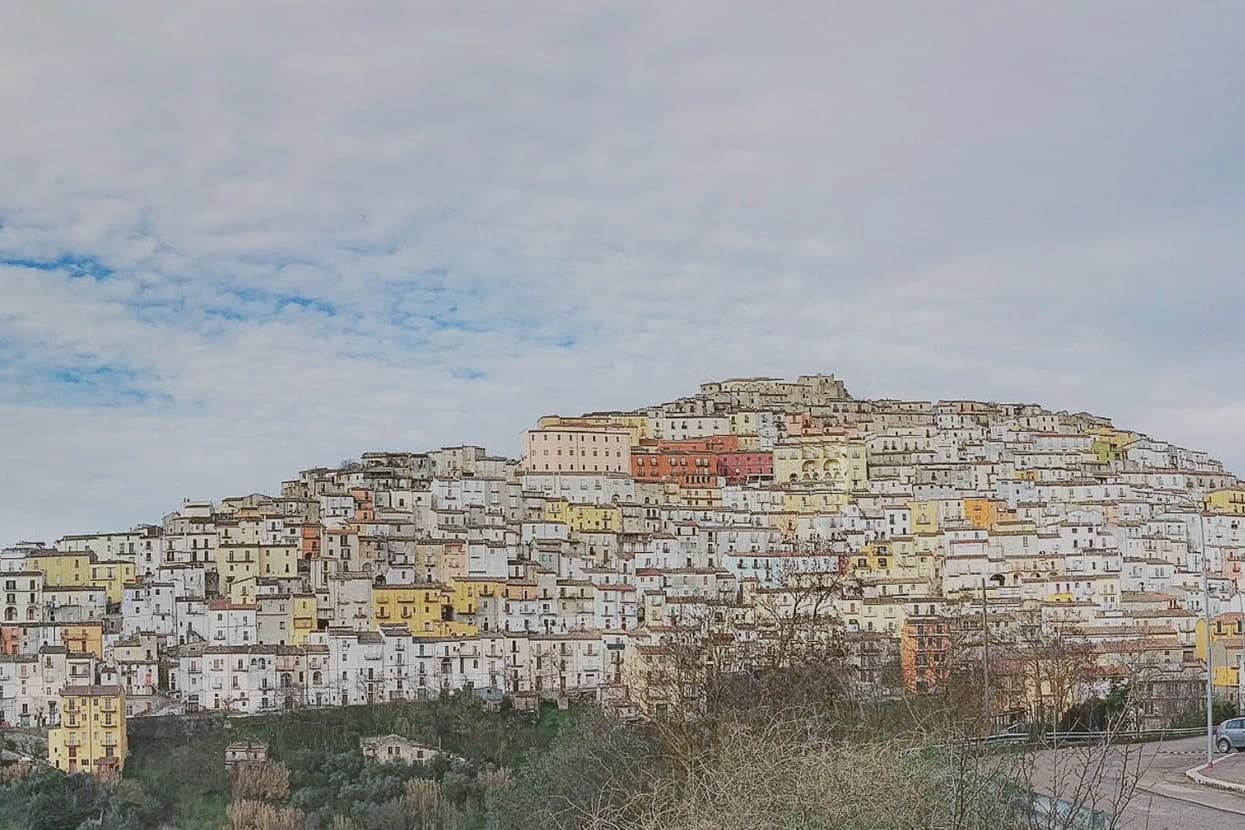 The best hill towns you can reach by train within 90 minutes of Foggia
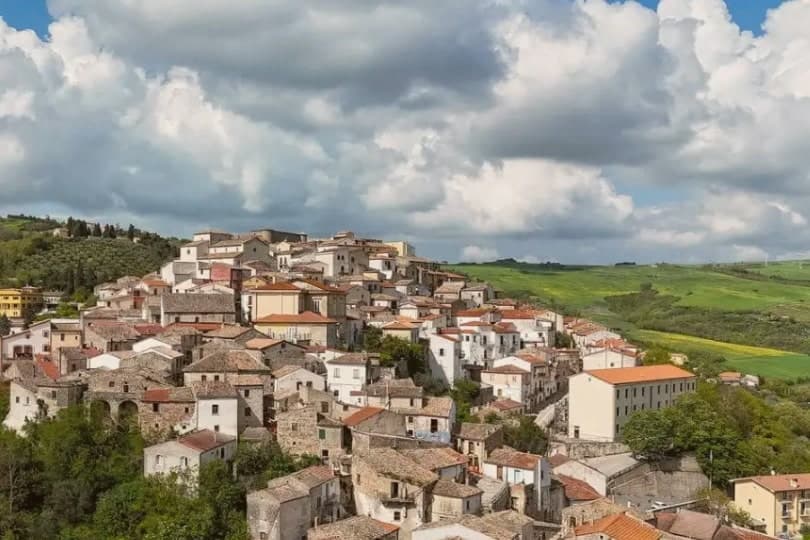 The best hidden hill towns within 90 minutes of Foggia
 The best wine towns within two hours of Bari