
Umbria · Perugia
Trevi
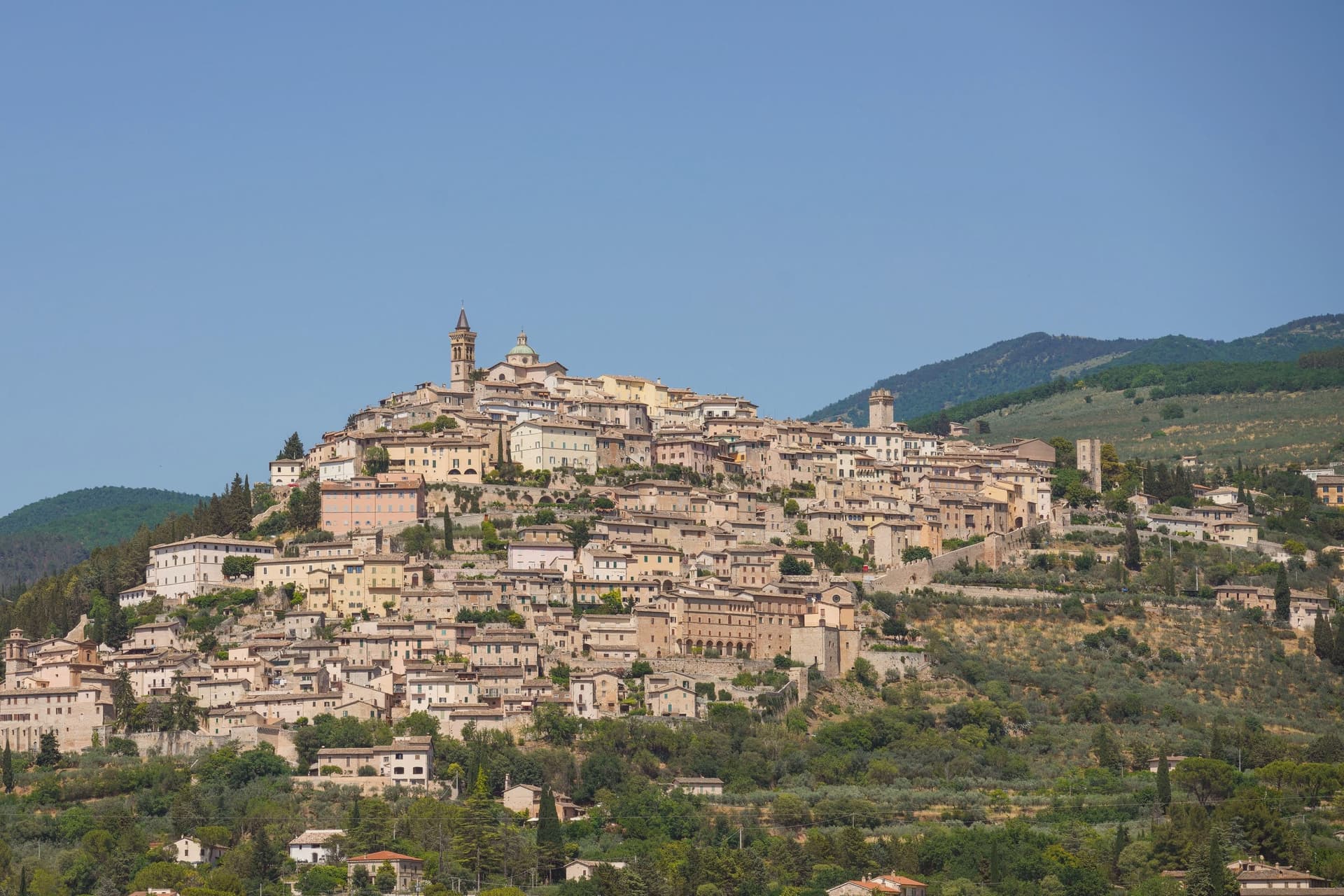
A walled town above the Spoleto valley, ringed by 200,000 olive trees that make it the Umbrian capital of olive oil.
- Best time
- Apr–Oct
- By car
- 45 min from Perugia
- By train
- Station in the comune
- Population
- 8,063
Known for
OLIVE OIL
Over 200,000 trees blanket the slopes below the walls; Trevi is one of the Italian Città dell'Olio benchmark towns for extra virgin production.
MADONNA DELLE LACRIME
1485 apparition of a weeping Madonna led to the sanctuary built in 1487, with a Perugino fresco in the chapel of adoration.
VIA FLAMINIA
Roman walls of the 1st century BC still encircle the centro storico, on the consular road from Rome to the Adriatic coast.
- J9°
- F12°
- M14°
- A17°
- M22°
- J27°
- J32°
- A31°
- S25°
- O20°
- N14°
- D11°
- Best
- Hot or crowded
- Quiet
- Mostly closed
Daytime averages, 2020–2024. Weather data by Open-Meteo.com.
Why come
Trevi sits on a conical hill above the Spoleto valley, the centro storico still inside the Roman walls of the 1st century BC. The town stood on the Via Flaminia, the consular road from Rome to the Adriatic, and grew into a Guelph commune by the 12th century. Olive oil is what people come for.
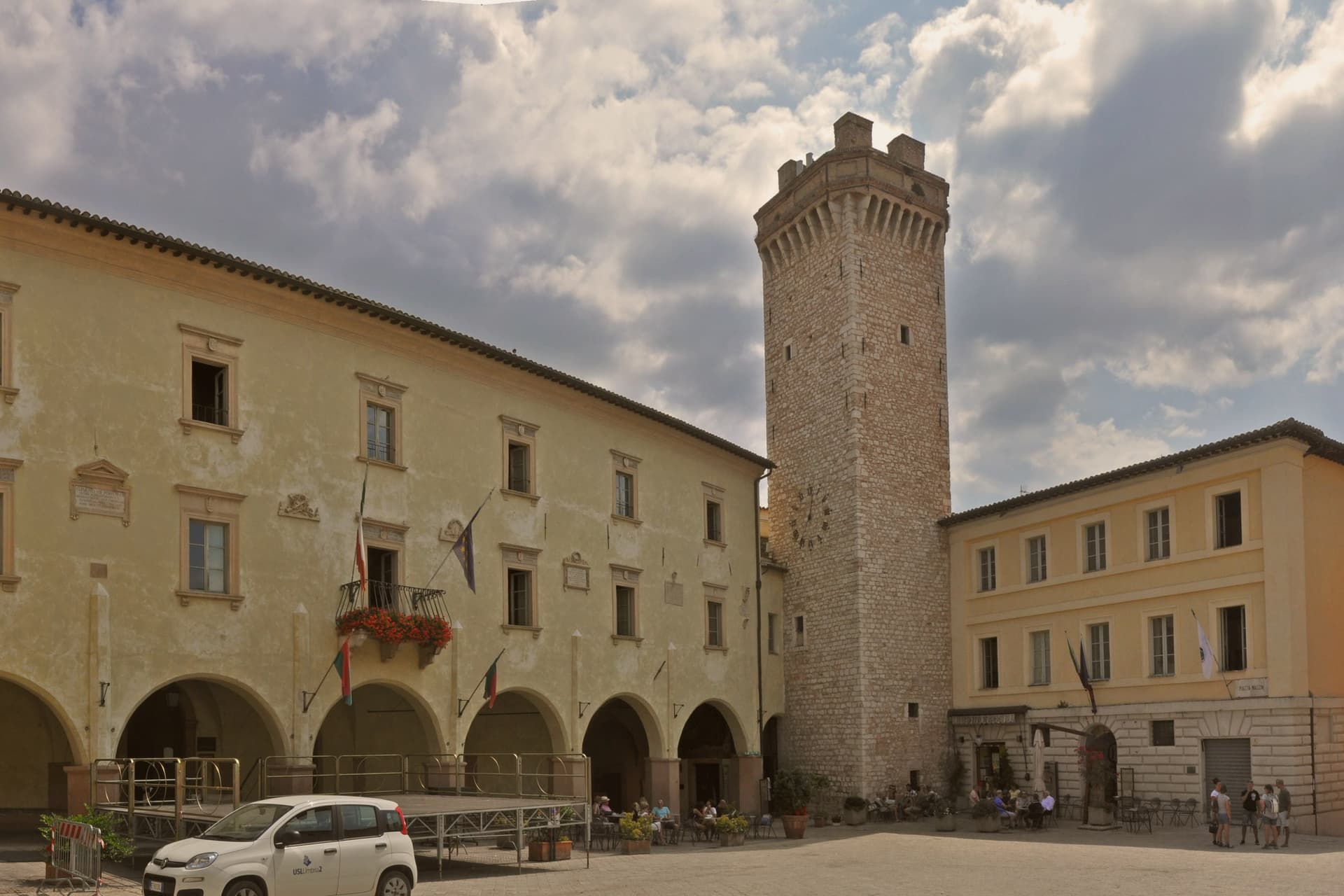
Over 200,000 trees blanket the slopes below the walls on near-ideal calcareous, well-drained soils, and the Olivo di Sant'Emiliano, at Bovara by the abbey of San Pietro, is about 1,700 years old, identified with the tree the bishop of Trevi was tied to in 304 before his martyrdom. The Santuario della Madonna delle Lacrime, built in 1487 to mark a miracle, holds a fresco by Pietro Perugino. The centro storico runs in concentric rings up the hill, each ring older than the last, with the Palazzo Comunale and the Pinacoteca holding works by Lo Spagna at the top.
How to get there
From Ancona (AOI), about 1 h 46 min by car.
Rome Fiumicino (FCO) is about 2 h 45 min away.
By car from the center of Perugia 45 min, Ancona 1 h 57 min or Siena 2 h 7 min.
There is a railway station in the comune, so you can arrive without a car.
Coming by train into Perugia? Trevi is about 44 min away by road.
Every town within reach of Ancona airport.
First time driving in Italy? Read our complete manual.
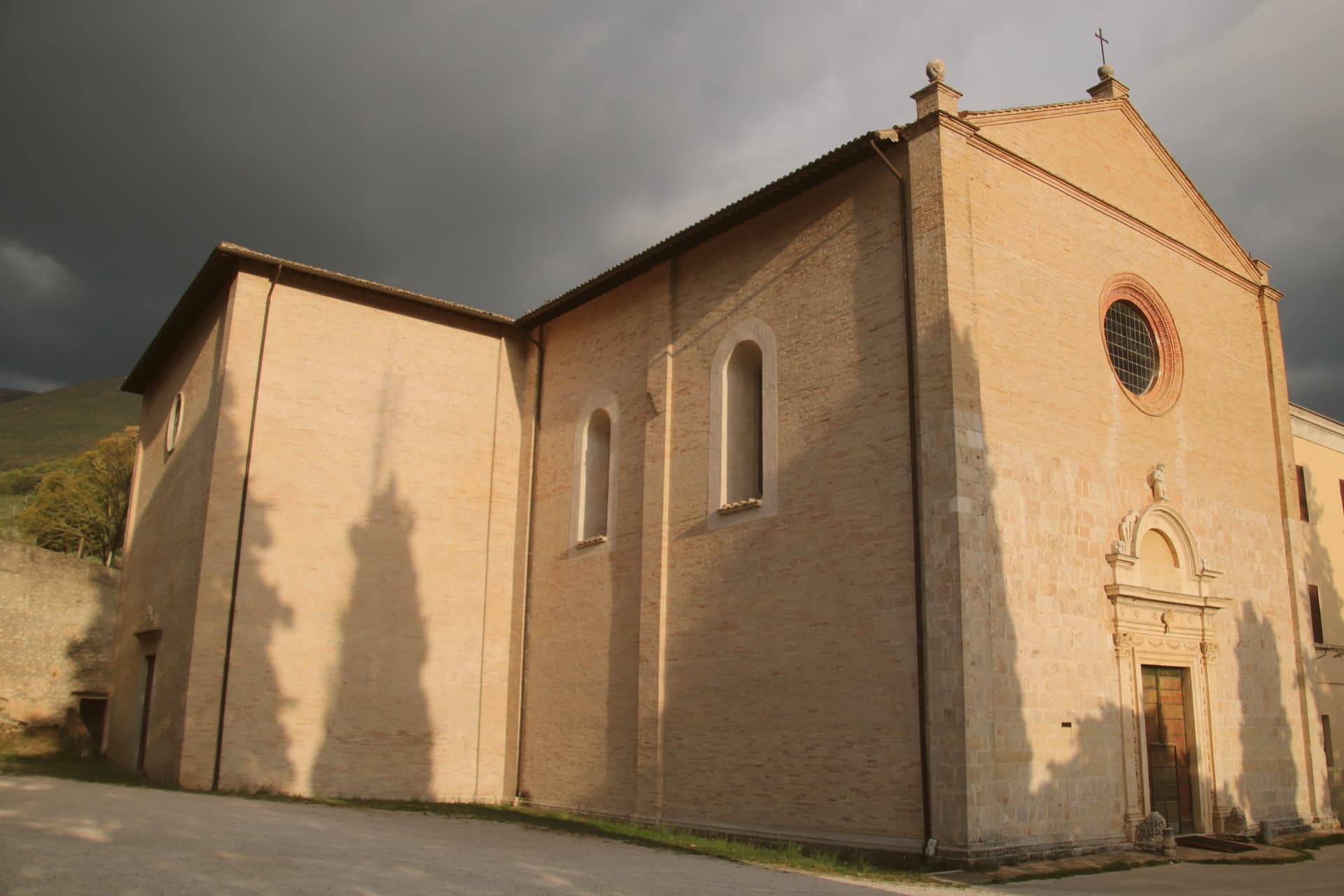
What to see
Santuario della Madonna delle Lacrime
Built in 1487 after a Marian apparition wept tears of blood in 1485, with a fresco by Perugino in the Cappella dell'Adorazione.
Chiesa di Sant'Emiliano
Romanesque parish church at the top of the centro storico, dedicated to the bishop martyred in 304, the patron saint of the town.
Olivo di Sant'Emiliano
About 1,700-year-old olive tree near the eponymous church, nine meters tall, traditionally the tree to which the bishop was tied before martyrdom.
Pinacoteca Comunale e Museo di San Francesco
Civic museum in the former convent of San Francesco, holding works by Lo Spagna, Pinturicchio's circle, and a section on the local olive oil tradition.
Chiesa di San Pietro a Pettine
Thirteenth-century rural church 500 meters north of town, built of dressed stone mixed with material from ancient Roman monuments.
Bovara
Frazione below Trevi on the old Via Flaminia, home to the abbey of San Pietro and the millennial olive tree of Sant'Emiliano.
The slow-trip planner
Building a trip? Find where Trevi fits in a slow Italy circuit.
Answer six questions. We will shape a geographically coherent slow trip from the 1,000 Italian towns most travelers skip. Yours to save and share.
From the guides
Where to eat
Not our picks, but places the guides put their name to: a Michelin star, a Gambero Rosso fork, a Slow Food snail, a Michelin Key for the hotels. Worth a table, a counter, or a night when you pass through.
La Cucina di San Pietro a PettineRistorante
La Cucina di San Pietro a Pettine holds one Gambero Rosso fork (79/100).
Before you sit down: how to order at a restaurant, how to spot a tourist trap, what aperitivo is and how the Italian bar works.
Living here
- Population 8,063, down 6.5% since 2015
- Commuter belti
- Pharmacy in town
- High school within a 30-minute drive
- Train station in the comune
- Nearest national health service hospital Foligno, 11 km as the crow flies · how healthcare works in Italy
- Full fibre reaches 43% of homes
- Primary school in the comune
- Earthquake zone 1, Italy's highest hazard
- Ancona airport, 1 h 46 min drive, the closest of the 15 airports we time
- Regional capital Perugia, 45 min drive
Could you live here?
Trevi meets all 3 of our rules for a small town.
- 8,063 people, inside our sweet spot of 5,000 to 20,000: a real town, still one community.
- Foligno, a city of 55,226, is 38 min by car. Inside our 30 to 60 minutes: close for the services, far enough to keep its own life.
- A station of its own. Trains are the overlooked way to get around Italy: no parking, straight into the center.
The rules come from our series Where to Move in Italy, written from the places we have lived: Part 1, The End of the Road · Part 2, The Small Town · Part 3, The City · Part 4, The Postcard · Part 5, The Other Half. The towns we would pick are in Part 6, The Best Towns.
The button takes you to the letter's own page on Substack, where you leave your email. About the letter
Common questions
- What is Trevi known for?
- Trevi is a walled town at 412 meters above the Spoleto valley, ringed by 200,000 olive trees that make it the Umbrian capital of olive oil.
- Where is Trevi?
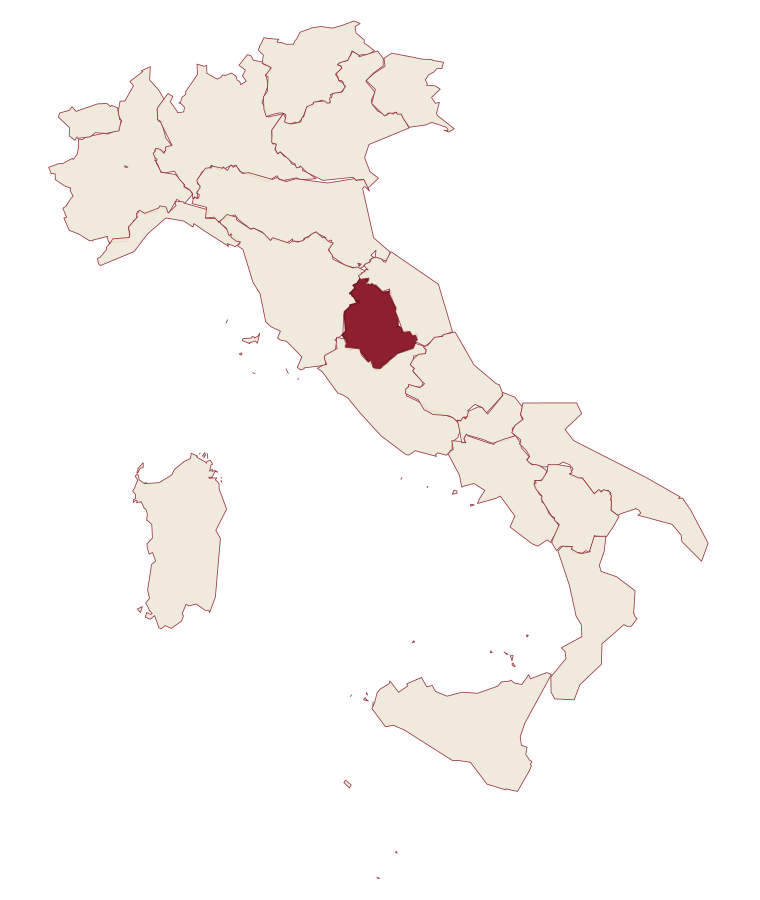
- Trevi is a comune in the province of Perugia, in Umbria.
- Which of the airports we measure is closest to Trevi?
- Of the 15 airports we time the drive to, the closest is Ancona (AOI), about 1 h 46 min by car.
- Can you get to Trevi without a car?
- Yes. There is a railway station in the comune, so you can arrive by train.
- How long is the drive from Perugia to Trevi?
- About 45 min by car.
- When is the best time to visit Trevi?
- Best in Apr–Oct. July is the warmest month, averaging 32 degrees, and May the wettest, with about 13 rain days.
- Which other towns are like Trevi?
- Spello, Nocera Umbra and Montecosaro.
- How many people live in Trevi?
- 8,063 at the 2023 count.
- Is Trevi a good place to live?
- By the rules in our Where to Move in Italy series, Trevi is a small town that meets all 3 of our rules. The nearest city, Foligno, is 38 min away by car. The nearest national health service hospital is in Foligno, 11 km as the crow flies. Full fibre reaches 43% of homes.
Tags & datadesignations · numbers · sources
Recognized as
Landscape
The numbers
- Elevation: 412 m
- Population: 8,063
- Surface area: 71.19 km²
These figures were compiled from public directories: ISTAT, OpenStreetMap and Wikidata, and from the official listings of the guides named on this page. Town details change; verify with official sources before you travel.
Similar
Towns like Trevi
What all six share with Trevi: inland, away from the coast · between 3,000 and 10,000 people · hill towns · have a railway station in the comune
The ranked lists
Lists Trevi appears in
- The 6 prettiest villages you can reach by train within 90 minutes of PerugiaNear Perugiaby trainwithin 90 minprettiest villages6 towns · smallest 3,383 residents · closest 28 min away
- The best hill towns that live slowly within 90 minutes of PerugiaNear Perugiahill townwithin 90 minslow living6 towns · smallest 1,429 residents · closest 45 min away
- The best olive oil towns you can reach by train in the province of PerugiaPerugia provinceolive oilby train6 towns · smallest 2,314 residents
- The best hidden hill towns you can reach by train in the province of PerugiaPerugia provincehill townby trainhidden7 towns · smallest 2,314 residents
- The best hidden olive oil towns that eat well in UmbriaUmbriaolive oileats wellhidden7 towns · smallest 2,555 residents
- The best hidden towns you can reach by train that eat well within 90 minutes of PerugiaNear Perugiaby trainwithin 90 mineats wellhidden7 towns · smallest 5,072 residents · closest 23 min away
Our guide
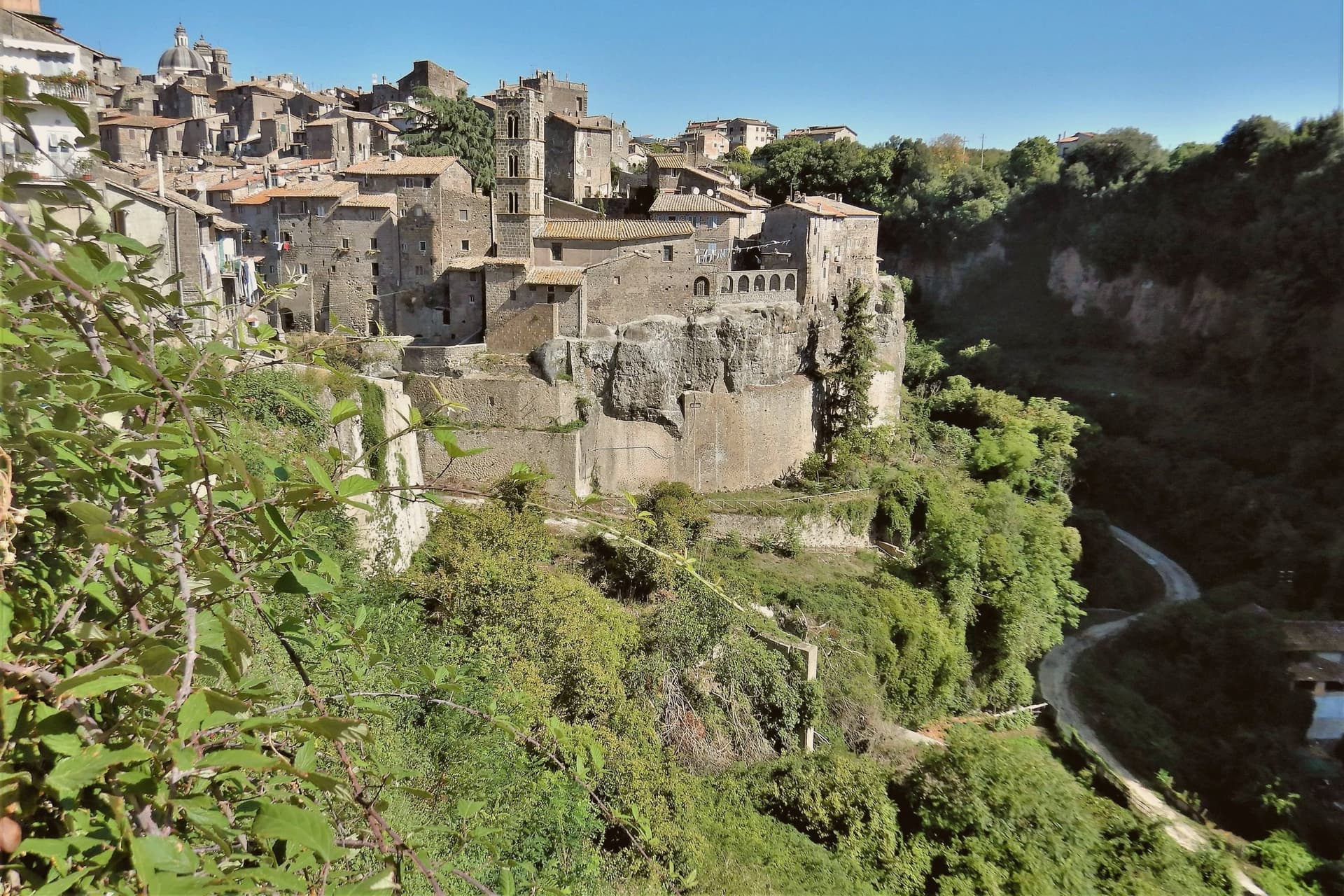
Our nearest guide, 79 km away
Tuscia: the towns, when to go, how to get there
The Tuscia guide came out of the letter. Letters from the towns we visit. Free.
The button takes you to the letter's own page on Substack, where you leave your email. About the letter
Read the guide: The land Rome took twice. 16 towns, the drive and train times, the months, where to eat and sleep.