
Campania · Avellino
Lapio
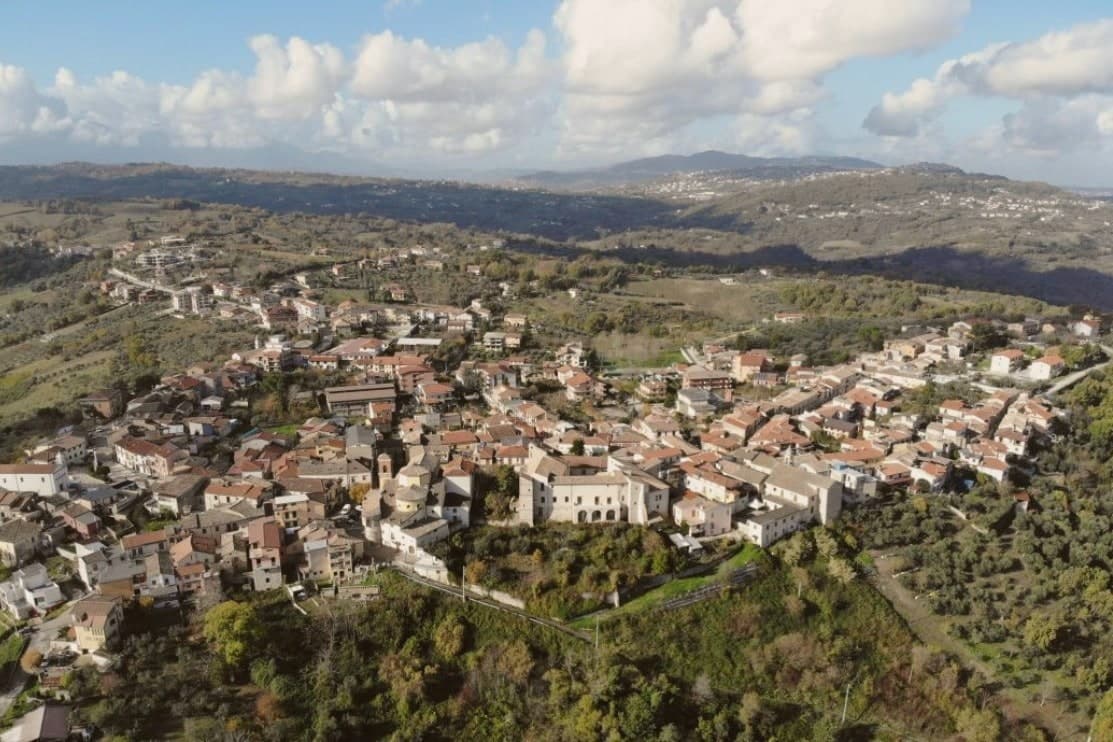
An 1,428-resident Irpinia hilltop borgo at 590m in the hills east of Avellino, recognised by a rare four-signal combination (Città del Vino + Olio + Miele + Nocciola) for the whole local agricultural ecosystem.
- Best time
- May–Jun, Sep–Oct
- By car
- 59 min from Salerno
- By train
- Station in the comune
- Population
- 1,428
Known for
FIANO DI AVELLINO DOCG
Historic cru village for the Campanian white made from the Roman 'Apianum' grape. Modern DOCG since 1990s. 10+ cellars open for tastings.
CASTELLO FILANGIERI
11th-c Norman castle, 16th-c Filangieri rebuild. Panoramic view across the Sabato valley + Partenio massif.
FOUR-SIGNAL TOWN
Città del Vino + dell'Olio + del Miele + della Nocciola, a rare 4-signal combination covering the whole local agricultural ecosystem (Fiano + Aglianico, Irpinia DOP oil, Apennine honey, Tonda Romana hazelnut).
FESTA DEL FIANO
Late September, cellar tours + tastings across the comune. The year's main civic + cultural event.
When to visit
Best · May–Jun, Sep–Oct
- J9°
- F11°
- M12°
- A15°
- M20°
- J26°
- J30°
- A29°
- S24°
- O20°
- N14°
- D11°
- Best
- Hot or crowded
- Quiet
- Mostly closed
Daytime averages, 2020–2024. Weather data by Open-Meteo.com.
The festa: Pietro da Verona, 29 April
Why come
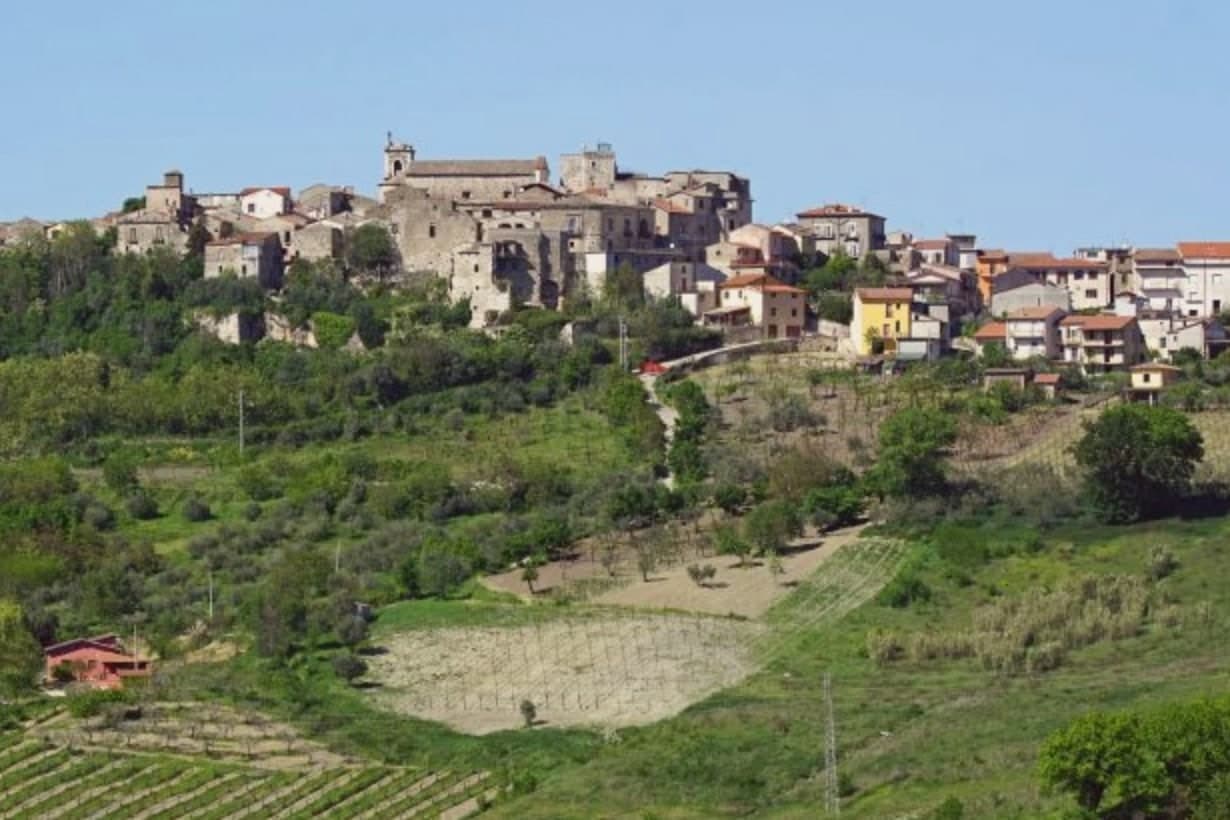
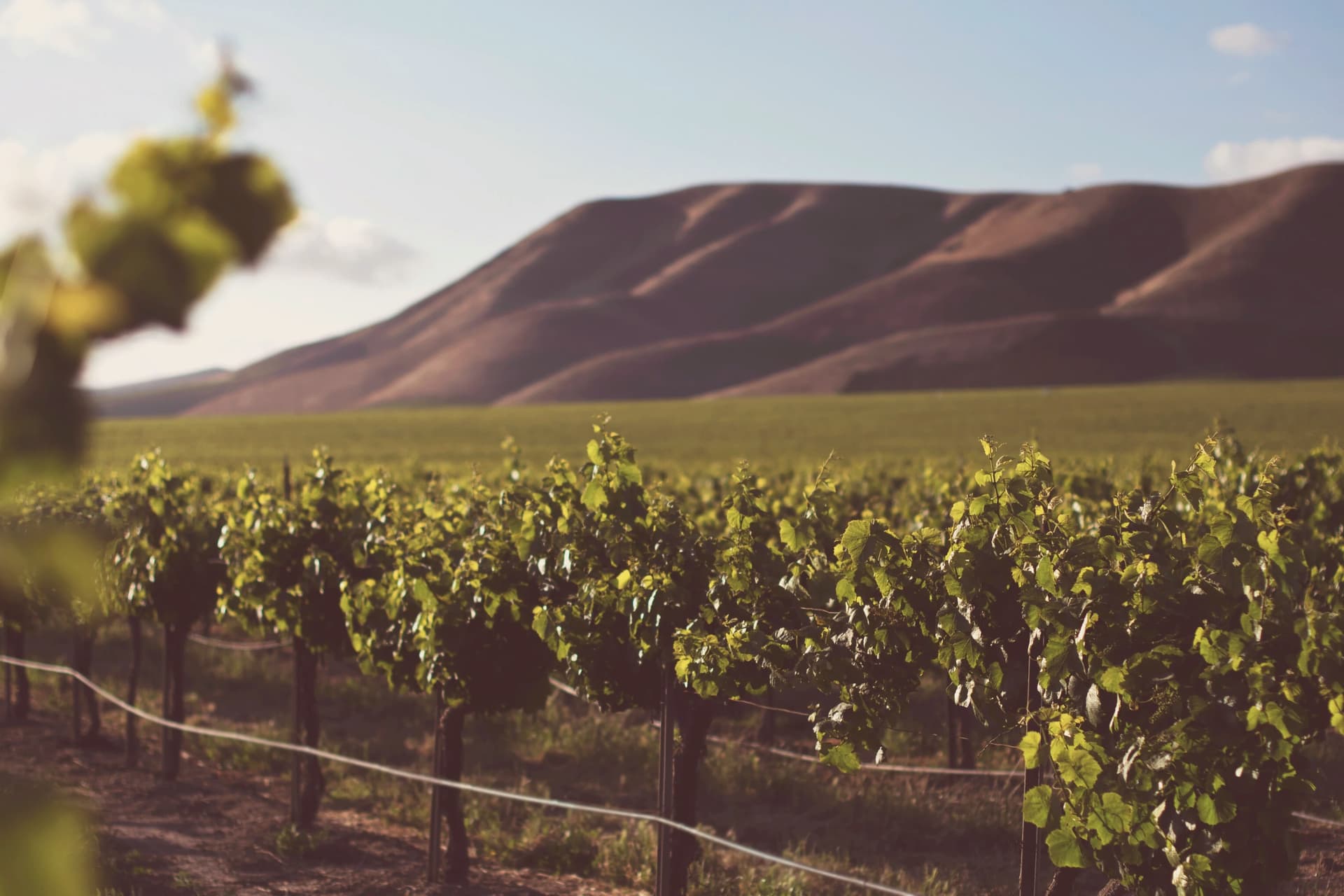
The name of the grape behind the local wine, 'Apianum', comes from the Roman word for bee, api, because the grape was said to be sweet enough to draw them. It has been grown across the Irpinia hills east of Avellino since at least the 1st century AD, though it only became a serious modern DOCG from the 1990s onward, thanks to producers here and in Montefredane, Summonte, and the neighbouring villages. The comune itself sits at 590m on a hilltop, its narrow stone-paved vicoli climbing from the central piazza up to the castle at the high point, past the Chiesa Madre di San Pietro Apostolo and the Convento dei Cappuccini just outside the walls.
The four Città designations held here, del Vino, dell'Olio, del Miele, della Nocciola, are not scattered honours but a single picture: Fiano and Aglianico from the vineyards, Irpinia DOP oil from the terraces, chestnut and multifloral honey from the Apennine forests above town, and the hazelnut trade that makes Avellino province the second-largest producer in Italy after Cuneo. Beyond the comune: Avellino 24 km west, Mirabella Eclano with its Roman Forum and Carro di San Pellegrino procession 15 km north, and the Partenio and Sannio mountains immediately east, whose forests supply both the honey and the local game. The food follows the same logic: pasta al ragù di castrato, brodo di tagliolini con scarola, Caciocavallo Podolico matured 12 or more months on Apennine pastures, torrone tenero made with hazelnuts and honey, and the wine with all of it. Depopulation has cut the town from 2,400 residents in 1951 to 1,428 today, but the surrounding land, vine, olive, forest, and hazelnut grove, still accounts for nearly everything the place is known for.
The Sunday letter
Lapio is on our list. Its letter is still to come.
We are writing about all 1,000 of these towns, one at a time, in a free letter every Sunday: the photo, the food, the festa. That is our mission. Sign up and you will be there when Lapio comes up. By Peter & Sophia, from Pietrasanta.
Read on
Lapio in our articles
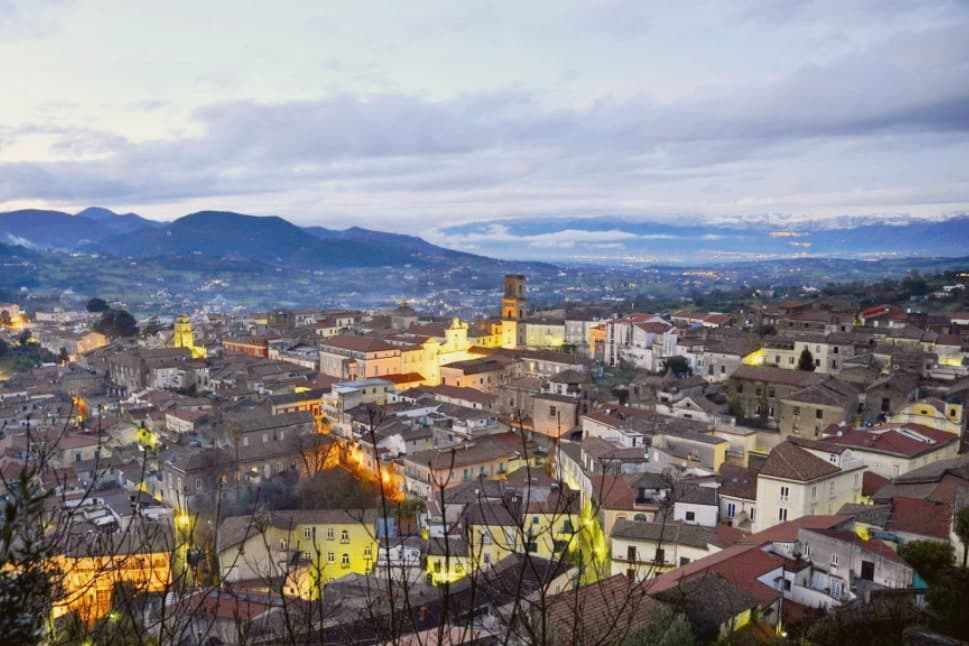
 The best towns you can reach by train in the province of Avellino6 towns, Lapio among them.
 The best wine towns within 90 minutes of Naples6 towns, Lapio among them.
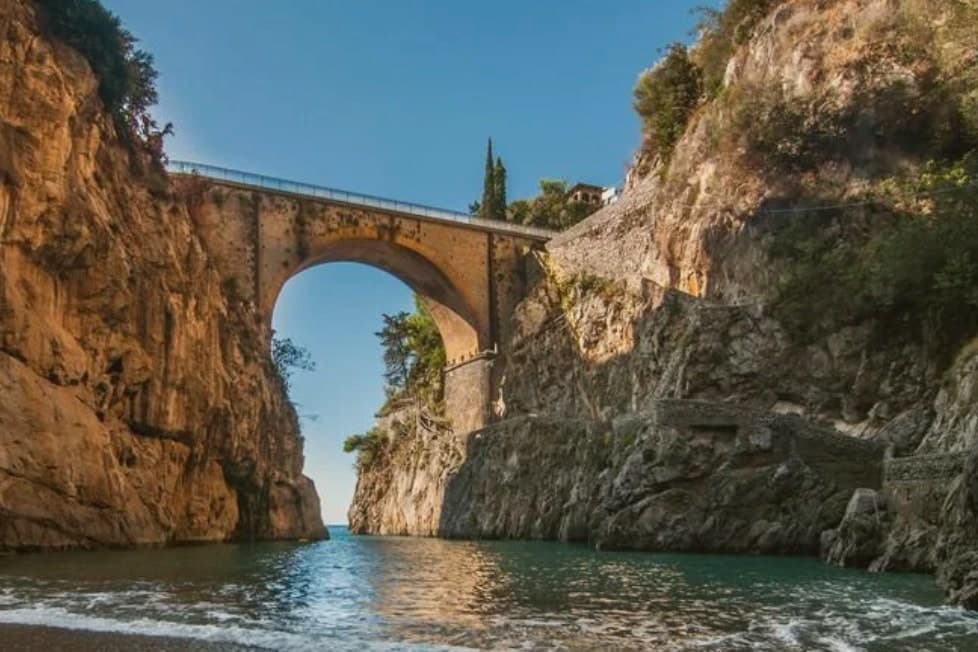
 The 7 best wine towns you can reach by train in Campania7 towns, Lapio among them.
 The 8 best wine towns within 90 minutes of Salerno8 towns, Lapio among them.
How to get there
From Naples / Salerno (NAP), about 1 hour by car.
Bari / Brindisi (BRI) is about 2h 26m away.
By car from the centre of Salerno 59 minutes, Naples 1h 10m or Bari 2h 30m.
There is a railway station in the comune, so you can arrive without a car.
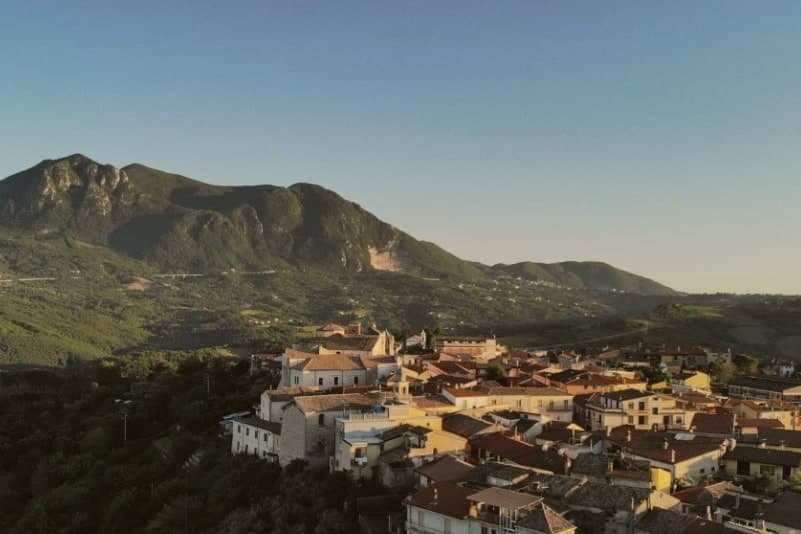
Coming by train into Salerno? Lapio is about 1 hour away by road.
What to see
Fiano di Avellino DOCG cellars
Lapio is one of the historic cru villages, 'Apianum' grape since Roman times, modern DOCG only since 1990s. 10+ cellars in the comune + immediate neighbours open for tastings.
Castello Filangieri
11th-c Norman castle rebuilt by the Filangieri family in the 16th c. Anchors the high point of the medieval centro with the panoramic view across the Sabato river valley + the Partenio massif.
Centro storico + Chiesa Madre
Intact stone-paved vicoli climbing from the central piazza to the castle. The 15th-c Chiesa Madre di San Pietro Apostolo + the Convento dei Cappuccini just outside the walls.
Tonda Romana hazelnut + Irpinia honey
The local Tonda Romana hazelnut variety (Avellino is Italy's 2nd-largest hazelnut province) is the foundation of regional confectionery. Plus Irpinia chestnut + multifloral honey from the Apennine forests above town.
Partenio + Sannio mountains
Parco Naturale Regionale del Partenio + Sannio mountains immediately east, the surrounding chestnut + oak forests that feed both the honey and the local game tradition.
The slow-trip planner
Building a trip? Find where Lapio fits in a slow Italy circuit.
Answer five questions. We will shape a geographically coherent slow trip from the 1,000 Italian towns most travelers skip. Yours to save and share.
Living here
- Population 1,428
- Commuter belti
- Pharmacy: none mapped
- High school within a 30-minute drive
- Train station in the comune
- Nearest airport Naples / Salerno, 1 h 6 min drive
- Regional capital Napoli, 1 h 10 min drive
Common questions
- What is Lapio known for?
- Lapio is an 1,428-resident Irpinia hilltop borgo at 590m in the hills east of Avellino, recognised by a rare four-signal combination (Città del Vino + Olio + Miele + Nocciola) for the whole local agricultural ecosystem.
- Where is Lapio?
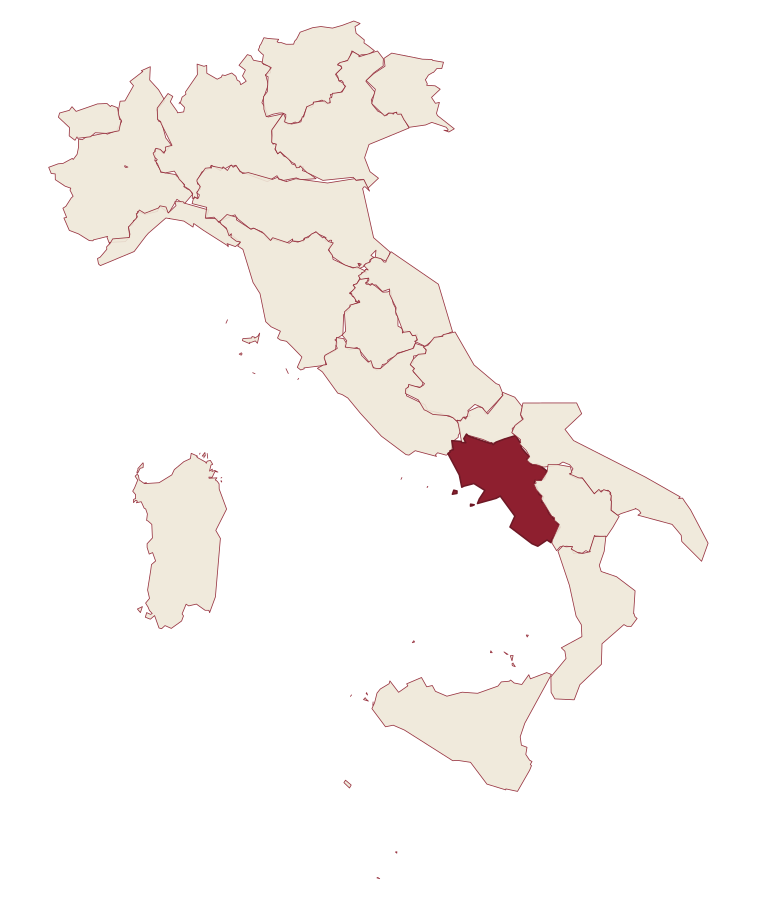
- Lapio is a comune in the province of Avellino, in Campania.
- What is the nearest airport to Lapio?
- Naples / Salerno (NAP), about 1 hour by car.
- Can you get to Lapio without a car?
- Yes. There is a railway station in the comune, so you can arrive by train.
- How long is the drive from Salerno to Lapio?
- About 59 minutes by car.
- When is the best time to visit Lapio?
- Best in May–Jun, Sep–Oct. July is the warmest month, averaging 30 degrees, and November the wettest, with about 14 rain days.
- Is there a sagra or a festival in Lapio?
- The town keeps its patron saint's day: Pietro da Verona, 29 April.
- Which other towns are like Lapio?
- Serra San Quirico, Bomarzo and Tocco da Casauria.
- How many people live in Lapio?
- 1,428 at the 2023 count.
Tags & datadesignations · numbers · sources
The numbers
- Elevation: 590 m
- Population: 1,428
- Surface area: 15.25 km²
These figures were compiled from public directories: ISTAT, OpenStreetMap and Wikidata, and from the official listings of the guides named on this page. Town details change; verify with official sources before you travel.
Similar
Towns like Lapio
Serra San Quirico
Province: Ancona
both under 3,000 people · both hill towns
Bomarzo
Province: Viterbo
both under 3,000 people · both hill towns
Tocco da Casauria
Province: Pescara
both under 3,000 people · both hill towns
Vogogna
Province: Verbano-Cusio-Ossola
both under 3,000 people · both hill towns
Donnas
Province: Aosta Valley
both under 3,000 people · both hill towns
Campello sul Clitunno
Province: Perugia
both under 3,000 people · both hill towns
🍷 Città del Vino
More Città del Vino towns in Campania
Alife
Province: Caserta
A Roman walled town at the foot of the Matese, founded as a 326 BC oppidum, with Italy's fourth-largest amphitheatre still half-buried.
Benevento
Province: Benevento
Sannio capital at the Calore-Sabato confluence, with a 114 AD Trajan arch and a Lombard rotunda on the UNESCO list.
Caiazzo
Province: Caserta
A Cittaslow hill above the Volturno, turned by Franco Pepe's pizza into a destination for 800 covers a day in eighteenth-century rooms.
Centola
Province: Salerno
A Cilento hill village at 336 meters whose seaside frazione carries the name of Aeneas' helmsman.
Cerreto Sannita
Province: Benevento
A Sannio ceramics town at 290 meters, replanned on an orthogonal grid after the 1688 earthquake leveled the old hill.