
The 50 Rules of Slow Travel in Italy
The short answer: the crowd is the enemy of the experience, so build the entire trip around being where it isn't. Pick one base and refuse to move. Plan one thing a day. Skip August entirely. Know the quiet alternative to every famous place, and when in doubt, drive further south than feels comfortable. Those five sentences are the spine; the fifty rules below are the working parts, and the three at the bottom carry all the others.
I write longform, because I believe travel and the writing about it should both move slowly. But sometimes the internet wants the short version, and most of you are a little addicted to lists, so here is one: fifty semi-serious rules for slowing down and taking a trip with your full attention. They work anywhere. I was thinking about Italy when I wrote them.
Reddit was the inspiration, though not the way you'd expect. Open almost any Italy thread where someone asks the room to critique an itinerary. In nearly every case the plan has ten times the items it should; my personal favorite ran Rome, Venice, Florence, a Tuscan road trip, two cooking classes, and maybe the Cinque Terre, all inside ten days. If you just thought "that's doable," you have a problem and this post is not for you. If you thought "that's insane," good. Here is how to do it properly.
The basics
1. Don't confuse travel for leisure with travel for business. If your trip runs on a schedule, you are not on holiday, you are at a conference. The whole point of Italy is the two hours spent sitting on a square doing nothing, so instead of squeezing those moments in around the edges, build the trip so they sit at the center and everything else is a distraction worth taking.
2. Pick a base and refuse to move. The fewer stops, the slower the travel. Five cities means five arrivals and five departures and hours lost to logistics alone. One base, with the occasional day trip from it if you must.
3. Stop fighting the local schedule and build around it. Restaurants close between three and seven, shops between one and four. Sightsee before midday, use a museum to hide from the afternoon heat, and accept the long lunch and the longer dinner as the structure of the day rather than an interruption to it.
4. Use your eyes, not your phone, to pick a restaurant. Most reviews are fake anyway, and the ratings compress toward the top so there is little to learn from the stars. You are in Italy; a bad meal is hard to find if you know the signals, and the signals can be learned in ten minutes: how to spot a tourist trap restaurant in Italy.
5. Skip the summer months if you can. July and August only if the plan is to swim. Any other month if the plan is to see the country. If you are the rare soul who can climb a Tuscan hill town in full August heat, I salute you; if not, the calendar is here: when to come.
6. Definitely skip August. Ferragosto is the month the whole country takes off. Almost nothing runs except hospitality, the international visitors are everywhere, the locals are on holiday too, and it is the hottest month. The single worst window you can pick.
7. Accept that there is no perfect plan. Some countries are simple: see Angkor Wat and you have essentially done Cambodia; two weeks in Kansai and you've seen most of Japan. Italy does not work that way. The basics alone, Venice, Rome, Florence, Milan, Naples, want four or five days each, and that is already a rush. You cannot do Italy in one trip, so stop trying.
8. Some places are worth the hype, and some are only hype. A few are one of a kind, full stop: Rome, Florence, Venice, the city of Naples. Others got famous for reasons nobody can quite reconstruct while the next town over offers the same thing with a hundred times fewer people. The Cinque Terre, Amalfi, most of the Tuscan hill-town circuit. Learn which is which before you book.
9. Travel will not change your life, so stop demanding that it does. The Vatican and the Colosseum will stay burned into your eyes, but most of a trip is not a revelation and was never supposed to be. Sometimes you need a quiet square, a good trattoria, and three days of looking out from behind your own eyes without taking a hundred photographs an hour.
10. Learn the language before you come. More than the restaurant basics if you can manage it. The more of the language you carry, the more of the culture opens, because they are the same thing; the camera only documents, while eating, speaking, and asking are the roads to anything deeper. [AFFILIATE: Babbel]
Where to stay
11. Your room is not where you sleep, it is where you wake up. A note mostly for everyone who isn't American, since Americans already overspend on hotels. If you were tempted to go cheap on the stay, don't. The room sets the tone of the whole day, and what you are buying is a clean, calm, rested start to every morning.
12. Stay inside the old city. Nearly every Italian town keeps a centro storico, sometimes still ringed by its walls. Sleep inside them if you can; walking the town freely beats hunting for a cab or circling for parking with the last of your evening energy.
13. Try the agriturismo. The Italian country hotel: a working farm that feeds you what it grows and gives you slow time and real quiet. Local, personal, and by far the best place to take a cooking class if a cooking class is what you're after.
14. Get a room with a window over something. The best days are the unplanned ones when nothing on a list is pulling you out the door, and a slow morning on a small balcony, coffee while the square wakes up below, is worth more than the view from any monument.
Getting around
15. Rent a car. Dead serious. On day one. The worst thing you can do is hand your days to a tour company's coach; the best is to drive yourself, because every experience worth having is off the usual route and every one of those routes needs a car. Take the maximum insurance while you're at it, then read the rules of the road: driving in Italy, the complete manual.
16. Get used to walking. Most Italian towns ban cars from the old center, and walking here is not transportation, it is a national pastime with no destination. Walk after lunch, walk after dinner, walk all day.
Choosing destinations, and their quiet alternatives
17. Know the alternative to every popular place. By alternative I mean a near-identical experience with ten times fewer people. This is the single highest-value piece of Italy knowledge that exists:
The list runs as far as you want to take it, and building it out is roughly this site's whole job. the quieter lists
18. Crowds kill the experience. A crowded town means longer queues, fewer free tables, more noise, less of everything you came for, and sometimes the sheer number of people ends the experience entirely. The first goal of slow travel is a simple equation: ninety-five percent of the original, with ten percent of the crowd.
19. The alternative is the better story anyway. Some of us travel to talk about it later, and there's nothing wrong with that, so consider which is the better thing to describe: Venice, where you took the same boat down the same canal to the same square as everyone else, or two days in Chioggia, where you hit the fish market, ate at the local fish place, took a boat around the lagoon islands instead of just the famous one, and slept in a local house.
20. Slow travel fits inside a normal trip. People treat it as binary, slow or the sprint. It isn't. With two weeks, do the basics in under ten days and leave four days entirely unplanned in the middle; it slows you down, settles your nerves, and on a good day talks you into canceling the rest of the plan.
At the table
21. Avoid the obvious tourist traps. Someone out front inviting you in: walk on, a good place is already full and needs no host. More tourists than locals: walk on. Food from the wrong region: walk on, spaghetti bolognese in Tuscany is the tell, and it's tagliatelle in Bologna anyway. Pizza with no wood oven in sight: walk on. The full signal set: how to spot a tourist trap restaurant in Italy.
22. Learn the regional specialties. Italian food is fiercely regional, by area, by town, sometimes by village. Knowing what belongs on the plate where you're standing keeps you out of the traps that serve anything to anyone, and teaches you more local culture than any plaque.
23. Skip the tip, pay the coperto, buy the water. The coperto is the small cover charge for the bread and the setting; the bottled water is where the margin lives. Together they are closer to the local idea of a tip than anything you'd add at the end. The full economics: how to order at a restaurant in Italy.
24. Don't try to rewrite the food. Allergies are real and respected, so flag those. Preferences are a different thing: the habit of reciting swaps and removals to the waiter does not translate here. The kitchen has made this dish ten thousand times. Eat it the way they make it.
25. A reservation is all but mandatory, and easy. Good places expect evening bookings, but here's the part nobody tells you: almost none are full during the day. See a place you like while walking at noon, step in, book it for tonight. Usually it's there; if not tonight, almost certainly tomorrow.
Pace
26. One thing a day. The simplest rule I have. One museum, one small town, one big experience, one long dinner. The Duomo and the Uffizi and the Ponte Vecchio and the David in a single day, capped with a meal, is not a trip but a checklist.
27. Familiarity is underrated. Go back to the same place at different hours. Found a café near the room? Breakfast there once, pass through in the afternoon, take the aperitivo there in the evening, stop in the next morning for a counter espresso. Slowness lives in repetition; it is the closest a visitor gets to being a local for a few days.
28. Visit the great thing twice. Counterintuitive and worth it. Some sights have no alternative and are famous for the right reasons: the Colosseum, the Uffizi, the Vatican Museums, the Grand Canal. They land the first time; go back and they land differently. I've been through the Vatican Museums maybe ten times, and it is always the most recent visit that was the fullest.
29. Boredom is your friend. Sit somewhere for hours. Buy a paper at the kiosk. Circle the same ten streets, drive aimlessly through towns, spend a day doing nothing in particular with the phone in your pocket. A day like that is a deeper luxury than any five-star room.
30. Embrace the closed doors. Plans break: the restaurant is full, the museum shut for works, the church closed for a wedding. All of it is good news. Every broken plan is a door into improvisation, and nearly all of my b
 est traveling days came from a morning that fell apart and a shrug of fine, what now?
Money
31. Almost all souvenirs are tasteless. Ninety-five percent are made in China regardless of the sticker, and the rule is simple: if you can order it from Amazon, there is no reason to buy it on a trip. The handmade artisan thing is the exception and worth it, but never expect it cheap; real Tuscan leather starts in the four figures, and anything under that is poor quality, not really Italian, or not really leather.
32. Pay extra for convenience. The direct flight, the better room, the breakfast included. Any spend that buys back time or removes stress is money well used, and it matters more the older you get.
33. Pay for knowledge. Yes, it's all online, and you can read a site like this one and build your own route. But sometimes the faster move is a two-hour call with a planner or a local guide for a morning: they hand you the thing you cannot search for, which is what a local actually knows.
34. Tipping is not a thing here. Not in restaurants, cafés, taxis, or hotels. Round up if you like, leave a little extra if the mood takes you, but nobody expects it, and the twenty-percent habit reads as strange rather than generous. The staff are paid properly or the margin is folded into the bill; the guest just eats.
For second visits and brave travelers
35. Skip the branded regions entirely. On a first trip it's hard to talk yourself out of Tuscany, so this takes either nerve or a second visit. But the best places are the ones nobody has turned into a brand yet: skip Tuscany, take Umbria; skip Amalfi, take Le Marche; skip the Cinque Terre, take Calabria; skip Sicily, take Basilicata and Puglia.
36. Learn the airport rule. The closer an international airport, the heavier the crowds: Naples, Rome, Florence, Venice, Milan. The further a place sits from all of them, the lighter the tourism. Look up the nearest international airport to Calabria, Basilicata, Le Marche, Abruzzo, or the far edges of Puglia, and you'll understand why people reach for the word "untouched."
37. Drive south. The simplest bravery rule there is. Anything below Rome counts as the south; ask a Tuscan and anything below Grosseto does. Anything below Amalfi is properly local, and the further down the boot, the less the place performs for you. Two days in a town on the Calabrian coast or up in its mountains is about the deepest experience the country offers: the name is hard to pronounce, and there is not one English article written about it. Yet. the southern regions
Food, beyond the table manners
38. Eat the parts of the animal you'd normally avoid. The tripe, the intestines, the blood sausage, the lung: almost all of it has a local version and a local fame, and there's a reason for both. Vegetarian? No problem: there are vegetables here that simply aren't standard where you live, the artichokes, the boiled greens, the black kale, plus the right place to learn how many things a tomato can be. And the olives.
39. Trust your waiter. Ask what's good today, what's fresh, what they'd order themselves, what the locals are actually eating, in Italian if you can, then let them bring what they want to bring. You will almost never be disappointed. The same goes for the house wine, which is always good.
40. Skip the restaurant dessert, eat the sweet on the move. Most of the best ones, gelato above all, are made for walking, and the walk itself is the point: a change of view between dinner and whatever comes after it.
41. Do the aperitivo. The whole ritual is built around slowing down: a drink, a few free snacks, a conversation, the deliberate winding-down before dinner, and it is something Italians actually do rather than a thing staged for visitors. Done right, you have effectively scheduled the act of relaxing. what the aperitivo is
42. Markets. Any market. By the sea, the fish market; inland, the farmers' market or the covered mercato centrale. At nearly all of them you can buy the produce and eat it later or have the vendors cook it on the spot, and either way it is one of the great experiences of a trip.
Being a good guest
43. You are a guest, so behave like one. It should go without saying: respect the local culture and keep reminding yourself you are a visitor. This is not only manners. Forget it and doors quietly close in front of you.
44. You are not a local, and that's fine. No matter how hard you try, you won't be one, and the trying is what exhausts people. I've lived here for years, I'm at home in my own corner of the coast, and I'm still not a local across the rest of Italy, and certainly not an Italian. Accept it early and save yourself the effort.
45. Respect the places that ask for it. Italy is full of churches and sacred spaces: dress for them. It is also full of old buildings and ruins: move through them with care, which means no climbing the stonework for a photo and no performances for the camera inside the museums. There's a well-deserved fine waiting otherwise.
46. Leave the place better than your photograph found it. The town that lets you wander it for the price of a coffee is doing you a favor. The least you can return is the bottle in the bin and your feet off the monument when the sign says so. Please, don't be an a-hole.
47. Street photography has rules. The main one: people are not scenery. The street is full of others moving through their own day, plenty of them not tourists but working, running errands, living. The extra-long selfie stick and the constant filming are not the most courteous way to pass through someone else's town.
The golden three, under all the others
48. Everything good starts past the crowds. The first job in planning is choosing a pace and a route that put you among the fewest other travelers. Not alone, the empty version isn't the goal, but in the quiet middle. Avoid overtourism at all costs and most of the rest takes care of itself.
49. Short plan + long trip = better travel. The fewer items on the day, the better the day, and not only in travel. Having the time to do whatever you want is the real luxury: travel is discovery, discovery needs surprise, and the enemy of surprise is the plan.
50. You cannot finish Italy. I've lived here for years and traveled it more than I can count before that, and there are whole regions I haven't seen, obvious places I've never reached. Few countries are this densely packed with things worth your time. Stop trying to finish it inside one trip. You can't, and once you accept that, you're finally free to enjoy it.
That's the fifty. The thread underneath every one of them is the same: the crowd is the enemy of the experience, so build the whole trip around being where it isn't. Stay longer, plan less, drive further down the map than feels comfortable, and let the country reach you instead of you chasing it.
Frequently asked questions
What is slow travel?
Traveling with fewer stops, fewer plans, and more time in each place: one base instead of five, one thing a day instead of a checklist, and a route chosen to avoid crowds rather than collect landmarks. The goal is attention, not coverage.
How many days do you need for Italy?
More than any single trip contains. The famous cities alone each deserve four or five days, so the honest answer is to stop sizing the trip against the country: pick one region, one base, and a length that lets most days go unplanned. Italy rewards depth over distance more than almost anywhere.
What are the quiet alternatives to the Cinque Terre and Amalfi?
For the Cinque Terre: Tellaro, Lerici, and Portovenere, the same coast with a fraction of the people. For Amalfi as a region: Le Marche. The general method scales everywhere: find the near-identical place one brand-tier down, and you get most of the original with a tenth of the crowd.
What is the biggest mistake tourists make in Italy?
Overpacking the itinerary: five cities, ten days, two cooking classes, and a coastal detour. The trip becomes logistics with sightseeing attached. One base, one thing a day, and four unplanned days in the middle fixes more than any other single change.
Should you rent a car in Italy?
For everything outside the big cities, yes, from day one, with maximum insurance: the country's best places sit off the routes that coaches and trains serve. The rules, tolls, ZTL zones, and parking system are learnable in one read.
Is it better to stay in one place in Italy?
Almost always. Every base change costs half a day of packing, checkout, transit, and check-in, and resets the small familiarity that makes a stay feel like living there. One base per week of trip is the working ratio, with day trips radiating out from it.
More from Anywhere Italy
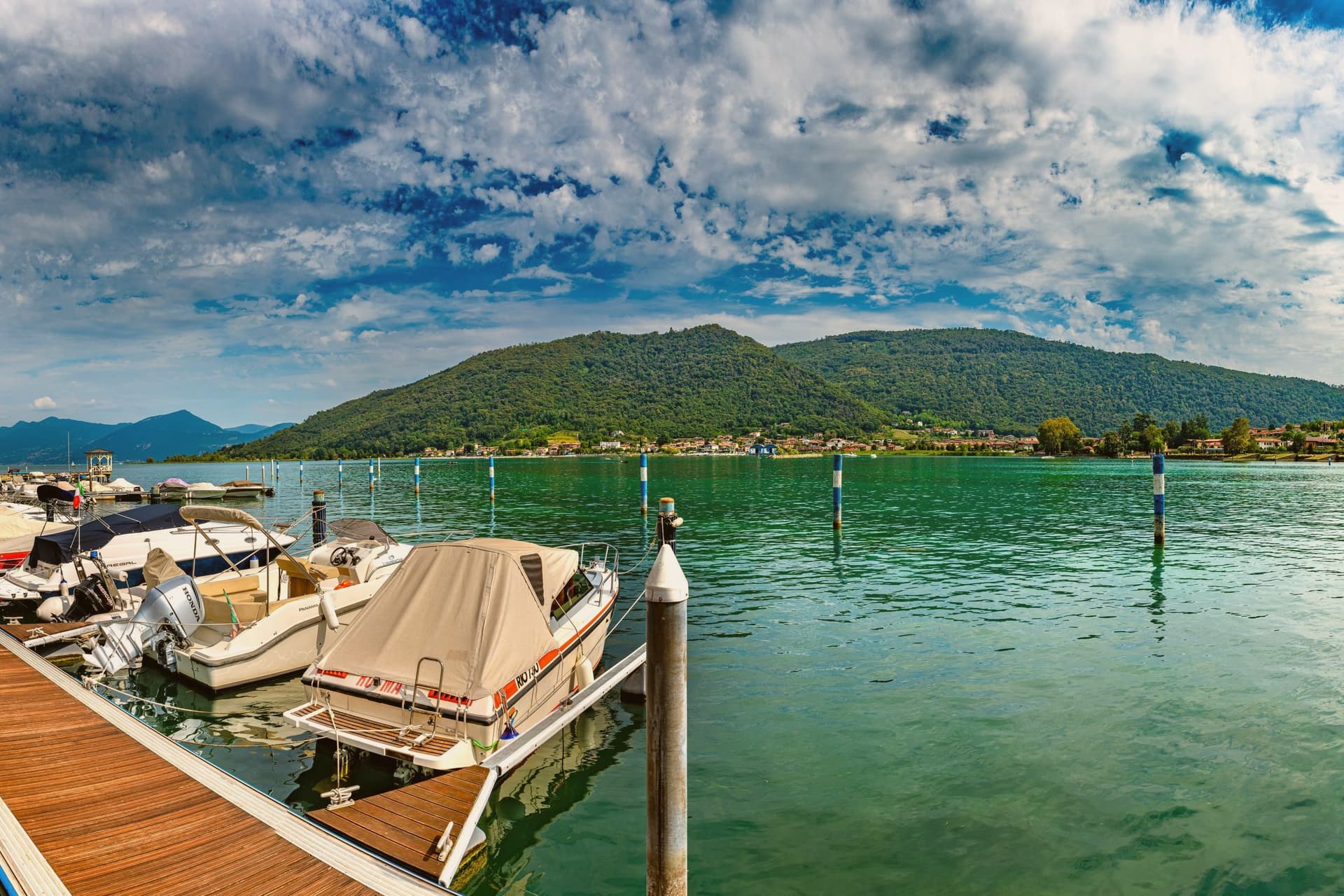 Themed picks · Milan · Lakes10 lake towns near Milan
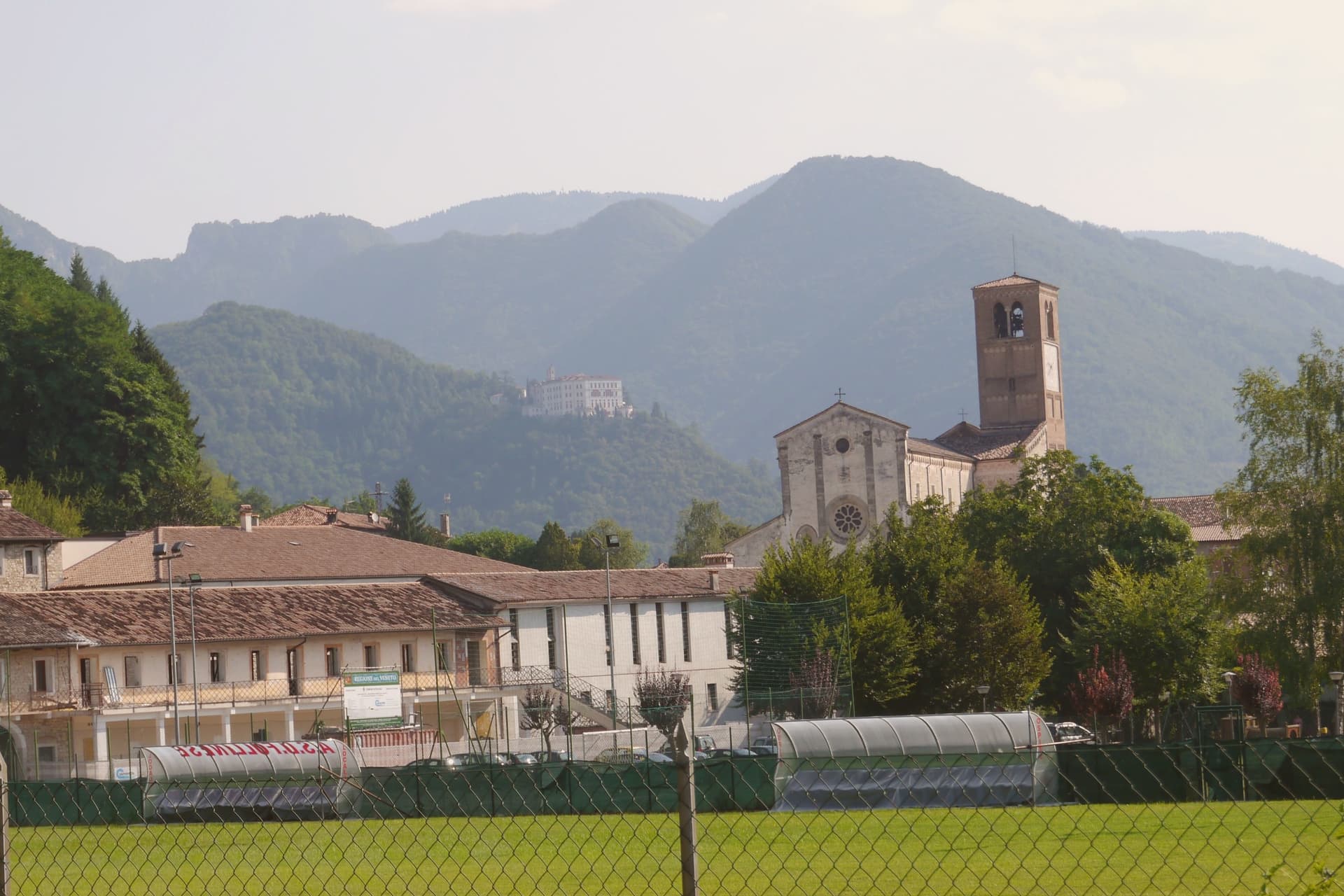 Themed picks · Venice · Art10 art towns near Venice
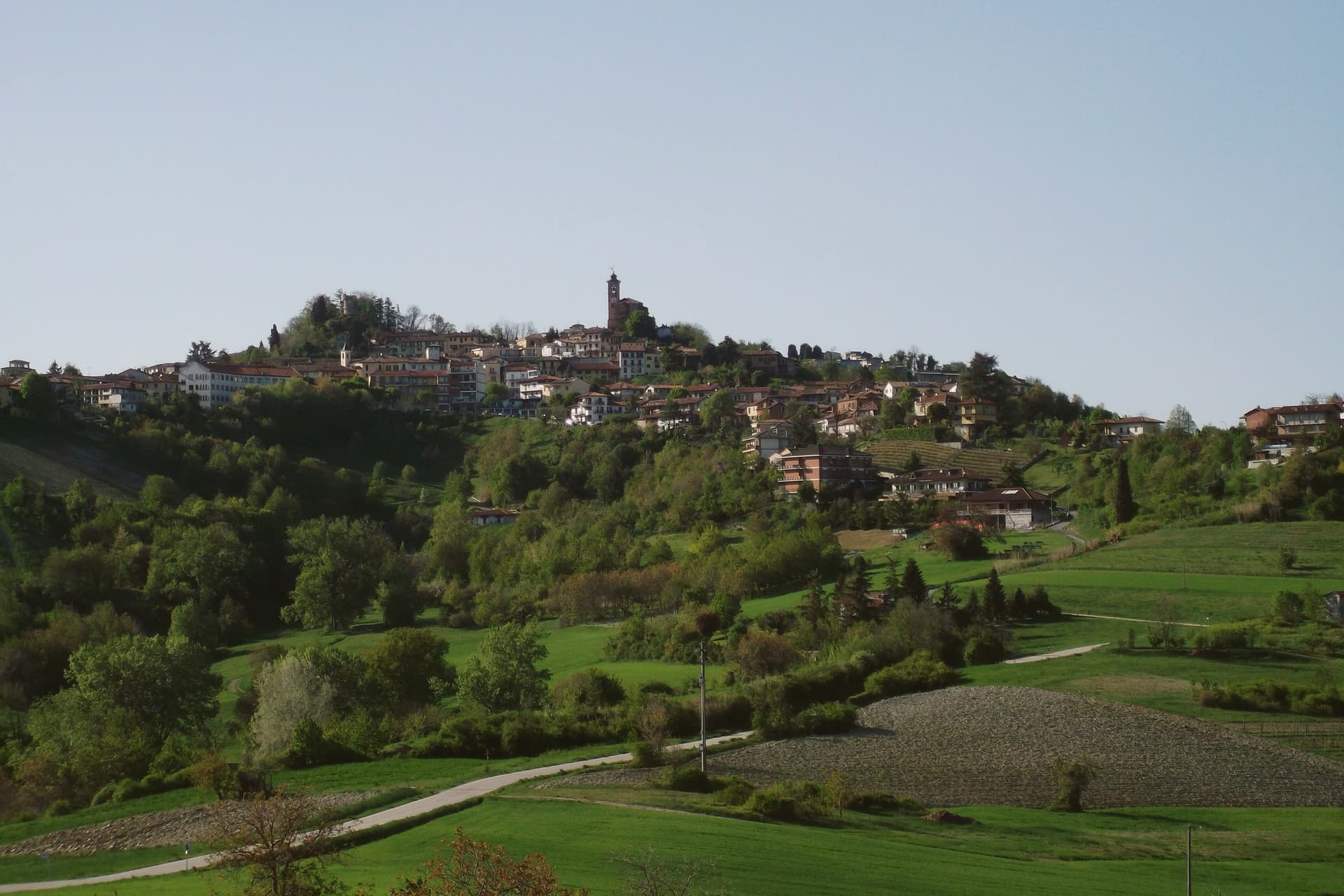 Themed picks · Turin · Slow Food10 Slow Food comuni near Turin
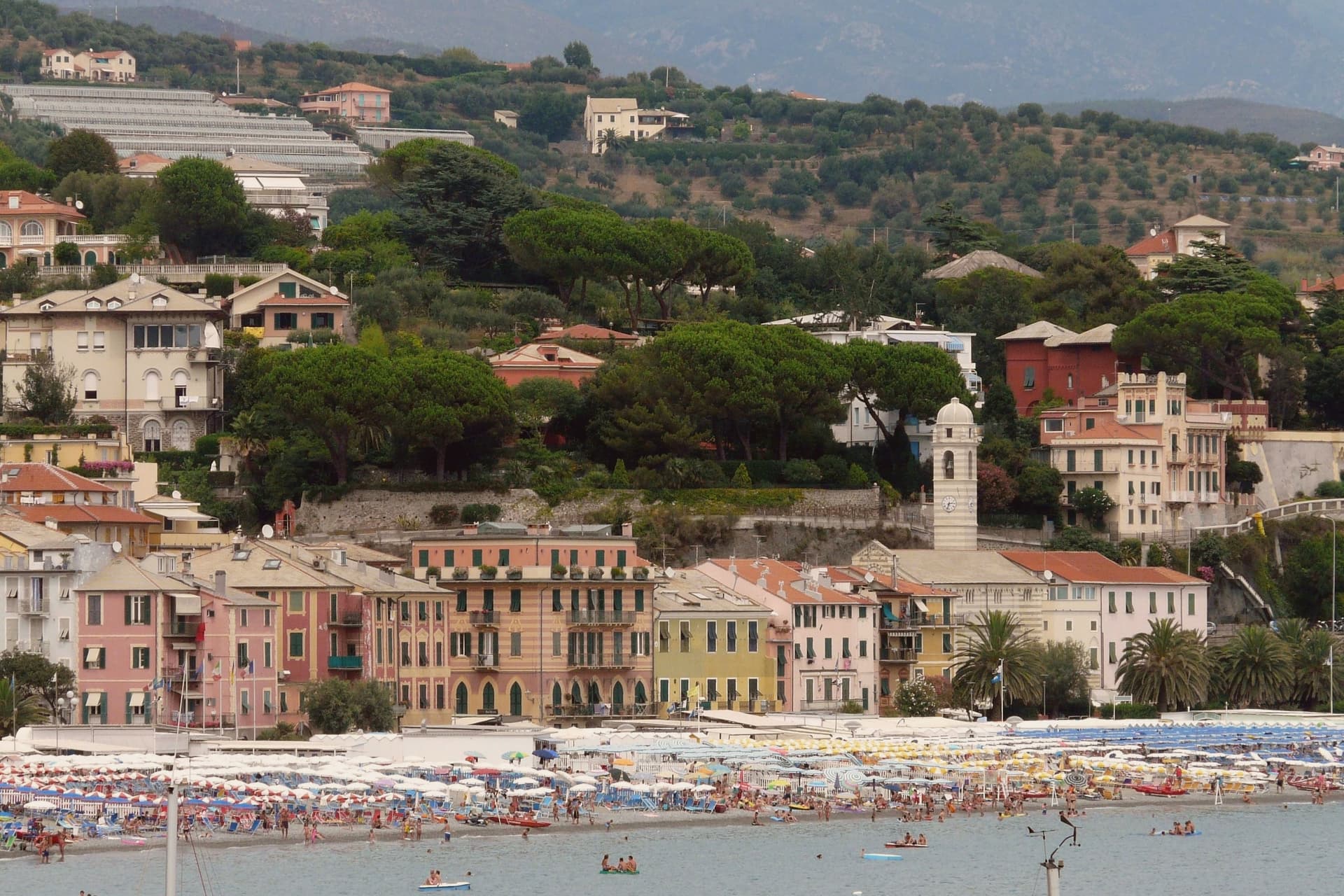 Themed picks · Genoa · Coast10 fishing villages near Genoa
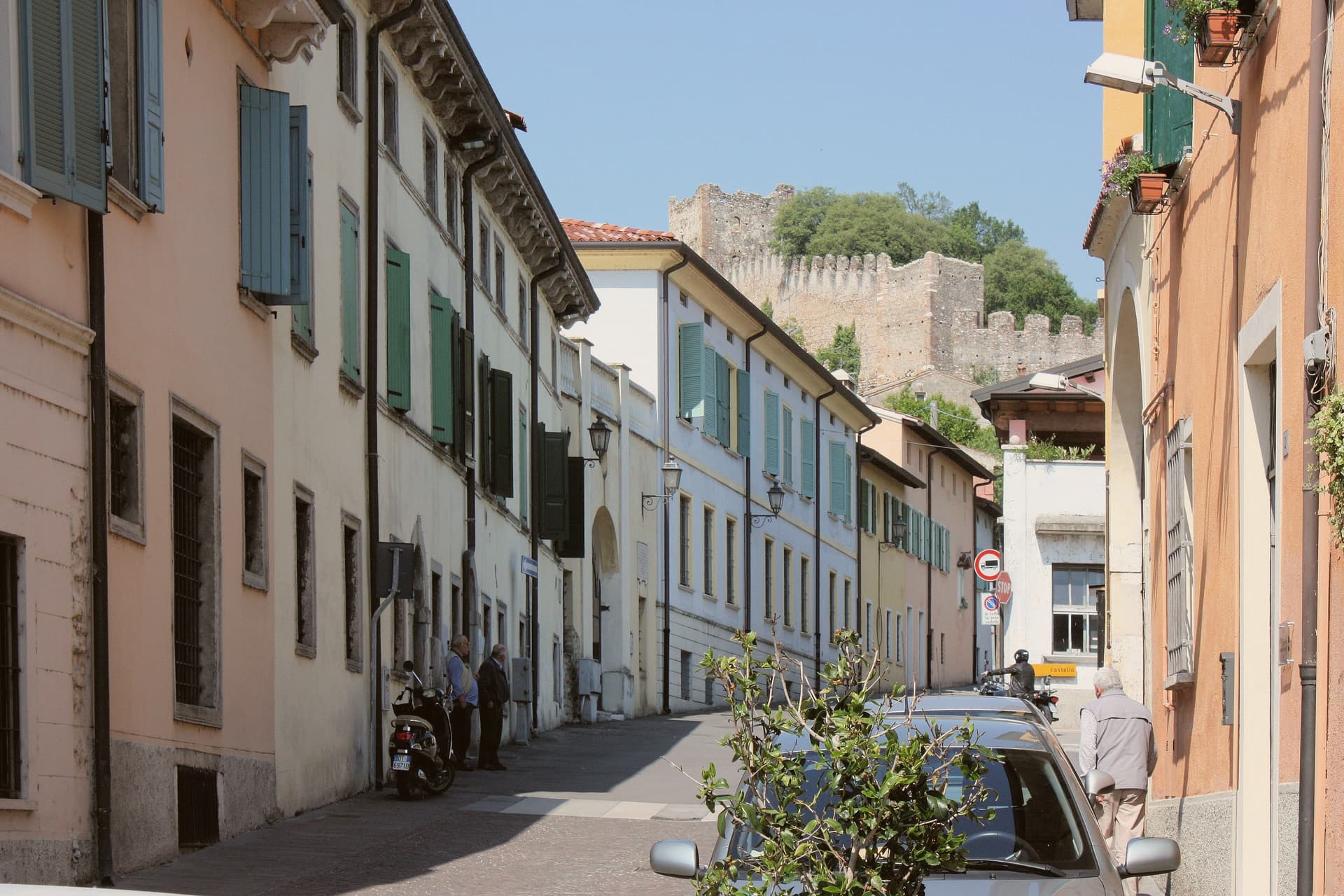 Themed picks · Verona · Wine10 wine towns near Verona
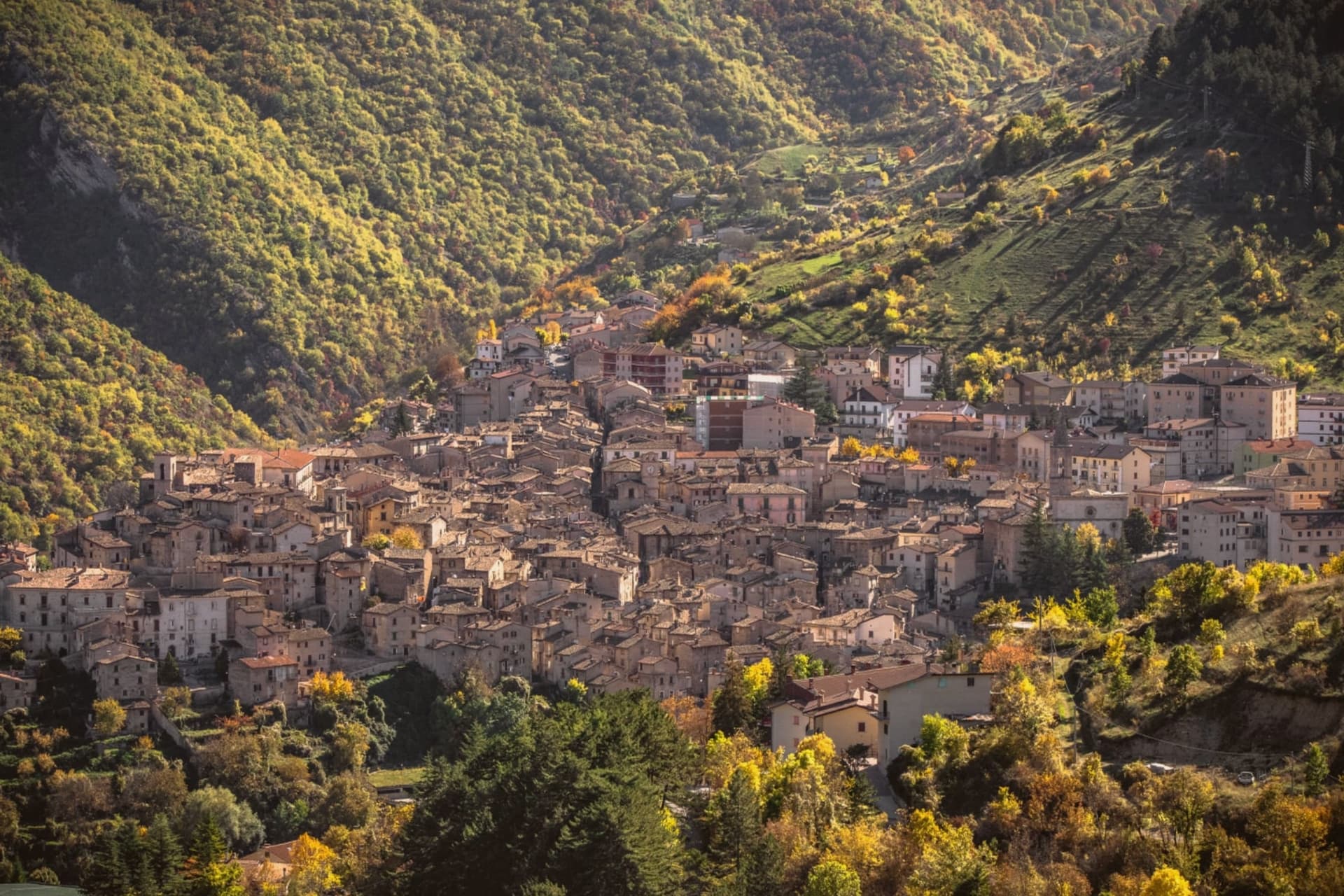 Themed picks · Pescara · Mountains10 mountain comuni near Pescara