
When to Come to Italy: The Honest Guide, Month by Month
The short answer: if you don't need to swim, the best windows are mid-September through October and April through May, skipping the week around Easter. If swimming in the Mediterranean is the trip, the sea is warm from mid-June to the third week of September, and you accept the prices and the crowds as the cost of the water. The one hard rule either way: avoid the middle two weeks of August, when the country closes for its own holiday and the version of Italy you flew in for is at the beach with everyone else. The rest of this guide is the reasoning, a regional split, and all twelve months taken one at a time.
| If you are... | Come in... |
|---|---|
| Free of the school calendar | Late September–October, or April–May outside Easter week |
| Traveling with school-age children | First half of June, or second half of September |
| Coming to swim | Mid-June to the third week of September |
| Coming for cities and museums | November to March |
| Coming for food | October–November (harvest, truffles, new oil) |
| Considering mid-August | Don't |
The fifteenth of August, as a warning
The piazza in Marina di Pietrasanta on the fifteenth of August looks the way the rest of the world thinks Italy is supposed to look, and that is the problem.
It is forty in the shade. The bar I drink at every other day of the year has a sign on the door: chiuso per ferie fino al venticinque agosto, closed for holidays until the twenty-fifth. The farmacia across the way has the same sign, and so does the dry cleaner, the framer, the butcher, the stationer, the dentist, the lawyer who shares the dentist's building, and the small bookshop on the corner, where the owner has posted a handwritten note reading I am at the sea. The sea is two kilometers away, and he is, in the most literal sense, at it. So is half the country.
The piazza is not empty, exactly. It has been replaced. The people who normally use it have left for the mountains or somewhere quieter, and in their place are eight thousand visitors paying triple the normal room rate to be told the trattoria across the road is booked for ten days. The waiter at the one open place is nineteen, parachuted in from Bergamo for two weeks of season work, and does not know what tordelli are. The loungers cost fifty euros. The heat is the soft, humid weight that finally explains why Italians wear scarves indoors the rest of the year, and the dog under our table will not move for a car horn.
This is the country at its worst, and it is the version the largest number of foreign visitors experience, because August is when their schools are closed, so they fly in to find out what the postcards are about and find a country that is not really there.
The standard advice, spring or autumn for the shoulder, summer for the beach, winter for the cities, runs in every publication, is optimized for everyone, and therefore serves nobody. It also skips the three questions that actually decide the answer. Here they are, in order.
Question one: do you want to swim in the sea?
This is the binary, and almost nobody frames it this way, which is strange, because it is the only frame that matters.
If you want to swim in the Mediterranean, the window is narrow. The Tyrrhenian and Adriatic coasts warm to swimmable around the middle of June and hold it until roughly the third week of September. Inside that window, coastal Italy works as advertised: the beach clubs are open, the seafront kitchens are running, the boats go out, the water sits around twenty-three degrees, and you can stay in for an hour. Outside it, the sea drops below twenty, and you will not enjoy it unless you are German.
If swimming is the trip, you accept the costs, and the costs are real: room rates double or triple, restaurants book out two weeks ahead, the autostrada on a late-July Saturday is a parking lot from Bologna to the coast, and the fifty-euro loungers run fifteen in the off-season. You go for the water. You make peace with everything else.
But interrogate what "wanting to swim" means before you pay for it. If what you actually want is a beach holiday, sun on the sand, a long terrace lunch, a walk by the water, a spritz at six, all of it exists in May and late September with the sea at nineteen degrees, a tenth of the people, and a third of the price. The clubs are open. The waiters know what tordelli are, because they live there. The town belongs to its residents. The only missing item is the swim itself, and that trade is the whole game: sacrifice the swim and every other month beats summer. Every other month, December and January included. We'll get there.
Question two: what are your real options?
The easiest question, and the one most people answer wrong because they answer it first.
If you have school-age children, your options are mostly summer, which is true for half the world's families and is the structural reason the European holiday economy has its shape. Your question then becomes which summer weeks hurt least, and the answer is the first half of June and the second half of September, with the stretch from the last week of July to the third week of August avoided at any cost.
If you're outside the school system, your calendar opens completely, and you should use the freedom. We have no children, work online, and our only travel constraint is the bank balance, a privilege I'm aware of, and a position the standard advice silently assumes you are not in, because it is written for the school-calendar audience. If that audience isn't you, treat the standard advice as mail addressed to someone else. The professional's version of this question: can you take a Tuesday-to-Thursday in February, or a Wednesday-to-Tuesday in late October? If yes, you have unlocked a different country.
Question three: where in Italy are you going?
Most travel writing collapses Italy into one climate, and no such climate exists. This is a thousand-kilometer peninsula running from the Alps to the latitude of Tunis with a mountain range down its spine. Sicily in November averages fifteen to twenty degrees, some days rain and wind, some days flat blue sky. Tuscany in the same November sits around ten, mostly dry, in the slow autumn light that makes the hill towns look like the oil paintings of them. Trieste or Turin in November is close to freezing. And the housing follows the climate: northern houses are insulated and double-glazed, southern houses are built for air movement nine months a year, so a Sicilian agriturismo in February can be twenty degrees outside and seven in the bedroom, and you will sleep in two jumpers.
So the rule is geographic:
| Region | Best months | Also good | Notes |
|---|---|---|---|
| South (Rome down, Sicily, Calabria) | Oct–Nov, Apr–May | Late Feb–Mar for Sicily | Warmest of the country; winter is mild outside but cold inside the houses; island ferries pause for winter |
| Center (Tuscany, Umbria, Marche, Lazio) | Apr–May, Sep–Oct | Nov–Feb for quiet hill towns | The most flexible region: works year-round except high summer |
| North: cities (Milan, Turin, Venice) | Oct–Mar | Anytime but Aug | Arguably best in the cold, when the fog hangs in the courtyards and the aperitivo moves indoors |
| North: mountains | Dec–Mar (ski), Jun–Sep (walking) | — | Two seasons, nothing between; October is already snowing in the Dolomites |
| North: lakes | May, Oct | Jun–Sep | Gardens at their peak, day-boats not yet constant |
In the south, Sicily in late February means almond blossom, twenty degrees on a good day, and the Greek temples at Agrigento with nobody in them, at half the summer price, with the ferries to the smaller islands as the one real winter loss. In the center, the hill towns in February hold something the August visitor never sees: they belong to the people who live in them, the trattorie cook their own food, you can park in Lucca on a Saturday morning, and the Uffizi has a queue you walk through. In the north, the cities work all year and the risotto alla milanese tastes the way it is supposed to taste in the cold. Anyone who tells you October is the perfect month for Italy has not been to the Dolomites in October, where it is snowing, or to Palermo in October, where it is twenty-eight degrees and the beaches are still busy. Browse the towns region by region
The August problem, and what Ferragosto actually is
If this piece leaves you one rule: do not come to Italy in August. Not primarily because of heat or crowds, but for a structural reason with a name and a date.
What is Ferragosto?
Ferragosto falls on the fifteenth of August, the feast of the Assumption, and anchors a two-to-three-week national shutdown that empties the cities and floods every coast and mountain valley with the same Italians who left them. The roots are Roman: Augustus instituted the Feriae Augusti in 18 BCE as a rest period after the harvest. The Church absorbed the date in the seventh century by aligning it with the Assumption of Mary. And the modern shape, the whole-country-closes shape, was set in 1931, when Mussolini's government ran the treni popolari di Ferragosto, discounted trains carrying the working classes to the sea and the mountains for a holiday they otherwise couldn't afford. The state-organized exodus stuck, and nearly a century later the entire country still performs it, on roughly the same dates, in the same direction.
The practical meaning for a visitor: the farmacia is closed for ten days, the bar that opens at seven every other morning of the year is dark, the trattoria posted its chiuso per ferie three weeks ago, the dentist is in the Dolomites, the lawyer is on a sailboat off Sardinia, and the three-hundred-euro-a-night hotel is staffed by two-week hires because the regulars are also at the sea. The cities are at their emptiest, the coasts at their fullest, and every system that normally runs is at half strength or off. Arrive in Rome on the fourteenth expecting the postcard and you get an echo chamber; arrive at a fashionable beach town expecting exclusivity and you get a nine-thousand-person traffic jam.
Three rules in descending order of comfort. Don't book anything touching the second or third week of August. If you must come in August, come in the first week and be out by the eleventh. And the third rule, the one we live by: leave the country for the three weeks around Ferragosto entirely, which is what Sophia and I do, England every August, back on the twenty-fifth, when the country has just woken up, the farmacia has reopened, the bar has turned its lights back on, and the trattoria across the road is running the first dinner service of the new season. It is, paradoxically, the best moment of the whole year to be on this coast.
Italy month by month
Italy in January
The cheapest month of the year to fly in, and the cities at their winter best. Rome or Florence in late January belong to you in a way no other month allows; the museums are queueless, the restaurants are cooking for locals, and the winter sales are on. The north is in full ski season. The coasts are shut and honest about it. Bring proper clothes for the center and north, and remember the southern-house rule before booking a farmhouse in the countryside.
Italy in February
The dark horse, and the month I argue for most often. Central Italy in the cold months is mostly dry, and the hill towns are at their quietest. I have walked into the Cinque Terre on a winter day in three layers under a raincoat, full sun, no rain, and seen Riomaggiore the way you are no longer supposed to be able to see it, near-empty, two German walkers, a woman from Vernazza out with her dog. I have done Pisa in February: the tower is never empty, but nobody queues an hour for a photograph, and the piazza around it belongs to local errands. The warm move is Sicily in late February, almond blossom, twenty degrees on the good days, Agrigento's temples to yourself, agriturismi at winter prices.
Italy in March
Spring is starting and the country is stretching. Weather is the year's most variable, brilliant one week and wet the next, which keeps the crowds away and the prices down. The center and south begin to green, the mountain ski season winds down, and the only planning caution is the moveable one: check where Easter falls, because when it lands in March it drags its crowd surge with it.
Italy in April
One of the best months of the year, with a single trap in it. Easter week brings a surge of foreign visitors to Rome, Florence, and the Tuscan hill towns, with a particular concentration of teenage school groups, so skip the seven days around Easter, and the rest of April is spring at full operation: flowers, mild temperatures, open towns, shoulder prices.
Italy in May
Excellent until the last week, when shoulder season starts bleeding into high season. Honesty requires an update, though: Italians have noticed May, and they arrive earlier every year. I have circled twice for parking on a May Saturday in Lerici, a Ligurian town that never used to fill before June. May still works, and it works best in its first three weeks. The secret is out.
Italy in June
The hinge month. The sea crosses into swimmable around mid-month, the school-family window opens, and the first half of June is the sweet spot for anyone bound to a school calendar: functional summer with pre-summer crowds. By the last week the machine is at full volume and full price. The mountains open for walking season.
Italy in July
Peak season in every sense: peak heat, peak prices, peak occupancy, and the late-July Saturdays when the autostrada from Bologna to the coast becomes a parking lot. If July is your only option, book restaurants two weeks out, book the beach club ahead, and lean inland and upward, hill towns and mountains, where the temperature and the density both drop.
Italy in August
Read the Ferragosto section above, then reread the three rules. First week in, out by the eleventh, or skip it entirely. The twenty-fifth onward is a different and much better country.
Italy in September
The month with two personalities. The first week still belongs to summer's tail; by mid-month the country has exhaled, the second-half school-family window opens, and the sea stays warm enough to swim until around the third week, which makes late September the only slot on the calendar offering both a swimmable sea and a sane country at once. Harvest is beginning. This is the window I recommend most to people who can take exactly one trip.
Italy in October
Summer with the volume turned down by eighty percent. The air is the air the August visitor never feels, clear, dry, low golden light, the Tuscan afternoon people book February flights to chase. The vendemmia and the harvests are on, the towns are fully open and fully local, and the one regional exception stands: the high Dolomites are already snowing. For travel purposes, October is the year's best all-around month, and it isn't particularly close. What is on, month by month, across the towns
Italy in November
Underrated, and most underrated in the south: twenty degrees in Sicily, fifteen in Naples, twelve in Rome. In the center it is truffle and mushroom season, and in Tuscany and Liguria the new oil is being pressed, which makes November, quietly, the best eating month of the calendar. The north goes to fog and interior pleasures. Prices touch their floor.
Italy in December
The cities at their decorated best: Christmas markets across the north, the presepio tradition everywhere, the annual panettone-versus-pandoro hostilities in full swing. New Year is busy in the cities and silent on the coasts. Between the holidays sit some of the emptiest, cheapest good days of the year.
The actual rule
I am not telling you never to come in summer. If you have school-age children, summer is your window. If swimming in the Mediterranean is the trip, summer is your window. If you have always wanted to see what the high season is in person, that is a real reason too.
But if you have a choice and you've answered the three questions honestly, the answer points away from June, July, and August almost every time. The Italy worth coming to is the Italy the locals live in, and the locals live in it from September through May; they use August to escape it. The smartest move a visitor can make is aligning with the local calendar instead of against it.
If you arrive in summer and the lounger is fifty euros, the trattoria is full, the streets are loud, the heat is heavy, and you are fighting a crowd to photograph a fountain, the problem is not Italy. Italy is fine. Italy is excellent. You picked the wrong week.
Pick a different one. Almost any of them will work.
Frequently asked questions
What is the best month to visit Italy?
October, for the country as a whole: harvest season, golden light, full local operation, and roughly a fifth of summer's crowds. Late September matches it and adds a still-swimmable sea. April and May run close behind, outside Easter week.
What is the worst time to visit Italy?
The middle two weeks of August, around Ferragosto on the fifteenth, when the country takes its own holiday: cities half-closed, coasts overfull, services reduced, prices at their peak. If August is unavoidable, use the first week and leave by the eleventh.
What is Ferragosto?
Italy's national summer holiday on August fifteenth, Roman in origin (the Feriae Augusti of 18 BCE), absorbed by the Church as the Assumption, and given its modern all-country shape in 1931 by discounted state holiday trains. It anchors a two-to-three-week shutdown during which most of the country closes and relocates to the sea and the mountains.
When can you swim in the sea in Italy?
From roughly mid-June to the third week of September on the Tyrrhenian and Adriatic coasts, peaking around twenty-three degrees. Outside that window the water sits below twenty. Late September is the overlap month: warm sea, thinned crowds.
Is Italy worth visiting in winter?
For the cities, winter is arguably their best season: empty museums, local restaurants, January as the cheapest month to fly. Two caveats: coastal resort towns largely close, and southern buildings are built for heat, so a countryside stay in the deep south can be warmer outside than in.
When is Easter a problem in Italy?
The seven days around Easter bring a concentrated surge, especially of school groups, to Rome, Florence, and the Tuscan hill towns. The rest of April is one of the year's best stretches, so plan around the week rather than the month. Check the date each year; it moves.
What is the cheapest time to visit Italy?
January for flights, and November through early March generally for rooms, outside the Christmas-to-New-Year block and the northern ski resorts. The price floor coincides with the best museum months, which is the quiet arbitrage of the whole calendar.
More from Anywhere Italy
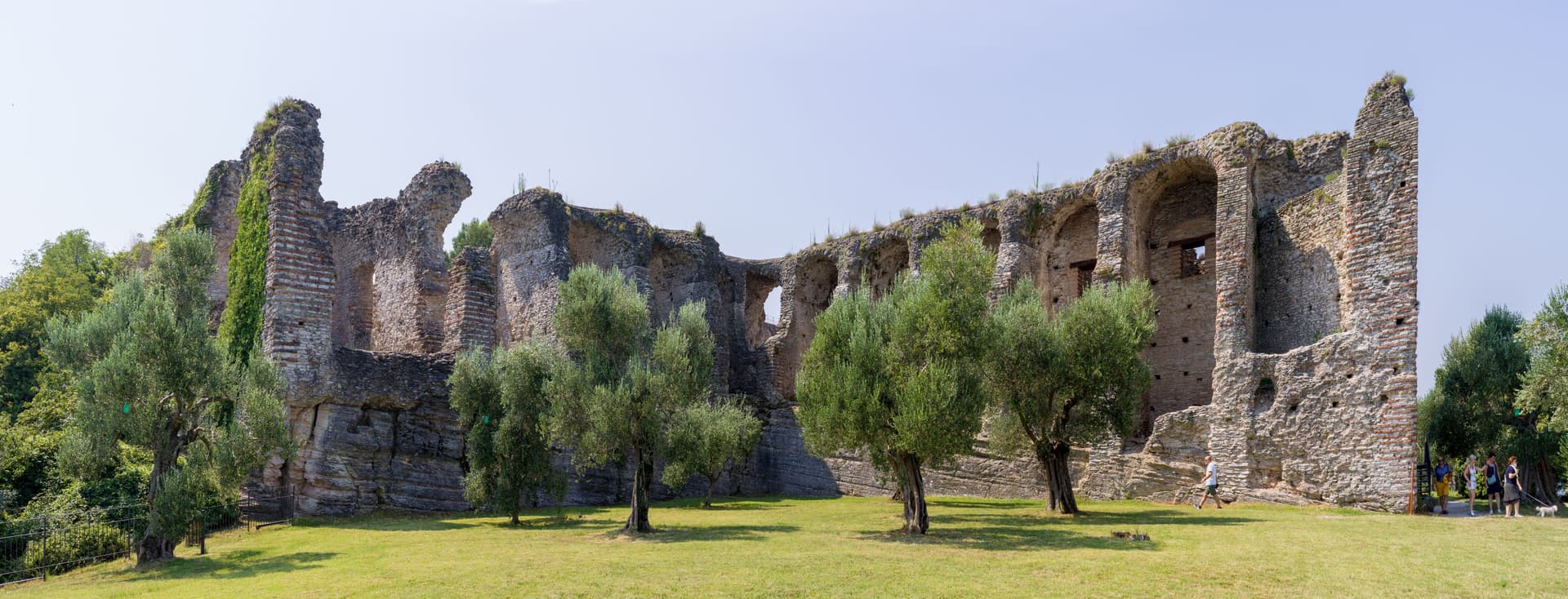 Themed picks · Verona · Lake Garda10 Lake Garda towns near Verona
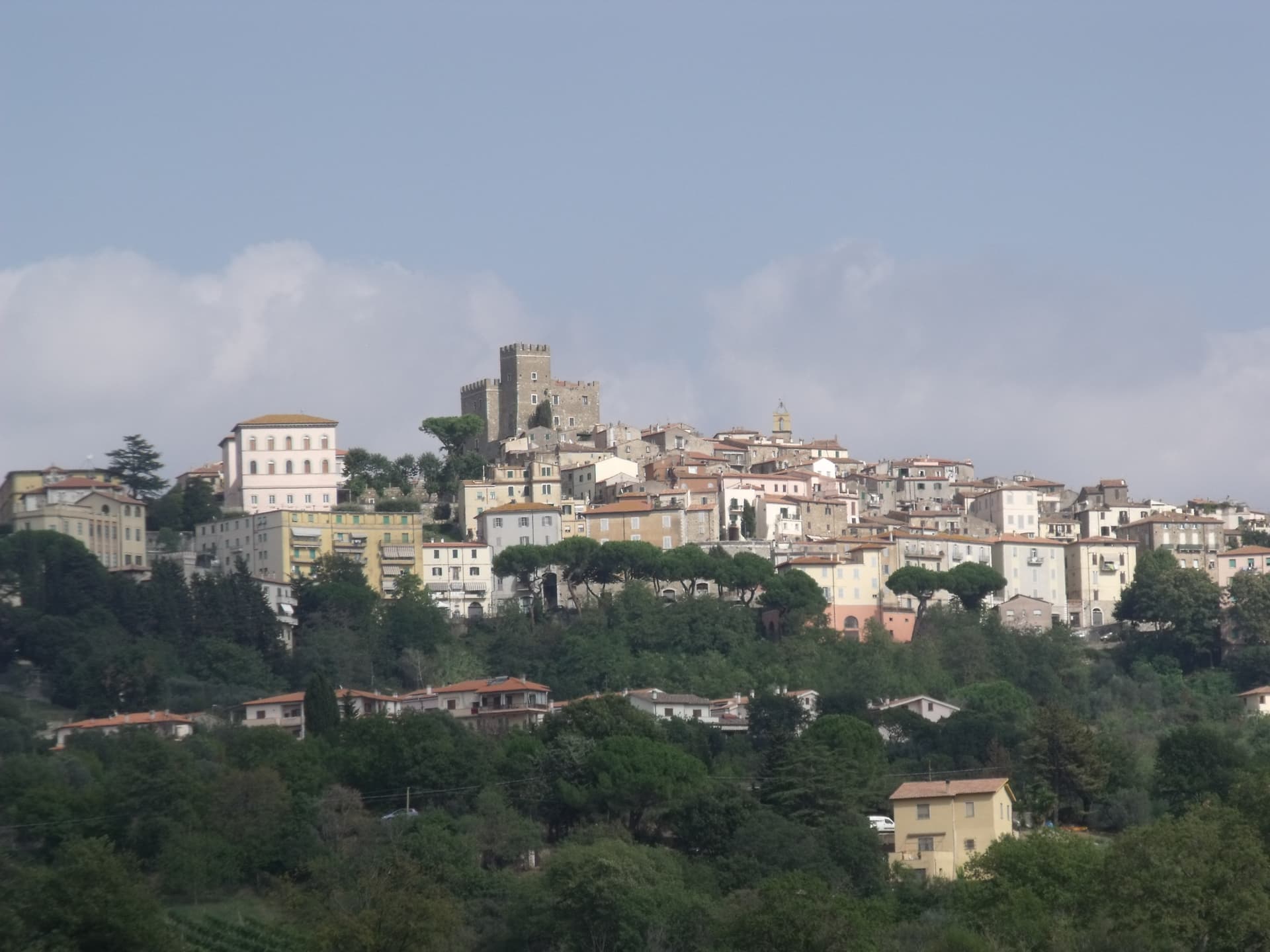 Themed picks · Rome · Olive oil10 olive oil comuni near Rome
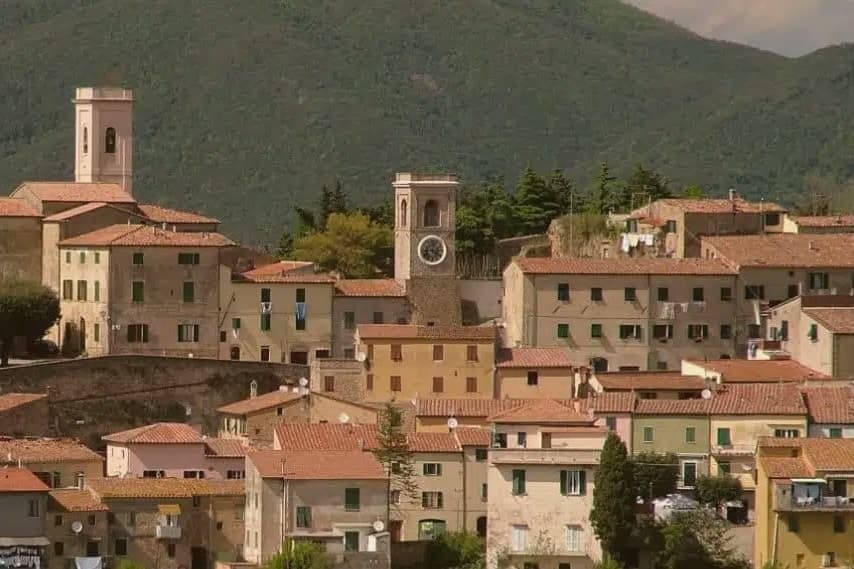 Themed picks · Florence · Food10 hidden food towns near Florence
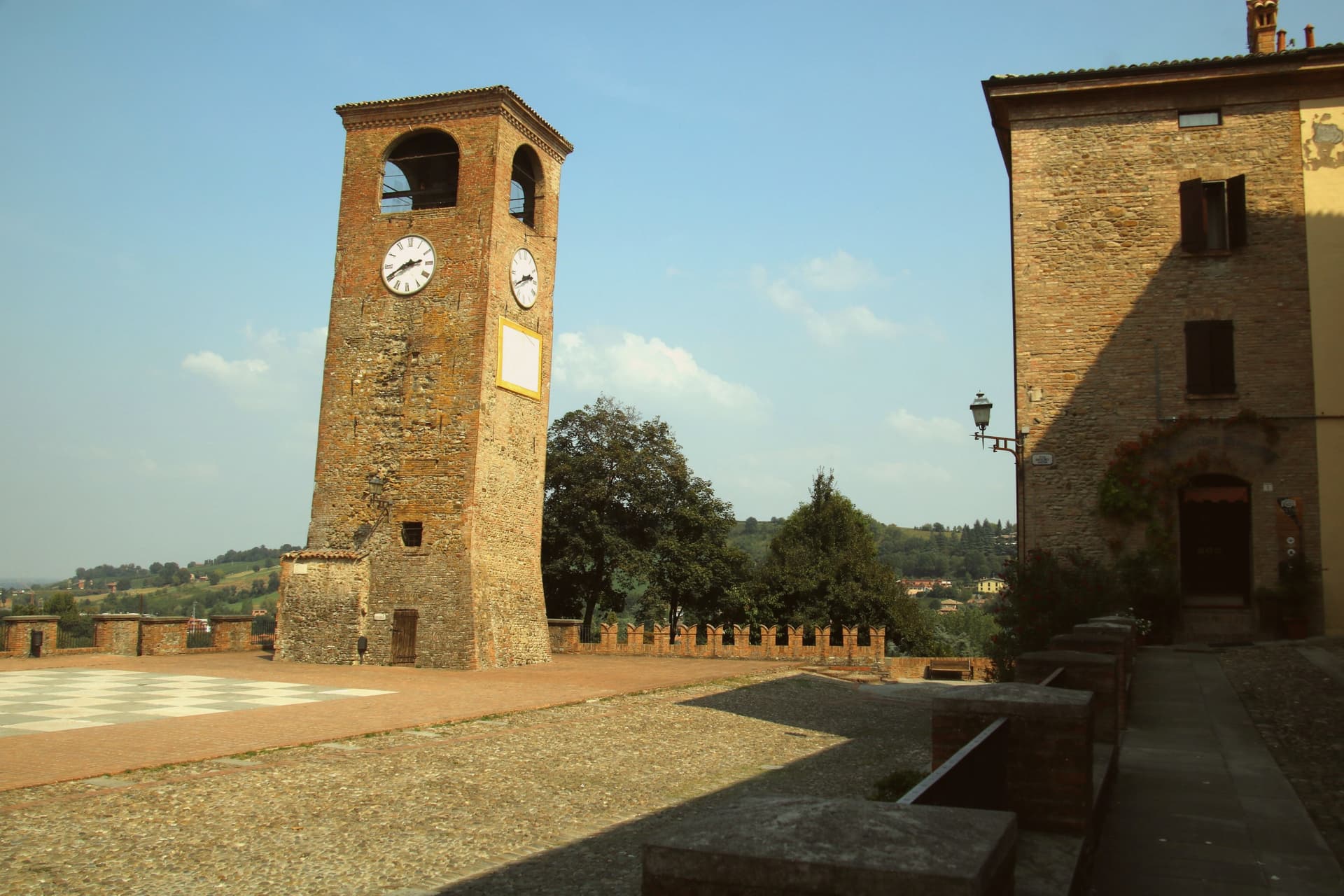 Themed picks · Bologna · Wine10 wine villages near Bologna
 Themed picks · Rome · Hill towns10 hill towns within an hour of Rome
 Themed picks · Naples · Coast10 coastal towns near Naples