
The best towns with a serious restaurant that you can reach by train within 90 minutes of Pescara
Abruzzo eats with intent. On the coast it is brodetto, the tomato and pepper fish stew that changes recipe every few kilometres, plus raw scampi, chitarra pasta cut on wire strings and cold Pecorino from the hills behind. Inland the register shifts to lamb on skewers, mutton cooked in copper, saffron from the Navelli plateau and confetti in pastel colours. The buildings shift too, from pale seafront brick and palm-lined promenades to grey stone terraces built hard against the mountain, and the best months for both are the shoulder ones, May and late September, when the sea is still warm and the restaurants have their full staff back.
The crowd goes to the mountains, mostly. Gran Sasso and the Campo Imperatore road fill in high summer with cars from Rome, and the coastal traffic bunches around Pescara itself, where the beach is broad, the aperitivo is loud and the parking is a negotiation. It is a fair choice: the city has the airport, the ferries and the biggest concentration of hotel beds in the region. It also means that the good tables nearest the centre are booked out by people who drove there.
The railway keeps going in both directions. The Adriatic line runs the length of the coast into the Marche and down towards Molise, stopping at seaside towns with real fishing quays, and the inland line climbs the Pescara valley towards Sulmona and the Peligna basin. The towns here sit on those lines, each with a kitchen that has earned the attention of the strictest guide, and each reachable without a car.
Of the 61 communes we have mapped within 90 minutes of Pescara, 9 qualify as towns with a serious restaurant you can reach by train: each holds a restaurant listed by the most demanding of the guides, and we have confirmed each is reachable without a car. The smallest, Guardiagrele, has 8,420 residents.
If you are still choosing, we have also written The best coastal towns that eat well within 90 minutes of Pescara and The best hidden towns with a serious restaurant that eat well within 90 minutes of Pescara.
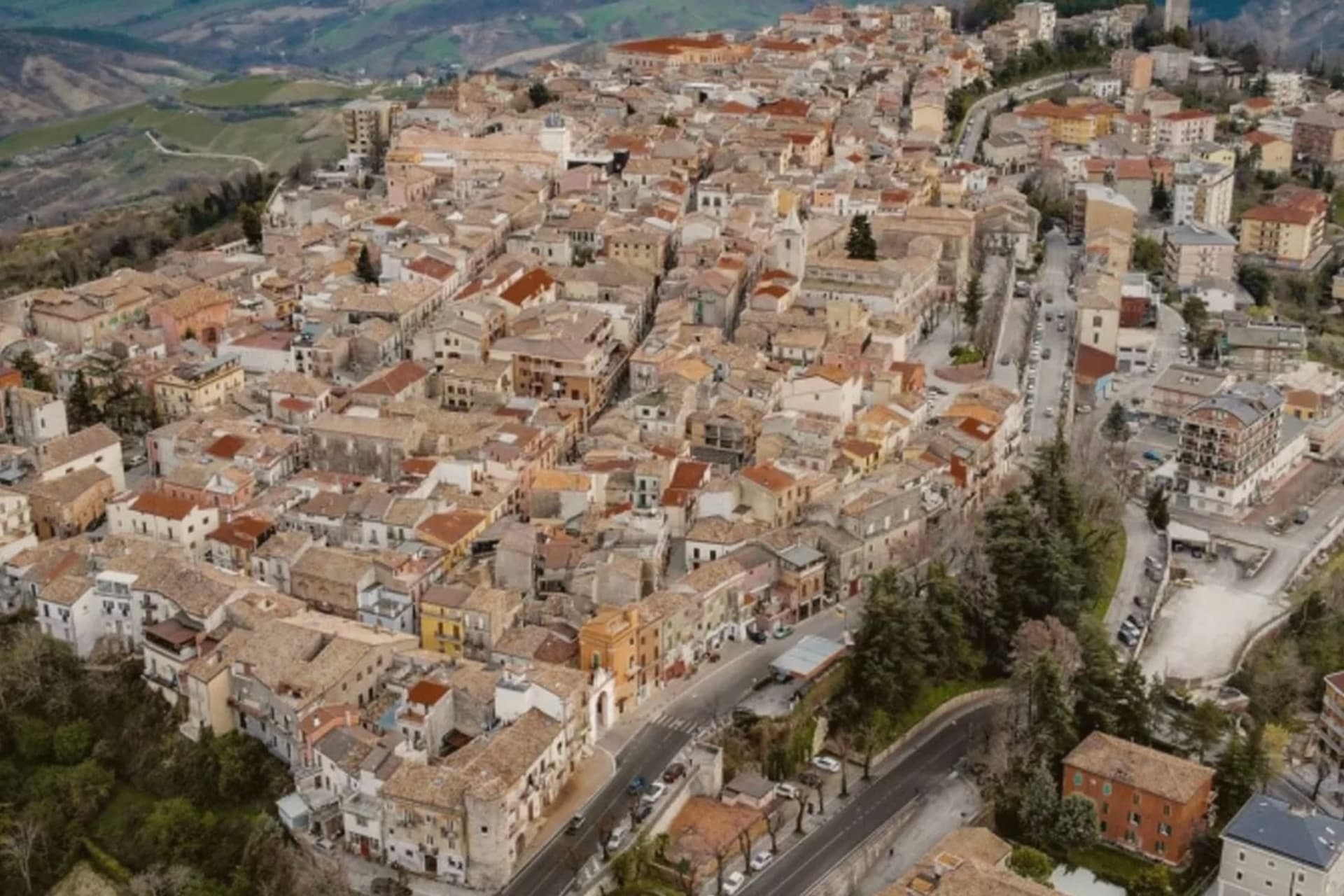
Guardiagrele
Why visit Guardiagrele
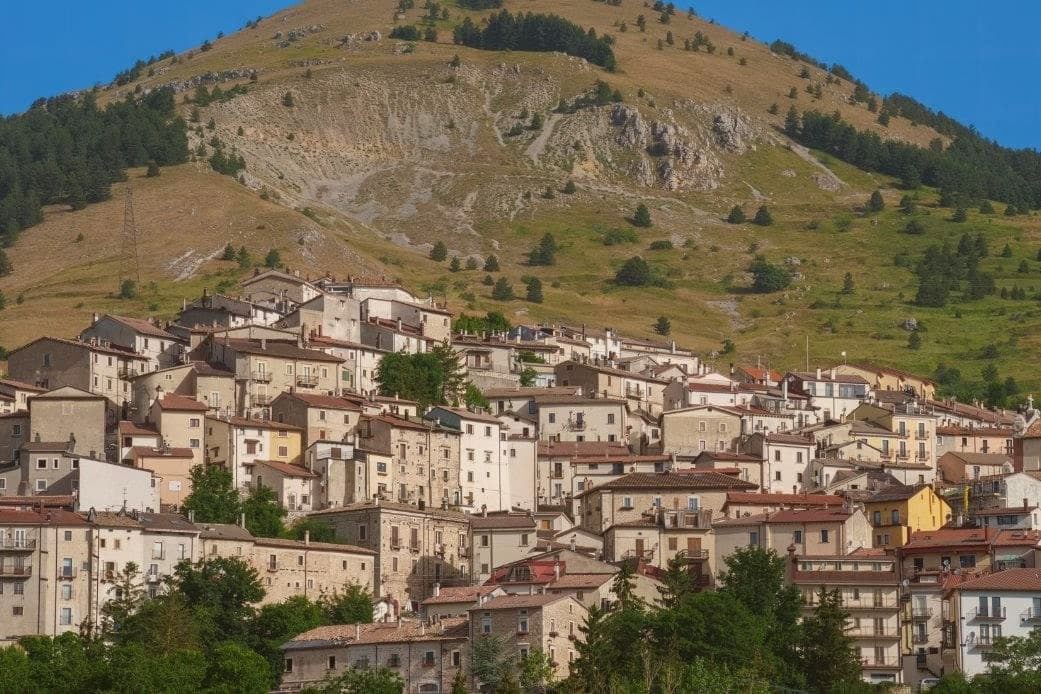
Guardiagrele sits at 576 meters on the eastern Majella foothills, thirty kilometers from Pescara. Gabriele D'Annunzio called it the terrazza d'Abruzzo for the views over the mountains and valleys from its piazzas.
Documented in an eleventh-century papal bull as a villa named Grele, the town grew through the fourteenth and fifteenth centuries as a stronghold of the Kingdom of Naples, with permission from the king to mint coins. It produced the late medieval goldsmith Nicola Gallucci, known as Nicola da Guardiagrele (c.1385-c.1462), trained on Gothic and Tuscan models including Lorenzo Ghiberti, who left work in cathedrals across Abruzzo.
The collegiate church of Santa Maria Maggiore, built at the start of the thirteenth century outside the walls and absorbed into the town in the centuries after, carries a fifteenth-century portal with a Coronation of the Virgin lunette by Nicola, now in the Duomo museum. Wrought-iron, copper and gold work still operate from workshops in the centro storico.
We confirmed you can reach this one by train.
What to see in Guardiagrele
- Collegiata di Santa Maria Maggiore. Thirteenth-century collegiate church with a massive bell tower, fifteenth-century portal, and the Nicola da Guardiagrele Coronation lunette in its museum.
- Museo del Duomo. Cathedral museum holding Nicola da Guardiagrele's marble lunette, his goldwork, and liturgical objects from the surrounding Majella churches.
- Botteghe del rame e del ferro battuto. Active copper and wrought-iron workshops in the centro storico, the surviving craft tradition that produced Nicola Gallucci in the late fourteenth century.
How to get to Guardiagrele
There is a railway station in the town, so you can arrive without a car and never need one while you are here. Pescara is roughly 48 minutes away by road.
Our tip
April through October is the open season. May and September are the best months on the terrazza, with the Majella valleys in clear light and the copper workshops at full pace. July and August are warm but the elevation keeps the centro storico cooler than the coast.
Alba Adriatica
Why visit Alba Adriatica
Alba Adriatica is the northernmost of the seven coastal communes of the province of Teramo, the chain of resort towns known collectively as the seven sisters. The commune did not exist before 1956: it was created by referendum that year when the coastal residents of Tortoreto voted for administrative autonomy.
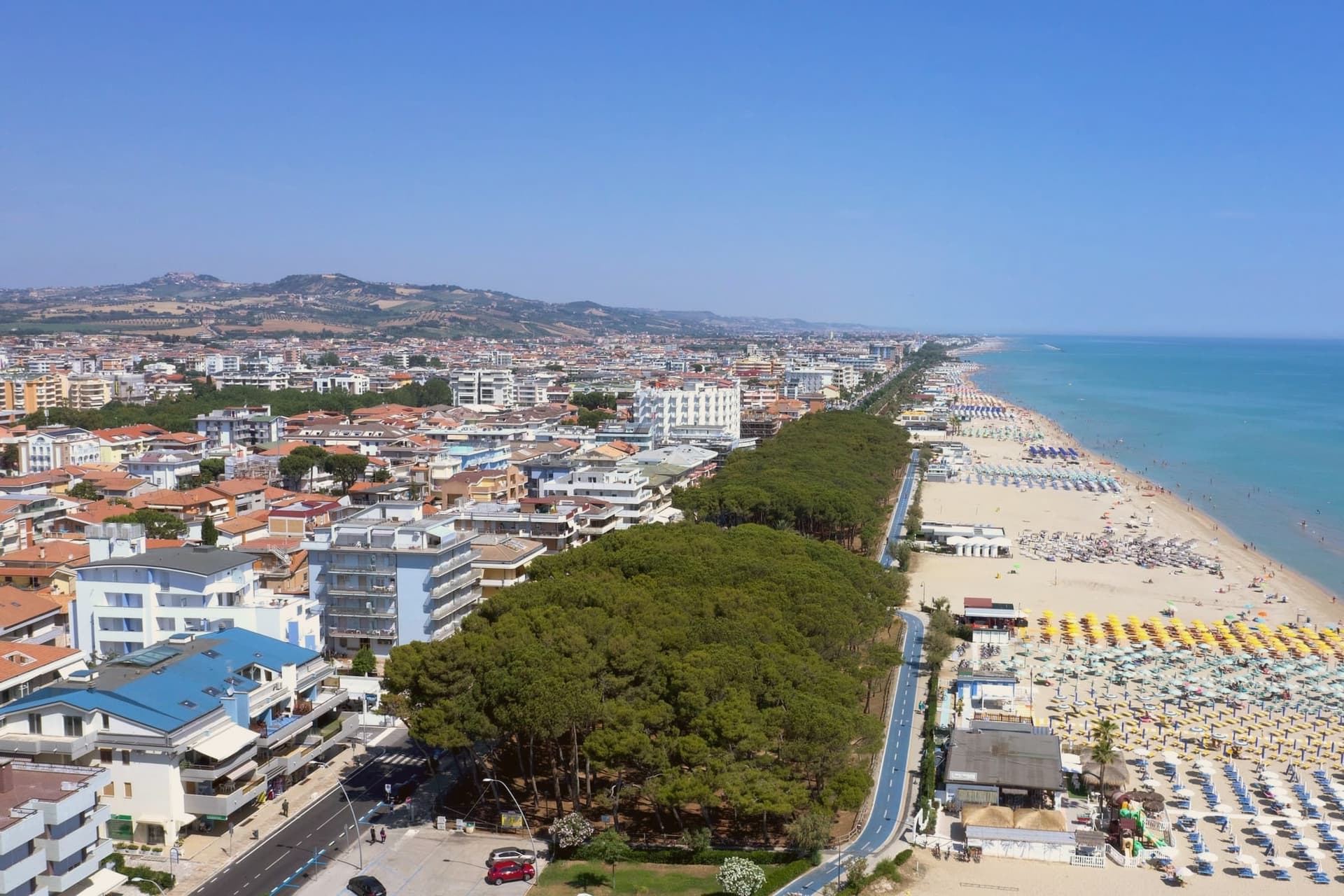
The town's identity is its sand. The three-kilometer beach is called the Spiaggia d'Argento, the silver beach, for the fineness of its grains.
The Blue Flag flew here continuously from 2000 to 2013 and again in recent years. The lungomare runs the whole length of the commune, palm-lined and largely flat, joining the towns on either side without a clear visual break.
Inland from the beach, the town is laid out on a 20th-century grid, with no centro storico to speak of: the historic centers belong to the older inland communes. Alba Adriatica was built to be a beach.
We confirmed you can reach this one by train.
What to see in Alba Adriatica
- Spiaggia d'Argento. The three-kilometer fine-sand beach, gently sloped, Blue-Flag-rated for water quality continuously from 2000 to 2013 and after.
- Lungomare Marconi. Palm-lined promenade running the length of the commune, joining Tortoreto Lido to the north and Giulianova to the south.
- Chiesa Sant'Eufemia. Parish church set on the inland grid, a modest 20th-century construction reflecting the town's recent 1956 foundation date.
How to get to Alba Adriatica
There is a railway station in the town, so you can arrive without a car and never need one while you are here. Pescara is roughly 51 minutes away by road.
Our tip
May through September is the season. June and early September are the temperate weeks before and after the August crowds. July and August fill the beach and the boardwalks: temperatures sit in the low thirties, the water is warm by mid-July, and the lungomare runs late.
Pineto
Why visit Pineto
Pineto sits at sea level, one of the Sette Sorelle, the seven Adriatic resorts of the Teramo coast. The town was planned in the 1920s by Luigi Filiani as a beach resort under pine forest, and renamed Pineto in 1925 after Gabriele D'Annunzio's poem La Pioggia nel Pineto.
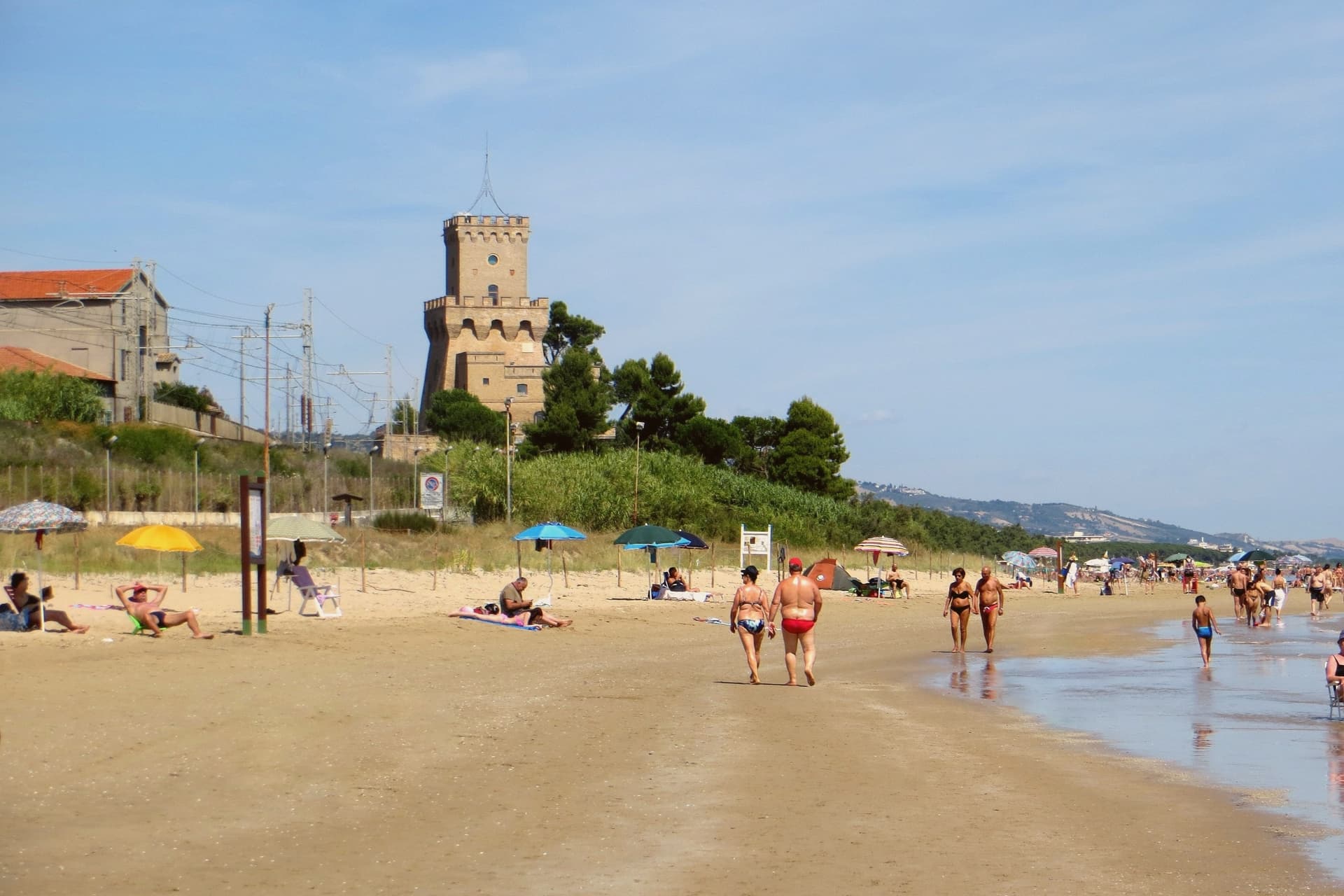
In 1929 it replaced Mutignano, the older hill village above, as the capoluogo of the comune. Two kilometers south of the centre stands the Torre del Cerrano, built around 1568 by Charles V as a watchtower against Ottoman raiders.
In 2010 the tower and the stretch of sea in front of it became Abruzzo's first marine protected area, 3,431 hectares of coast and shallow water. The beach has held a Blue Flag in most years since 2007.
The pine canopy, planted to hold the dunes, still shades the seafront promenade as far north as the Vibrata river.
We confirmed you can reach this one by train.
What to see in Pineto
- Torre del Cerrano. Sixteenth-century watchtower built around 1568 under Charles V against Ottoman raids, now the gateway to Abruzzo's first marine reserve.
- Area Marina Protetta Torre del Cerrano. 3,431 hectares of protected coast and shallow Adriatic water established in 2010, the first marine reserve in the region.
- Pineta Catucci. Coastal pine forest planted in the early twentieth century to hold the dunes, shading the seafront promenade and the bike path.
How to get to Pineto
There is a railway station in the town, so you can arrive without a car and never need one while you are here. Pescara is roughly 26 minutes away by road.
Our tip
May through September is the season. June and September are the best beach months, warm but not hot, with the marine reserve open for guided snorkelling and the bike path along the pineta in full use. July and August bring Italian summer crowds, especially from Pescara, and the seafront fills.
Grottammare
Why visit Grottammare
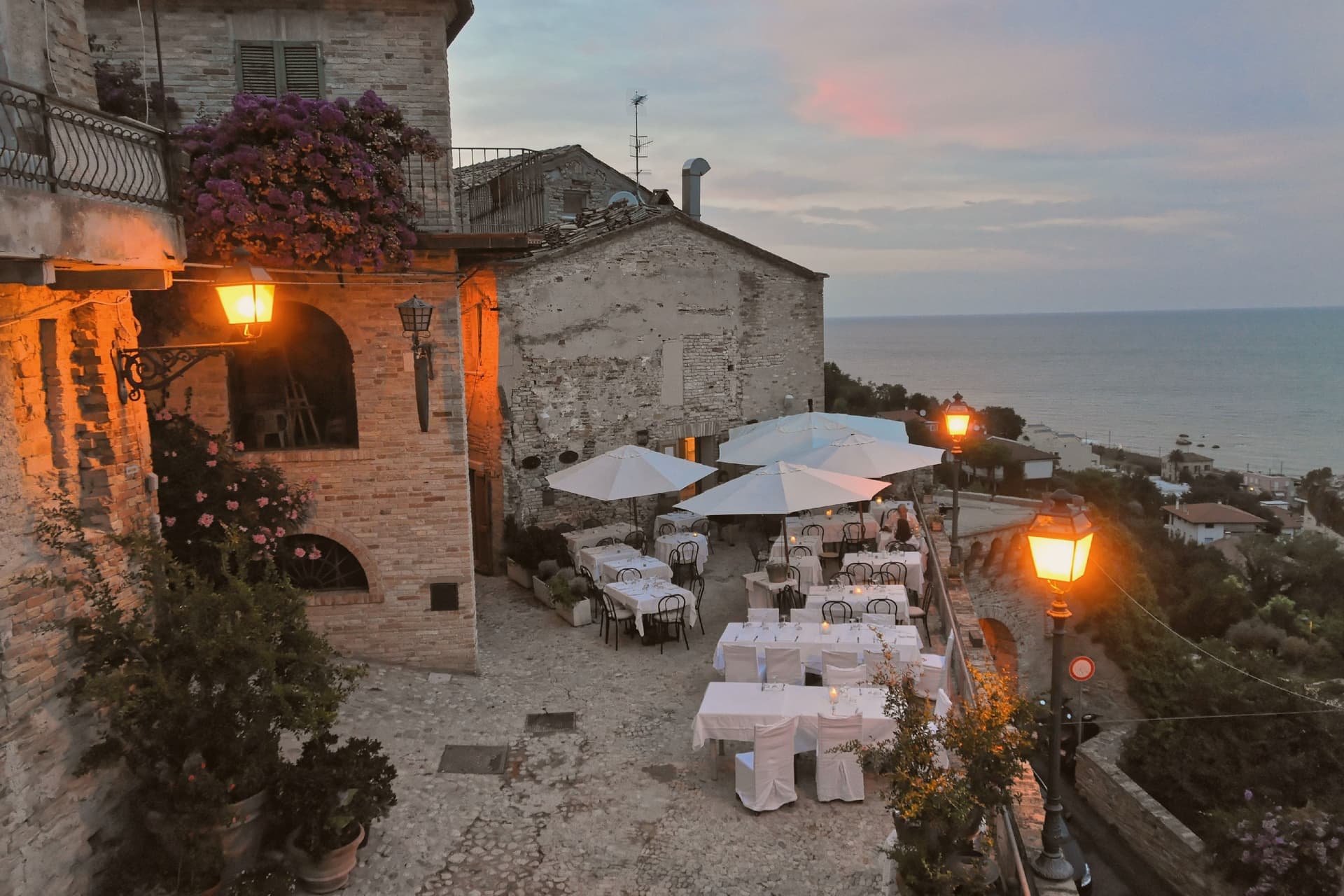
Grottammare sits on the Ascoli Piceno coast at the mouth of the Tesino. The town splits into two nuclei that never merged: a lungomare on the Adriatic, laid out with palms and Liberty villas in the late nineteenth century, and an older settlement on the hill above, reached by climbing away from the water rather than along it.
Felice Peretti was born in that upper settlement on 13 December 1521, in a house on what became the borgo's central square. He left, rose through the church, and returned as Pope Sixtus V only in monument: two churches he commissioned for his birthplace after 1585, one built beside the house itself and one now holding the collection of objects he sent back from Rome.
The upper town still carries its eleventh-century walls and the traces of an earlier fortress on the Incasato spur, and it has been named among the Borghi più belli d'Italia. The coast below has its own separate recognitions, for water quality and for the management of the hills behind it.
The two halves read as a single biography split in space: the hill holds the birth and the memory, the shore holds the later invention of the town as a seaside resort, and neither nucleus explains itself without the other.
We confirmed you can reach this one by train.
What to see in Grottammare
- Paese Alto (Borgo Antico). Brick lanes climb the Incasato hill inside the eleventh-century walls, past the remains of a fortified spur that looks down over the seafront below.
- Chiesa di Santa Lucia. On the central square of the upper town, next to the house of Peretti's birth, a plain sixteenth-century commission from a native son grown powerful.
- Museo Sistino. Inside the Chiesa di San Giovanni Battista, the liturgical objects on display came back to the town only after the local boy had become pope.
How to get to Grottammare
There is a railway station in the town, so you can arrive without a car and never need one while you are here. Pescara is roughly 60 minutes away by road.
Our tip
May through September is the main window for Grottammare. The Bandiera Blu seafront is open from late spring, the palms on Lungomare De Gasperi catch full light from June, and the Paese Alto stays a few degrees cooler than the beach. July and August touch the low thirties on the coast; the upper town shaded lanes are the cool retreat. La Fiera di San Martino falls in November.
Sulmona
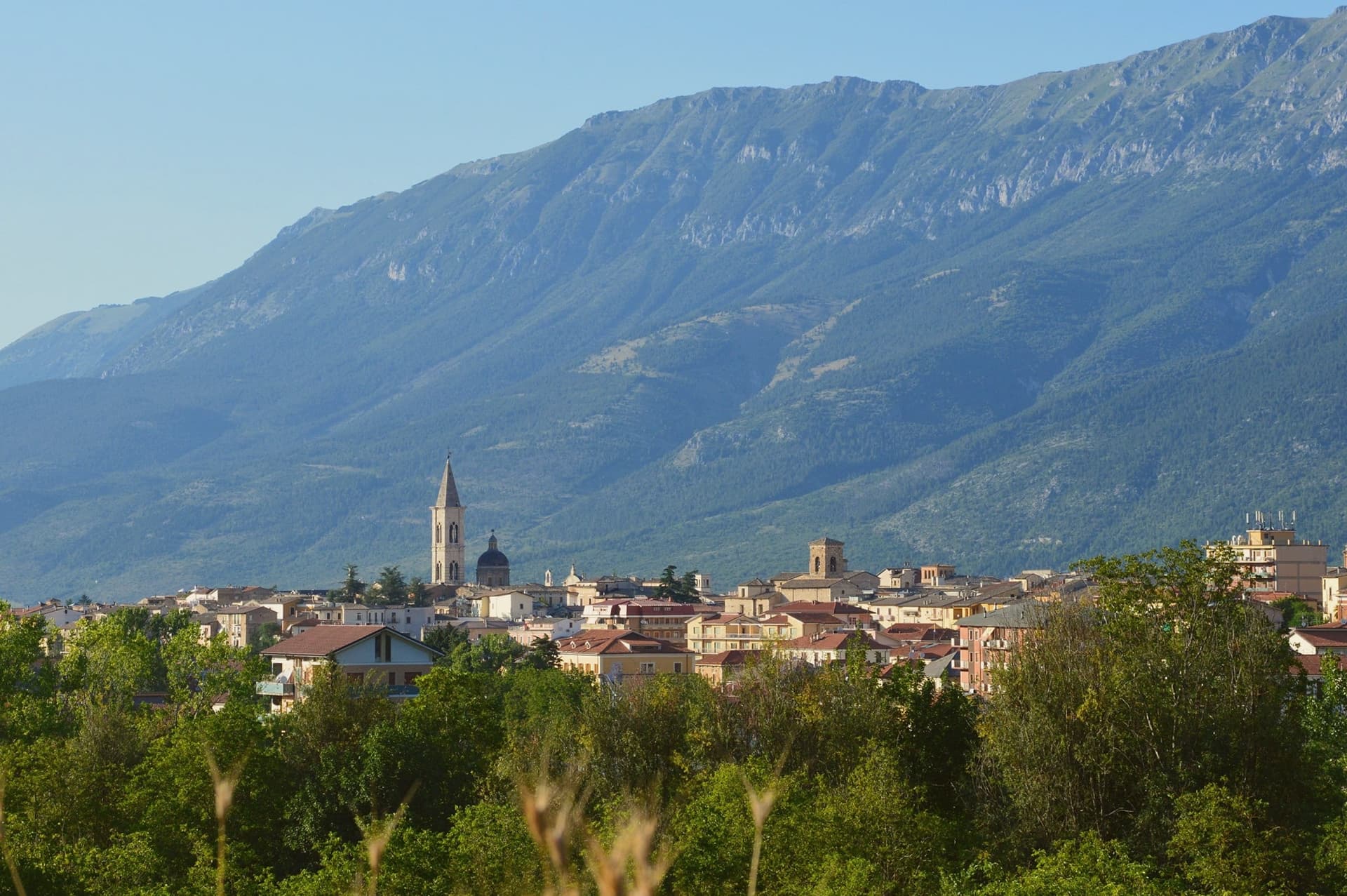
Why visit Sulmona
Sulmona sits at 405 meters in the Valle Peligna, at the confluence of the Gizio and Vella rivers, ringed by the Maiella, the Morrone and the Genzana ranges. The Roman poet Ovid was born here in 43 BC and never stopped writing about the salubrity of its water, a claim still made by the town.
Under Frederick II in the 13th century, Sulmona became the capital of the imperial province of Abruzzo and got the aqueduct of Manfred of Swabia, which still defines the long side of Piazza Garibaldi. The town survived two earthquakes, in 1349 and 1456, and emerged as the home of confetti, the sugared-almond confection given at weddings and baptisms.
Confetti Pelino, the best-known house, has been producing in town since 1783. Every July, the Giostra Cavalleresca brings out the city's seven boroughs in Renaissance procession from the Cathedral of San Panfilo, ending in a ring-jousting tournament in Piazza Garibaldi.
We confirmed you can reach this one by train.
What to see in Sulmona
- Piazza Garibaldi. The town's main piazza, dominated on its long side by the 13th-century aqueduct of Manfred of Swabia, host of the July Giostra Cavalleresca.
- Cattedrale di San Panfilo. Cathedral of the city's patron, the oldest church in Sulmona, starting point of the Giostra historical procession.
- Palazzo dell'Annunziata. Late-Gothic and Renaissance palace on Corso Ovidio with three different facade phases visible, now housing the civic museum.
How to get to Sulmona
There is a railway station in the town, so you can arrive without a car and never need one while you are here. Pescara is roughly 57 minutes away by road.
Our tip
April through June is the green season in the Valle Peligna, when the Maiella above the town still holds snow. The last week of July brings the Giostra Cavalleresca, the town's biggest annual gathering. August is hot, mid-thirties at midday, and the centro storico empties between two and six.
Giulianova
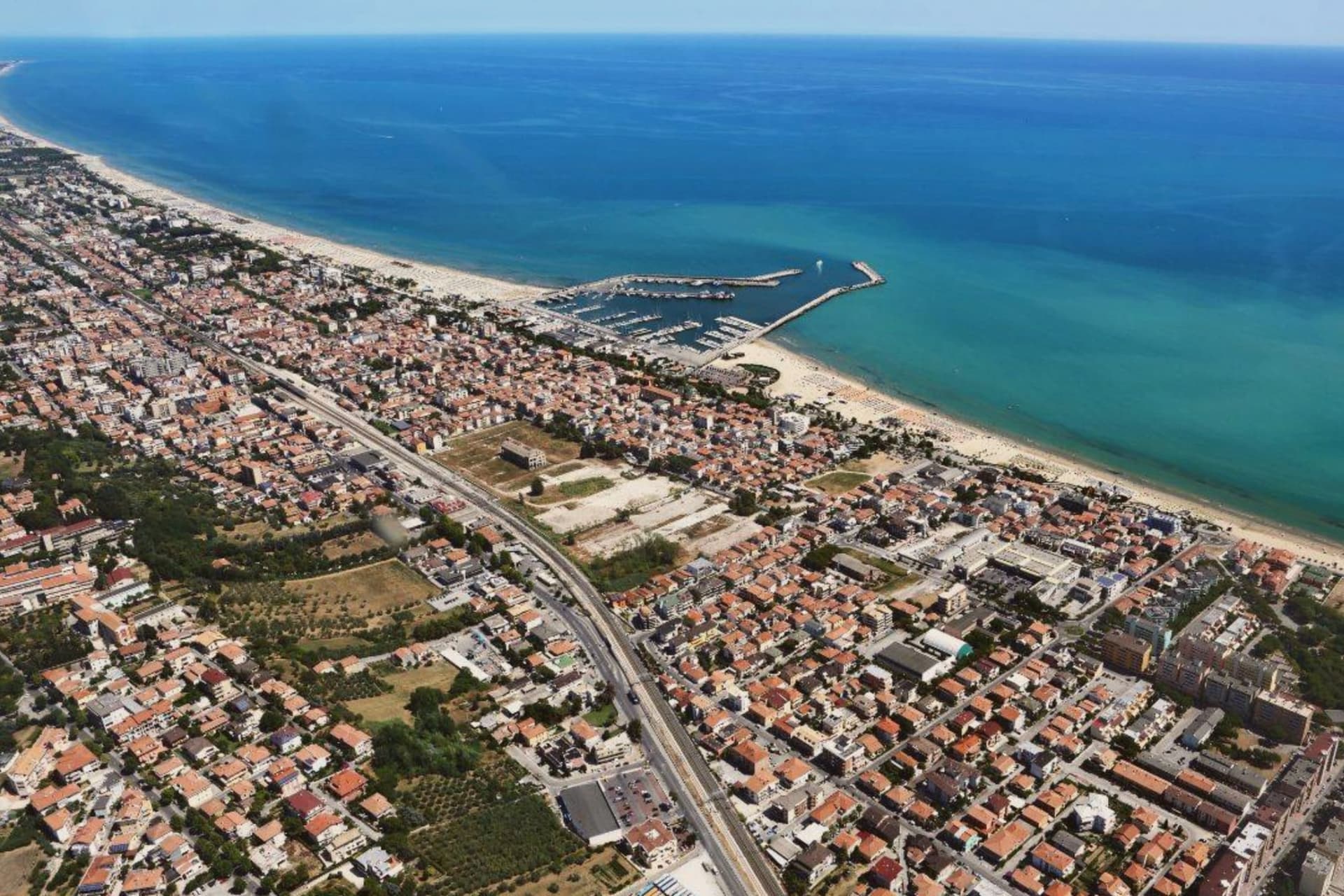
Why visit Giulianova
The town sits at the mouth of the Tordino river, where colonists from Praetutii territory established Castrum Novum in the 3rd century BC. A medieval settlement, Castrum divi Flaviani, later stood on the same hill until it was destroyed in the Battle of the Tordino in 1460.
What rose after covers the upper part of the town today: a walled, planned town on the hill, 68 meters above the water. The Lido came later and by a different route, growing from the 19th century around the railway rather than around any single founding decision.
It is now one of Abruzzo's main fishing ports, and the fish stew served along its promenade, brodetto alla giuliese, is the local counterpart to the better-known Vastese version from further south. The sanctuary on the road between the two halves of town marks the physical and historical hinge between them: hill above, coast below.
In August the Sant'Andrea feast carries the saint by boat along the water, a rite that belongs to the Lido's fishing life rather than to the hill's planned streets. The town, in effect, holds two founding stories side by side, one Renaissance and deliberate, one maritime and gradual, and neither has absorbed the other.
We confirmed you can reach this one by train.
What to see in Giulianova
- Duomo di San Flaviano. Cathedral in the hilltop Paese, its dome visible above the Renaissance street plan. Holds the relics of the saint after whom the medieval settlement was named.
- Paese. The hilltop town, walled and centered on a single piazza, its street plan unchanged since Giulio Antonio Acquaviva laid it out over the ruins of the settlement destroyed in 1460.
- Lido. The coastal town with promenade, fishing port and Blue-Flag beach, developed from the 19th-century railway era.
How to get to Giulianova
There is a railway station in the town, so you can arrive without a car and never need one while you are here. Pescara is roughly 46 minutes away by road.
Our tip
May through September is the beach season. June and September are the calm weeks, July and August the busy ones. The Lido fills with Italian families on holiday and the lungomare runs late.
Roseto degli Abruzzi
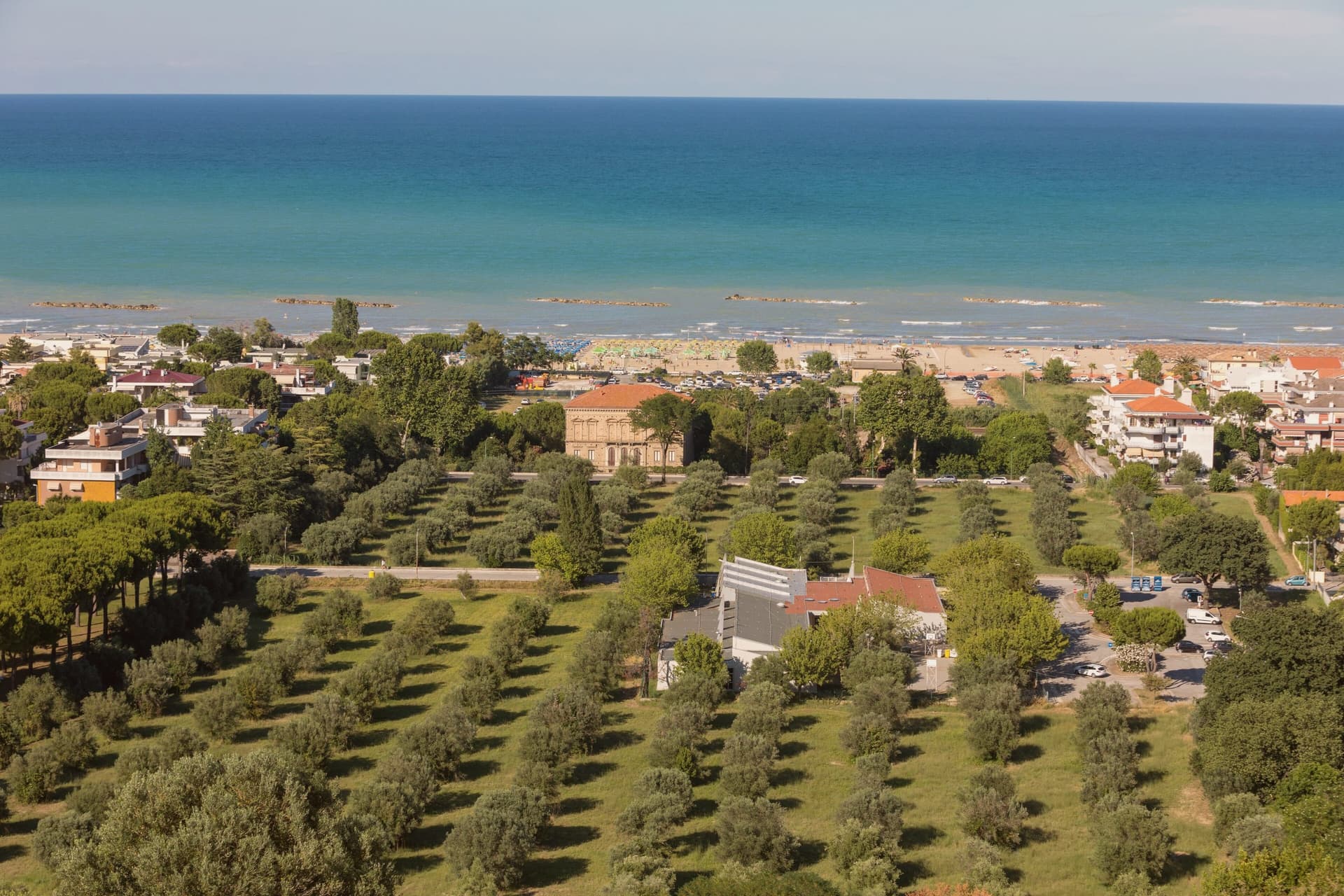
Why visit Roseto degli Abruzzi
Roseto degli Abruzzi sits on the Adriatic between Giulianova and Pineto, with a flat lower town at sea level and the older nucleus of Montepagano on a hill 285 meters above. Ten kilometers of sand run continuously from the Tordino river south to the Vomano, divided into the historic lidos and the Cologna stretch.
The town carried the name Rosburgo until 1927, when it was changed because the Austrian-sounding form had become unpopular after the First World War. Rosburgo had been the local rebranding of the medieval Montepagano settlement that descended to the coast in the nineteenth century, taking its new name from the rose and oleander hedges that lined the new streets.
Roseto has held a Bandiera Blu Blue Flag every year since 1995 and is a Borgo Autentico d'Italia. The Riserva Naturale del Borsacchio, at the northern edge of town, protects the last dunes and Mediterranean scrub on this stretch of coast.
We confirmed you can reach this one by train.
What to see in Roseto degli Abruzzi
- Lungomare and lidos. Ten kilometers of low-rise sand from the Tordino to the Vomano, with the Lido delle Rose, Cologna, and free-beach sections.
- Montepagano. Original medieval village on a hill 285 meters above the coast, with walls, stone houses, and a panoramic terrace over the sea.
- Riserva Naturale del Borsacchio. Coastal nature reserve at the north end of town, protecting dunes, Mediterranean scrub, and the nesting site of the Kentish plover.
How to get to Roseto degli Abruzzi
There is a railway station in the town, so you can arrive without a car and never need one while you are here. Pescara is roughly 37 minutes away by road.
Our tip
May through September is the beach season. June and September are the best balance of warm sea and lower crowds. July and August fill the lidos, especially the weekends of Ferragosto in mid-August.
Vasto
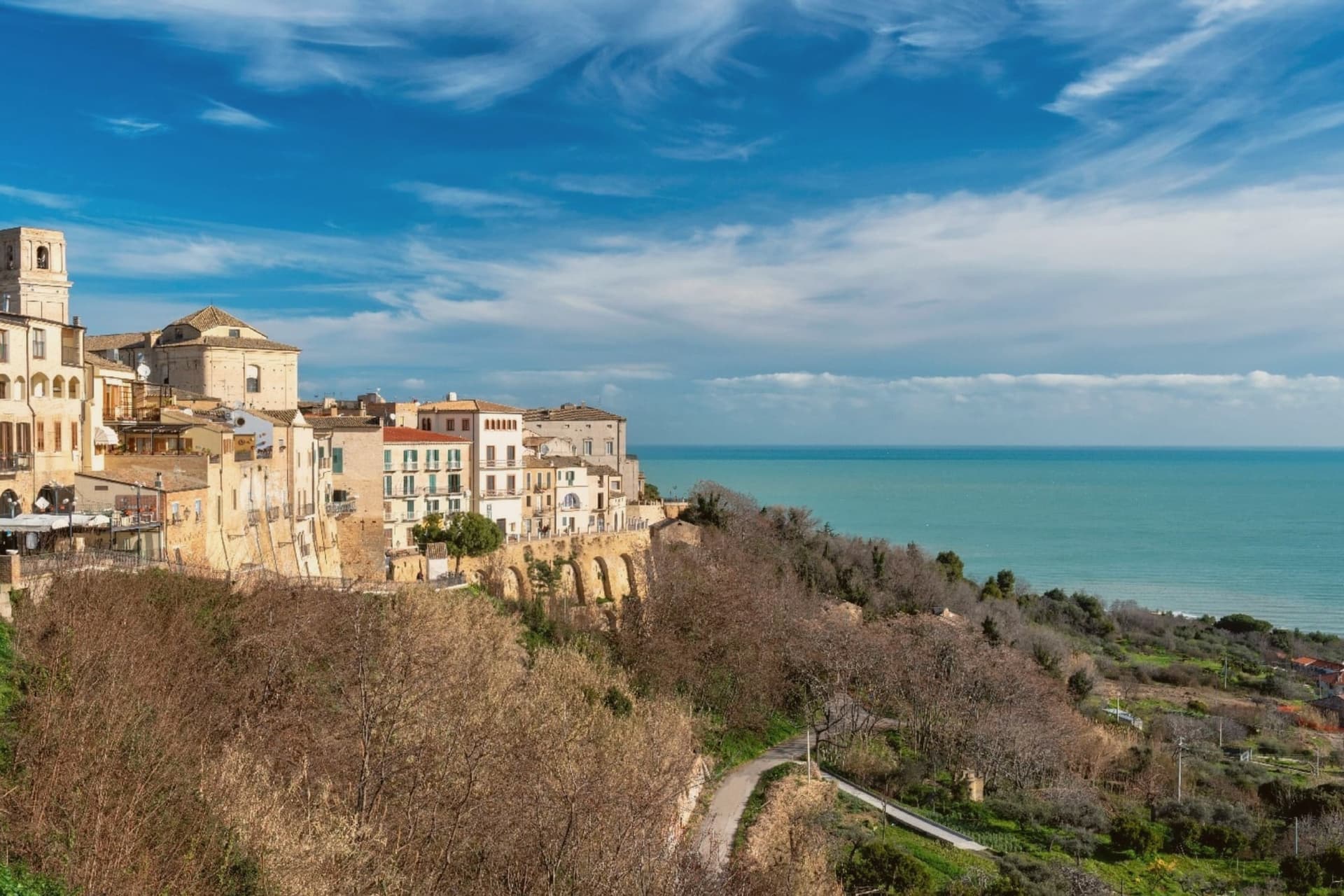
Why visit Vasto
Vasto was the Roman Histonium, a name that predates the hill town's later medieval and Renaissance layers. It sits at 144 meters above the Adriatic, with the upper town, the castle and palace, set above the coast and the Punta Aderci reserve lying below to the north, cliffs and sandy beach against the built hill.
The coast running north from here to Ortona is the Costa dei Trabocchi, seventy kilometers of shoreline named for the wooden stilt-fishing platforms that still work its length. The brodetto alla vastese was invented, by tradition, in 1800 by the wife of a fisherman in the Trave district, who enriched the daily catch with tomato, parsley and garlic from her vegetable garden, a dish born of the same waters the trabocchi work.
The summer Capriccio festival fills the city with music in August. Upper town, reserve, and coast read as one arrangement: a hill settlement that has always faced the sea it feeds from and now also draws visitors to.
We confirmed you can reach this one by train.
What to see in Vasto
- Palazzo d'Avalos. The palace now houses the civic archaeological museum and the Gabriele Rossetti poetry library, its rooms given over to collections rather than court life.
- Castello Caldoresco. Burned by Ottoman forces in 1566 and rebuilt afterward, the castle still anchors the upper town, a scarred structure standing in place of the one that fell.
- Punta Aderci. A nature reserve north of the town with sandy beaches, cliffs, and a migratory bird stopover protected since 1998, lying below the hill the old town sits on.
How to get to Vasto
There is a railway station in the town, so you can arrive without a car and never need one while you are here. Pescara is roughly 59 minutes away by road.
Our tip
May through September is the season. June and September are the calm weeks before and after the August crowds. The water reaches its warmest in early August and the Punta Aderci reserve cliffs hold afternoon shade.
Ascoli Piceno
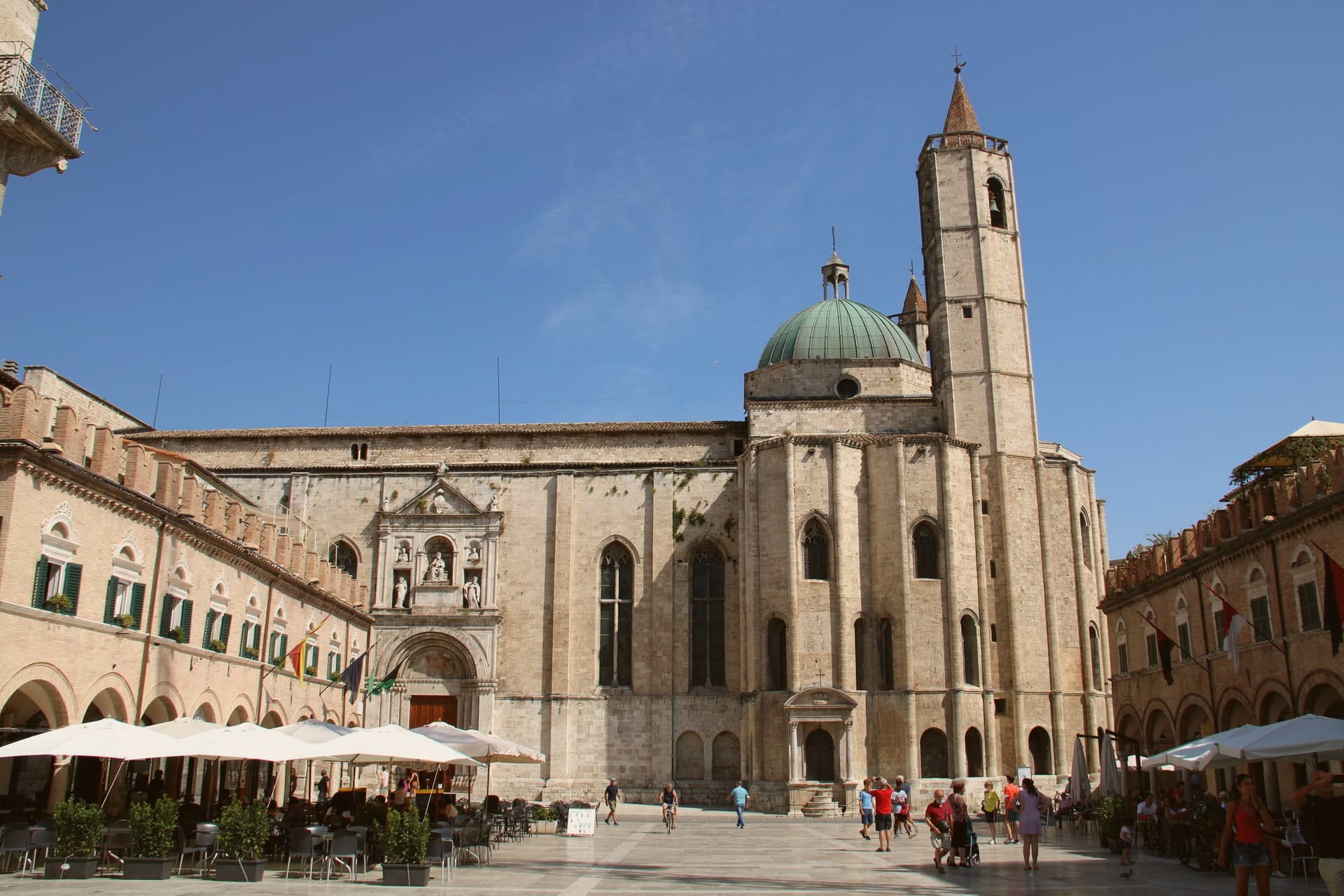
Why visit Ascoli Piceno
Ascoli Piceno sits at 154 meters at the confluence of the Tronto and the Castellano, the historic capital of the Piceni who held this part of the Marche before Rome. The town is built almost entirely from local travertine, which gives the centro storico its luminous pale surface and its mirror behavior under rain: Piazza del Popolo, paved in polished travertine slabs, is one of the most photographed squares in Italy.
In 91 BC the Ascolani killed the Roman delegation in their forum and triggered the Social War; the city was razed and rebuilt by Rome and the present grid still follows the Roman layout. The Quintana, run in costume in July and August, is a joust between the six sestieri, the city districts, the knight on horseback charging an effigy of an Arab warrior.
Anisetta Meletti, the local aniseed liqueur invented in 1907, is poured at the Caffè Meletti on the piazza.
We confirmed you can reach this one by train.
What to see in Ascoli Piceno
- Piazza del Popolo. Paved in polished travertine slabs and lined by Renaissance porticoes, the Palazzo dei Capitani and the Loggia dei Mercanti, one of the most photographed squares in Italy.
- Chiesa di San Francesco. Gothic basilica begun in the thirteenth century, three travertine portals, two bell-towers, the largest Marchigiana example of the Franciscan order's architecture.
- Cattedrale di Sant'Emidio. Cathedral on Piazza Arringo, with a fifth-century crypt holding the relics of Sant'Emidio, patron saint invoked against earthquakes.
How to get to Ascoli Piceno
There is a railway station in the town, so you can arrive without a car and never need one while you are here. Pescara is roughly 72 minutes away by road.
Our tip
April through June and September into October are the best months for Ascoli Piceno. The travertine is dry, the surrounding olive groves turn through the Ascolana tenera harvest from October, and the Tronto and Castellano walks along the city's south edge are open every day. July and August touch the mid-thirties; the centro storico empties between three and six in the afternoon but the Quintana weekends fill it again. Ascoliva Festival falls in August.
More from Anywhere Italy
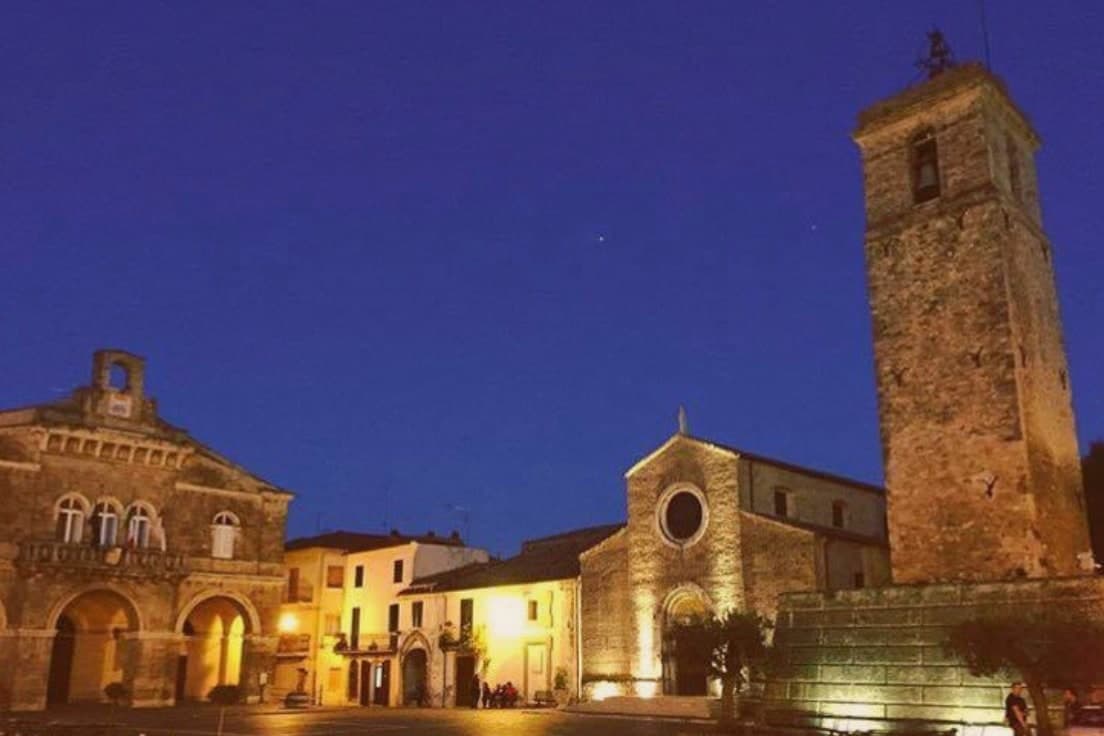 The best coastal towns that eat well within 90 minutes of Pescara
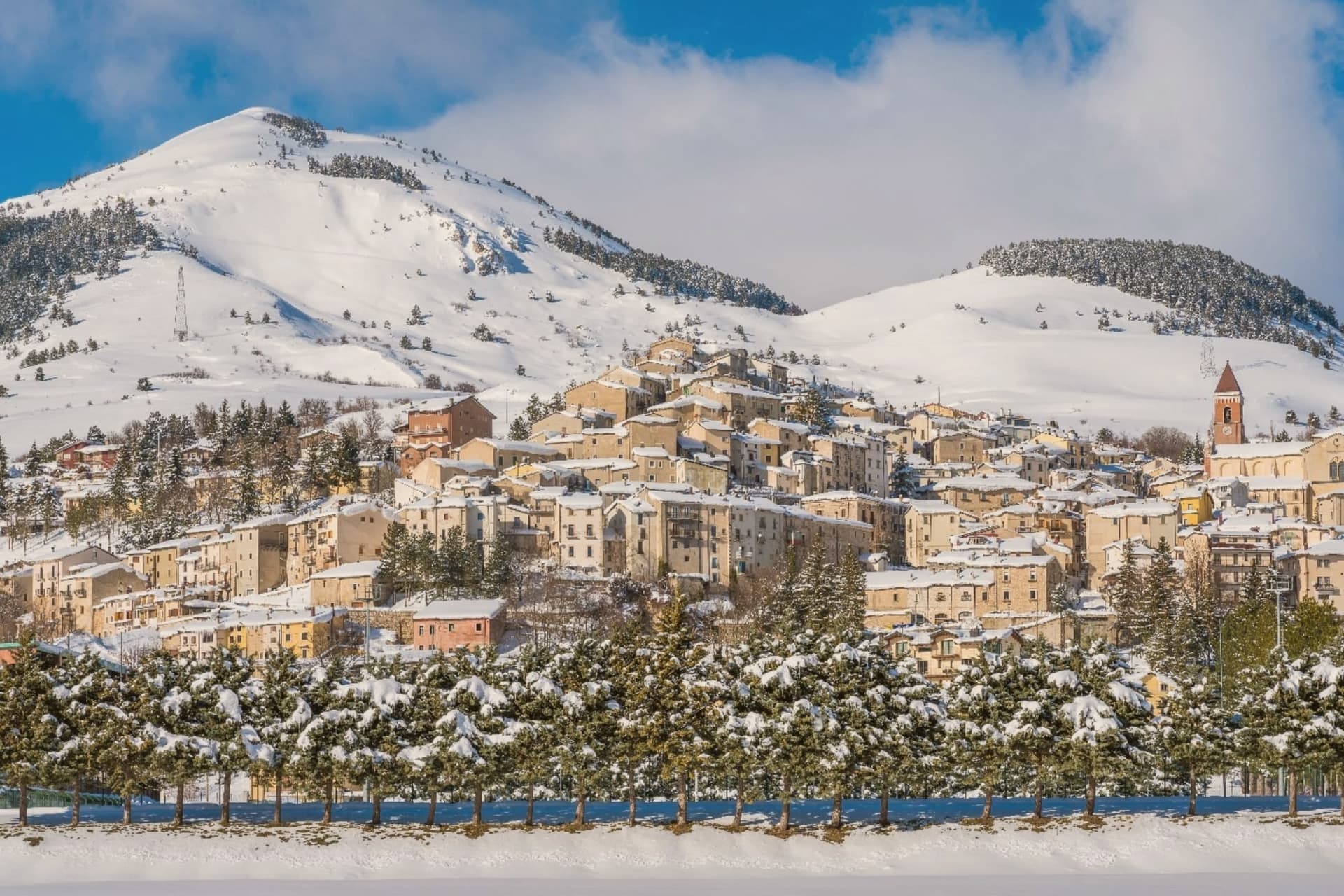 The best hidden towns with a serious restaurant that eat well within 90 minutes of Pescara
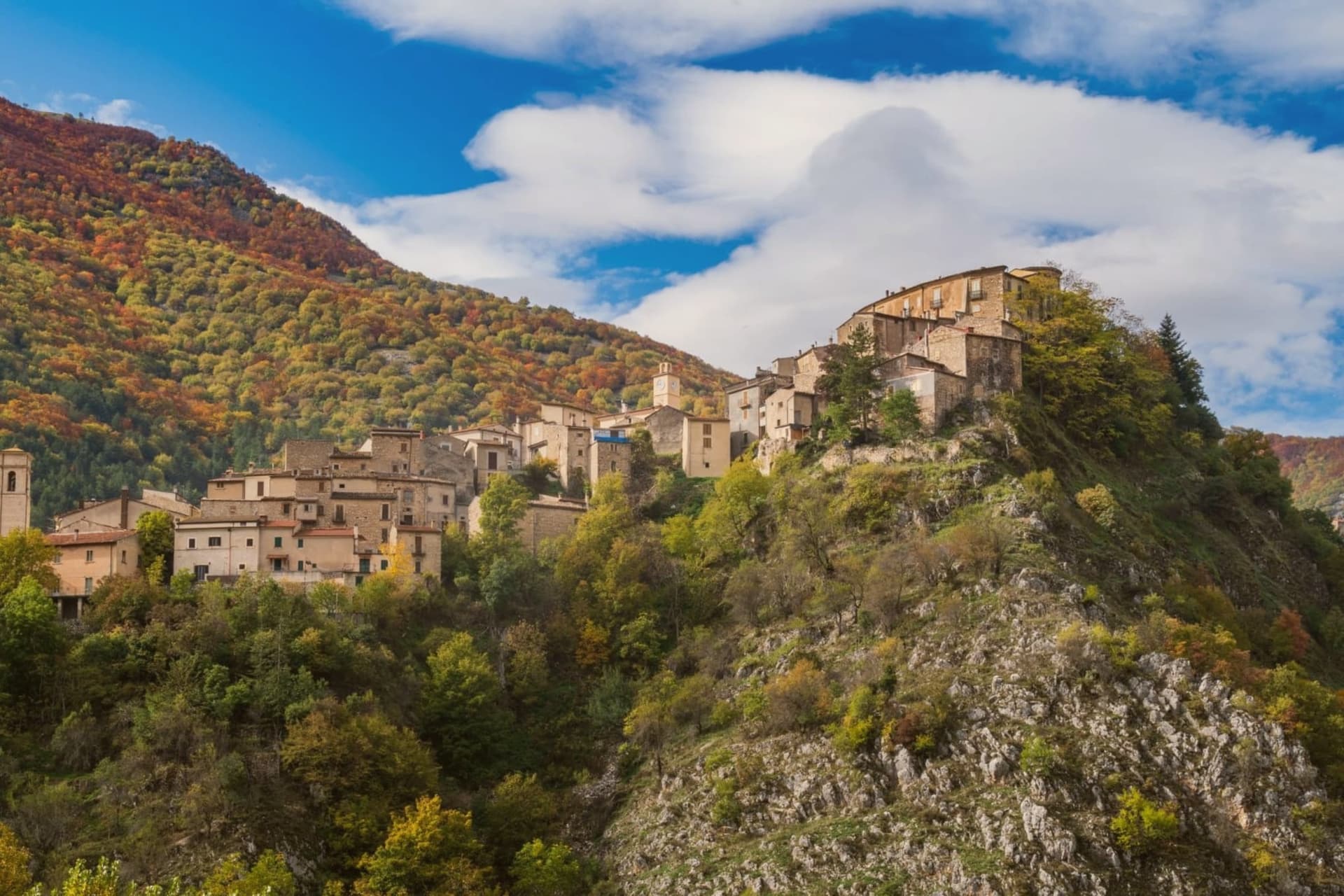 The best beach towns in Abruzzo
- The best coastal towns in Abruzzo
 The best hidden towns you can reach by train that have a serious restaurant in Abruzzo
 The best towns you can reach by train in the province of Teramo