
Area guide · Tuscany
Apuan Alps
The mountains behind Versilia
- Where
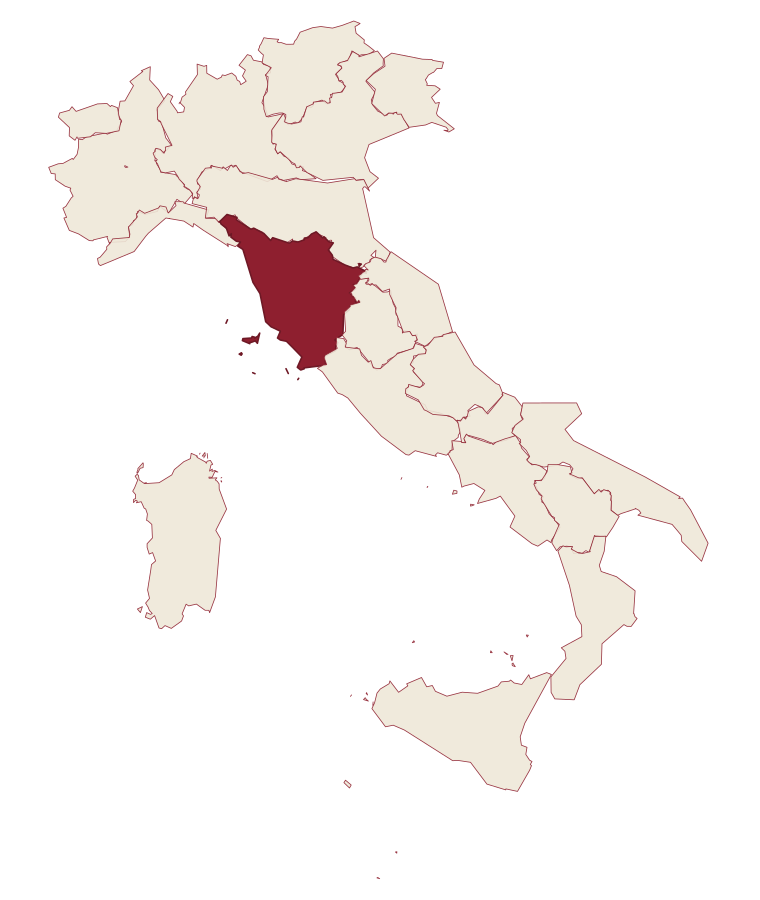
- Tuscany, provinces of Lucca and Massa-Carrara
- Train
- 6 of 8 towns on the railway
- Towns
- 8, 7 we have written about
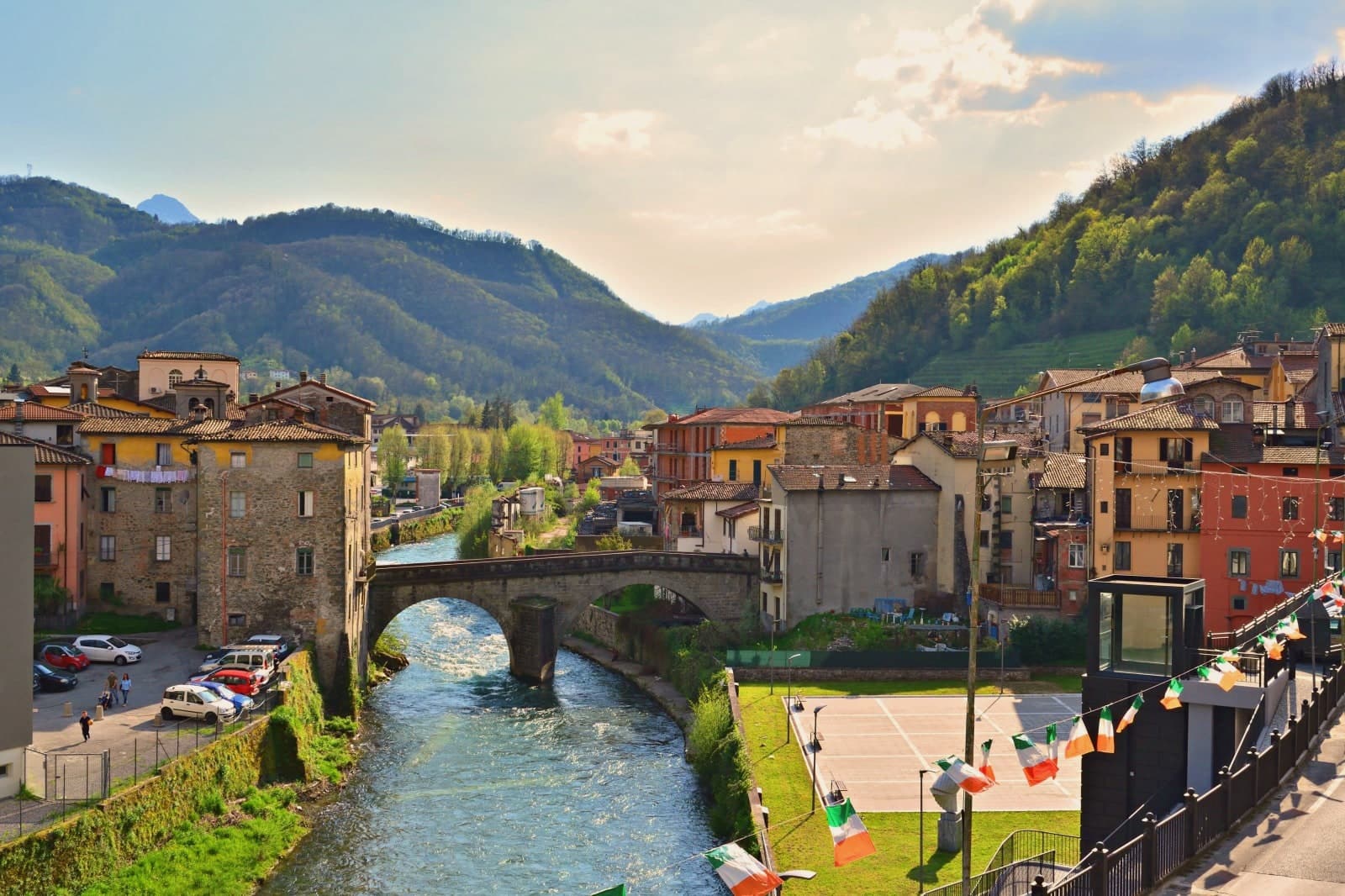
The wall of marble mountains that rises straight out of the Versilia plain, and the two valleys it shelters: the Garfagnana east of the range and the Lunigiana north of it. From Lucca across the mountains to the quarries at Carrara is a road of two and a half hours, with chestnut woods, stone villages and the quietest country in Tuscany the whole way.
8 towns
The towns of Apuan Alps
Each card opens the town's own page, with the drive time from the nearest city and whether the train stops there.
- ✷ We've been
Lucca
Where: Inland
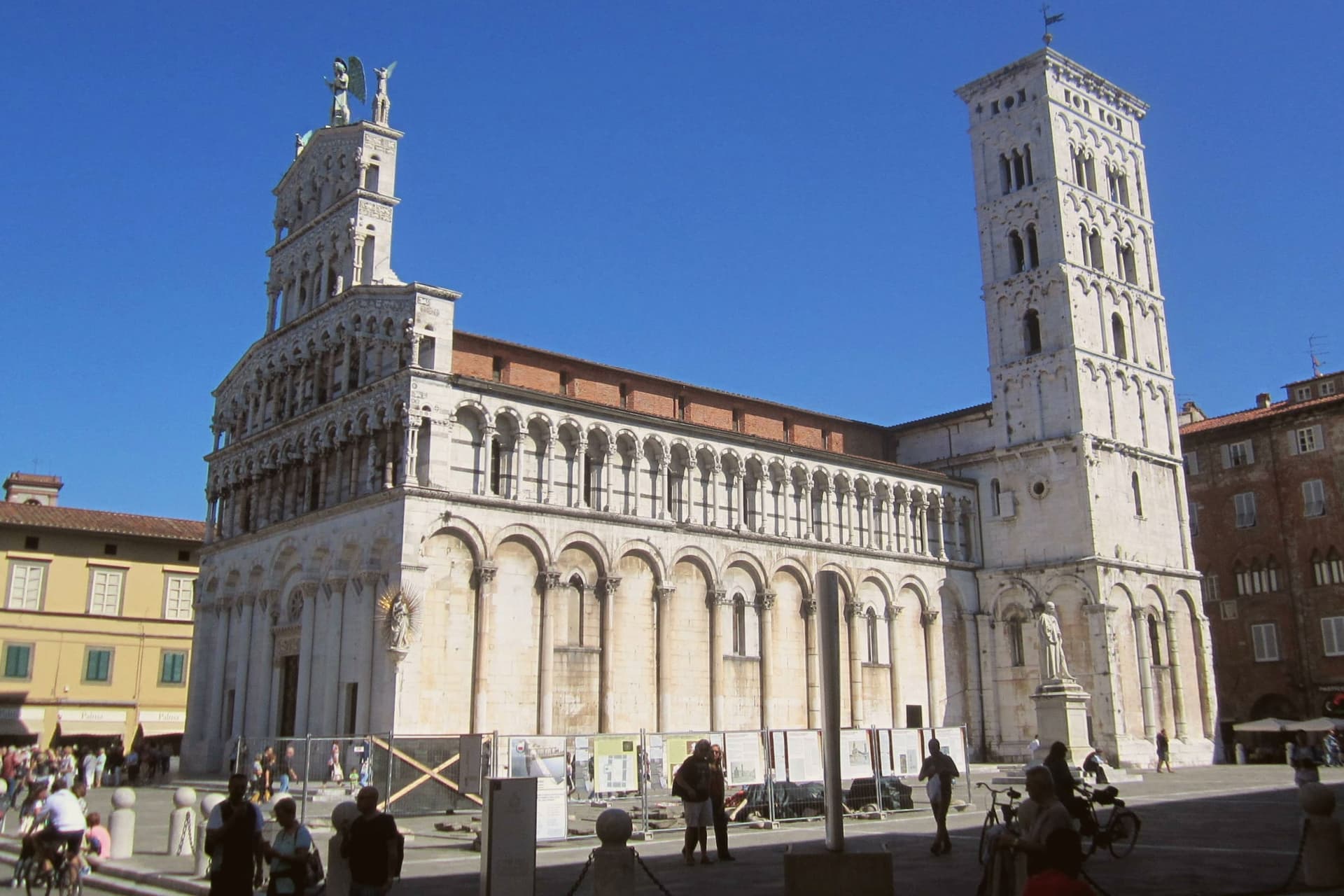
The provincial capital ringed by four kilometers of intact sixteenth-century walls, birthplace of Puccini and the only fully walled Italian city of its scale.
- ✷ We've been
Barga
Where: Inland
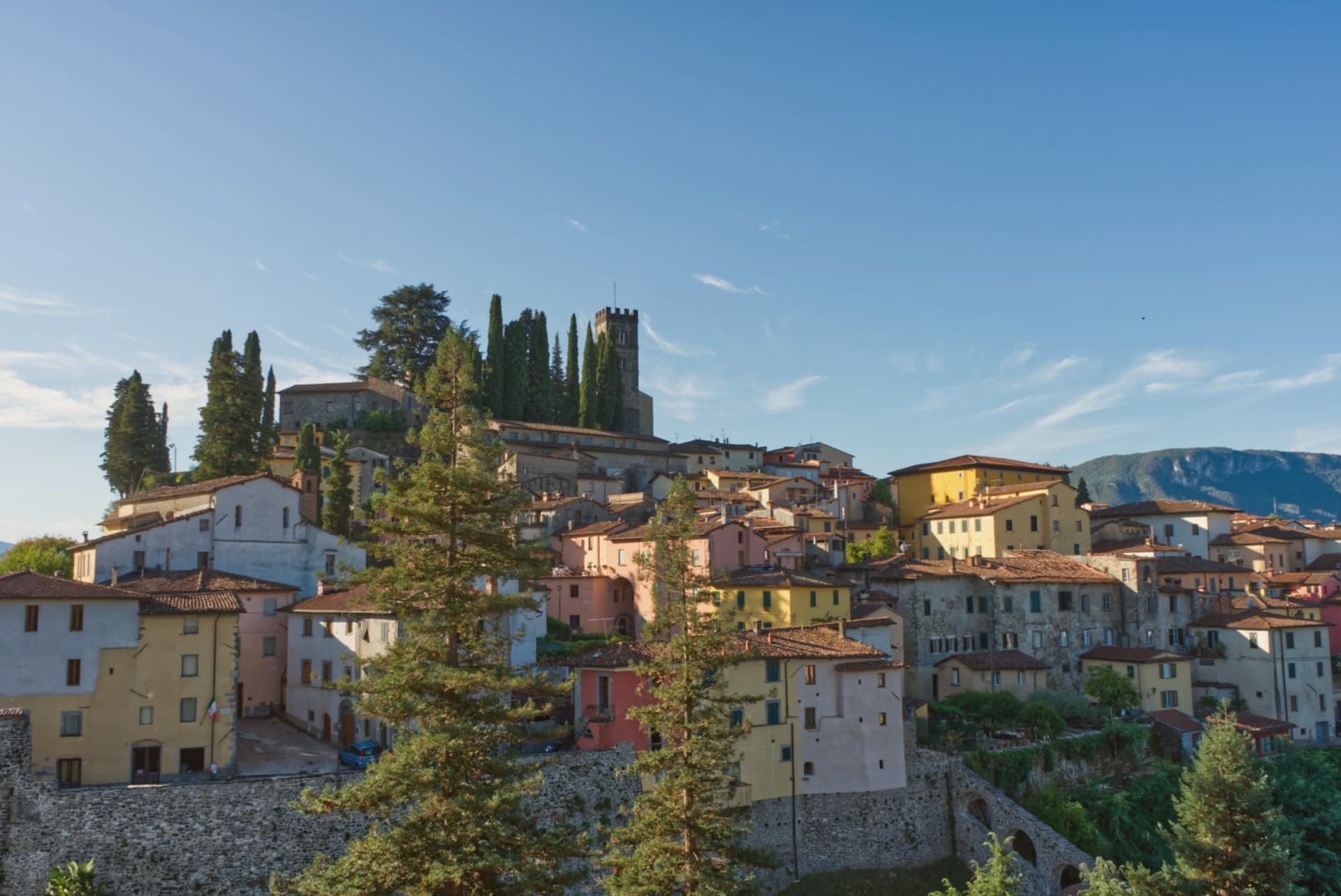
A medieval hilltop town at 410 meters in the Serchio valley, where Giovanni Pascoli wrote his last poems and the August festival serves fish and chips.
- ✷ We've been
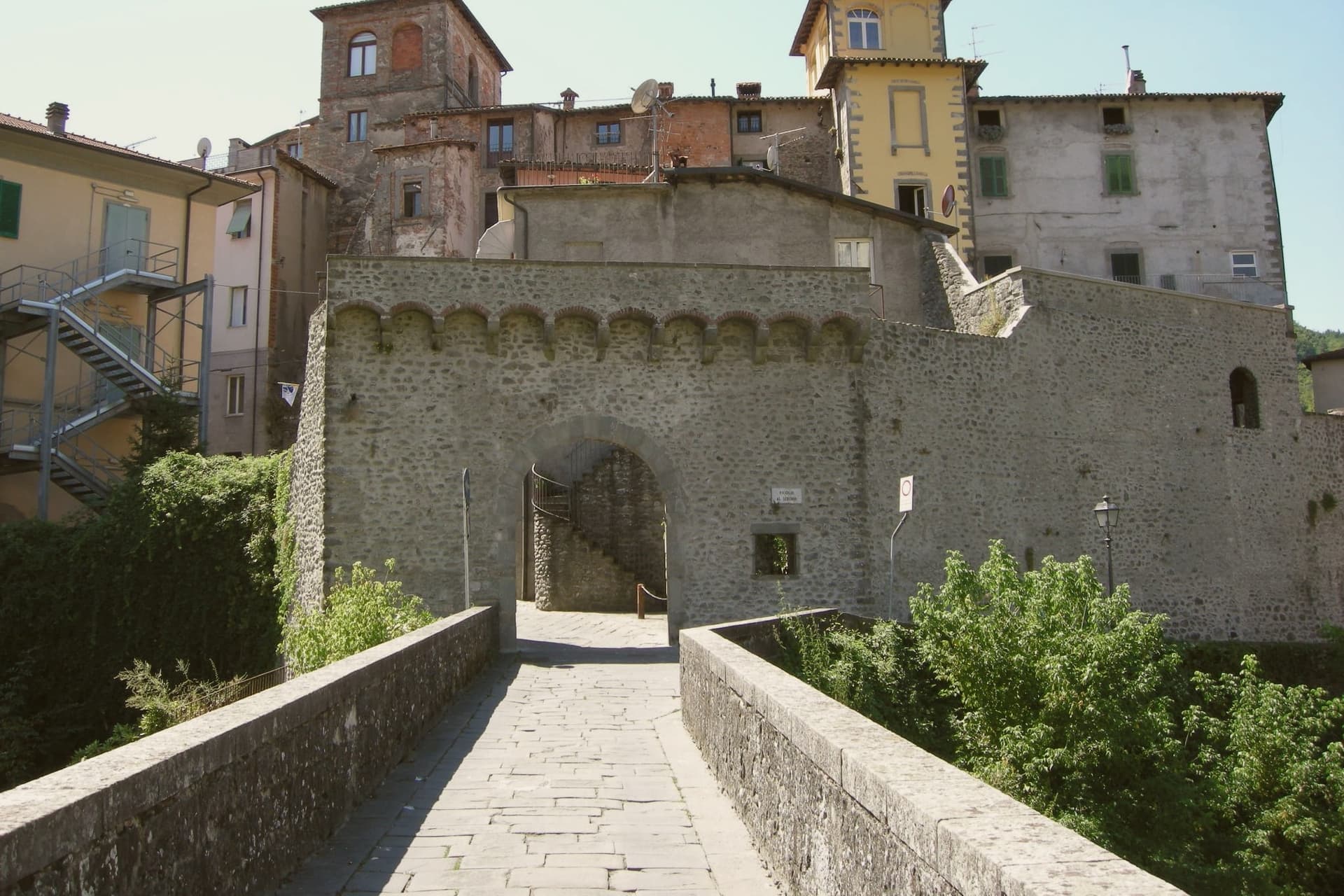
Castelnuovo di Garfagnana
Where: Inland
The Garfagnana capital where the fortified medieval borgo sits at the confluence of the Serchio and the Turrite, where the Tuscan Apennines meet the Alpi Apuane.
- ✷ We've been
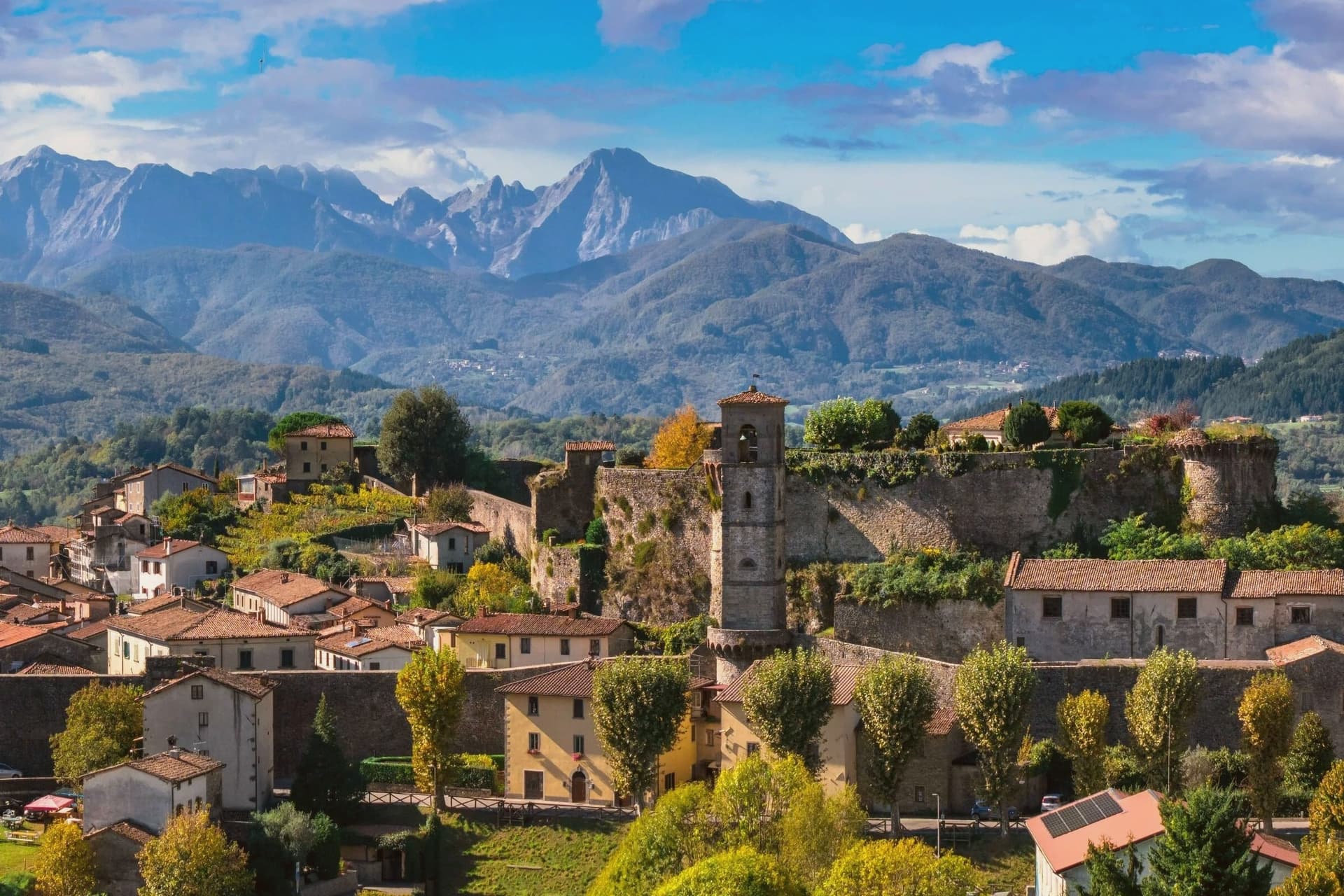
Castiglione di Garfagnana
Where: Inland
A walled medieval town at 540 meters in the Garfagnana, the Lucca outpost that refused to submit to the Este and held the pass to San Pellegrino.
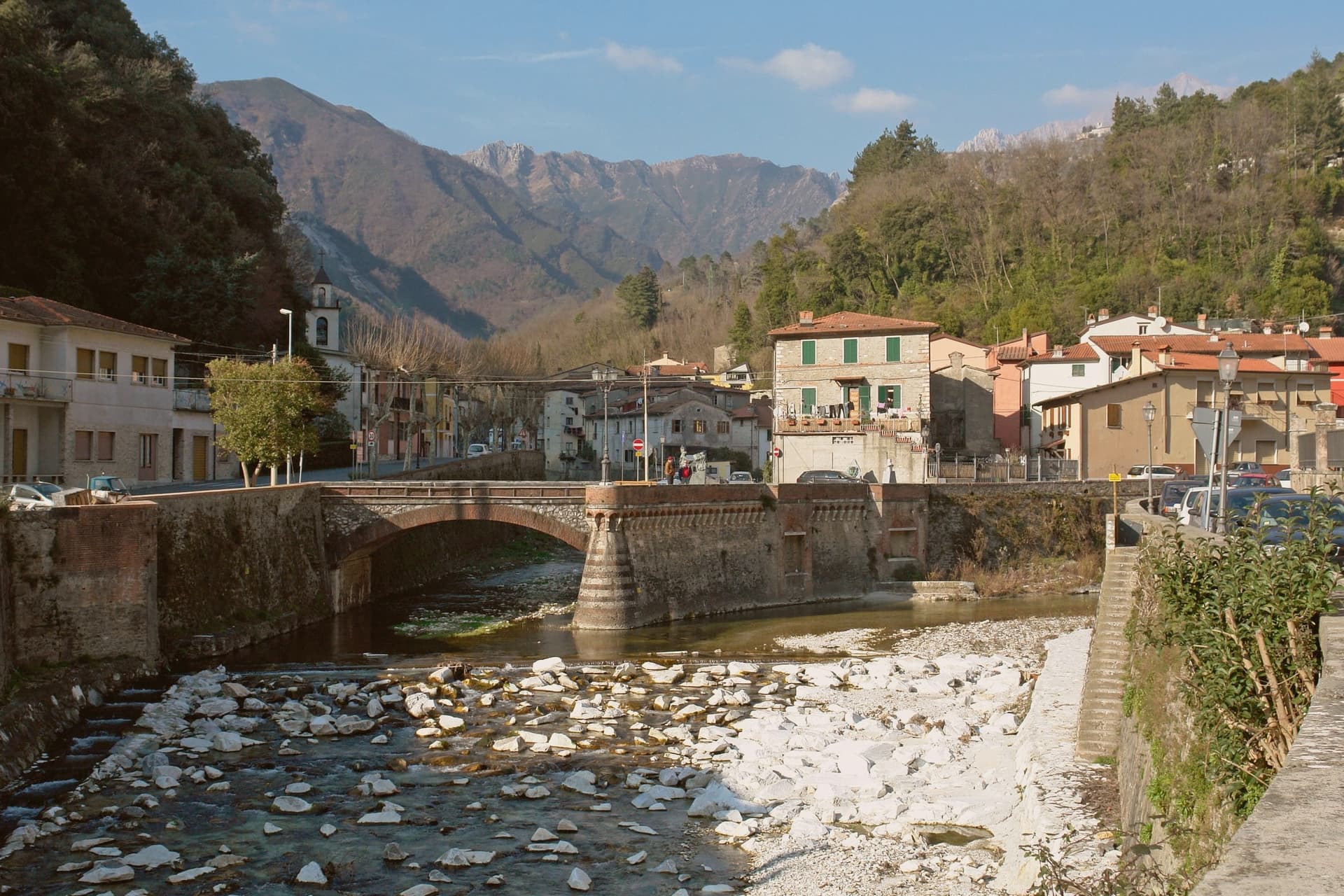
Seravezza
Where: Inland
The Versilia town where Michelangelo opened the Pope's marble quarries and Cosimo I built his summer palace.
- ✷ We've been
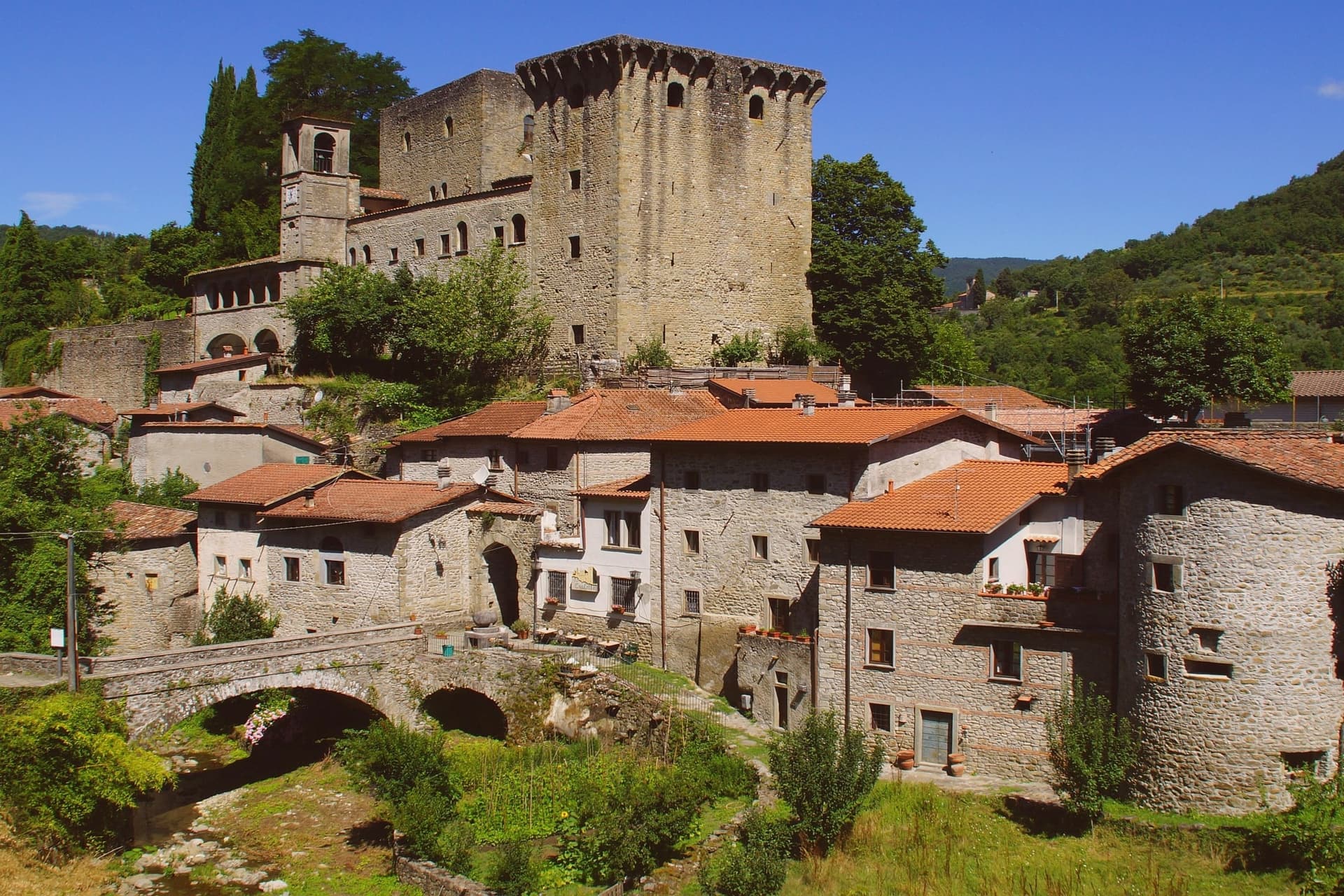
Fivizzano
Where: Inland
The draw here is not the capoluogo but its 92 mountain frazioni, scattered across a Lunigiana commune where a thermal gorge, an intact fortress and a ridge-top hamlet each stand as their own destination.
- ✷ We've been
Fosdinovo
Where: Inland
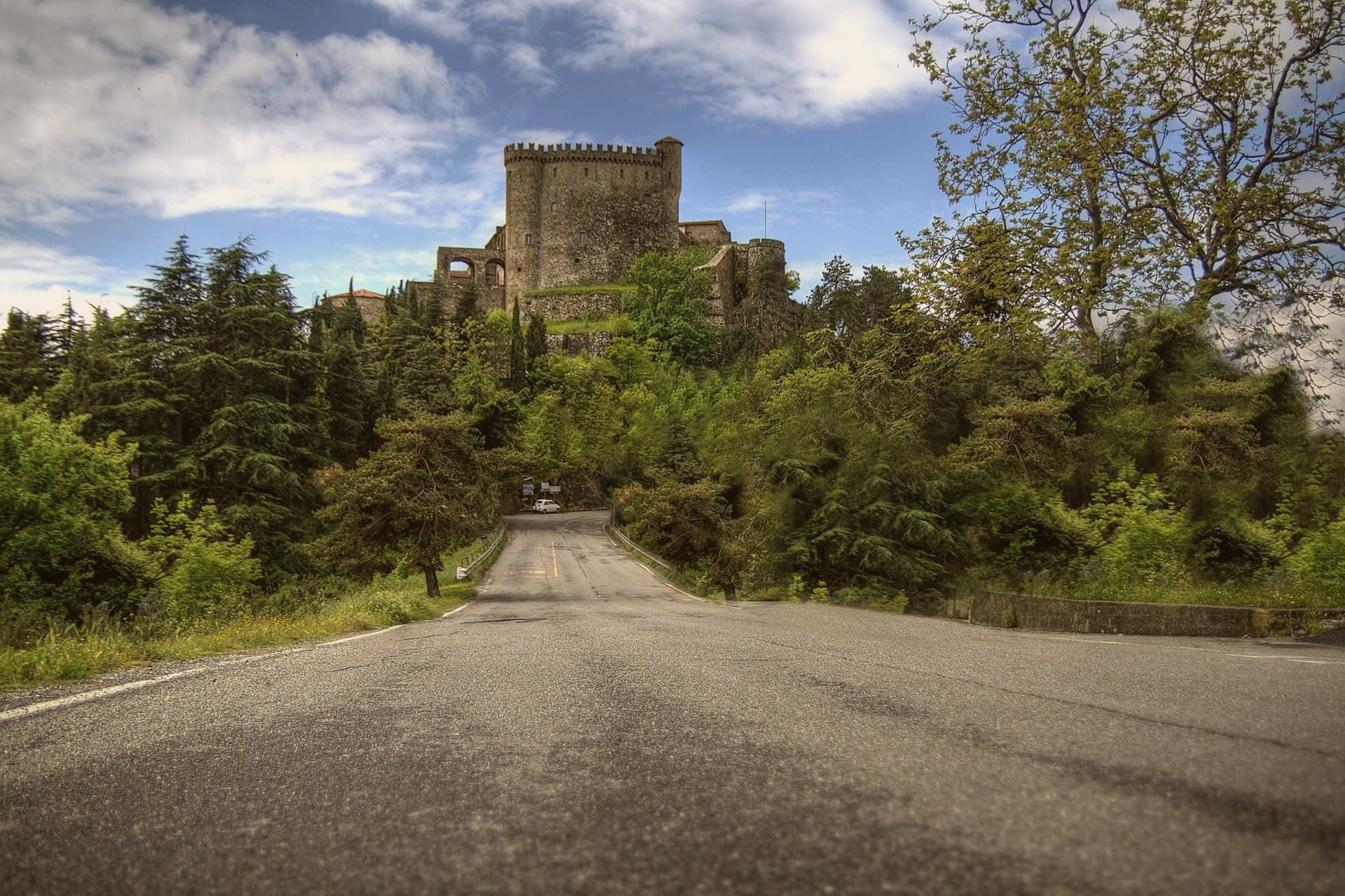
The southern Lunigiana stronghold at 500 meters, the Malaspina castle where Dante took shelter in 1306 and later set a Purgatorio canto.
- ✷ We've been
Carrara
Where: Inland
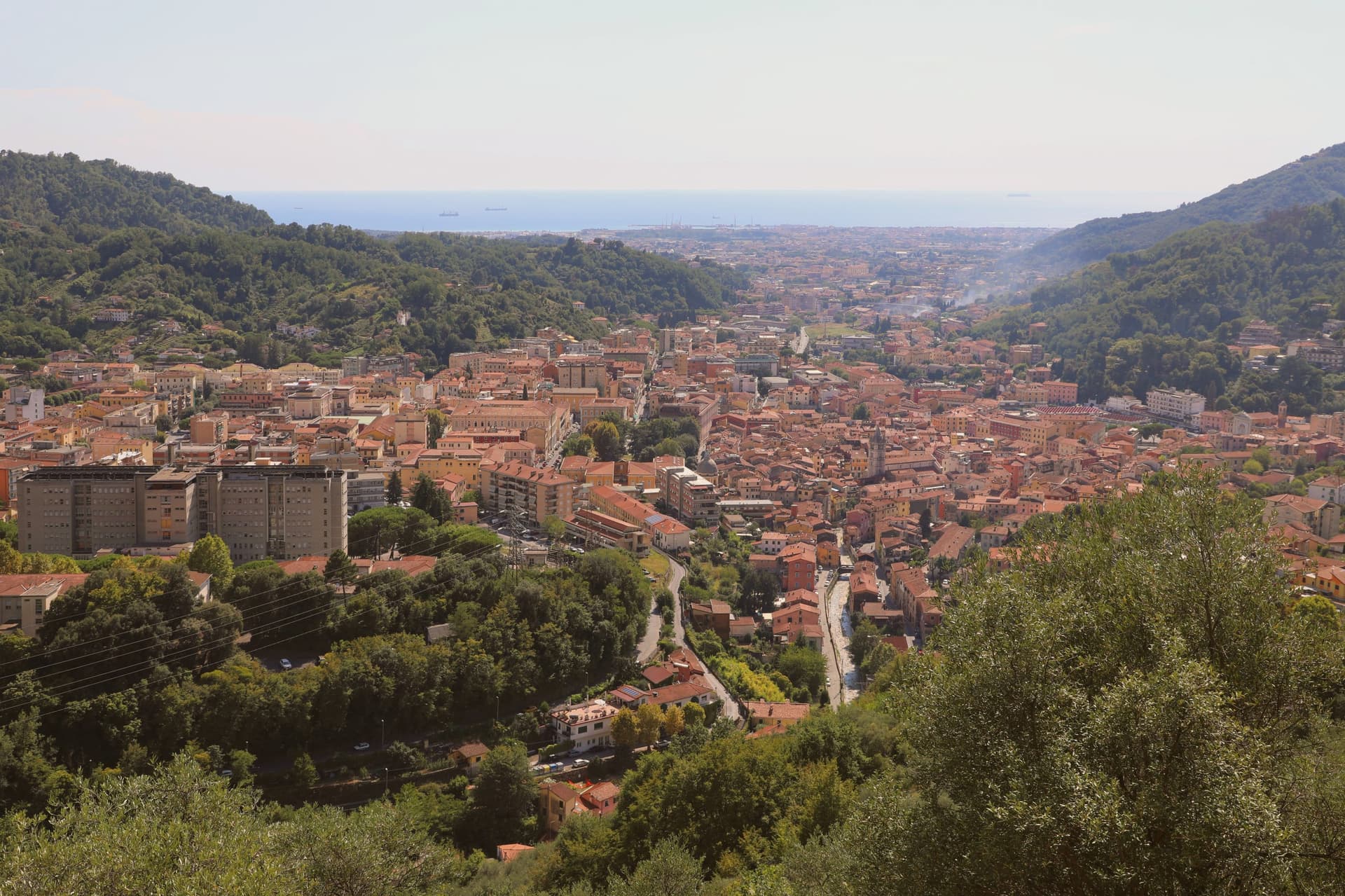
The marble town at the foot of the Apuan Alps, with over 650 quarry sites in the valleys above and the stone that built the Pantheon, the Pietà and Michelangelo's David.
In our words
What each one is for, one line each, from our book.
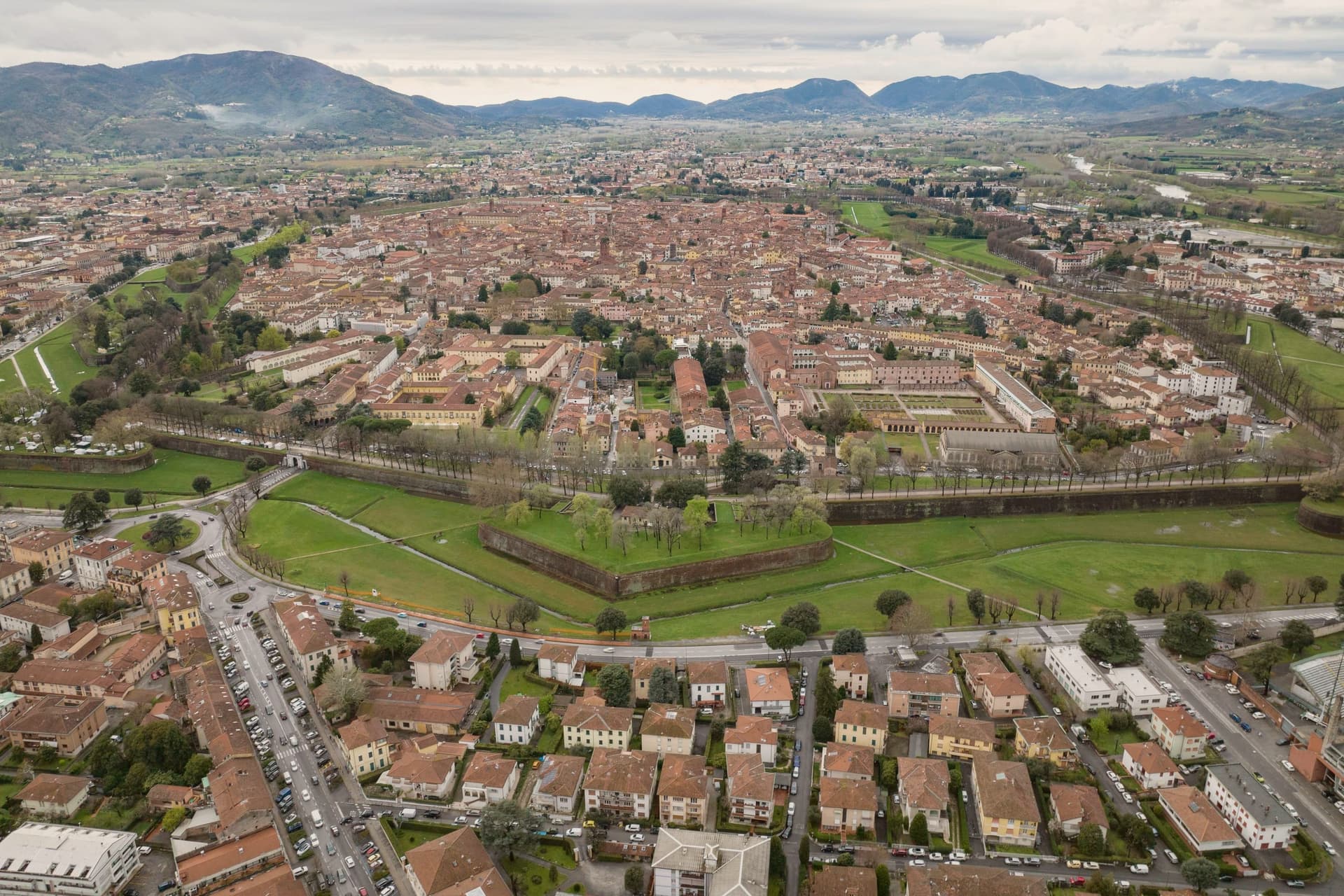
The gate to the mountains, where the Serchio leaves them. Park outside the walls and walk up onto them. The base for the first nights.
The Capannori villas, Mansi and Torrigiani, are ten minutes east and make an easy morning.
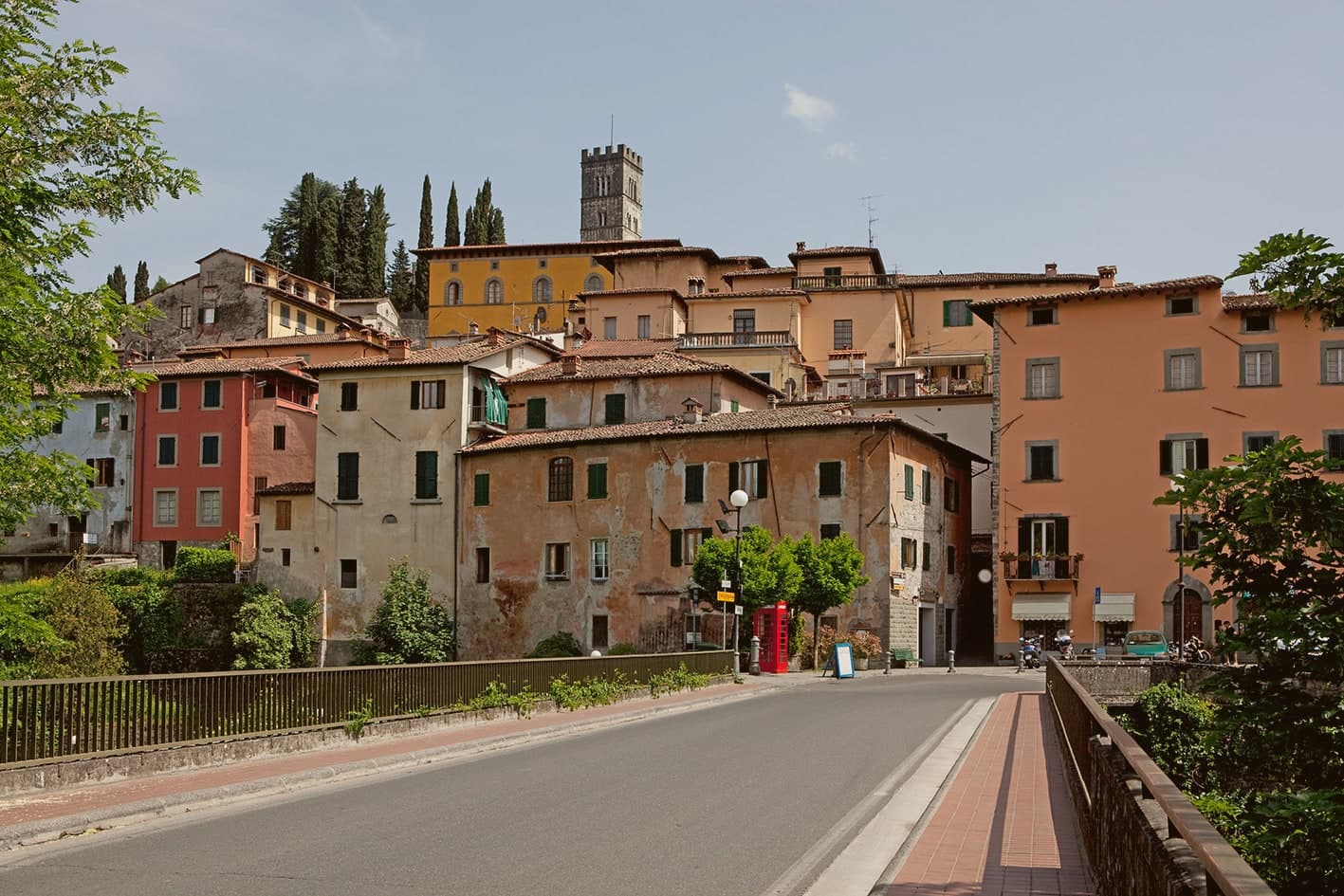
The night. The Duomo on the Arringo, the Scottish accent in the street, and the best-placed small town in the Serchio valley.
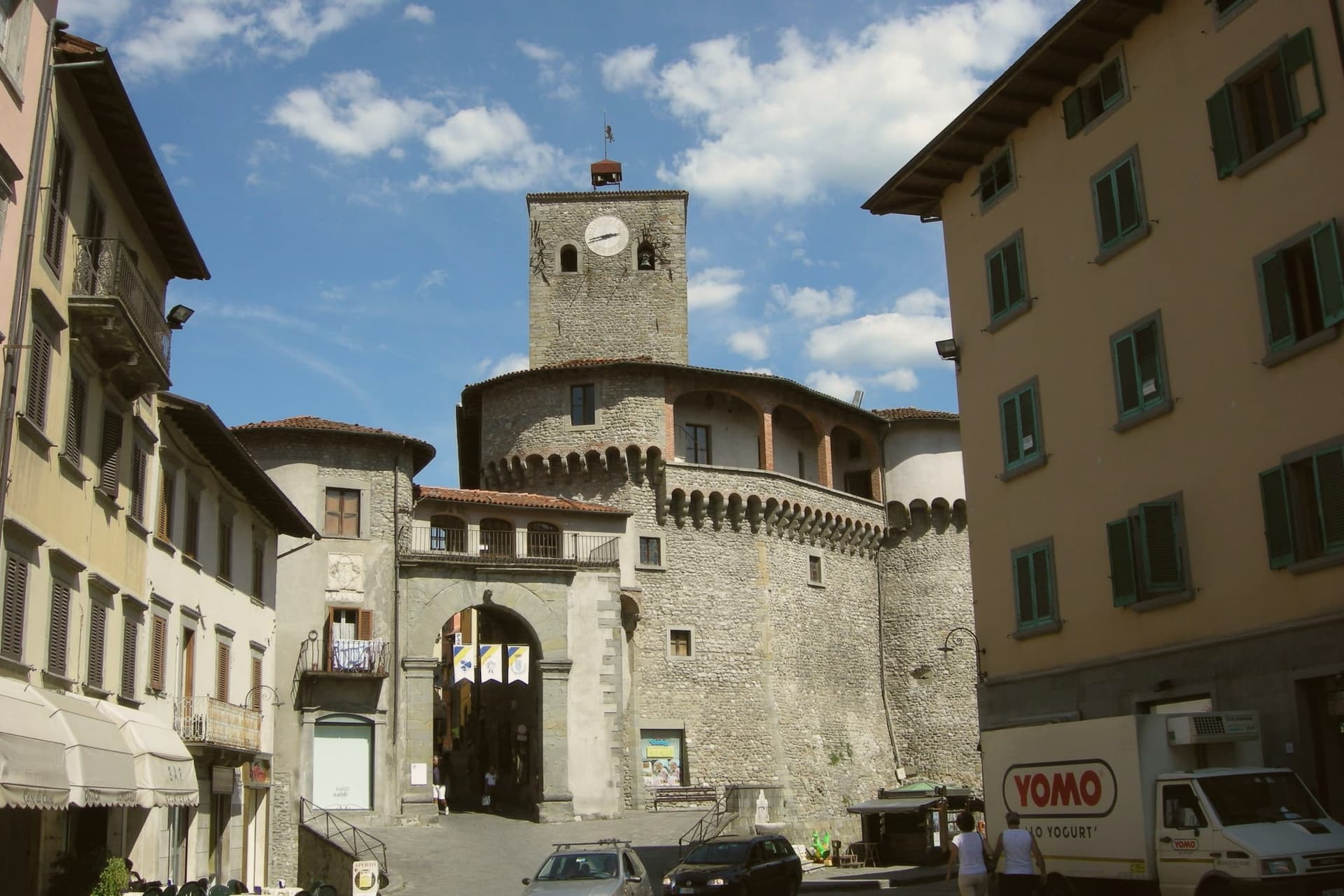
The capital of the Garfagnana. The Rocca, the salumeria, and the piazza at six with a board of salami made inside five kilometres.
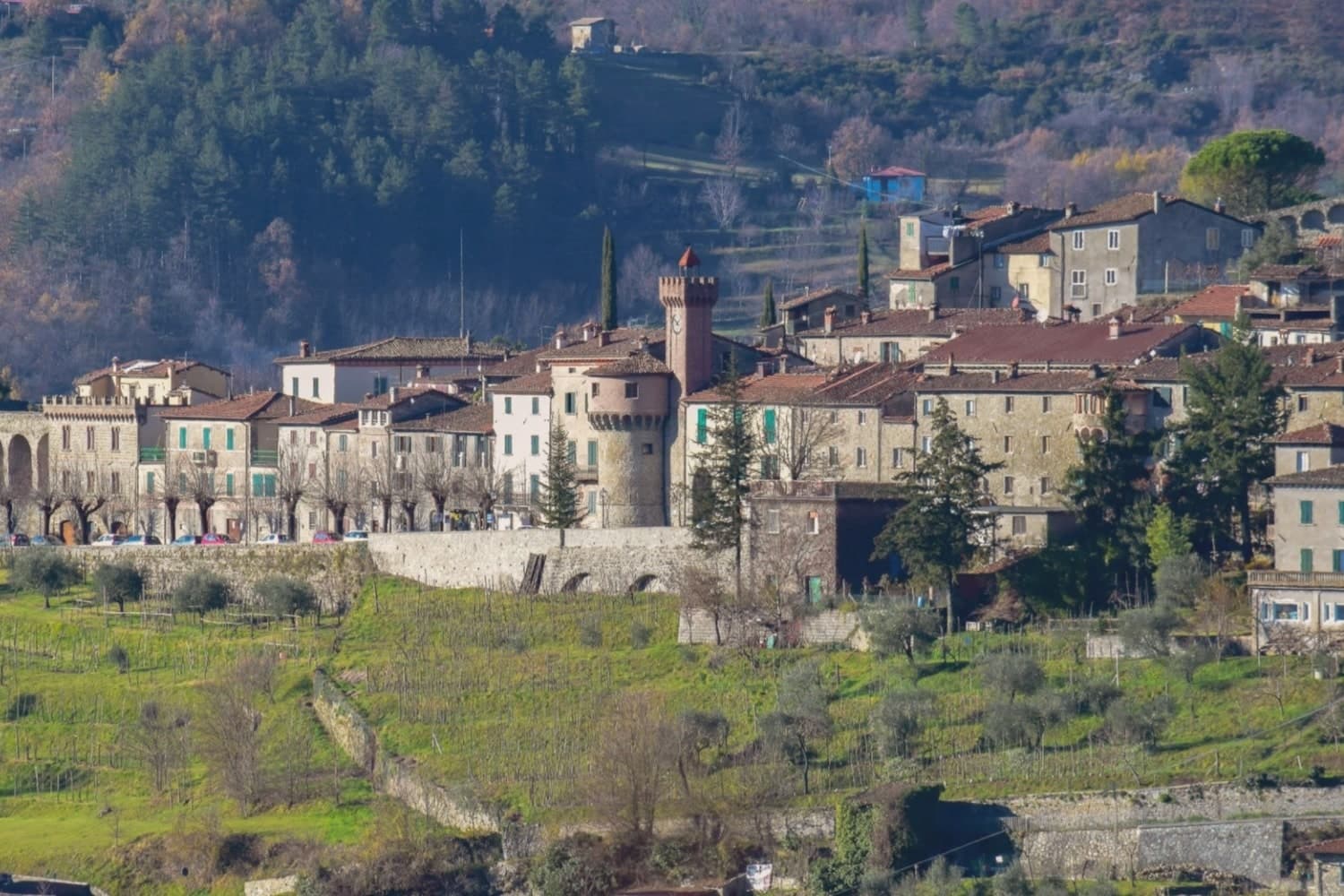
The walled village above, twenty minutes up. A side marker rather than a stop.
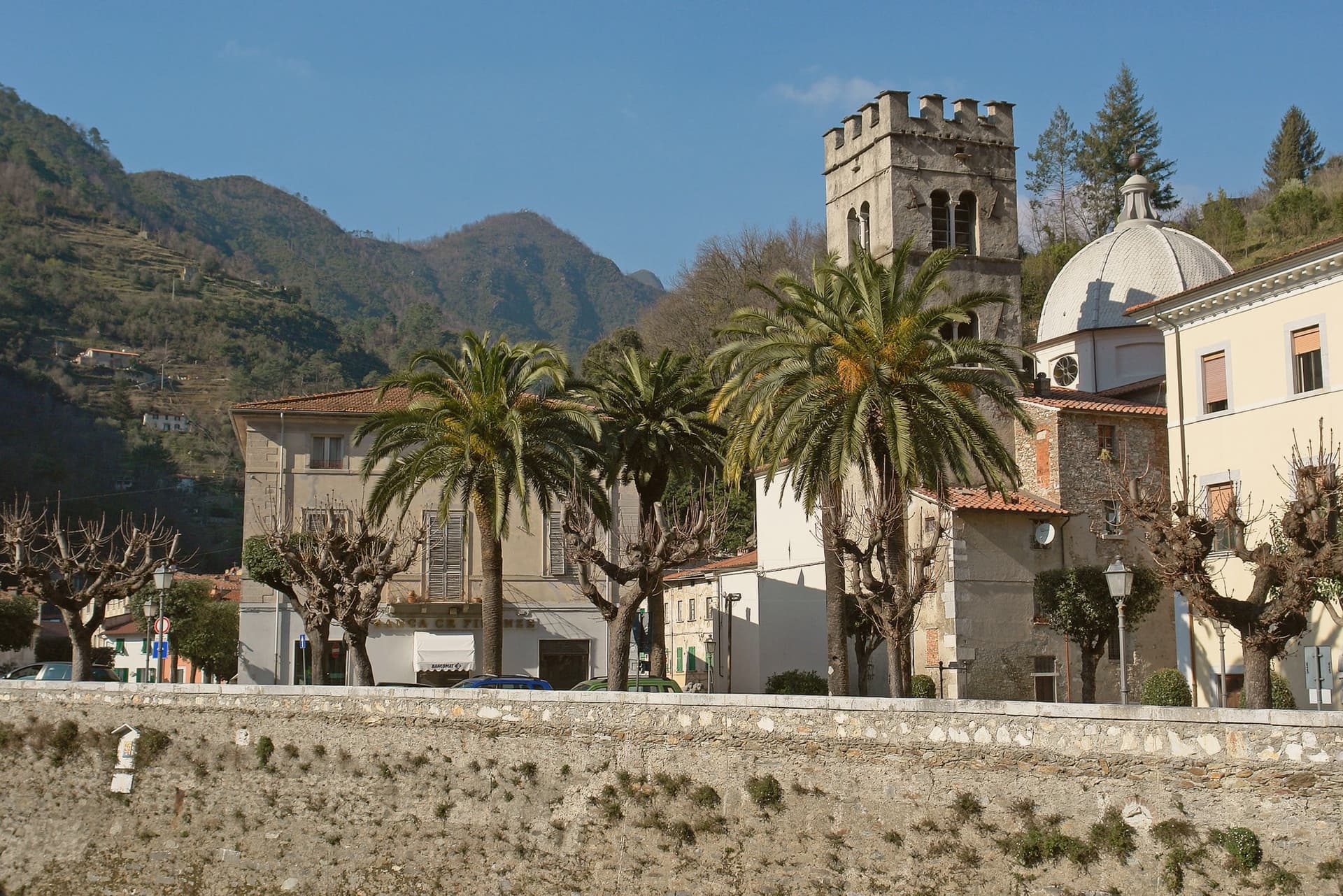
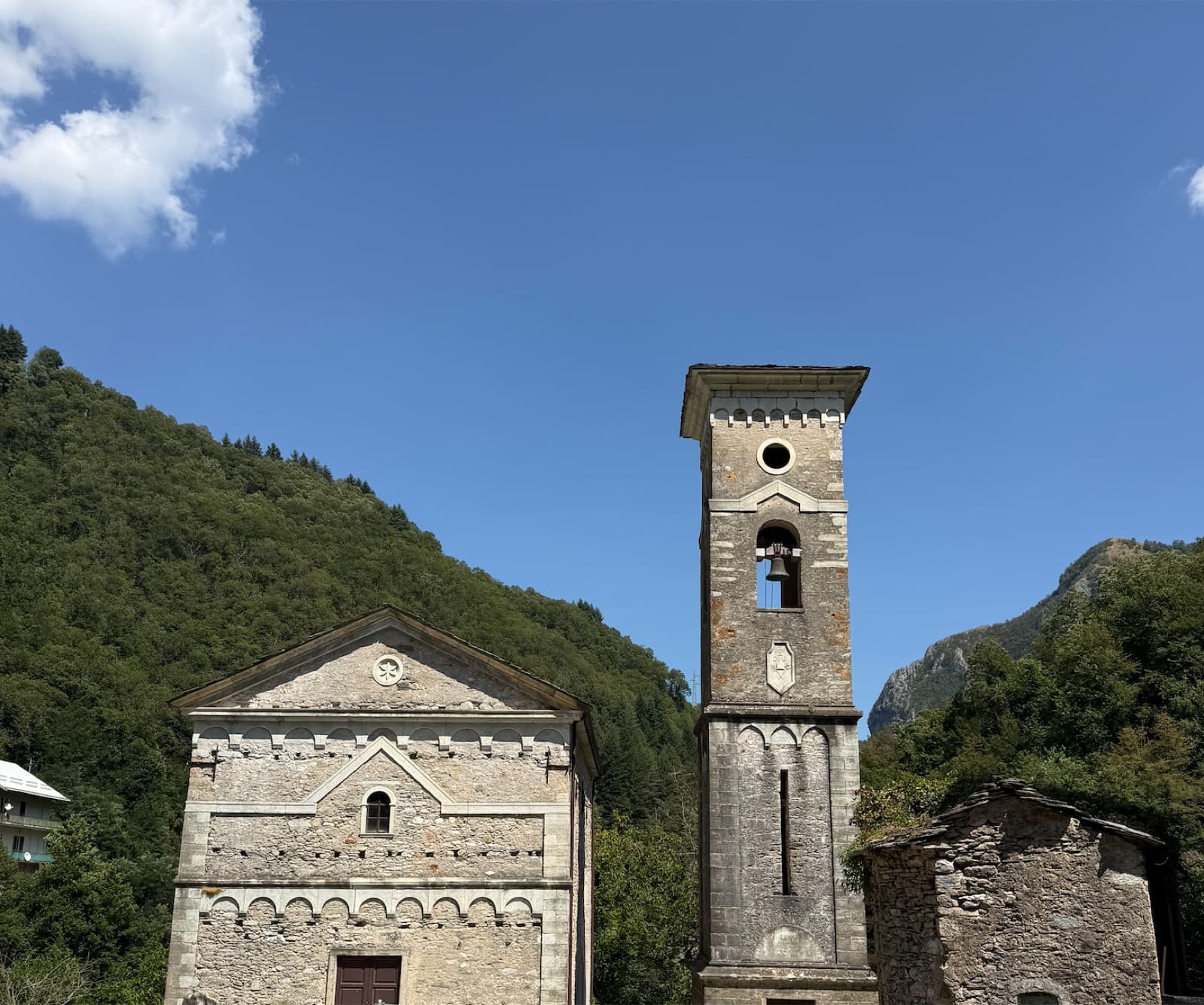
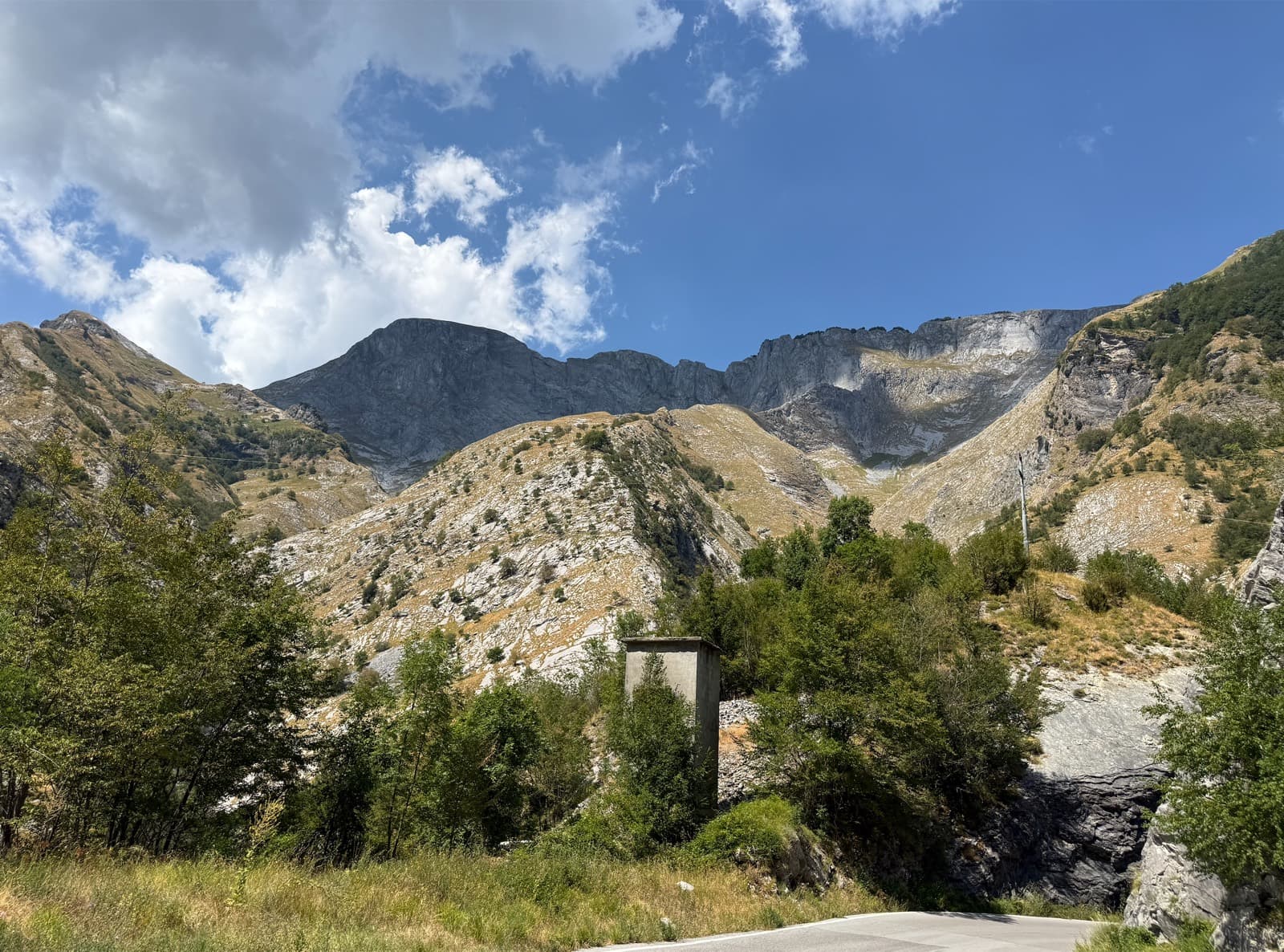
The crossing over the top: Isola Santa, the Cipollaio tunnel, Levigliani, and down the other side to the sea. A loop, or the way out to the coast.
Sant'Anna di Stazzema is on the same road down.
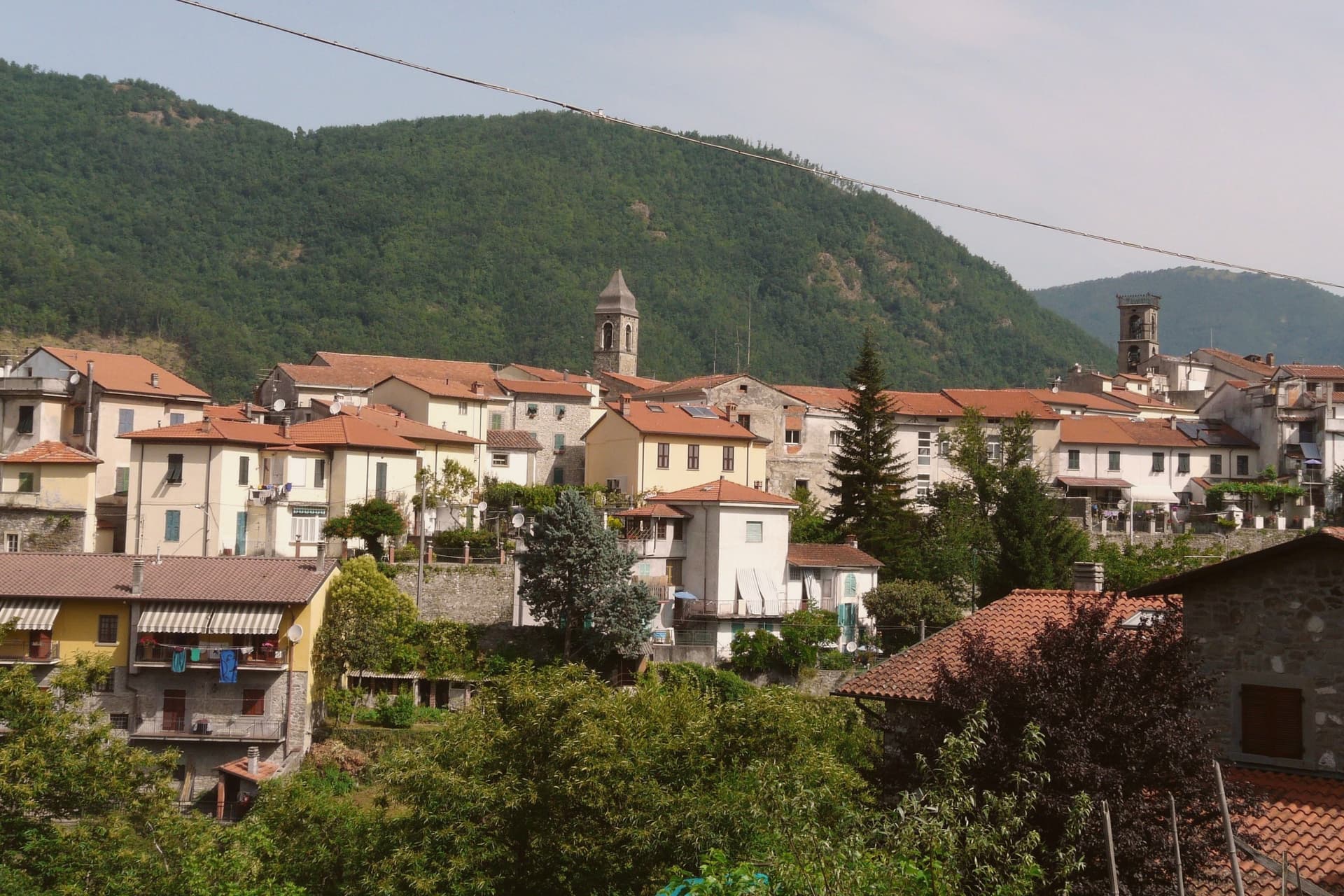
Over the Carpinelli pass and into the Lunigiana, which is the hinge of the book. Its two villages carry the road: Equi Terme under its hill, and Monzone twenty minutes down the gorge.
Piazza al Serchio and the Carpinelli pass are the way over. Casola in Lunigiana sits on the road down. Equi Terme and Monzone are villages of this commune, not separate towns.
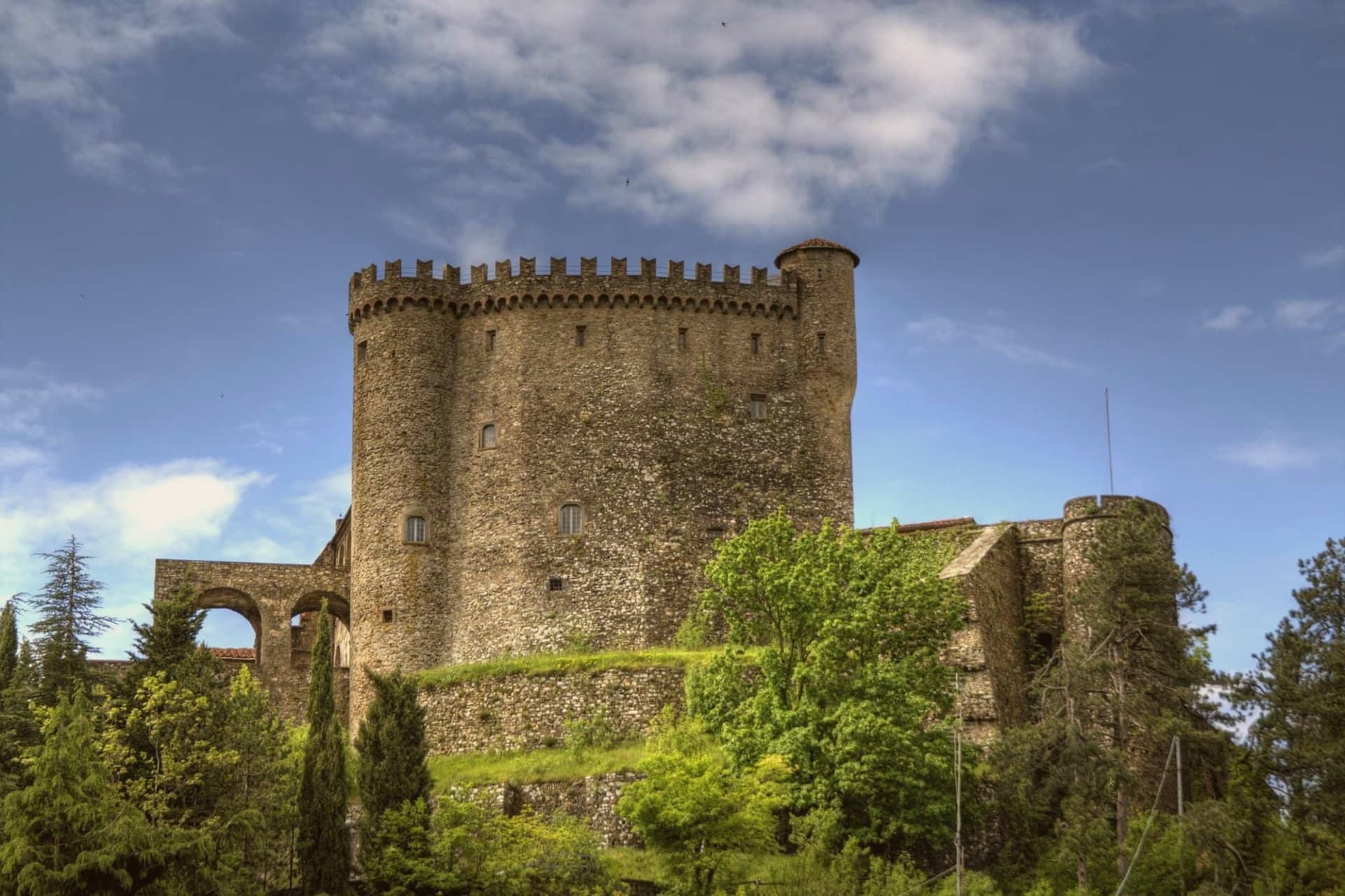
Up the broken road to a village of eighty, then along the ridge with the whole Magra plain underneath.
Aulla is on the way, where the valleys meet. Marciaso is a village of this commune, and it has a table.
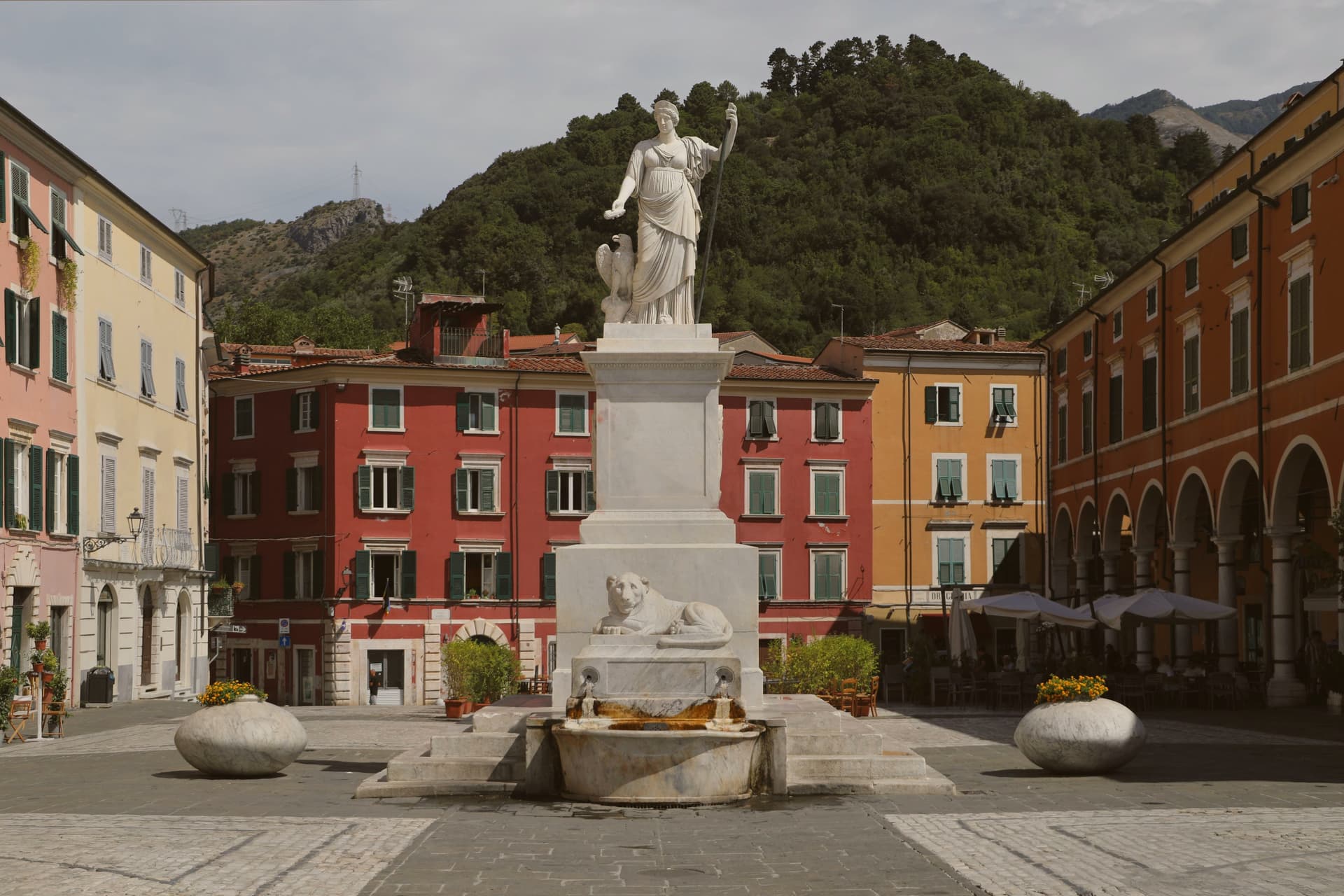
Over the shoulder into the quarry basin. The white the whole book has been looking at, close enough to touch.
Colonnata is on the shelf above, about half an hour up, and it has a table.
Air, rail, road
Getting there, and around
Fly to Florence or Pisa, take the train, or drive. Road minutes from the catalogue, scheduled trains from Lucca.
By air
- Florence or Pisa (PSA)1 h 36 min to Castelnuovo di Garfagnana
By train
Lucca
- Barga50 min
Barga-Gallicano, 15 direct a day
Castelnuovo di Garfagnana, 15 direct a day
Forte dei Marmi-Seravezza-Querceta
- Fivizzano115 min
Fivizzano-Gassano, 3 direct a day
Carrara-Avenza
No station: Castiglione di Garfagnana, Fosdinovo.
By car
- Lucca34 min from Pisa
- Barga1 h 14 min from Pisa
- Castelnuovo di Garfagnana1 h 24 min from Pisa
- Castiglione di Garfagnana1 h 35 min from Pisa
- Seravezza1 h 3 min from Pisa
- Fivizzano1 h 35 min from Pisa
- Fosdinovo1 h 10 min from Pisa
- Carrara55 min from Pisa
From our book
Get a car and keep it ›
The mountain roads are the point of this book, and almost nothing on it works without a car. Marciaso, Fosdinovo, Colonnata, the Cipollaio crossing and every chestnut village are at the end of roads no bus goes up on a schedule you would plan around.
Lucca, and the cameras ›
Park outside the walls. Always. The historic centre is a limited-traffic zone with cameras at the gates, and the fine reaches your rental company months later with a handling fee on top. A hotel inside can register your plate, but it has to be done before you drive in, not after. The same applies in every walled centre on this road.
Climate, sea, calendar
When to go
The months, measured. Measured at Castelnuovo di Garfagnana: the daytime high, the sea, the rain days.
| Jan | Feb | Mar | Apr | May | Jun | Jul | Aug | Sep | Oct | Nov | Dec | |
|---|---|---|---|---|---|---|---|---|---|---|---|---|
| Day °C | 10 | 13 | 14 | 17 | 21 | 26 | 29 | 29 | 24 | 20 | 15 | 11 |
| Sea °C | ||||||||||||
| Rain days | 13 | 11 | 12 | 13 | 16 | 12 | 6 | 10 | 12 | 14 | 14 | 17 |
The tinted months are the comfortable ones for the day, and the ones where the sea reaches 20 degrees.
The year
Months rather than dates. Most of these move by a week or two between years; check before booking a flight around one.
February
Lucca in February, Lucca
The month the city is entirely itself, because nobody else is there.
June
San Ceccardo, Carrara
Carrara's patron, the sixteenth.
July
Festa Medievale - Il Trionfo di Gabriello Malaspina 1487, Fosdinovo
Religious & traditional
July to August
Opera Barga, Barga
Summer opera in a very small theatre.
July
Opera Barga Festival, Barga
Arts & performance
July
San Cristoforo, Barga
Barga's patron, the twenty-fifth.
July
San Paolino, Lucca
Lucca's patron, the twelfth, with the crossbow tournament.
August
The fish-and-chips festival, Barga
Three weeks of it, and not a joke: half of Barga emigrated to Scotland and came back with the recipe.
August
The medieval festival, Castiglione di Garfagnana
Inside the walls, which is the right setting for it.
September
Luminara di Santa Croce, Lucca
Religious & traditional
September to October
Porcini
Late September to the end of October. Stalls on every minor road, cash only, weighed by the man who picked them at five.
September
Santa Croce, the luminara, Lucca
The thirteenth. The city lit by candle along the whole processional route, and the one night to plan a trip around.
October to November
Lucca Comics, Lucca
The week to avoid unless you are coming for it. The city is full and the prices know it.
October to November
Lucca Comics & Games, Lucca
Arts & performance
October to November
The chestnut festivals
Village by village across the Garfagnana and the Lunigiana. Flour, fritters, and a fire in the square.
From our book
When to come ›
October and November are the season: the mushrooms, the chestnuts, the light on the mountain, and the villages doing the things they do for themselves. Spring is fine and green. August is the month to avoid up here, and February is the month to come to Lucca, which belongs to itself when nobody else is in it.
Our tables first, then the guides
Where to eat and sleep
These are the tables I actually eat at. Everything below this section is somebody else's recommendation, and it is labelled as such.
The bar with three tables on the Piazza dell'AnfiteatroIn the ring itself
For the coffee and the correction. Sit outside if it is not February.
The tordelli place on the Serchio roadAbove Ponte a Moriano
Which I have always loved and which was closed the day I brought Daniel. Check before you drive.
The small place outside the wallsJust beyond the gate
Where the waitress refused to serve me a Versilian tordello and brought the Lucchese one instead. I ate every one and did not ask for cheese.
The café by Porta RealeAt the bottom of the old town, near Porta Reale
It stays open through the siesta, which up here is a public service. Pasta with boar ragù, and whatever else the owner decides you are having.
The bars on the piazza under the RoccaPiazza Umberto I
The local pale beer and a board of bread and salami made inside five kilometres. Go at six.
Ristorante UlisseVia Campana
Late September and October, the mushroom tasting menu, and eat the porcini raw if they are offering them that way. The rest of the year, the regular menu and the same kitchen.
Il Giardino del MediceoBy the palace
Where we first ate in that town, back when we still lived up the mountain.
La PostaOn the main road opposite the car park
The panigacci dinner: three rounds, the fire outside, and the dancing after. A weekend night, arrive at eight, and book by telephone.
Da RemoIn the lower town, by the railway
The boar stew, the panzerotti with soft cheese, the wine from a jug, and the bill that embarrasses you. The best table in this book.
Da LinoMarciaso
Bar and trattoria, weekends only, and the small glass at the end that never appears on the bill.
The bar on Piazza GramsciCarrara
Plastic chairs and a one-euro espresso, with the change handed over without a smile, the way you hand it to a regular. One of the kindest gestures I have had in a long time.
The four-table place above the car parkColonnata
The one with the man on the slicer and no menu. Penne with lardo, no cheese, and a glass of the local red that is red without being polished.
What the guides rate
Somebody else's recommendations, the guide named beside each. The town pages hold the full lists.
Antica Locanda di Sesto Ristorante
Michelin Bib Gourmand · Locali Storici
Nida Ristorante
Michelin Bib Gourmand
All'Olivo Ristorante
Michelin Selected
Giglio Ristorante
Gambero Rosso 2 Forchette · 87/100 · Michelin Selected
Bonini Ristorante
Gambero Rosso listed
Il Vecchio Mulino Ristorante
Gambero Rosso listed
Il Pozzo di Bugia Ristorante
Gambero Rosso listed
Locanda de Banchieri Ristorante
Michelin 1 Star · Gambero Rosso 2 Forchette · 85/100 · L'Espresso Top 300
La Burlanda Ristorante
Slow Food Chiocciola
Extra Ristorante
Gambero Rosso listed · Michelin Selected
Il Narciso Ristorante
Michelin Selected
Enoteca Velia Ristorante
Gambero Rosso 2 Bottiglie
From our book
Three ways to do it
A weekend, five days or two weeks, day by day, the way we drive it. Open one to read the days.
A weekend
2 nights, based in Lucca. One base in Lucca, or move up to Barga for the second night.
Read the days ›
Day 1Lucca and the bridges
In through Porta Santa Maria, up Via Fillungo, round the Anfiteatro, then onto the walls and all the way round them. North to the Devil's Bridge and the chain bridge at Fornoli, and back inside the walls for dinner.
Sleep: Lucca
Day 2Up the valley
Barga, and the Duomo on the Arringo with the mountains behind it. Castelnuovo for the piazza at six and a board of salami under the Rocca.
Sleep: Barga, or back to Lucca
Five days
4 nights, based in Barga. Two bases: Lucca first, then Barga, then the far side.
Read the days ›
Day 1Lucca
The city on foot. There is no other way to see it. The walls at sunset, then tordelli.
Sleep: Lucca
Day 2The villas and the bridges
Villa Mansi at Capannori, ten minutes east. Borgo a Mozzano, Fornoli and Bagni di Lucca, then on up to Barga for the night.
Sleep: Barga
Day 3The Garfagnana
Barga slowly, then up to Castelnuovo. The salumeria, biroldo by the block, and porcini from the roadside if the season is right.
Sleep: Barga
Day 4Over the pass
Castelnuovo to Carpinelli to Equi Terme, which is the hinge of the whole book. Monzone for lunch, then Marciaso and Fosdinovo along the ridge. Equi again in the evening if it is a Saturday, for the panigacci.
Sleep: Fosdinovo or Carrara
Day 5The white and the ruins
Down into Carrara and up to Colonnata for the crostino and the view. Out to Luni for the amphitheatre in the late light.
Sleep: The coast, or home
Two weeks
13 nights. Two bases and one crossing: Lucca, then Barga, then the Lunigiana.
Read the days ›
Day 1Land and settle
Into Lucca and park outside the walls, which is the last driving decision you need to make for four days. Nothing. Walk.
Sleep: Lucca, for four nights
Day 2The city
Via Fillungo, the Anfiteatro, San Michele. The walls, the whole circuit, on a bicycle if you like.
Sleep: Lucca
Day 3The villas
Villa Mansi and Villa Torrigiani at Capannori. Montecarlo for the wine, if you want a hill and a glass.
Sleep: Lucca
Day 4The bridges
Borgo a Mozzano and the Devil's Bridge. Fornoli, then Bagni di Lucca and the old baths.
Sleep: Lucca
Day 5Move up the valley
North to Barga and settle in. The Duomo, the Arringo, and the town at its own pace.
Sleep: Barga, for five nights
Day 6Castelnuovo on a market day
The market, then the Rocca. The salumeria and the piazza at six.
Sleep: Barga
Day 7Castiglione
The walled village above Castelnuovo. The roads around it, and a chestnut festival if it is October.
Sleep: Barga
Day 8Over the top and back
The Cipollaio road: Isola Santa, the tunnel, Levigliani. Down to Seravezza, lunch at Ulisse in porcini season, and back over.
Sleep: Barga
Day 9A day off the road
Nothing planned. This is a walking valley. Barga in the evening, which is the reason to sleep here.
Sleep: Barga
Day 10Over Carpinelli
Piazza al Serchio, the pass, and down into the Lunigiana. Equi Terme under its hill. Settle.
Sleep: Near Equi or Fosdinovo, for three nights
Day 11Monzone and Marciaso
Down the gorge to Monzone. Marciaso, the village of eighty, and its food truck day if you time it.
Sleep: Equi or Fosdinovo
Day 12The ridge
Fosdinovo, the castle, and the whole plain underneath. Aulla and the valleys, or nothing at all.
Sleep: Equi or Fosdinovo
Day 13Carrara and Colonnata
Into the quarry basin and up to Colonnata. Lardo from a marble tub with the mountain it came from in view.
Sleep: Carrara
Day 14Luni, and out
The old coast road past the marble yards. The amphitheatre in the late afternoon, and Sarzana for dinner, which is the next book.
Sleep: Home
Go deeper
The book and the letter
This page is the where and when. The depth is in our book, and the towns' own letters are in the archive.
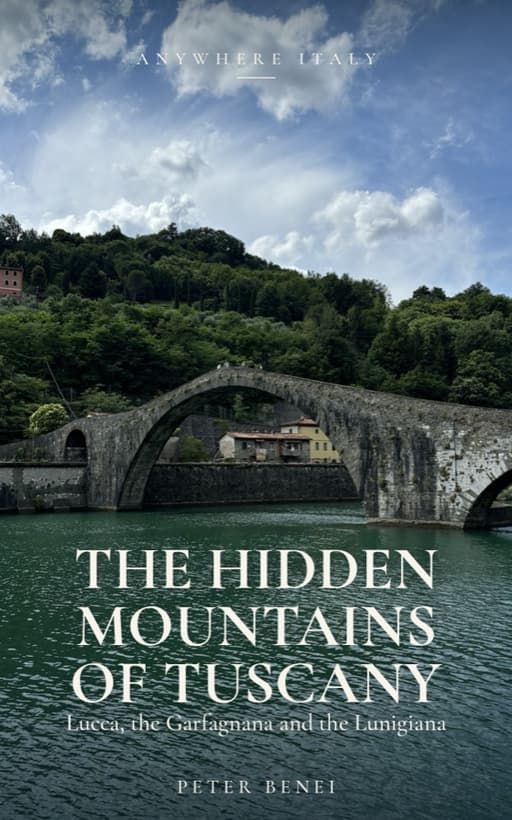
The book
The Hidden Mountains of Tuscany
A road trip from Lucca across the mountains to the sea
The whole road, every table we eat at, and three trips day by day. Every paid plan of the letter includes it.
Get the book with the letterThe Sunday letter
Apuan Alps got its letter. One town every Sunday, free. The photo, the food, the festa.
The button takes you to the letter's own page on Substack, where you leave your email. About the letter
The long version, in the letter
 The Apuan AlpsThe Mountains Behind Versilia
Our other guides
- The Riviera di LevanteThe coast in the shadow of five villages
- Tuscan MainlandThe postcard country, and what is under it
- The Arno CorridorThe working road from Florence to the sea
- Versilia, the Best Part of ItalyA guide to the Tuscan coast nobody talks about, written from Pietrasanta.
- TusciaThe land Rome took twice