

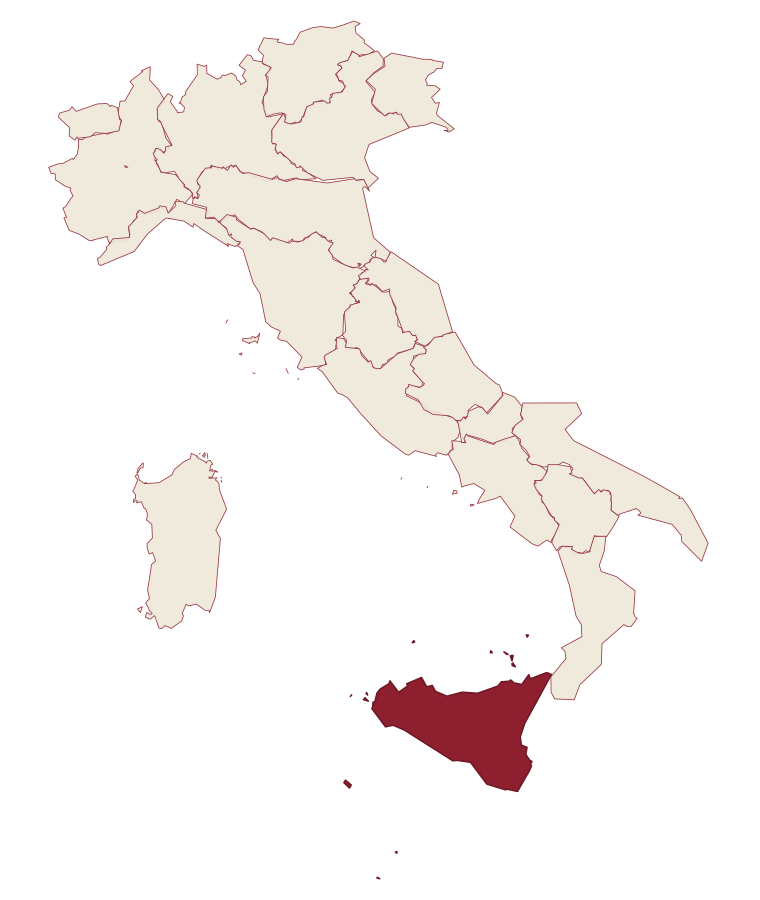
Sicily · Palermo
Piana degli Albanesi
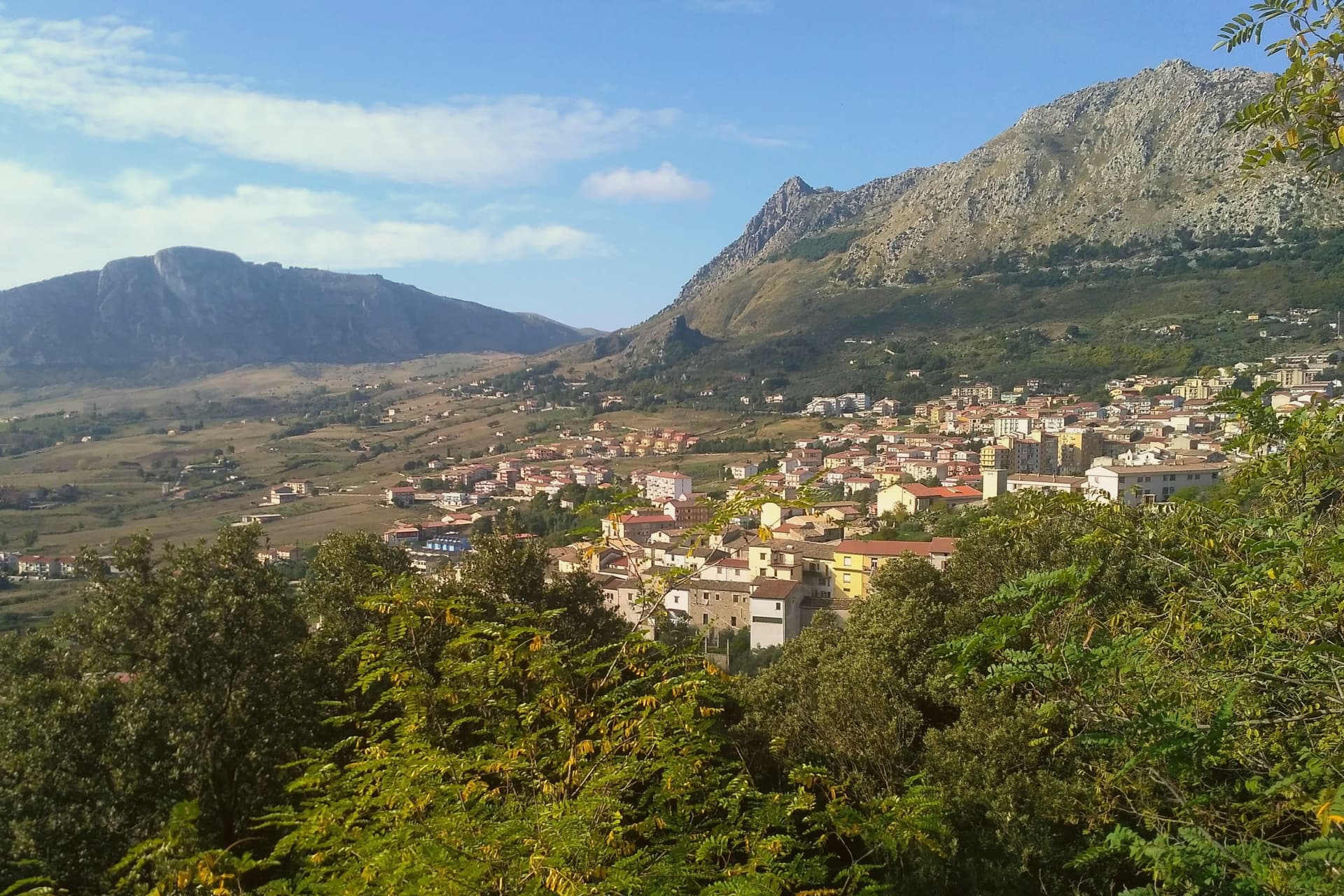
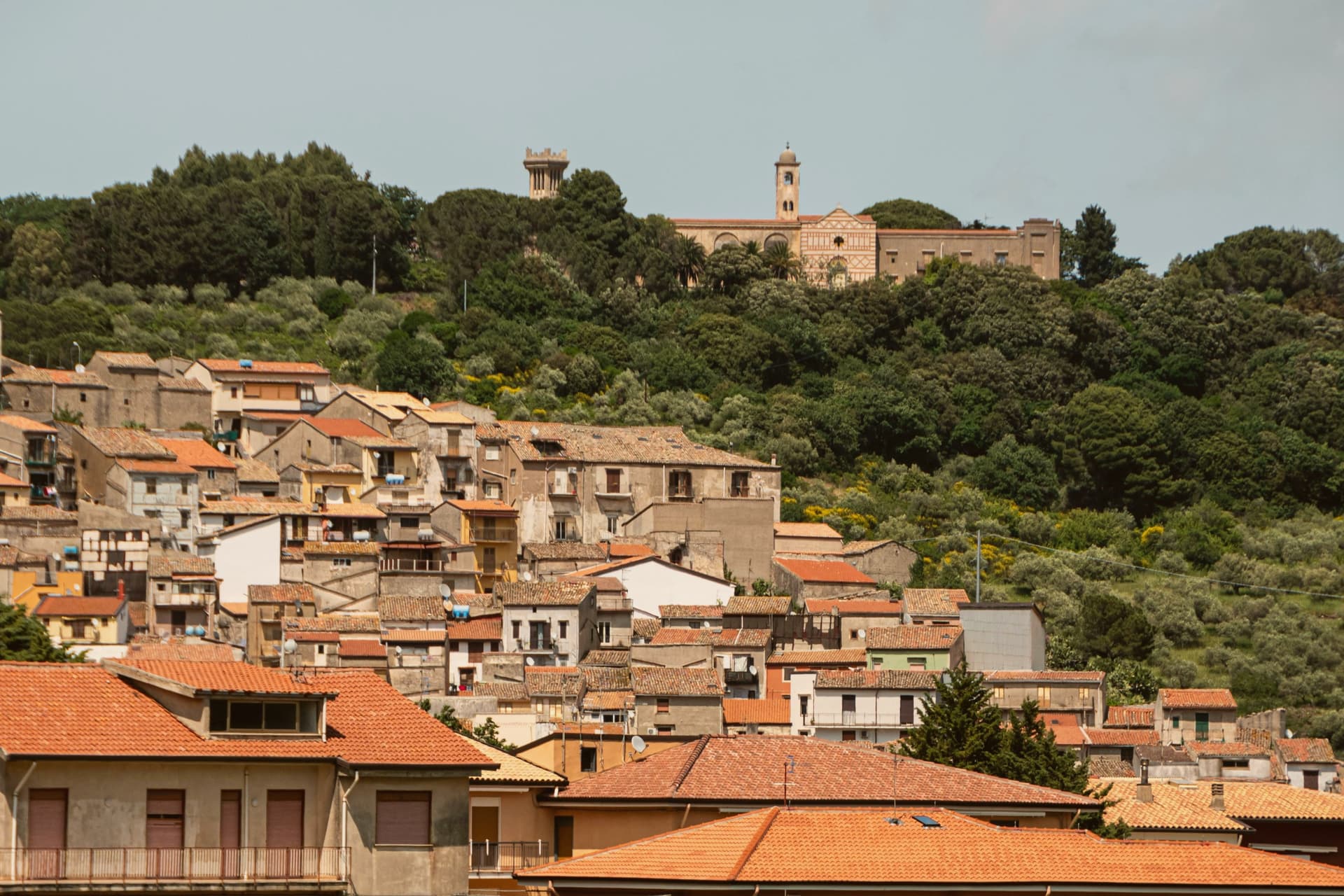
The principal Arbëresh town of Sicily at 720 meters, founded in the fifteenth century by Albanians fleeing the Ottomans and still speaking arbëresh.
- Best time
- May–Oct
- By car
- 36 min from Palermo
- Population
- 5,541
Known for
ARBËRESH
The most important Arbëresh centre of Sicily, founded by fifteenth-century Albanian refugees and still speaking their language.
BYZANTINE RITE
Italo-Albanian Catholic Eparchy seat at the Cattedrale di San Demetrio, with Byzantine Greek liturgy and traditional iconography.
CANNOLI
Piana degli Albanesi is famous in Sicily for its oversized ricotta cannoli, drawing Palermitans up for the Sunday morning trade.
When to visit
Best · May–Oct
- J11°
- F12°
- M13°
- A17°
- M22°
- J28°
- J31°
- A30°
- S26°
- O21°
- N16°
- D12°
- Best
- Hot or crowded
- Quiet
- Mostly closed
Daytime averages, 2020–2024. Weather data by Open-Meteo.com.
Why come
Piana degli Albanesi sits at 720 meters on a plateau twenty-four kilometers south of Palermo, encircled by mountains on the eastern flank of Pizzuta. Hora e Arbëreshëvet in arbëresh, the town is the largest and most populous Arbëresh settlement in Sicily, founded in the late fifteenth century by Albanians fleeing the Ottoman conquest of the Balkans, including nobles and relatives of Skanderbeg. Five centuries later the community still speaks the Albanian of its founders, follows the Byzantine Greek rite, and wears traditional costumes on feast days.
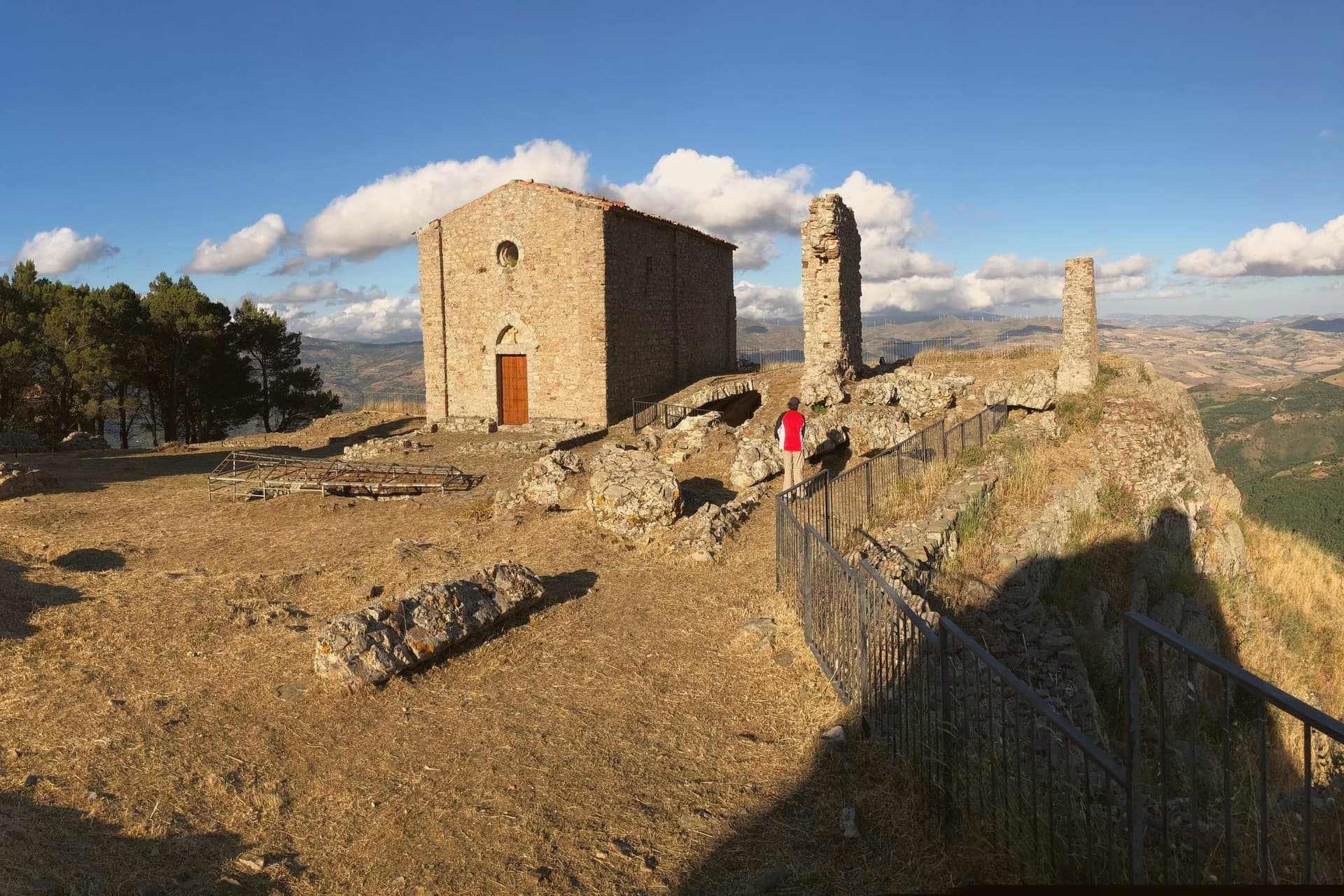
The Cattedrale di San Demetrio Megalomartire is the seat of the Eparchy of Piana degli Albanesi, part of the Italo-Albanian Catholic Church. The Byzantine liturgical singing of the town is on the Intangible Heritage Registry of Sicily. The Lago di Piana, an artificial reservoir at 612 meters with 3. 1 square kilometers of surface, sits below the town, built to generate electricity and irrigate the plain.
The Sunday letter
Piana degli Albanesi is on our list. Its letter is still to come.
We are writing about all 1,000 of these towns, one at a time, in a free letter every Sunday: the photo, the food, the festa. That is our mission. Sign up and you will be there when Piana degli Albanesi comes up. By Peter & Sophia, from Pietrasanta.
How to get there
From Catania (CTA), about 3 hours by car.
By car from the centre of Palermo 36 minutes.
Coming by train into Palermo Centrale? Piana degli Albanesi is about 36 minutes away by road.
What to see
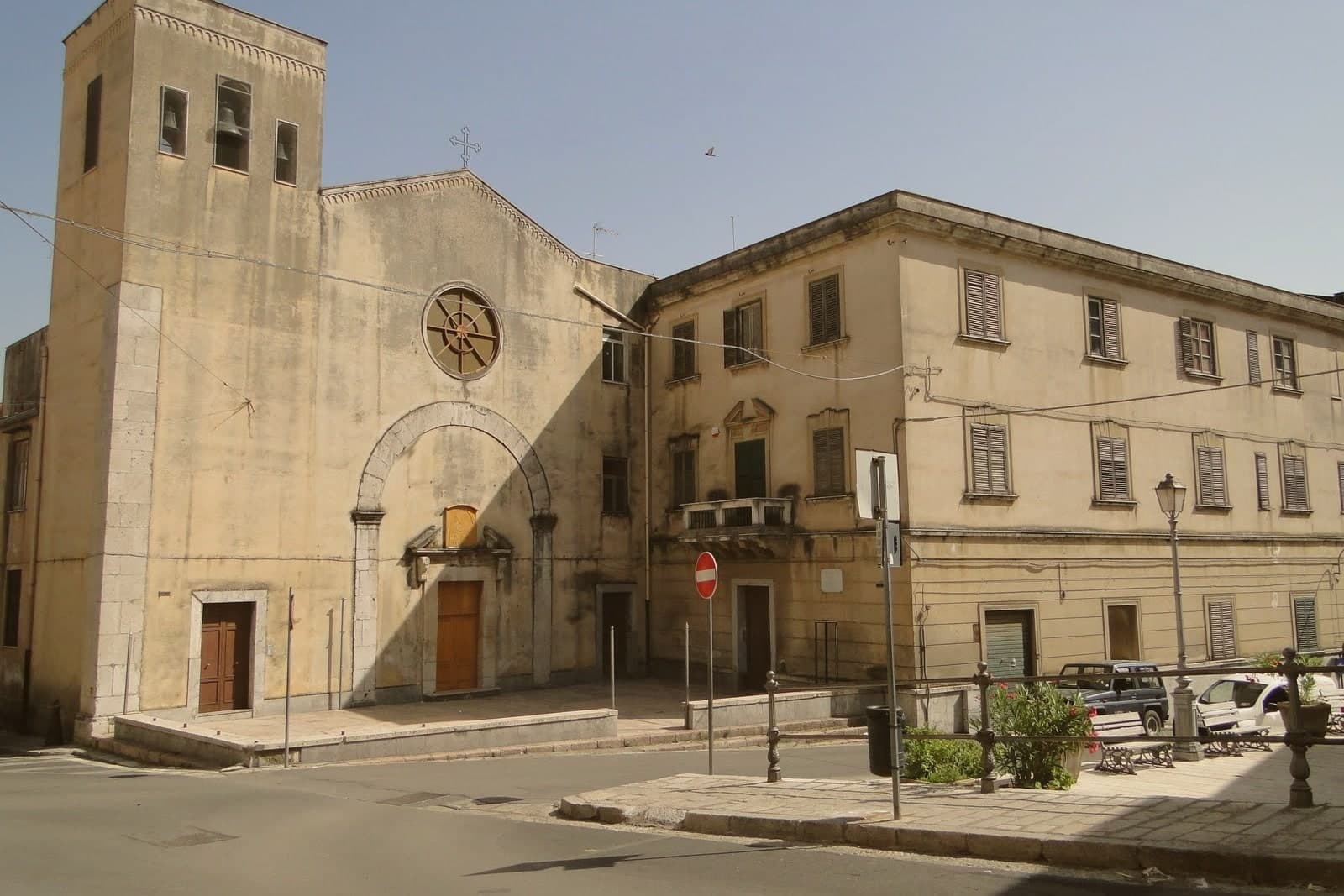
Cattedrale di San Demetrio Megalomartire
Seat of the Italo-Albanian Catholic Eparchy, Byzantine-rite cathedral with iconostasis, frescoed interior and Greek liturgy in arbëresh.
Chiesa di San Giorgio
Second great parish of the town, sixteenth-century foundation, also of the Byzantine rite.
Lago di Piana degli Albanesi
Artificial lake at 612 meters, 3.1 km² of surface, built for hydroelectric power and irrigation below the town.
Centro storico arbëresh
Old town with bilingual signage in Italian and arbëresh, surviving five-century Albanian community in the heart of Sicily.
The slow-trip planner
Building a trip? Find where Piana degli Albanesi fits in a slow Italy circuit.
Answer five questions. We will shape a geographically coherent slow trip from the 1,000 Italian towns most travelers skip. Yours to save and share.
Living here
- Population 5,541
- In-betweeni
- Pharmacy: none mapped
- High school within a 30-minute drive
- Nearest airport Catania, 3 h 6 min drive
- Regional capital Palermo, 36 min drive
Common questions
- What is Piana degli Albanesi known for?
- Piana degli Albanesi is the principal Arbëresh town of Sicily at 720 meters, founded in the fifteenth century by Albanians fleeing the Ottomans and still speaking arbëresh.
- Where is Piana degli Albanesi?
- Piana degli Albanesi is a comune in the province of Palermo, in Sicily.
- What is the nearest airport to Piana degli Albanesi?
- Catania (CTA), about 3 hours by car.
- How long is the drive from Palermo to Piana degli Albanesi?
- About 36 minutes by car.
- When is the best time to visit Piana degli Albanesi?
- Best in May–Oct. July is the warmest month, averaging 31 degrees, and November the wettest, with about 15 rain days.
- Which other towns are like Piana degli Albanesi?
- Camerino, Carsoli and Gizzeria.
- How many people live in Piana degli Albanesi?
- 5,541 at the 2023 count.
Tags & datadesignations · numbers · sources
Recognised as
The numbers
- Elevation: 720 m
- Population: 5,541
- Surface area: 64.92 km²
These figures were compiled from public directories: ISTAT, OpenStreetMap and Wikidata, and from the official listings of the guides named on this page. Town details change; verify with official sources before you travel.
Similar
Towns like Piana degli Albanesi
Camerino
Province: Macerata
both mountain-valley towns · both between 3,000 and 10,000 people
Carsoli
Province: L'Aquila
both mountain-valley towns · both between 3,000 and 10,000 people
Gizzeria
Province: Catanzaro
both mountain-valley towns · both between 3,000 and 10,000 people
Morcone
Province: Benevento
both mountain-valley towns · both between 3,000 and 10,000 people
Gesualdo
Province: Avellino
both mountain-valley towns · both between 3,000 and 10,000 people
San Ginesio
Province: Macerata
both mountain-valley towns · both between 3,000 and 10,000 people
🌿 Riserva Naturale
More Riserva Naturale towns in Sicily
Aci Castello
Province: Catania
A coastal town just north of Catania on the Riviera dei Ciclopi, where the basalt headland holds the 1076 Norman Castello d'Aci and the seven volcanic Faraglioni dei Ciclopi rise from the sea, the rocks the Cyclops threw at Odysseus in Homer's Odyssey.
Caltagirone
Province: Catania
Sicily's ceramic capital at 611 meters on the Erei ridge, 142 majolica-tiled steps to Santa Maria del Monte and a Val di Noto UNESCO baroque rebuild.
Cammarata
Province: Agrigento
A Sicani town at 700 meters on the northeast slope of the peak that gives the comune its name and shape.
Castelvetrano
Province: Trapani
The Belice valley town that owns Selinunte, the largest archaeological park in Europe, and bakes black bread from grain found in its tombs.
Catania
Province: Catania
Sicily's second city and the cultural anchor of the Ionian coast, a UNESCO late-Baroque centro storico rebuilt in lava-black stone after the 1693 earthquake, sitting at the foot of Etna with a 17th-century elephant fountain (U Liotru) as its civic symbol.