
Liguria · Imperia
Diano
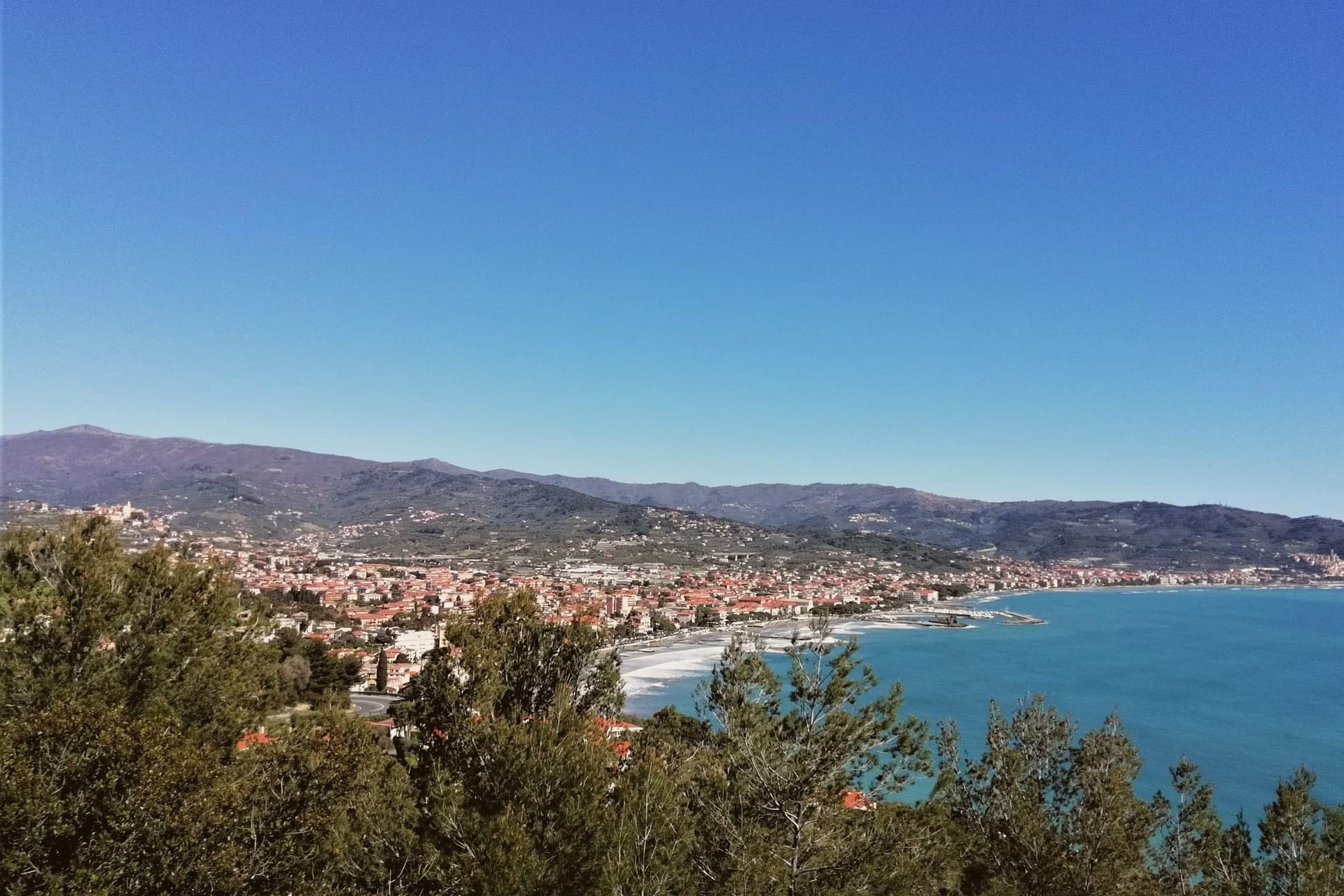
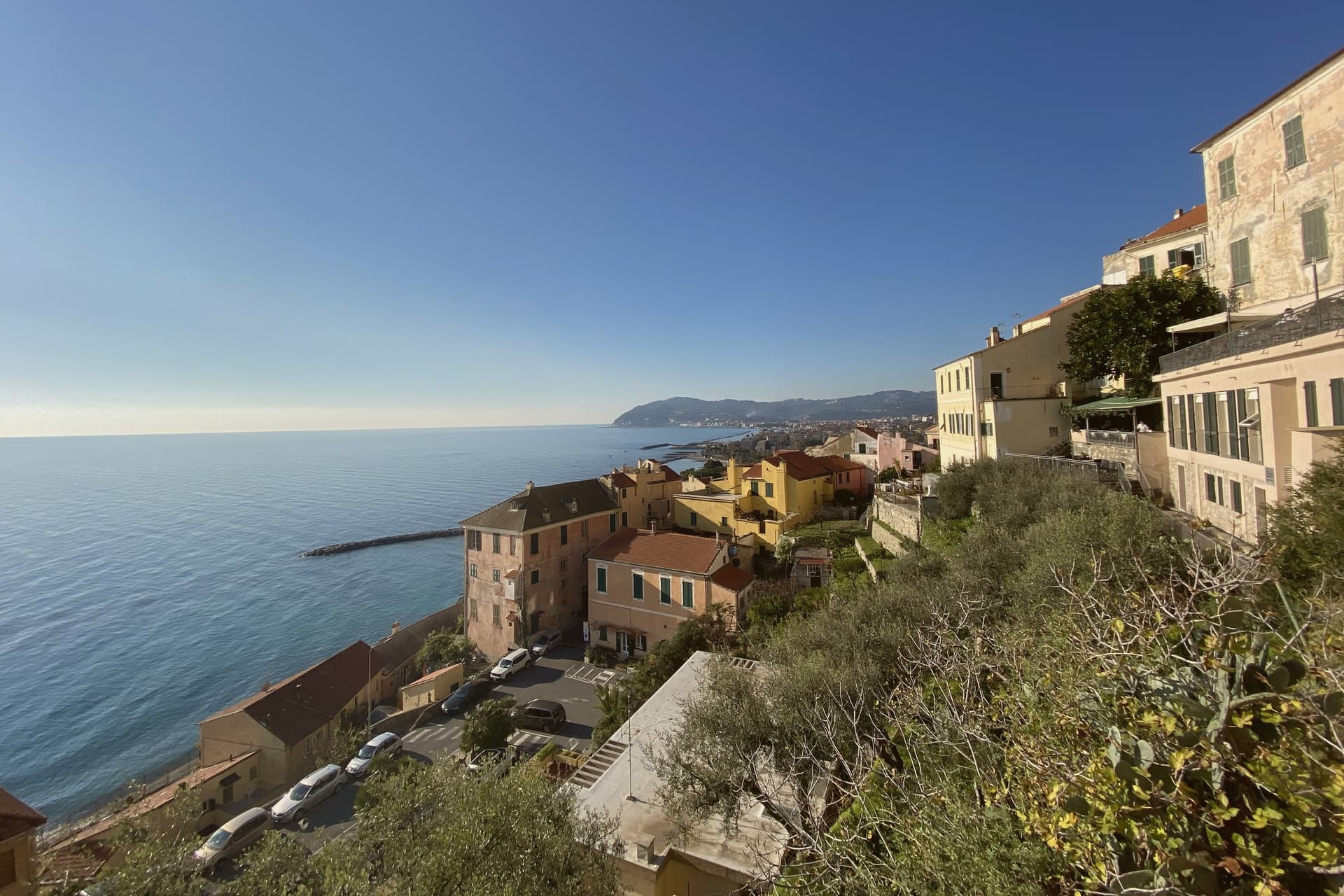
A twin destination on the Riviera dei Fiori: a medieval hilltop borgo above and a beach resort below, sharing one bay and one olive valley.
- Best time
- Apr–Oct
- By car
- 1 h 34 min from Genoa
- By train
- Station in the comune
- Population
- 7,794
Known for
OLIVE OIL
Taggiasca olive cultivation across the Valle di Diano: Città dell'Olio member, with the Museo dell'Olivo as the regional anchor.
HILLTOP BORGO
Medieval Borghi più belli member on a Roman Dianum site, circled by 13th-century Bourbon walls.
BEACH
Longest Bandiera Blu beach on the western Ligurian coast, palm seafront, mild south-facing bay.
When to visit
Best · Apr–Oct
- J12°
- F13°
- M14°
- A16°
- M20°
- J24°
- J28°
- A29°
- S25°
- O21°
- N16°
- D13°
- Best
- Hot or crowded
- Quiet
- Mostly closed
Daytime averages, 2020–2024. The sea is warmest in August at 27° and coldest in February at 14°. Weather data by Open-Meteo.com.
Why come
The hilltop and the coast were one commune until the seaside half was made independent in 1923, and the two still read as a single place split in two: a fortified settlement set back from the water, and the town it produced at sea level once the shoreline could be settled safely. The name of the upper town traces to the Latin Dianum, a temple to Diana, which places the site's origin well before the medieval walls that now define it. Both halves sit on the same bay and draw on the same valley behind them, where the Taggiasca olive has been grown long enough to anchor the local Città dell'Olio membership shared by both.
The bay itself is sheltered and south-facing, which gives the coastal half one of the milder climates on the Italian Riviera and explains why the beach resort grew where it did, directly below the older settlement rather than at any distance from it. What Diano amounts to, then, is a single valley economy, olives above, sand below, that split administratively in the twentieth century without ever splitting geographically.
The Sunday letter
Diano is on our list. Its letter is still to come.
We are writing about all 1,000 of these towns, one at a time, in a free letter every Sunday: the photo, the food, the festa. That is our mission. Sign up and you will be there when Diano comes up. By Peter & Sophia, from Pietrasanta.
Read on
Diano in our articles
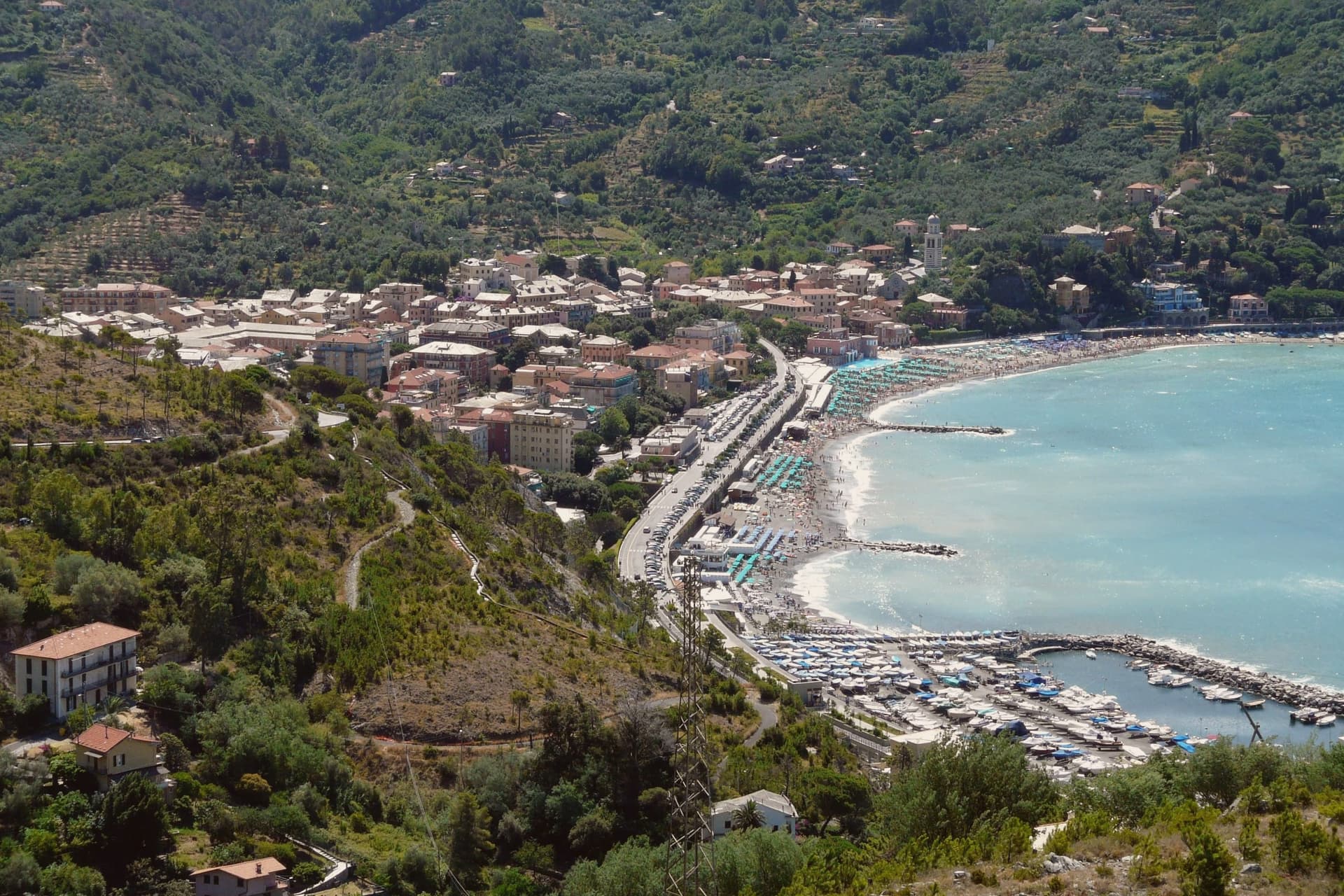
 The best coastal towns in the province of Imperia6 towns, Diano among them.
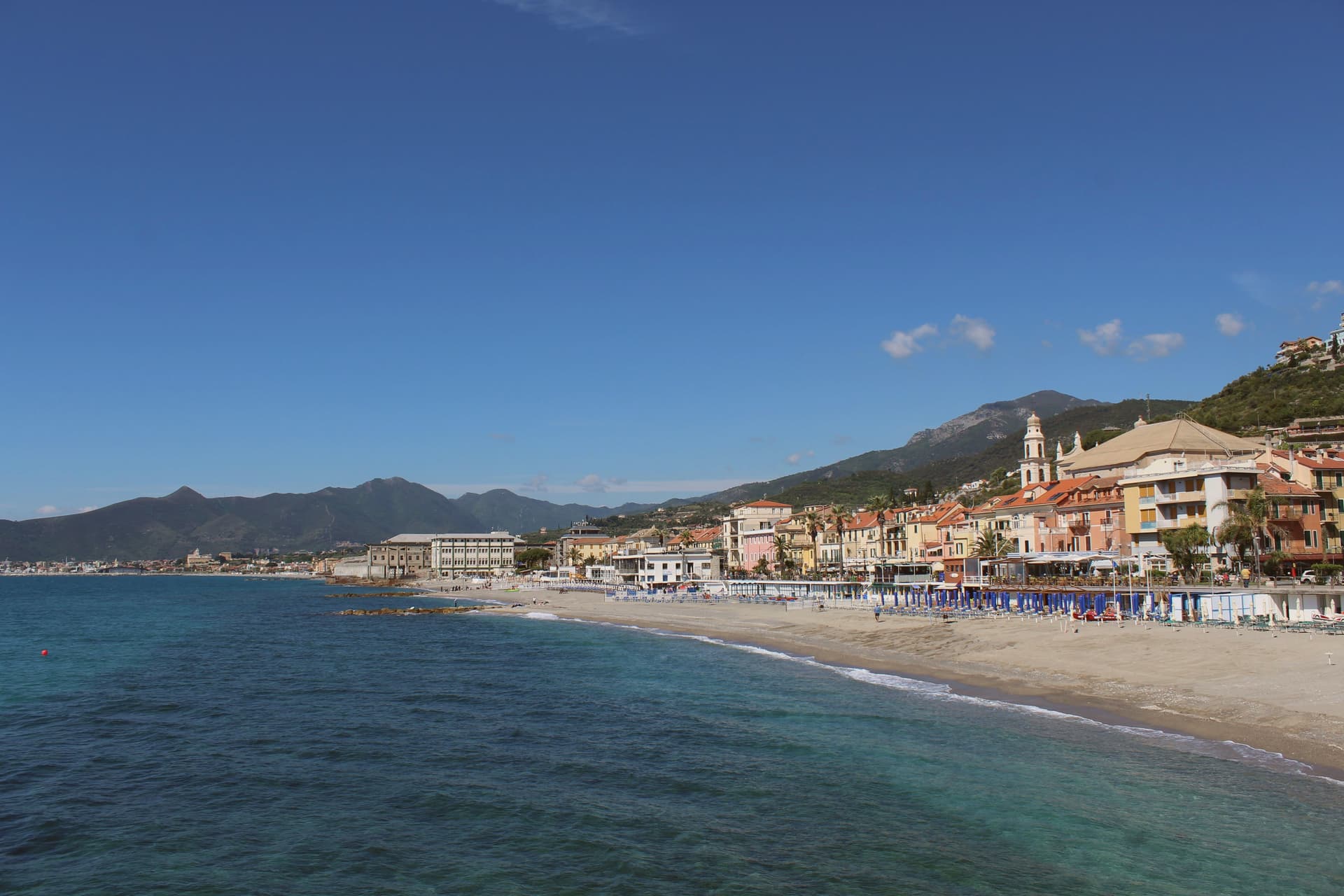
 The best olive oil towns you can reach by train in Liguria7 towns, Diano among them.
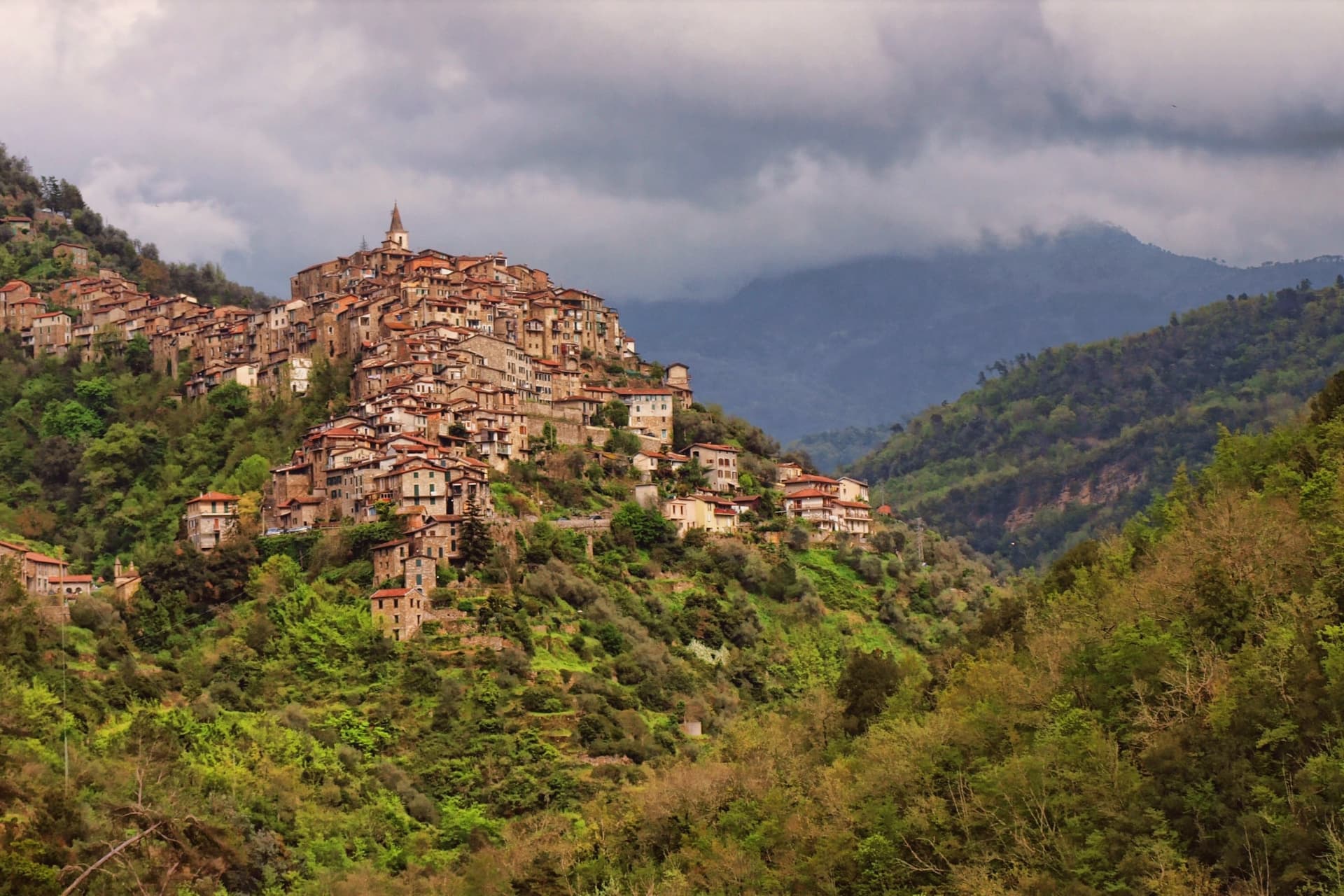
 The 9 best towns you can get around without steps in Liguria9 towns, Diano among them.
 The best olive oil towns in the province of Imperia9 towns, Diano among them.
How to get there
From Genoa (GOA), about 1h 29m by car.
Turin (TRN) is about 2h 45m away.
By car from the centre of Milan 2h 52m.
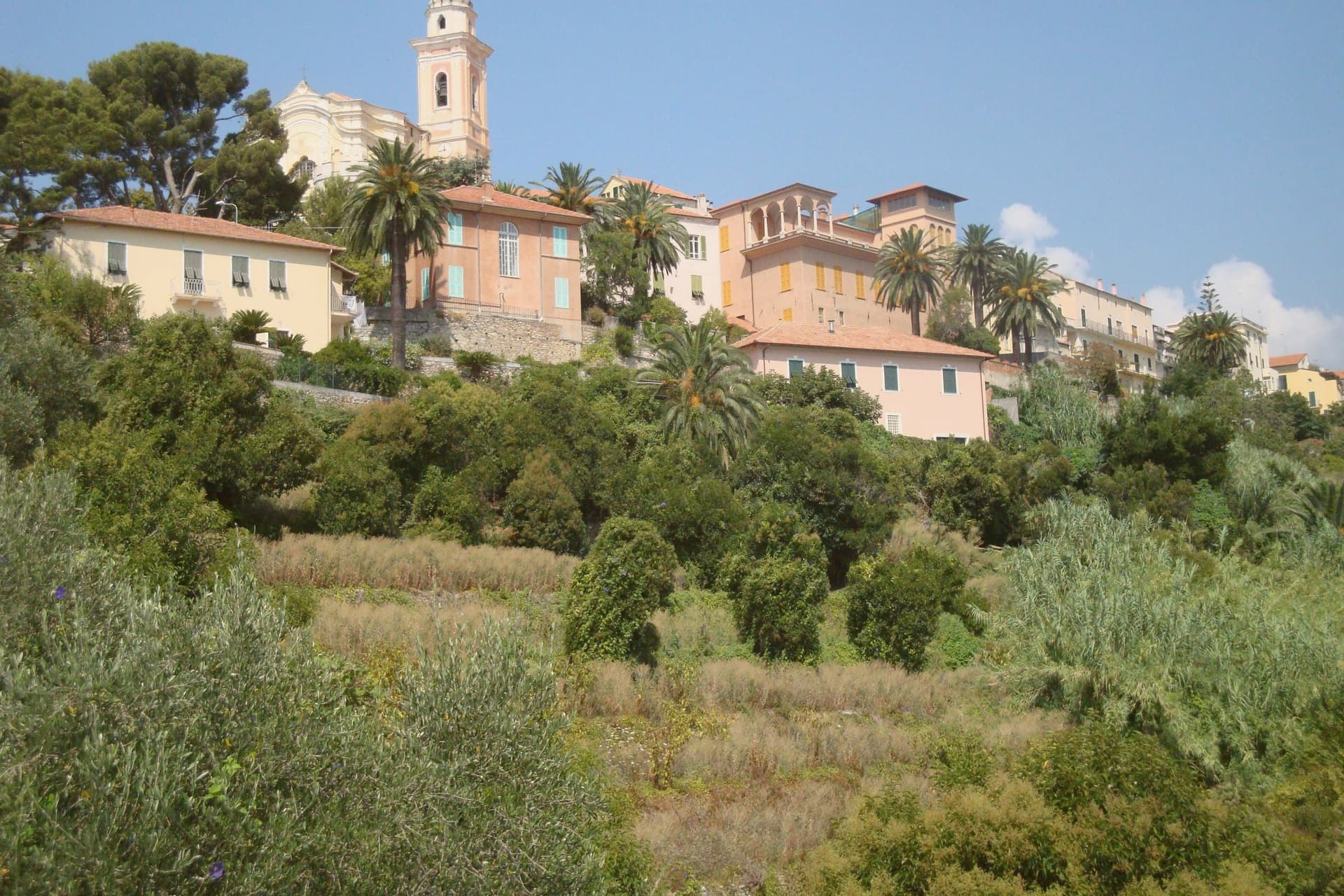
There is a railway station in the comune, so you can arrive without a car.
What to see
Diano Castello — centro storico
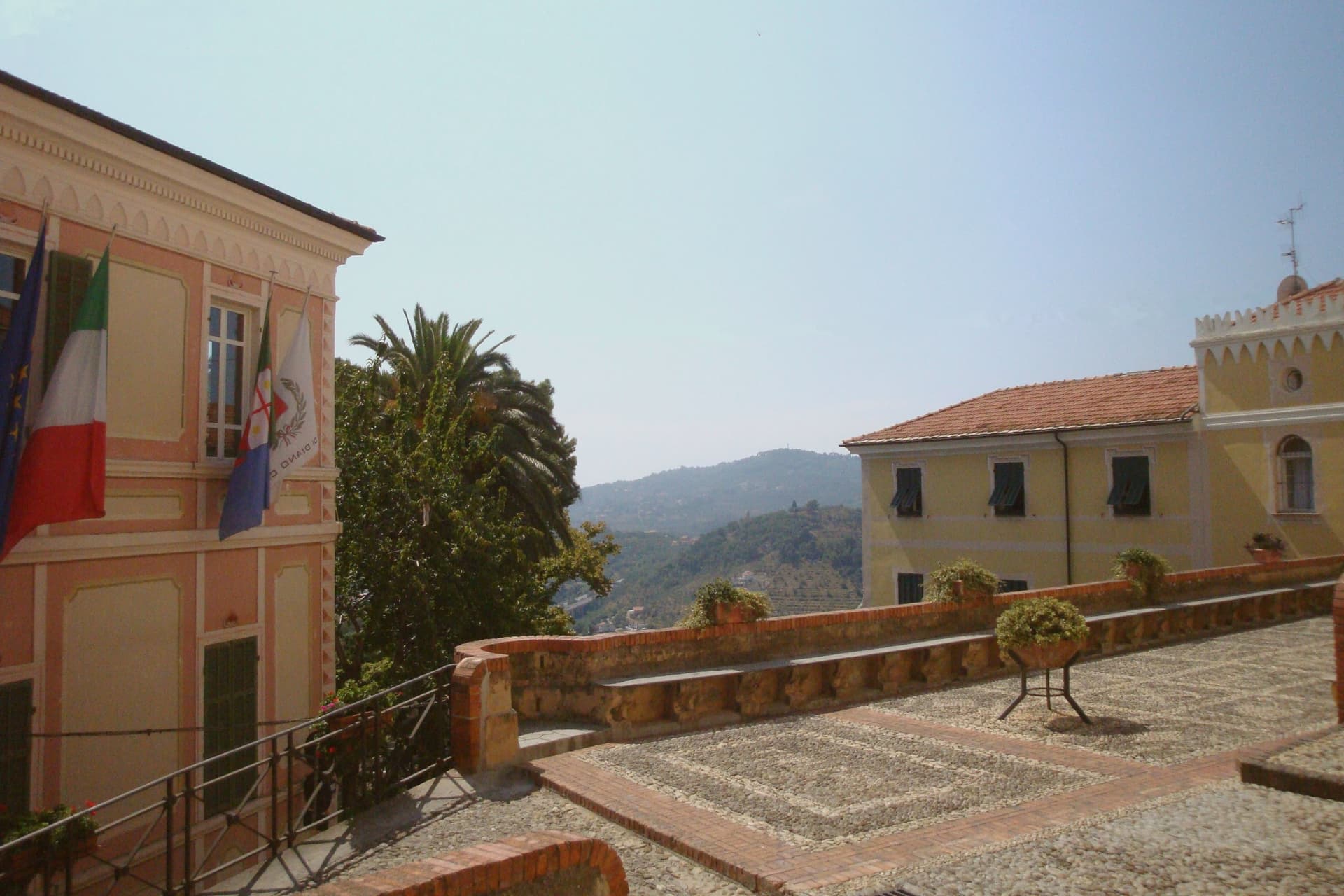
Vaulted alleys and stone staircases climb through the old town to the parish church of San Nicola di Bari. The walls that ring the settlement still trace their full course, and the streets keep the tight, defensive layout of a hill settlement built for lookout rather than commerce.
Diano Marina — Bandiera Blu beach
The seafront runs the length of the resort under a line of palms, with the flat, easy sand that makes it a family destination. Summer markets fill the promenade, and the town's calendar turns on the mid-August Madonna del Rosario procession.
Museo dell'Olivo (Diano Marina)
The exhibits move from Roman amphorae through medieval monastic cultivation to present-day production, tracing the Taggiasca olive's long presence in the valley. The museum was founded by the Carli oil family.
Santuario di Sant'Antonio (Diano Marina)
The sanctuary hosts the patronal procession each August, when the fishing-boat fleet moves along the seafront under evening lamps.
Oliveti della Valle di Diano
Groves cover the south-facing slopes between the two communes, planted with the small dark olive that underpins Città dell'Olio status and shows up on the table as oil, anchovies and pesto.
The slow-trip planner
Building a trip? Find where Diano fits in a slow Italy circuit.
Answer five questions. We will shape a geographically coherent slow trip from the 1,000 Italian towns most travelers skip. Yours to save and share.
Living here
- Population 7,794
- Commuter belti
- Pharmacy in town
- High school within a 30-minute drive
- Train station in the comune
- Nearest airport Genoa, 1 h 29 min drive
- Regional capital Genova, 1 h 34 min drive
Common questions
- What is Diano known for?
- Diano is a twin destination on the Riviera dei Fiori: a medieval hilltop borgo above and a beach resort below, sharing one bay and one olive valley.
- Where is Diano?
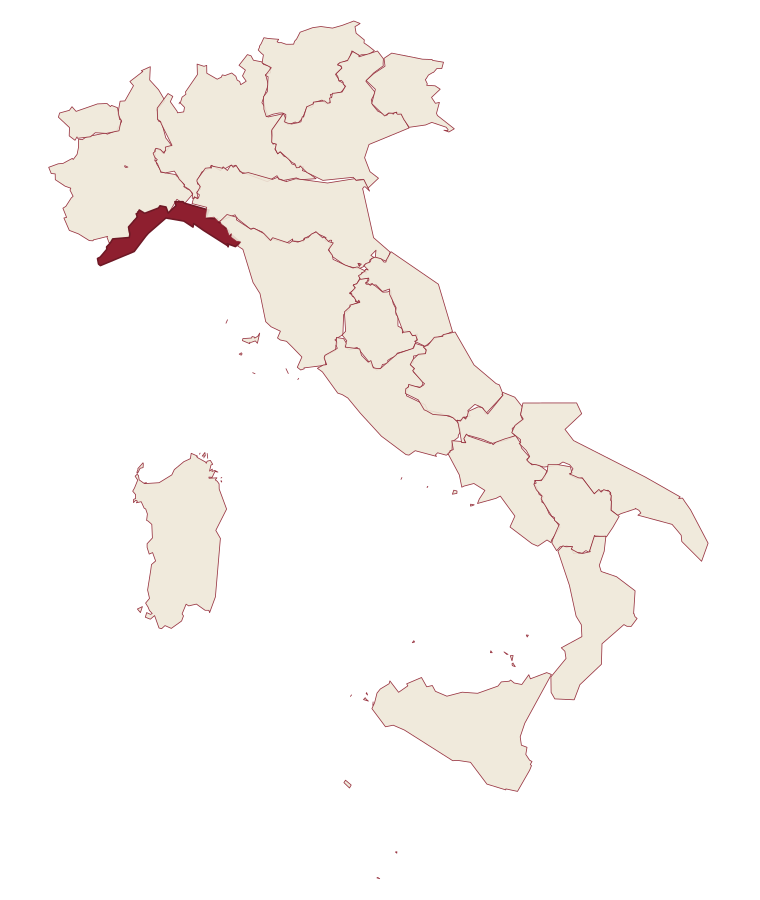
- Diano is a comune in the province of Imperia, in Liguria, at 70 meters above sea level.
- What is the nearest airport to Diano?
- Genoa (GOA), about 1h 29m by car.
- Can you get to Diano without a car?
- Yes. There is a railway station in the comune, so you can arrive by train.
- How long is the drive from Milan to Diano?
- About 2h 52m by car.
- When is the best time to visit Diano?
- Best in Apr–Oct. August is the warmest month, averaging 29 degrees, and December the wettest, with about 9 rain days.
- Which other towns are like Diano?
- Andora, Santa Margherita Ligure and Recco.
- How many people live in Diano?
- 7,794 at the 2023 count.
Tags & datadesignations · numbers · sources
The numbers
- Elevation: 70 m
- Population: 7,794
- Surface area: 12.78 km²
These figures were compiled from public directories: ISTAT, OpenStreetMap and Wikidata, and from the official listings of the guides named on this page. Town details change; verify with official sources before you travel.
Similar
Towns like Diano
Andora
Province: Savona
both on the Ligurian coast · both between 3,000 and 10,000 people
Santa Margherita Ligure
Province: Genova
both on the Ligurian coast · both between 3,000 and 10,000 people
Recco
Province: Genova
both on the Ligurian coast · both between 3,000 and 10,000 people
Camogli
Province: Genova
both on the Ligurian coast · both between 3,000 and 10,000 people
Vietri sul Mare
Province: Salerno
both between 3,000 and 10,000 people · both near sea level
Pizzo
Province: Vibo Valentia
both between 3,000 and 10,000 people · both near sea level
🎨 Borghi più belli d'Italia
More Borghi più belli d'Italia towns in Liguria
Ameglia
Province: La Spezia
A hilltop borgo at 89 meters above the mouth of the Magra, the Lunigiana edge of Liguria where the river meets the Gulf of Poets.
Apricale
Province: Imperia
A medieval hill village in the Nervia Valley, named for the Latin apricus, sunny, with a tenth-century castle shaped like a lizard on the rock.
Badalucco
Province: Imperia
A medieval village wrapped in a bend of the Argentina torrent, with murals on its caruggi and a Slow Food bean on its terraces.
Borgio Verezzi
Province: Savona
Two villages joined under one comune in 1933: Borgio on the coast below, Verezzi on the pink-stone hill above.
Brugnato
Province: La Spezia
The medieval ecclesiastical capital of an inland Ligurian valley, seat of a diocese from 1133 to 1820, with a co-cathedral built over a Columban monastery.