
How to Find Free Beaches in Italy
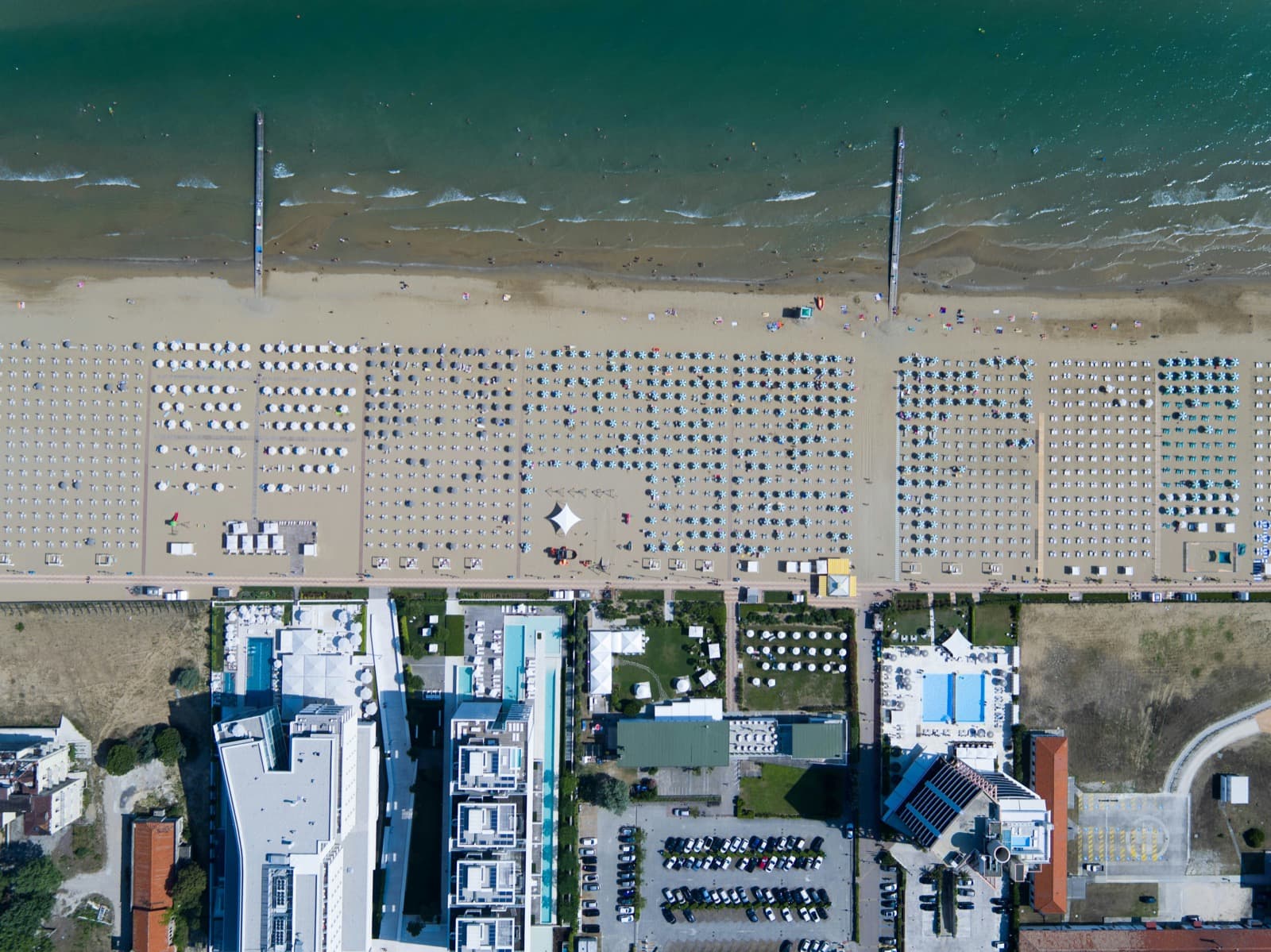
The short answer: you never have to pay to swim in Italy. The waterline itself is public by law on every beach in the country, including inside the paid clubs. Beyond that you have three free routes: the official spiaggia libera, free public stretches between the beach clubs; the spiaggia libera attrezzata, free beaches with a bar, toilets, and cheap sunbed rental; and the local move almost no traveler uses, walking straight through any paid club to the public wet sand at the water's edge, where nobody can charge you anything. Free showers stand along the seafront road of nearly every coastal comune. The forty-euro umbrella is optional everywhere, always.
Here is how each route works, what the law actually says, and why the free sand is the better beach rather than the cheaper one.
The law: the sea belongs to nobody
Italy's coastline is state property. The strip of sand at the waterline, the battigia, the last few meters before the foam, is public on every beach in the country, and so is a corridor of access from the road to reach it. The beach clubs, the bagni or stabilimenti balneari with their ranked umbrellas and pressed-shirt attendants, hold concessions to operate a business on the sand. They do not own it, and they cannot own the water or the wet strip beside it.
The practical meaning is larger than it sounds: you can walk through the gate of any beach club on the peninsula, past the branded umbrellas and the paid sunbeds, straight to the water, and nobody will stop you, because nobody can. The bagnino watches you pass and says nothing, because there is nothing to say. You drop your towel on the wet sand. You go in.
I learned this the way most useful things in Italy get learned, slowly, by watching, and by being slightly embarrassed for the first month. When we moved to the Tuscan coast we assumed the umbrella grid was the beach, and forty euros for two sunbeds read as a regional tax on swimming. Then one spring Saturday near the pier in Marina di Pietrasanta I watched a woman in her sixties cut diagonally through the gates of a Forte dei Marmi club with a folded towel and a thermos, cross two rows of paid sunbeds like someone walking through her own kitchen, and set up at the waterline twenty meters past the last umbrella. Nobody looked twice. The bagnino was pouring wine at the bar. That walk is legal on every beach in Italy, and it reorganized how we use the coast.
Route 1: The spiaggia libera, the official free beach
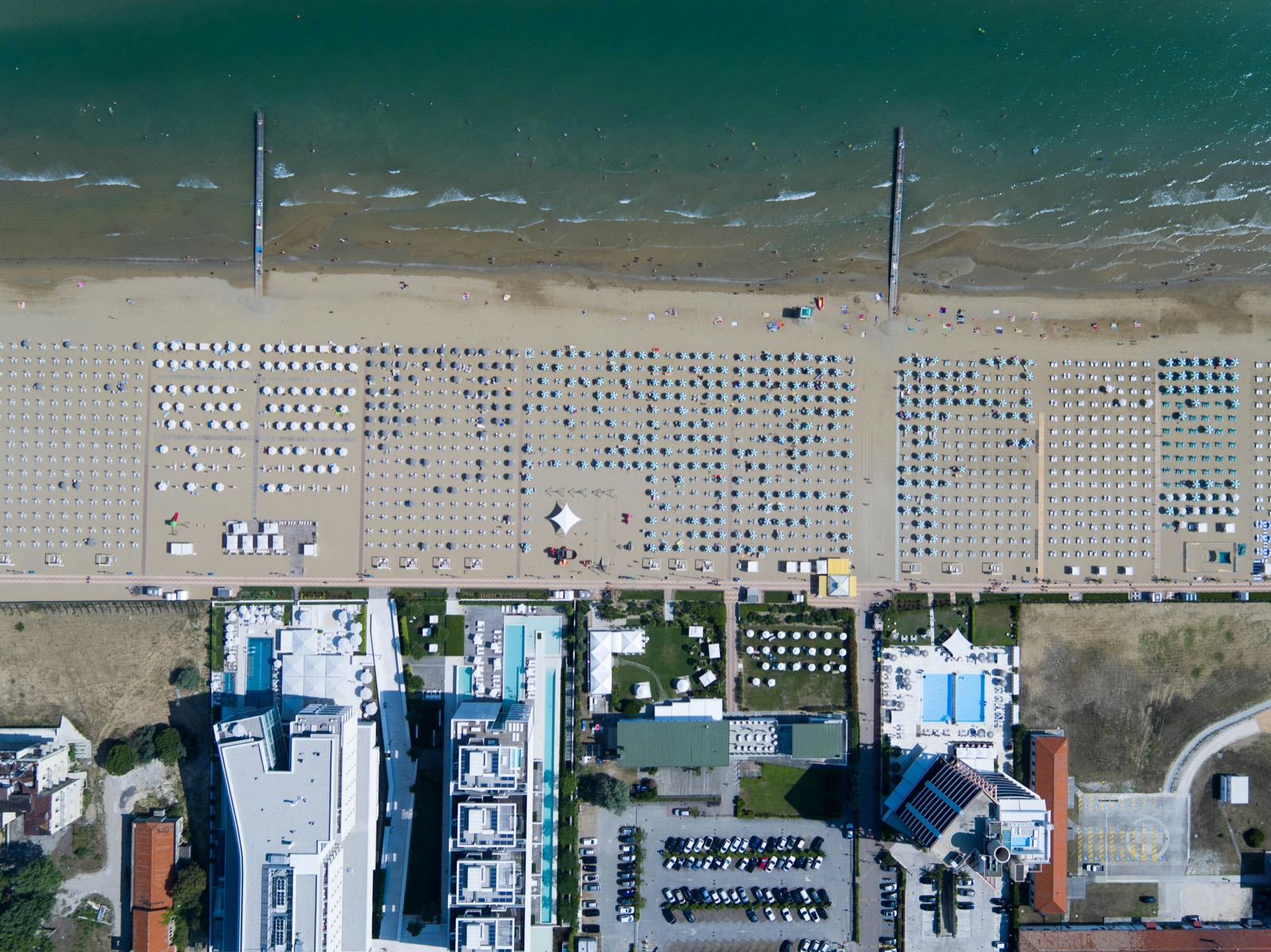
The comuni are required to keep stretches of coast free, and these are the spiagge libere, free passages and open sections between the concessions. Finding them takes minutes:
- The sign says spiaggia libera, sometimes with a small painted marker
- On Google Maps, search the term plus the town name; most are pinned
- Walking the lungomare, the seafront road, you spot them by the absence of branded umbrella grids
- Every stretch of developed coast has free passages to the sea between the clubs, typically one every handful of bagni
You can also spot a free beach by the sand itself. The paid stretches get raked at six in the morning by men with metal combs; the free sand is the sand the sea actually leaves. It has shells in it, dune grass at the back, a bigger grain. Some travelers read that as neglect. It is closer to the opposite: it is what the beach looks like when nobody is grooming it for a brochure.
Route 2: The spiaggia libera attrezzata, free with the basics
Between the full club and the bare sand sits the option I use most: the spiaggia libera attrezzata, a free beach with basic equipment. Entry costs nothing, and the equipment is there if you want it: a small bar, a toilet, a shower, a row of plain sunbeds renting for around ten euros a day instead of forty.
Nearly every marina area keeps at least one. On our stretch of the Versilia coast alone: Kevin Beach in Marina di Pietrasanta, next to the camper park, hammocks strung between concrete pillars and a bar that puts a rockabilly band on the deck once a month in summer. Le Dune in Forte dei Marmi, and the joke of Le Dune, a free beach in the town where the club across the fence rents a season cabina for the price of a small car, is the whole reason to love it. Trabucco in Marina di Massa, beside the working harbor with the fishing boats, sand ungroomed for a decade with nobody asking. The spiaggia pubblica at Lido di Camaiore, families and folding chairs and a man selling cold cocomero, watermelon, off a cart. The free stretch by the port in Viareggio, cargo ships in the middle distance, which may be the most honest view an Italian beach offers. The beach towns within ninety minutes of Pisa
Route 3: The local move, through the paid club to the waterline
The third route is the one the woman with the thermos was using, and the one most visitors never figure out. Walk into any paid bagno on the coast. Smile at the bagnino if you feel like it. Walk past the umbrellas, drop your towel on the wet sand past the last paid sunbed, and swim. Come back, sit, read. Nobody approaches you, because the strip you are sitting on was never theirs to sell.
The logistics around it are easier than they look:
- Bathrooms: the bigger clubs leave theirs open through the day; at smaller ones, order a two-euro coffee at the bar and they hand you the key
- Showers: coastal comuni have installed free public showers along the lungomare, roughly every couple hundred meters, and they work
- Food: bring it. The sandwich, the cooler, the beer. Italians carry pizza boxes from the nearest pizzeria down to the sand. Nobody enforces anything, because the beach economy runs on the people paying forty euros for an umbrella, not on the people who don't
Why the free beach is the better beach
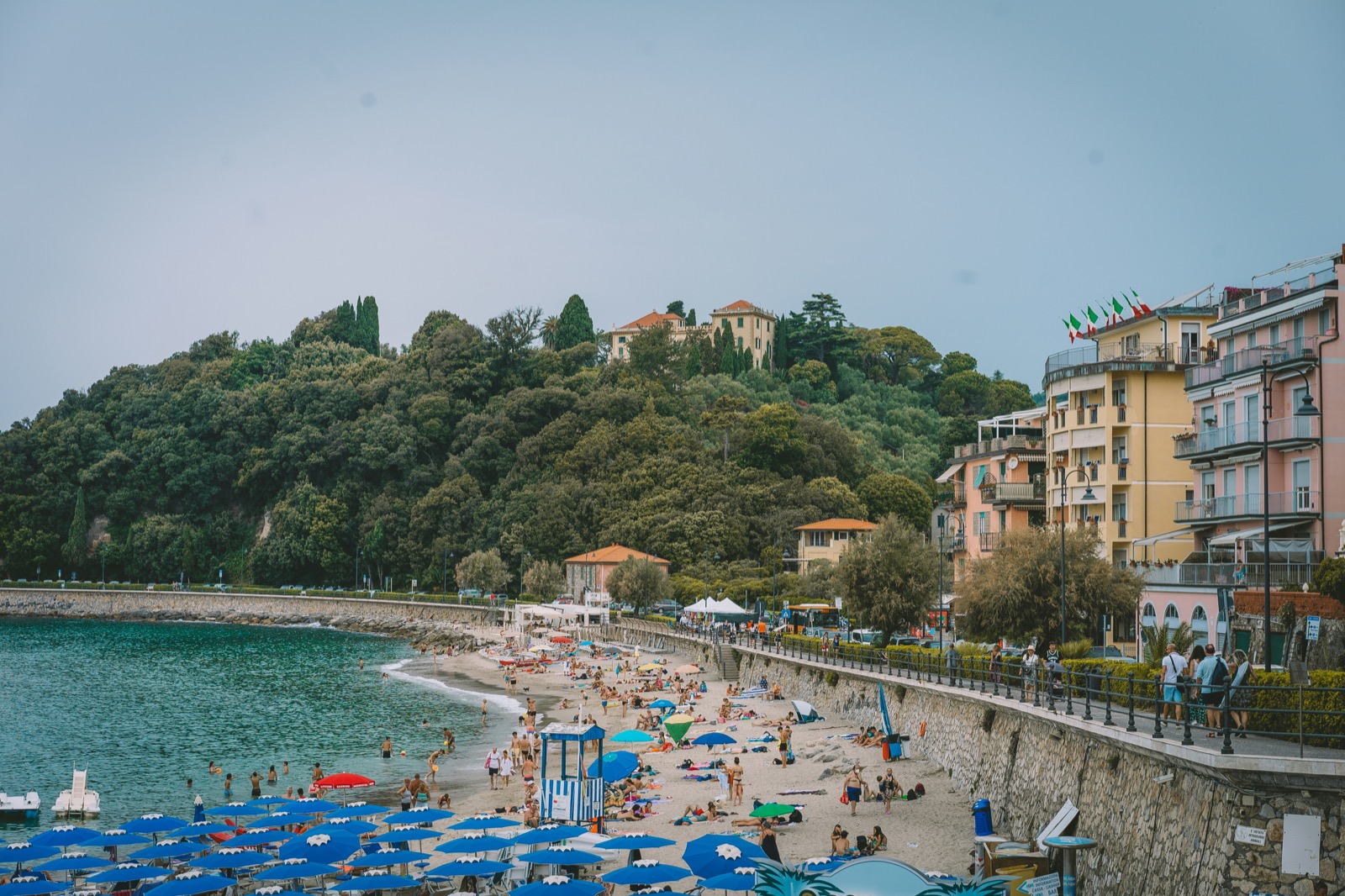
The mistake is filing the free beach as the budget option, the thing you settle for when the club is too expensive. After four years on this coast I would use the free sand if the clubs cost nothing, because the club is a haircut and the free beach is a beach.
At the bagno the umbrellas line up in prepaid grids, the sunbeds all face one direction, a waiter brings the spritz, you tip him, you tip the bagnino, you have spent ninety euros by lunch, and you are sitting in a row with thirty people who spent the same ninety euros while the man under the next umbrella takes a phone call. On the free beach you put your towel where the sand stops sloping and face whichever direction you want. The water is the same water. The light is the same light. You can hear the sea instead of someone else's spritz.
The club sells you the feeling of having booked something. The free beach sells you nothing, which is the point: you bring your own water, your own shade if you want shade, and you get up and walk when you want to feel something. None of it is hard, and all of it is the part of the beach the umbrella grid was quietly preventing.
How we actually do it
We live fifty meters from the sea, so the routine is unfairly easy to describe, but it transfers to any coastal town. One designated white cotton bed sheet, the beach sheet, nothing more technical than that. Two towels, a bag with water and whatever the day needs. We walk through the nearest free passage, put the sheet on the open sand, and skip the sunbed and the shade entirely, because on most days neither earns its carry. We stay a full day or two hours depending on nothing but mood. When coffee or food calls, we walk to the nearest bagno bar and buy it there, which also solves the bathroom. Total spend on an average beach day: a couple of coffees.
For scale, the grand clubs on this coast ask one to two hundred euros a day for the front-row beds, some more, and that money comes almost entirely from visitors. I would be surprised if a single local here pays for a bagno.
The most local thing I ever saw on this beach: a father arrived carrying his own folding armchair and a mini-fridge of beer, walked calmly past one of the most expensive clubs on the coast, the one with white linen sunshades, family-sized beds, and a Michelin-recommended restaurant with a pool, unfolded the chair at the end of the umbrella forest facing the sea, and in total calm worked through all six beers. I am considering buying an armchair like that.
Frequently asked questions
Do you have to pay to go to the beach in Italy?
No. The waterline is public on every beach in the country, official free beaches sit between the paid clubs on all developed coasts, and free public showers line the seafront in most coastal towns. Paying applies only to the club services: the umbrella, the sunbed, the waiter.
What does spiaggia libera mean?
Literally "free beach": a public stretch of sand with no concession on it, open to everyone at no cost. The variant spiaggia libera attrezzata is a free beach with basic paid extras available, typically a bar, toilets, and sunbeds at around ten euros rather than the clubs' forty.
Can you walk through a beach club to the sea in Italy?
Yes. Access to the water is a legal right, and the wet strip at the waterline is public even where a club operates the dry sand behind it. Staff cannot stop you from passing through to swim or from sitting on the public strip. What you cannot do is occupy the club's sunbeds or umbrellas without paying.
How much does a beach club in Italy cost?
Commonly thirty to fifty euros a day for two sunbeds and an umbrella on ordinary stretches, and one to two hundred euros or more at the grand clubs of fashionable towns, before food, drinks, and tips. Locals largely don't pay it, which tells you how necessary it is.
Are free beaches in Italy dirty?
They are less groomed, which is different. Club sand is machine-raked at dawn; free sand keeps its shells, seaweed lines, and dune grass, the way a shore looks without maintenance staff. Litter depends on the town and the crowd, not on whether the beach is free.
Can you bring your own food and drinks to Italian beaches?
On free beaches, yes, and everyone does: coolers, sandwiches, beer, whole pizza boxes carried down from town. Clubs expect you to buy from their bar on their beds. A handful of towns post local ordinances against glass on the sand in high season; the sign on the lungomare will say so.
More from Anywhere Italy
 Themed picks · Catania · Baroque10 Baroque towns in Val di Noto near Catania
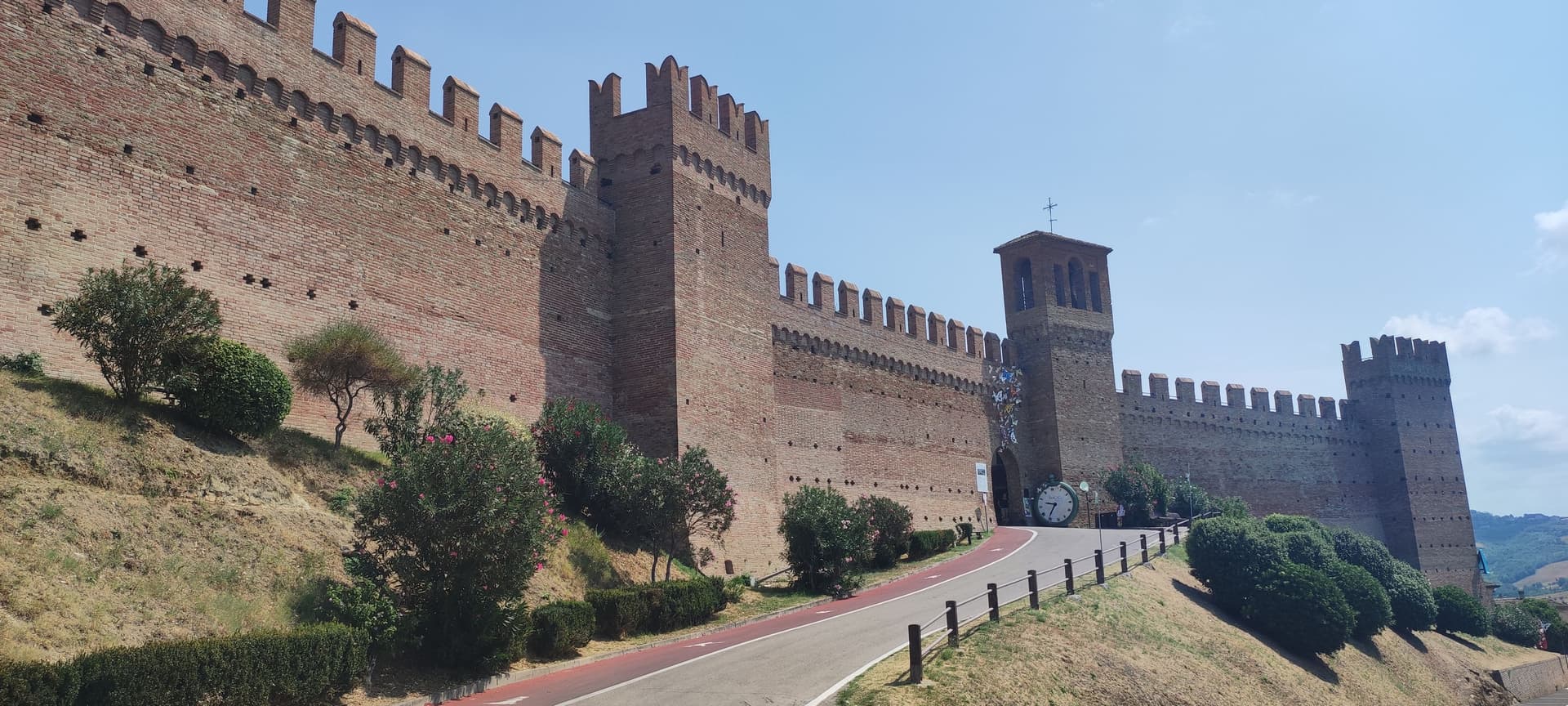 Themed picks · Rimini · Adriatic coast10 Adriatic seaside towns near Rimini
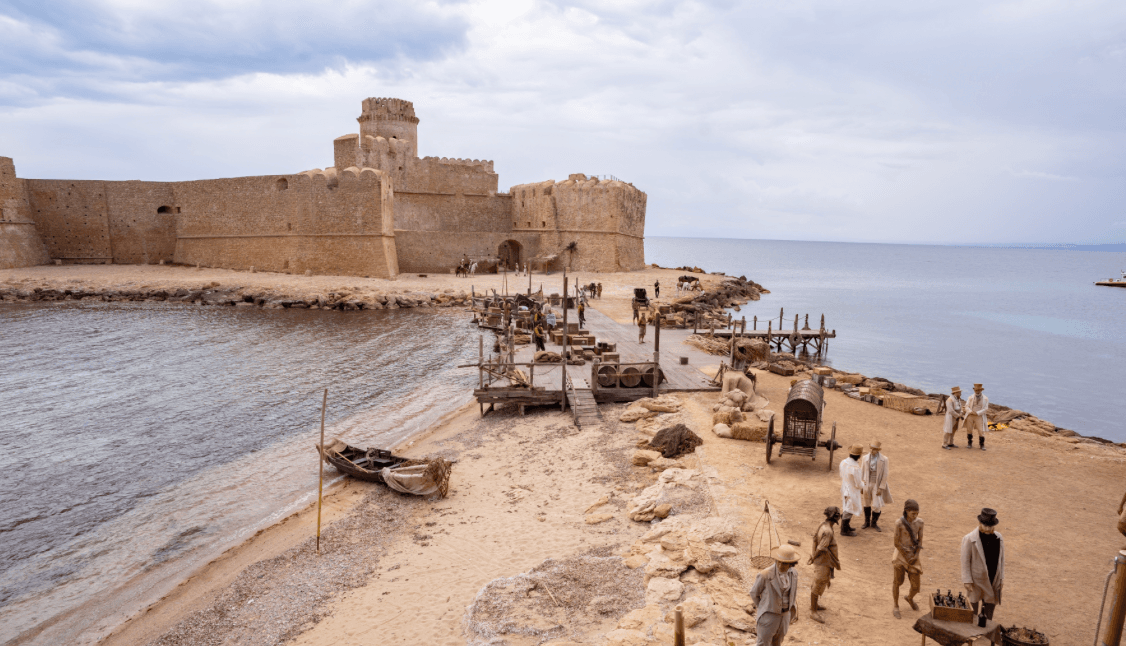 Themed picks · Reggio Calabria · Aspromonte10 Aspromonte hill towns near Reggio Calabria
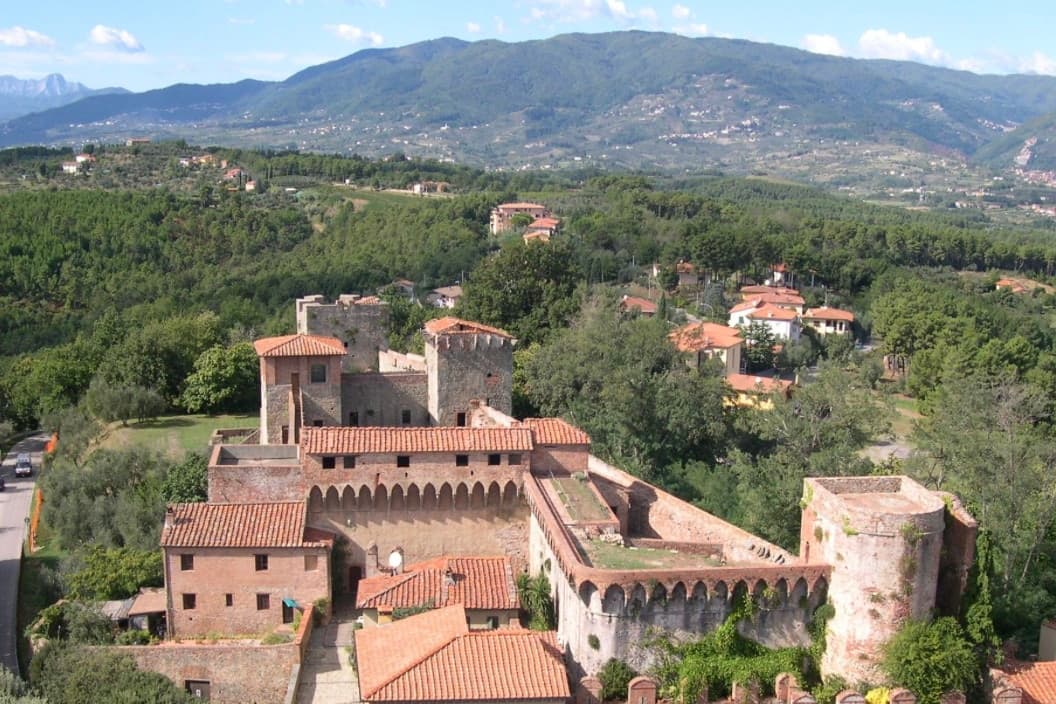 Themed picks · Florence · Wine10 Tuscan wine towns near Florence
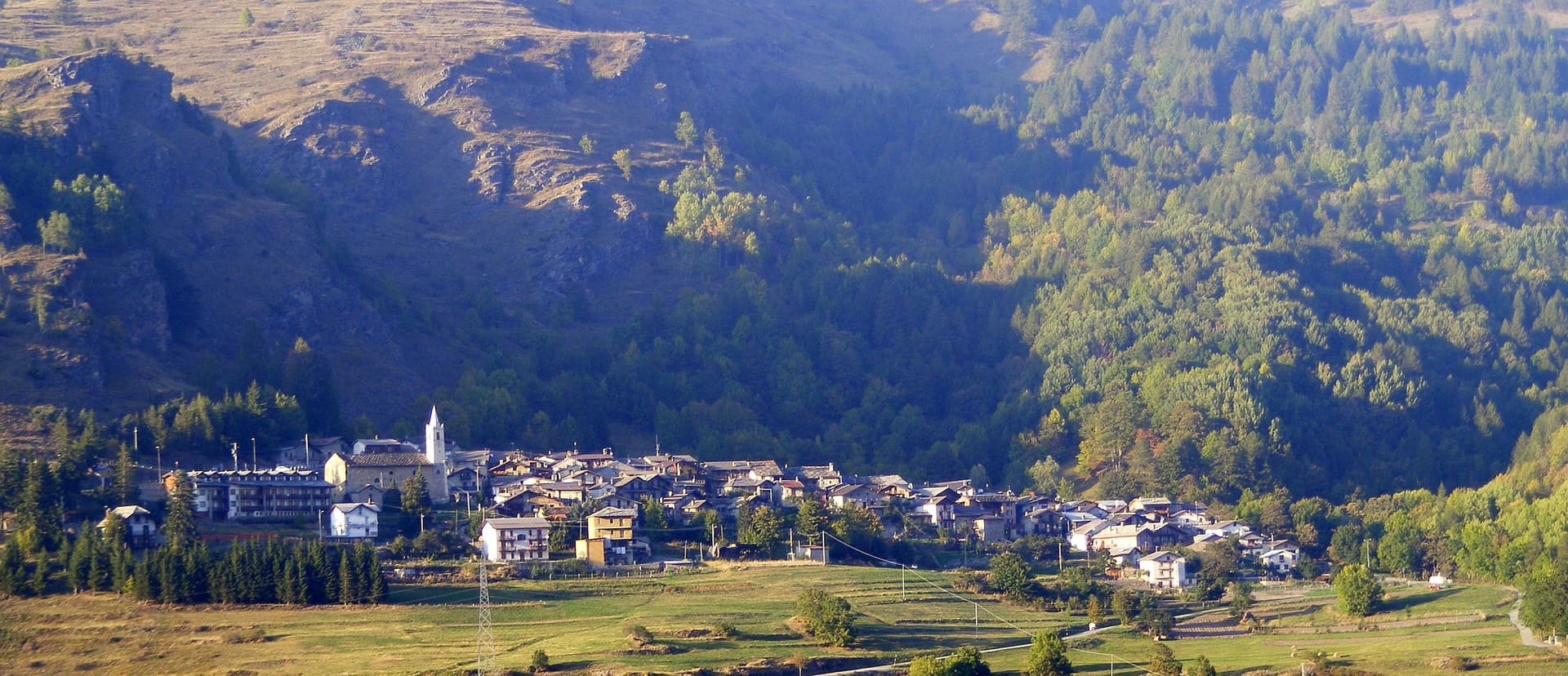 Themed picks · Turin · Mountains10 mountain comuni near Turin
 Themed picks · Verona · Lake Garda10 Lake Garda towns near Verona