

Campania · Caserta
Alife
A Roman walled town at the foot of the Matese, founded as a 326 BC oppidum, with Italy's fourth-largest amphitheatre still half-buried.
Known for
ROMAN WALLS
Rectangular 326 BC circuit of 1.9 kilometres with towers and four gates, still the outline of the modern town inside its medieval extensions.
CIPOLLA DI ALIFE
Heirloom red onion documented locally since Roman times, cultivated on the irrigated Volturno plain and the historical mainstay of the local economy.
MATESE PARK
Within the Parco Regionale del Matese, at the foot of Monte Miletto, with karst lakes, beech forest and the southern Apennines watershed.
When to visit
Best · Apr–Oct
- J12°
- F14°
- M16°
- A19°
- M23°
- J29°
- J33°
- A32°
- S27°
- O22°
- N17°
- D14°
- Best
- Hot or crowded
- Quiet
- Mostly closed
Daytime averages, 2020–2024. Weather data by Open-Meteo.com.
The festa: papa Sisto I, 11 August
Why come
Alife sits at the southern foot of the Matese, the rectangular Roman walls still tracing the original plan of the 326 BC Latin colony founded after the Samnite Wars. The circuit runs 1. 9 kilometres, with towers every 39 meters and four monumental gates on the cardo and decumano.
Inside the walls lies the largely buried Roman amphitheatre, 48 by 38 meters, the fourth largest in Italy after Rome, Pompeii and Capua. The Cryptoporticum, a 100-meter underground gallery, has been kept legible by recent excavation. The town gives its name to the Cipolla di Alife, a heirloom red onion documented locally since Roman times and still cultivated on the irrigated plain along the Volturno. Modern Alife sits inside the Parco Regionale del Matese and along the Via Francigena del Sud, with extra-virgin olive oil and Pallagrello and Casavecchia wines on the surrounding slopes.
The Sunday letter
We haven’t written Alife’s letter yet.
One town every Sunday, with the photo, the food, the festa. Be there when this one comes up. Free, by Peter & Sophia from Pietrasanta.
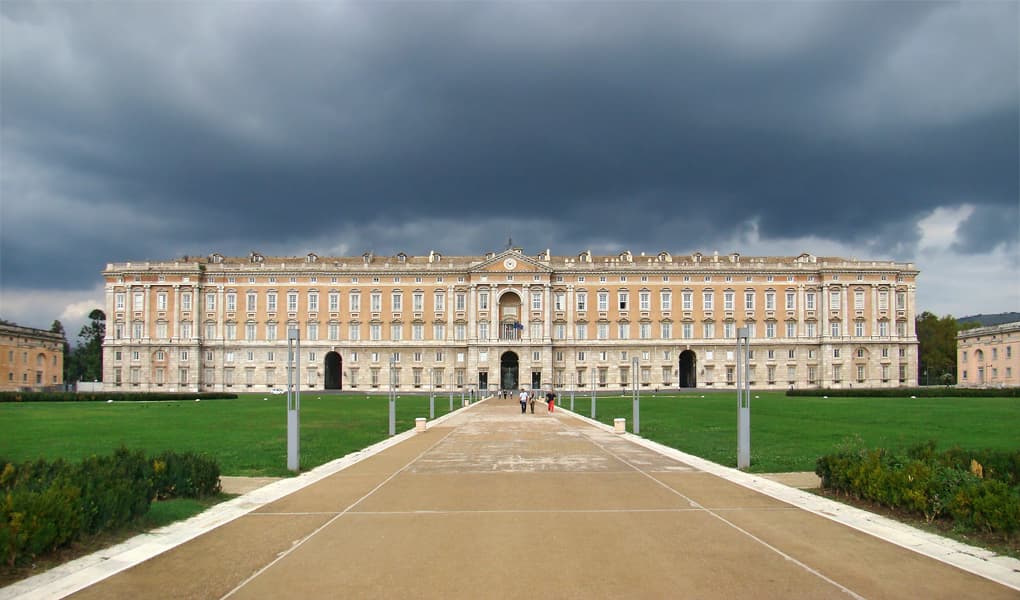
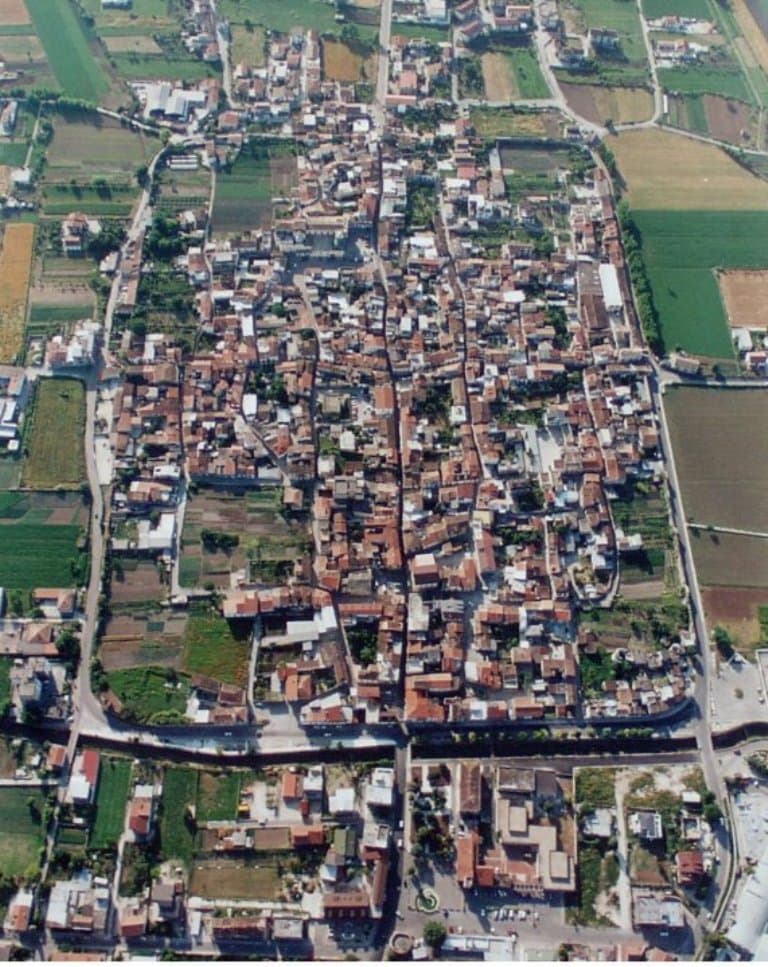
What to see
Mura romane di Alife
Rectangular Roman walls running 1.9 kilometres, with towers every 39 meters and four monumental gates on the original cardo and decumano of the 326 BC colony.
Anfiteatro Romano
Largely buried amphitheatre of 48 by 38 meters, the fourth largest in Italy after Rome, Pompeii and Capua, dating to the early imperial period.
Criptoportico Romano
Underground gallery more than 100 meters long, well preserved beneath the centro storico, kept open after recent archaeological excavation.
Cattedrale di Santa Maria Assunta
Medieval cathedral of Norman origin inside the Roman walls, with a Romanesque crypt and the eleventh-century sarcophagus of Bishop Rainulfo.
Parco Regionale del Matese
Limestone massif north of the town, with karst lakes, beech forest and the highest peak of the Campanian Apennines at Monte Miletto.
The slow-trip planner
Building a trip? Find where Alife fits in a slow Italy circuit.
Answer five questions. We will shape a geographically coherent slow trip from the 1,000 Italian towns most travelers skip. Yours to save and share.
Living here
- Population 7,376
- Off the beaten pathi
- Pharmacy in town
- High school within a 30-minute drive
- Train station in the comune
- Nearest airport Naples / Salerno, 1 h 12 min drive
- Regional capital Napoli, 1 h 16 min drive
Tags & datadesignations · numbers · sources
Recognised as
The numbers
- Elevation: 110 m
- Population: 7,376
- Surface area: 64.32 km²
These figures were compiled from public directories — ISTAT, OpenStreetMap, Wikidata — and from the official listings of the guides named on this page. Town details change; verify with official sources before you travel.
Similar
Towns like Alife
Specchia
Province: Lecce
both inland, away from the coast · both between 3,000 and 10,000 people
Calitri
Province: Avellino
both inland, away from the coast · both between 3,000 and 10,000 people
Brisighella
Province: Ravenna
both inland, away from the coast · both between 3,000 and 10,000 people
Longiano
Province: Forlì-Cesena
both inland, away from the coast · both between 3,000 and 10,000 people
Corigliano d'Otranto
Province: Lecce
both inland, away from the coast · both between 3,000 and 10,000 people
Larino
Province: Campobasso
both inland, away from the coast · both between 3,000 and 10,000 people
🌲 Parco Nazionale
More Parco Nazionale towns in Campania
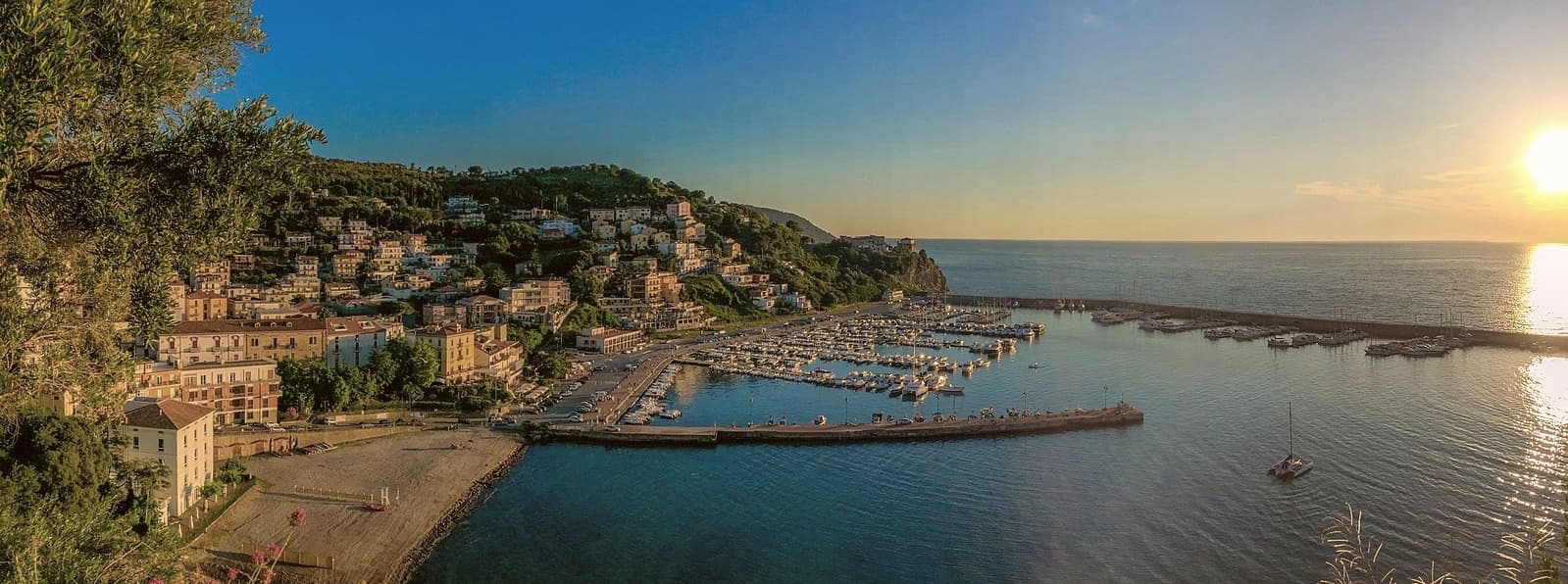
Agropoli
Province: Salerno
The gateway commune of the Cilento, a Byzantine acropolis on a promontory taken by the Saracens in 882 as a base for raids on Salerno.
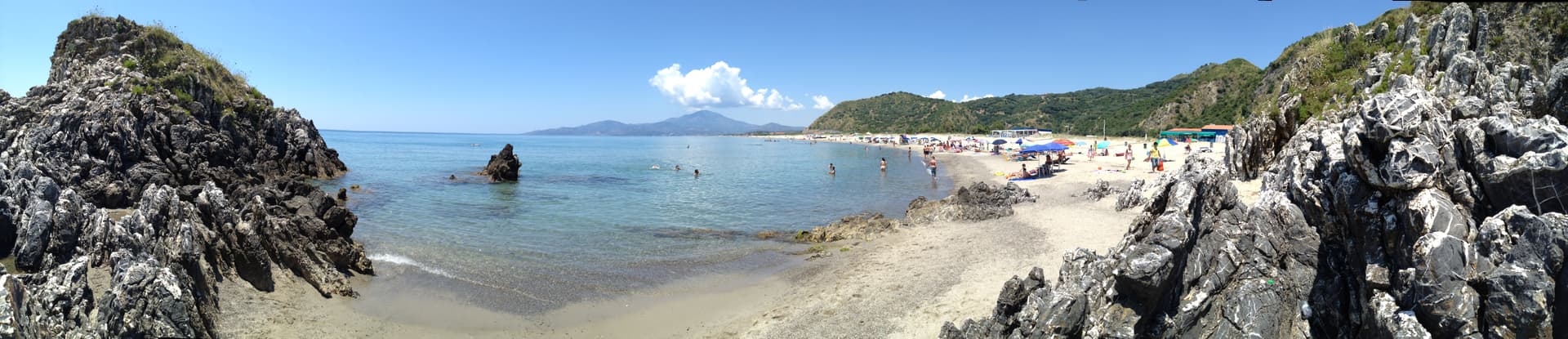
Ascea
Province: Salerno
Two villages, a hilltown at 230 meters and a Cilento marina, with Parmenides and Zeno's Eleatic school in the ruins of Greek Velia below.
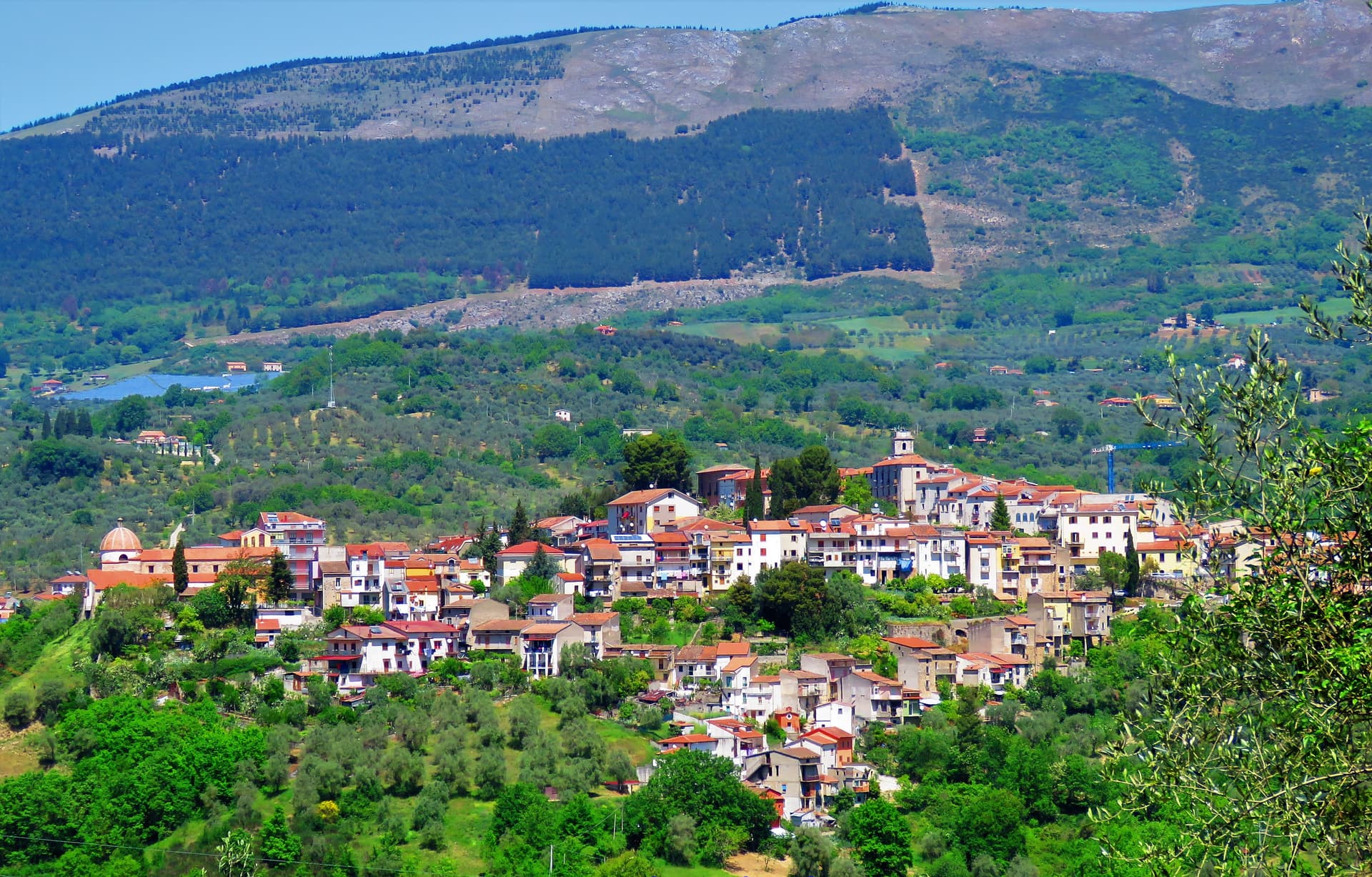
Auletta
Province: Salerno
A Tanagro hill town above the Cilento-Vallo di Diano park, fortified by 1000 AD, scene of an 1861 anti-Piedmont massacre and an 1857 earthquake.
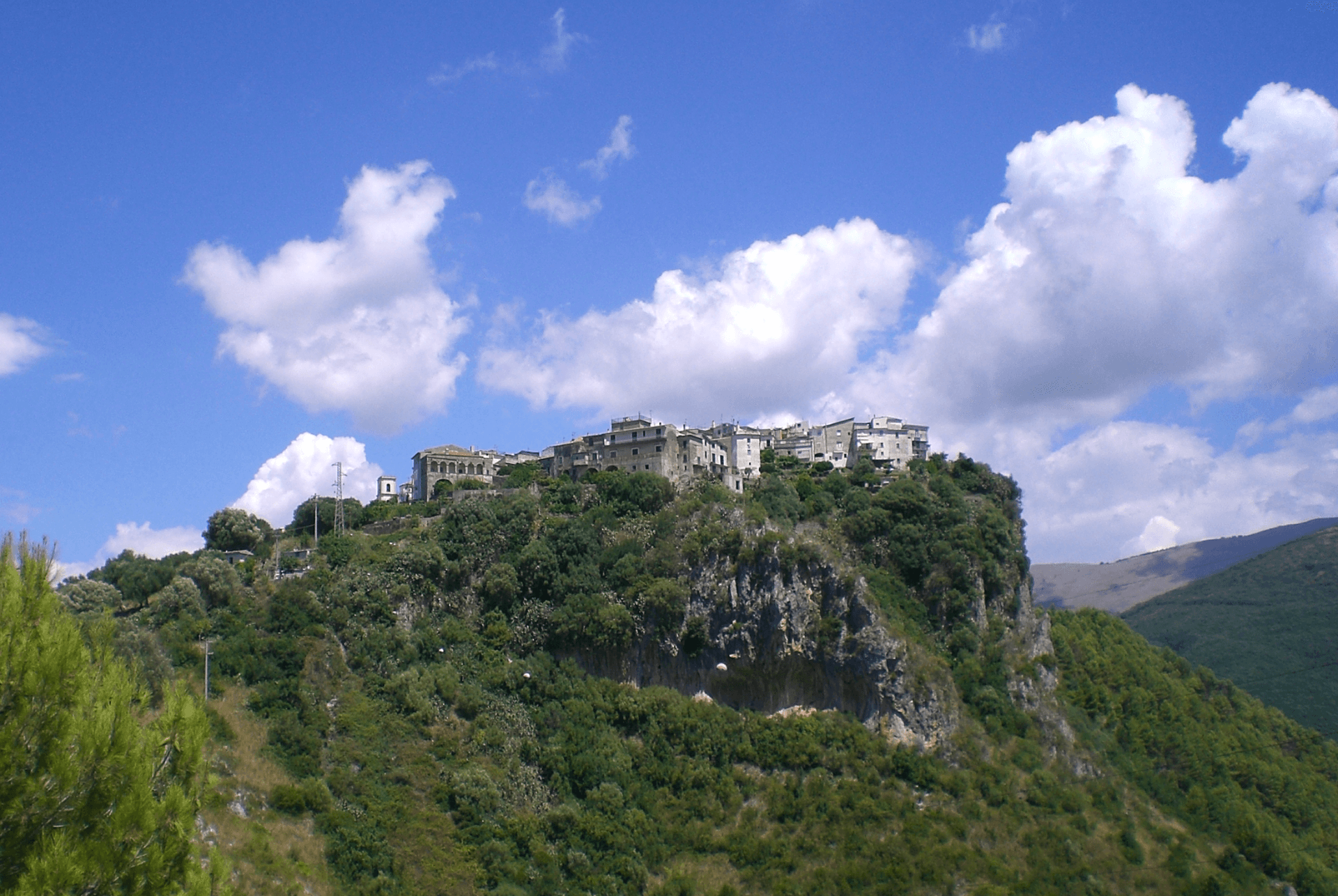
Camerota
Province: Salerno
A Cilento hill town of 422 meters above the Costa degli Infreschi, its caves holding one of the longest prehistoric stratigraphies on the southern Tyrrhenian.
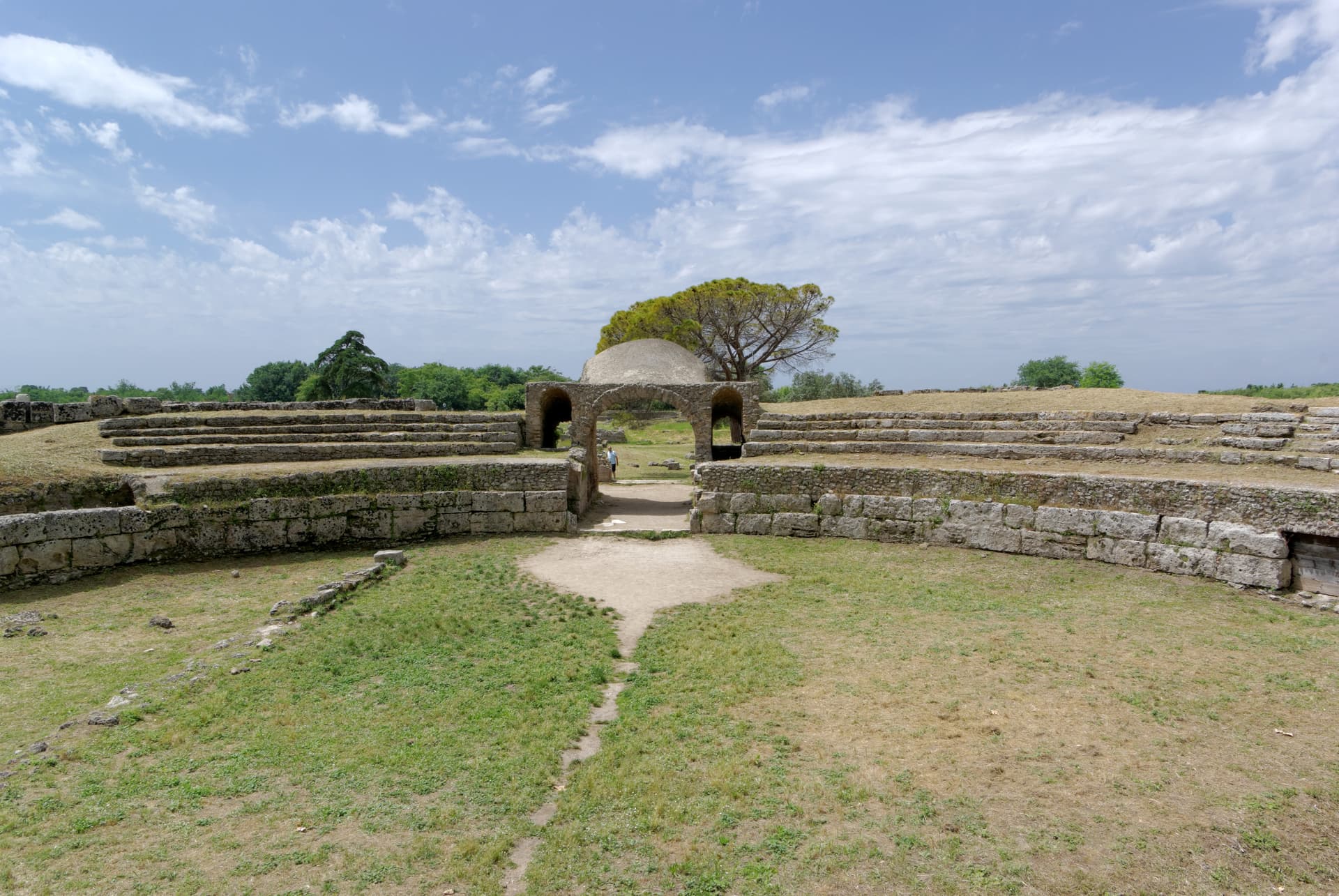
Capaccio Paestum
Province: Salerno
Three Doric temples of 550 to 450 BC on the Sele plain, with mozzarella di bufala DOP on the buffalo flats below.