
The best towns with a serious restaurant in the province of Verona
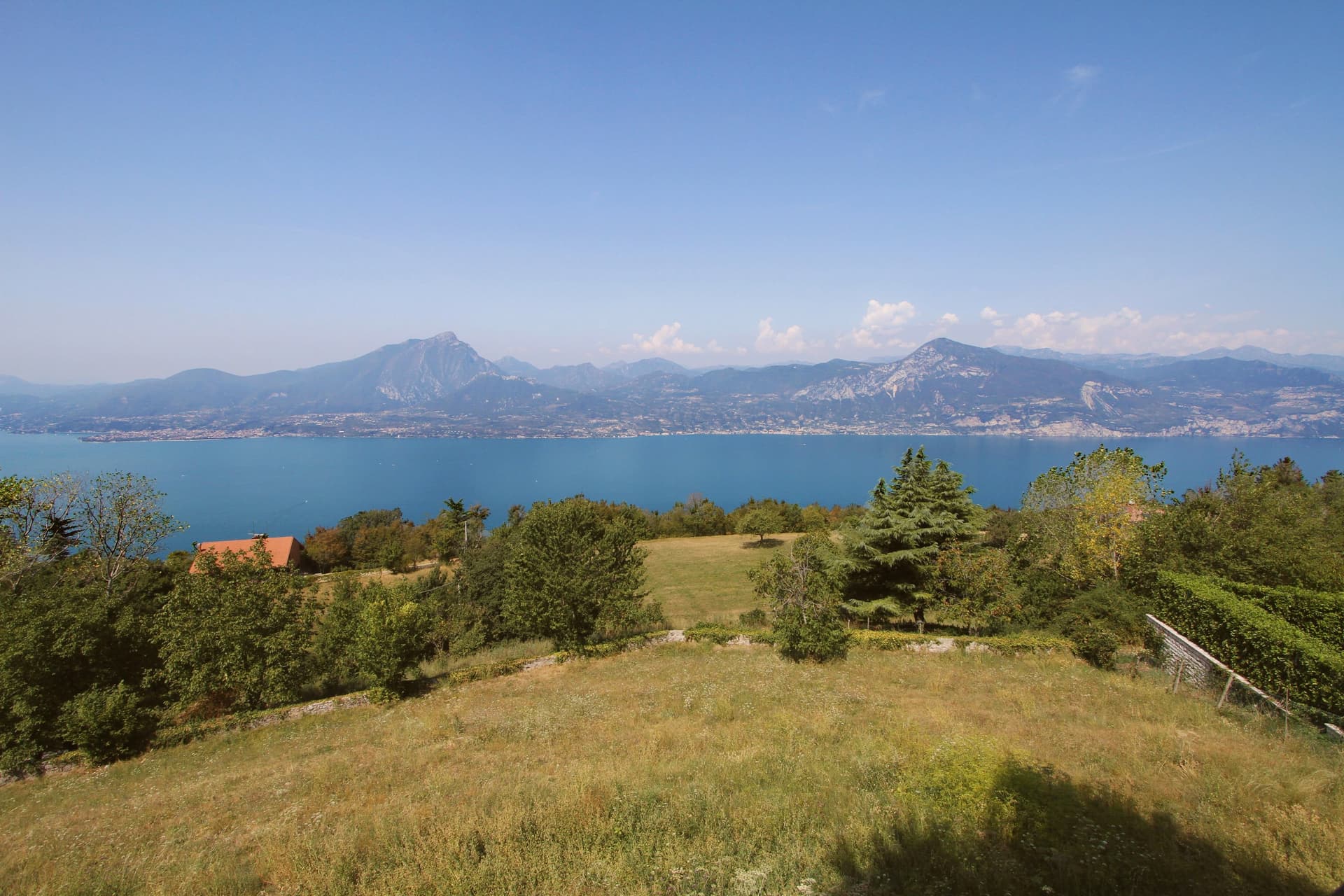
The province of Verona eats along two lines: the eastern shore of Lake Garda, where the water gives up lavarello, sardine essiccate and trout, and the terraced hills behind it, where Corvina grapes dry on racks into Amarone. The kitchens here cook with olive oil pressed on the lake itself, one of the northernmost oil zones in Europe, and with the bitter chicory and pearl onions of the moraine hills. Villages are built in pale local limestone and Prun stone, with slab roofs and lemon-house walls facing the water. Spring brings asparagus from Rivoli and the first outdoor tables; autumn brings the grape harvest and the smell of fermentation drifting through the vineyards.
Most people eat in Verona itself, where the streets around Piazza delle Erbe and the Arena fill in opera season and the good restaurants book out months ahead. The city deserves its reputation, and it has the Michelin stars and the wine lists to justify a trip on their own terms. But dinner there means a table in a crowded centre, a set price for the Arena crowd, and a kitchen cooking for people who will be gone tomorrow.
The same lake and the same hills continue north and west of the city, and so do the serious kitchens. The towns in this list sit on the Garda shore below Monte Baldo, up on the mountain terrace above it, and in the folds of the Valpolicella, and each holds a restaurant that the most demanding of the dining guides thought worth naming. Fewer people book these tables. They are close enough to Verona to make a detour, and far enough that the cook probably knows the fisherman.
Of the 11 communes we have mapped in the province of Verona, 6 qualify as towns with a serious restaurant: each holds a restaurant listed by the most demanding of the dining guides. The smallest, San Zeno di Montagna, has 1,464 residents.
Elsewhere in the catalogue: The best towns with a serious restaurant that eat well within 90 minutes of Verona and The best small towns on Lake Garda's eastern shore.
San Zeno di Montagna
Why visit San Zeno di Montagna
The village sits thirty kilometers northwest of Verona. It took its current name in 1871, after unification, borrowing the name of Verona's patron saint; before that it was called Montagna di Monte Baldo, a plainer name tied directly to the mountain above it.
Pastoralism here goes back to the Copper and Bronze ages, when small communities drove herds up from the plain in summer along routes that still cross the mountain. Sheep and goats gave way to cattle as the dominant economy in the seventeenth century.
The frazione of Prada, reached by cable car from the lakeshore, holds the longest of these pasture terraces, its Church of San Bartolomeo built for the shepherds who worked the ground seasonally rather than for a settled parish. Below, the chestnut groves that ring the village are a separate, older layer of the economy, worked at lower altitude while the herds went up.
What emerges is a village organized on a vertical axis: lake view at one elevation, chestnut groves at another, pasture and summer huts higher still, each belonging to a different rhythm of use rather than to a single center.
Taverna Kus have been named by a guide.
What to see in San Zeno di Montagna
- Balcone del Garda. The viewpoint that names the commune, a place to stand at the edge of the ridge and take in the water and the opposite shore at once.
- Monte Baldo. Regional park rising above the village, its slopes still worked as pasture, with the old herding paths climbing through it toward the grass terraces higher up.
- Prada. Three-kilometer grass terrace on the mountain, reachable by cable car from the lakeshore, with the Church of San Bartolomeo standing among the summer pasture huts.
How to get to San Zeno di Montagna
Verona is roughly 51 minutes away by road.
Our tip
April through June and September through October are the months the commune works best. The chestnut groves green up in spring, the Baldo opens for walking, and the lake below stays cool enough to swim in by June. October brings the Festa delle Castagne over three weekends, with roasted Marrone di San Zeno and the woods turning to ochre and rust.
Brenzone sul Garda
Why visit Brenzone sul Garda
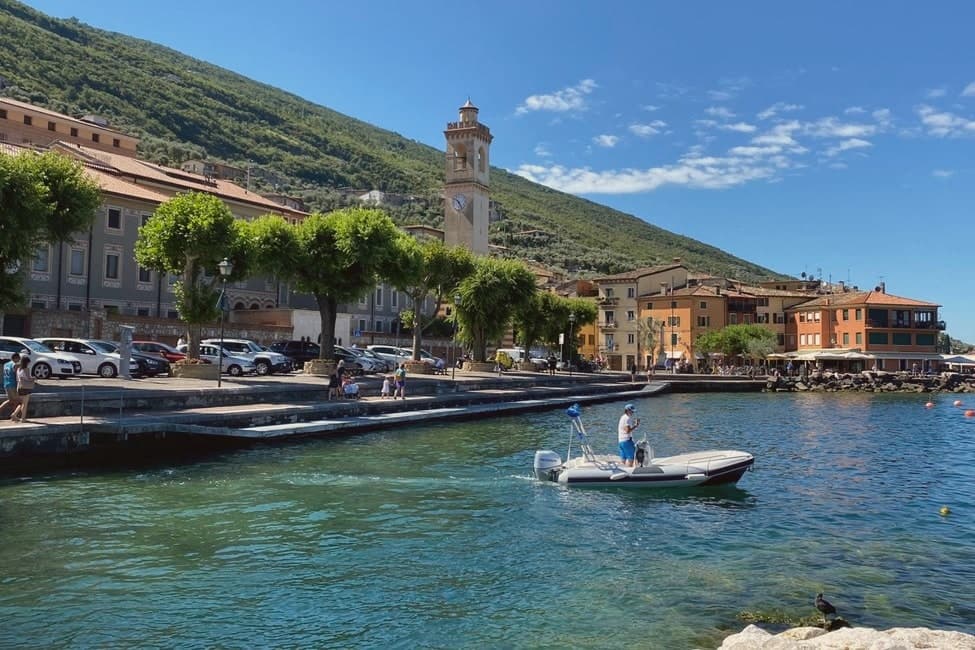
The comune sits on the eastern shore of Lake Garda at 75 meters, thirty-five kilometers northwest of Verona. It is not a town but a string of sixteen hamlets and small frazioni along the foot of the mountain: Assenza, Biaza, Campo, Castelletto, Castello, Magugnano which is the municipal seat, Marniga, Porto, Sommavilla and others, many named after the families who farmed the terraces above them.
Above the lake, fifteen minutes uphill on foot, sits the abandoned village, its stone houses reachable only by that path since the lakeside road below made the mid-slope route obsolete. Five permanent residents remain among the ruins.
The relation between the working shore strung with hamlets and the emptied village on the slope above is the story of the place: the road that connected the lake hamlets to each other was the same road that cut the mountain village off, and each half has stayed exactly where that change left it.
Nin, Al Pescatore have been named by a guide.
What to see in Brenzone sul Garda
- Campo di Brenzone. Reachable only on foot, with five permanent residents and stone houses standing in protected ruin.
- San Pietro in Vincoli, Campo. Church in the abandoned village, with frescoes by Giorgio da Riva dated 1358 still visible inside.
- Monte Baldo. Mountain ridge rising directly behind the lakeside hamlets to 2,218 meters at Cima Valdritta, with cable-car access from neighboring Malcesine.
How to get to Brenzone sul Garda
Verona is roughly 73 minutes away by road.
Our tip
April through October is the only real season. April and May bring the lake back to swimming temperature; the olive groves are flowering and Campo di Brenzone walkable on dry trails. June through August fills the lakefront with German and Austrian visitors; the lungolago path runs at full capacity on weekend afternoons.
Malcesine
Why visit Malcesine
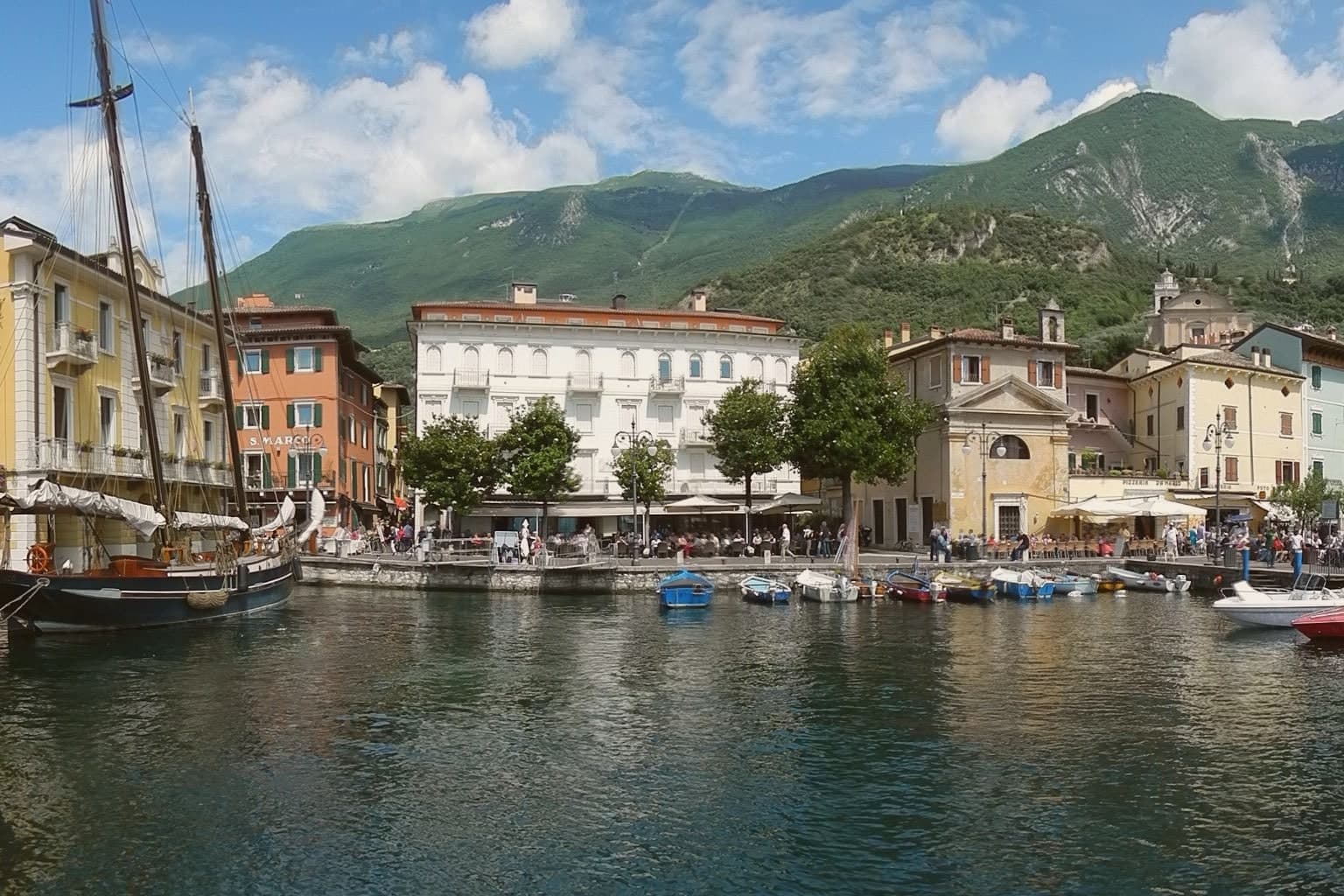
Malcesine sits at 89 meters on the eastern shore of Lake Garda, forty kilometers northwest of Verona and immediately south of Trentino-Alto Adige. The town strings together five lakeside frazioni between Navene and Cassone, pinched between the water and the slopes of Monte Baldo, which rises to 2,218 meters behind the rooftops.
The Castello Scaligero, built by the della Scala family of Verona in the thirteenth century around an older white-stone keep, is the defining building. On 14 September 1786 Johann Wolfgang Goethe was questioned in front of it on suspicion of being an Austrian spy after drawing sketches; he later devoted several pages to the episode in Italienische Reise.
The Monte Baldo cable car, opened in 1962 and rebuilt with rotating cabins in 2002, lifts walkers and paragliders to 1,750 meters in ten minutes. Olive groves along the lower slopes carry the Garda DOP olive oil designation.
Vecchia Malcesine have been named by a guide.
What to see in Malcesine
- Castello Scaligero. Thirteenth-century Scaliger fortress on a rock above the lake, with an older white-stone keep, the rooms where Goethe was held briefly in 1786 and a museum on Monte Baldo flora.
- Palazzo dei Capitani. Fifteenth-century Venetian palazzo on the lakefront, residence of the Captains of the Lake during the Republic of Venice, with a lakeside loggia and gardens.
- Monte Baldo. 2,218-meter ridge behind the town, reached by a two-stage cable car with rotating cabins; the summit is a botanical reserve known since the sixteenth century as Hortus Europae.
How to get to Malcesine
Trento is roughly 65 minutes away by road.
Our tip
April through June and September through October are the months Malcesine is built for. The cable car runs to Monte Baldo through clear spring and autumn air, the windsurfers fill Val di Sogno when the Ora picks up at midday, and the centro storico is busy but walkable. July and August push past thirty degrees on the lake and the village queues for the cable car from eight in the morning; many German and Austrian families have rented apartments here for generations.
Costermano sul Garda
Why visit Costermano sul Garda
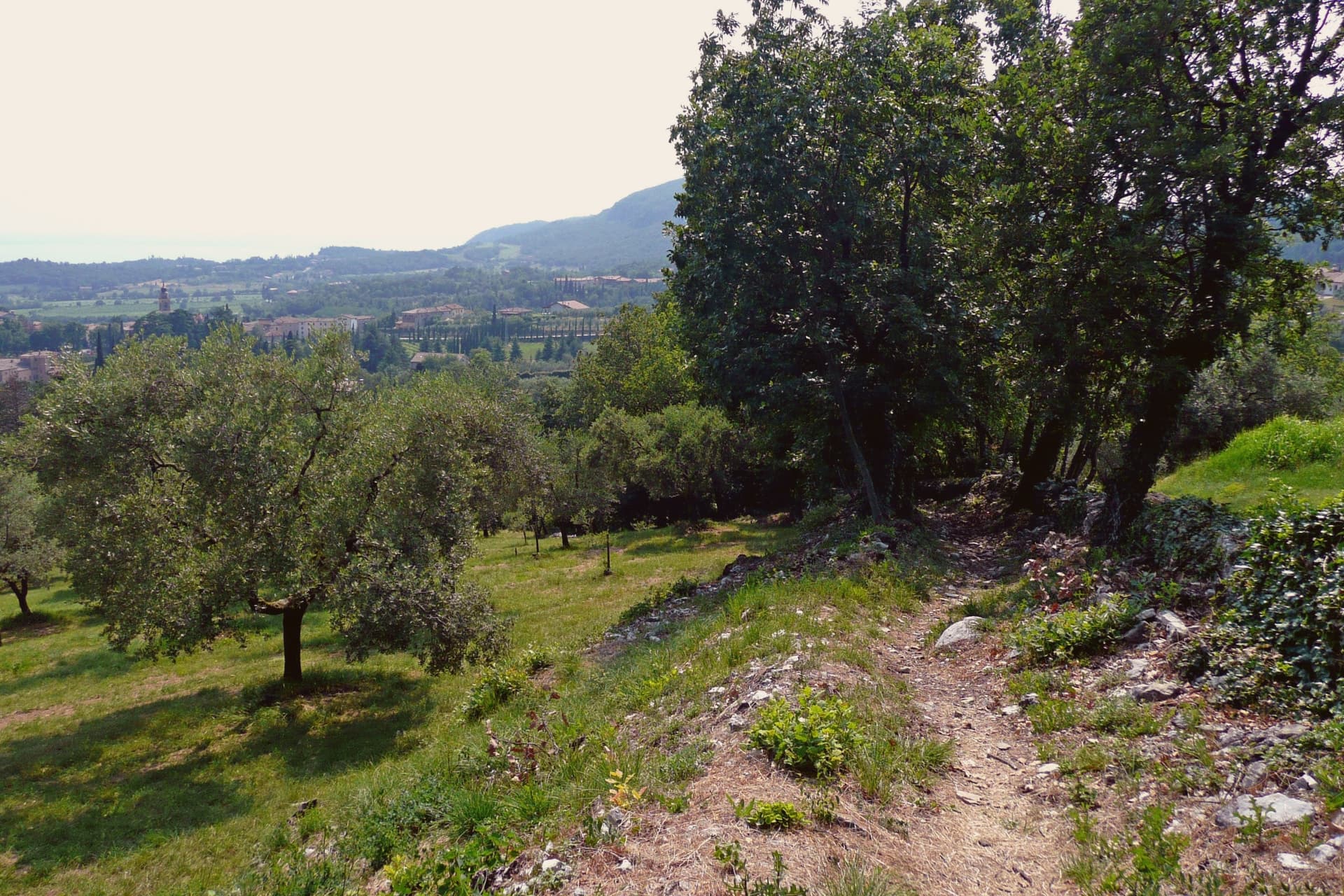
The commune sits on a moraine amphitheater twenty-five kilometers northwest of Verona. The hills were a feud of the Brescia monastery of Santa Giulia in the early Middle Ages, then passed through Scaliger and Venetian rule before joining Italy in 1866; the name sul Garda was added only in 2018, to anchor the town's tourism identity to the water it sits above rather than on.
That distinction matters here: this is not a lakefront village but a hill settlement looking down at the shore, its center, its cemetery hill, and its vineyard slopes arranged around the belvedere at Marciaga rather than around a harbor. The economy runs on olive oil and hillside vines, and on the holiday accommodation that has filled these slopes since the 1970s, but the single largest reason people come here is not agricultural.
The cemetery holds the dead of a war fought decades after the monastery's feud and centuries after the Scaliger lords, and it sits on the same morainal hill as the sanctuary, the parish church, and the vine rows, a place where the working landscape and the memorial landscape occupy the same short walk rather than separate zones.
La Casa degli Spiriti, Osteria dai Coghi have been named by a guide.
What to see in Costermano sul Garda
- Santuario della Madonna del Castello. Sanctuary on the spur of Marciaga, its fifteenth-century frescoes intact, with a terrace looking over Lake Garda and the eastern shore.
- Deutsche Soldatenfriedhof. The graves cover the hillside above the lake, laid out since 1967 for the dead of the Second World War, a place kept in silence rather than commentary.
- Chiesa di San Siro. Parish church rebuilt in the nineteenth century in the center of the village, its freestanding campanile visible from the surrounding slopes, with a sightline to Monte Baldo across the water.
How to get to Costermano sul Garda
There is a railway station in the town, so you can arrive without a car and never need one while you are here. Verona is roughly 34 minutes away by road.
Our tip
April through October is the working window. April and May bring the lake back to swimming temperature on the shore four kilometers below, and the morainal hills into wildflower. June through August fills the holiday rentals and the lakefront day-traffic from Garda and Bardolino; the hills stay a few degrees cooler than the shore.
Bardolino
Why visit Bardolino
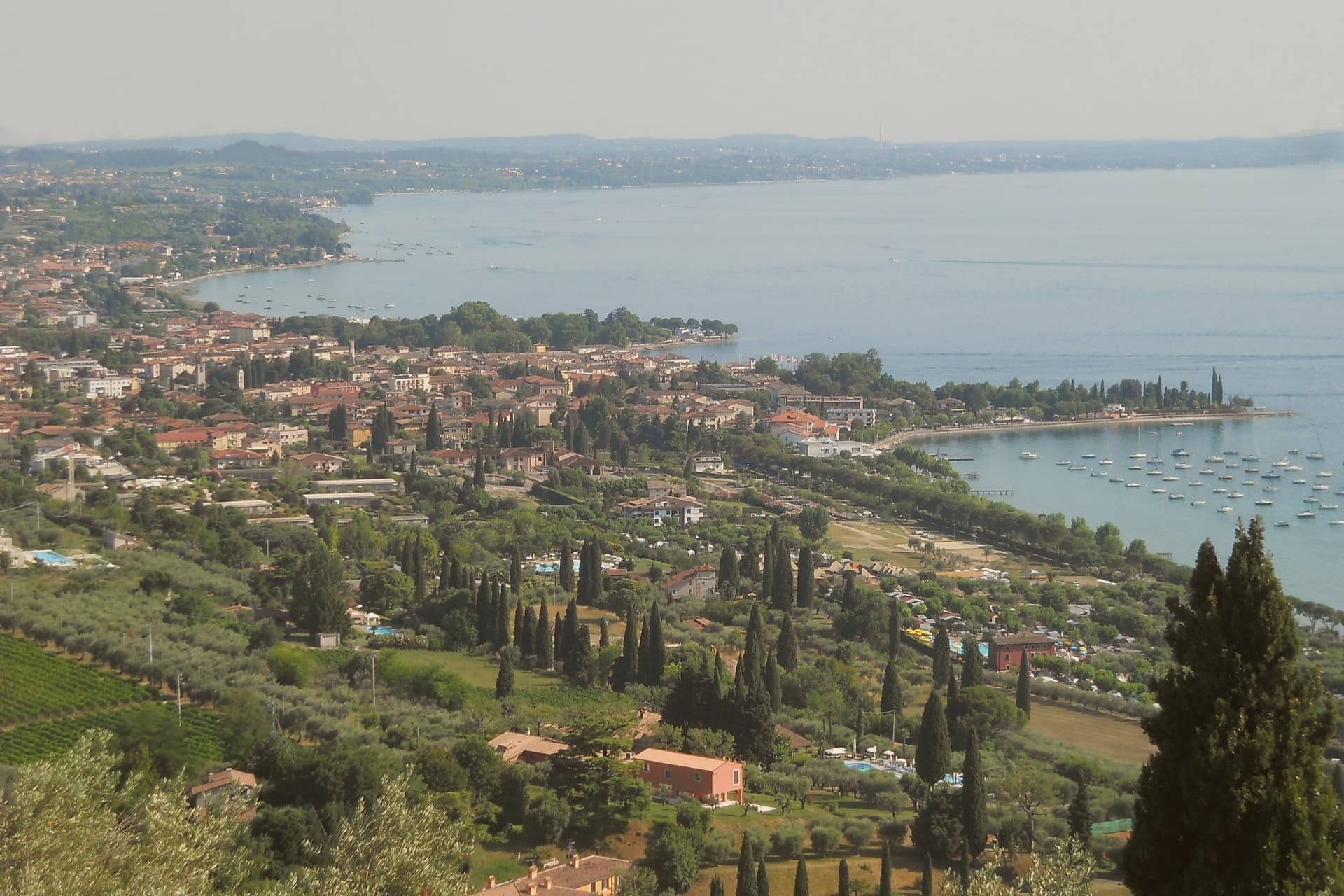
Bardolino sits on the eastern shore of Lake Garda at 65 meters, twenty-five kilometers northwest of Verona. The hills behind town have been planted with vines since the Roman period, and the modern DOC was granted in 1968.
Three grapes do the work: Corvina, Rondinella and Molinara. Long maceration produces Bardolino, the light red the town has lived on since the nineteenth century; short skin contact produces Chiaretto, the rosé that has overtaken the red in current sales.
Two churches hold the medieval line. San Zeno in the centro storico is ninth-century, one of the oldest in the province of Verona.
San Severo, built between the late eleventh and early twelfth centuries on the foundations of an earlier church mentioned in an 893 charter of Berengario, is the town's Romanesque anchor. The lakefront has been a tourist promenade since the 1950s.
The Palio del Chiaretto runs the first weekend of June; the Festa dell'Uva e del Vino runs the first week of October.
Il Giardino delle Esperidi, La Veranda del Color have been named by a guide.
What to see in Bardolino
- Chiesa di San Severo. Romanesque church built between the late eleventh and early twelfth centuries on the foundations of a structure mentioned in a 893 charter.
- Chiesa di San Zeno. Ninth-century church in the centro storico, one of the oldest in the province of Verona, on a Latin cross plan with a small apse.
- Centro storico. Walled medieval core around Piazza Matteotti, with arcaded streets dating to the Venetian period from the fifteenth century.
How to get to Bardolino
There is a railway station in the town, so you can arrive without a car and never need one while you are here. Verona is roughly 36 minutes away by road.
Our tip
April through October is the working season. April and May bring the lake back to swimming temperature and the Romanesque churches at their quietest. June through August fills the lungolago with German and Austrian visitors; weekends are crowded, weekday mornings still manageable. Bardolino Freddo falls in August.
Sant'Ambrogio di Valpolicella
Why visit Sant'Ambrogio di Valpolicella
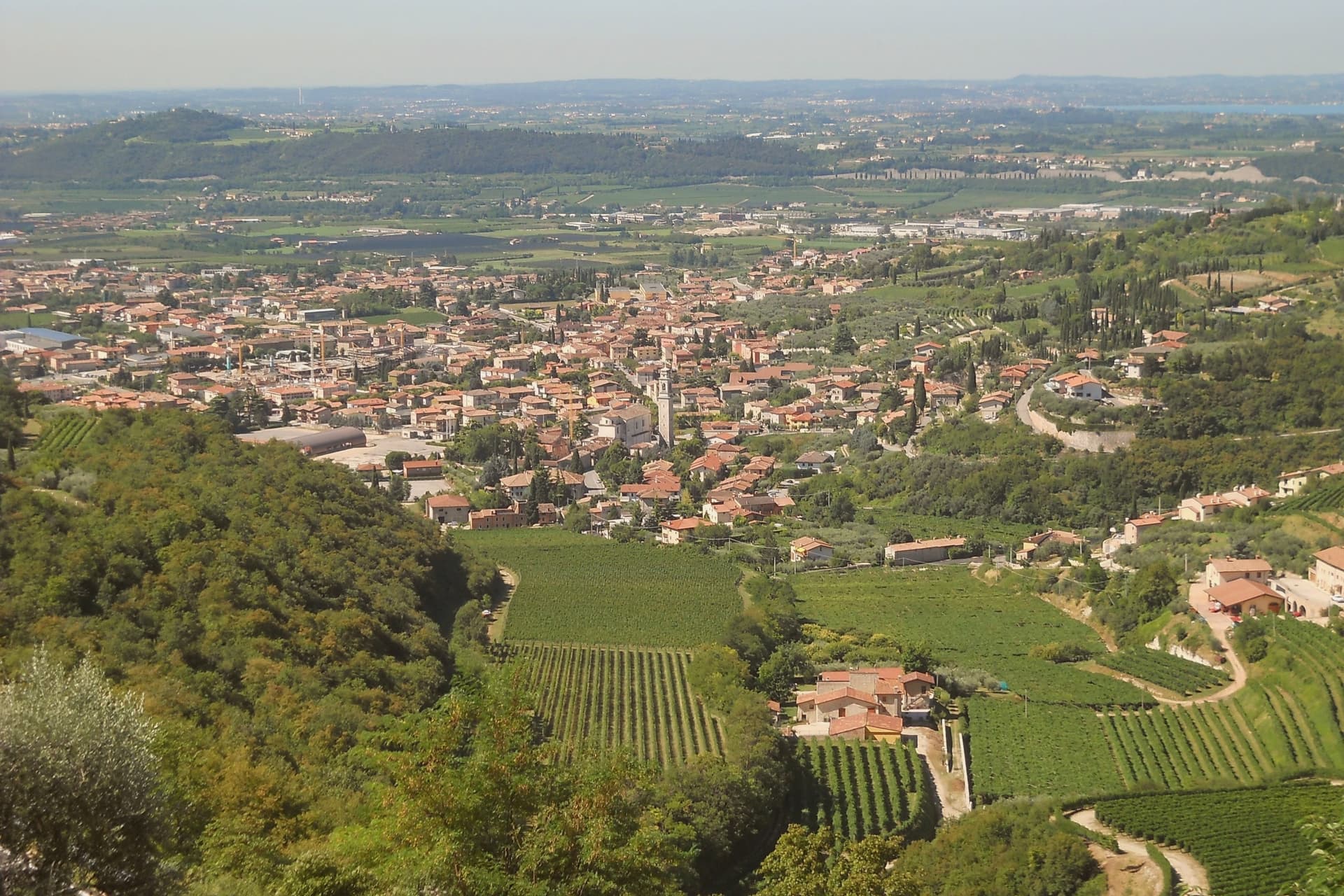
Sant'Ambrogio di Valpolicella sits at 174 meters in the heart of the Valpolicella DOC, fifteen kilometers northwest of Verona, on the rolling hills that close the eastern shore of Lake Garda. The commune groups five frazioni around the main village: Domegliara, Gargagnago, Monte, Ponton and the ridge settlement above them.
Gargagnago sits at the foot of the hills, its cellars closest to the valley floor; the ridge frazione occupies the higher limestone ground, reached by a climb steep enough to have earned the church its nickname. Between them the Serego Alighieri estate has worked the same parcels since Pietro Alighieri, son of Dante the poet who had followed his father into exile in Verona, bought the property in 1353, and the family still grows Corvina, Rondinella and Molinara there, with the Vaio Armaron Amarone counted among the appellation's cru benchmarks.
The pattern of the commune is one of a valley economy and a hill economy sharing a single administrative roof: wine pressed and aged below, an older, stiller settlement kept above it, with the quarries that once supplied Verona still worked on the slopes that join the two.
Dalla Rosa Alda, Masi Agricola have been named by a guide.
What to see in Sant'Ambrogio di Valpolicella
- Pieve di San Giorgio Ingannapoltron. Romanesque parish church whose ciborium columns carry an inscription naming the master builder Orso and his disciples Juventino and Juviano.
- San Giorgio di Valpolicella. Frazione on the limestone ridge above the valley, in the Borghi più belli d'Italia network, nicknamed Ingannapoltron for the steep climb up to it.
- Villa Serego Alighieri. Estate still owned by the Alighieri descendants; produces Vaio Armaron Amarone from Corvina, Rondinella and Molinara grown on the same parcels the family has worked.
How to get to Sant'Ambrogio di Valpolicella
There is a railway station in the town, so you can arrive without a car and never need one while you are here. Verona is roughly 34 minutes away by road.
Our tip
April through June and September through October are the months for Valpolicella. The vineyards green up in spring, harvest runs from mid-September into October, and the appassimento drying begins in the cellars while the leaves turn. July and August push past thirty degrees in the valley and the village empties between two and six in the afternoon; cellar visits move to morning slots.
More from Anywhere Italy
- The best towns with a serious restaurant that eat well within 90 minutes of Verona
- The best small towns on Lake Garda's eastern shore
- The best lake towns that eat well within 90 minutes of Verona
- The best towns you can reach by train that have a serious restaurant in Veneto
- The 7 best small towns that eat well in Veneto
 The best lake towns within 75 minutes of Trento