
10 autumn fairs and festivals to visit in Italy
91 towns visited, 909 to go. Follow along, free: Subscribe on Substack
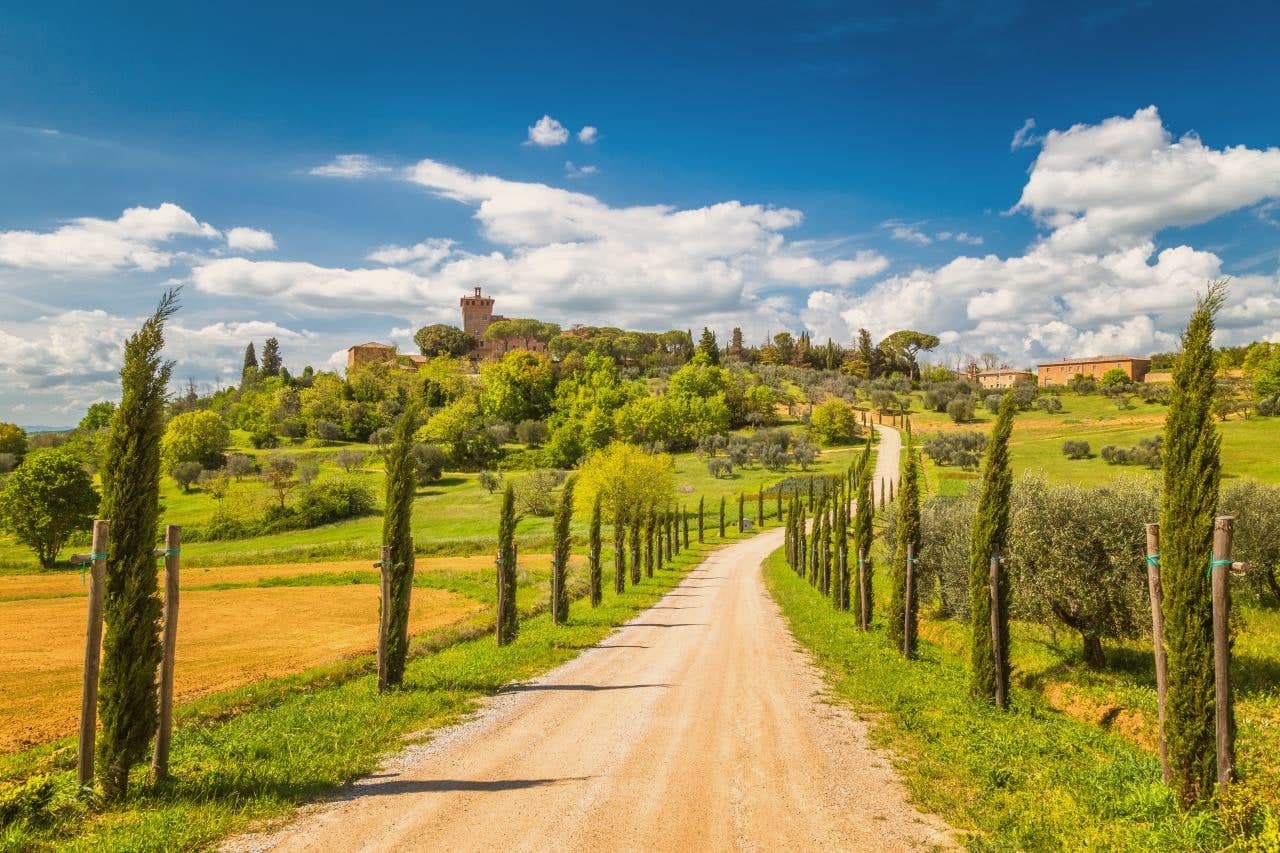
Autumn is when Italian towns take their food out into the street. From the first days of September into early December, whole wheels of pecorino roll across the main square of Pienza, cows in flower garlands parade through Falcade, back from the high pastures, and Ariccia throws porchetta sandwiches to the crowd in a square planned by Bernini.
A trip to Florence or Venice never comes near any of this.
Each of these fairs is built around one thing the town is known for, which is what makes it worth planning a journey around: an eel in Comacchio, a stalk of black celery in Trevi, in Umbria. Many go by the name sagra, the Italian word for a town's food festival.
We chose these 10 from 9 regions and put them roughly in calendar order. When we wrote this, every one had been checked against its organizer or its town hall and at least one other official source. Of the sixteen we looked at, one had been called off, so it is not here. We give the usual weekend or month rather than this year's date, because the date moves, so confirm it with the organizer before you book.
Two more lists worth reading alongside this one: The safest places to live in Italy: 10 small towns in the lowest-crime provinces and The best towns with a World Heritage site within two hours of Perugia.
1. Pienza
We've been. No. 44. Read the letter →
Fiera del Cacio
In Tuscany, usually the week ending on the first Sunday of September.
The climax is a game played with cheese: throwers from the town's six districts roll whole wheels of pecorino by hand at a wooden spindle set up in the main square, Piazza Pio II, and score by the ring where the wheel stops. On the final weekend, stalls through the center sell Pienza pecorino and offer tastes.
Points come from five rings marked out in front of the spindle, and in each round the captains name one thrower as the joker, whose score is doubled. Veteran throwers, the favorites of the crowd, play in their Sunday best, and the winning district takes home a painted cloth. The game was played on farm threshing floors long before Dario Formichi, who ran the town's tourism association, made it the center of the fair he launched in the 1960s.
2. Ariccia
Sagra della Porchetta
In Lazio, usually the weekend of the first Sunday of September.
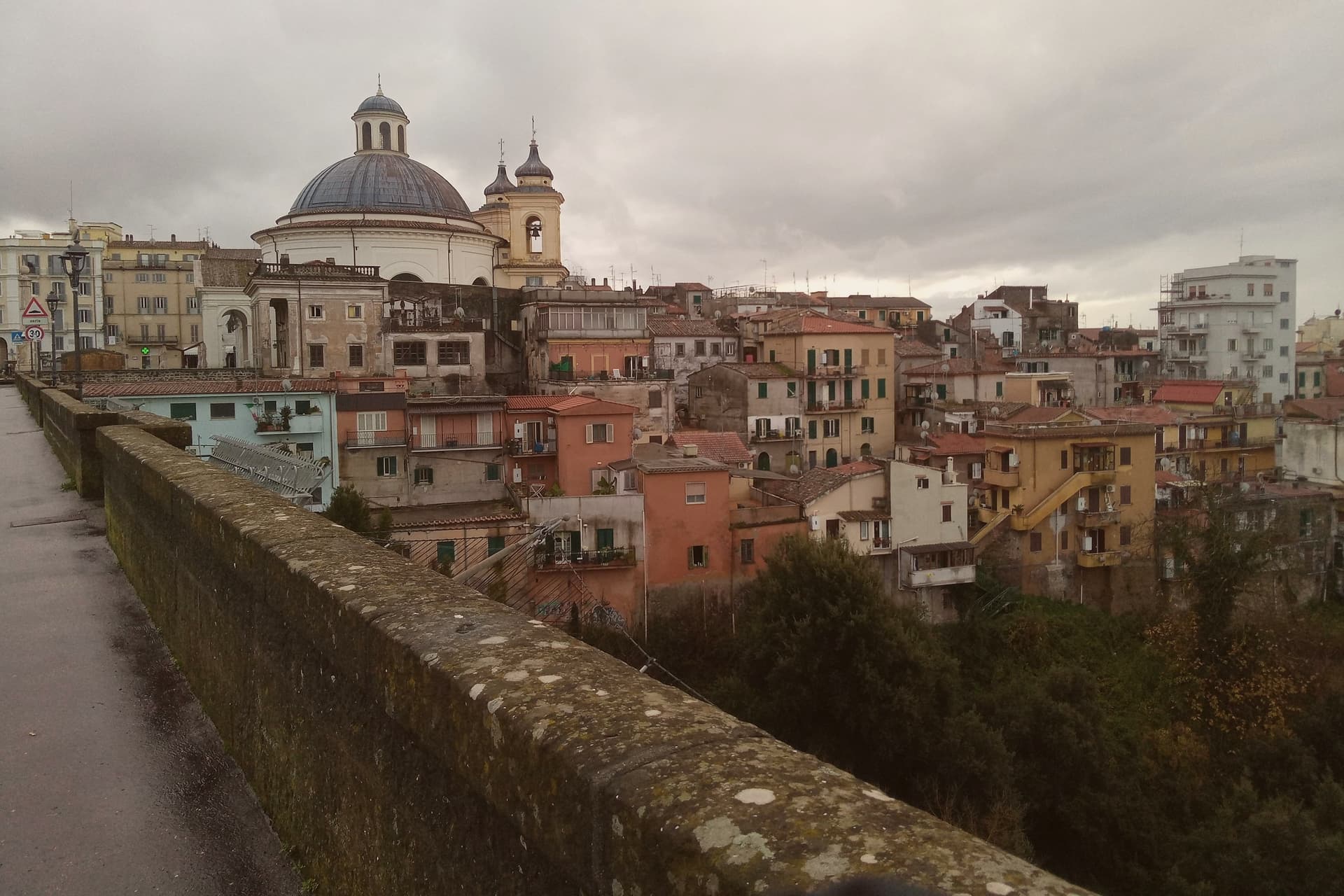
The local makers of porchetta, Italy's roast pork, started this in 1950, and by tradition sellers in Ariccia costume work from decorated stalls. The moment everyone waits for is when porchetta sandwiches are thrown to the crowd in Piazza di Corte, now Piazza della Repubblica, the square Bernini planned for Pope Alexander VII, while the old taverns, the fraschette, serve local dishes through the festival.
The porchetta is seasoned with rosemary, garlic and black pepper, and the novelist Carlo Emilio Gadda put a street seller hawking it into a book in 1957. Flag-throwers and a sack race are part of the traditional program, along with a prize for the best stand. The 2025 edition was canceled because of work on the square, and the fair came back in 2026.
3. Chiavenna
Sagra dei Crotti
In Lombardia, usually the first two weekends of September.
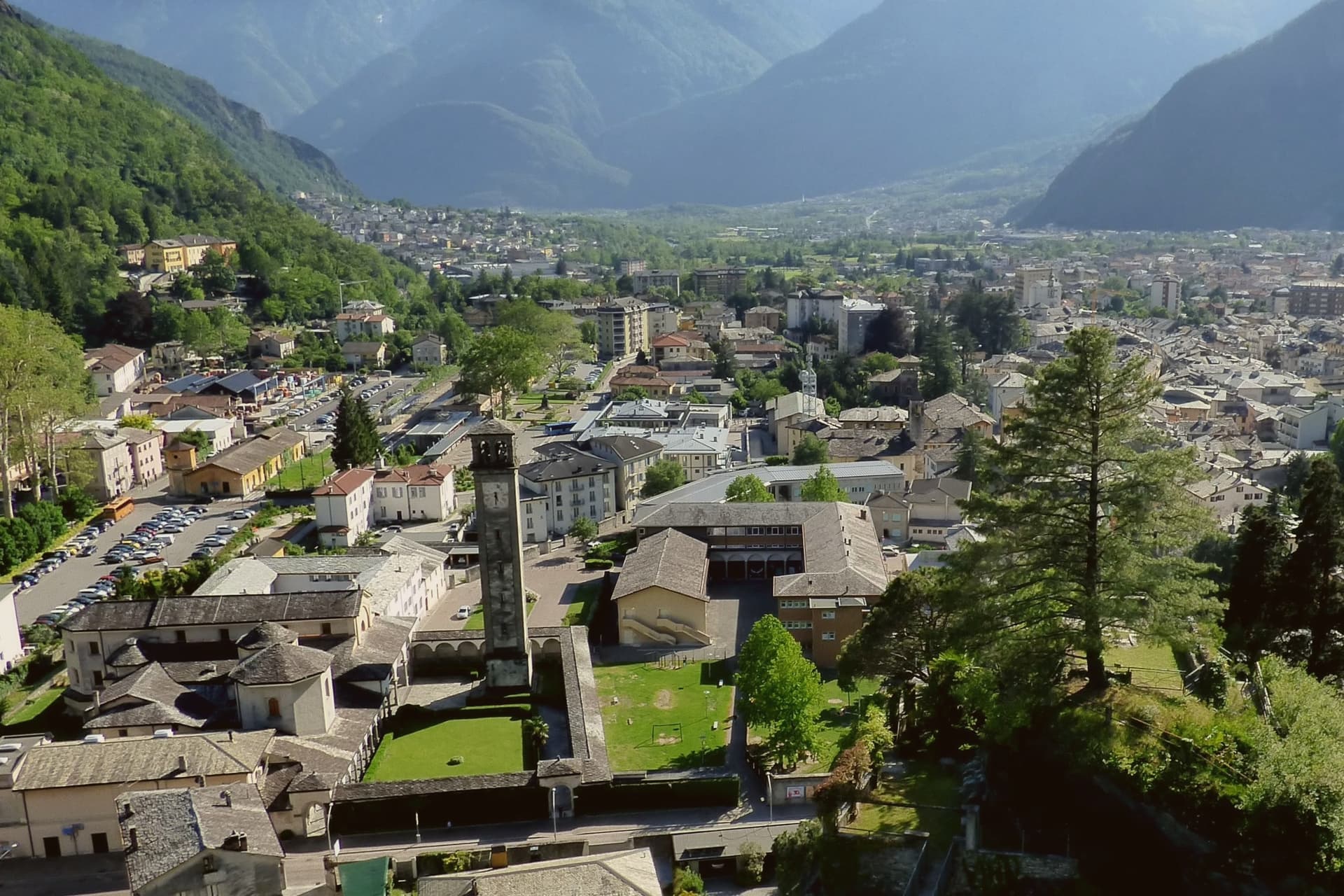
A crotto is a cellar the landscape built: a gap between boulders left by ancient landslides, walled in by locals and kept cool and steady all year by a draft through the rocks called the sorel. During the festival, food and wine routes called Andèm a Cròt lead through private crotti in and around town. You taste Valtellina wines from a traditional mug and take it home afterward. Route bookings are online only and can sell out.
The festival started in 1956. The poet Giovanni Bertacchi, from Chiavenna, wrote in 1929 that the crotti were a delight to wine lovers and a terror to teetotalers. The routes serve cured meats and cheeses, polenta and trout cooked on a stone slab, and several of them run into neighboring towns.
Cous Cous Fest
In Sicily, usually held in September.
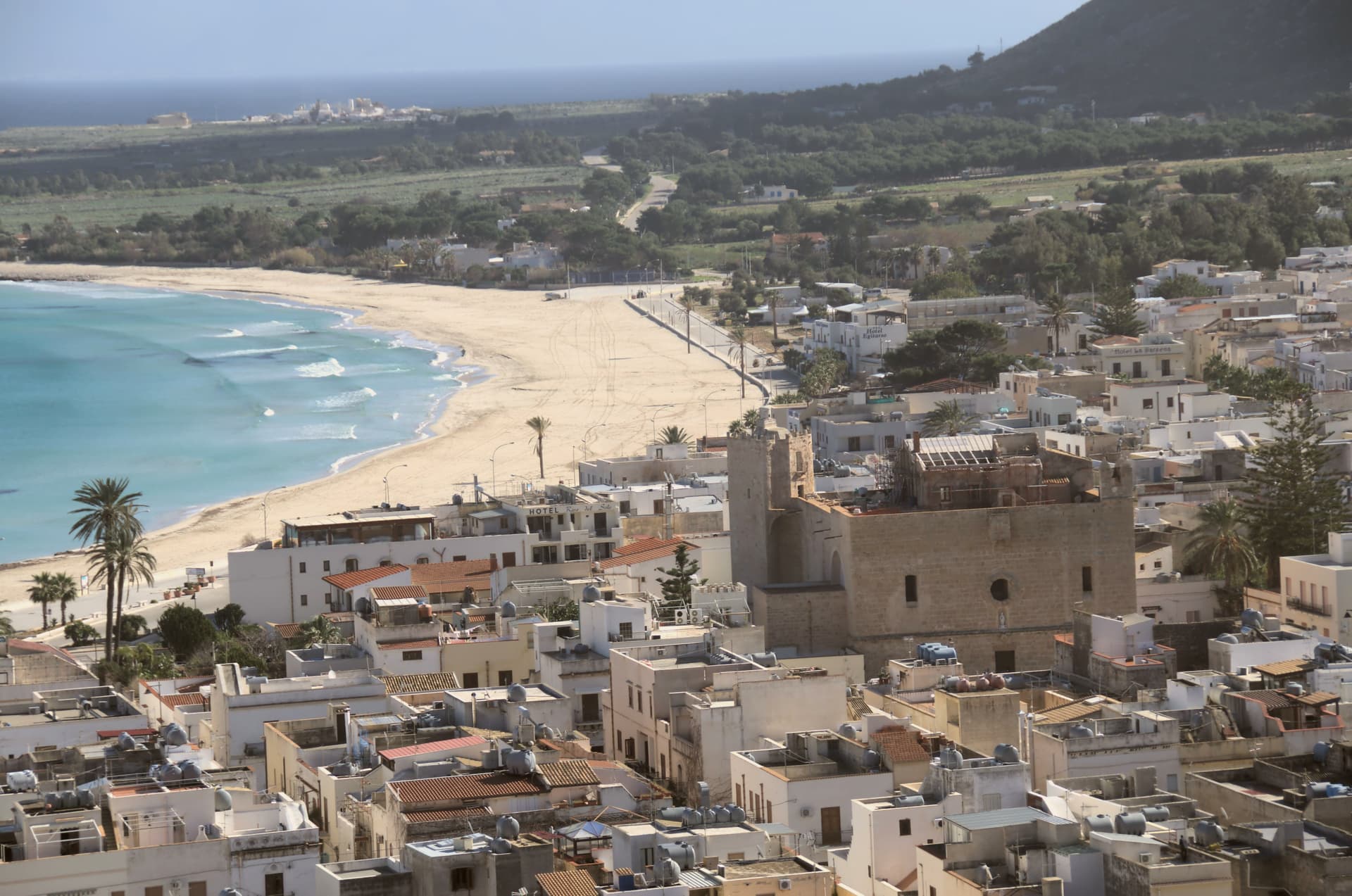
Teams from several countries cook couscous live on stage in Piazza Santuario for a world championship judged by professionals and by a jury of visitors, while tasting houses on the beach serve recipes ranging from Sicilian fish couscous to North African meat versions. It began in 1998 as an end-of-summer contest around a dish rooted in the kitchens of both San Vito and North Africa. The food and the championship are ticketed, and each evening has a free show on the beach stage.
A student contest gives four hotel-school students 45 minutes to cook a recipe, and the winner assists the chef on Italy's team in the championship. In 2026 the title went to a team pairing a Palestinian chef and an Israeli chef, with a watermelon couscous salad and fried couscous balls stuffed with spiced meat. A craft and food market called the Expo Village stretches along the seafront and through the old town.
5. Falcade
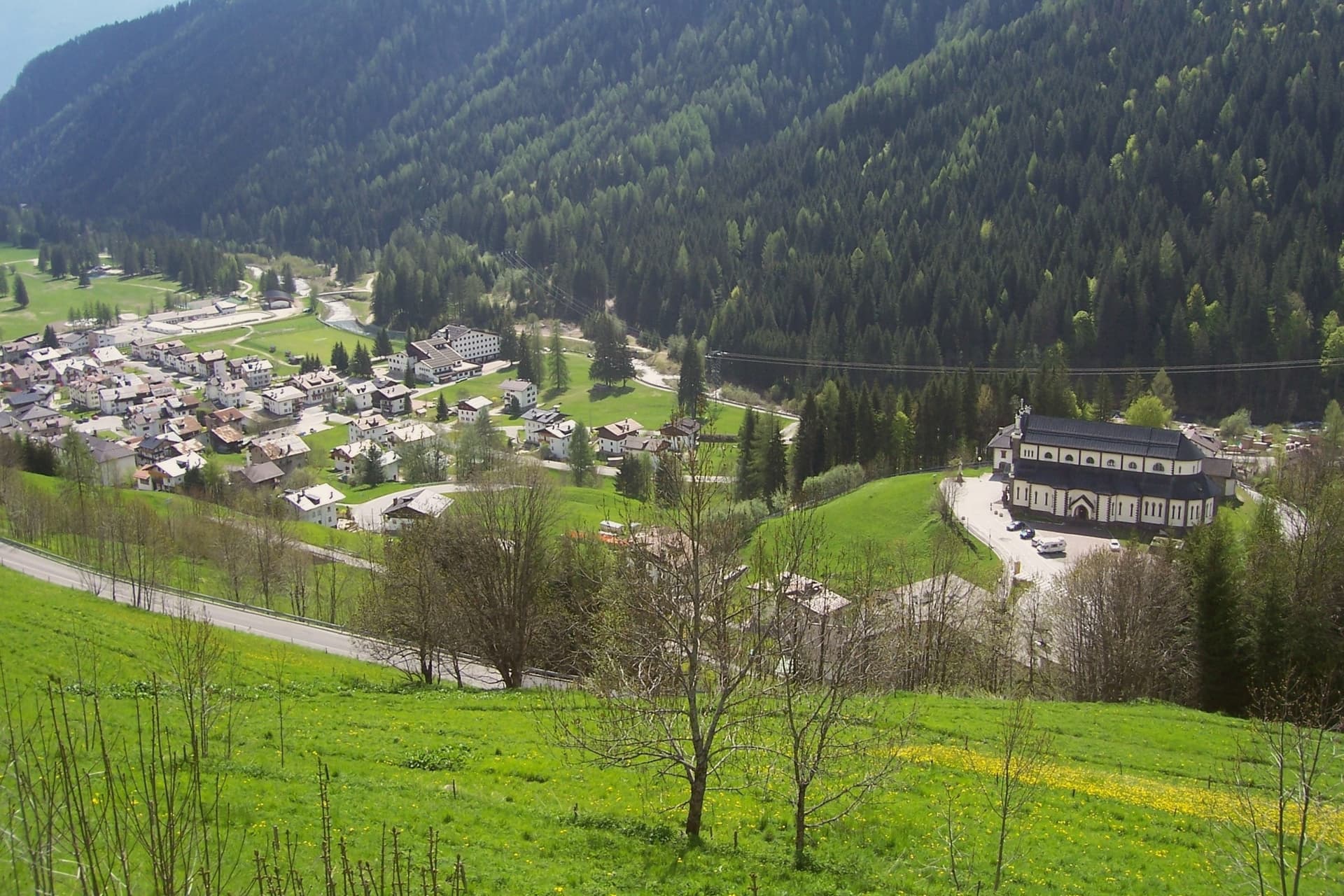
Se Desmonteghea
In Veneto, usually the last weekend of September.
This is the festival of the summer farms, marking the end of the alpine season. Back from the pastures of the Biois valley and the San Pellegrino and Valles passes, the herds walk through the old center of Falcade on the festival's Saturday morning. The cows wear flower garlands and cowbells, and the flocks, the breeders and the carts of the summer farms come too.
The 2026 edition took the old winter carnivals of the surrounding mountains as its theme, with masks joining the folk groups in a Sunday parade. Visitors can picnic with a basket of local produce called el marendel and a festival blanket, and restaurants around the Biois valley put special dishes on their menus for the weekend.
6. Comacchio
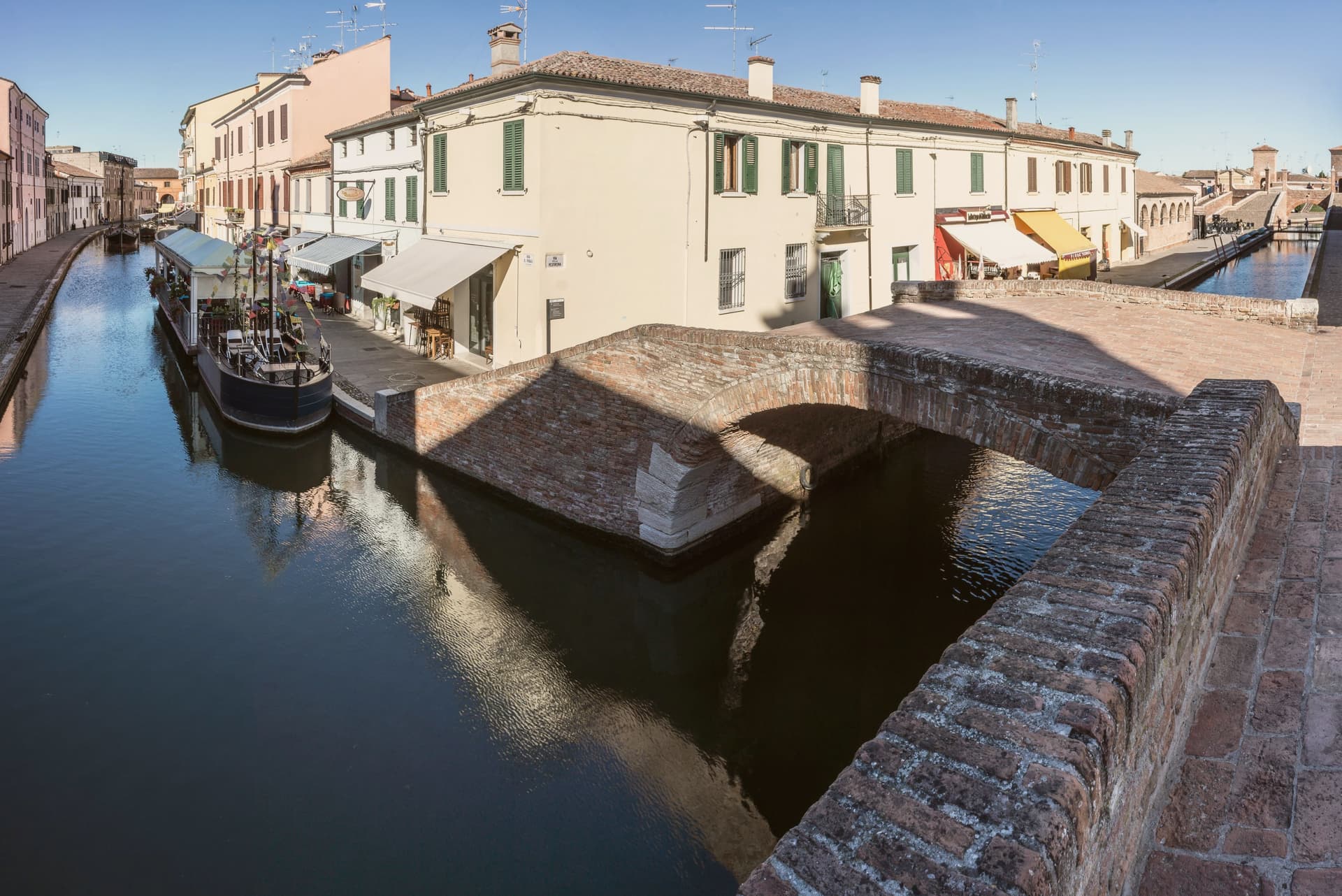
Sagra dell'Anguilla
In Emilia-Romagna, usually three weekends from late September to mid-October.
Eels are still roasted in the fire hall of the Manifattura dei Marinati, the old marinating works that is now both a museum and a working plant for wild eel. During the fair the building becomes the festival's food stand, with tables between its huge fireplaces and among its giant vats. Trips through the town's canals run in batane, traditional boats that rowers in old costume push along by hand.
In 2026 a theatrical walk at the Manifattura told the story of the young Sigmund Freud's 1876 hunt for the eel's reproductive organs. A small train takes visitors through the salt pans to see the pink flamingos. The Japanese eel master Jin Ogata first came to the fair in 2015.
7. Trevi
We've been. No. 90. Read the letter →
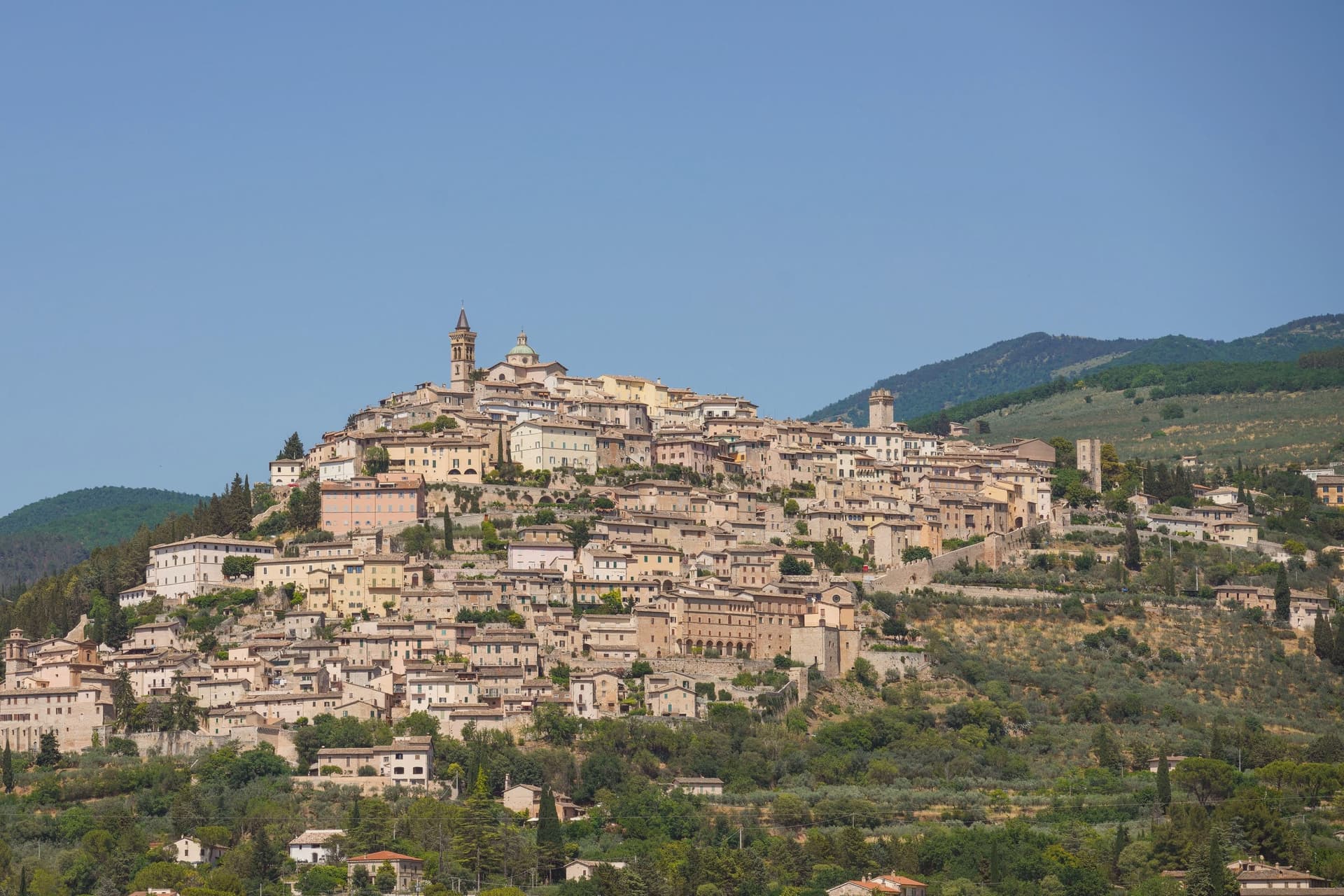
Sagra del Sedano e della Salsiccia
In Umbria, usually the third Sunday of October and the Saturday before it.
Trevi's celery is called black because, left alone, the plant turns very dark and woody, so growers bank earth around it to blanch it into long white stalks with no strings. You eat it raw, dipped in oil and salt, alongside pork sausages grilled over embers on huge braziers set up in the shadow of the civic tower.
Pro Trevi, the town's association, founded the fair in 1965, reviving an older habit: between the two world wars, landowners at the October markets were invited to lunch on the year's first sausages, because, with no cold storage, pigs were killed only as the weather turned. A jury picks the best grower, and Slow Food counts the celery among the foods it works to protect.
✷ We have written about Trevi
“Trevi is one of the most famous olive oil towns in the area, so the food in the historic center is amazing. It is one of the stops on our Umbrian Circle road trip.”
Read our piece on Trevi →The Umbrian Circle | Town Tasting in a Day
8. Montalcino
We've been. No. 42. Read the letter →
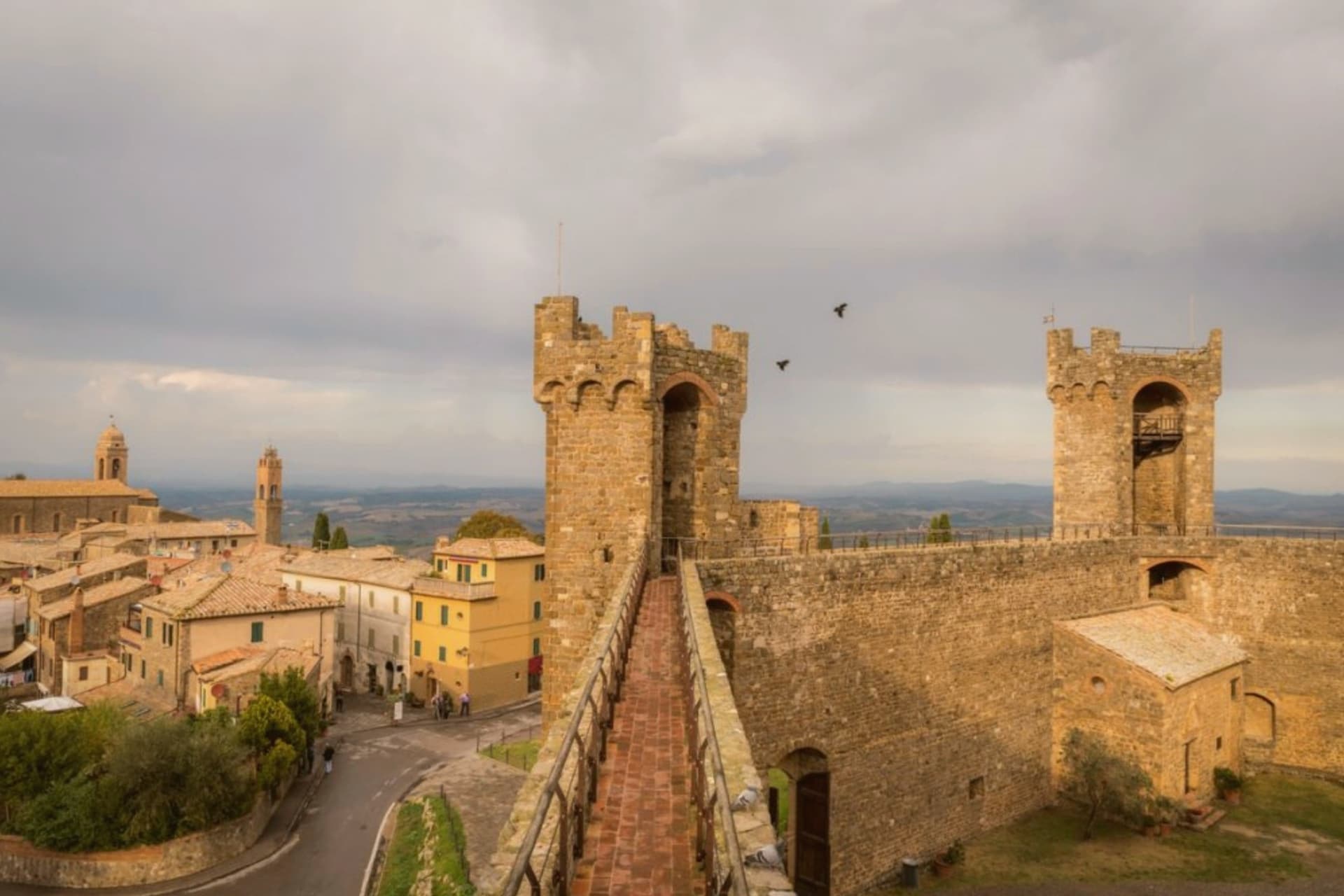
Sagra del Tordo
In Tuscany, usually the last weekend of October.
Tordo means thrush, but the climax is an archery contest. Each of the town's four quarters fields two archers, who shoot at a wild-boar target below the bastions of the 14th-century fortress, and about 150 people parade in early 1400s costume. The quarters run open-air kitchens in the gardens in front of the fortress, cooking pappardelle with hare and grilled meats. The tournament is ticketed.
The festival began in 1958 as a revival of the town's medieval autumn feasts, which were tied to hunting and shared banquets. Archers get 40 seconds to shoot five arrows, and when time runs out the boar target is turned away by hand so that late arrows cannot score. The winning quarter takes a silver arrow, or a gold one every ten years.
✷ We have written about Montalcino
“When the film industry needed a picture of heaven, of the fields a dead hero walks home to, they came and shot it here, and that is the truest thing anyone has ever said about the Val d'Orcia. It is not a place. It is the afterlife as imagined by people who lived in cities. It is how the country looks to men who never spent an hour in it, dreamed up by Florentine bankers five hundred years ago and maintained, beautifully, ever since.”
Read our piece on Montalcino →Val d'Orcia | The Postcard Is Constructed
9. Aritzo
Sagra delle Castagne e delle Nocciole
In Sardinia, usually the last weekend of October.
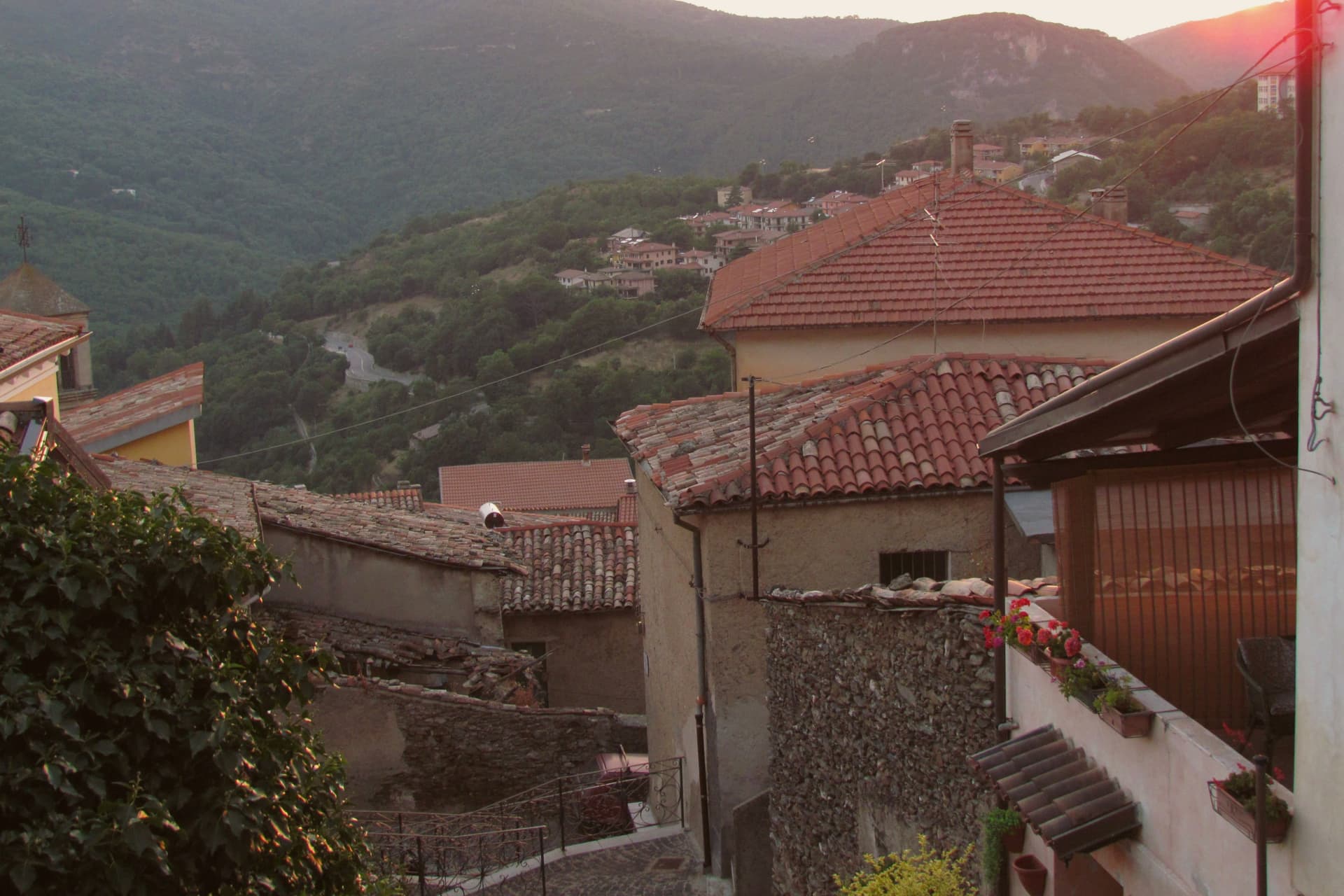
The chestnut and hazelnut festival began as a way to promote the area's products, and morning excursions, which take bookings, head out to the chestnut groves at Geratzia. Casa Devilla, with its museum of the chestnut and of carved wooden chests, opens during the festival, and in the evening a food trail sets off through the village with menus built on chestnuts and hazelnuts.
Aritzo once traded in snow: its lemon sorbet, carapigna, was made with snow stored in deep pits, a business that lasted into the early twentieth century. The old Spanish prison, Sa Bovida, now houses an exhibition on witchcraft and the Inquisition in Sardinia.
10. Alba
Fiera Internazionale del Tartufo Bianco d'Alba
In Piemonte, usually mid-October to early December.
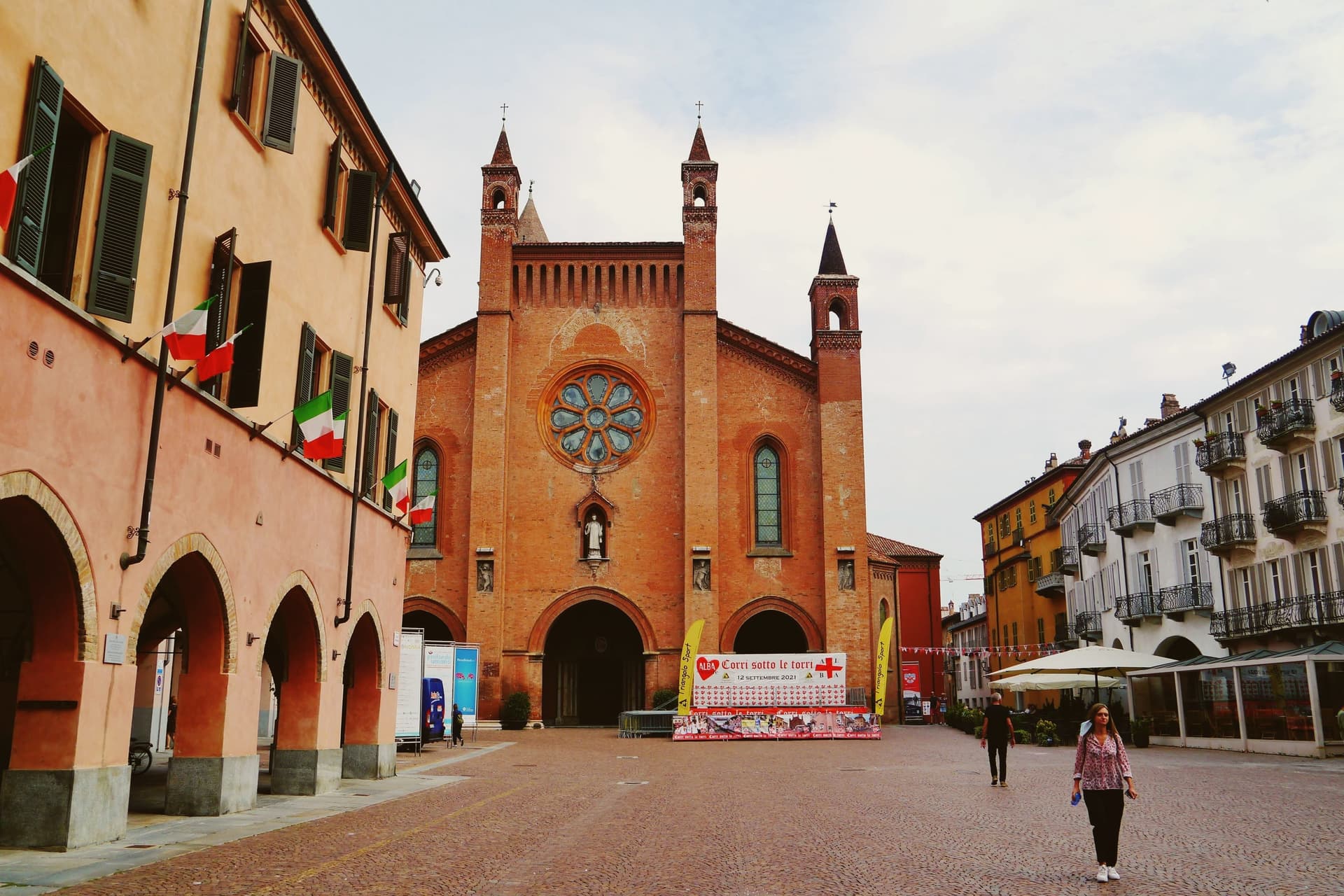
The heart of it is the truffle market in the Cortile della Maddalena, open every weekend of the fair, where trained judges assess each truffle offered for sale. Entry to the market is ticketed. Before the fair opens, the truffle season starts at midnight with a toast known as the Truffle New Year.
Alba's reputation owes much to Giacomo Morra, a local hotelier and restaurateur who promoted the truffle worldwide and whom the Times of London called the King of Truffles in 1933. The town also runs a donkey race between its districts, the Palio degli Asini, after a costumed parade. Its charity truffle auction has raised millions of euros since 1999, the organizer says.
If you only pick one
Which town is yours
One town for each kind of trip, and the reason in a line.
Without a car
Alba
The train stops in the commune, so you can arrive and leave without a car.
For everyday life on foot
Montalcino
Eight of the ten everyday services we look for, from a grocer to a pharmacy, are on the map within 500 meters of the center.
For a short trip
Ariccia
41 min by car from Rome, the shortest drive from a city on this list.
For a small town
Aritzo
1,211 people, the smallest town on this list.
More from Anywhere Italy
- The safest places to live in Italy: 10 small towns in the lowest-crime provincesCalabrialowest-crime provinces5,000 to 20,000 people10 towns · smallest 6,302 residents
- The best towns with a World Heritage site within two hours of PerugiaNear Perugiawithin 2 hoursWorld Heritage9 towns · smallest 1,044 residents · closest 33 min away
- The best hidden towns with a World Heritage site in TuscanyTuscanyWorld Heritagehidden9 towns · smallest 1,044 residents
- The best towns with a World Heritage site in the province of SienaSiena provinceWorld Heritage6 towns · smallest 1,044 residents
- 10 small towns in Italy where everyday life is a walkLiguriaeveryday life on foot5,000 to 20,000 people10 towns · smallest 5,050 residents
- The best ski towns in the province of BellunoBelluno provinceski area6 towns · smallest 1,088 residents