
Lombardy · Varese
Sesto Calende
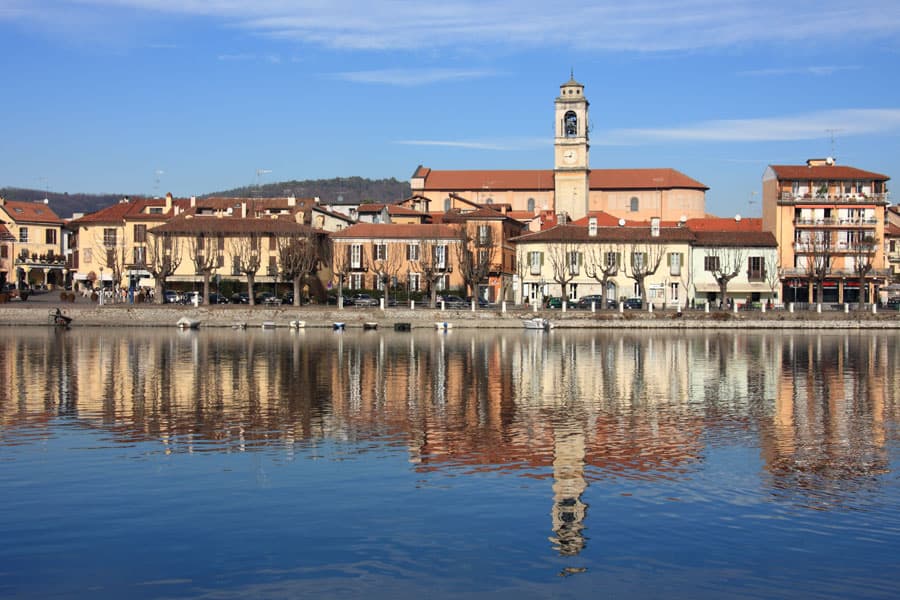
The town at the southern tip of the lake where the Ticino starts toward the Po, the type site of the pre-Roman Golasecca culture.
Known for
GOLASECCA
Type site of the Iron Age Golasecca culture, with princely tombs excavated in the nineteenth century that define the period in archaeology textbooks.
SAN DONATO
Romanesque abbey begun in the ninth century and completed in the tenth, one of the earliest religious foundations in Varese province.
SIAI-MARCHETTI
Twentieth-century aircraft works that built flying boats and military trainers here until the company was taken over.
When to visit
Best · Apr–Oct
- J
- F
- M
- A
- M
- J
- J
- A
- S
- O
- N
- D
- Best
- Hot or crowded
- Quiet
- Mostly closed
The festa: Bernardino da Siena, 20 May
Why come
Sesto Calende sits fifty-five kilometers northwest of Milano, at the exact point where the lake narrows back into a river and the Ticino begins its run toward the Po. The town gives its name to the Golasecca culture, an Iron Age civilization that occupied this stretch of Lombardia and Piemonte between roughly 900 and 400 BC, itself named after the village across the river. The abbey stands apart from this older layer, a Romanesque foundation raised on the riverbank centuries after the Golasecca tombs had gone into the ground, so that the town carries two distinct pasts stacked one above the other: the funerary and the religious, both facing the same water.
A third, much later layer came with the aircraft works, which kept the town industrial through most of the twentieth century while the river continued to frame it, the regional park running along both banks with herons, swans and grebes easier to spot here than anywhere downstream. What holds these periods together is the water itself: a lake that becomes a river at this one point, and a town that has been read, buried and built along that seam since the Iron Age.
The Sunday letter
We haven’t written Sesto Calende’s letter yet.
One town every Sunday, with the photo, the food, the festa. Be there when this one comes up. Free, by Peter & Sophia from Pietrasanta.
What to see
Abbazia di San Donato
Stands above the river with a porticoed atrium and frescoed apse, the river running below.
Civico Museo Archeologico
Displays grave goods, weapons and imported Etruscan vessels excavated from the local necropolis, the material behind the Golasecca culture's textbook status.
Parco del Ticino
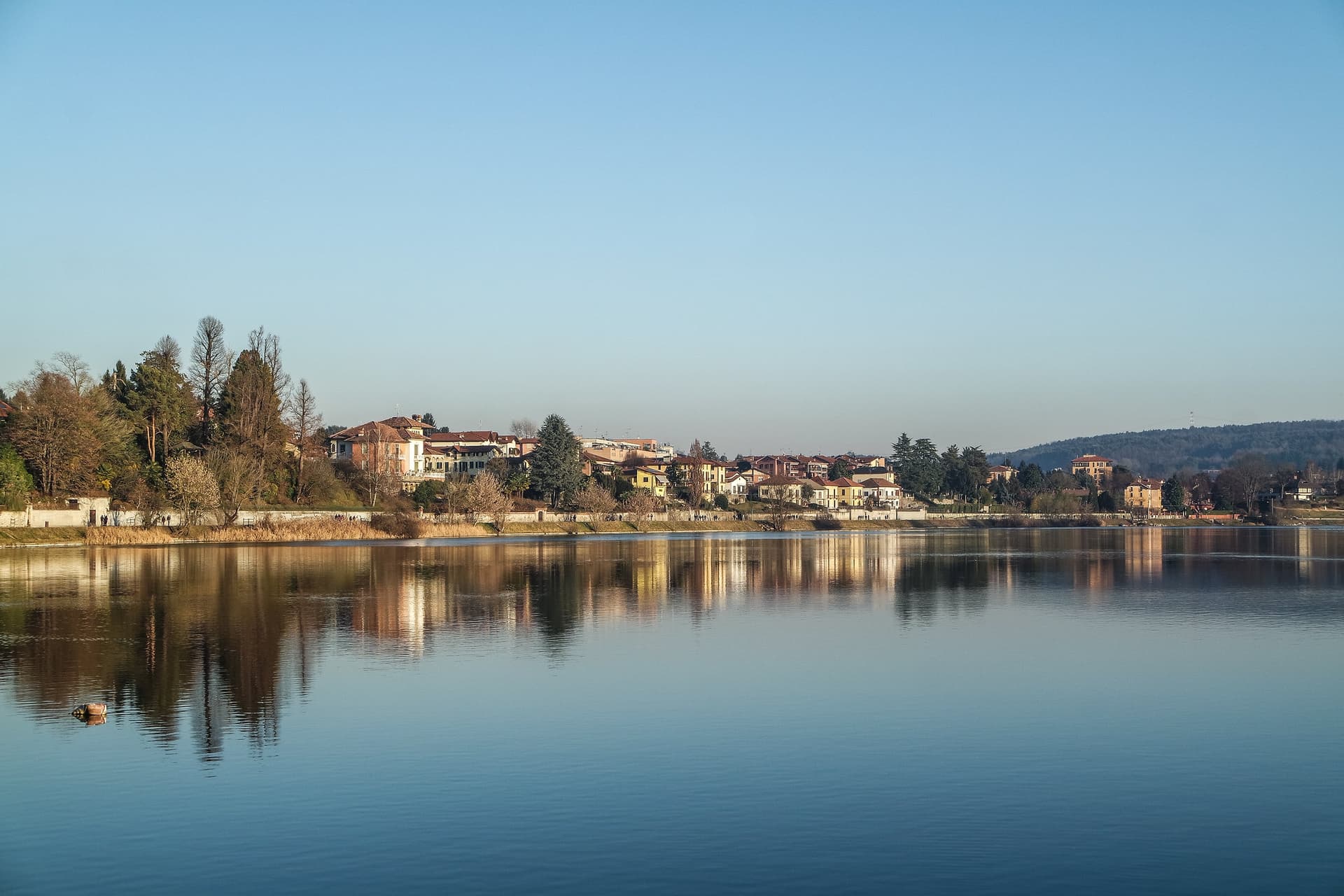
Regional park covering both banks of the Ticino as it leaves Lake Maggiore, with herons, swans and grebes year-round.
Lungofiume
Riverside promenade between the iron bridge and the point where Lake Maggiore narrows into the river, the main lakeside walk in town.
Necropoli Golasecchiana
Cemetery sites scattered around the modern town, source of most of the grave goods now in the museum.
The slow-trip planner
Building a trip? Find where Sesto Calende fits in a slow Italy circuit.
Answer five questions. We will shape a geographically coherent slow trip from the 1,000 Italian towns most travelers skip. Yours to save and share.
Living here
- Population 10,975
- Commuter belti
- Pharmacy in town
- High school within a 30-minute drive
- Train station in the comune
- Nearest airport Milan, 1 h 20 min drive
- Regional capital Milano, 53 min drive
Tags & datadesignations · numbers · sources
The numbers
- Elevation: 198 m
- Population: 10,975
- Surface area: 25.04 km²
These figures were compiled from public directories — ISTAT, OpenStreetMap, Wikidata — and from the official listings of the guides named on this page. Town details change; verify with official sources before you travel.
Close by
More towns near Sesto Calende
Angera
Province: Varese
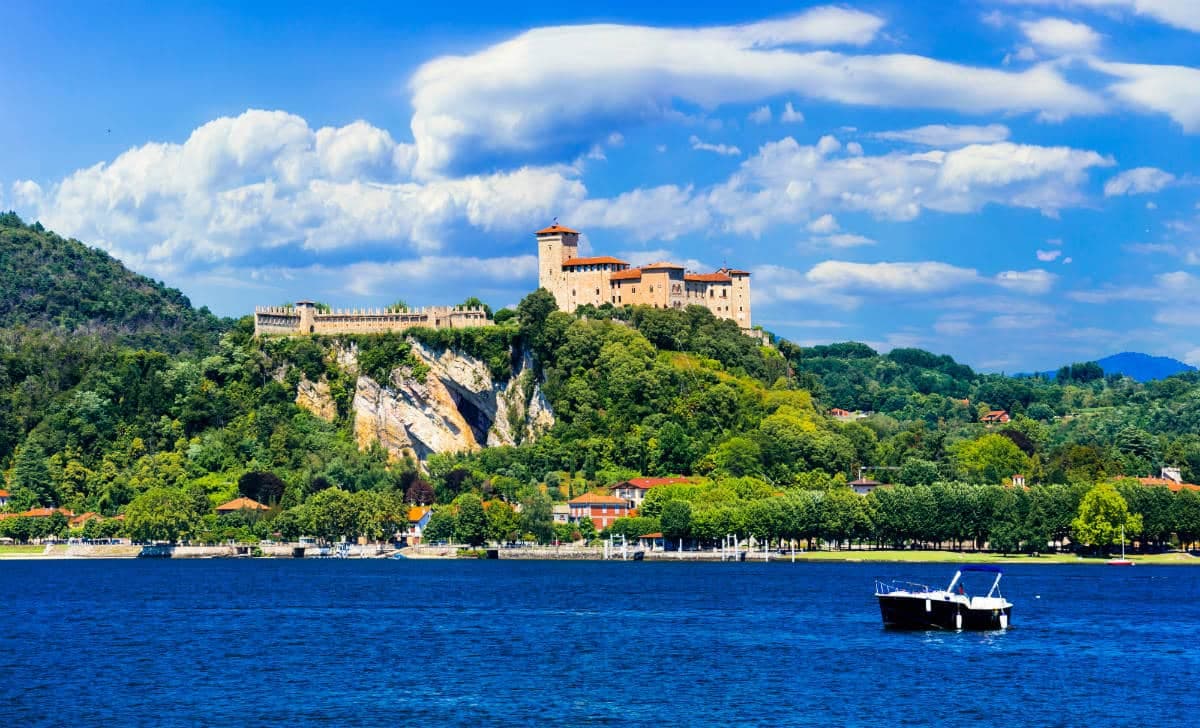
A Lake Maggiore town on the southern shore, anchored by a fortified castle on a limestone spur above the water, with a museum trail running from prehistory to the medieval period along the waterfront.
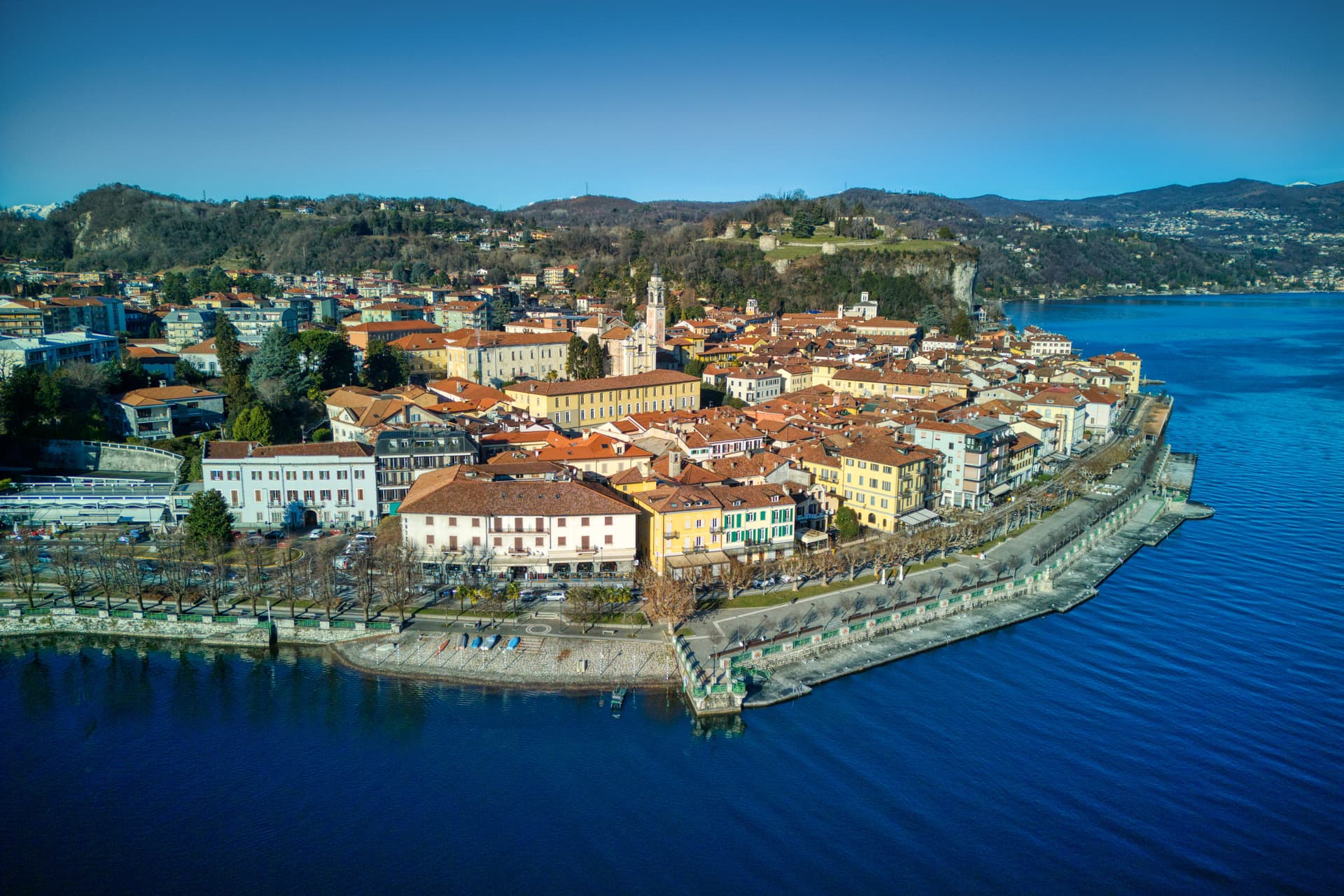
Arona
Province: Novara
A town at the southern tip of a lake, watched over by a colossus finished in 1698.
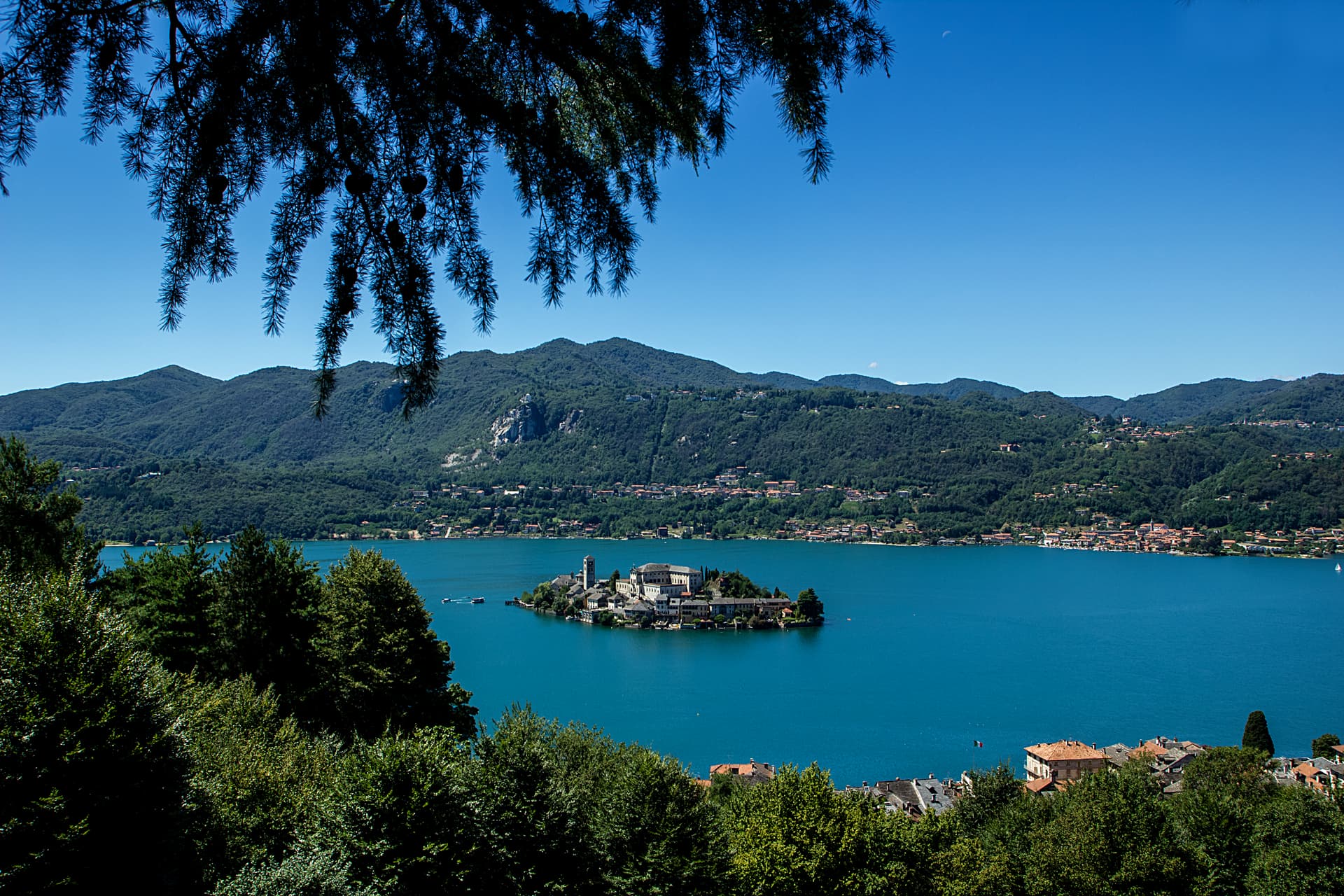
Gozzano
Province: Novara
The town at the southern tip of Lake Orta, marked by a basilica and a twelfth-century signaling tower above the water.
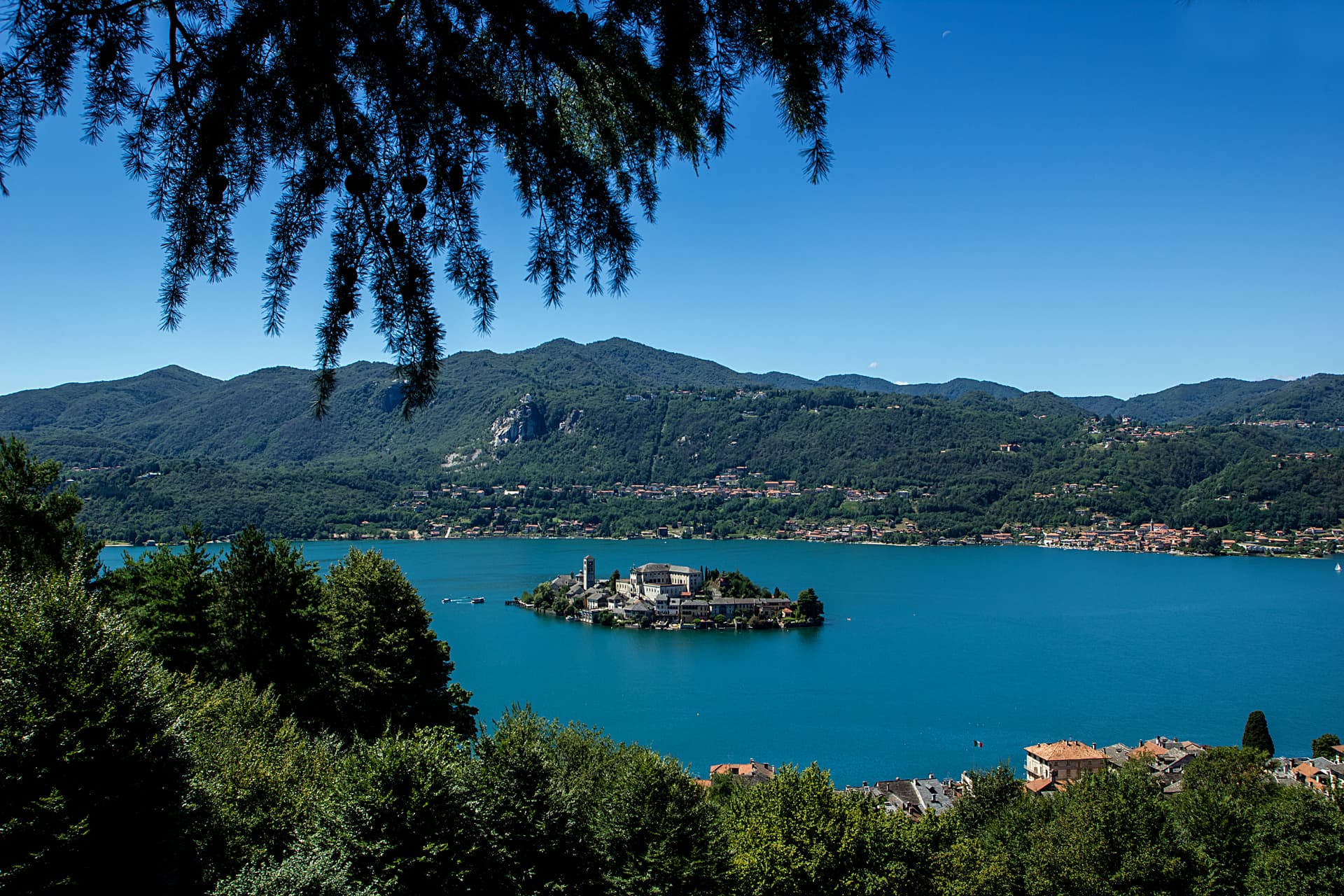
Orta San Giulio
Province: Novara
A promontory facing an islet basilica, with a UNESCO complex of Francis-of-Assisi chapels on the hill above.
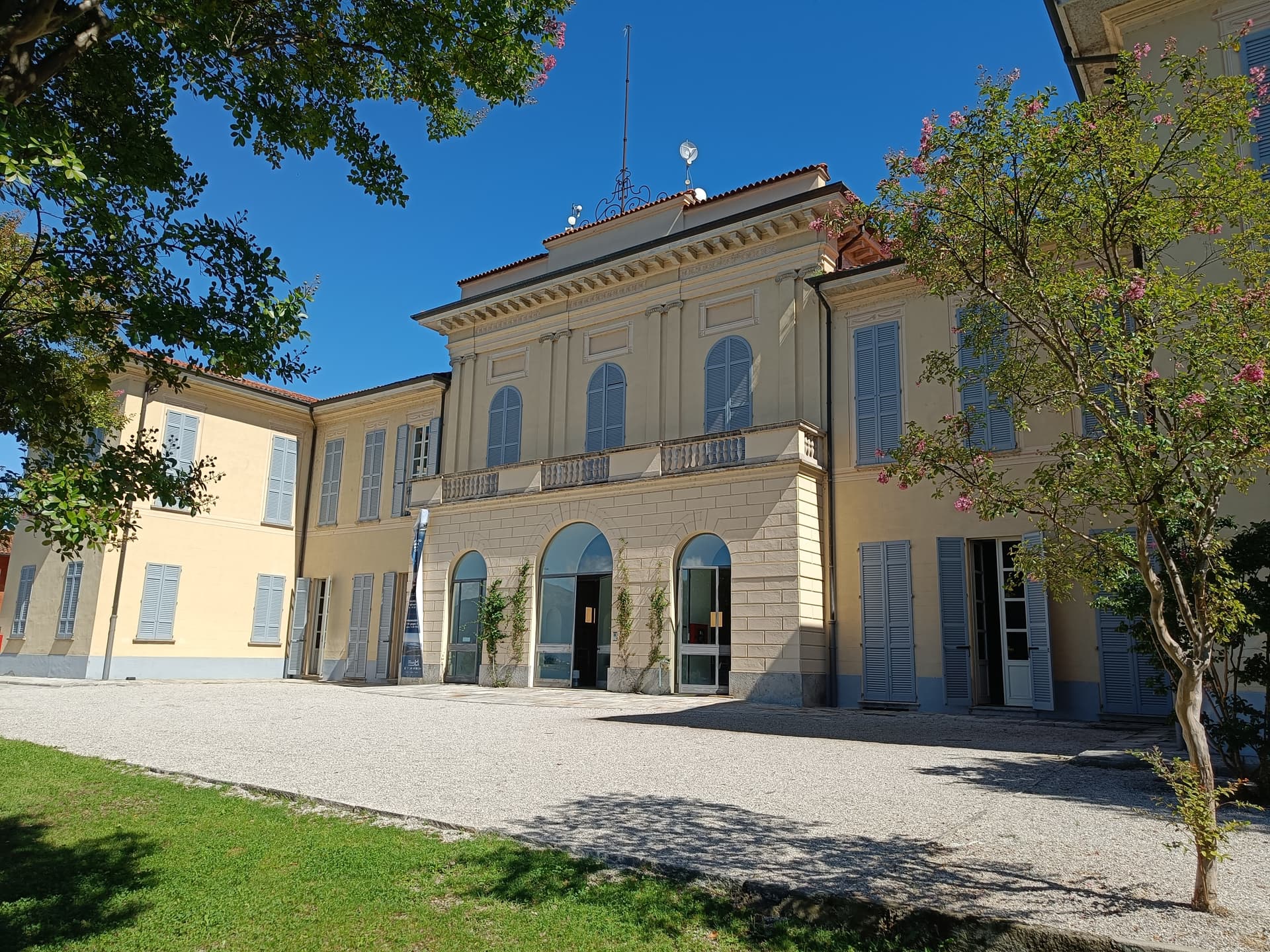
Laveno-Mombello
Province: Varese
The eastern Lake Maggiore port town that produced Lombardia's industrial ceramics for a century, under the cliff that hangs over it.