
Lombardy · Bergamo
Predore
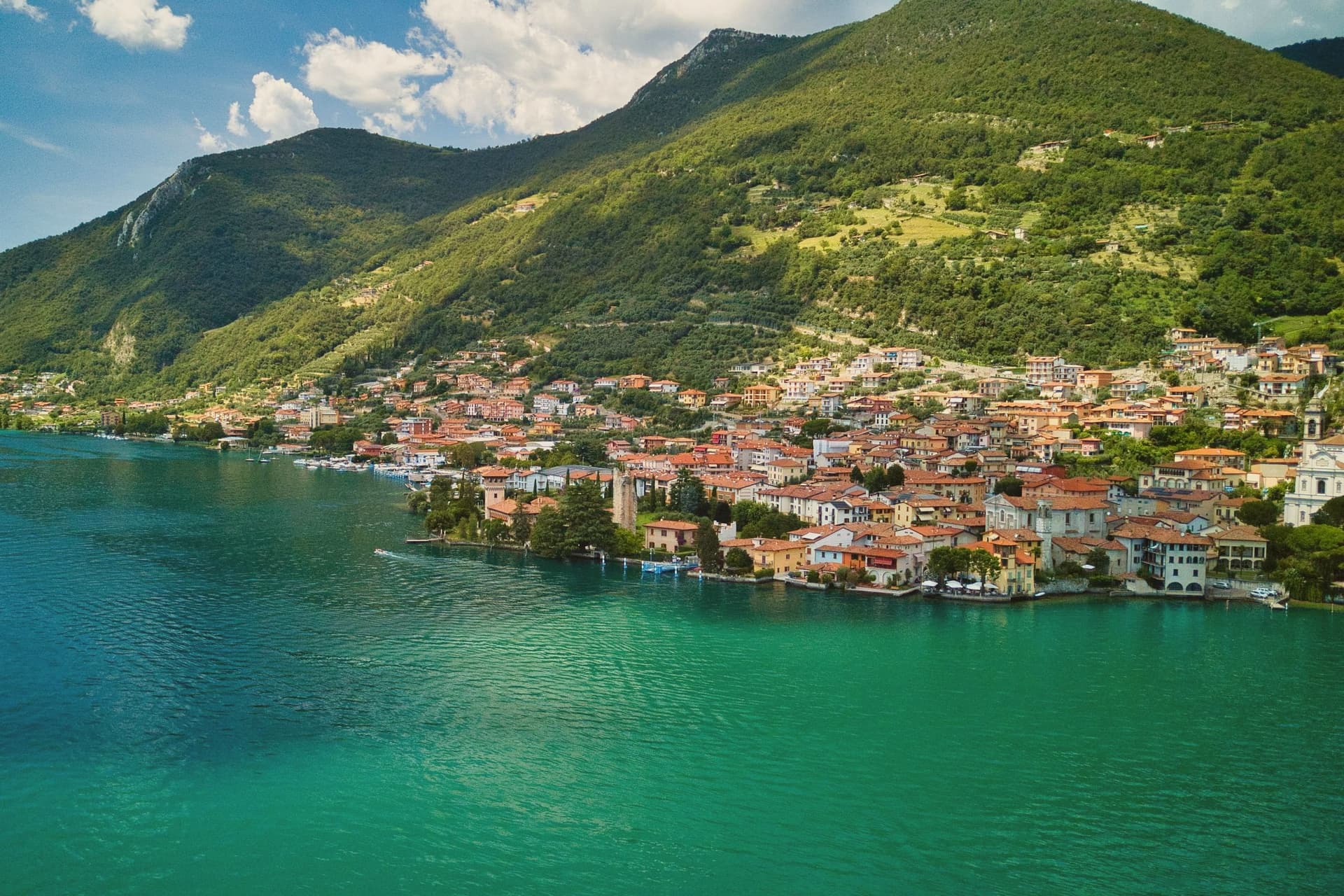
A small village on the Bergamo shore, sitting on a Roman villa with intact thermal baths underneath.
- Best time
- Apr–Oct
- By car
- 43 min from Brescia
- Population
- 1,850
Known for
VILLA ROMANA
Fifteen-thousand-square-meter Roman villa with thermal baths under the modern village, brought to light by a 2003 construction project.
TEMPIO DI DIANA
Inscribed votive altar to Diana found in the centro, linking the complex to the consular family of Marco Nonio Arrio Cuciano.
BUS DEL COREN
Cave above the village with the only Neolithic cave finds in the Bergamo area, including ground samples from settled habitation.
When to visit
Best · Apr–Oct
- J8°
- F11°
- M14°
- A17°
- M21°
- J26°
- J29°
- A29°
- S24°
- O19°
- N12°
- D8°
- Best
- Hot or crowded
- Quiet
- Mostly closed
Daytime averages, 2020–2024. Weather data by Open-Meteo.com.
Why come
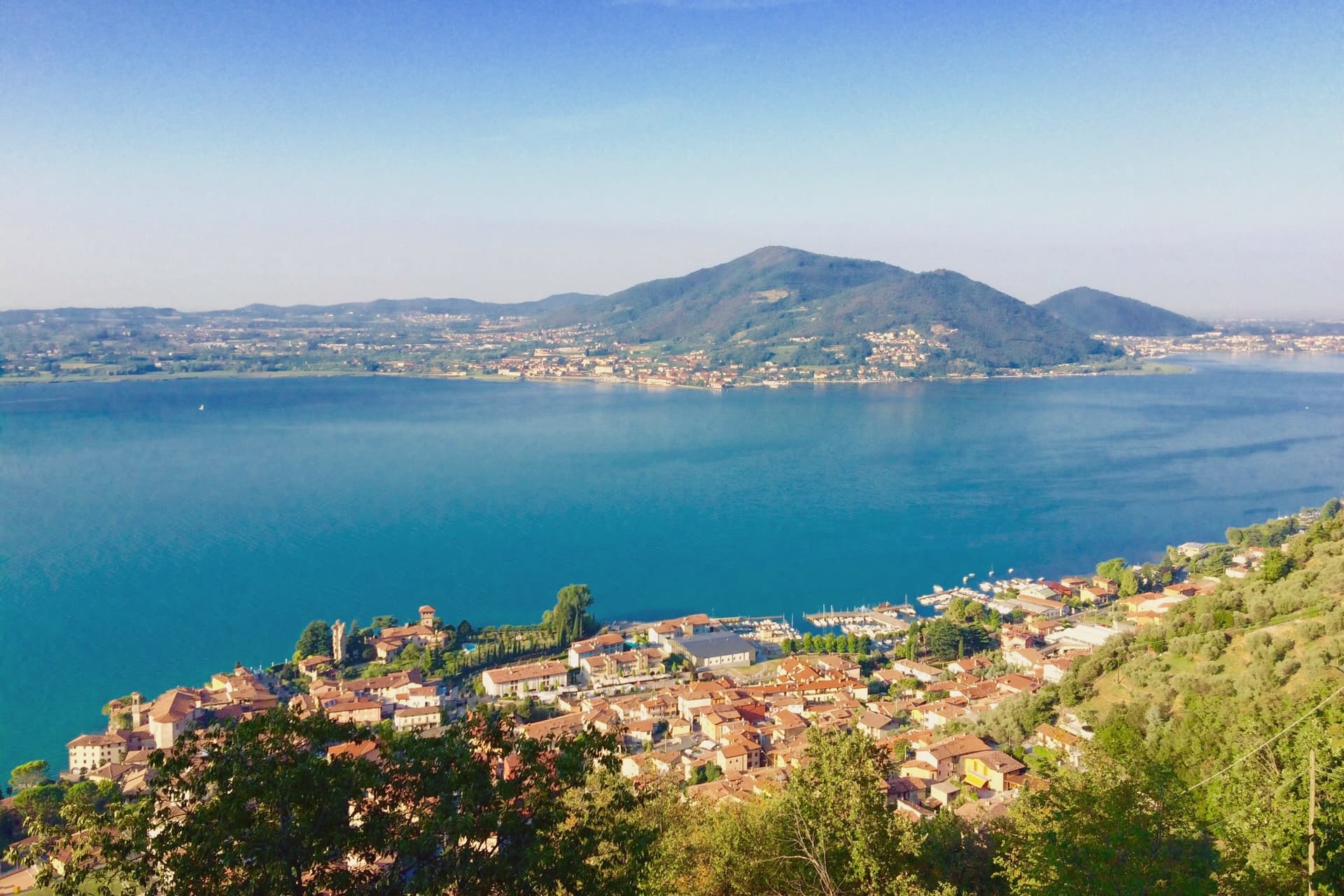
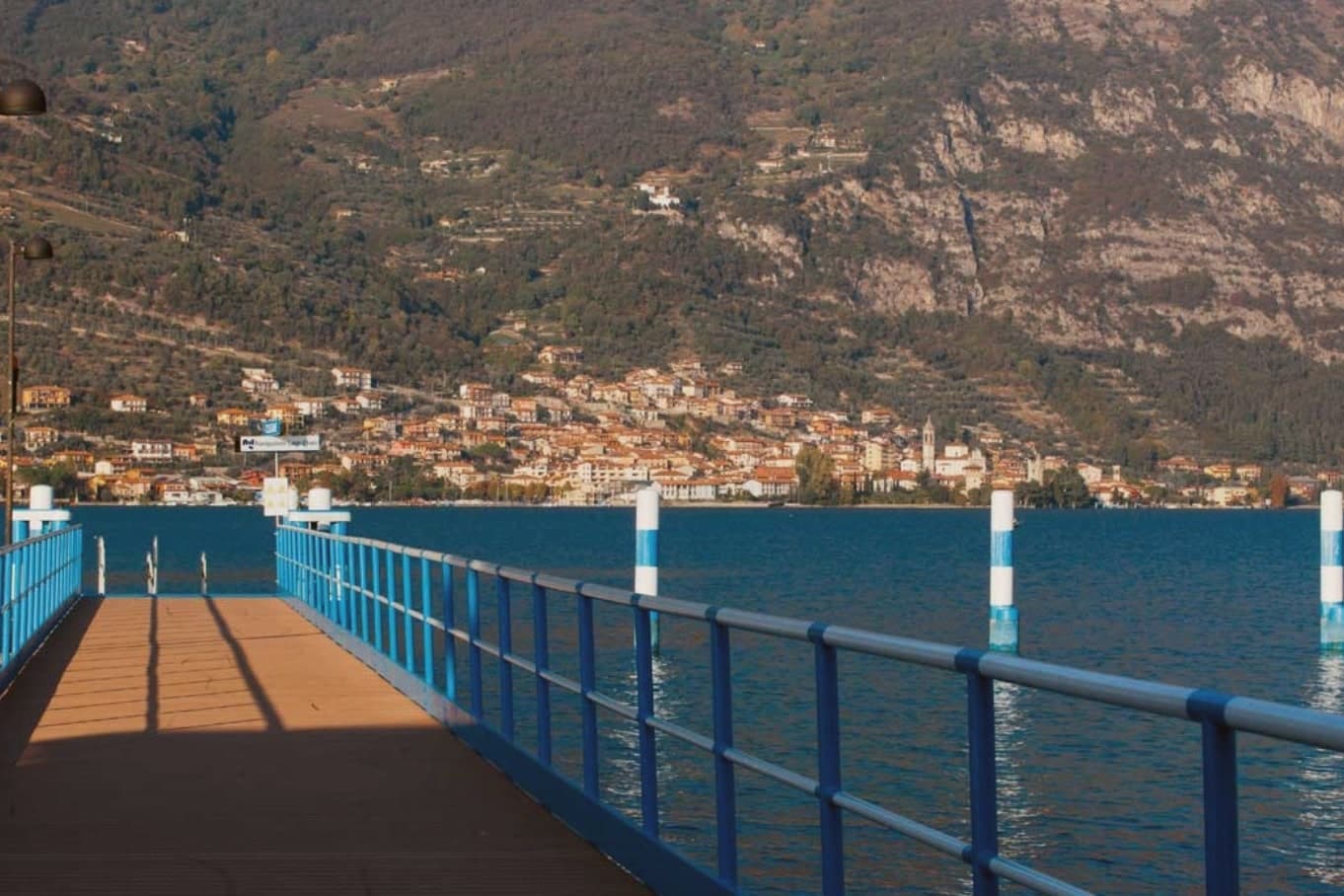
Predore sits on the shore, in the province of Bergamo, beyond the Valcalepio, with Monte Bronzone rising to 1,334 meters directly behind the village. The Roman villa beneath the streets extended from that mountain slope down to the ancient lakeside port, a footprint that ties the buried baths to the water rather than to the modern center. In the medieval period the village was a fortress with two lakeside towers protecting the palace, a different kind of relationship to the shore than the villa's, defense rather than leisure.
The votive altar found in the centro storico dates the site's aristocratic connections to around 201 AD, through the family of consul Marco Nonio Arrio Cuciano, while the cave above the village holds finds from a much earlier period, the only cave dwellings of that period in the whole Bergamo area. Taken together, the layers run from Neolithic cave to Roman villa to medieval fortress, each occupying a different part of the same short rise from water to mountain.
The Sunday letter
Predore is on our list. Its letter is still to come.
We are writing about all 1,000 of these towns, one at a time, in a free letter every Sunday: the photo, the food, the festa. That is our mission. Sign up and you will be there when Predore comes up. By Peter & Sophia, from Pietrasanta.
Read on
Predore in our articles
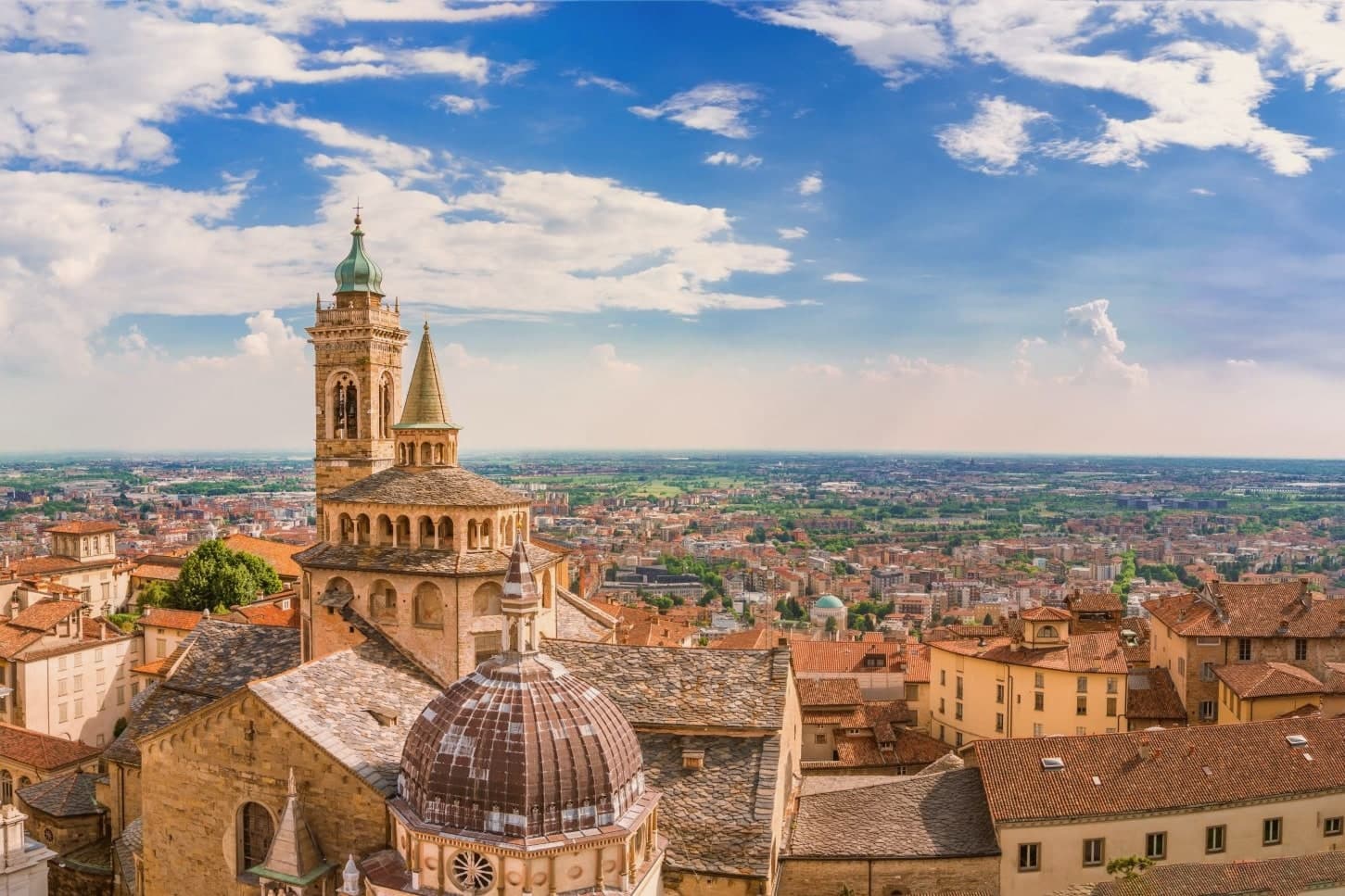
 10 lake towns near Milan10 towns, Predore among them.
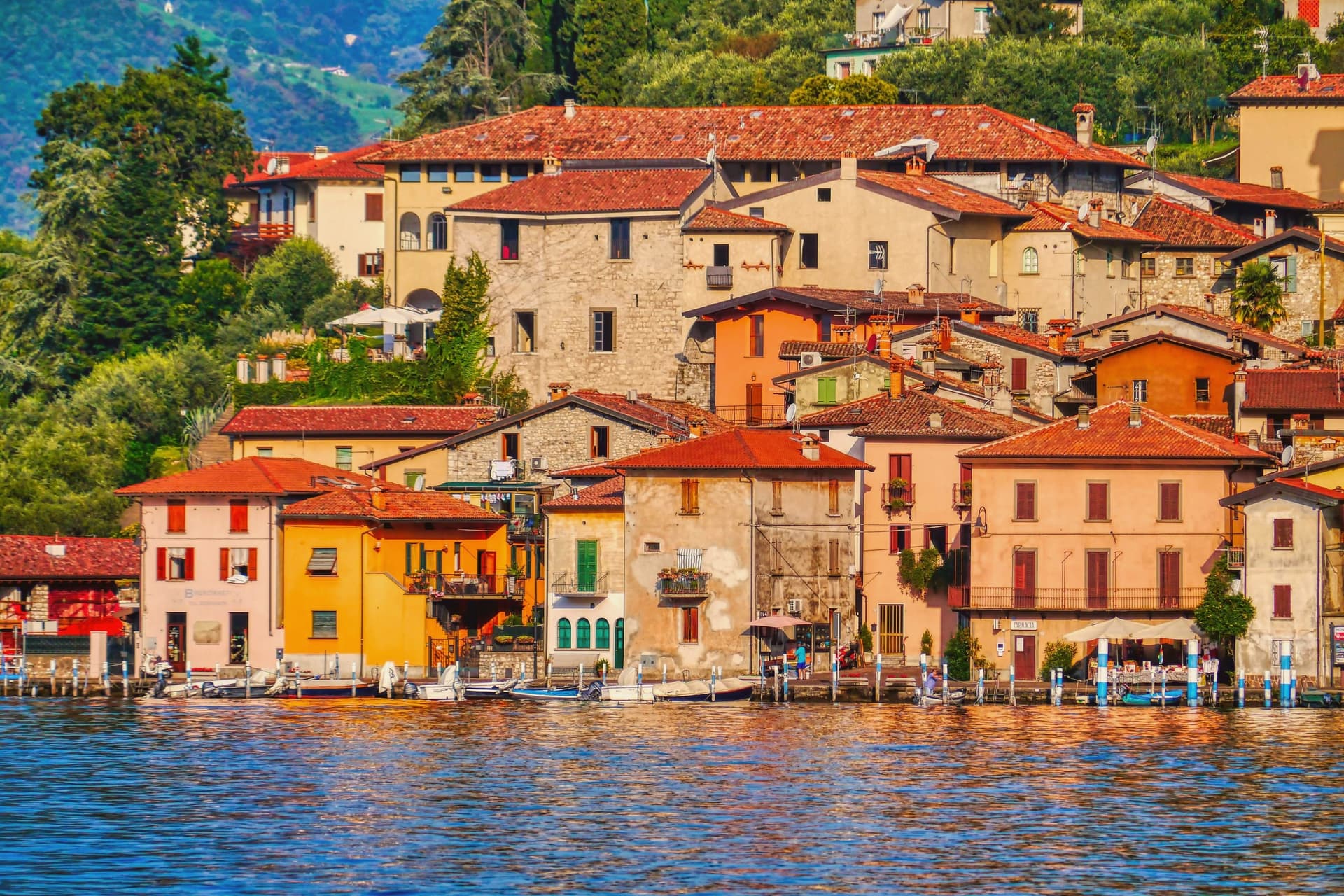
 10 towns closer to Milan than Milan's suburbs10 towns, Predore among them.
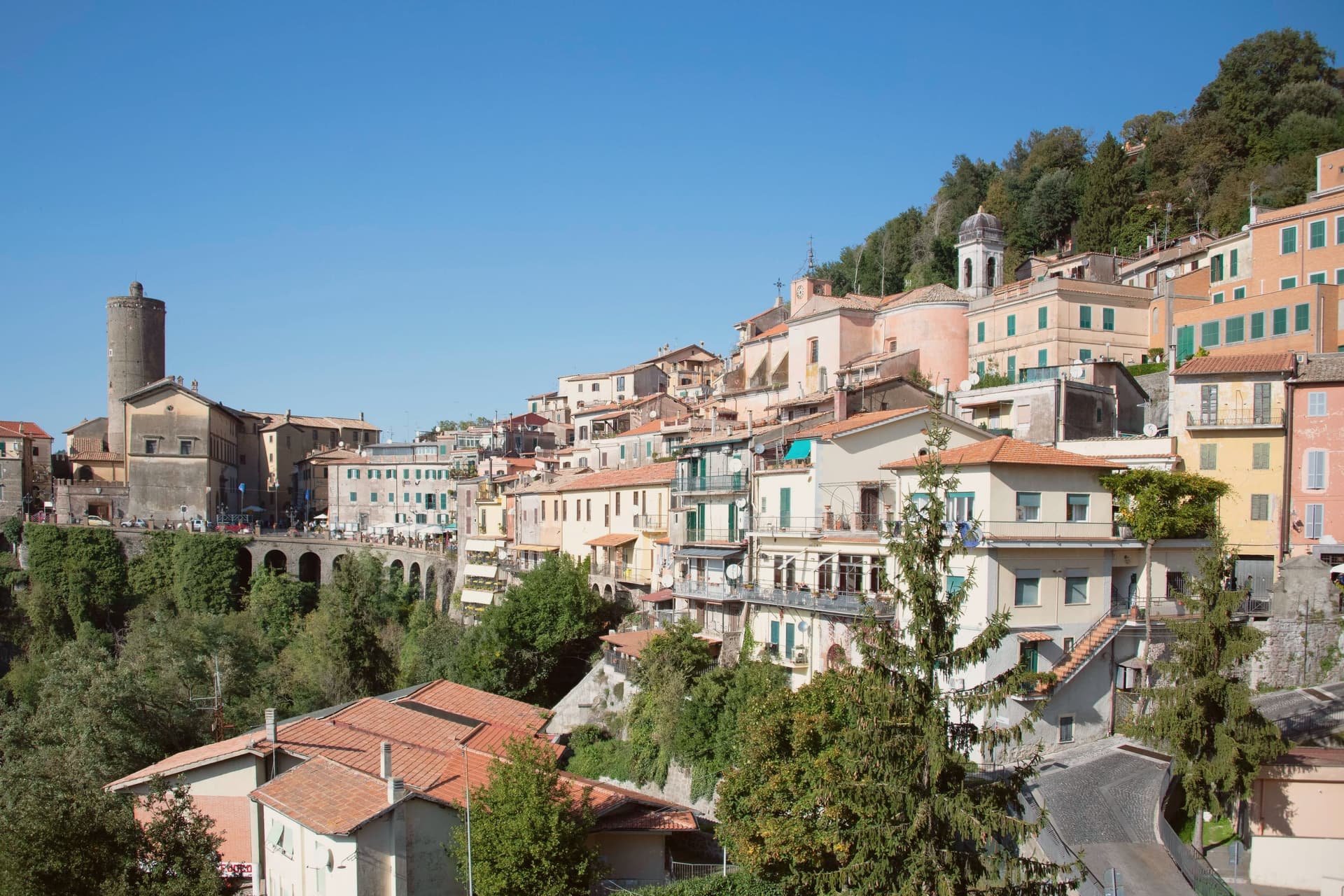
 The best lake towns within two hours of Parma10 towns, Predore among them.
 Alternatives to Bellagio: every lake town in Italy that is not on the Como ferry timetable52 towns, Predore among them.
How to get there
From Milan (BGY), about 38 minutes by car.
Verona (VRN) is about 1h 24m away.
By car from the centre of Brescia 43 minutes.
Coming by train into Bergamo? Predore is about 37 minutes away by road.
What to see
Terme della villa romana
The frigidarium, tepidarium, and caldarium survive underground, still legible as a sequence of rooms rather than fragments, part of the complex that once ran down toward the ancient lakeside port.
Chiesa di San Giorgio
Small medieval church on the slope outside the centro, with architectural elements highlighted by recent restoration.
Bus del Coren
Ground samples recovered from the cave point to settled habitation, set into the slope above the village with the lake visible below.
Lungolago
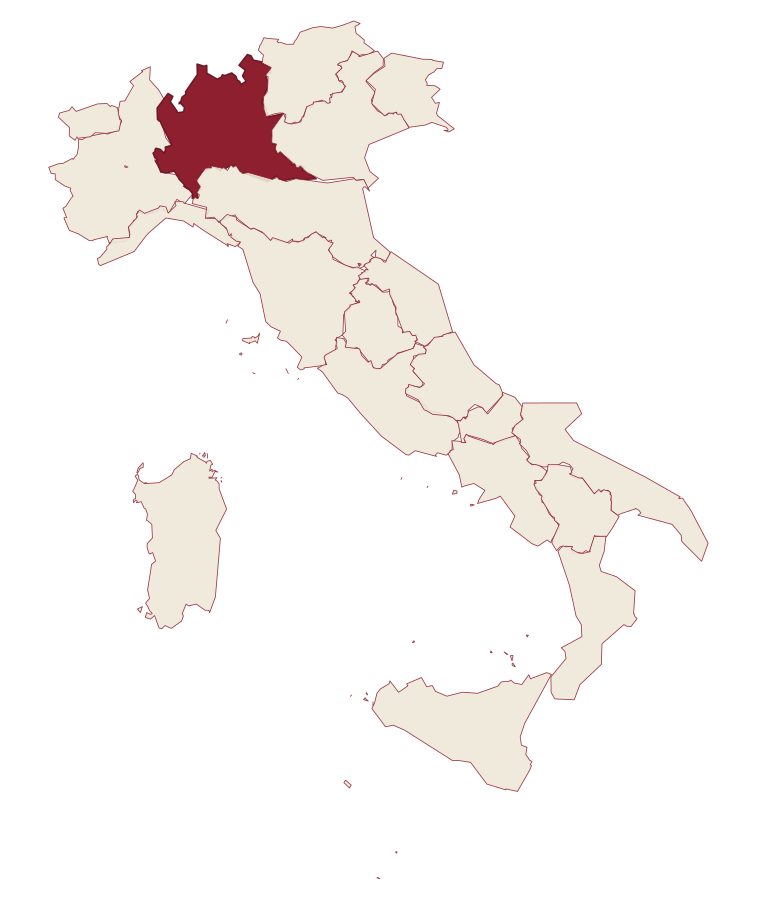
Lakefront promenade along the western shore of Lake Iseo, with views to Monte Isola and the Brescia shore opposite.
The slow-trip planner
Building a trip? Find where Predore fits in a slow Italy circuit.
Answer five questions. We will shape a geographically coherent slow trip from the 1,000 Italian towns most travelers skip. Yours to save and share.
Living here
- Population 1,850
- Commuter belti
- Pharmacy: none mapped
- High school within a 30-minute drive
- Nearest airport Milan, 38 min drive
- Regional capital Milano, 1 h 16 min drive
Common questions
- What is Predore known for?
- Predore is a small village on the Bergamo shore, sitting on a Roman villa with intact thermal baths underneath.
- Where is Predore?
- Predore is a comune in the province of Bergamo, in Lombardy, at 198 meters above sea level.
- What is the nearest airport to Predore?
- Milan (BGY), about 38 minutes by car.
- How long is the drive from Brescia to Predore?
- About 43 minutes by car.
- When is the best time to visit Predore?
- Best in Apr–Oct. August is the warmest month, averaging 29 degrees, and May the wettest, with about 16 rain days.
- Which other towns are like Predore?
- Gardone Riviera, Dervio and Torno.
- How many people live in Predore?
- 1,850 at the 2023 count.
Tags & datadesignations · numbers · sources
The numbers
- Elevation: 198 m
- Population: 1,850
- Surface area: 10.96 km²
These figures were compiled from public directories: ISTAT, OpenStreetMap and Wikidata, and from the official listings of the guides named on this page. Town details change; verify with official sources before you travel.
Similar
Towns like Predore
Gardone Riviera
Province: Brescia
both lake towns · both under 3,000 people
Dervio
Province: Lecco
both lake towns · both under 3,000 people
Torno
Province: Como
both lake towns · both under 3,000 people
Porto Ceresio
Province: Varese
both lake towns · both under 3,000 people
Mergozzo
Province: Verbano-Cusio-Ossola
both lake towns · both under 3,000 people
Ghiffa
Province: Verbano-Cusio-Ossola
both lake towns · both under 3,000 people