
Themed picks · Florence · Wine
10 Tuscan wine towns near Florence
Ten towns: what each is best for, what a home costs, and the catch. In Florence's center a square meter costs €3,100 to €5,600; here it starts at €1,000, in Castelnuovo Berardenga.
10 comuni · within 90 minutes of Florence · drive times by road from the city center
Tuscany is the most-named Italian wine region and the most layered. Chianti Classico, the DOCG that runs from Florence south to Siena, is the famous core; everything outside its boundary tends to get described in relation to it. The truth is more interesting. Carmignano (DOCG, just west of Florence) has been making Sangiovese-Cabernet blends since the 1700s, two centuries before Bordeaux blends became fashionable in Tuscany. San Gimignano holds Vernaccia DOCG, Italy's oldest white DOC zone (1966) and the only town with two DOCG products inside its boundary. Montepulciano, near the southern edge of this list, makes the Vino Nobile, and Cetona, further south under Monte Cetona, is on the Città del Vino trail.
Florence is the right base because the city's road network puts the major DOCGs inside 90 minutes: Chianti Classico south (the SR222 Chiantigiana runs from Florence's edge to Siena, the slowest beautiful drive in central Italy), Carmignano west (40 minutes), San Gimignano southwest (about an hour), Montepulciano and Cetona to the south-east, Montecarlo north. The food at each stretch is different from the city's standard (bistecca in town, pecorino di Pienza further south, vin santo and cantucci in Chianti).
We picked ten comuni that show the breadth, with weight toward the DOCG-anchored zones. Drive times below are by road from the center of Florence, and they run honest on the Chianti SR222, because the road itself is slow.
The towns
- 1
Firenze · Tuscany · 44 min from Florence
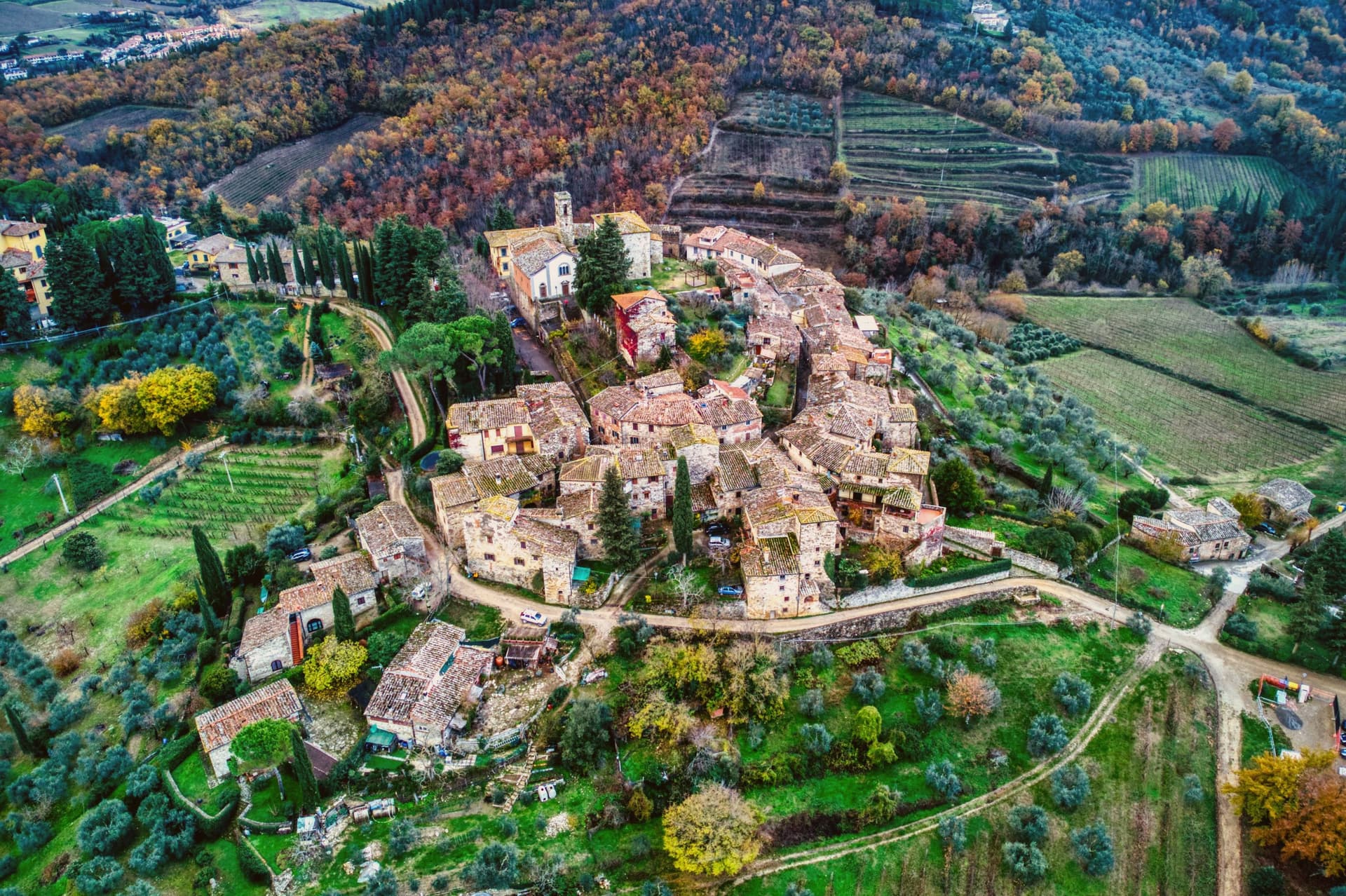
Greve in Chianti
Best for a walk through the old town. It is on the list of Italy's most beautiful villages.
homes €1,500 to €2,100 a m² in the center · 13,381 people
The market town on the Greve river, with a triangular piazza arcaded since the sixteenth century.
Sangiovese-dominant; one of nine Chianti Classico communes between Florence and Siena.
Chianti Classico DOCG anchors this town's cellars.
 2
Firenze · Tuscany · 50 min from Florence
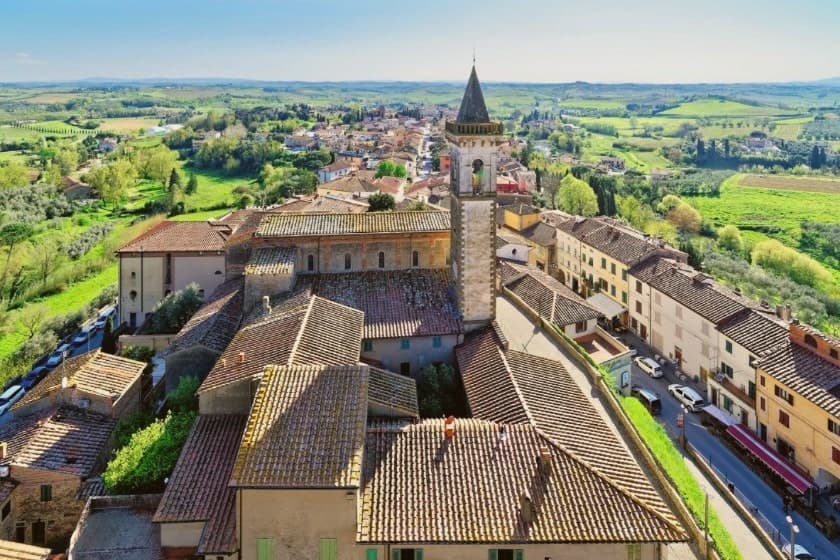
Vinci
Best for a slow weekend. The Touring Club gives it its orange flag for small inland towns.
homes €1,100 to €1,650 a m² in the center · 14,587 people
The hill town on Montalbano where Leonardo was born in 1452, with a ship-shaped castle that now holds his machines.
Born 15 April 1452 at Anchiano, raised in Vinci, baptized in Santa Croce; the town carries his name for the Museo Leonardiano.
Named on the Città del Vino territorial trail.
 3
Lucca · Tuscany · 53 min from Florence
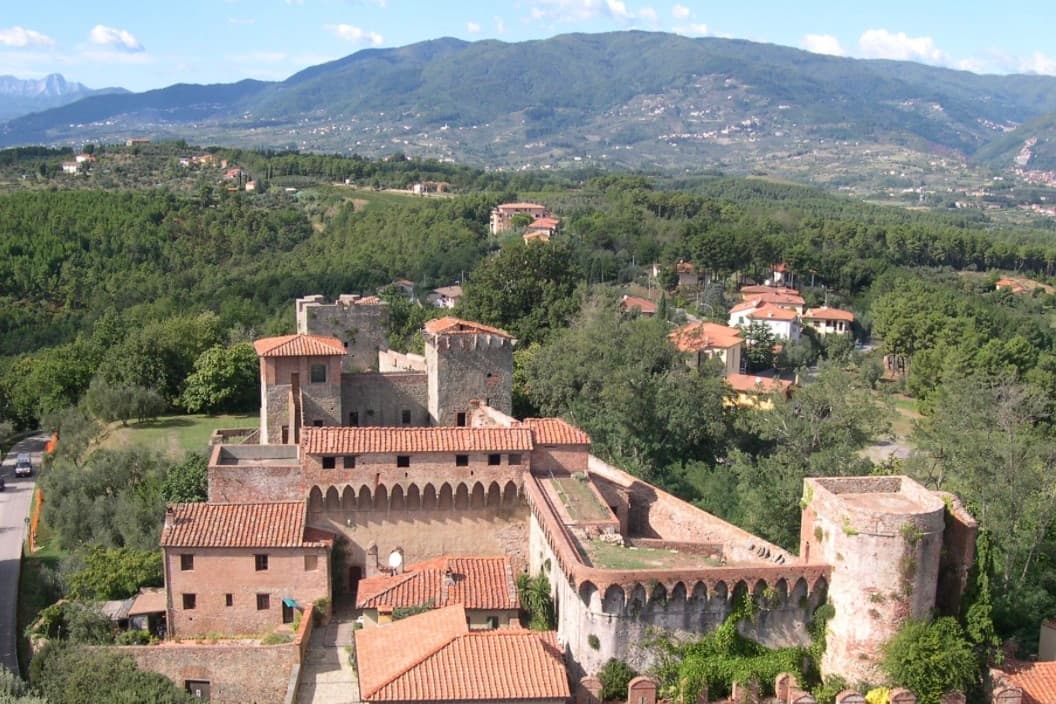
Montecarlo
Best for a trip without a car. The train stops in the commune.
homes €1,050 to €1,500 a m² in the center · 4,402 people
A walled hill village at 163 meters above the Lucca plain, founded by Emperor Charles IV in 1333 and named for him, surrounded by twenty wineries.
1969 DOC for a Trebbiano-French white blend and a Sangiovese-led red, with around twenty wineries inside the commune.
 4
Siena · Tuscany · 1 h 17 min from Florence
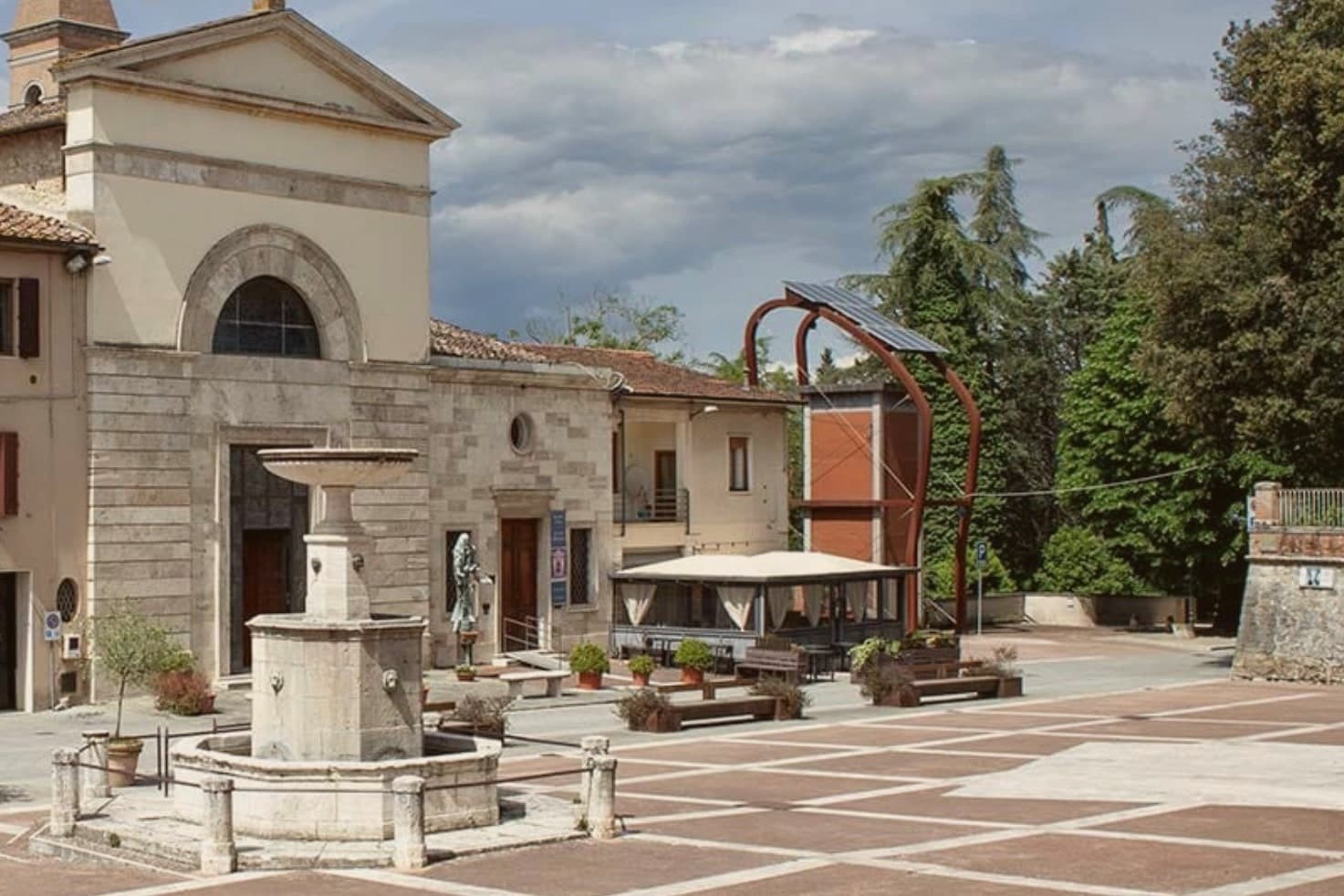
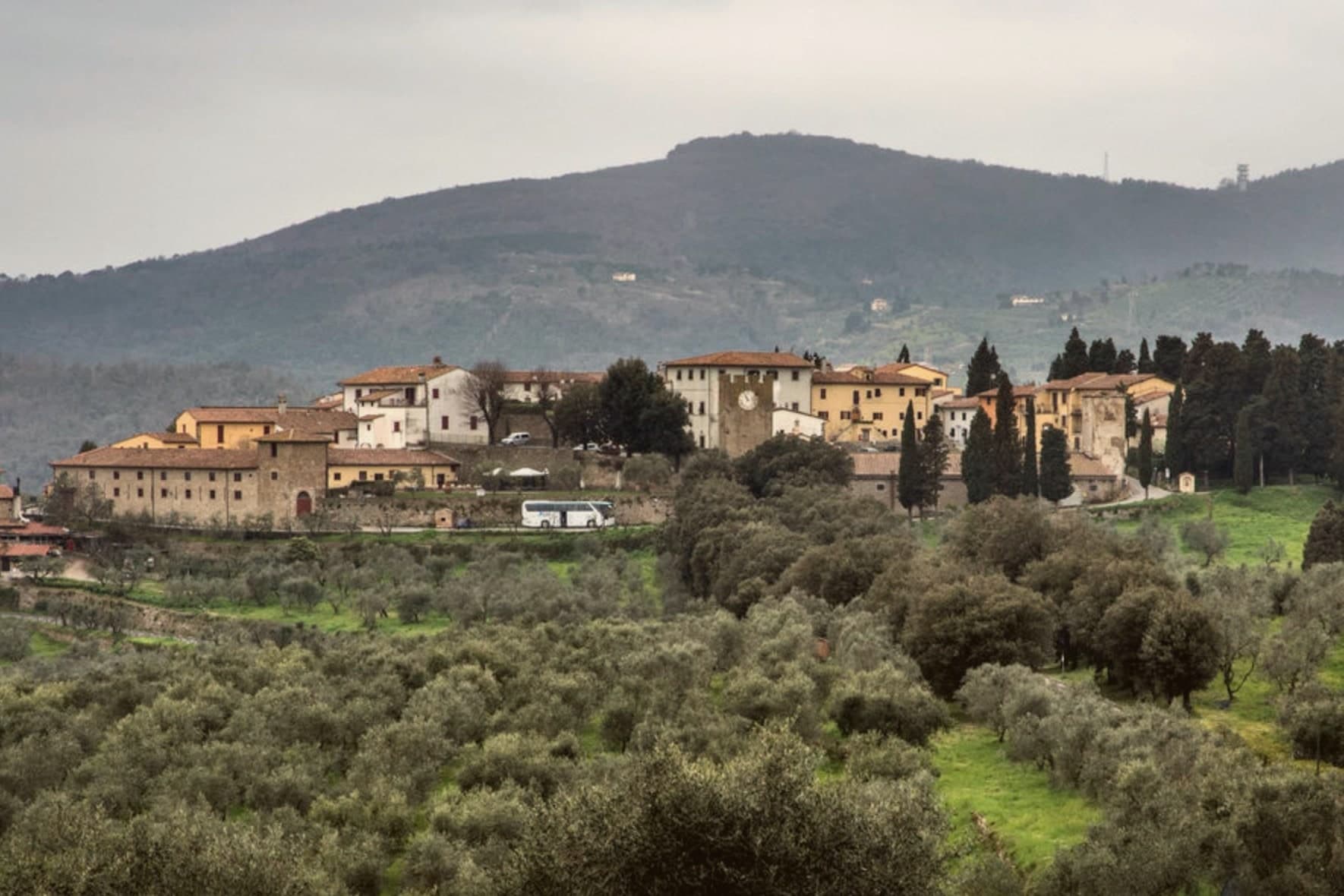
Castelnuovo Berardenga
Best for everyday life on foot. Nine of the ten everyday services we look for are mapped within 500 meters of the center.
homes €1,000 to €1,500 a m² in the center · 8,851 people
A commune of 351 meters, the last castle Siena built against Florence, in 1366.
Southernmost Chianti Classico commune, reaching almost to the gates of Siena.
 5
Prato · Tuscany · 39 min from Florence
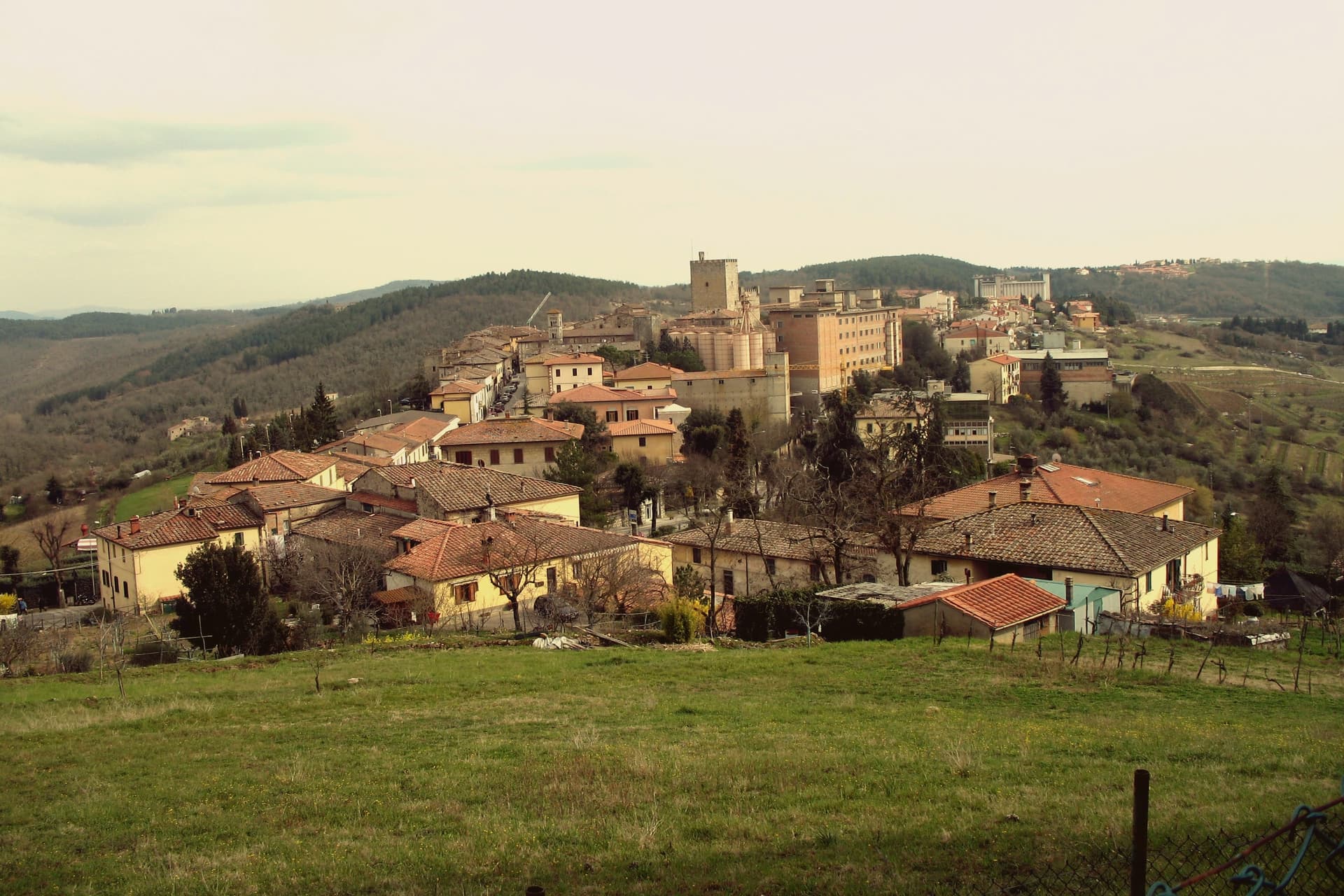
Carmignano
Best for a World Heritage site. UNESCO lists a site in the comune.
homes €1,800 to €2,150 a m² in the center · 14,540 people
A Medici village at 189 meters on the Montalbano slopes, where Etruscan tumuli sit below the Renaissance villas.
The Visitation, painted 1528-1529, hangs in the parish church of San Michele e San Francesco, one of the major works of late Florentine Mannerism.
 6
Siena · Tuscany · 1 h 3 min from Florence
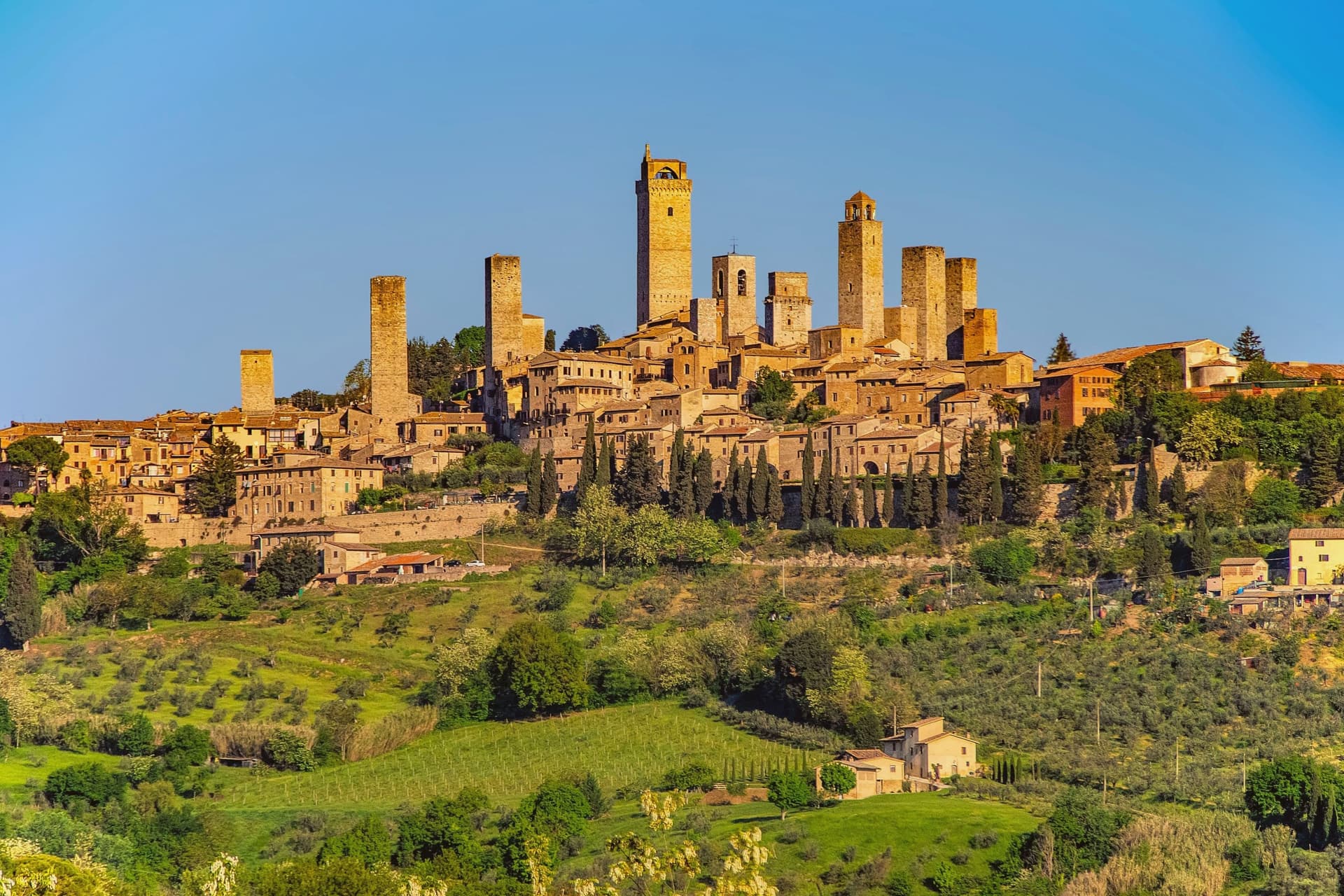
Castellina in Chianti
Best for Chianti Classico DOCG. The town gives its name to Chianti Classico DOCG.
homes €1,300 to €1,900 a m² in the center · 2,605 people
A Chianti hill town at 578 meters on the watershed between the Arno and the Ombrone, with an Etruscan tumulus, a Brunelleschi-reinforced wall and a covered medieval walkway around its edge.
One of the founding Chianti Classico communes; central, on the watershed between the Arno and the Ombrone.
 7
Siena · Tuscany · 1 h 1 min from Florence
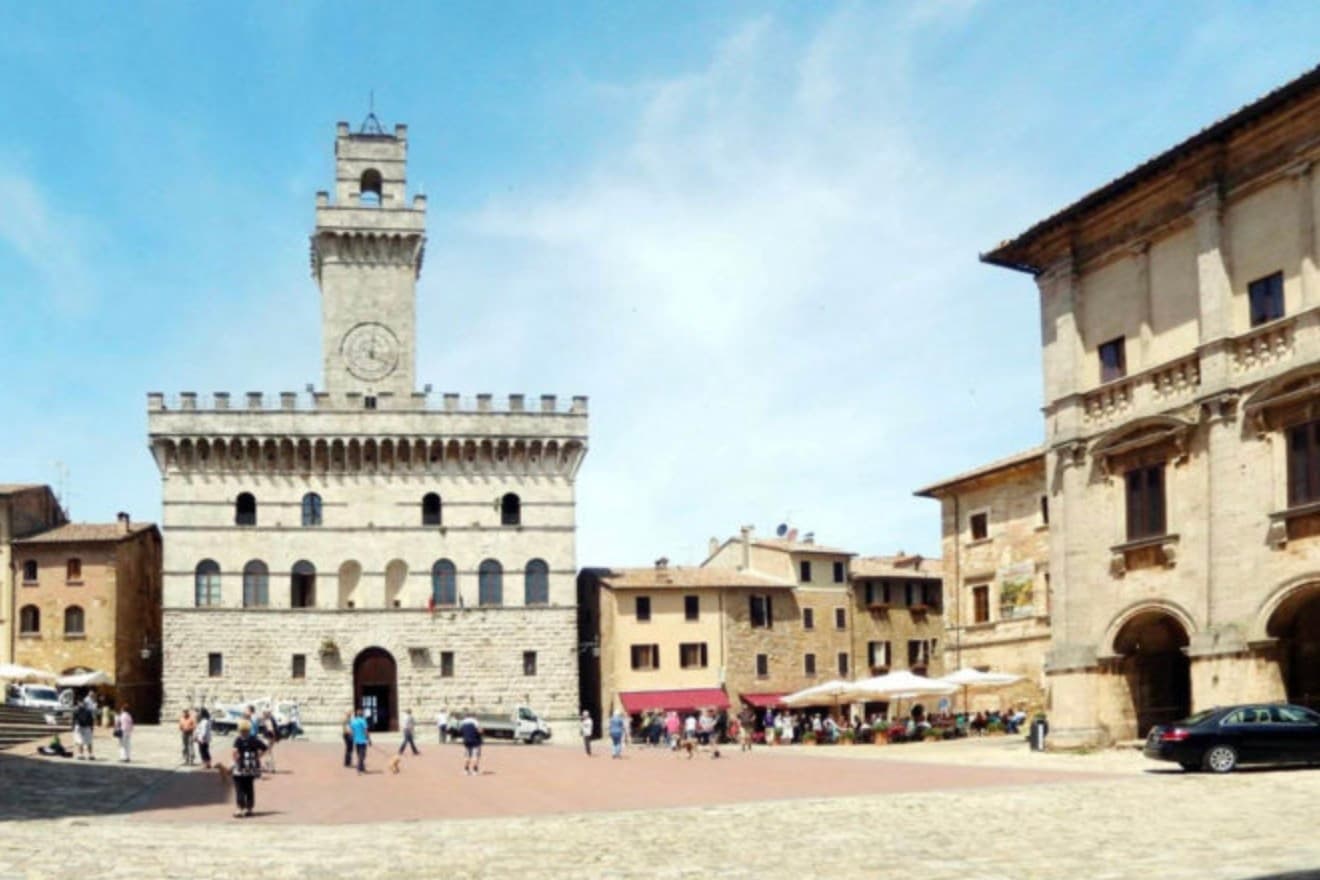
San Gimignano
Best for a stage of a long walk. The Via Francigena passes through.
homes €2,200 to €3,300 a m² in the center · 7,452 people
A walled hill town at 334 meters with 14 surviving medieval towers, UNESCO listed since 1990 and the home of Vernaccia.
Surviving tower-houses out of 72 built between the twelfth and fourteenth centuries by patrician families, the skyline UNESCO listed since 1990.
 8
Siena · Tuscany · 1 h 29 min from Florence
Montepulciano
Best for a soak. The comune has thermal baths.
homes €1,600 to €2,400 a m² in the center · 13,032 people
A Renaissance hill town at 605 meters on a limestone ridge, aging its Sangiovese-based red in vaulted cellars beneath the palazzi.
Sangiovese-based, aged in oak, named noble in the 1500s when it reached the Vatican cellars.
Vino Nobile di Montepulciano DOCG anchors this town's cellars.
 9
Arezzo · Tuscany · 1 h 14 min from Florence
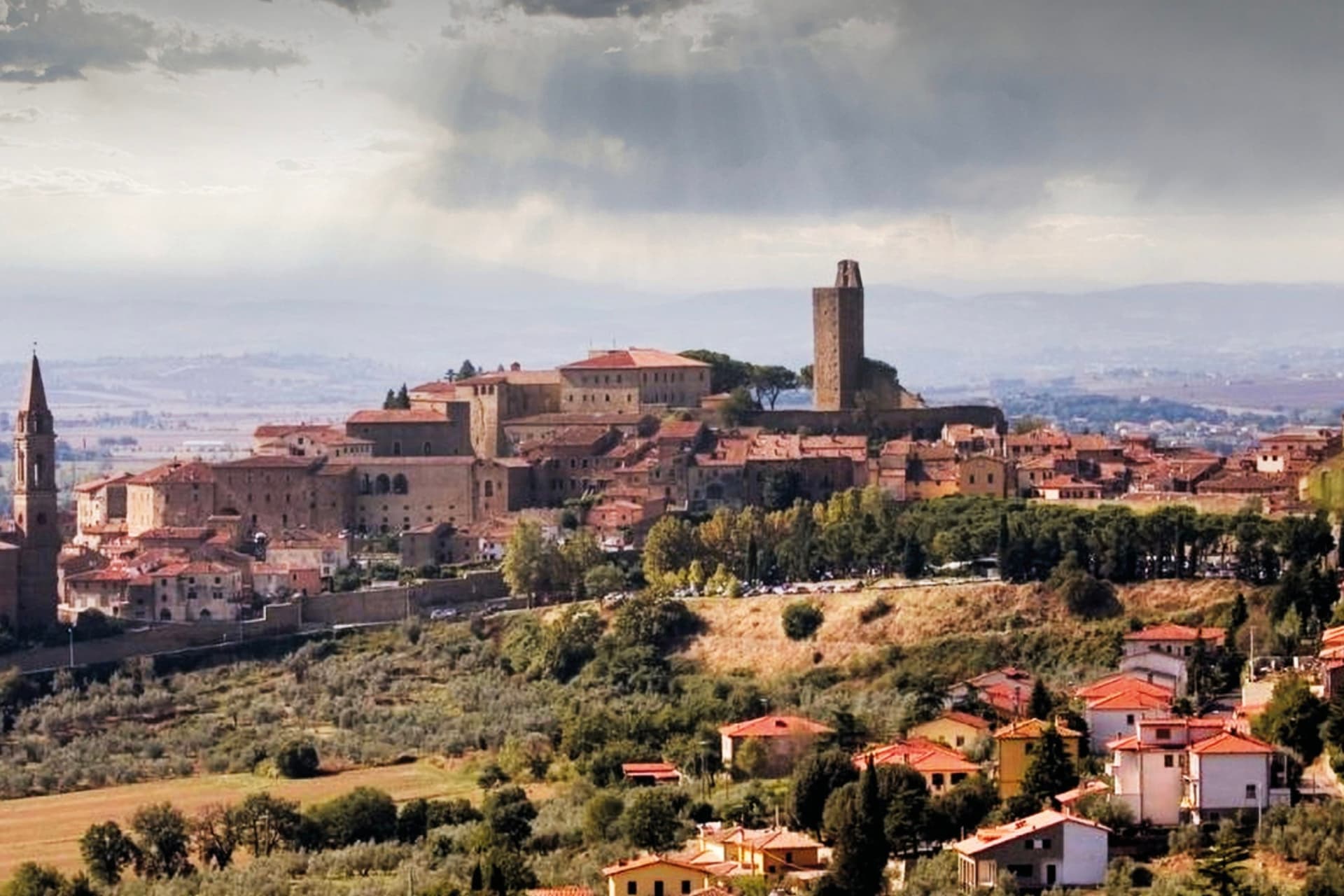
Castiglion Fiorentino
Best for olive oil. It belongs to the national association of olive oil towns.
homes €1,000 to €1,400 a m² in the center · 12,823 people
A walled hill town at 342 meters between Arezzo and Cortona, where Etruscan walls support the medieval Cassero.
Medieval fortified core with high tower grafted onto Etruscan fourth-century BC walls, the visual symbol of the town from the Val di Chiana below.
 10
Siena · Tuscany · 1 h 30 min from Florence
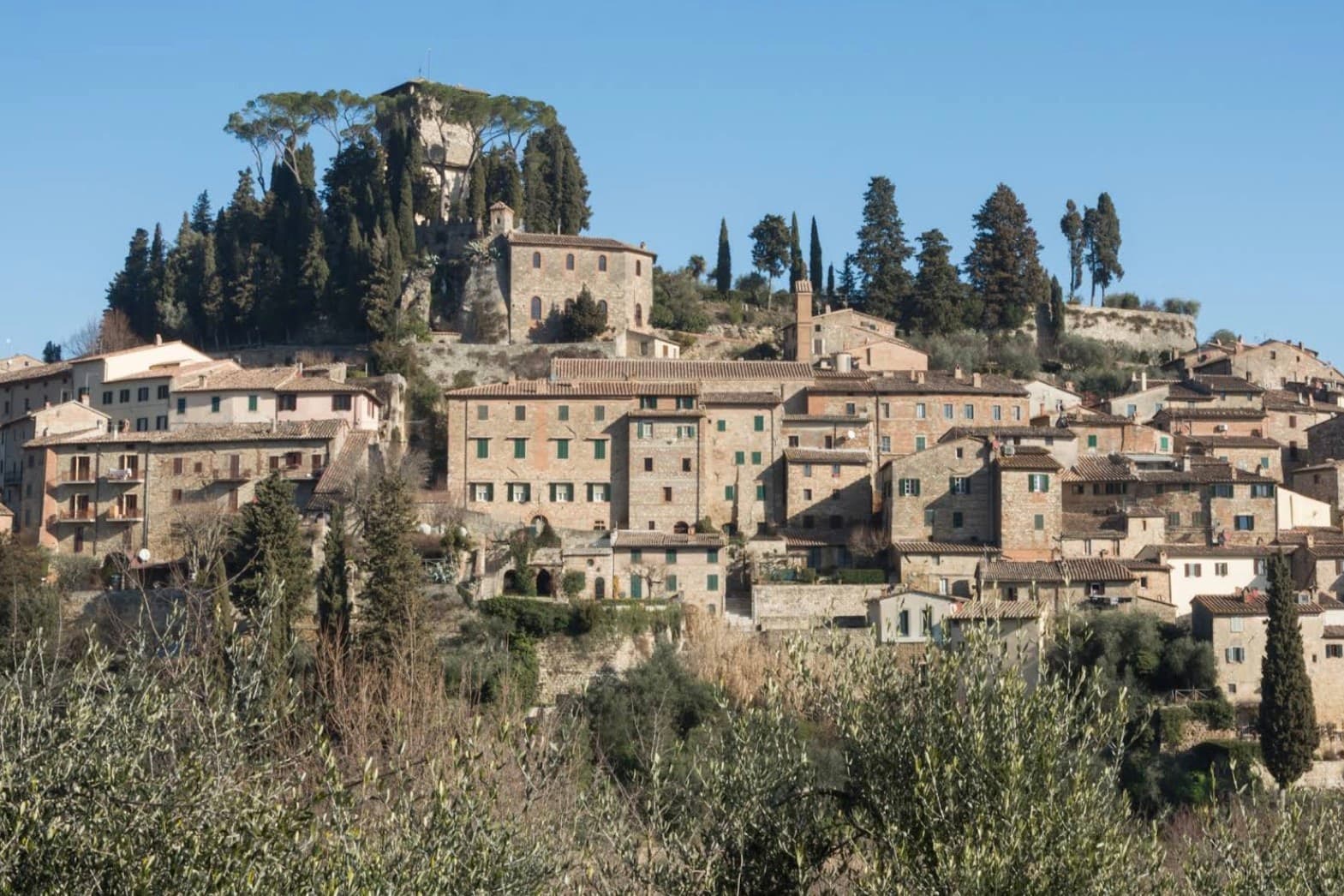
Cetona
Best for a long lunch. A food guide lists Da Nilo here.
homes €1,000 to €1,500 a m² in the center · 2,438 people
A medieval borgo at 384 meters, sold by Cosimo I to the Vitelli in 1556 and the centro storico still shaped by their fortress reconstruction.
Marchese Chiappino Vitelli bought the town from Cosimo I in 1556 and reshaped it around the Renaissance Piazza Garibaldi at the foot of the medieval grid.
The catch: It is the longest drive on this list: 1 h 30 min from Florence.
We write about towns like these one town at a time, with the photo, the food, the festa. Free, from Turin.
Why Florence is the base
Florence is the only Tuscan city with a Centrale-grade station, three motorways converging on it, and the FLR airport. It is also the city where most of the wine ends up in the glass: Coquinarius, Enoteca Pinchiorri, Trattoria Cammillo, the wine bars around Sant'Ambrogio market. Tasting in the cellar at Greve is its own pleasure; comparing fifteen Chianti producers across a single dinner in Florence is something only the city allows.
When to go
Mid-September through mid-November is the working season: harvest starts in late August in Carmignano, runs into October in the higher Chianti, and the new wine pours by late October. Spring (mid-April through June) is the second window: green vines, the smaller spring sagre, and the Vino Nobile festivals further south. Avoid August, when most smaller cellars close for family holidays.
Questions people ask
- What is the difference between Chianti and Chianti Classico?
- Chianti is the broader DOCG, covering a large swath of central Tuscany. Chianti Classico is the smaller, inner DOCG (its boundary corresponds roughly to the medieval Lega del Chianti) covering nine comuni between Florence and Siena. Wines labelled Chianti Classico carry the black rooster (Gallo Nero) seal. The boundary was effectively finalised in 1932; the DOCG label was granted in 1984.
- Where is the Chianti Classico road?
- The SR222 (the Chiantigiana) runs from Florence's southern edge through Strada in Chianti, Greve in Chianti, Panzano in Chianti, Castellina in Chianti, and into Siena. About 70 km of slow road through the heart of the Classico zone. Allow a full day; the drive itself takes 90 minutes without stops, but the point is to stop.
- What other DOCGs are inside this list's range?
- Carmignano DOCG (just west of Florence; Sangiovese with up to 20% Cabernet), Vernaccia di San Gimignano DOCG (Italy's first DOC, granted 1966; upgraded to DOCG 1993), Chianti Classico DOCG (Florence to Siena, 1984), Chianti DOCG (the broader zone), and Vino Nobile di Montepulciano DOCG, at the southern edge of this 90-minute radius. Brunello di Montalcino sits just beyond it, about two hours south.
- Can I day-trip the Chianti by train from Florence?
- No, not directly. There is no rail line through the Chianti hills; the SR222 corridor is car-only. Greve in Chianti, the gateway, is 35 km south of Florence; the SITA bus from Piazza Adua handles it but takes 90 minutes each way. A rental car or a guided tour are the practical options.
How we picked these · We took every Tuscan town in our catalogue within 90 minutes of Florence by car (41 of them), kept the 14 on the Città del Vino trail or with a signature DOC, DOCG, IGT or IGP wine, and ranked them by those designations and how close they are. A town whose signature product is a DOC or DOCG wine gets extra weight, which is why the Chianti Classico comuni sit high.
Keep browsing
Five more picks like this one
- 10 hidden food towns near FlorenceNear Florence
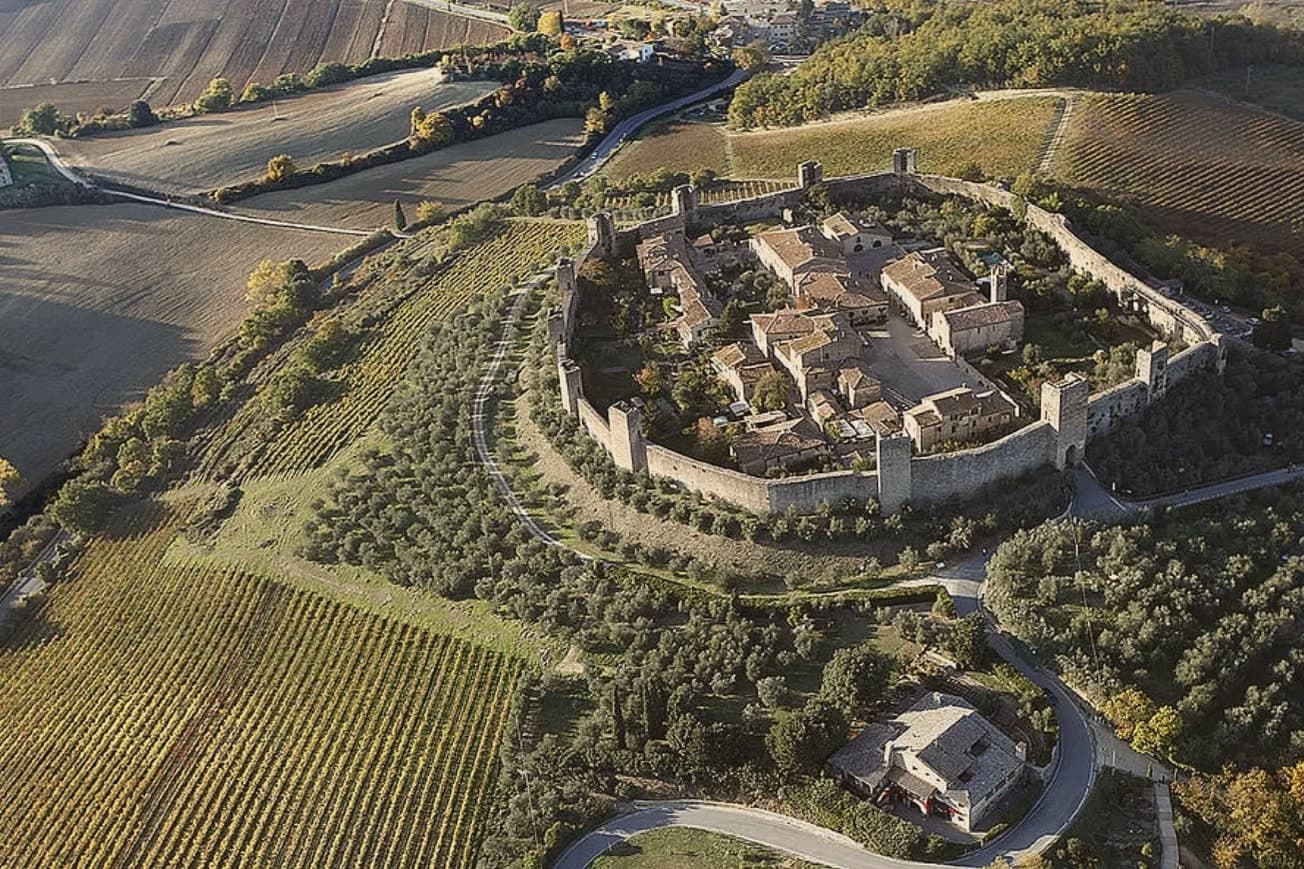 10 towns within an hour of Florence, without the crowds of FlorenceDrive time
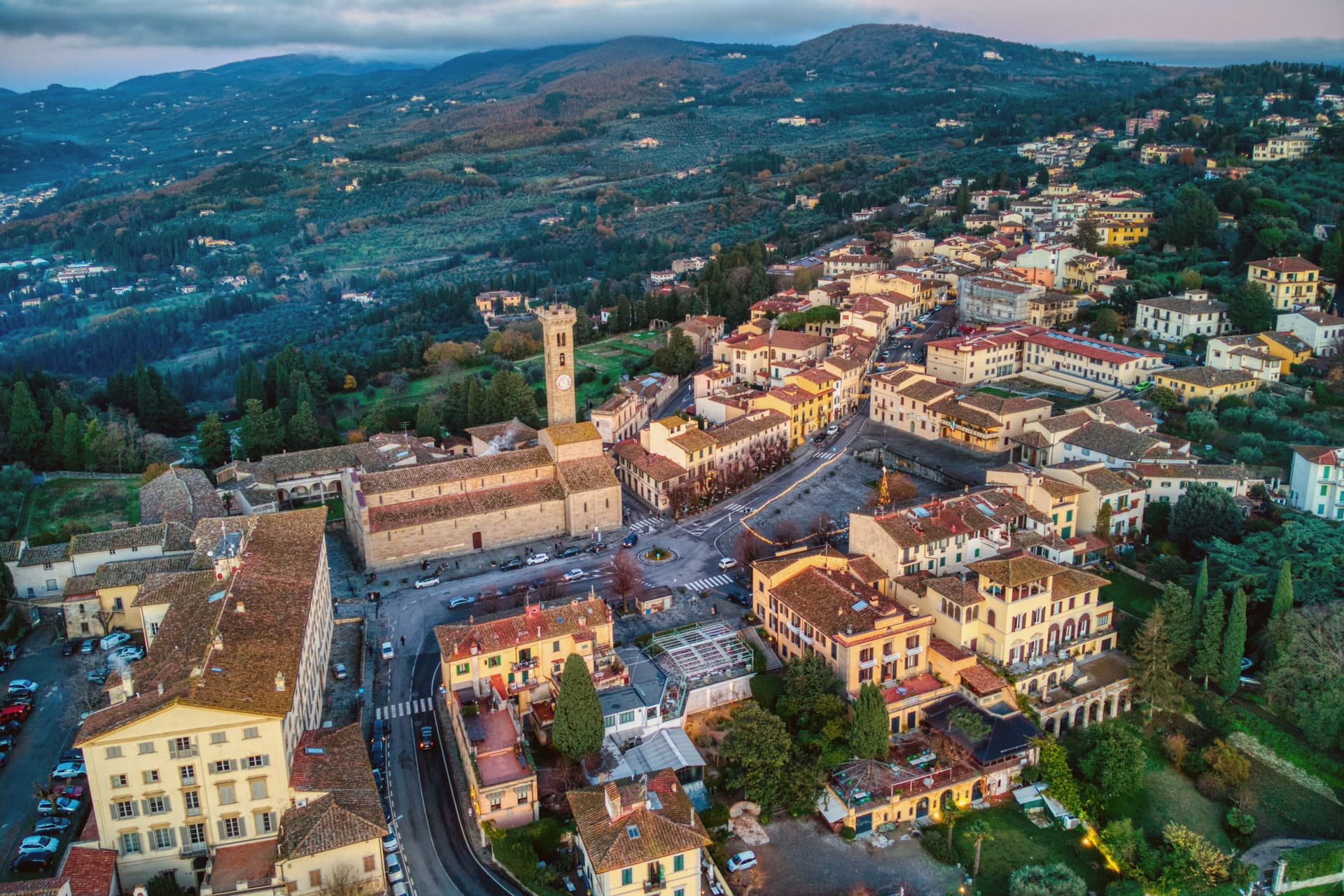 10 olive oil towns within two hours of FlorenceFood designations
- 10 towns that make Florence a day trip, not a baseQuieter bases
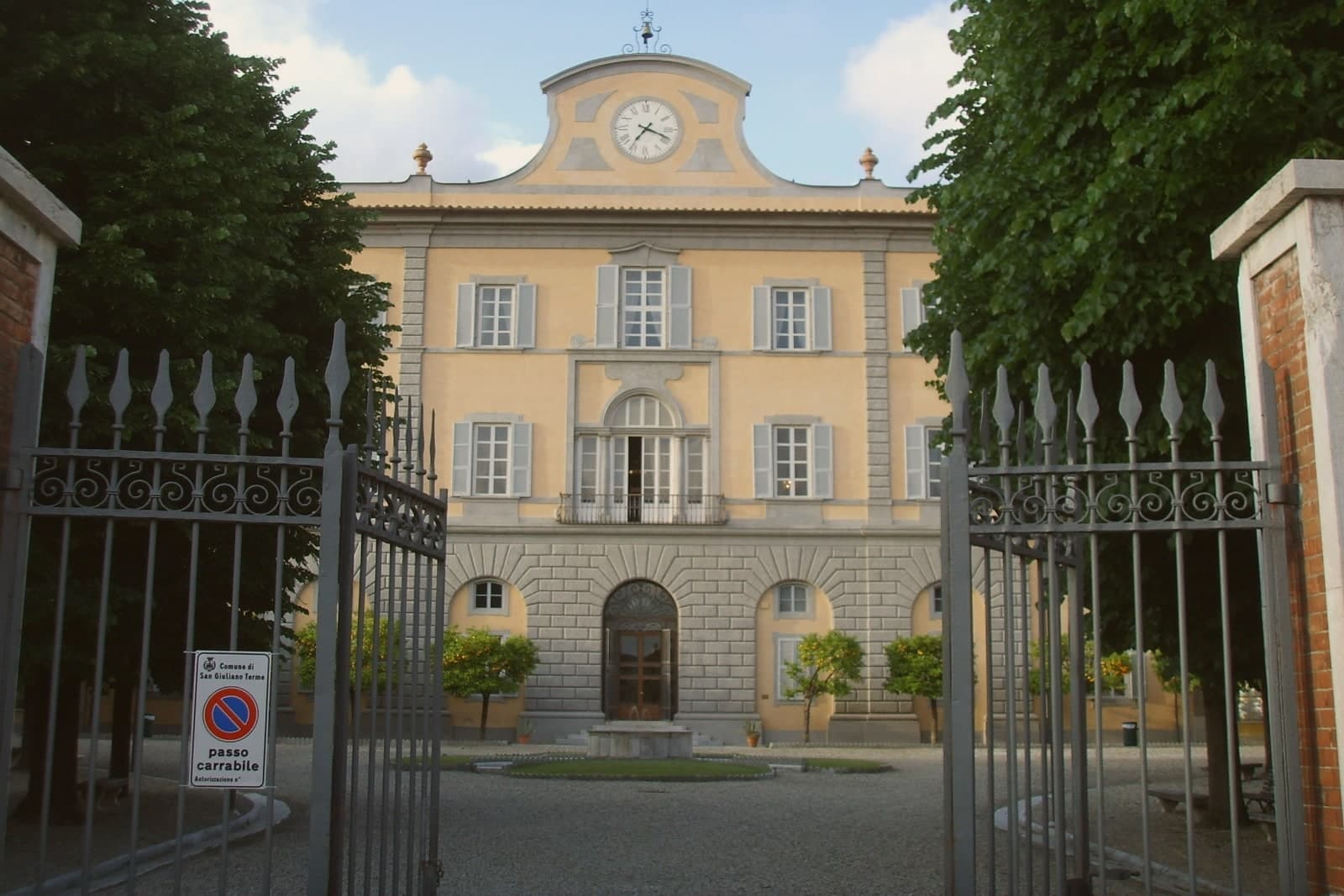 The towns between Pisa airport and anywhere betterDrive time