
The best towns that eat well in the province of Isernia
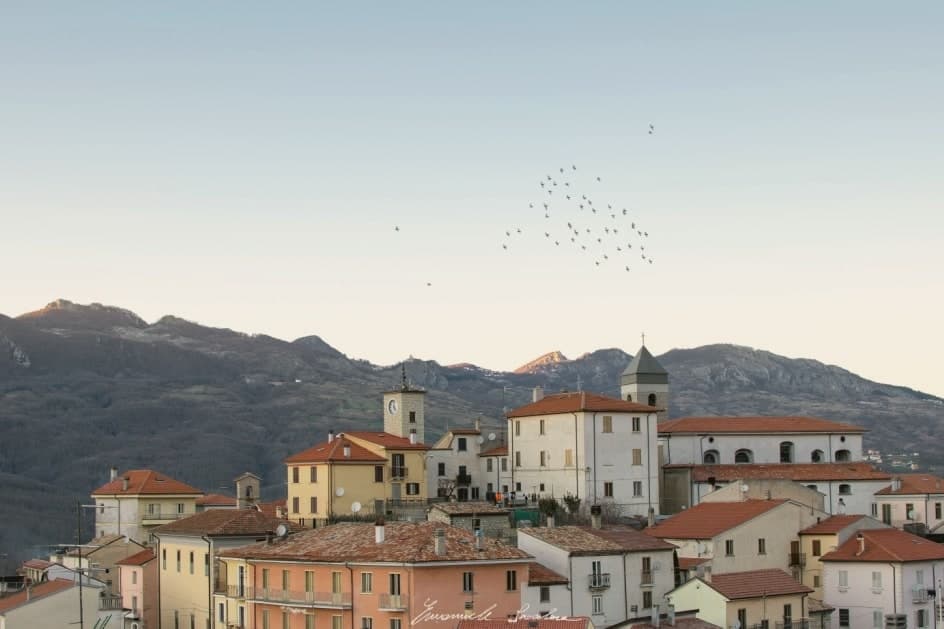
High Molise eats like a place that still counts its animals. The province of Isernia sits where the Apennines fold into transhumance country, and the food follows the sheep tracks: caciocavallo pulled by hand, pecorino aged in cellars cut into limestone, lamb and kid roasted over beech wood, pasta rolled on a wire and dressed with black truffle from the oak woods. Winter brings snow to the beech forests and stews thickened with beans and wild greens; late summer brings tomatoes preserved in glass and grapes for Tintilia. The towns themselves are built from local stone, greyish and squared, with belltowers that carry a long way in cold air, and the bread comes out of communal wood ovens that never entirely went out of use.
Most people heading into this part of Italy do not stop at all. They aim for the Abruzzo side of the mountains, for Sulmona and the Majella, or they push south to the Adriatic beaches around Termoli, where the summer traffic on the coast road is heavy and the fish restaurants take bookings weeks ahead. Molise gets treated as the province you cross between Rome and the sea, the region people joke does not exist. The consequence is that its best kitchens are working for regulars rather than for a season of strangers.
The mountains and the cheese and the truffle woods do not stop at the regional border. They continue west into the hills above the Volturno, north into the beech uplands near the Abruzzo line, and along the old drovers' roads where the flocks still move. That is where these towns are, and in each one a national or international dining guide has picked out a table worth the drive: a family trattoria, a stone-vaulted osteria, a kitchen working the local lamb properly. Fewer people go, and the bookings are easier for it.
Of the 14 communes we have mapped in the province of Isernia, 7 qualify as towns that eat well: a national or international dining guide has named a table in each. The smallest, Castel del Giudice, has 308 residents.
Two more lists worth reading alongside this one: The best towns inside a national park in the province of Isernia and The best high-altitude villages in the province of Isernia.
Castel del Giudice
Why visit Castel del Giudice
The village sits at 800m in the Alto Molise, 38 km north of Isernia, its population down from 1,200 in 1951 to under 350 by 2000, the standard depopulation pattern of empty houses, a closed school, no economy. Starting around 2003 the local administration and a community cooperative began three parallel reinventions rather than a single fix.
The schoolhouse project turned 30 or more ruined stone houses across the centro storico into rooms scattered through the historic village, an arrangement opened in 2009 and now counted among Italy's most-awarded diffuse-hotel projects. The orchard project identified 5,000 ancient apple trees across abandoned terraces around the village, in the heritage varieties Limoncella, Gelata, Zitella and Renetta del Canada, and recovered them into organic production starting in 2004, now yielding 200 tonnes a year of certified-biological apples sold across Italy and into the Slow Food network.
The brewery project opened in 2014 as Italy's first organic high-altitude brewery, built on local malts and Apennine spring water. The three sit close enough together that a visitor moves between them on foot: the restored houses in the centro storico, the orchard terraces on the slopes around it, the brewery on the road south of the centro.
The village also holds the Borgo Autentico mark for small-village authenticity and belongs to the Comuni Virtuosi network as a founding member, cited by the network more than any other Apennine example. The Festa della Mela, held the last weekend of October, is the year's main event, with apple-pressing demonstrations, organic-product tastings and the cidery's first-run releases.
Beyond the village, the Apennine and Alto Molise landscape frames it: the Bosco degli Abeti Soprani, a high-altitude fir forest under EU SCI protection, 5 km west; the Pietransieri massif and Civitella Roveto valley to the north; the Capracotta plateau at 1,400m immediately east. The food follows the same local logic: caciocavallo and treccia, pasta alla chitarra with truffle, lamb scottadito, the heritage apples themselves, the brewery's organic beer, the local Tintilia red, all drawn from within a short radius of the centro.
The population, 350 in 2003 and 308 today, remains fragile, but the trend is no longer the standard collapse. What the three projects add up to is a village that rebuilt its economy from what it already had standing empty around it, houses, trees and water, rather than importing something from outside.
Mia Ristorante have been named by a guide.
What to see in Castel del Giudice
- Borgo Tufi (albergo diffuso). Ruined stone houses restored as rooms scattered across the historic centro rather than gathered under one roof, so staying there means moving through the old village itself rather than a single building.
- Melise heritage apple orchards. Terraces once abandoned, now replanted in four named varieties: Limoncella, Gelata, Zitella, Renetta del Canada. The trees climb the slopes around the village rather than sitting in a single orchard block.
- BioBirrificio Maltovivo. Tastings and tours at the brewery itself, on the brewery road south of the centro, drawing on malt and spring water sourced locally in the mountains.
How to get to Castel del Giudice
Pescara is roughly 103 minutes away by road.
Our tip
Castel del Giudice is mountain-seasonal — May through October is the high season. The Festa della Mela last weekend October is the year's headline event with apple pressing + organic tastings. Winter is severely cold at 800m with cross-country skiing in the Capracotta-Pietransieri plateau immediately east.
Scapoli
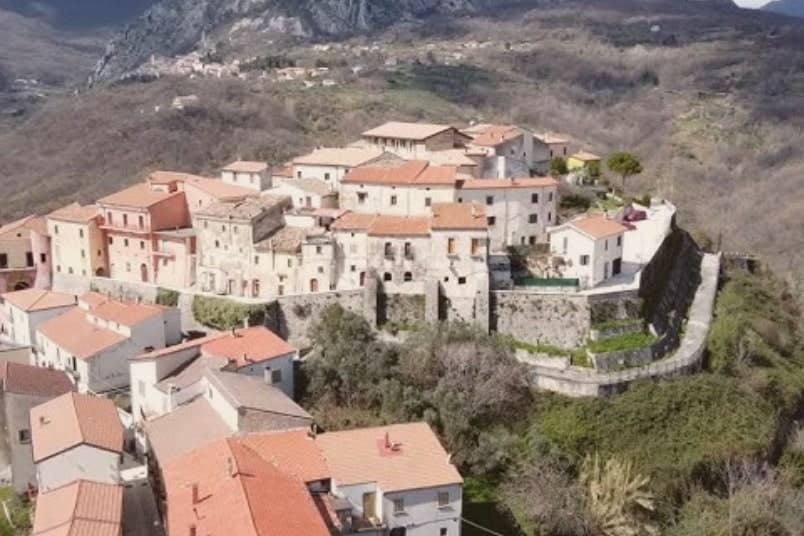
Why visit Scapoli
The borgo sits at 668m in the Mainarde, the limestone massif that forms the western edge of the national park spanning Abruzzo, Lazio and Molise. The zampogna itself is a goat-or-sheep-skin bag with two melody chanters and two drones, traditionally played in pairs at Christmas pastorali, the shepherds' processions.
Scapoli's link to the instrument goes back to at least the 18th century, when shepherds wintering their flocks on the Roman Campagna carried the instruments down from these mountains and sold them in Naples and Rome. That is how a mountain craft became a valley trade: the raw material and the customers came from elsewhere, but the workshops stayed fixed in the centro, passed down through the same families to today, with prices from €600 to €2,500 depending on size and decoration.
Up-valley to the west, the Mainarde peaks, Monte Marrone and Monte Cavallo, rise past 2,000m, and the source of the Volturno river lies 5 km west at Rocchetta a Volturno. The national park stretches across the border into Abruzzo, taking in Camosciara and Forca d'Acero.
The same slopes that shelter the village also feed the river draining the wider area, and the park boundary makes the Mainarde one continuous landscape rather than a local backdrop. The borgo is small and ultraperiferico: one trattoria, no petrol station, no ATM.
Whoever comes for the day brings what is needed. Food is Molisan-mountain, pampanella, caciocavallo, pasta alla chitarra with wild boar, the local Tintilia red, and on festival weekend the centro turns into one open-air kitchen alongside the concerts and workshops.
What holds the place together is the pairing of an isolated mountain setting with a trade that only makes sense because of that isolation: a village too remote to live off anything but a craft it could carry out on foot, still practiced by the same families in the same streets.
La Zampogna have been named by a guide.
What to see in Scapoli
- Festival Internazionale della Zampogna (last weekend July). 4-day International Bagpipe Festival: players from Galicia, Scotland, Bulgaria, Bretagne, Turkey, plus Italian zampognari from across the Apennines. Concerts, workshops, jamming.
- Zampogna workshops (4–5 active). Family workshops in the centro hand-build the instruments to order: cherry wood, brass, tanned goat skin. 6–12 month waiting list. Demonstrations on weekends.
- Museo della Zampogna (Palazzo Battiloro). In the Palazzo Battiloro. 200+ bagpipes from across the Mediterranean, laid out with manufacturing-process exhibits and recordings of historic players: the regional documentation centre of the tradition.
How to get to Scapoli
Napoli is roughly 104 minutes away by road.
Our tip
Scapoli is mountain-seasonal — May through September is the sweet spot, with the International Bagpipe Festival last weekend of July as the year's headline event (10,000+ visitors, book accommodation in Isernia or nearby Castel San Vincenzo 2 months ahead). October is chestnut and porcini season. Winter is severely cold at 668m, services minimal, and the village is dependably quiet.
Capracotta
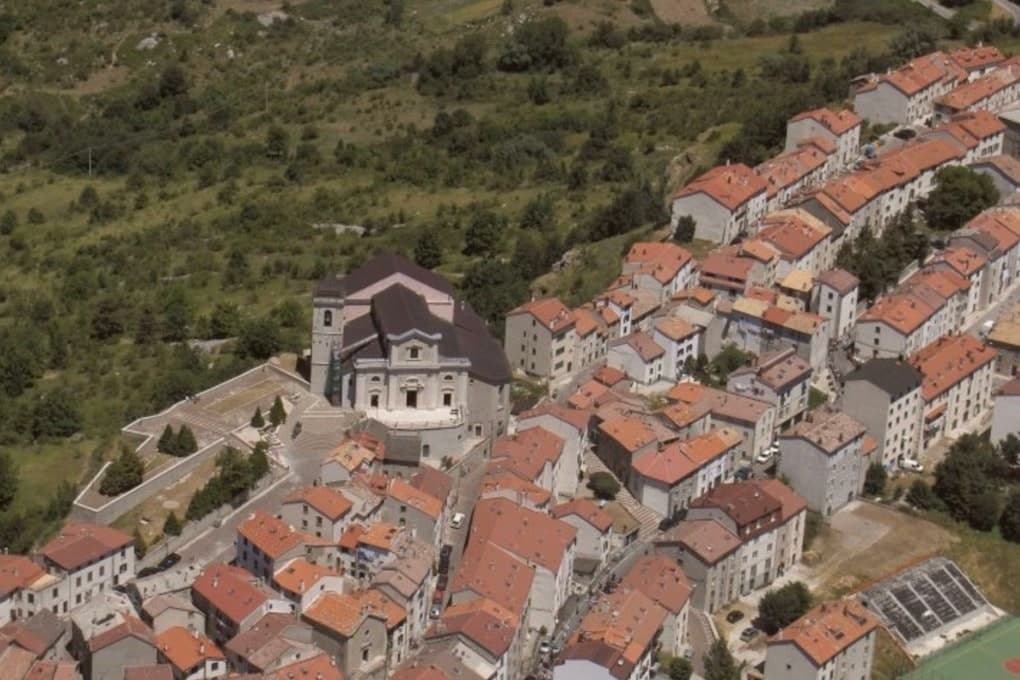
Why visit Capracotta
Capracotta sits at 1,421 meters in Alto Molise, the second-highest commune near the centre of Italy and the forty-first highest in the country. On 5 March 2015 a single 24-hour snowfall dropped 2.56 metres on the village, a Guinness world record that has not been broken since.
Cross-country skiing has been the winter discipline here for decades: the Prato Gentile plateau, set among beech woods at the head of the village, holds the Mario Di Nucci ski trail and hosted the Italian National Cross-Country Ski Championships in 1997. The village itself is stone, narrow and tightly packed against the wind, eight hundred residents in winter and roughly twice that in August when emigrant families return.
The summer pasture, the wildflowers on the Prato Gentile, and the wide views into Abruzzo make Capracotta as much a June-to-September place as a December-to-March one. The shoulder months stay cold and quiet.
L' Elfo have been named by a guide.
What to see in Capracotta
- Prato Gentile. Beech-fringed plateau above the village, home to the Mario Di Nucci cross-country ski trail and host of the 1997 Italian national championships.
- Monte Campo. Local peak above the village, the high ground that funnels the snow systems and gives Capracotta its record-setting winter precipitation.
- Centro storico. Tightly packed stone village built against the wind at 1,421 meters, with low arches and short streets that funnel the snow off the roofs.
How to get to Capracotta
Pescara is roughly 110 minutes away by road.
Our tip
Capracotta has two seasons. June through September is the high pasture and walking season: temperatures rarely cross twenty-five degrees even in August, the Prato Gentile fills with wildflowers, and the village swells to twice its winter size when emigrant families return for the August fiesta. December through March is the snow season, when the cross-country trails open on the Prato Gentile and the village turns to skiing and the stove. Sagra della pezzata falls in August.
Fornelli
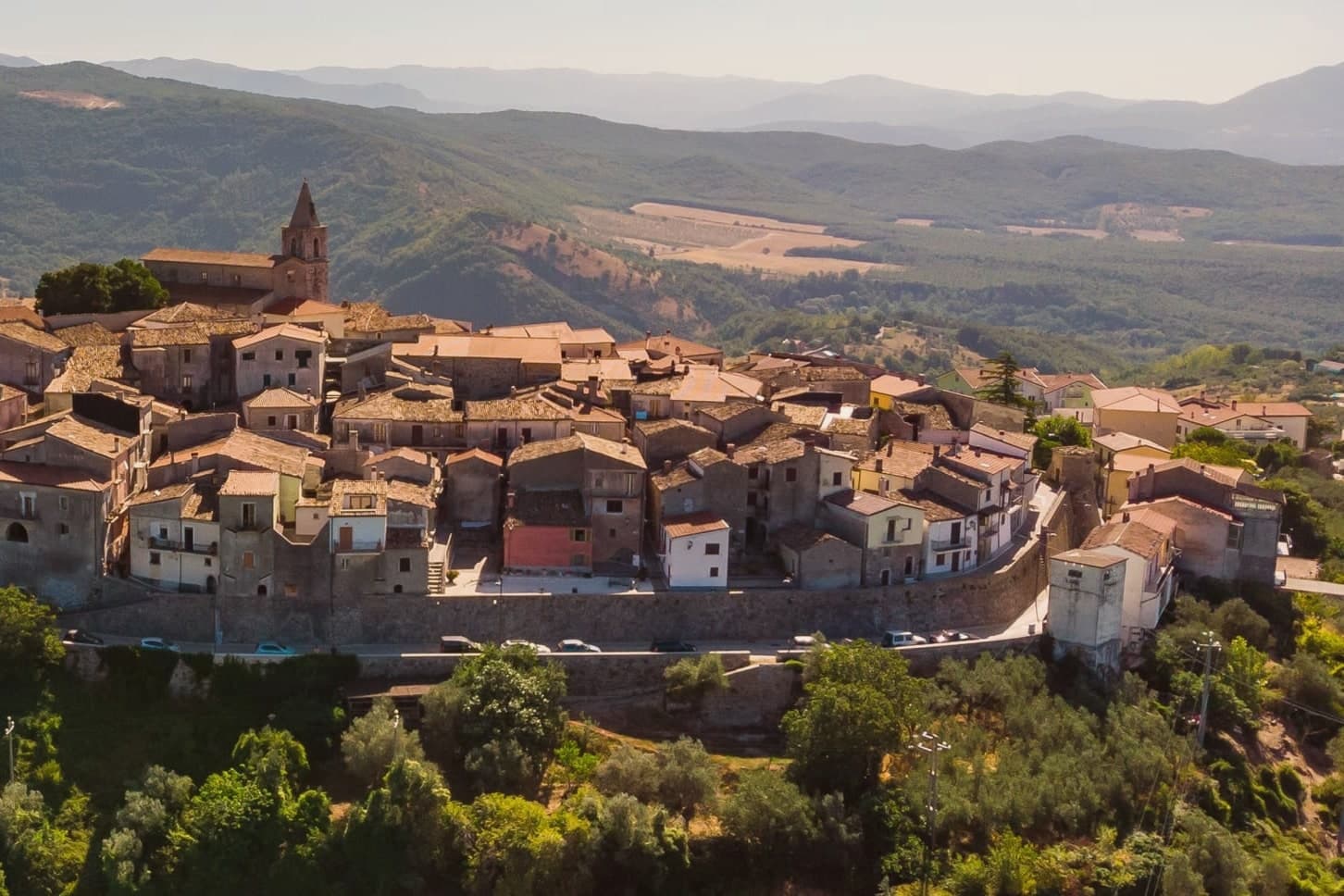
Why visit Fornelli
Fornelli sits at 530 meters on a hill west of Isernia, surrounded by olive groves and oak woods on the southern edge of the Parco Nazionale d'Abruzzo, Lazio e Molise. The village is documented from the tenth century as one of the castles defending the abbey of San Vincenzo al Volturno, and its name probably comes from the furnaces that once worked iron and brick on the slope.
What stands today is one of the best-preserved medieval wall circuits in Molise, accessed through a single gate that once had a drawbridge and moat. Seven towers ring the perimeter; the Palazzo Baronale anchors the centro storico with its circular corner towers and Baroque facing.
Annunziata Lombardi, mother of US Speaker Nancy Pelosi, was born here in 1909 and left for Baltimore as a toddler. The town carries three institutional badges at once: Borghi più belli, Parco Nazionale, Città dell'Olio.
Moustache have been named by a guide.
What to see in Fornelli
- Cinta muraria medievale. One of the best-preserved medieval wall circuits in Molise, with seven towers and a single gate that once carried a drawbridge and moat.
- Palazzo Baronale. Feudal palace at the heart of the borgo, with two circular corner towers and a Baroque-trimmed façade softening the fortified shell.
- Chiesa di San Michele Arcangelo. Parish church inside the walls, dedicated to the archangel and holding the village's principal religious artworks.
How to get to Fornelli
Napoli is roughly 102 minutes away by road.
Our tip
April through June and September into October are the months for Fornelli. The olive harvest begins in late October and runs through November, and the slopes below the walls fill with families and crates. Summer afternoons cross thirty degrees and the centro storico empties between three and six.
Agnone
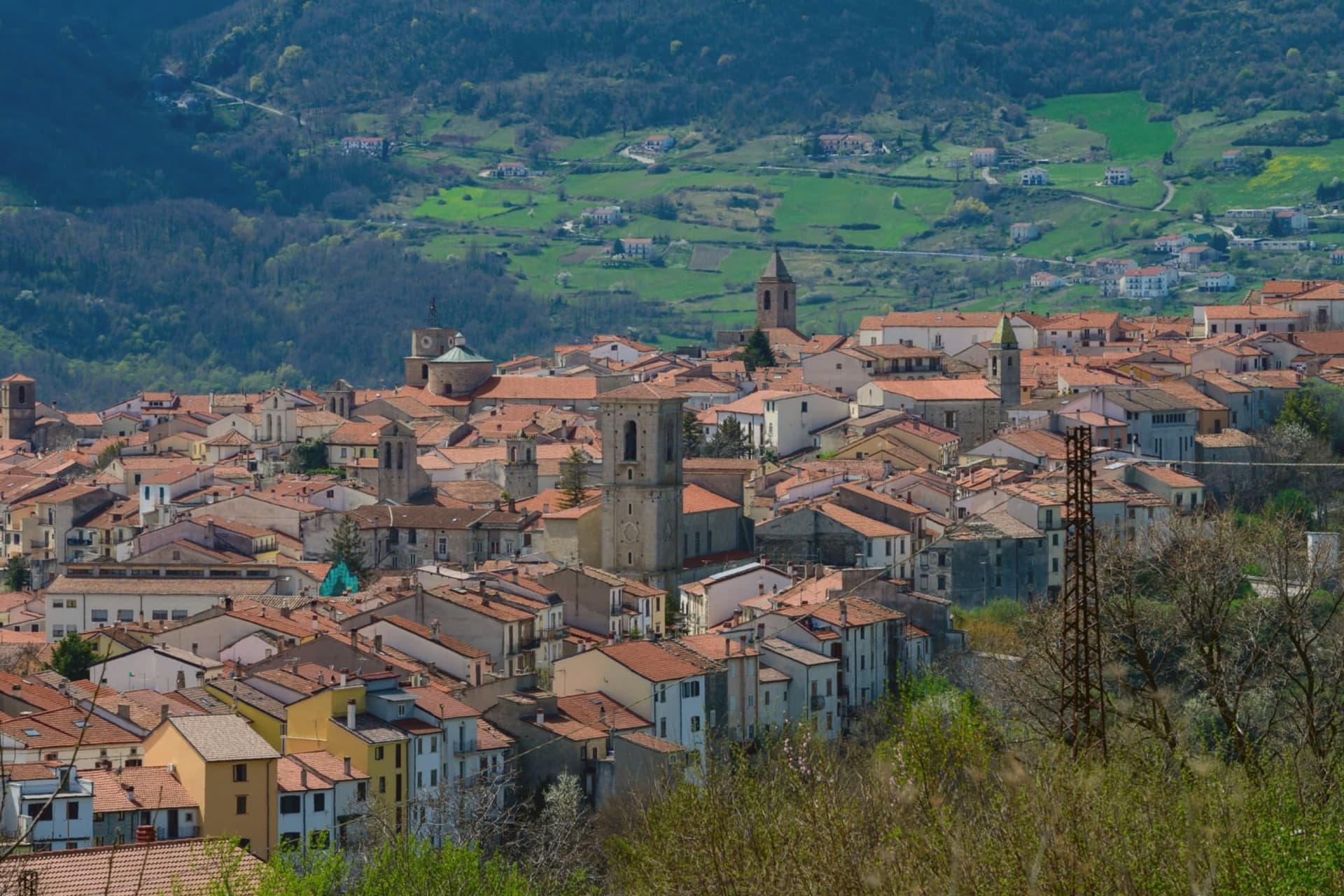
Why visit Agnone
Agnone sits 53 kilometers northwest of Campobasso. The Samnite Pentri held this ground, and the name is said to derive from Aquilonia, the city Papirius burned on his way to Bovianum.
The most important pre-Roman document found in the region, the Tabula Osca, a bronze inscription in Oscan dated to the third century BC, was unearthed in 1848 at Fonte di Romito between here and Capracotta, and now sits in the British Museum. The town is called the Athens of the Sannio for the density of this archaeological record, and the stone centro storico runs along a ridge in the Alto Molise, its churches and workshops a legacy of the bell-casting trade that has occupied the town for centuries.
What the finds at Fonte di Romito and the bells cast in the same streets share is continuity: a settlement that has kept working the same ground, in bronze and stone, since before Rome held it.
Locanda Mammì have been named by a guide.
What to see in Agnone
- Pontificia Fonderia Marinelli. Granted pontifical status in 1924; bells cast here hang at the UN, the FAO, and St Peter's Square, alongside Beijing and Jerusalem.
- Chiesa di Sant'Emidio. Town church in the centro storico, with works tied to the long ecclesiastical history that earned the town its epithet as the Athens of the Sannio.
- Centro storico. Stone old town along a ridge in the Alto Molise, dense with churches and workshops from the bell-casting trade.
How to get to Agnone
Pescara is roughly 114 minutes away by road.
Our tip
May through October is the open window in Agnone. The Alto Molise green comes in late spring, and June and September give the steadiest hiking weather toward Pietrabbondante and the surrounding ridges. July and August stay cooler than the coast at 840 meters. Fiera casearia falls in the season.
Venafro
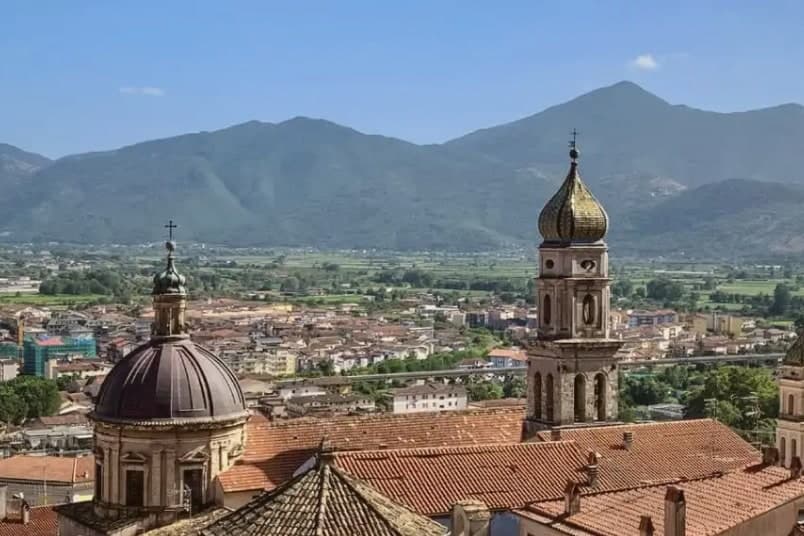
Why visit Venafro
Venafro lies at 222 meters in the lower Volturno valley, on the road between Cassino and Isernia, near the Lazio border. Horace praised the place as a resort, and the surrounding hills still carry the native Aurino olive groves that made the town's name.
Until 1863 Venafro belonged to the Terra di Lavoro and the province of Caserta, was then reassigned to Campobasso, and joined the new Isernia province only in 1970, a late arrival to the map it now sits on. The old town climbs from the lower quarters up toward the castle at its highest point, with the basilica and its convent anchoring the base of that climb below.
Roman remains, amphitheatre, theatre, and aqueduct, lie folded into and beneath the medieval fabric, so that walls, churches, and antiquity share the same ground rather than sitting in separate districts. Venafro carries Parco Nazionale and Città dell'Olio marks.
The town reads as a place where a Roman colony, a resort praised by poets, and a shifting patchwork of provincial borders all left their layer without erasing the ones beneath.
Il Monsignore della Tenuta Santa Cristina have been named by a guide.
What to see in Venafro
- Castello Pandone. Hilltop castle of the Pandone family from the fifteenth century. The noble rooms carry the equestrian frescoes, among them the Sala del Cavallo di Carlo V and the gallery of racehorses, painted over the whole cycle of chambers.
- Basilica di San Nicandro. Town basilica with attached convent, where Padre Pio stayed for medical treatment in the early twentieth century.
- Centro storico. Old town said to hold 33 churches between Roman remains and medieval walls, climbing toward the castle at its high point.
How to get to Venafro
There is a railway station in the town, so you can arrive without a car and never need one while you are here. Napoli is roughly 79 minutes away by road.
Our tip
April through October is the working season. Spring brings the Volturno valley back into colour and the Pandone castle's outdoor rooms back into use. June and September are the steadiest months for walking the centro storico.
Isernia
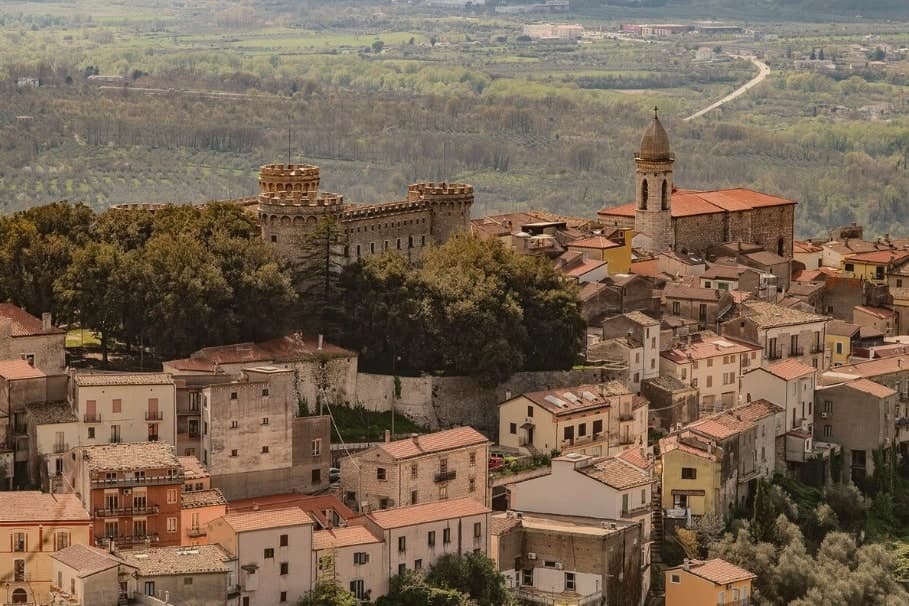
Why visit Isernia
Isernia stands on a narrow rock spine between two rivers, 423 meters above sea level, in the upper Volturno valley. The hill is one of the oldest inhabited places in Europe.
The archaeological site of Isernia La Pineta has yielded tools and animal bones dated to about 700,000 years ago and the milk tooth of a child who lived 583,000 years ago. The Pentri Samnites built Aesernia here in the seventh century BC; Rome took it in 295 BC and founded a Latin colony in 264 BC.
The medieval city replaced the Roman streets with its own grid, and in 1240 the public Fontana Fraterna went up in the centro storico, six water jets behind a stone arcade made of repurposed Roman blocks. The Cattedrale di San Pietro Apostolo, built from 1349 on the foundations of a Samnite-era temple, sits a short walk away.
Isernia carries the Città del Tartufo mark for the white truffle harvested in the surrounding woods.
Ausa, Distinto Ristorante, Existo Osteria Molisana and 3 more have been named by a guide.
What to see in Isernia
- Museo Nazionale del Paleolitico (Isernia La Pineta). Archaeological site and museum showing tools and bones dated to 700,000 years ago, one of the oldest human sites in Europe.
- Fontana Fraterna. Thirteenth-century public fountain with six water jets behind a stone arcade, made of repurposed Roman blocks.
- Cattedrale di San Pietro Apostolo. Cathedral begun in 1349 on the foundations of a third-century-BC Italic temple, seat of the Bishop of Isernia-Venafro.
How to get to Isernia
There is a railway station in the town, so you can arrive without a car and never need one while you are here. Napoli is roughly 103 minutes away by road.
Our tip
April through October is the open season. Spring brings the Volturno valley green and the truffle hills back into walkable shape. June and September are the cleanest months for the centro storico.
More from Anywhere Italy
 The best towns inside a national park in the province of Isernia
 The best high-altitude villages in the province of Isernia
 The best hill towns in Molise
- The best mountain towns in the province of Isernia
 The best hill towns that eat well within 90 minutes of Napoli
- The best hidden olive oil towns in Molise