
Themed picks · Rome · Olive oil
10 olive oil comuni near Rome
10 comuni · within 150 minutes of Roma · drive times OSRM-computed
Lazio is one of Italy's quietly serious olive oil regions, and the country immediately east and south of Rome holds the densest cluster of Città dell'Olio comuni in central Italy. The Sabine hills, north-east of the city, produce the Sabina DOP (granted 1996, the first DOP for olive oil in Italy); the Castelli Romani volcanic country south produces the Colli Albani oils; the lower Ciociaria and the Roman side of the Apennines hold the rest. Across the regional border, the Umbria DOP zones (Colli Assisi, Trasimeno, Martani) sit inside a wider drive radius and carry a different oil character (more bitter, more peppery) that contrasts cleanly with the Sabine.
Rome is the right base because the city's road network puts every major olive zone inside two and a half hours, and the oil comes back to Rome on the working market shelves. Most Rome trattorie carry one cooking oil and a separate finishing oil from a known frantoio; the finishing oil is usually from one of the comuni in this list. The frantoi themselves (the mills) are open by appointment year-round, but the November olive harvest is when the new oil tasting (degustazione olio nuovo) becomes a public event in the comuni, sometimes coinciding with a sagra.
We picked ten comuni with deliberate spread across the Sabine, the Castelli, the Ciociaria, and the southern Umbrian DOP zones. Drive times below are OSRM-computed from Rome's GRA by car. The wider two-and-a-half-hour radius is deliberate: the Umbrian zones and the Maremma laziale sit at the edge of it but anchor strong oil traditions worth the drive.
 1
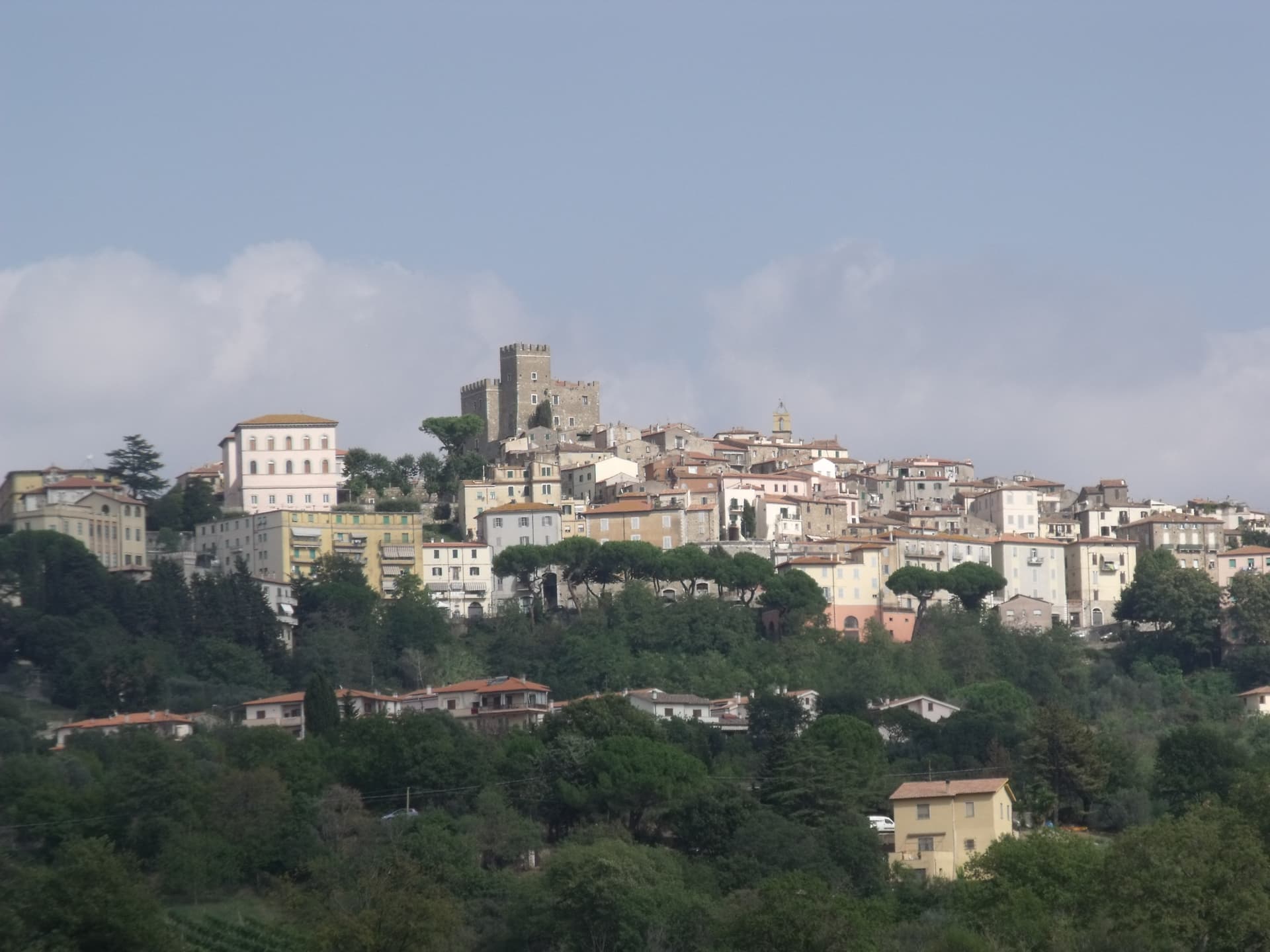
1Grosseto · Tuscany · 143 min from Roma
Manciano
A market town at 444 meters in the southern Maremma, with a Sienese fortress of 1424 and the thermal frazione of Saturnia in its territory.
Etruscan frazione with sulphurous hot springs averaging 37 degrees Celsius, used since Roman times and free to enter at the Cascate del Mulino.
On the Città dell'Olio territorial trail.
 2
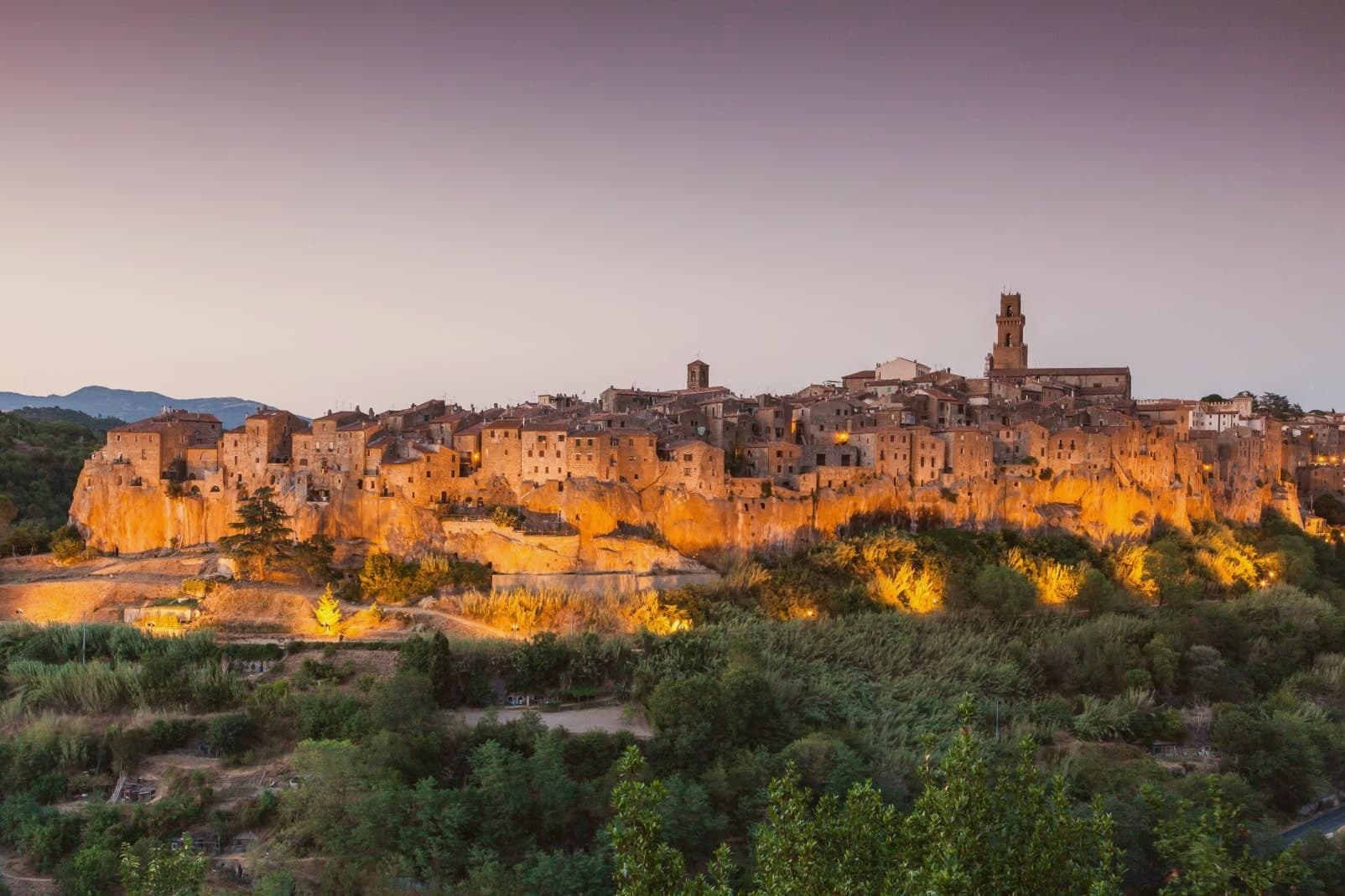
2Grosseto · Tuscany · 145 min from Roma
Pitigliano
The Little Jerusalem of southern Tuscany, carved into a tuff spur in the Maremma, where the houses, the synagogue and the streets are all cut from the same volcanic rock.
Jewish community present since the late sixteenth century, synagogue built 1598, ghetto imposed by the Medici in 1622, museum reopened after restoration.
 3
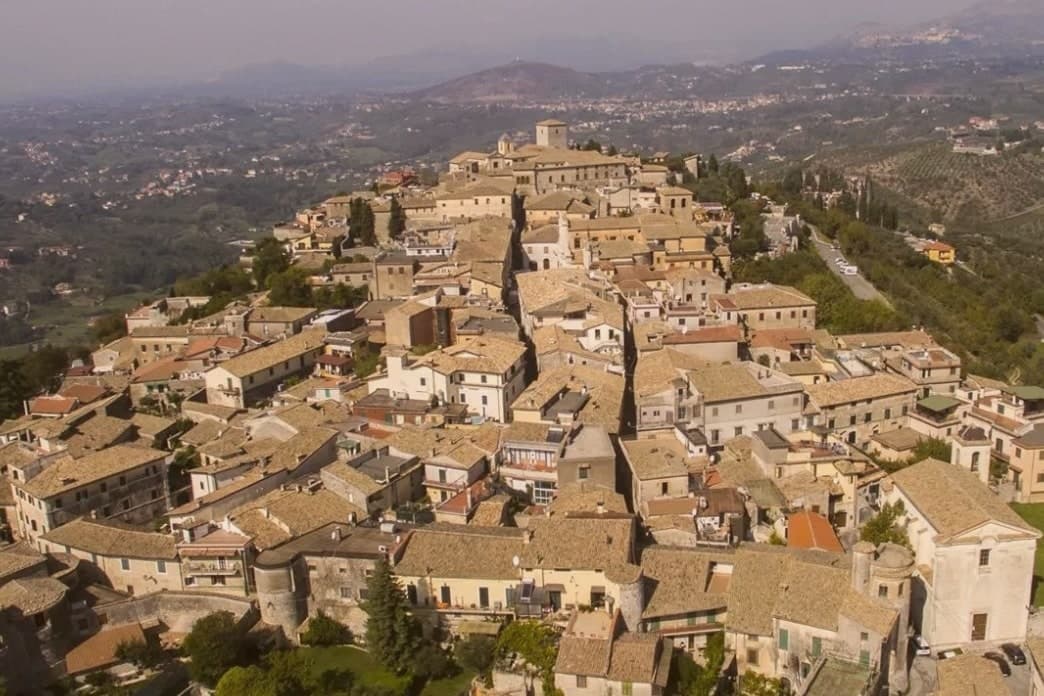
3Frosinone · Lazio · 117 min from Roma
Boville Ernica
A Ciociaria hilltop town with eighteen intact medieval towers, ringed by a walled circuit that has stood since the tenth century.
A fragment from Giotto's mosaic at old St. Peter's, held at the abbey of San Pietro Ispano; the only surviving Giotto mosaic anywhere.
 4
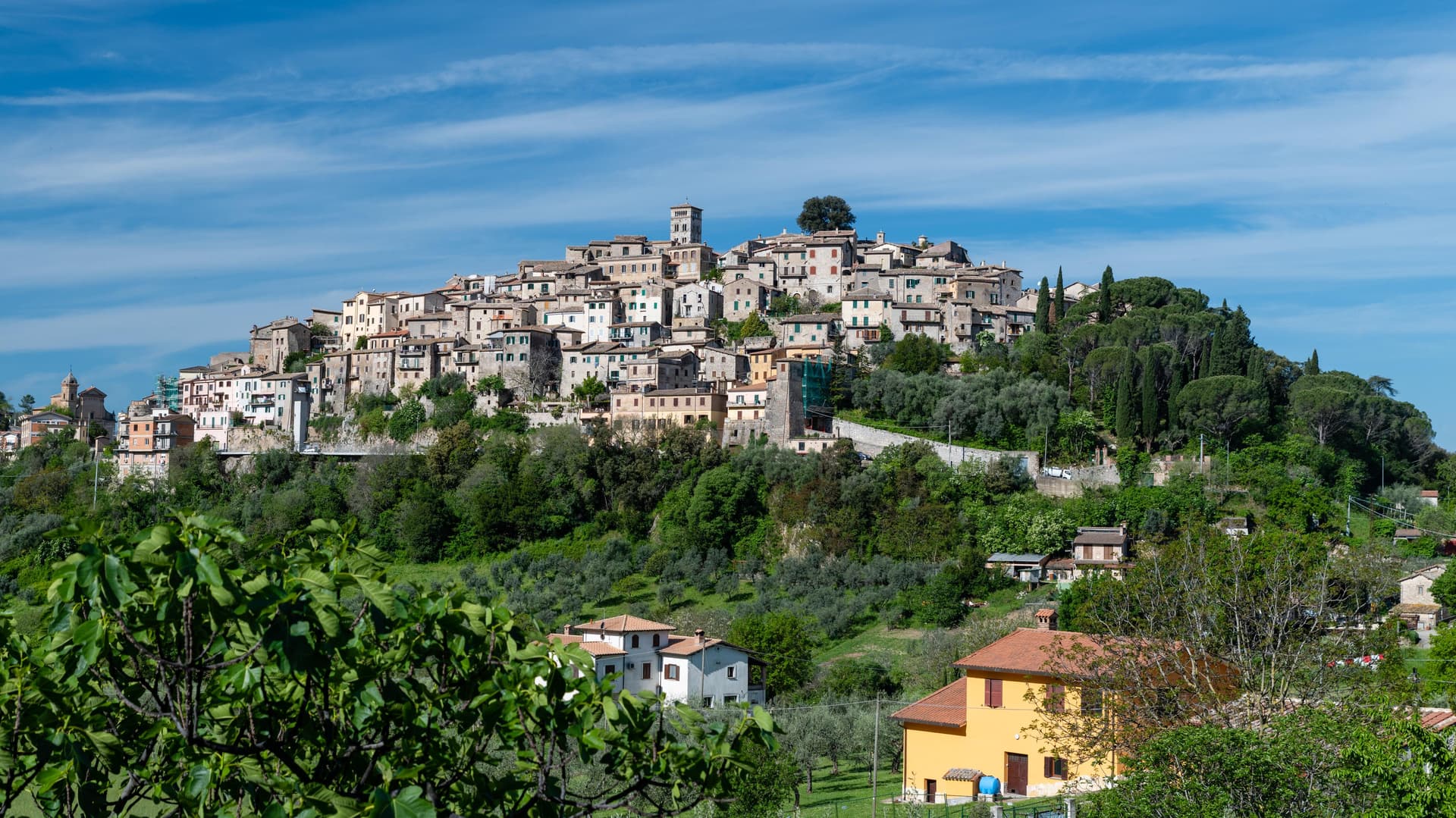
4Rieti · Lazio · 99 min from Roma
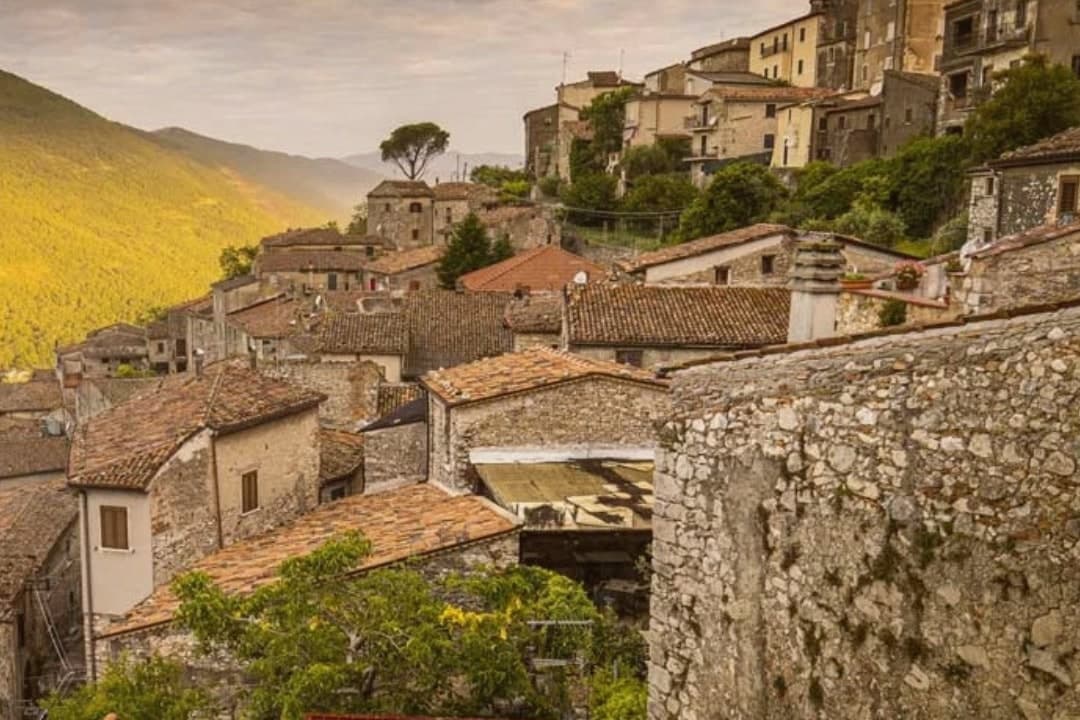
Casperia
A Sabina hill village named Aspra in Virgil's Aeneid, called that until 1947, ringed by walls from 1282.
Named Aspra in Book VII of the Aeneid; kept the name until 1947, when it was renamed Casperia for an older Sabine site.
 5
5Frosinone · Lazio · 125 min from Roma
Castro dei Volsci
A Ciociaria hilltop borgo at 385 meters in the Sacco valley, named for the pre-Roman Volsci.
Born here in 1921, one of the four pillars of postwar Italian comedy alongside Sordi, Gassman and Tognazzi.
The slow-trip planner
Building a trip? Find where Rome fits in a slow Italy circuit.
Answer five questions. We will shape a geographically coherent slow trip from the 1,000 Italian towns most travelers skip. Yours to save and share.
 6
6Grosseto · Tuscany · 113 min from Roma
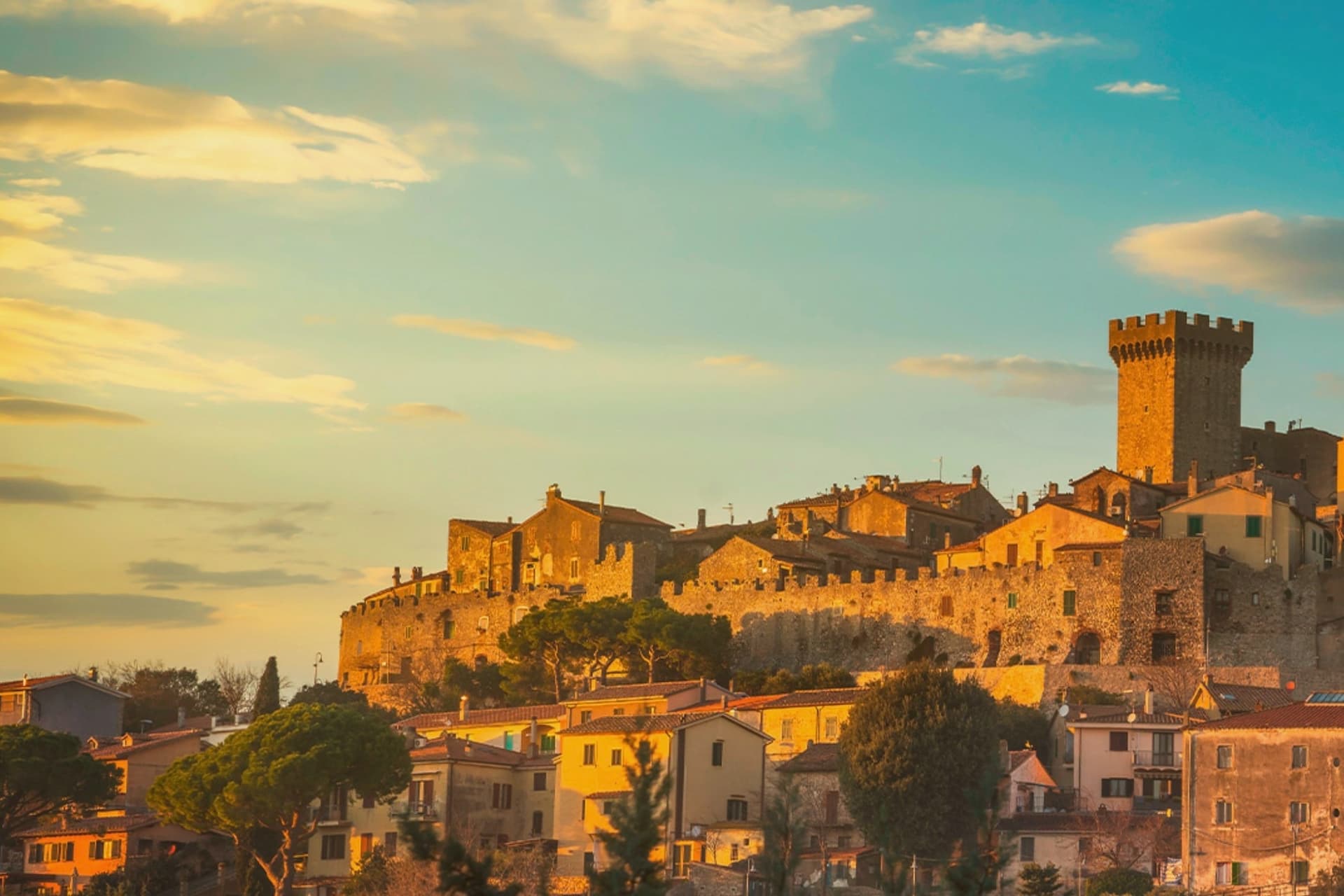
Capalbio
A walled hilltop borgo at 217 meters in the southern Maremma, donated to the Abbey of Tre Fontane by Charlemagne.
Niki de Saint Phalle sculpture park built between 1979 and 1998, twenty-two ceramic figures of the Major Arcana, opened in 1998.
 7
7Siena · Tuscany · 147 min from Roma
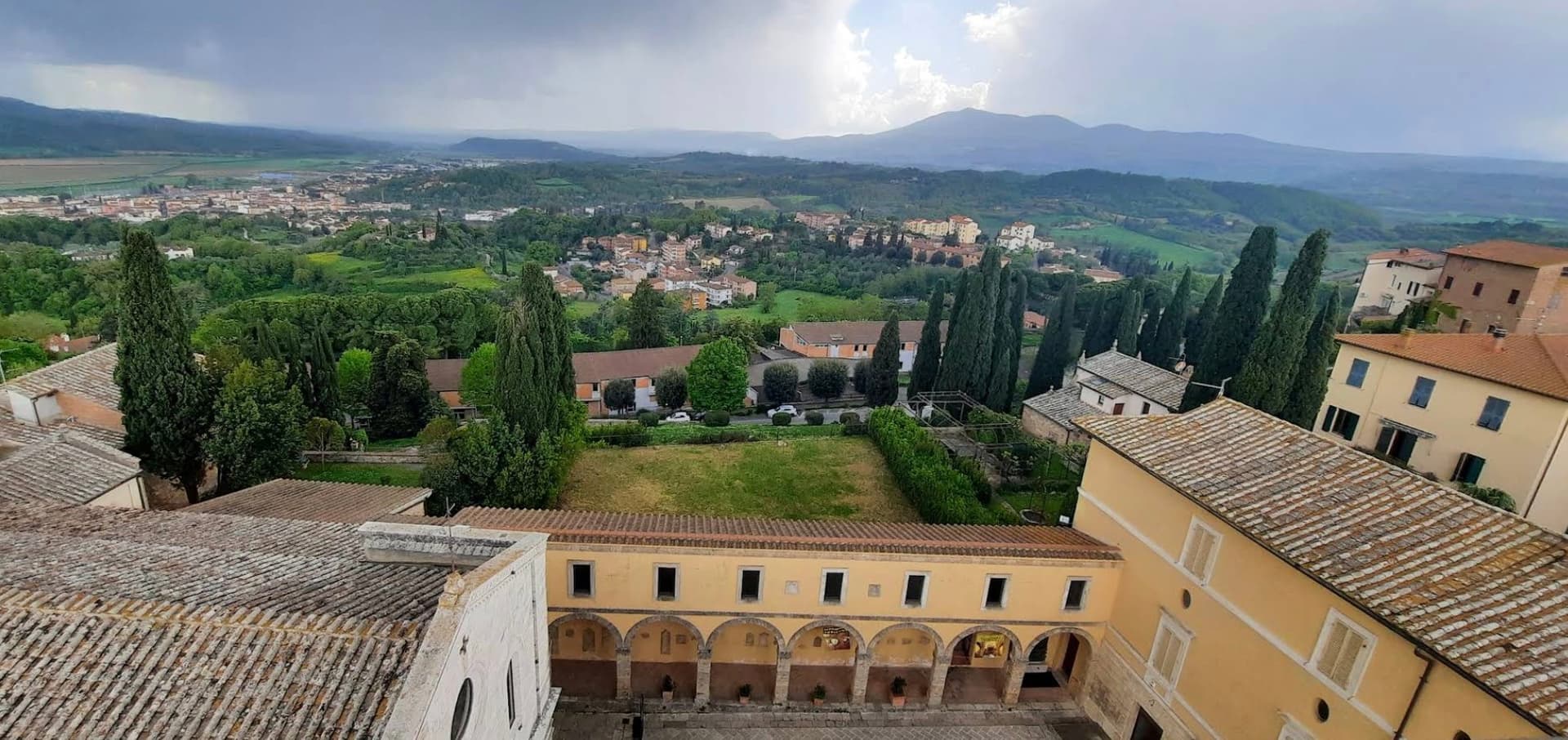
Chiusi
The Etruscan city of King Porsenna at 398 meters above the Val di Chiana, with one of Italy's major Etruscan museums and tunnels carved beneath the streets.
One of the twelve cities of the Etruscan League, ruled at its sixth-century BC peak by Lars Porsenna who led the alliance against Rome around 508 BC.
 8
8Terni · Umbria · 150 min from Roma
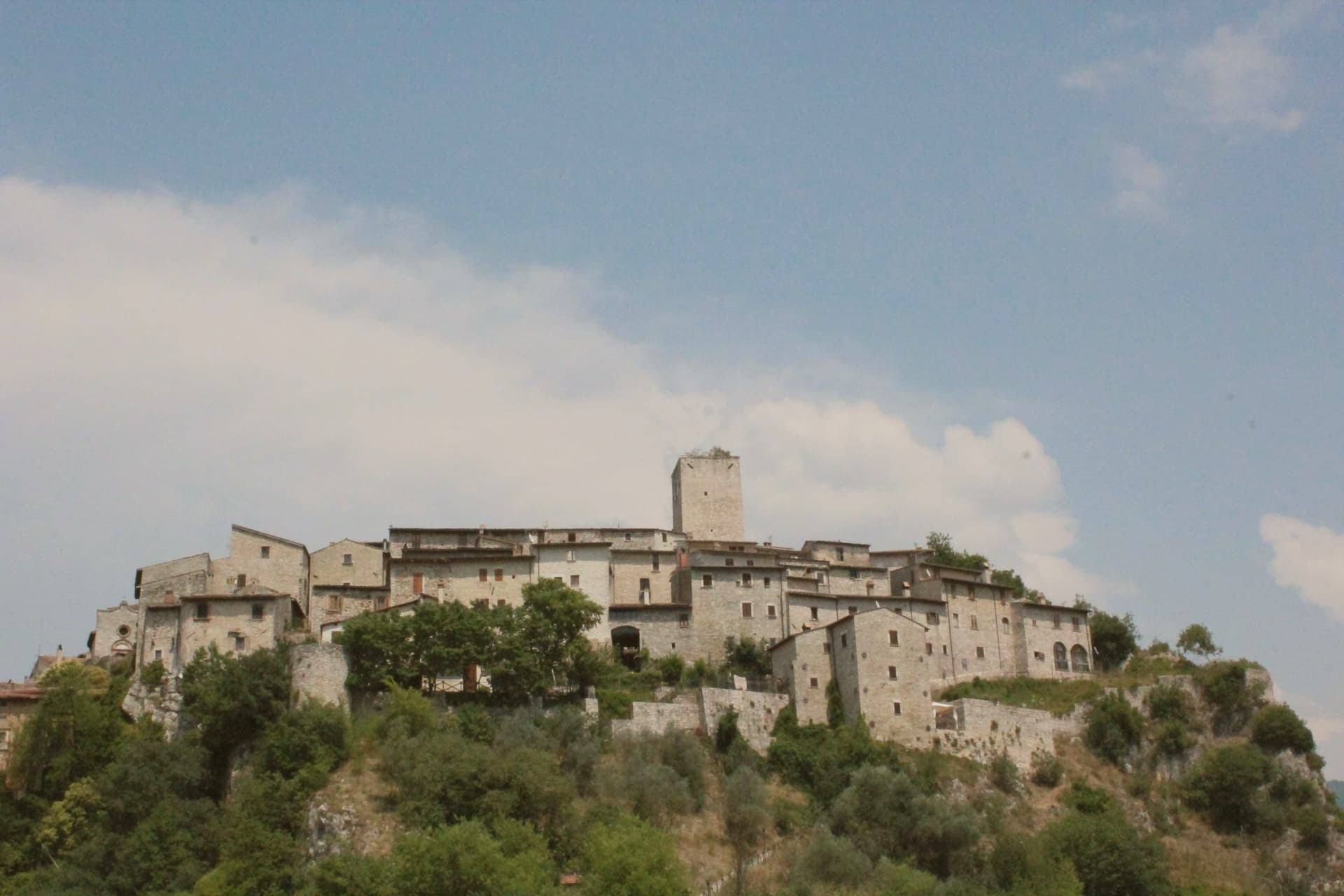
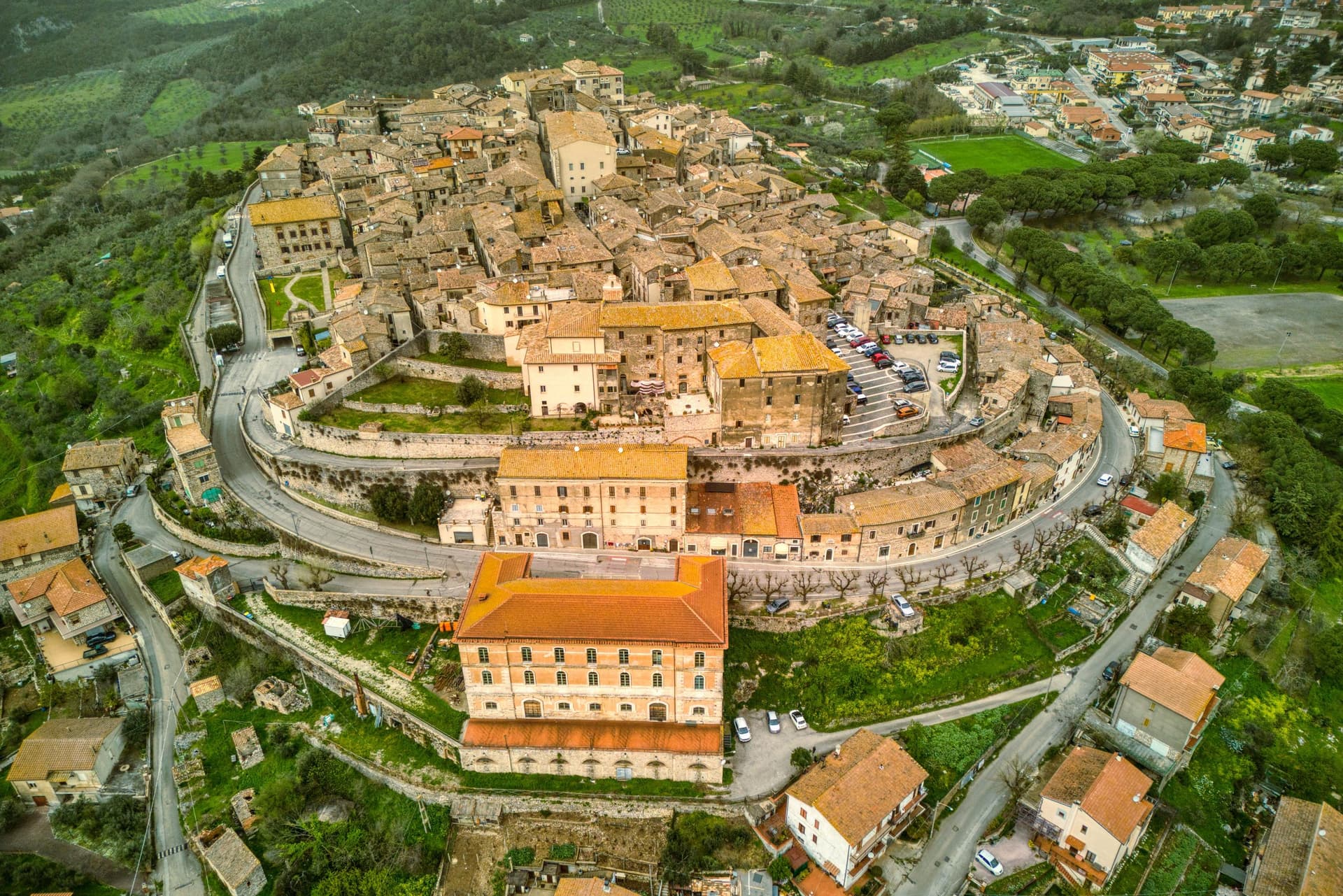
Arrone
Medieval castle village on the left bank of the Nera at 243 meters, upstream from the largest man-made waterfall in the world.
165-meter three-tier waterfall five kilometers downstream, cut by the Romans in 271 BC, the largest man-made falls in the world.
 9
9Terni · Umbria · 114 min from Roma
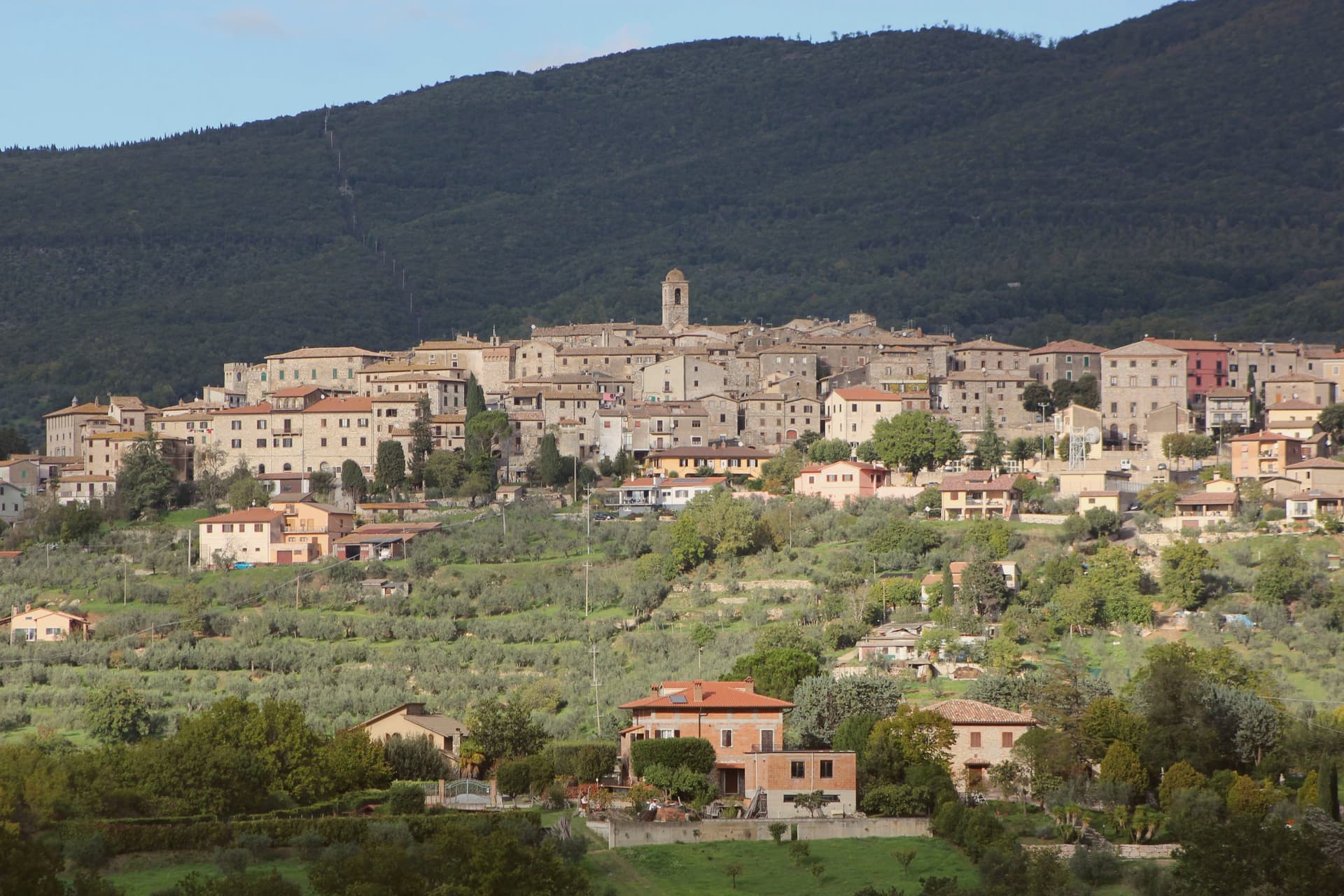
Lugnano in Teverina
A ridge town at 441 meters above the lower Tiber valley, with a 1230 Romanesque collegiata and a late-Roman infant cemetery on the hill below.
Romanesque parish church of 1230 in Tiber travertine, with cosmatesque pavement and a paired-column portico across the façade.
 10
10Terni · Umbria · 135 min from Roma
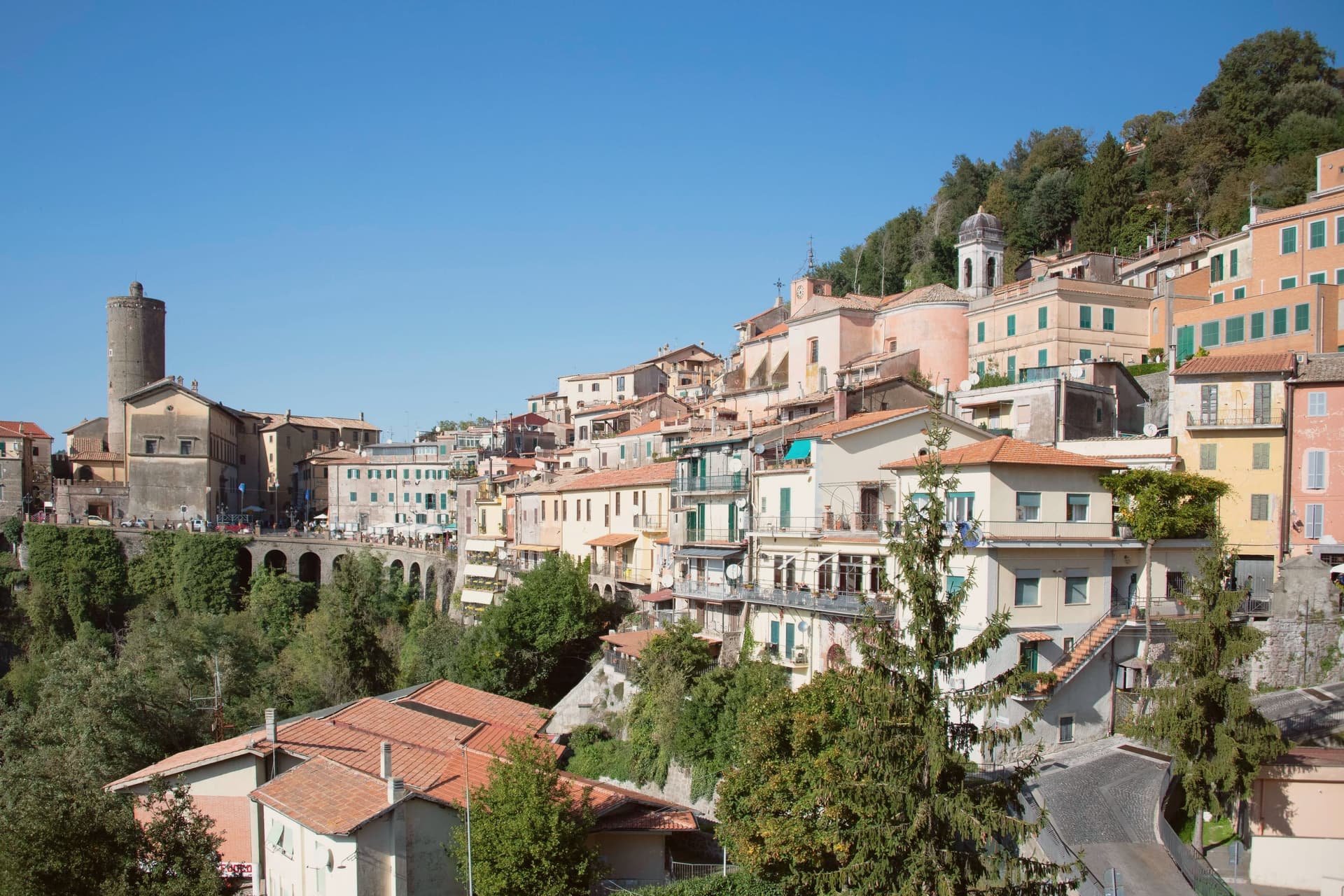
Montecchio
A small hill commune at 377 meters above the Tiber, sitting on top of one of Umbria's largest Etruscan-tied necropolises.
Fifty chamber tombs at Vallone di San Lorenzo, one of the largest pre-Roman necropolises in Umbria, with Etruscan ties to Orvieto.
We write about towns like these every Sunday, one town a week, with the photo, the food, the festa. Free, from Pietrasanta.
Why Roma is the base
Rome holds the southern end of Italy's olive heartland and the working market network (Mercato Trionfale, Mercato Testaccio, Mercato di Campo de' Fiori) where the oils from the surrounding comuni show up bottled by smaller producers. The food in the city sets up the trip outward (cacio e pepe, carbonara, abbacchio scottadito all want a serious finishing oil) and closes the loop on the way back. The motorway access (A1 north, A24/A25 east, GRA ring) handles the day-trip logistics.
When to go
October and November for the working olive harvest; the new oil is at its greenest in the first ten days after pressing, becomes rounder over the winter, and is at its 'right' balance by January. April through June is the second window: spring sees the olive flowering (la mignolatura) in May, which is the most photogenic state of the groves, and the established frantoi continue to pour the previous year's oil through the summer. The Sabine and Castelli sagre fall in October and November.
Questions people ask
- What is the Sabina DOP?
- The Sabina DOP (Denominazione di Origine Protetta) is the protected olive oil designation covering a cluster of comuni in the Sabine hills north-east of Rome (provinces of Rieti and northern Roma). It was granted in 1996 and was the first olive oil DOP issued in Italy. The oil profile is grassy, medium-bitter, and lower in pepper than the Tuscan or Umbrian DOPs.
- Where can I visit an olive oil mill near Rome?
- Most frantoi are open by appointment year-round; some run regular tasting hours during the November harvest. The major producers in Casperia (Sabina), Castel di Tora (Sabine), Vicovaro (Aniene valley), and Velletri (Castelli Romani) all run scheduled visits. The Strada dell'Olio della Sabina route signposts a dozen frantoi north-east of Rome.
- When is the olive harvest in Lazio?
- Mid-October to early December, depending on altitude and variety. The lower Sabine harvests first (mid-October); the higher Castelli wait until early November. The frantoi run at near-capacity through this window, and tasting the unfiltered, just-pressed oil straight off the press is the most direct version of the regional product.
- Is Roman cooking actually defined by olive oil?
- Yes, but not exclusively. Roman cooking traditionally splits between olive oil (the southern, summer, vegetable, and seafood dishes) and pork fat (guanciale, lard, the heavier winter pasta sauces). Cacio e pepe, gricia, carbonara and amatriciana all use guanciale, not oil, as their fat base; the finishing oil enters through the vegetable contorni (carciofi alla romana, puntarelle, broccoli ripassati) and the dressing of cold antipasti.
How we picked these · We filtered every town within 150 minutes of Rome to those carrying a Città dell'Olio designation, plus those with a Borgo più bello status that overlaps the major Lazio and Umbrian DOP zones. Ranked by signal density and drive-time tightness. The Sabine and Castelli comuni anchor the list; the Umbrian and southern entries round it out.
From elsewhere in Italy
Five more towns to discover
Visso
Province: Macerata
The northern Sibillini gate at 607 meters where the Nera meets the Ussita, holding one of two surviving manuscripts of Leopardi's L'Infinito.
Goriano Sicoli
Province: L'Aquila
At 720 meters in the Subequana valley, a medieval village drawn by M.C. Escher in 1929 keeps a May ritual folklorists trace to Demeter.
Ugento
Province: Lecce
A Messapian-Roman town five kilometers from the Ionian, where a Baroque castle sits on the walls of the ancient city of Ozan.
Fontanellato
Province: Parma
A Parma-plain town built around the Rocca Sanvitale, the moated fortress at its center.
Pescina
Province: L'Aquila
A Marsica town at 735 meters, on the rim of the drained Fucino basin, that lost five thousand of six thousand people in a single morning in 1915.